
Albert Cheuret
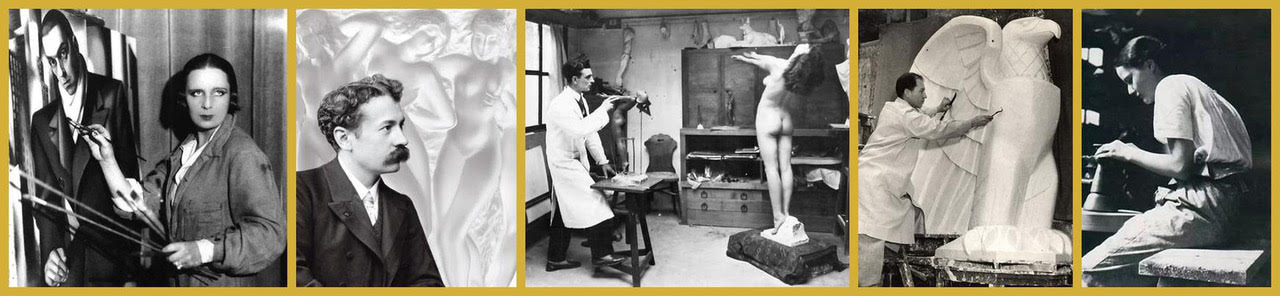
Albert Cheuret was born in 1884 in Paris and was a discreet personality whose life story remained relatively unknown despite the prominence of his work. He studied sculpture at the École des Beaux-Arts under the academic Georges Lemaire and Jacques Perrin, training in a milieu that included such towering figures as Auguste Rodin, Antoine Bourdelle, and Jean-Baptiste Carpeaux. He began his artistic activity in 1907 and set up his studio at 11 Avenue Franco-Russe, near the Champ de Mars in Paris. In 1908, he received the top prize in the Ornamental Sculpture competition organized by the Réunion des fabricants de bronze, a guild founded in 1818. He served as an officer in the 1st engineering corps during World War I, where he was wounded twice and decorated for his bravery, and was awarded the Knight of the Legion of Honour in 1920. After the war, he resumed his practice and secured a number of high-level commissions while continuing to exhibit regularly at the Salon des Artistes Français. His granddaughter, Catherine Bernard, has kept archives, drawings, and photographs of her grandfather in an old-fashioned suitcase, preserving the record of his career for posterity. Cheuret died in 1966.
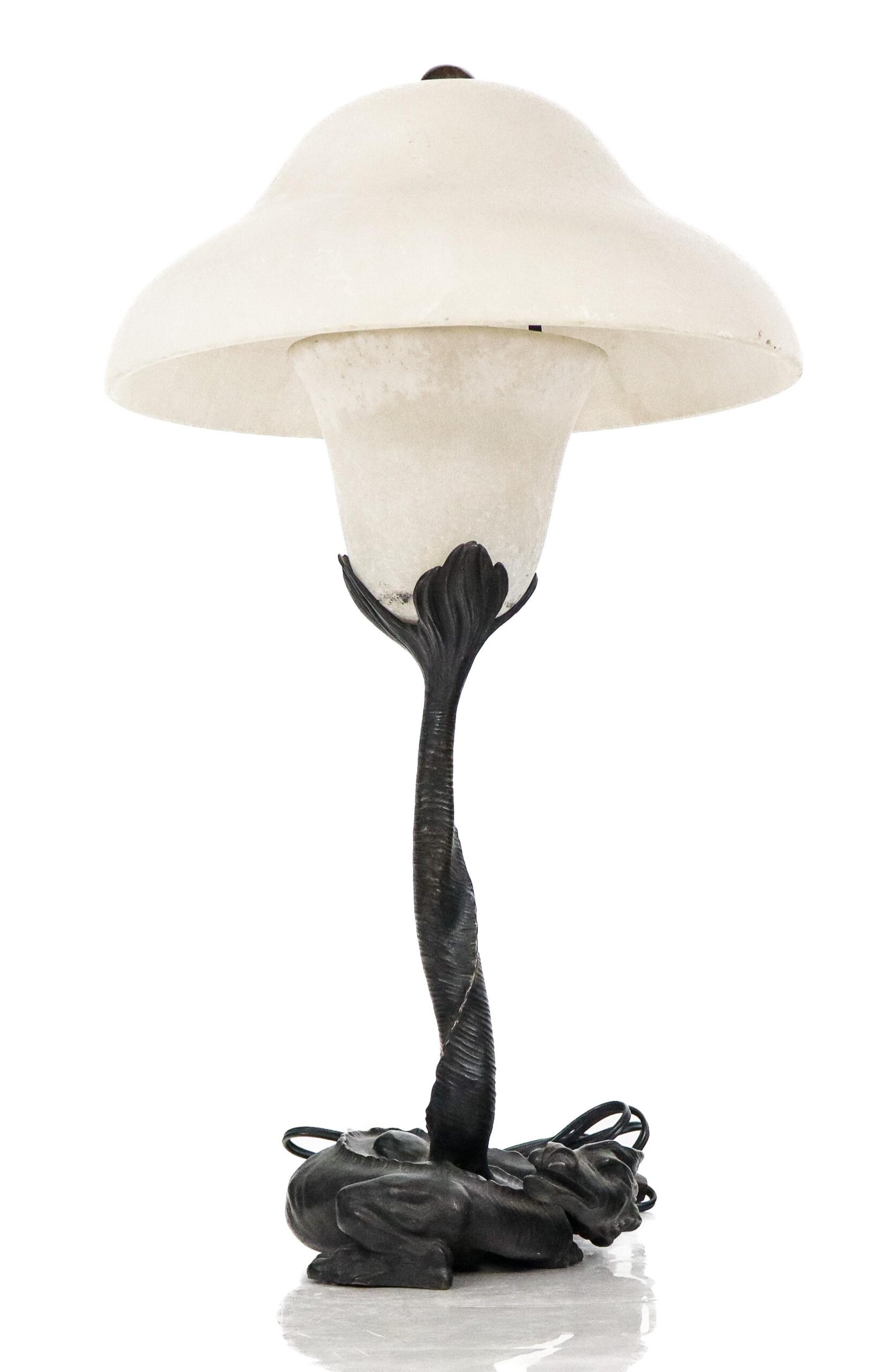
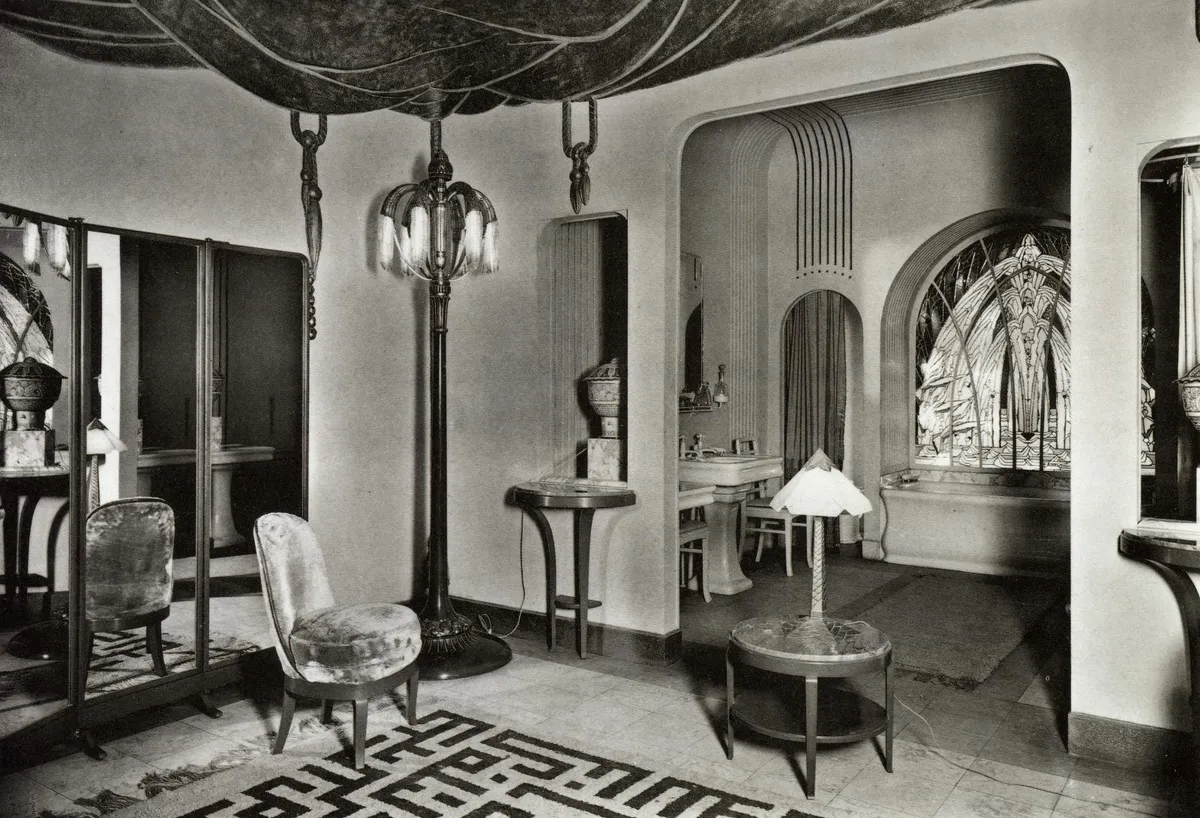
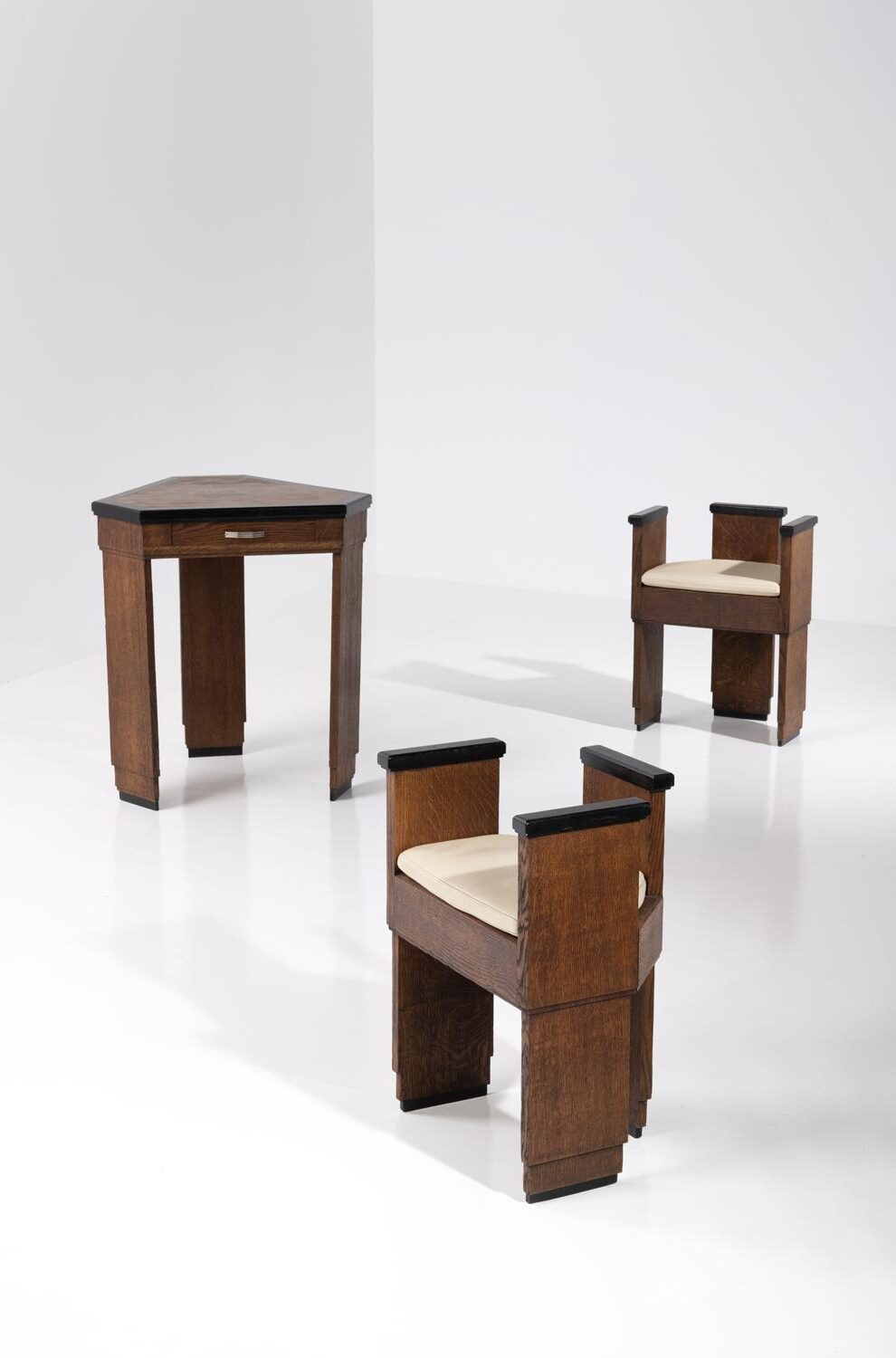
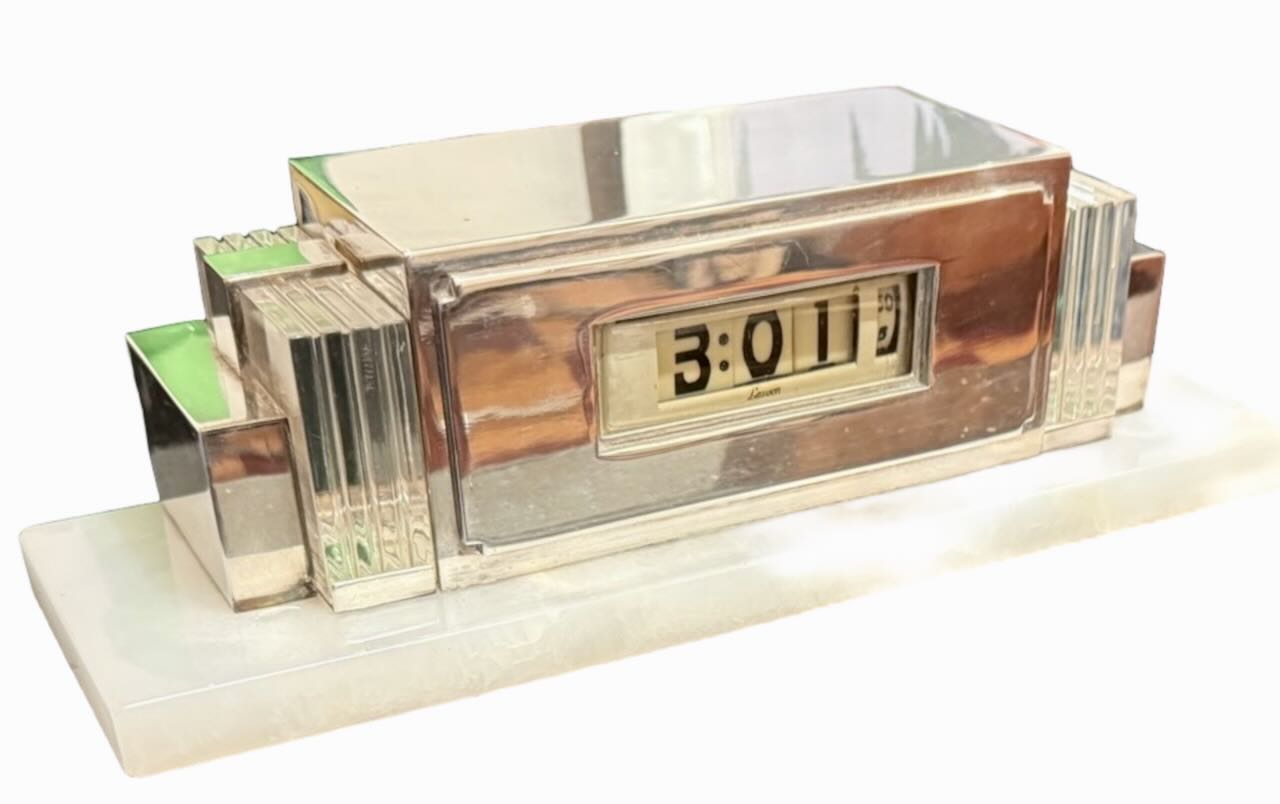
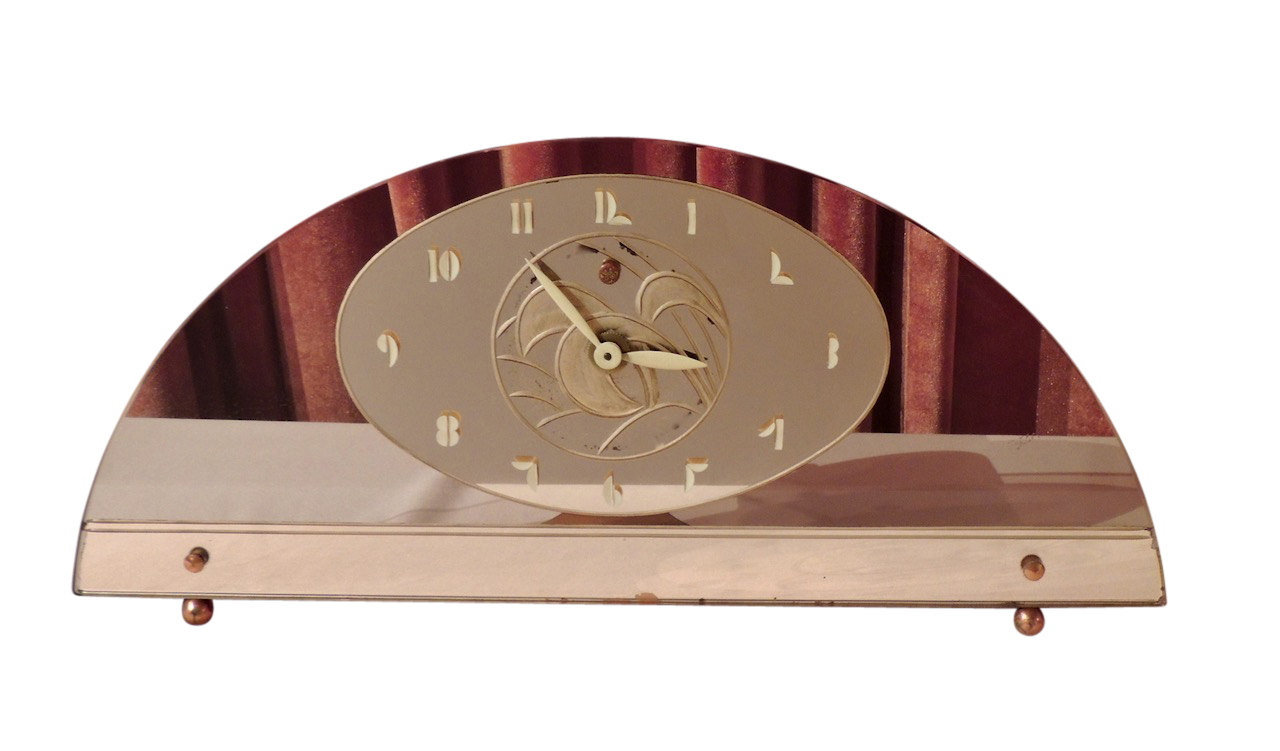
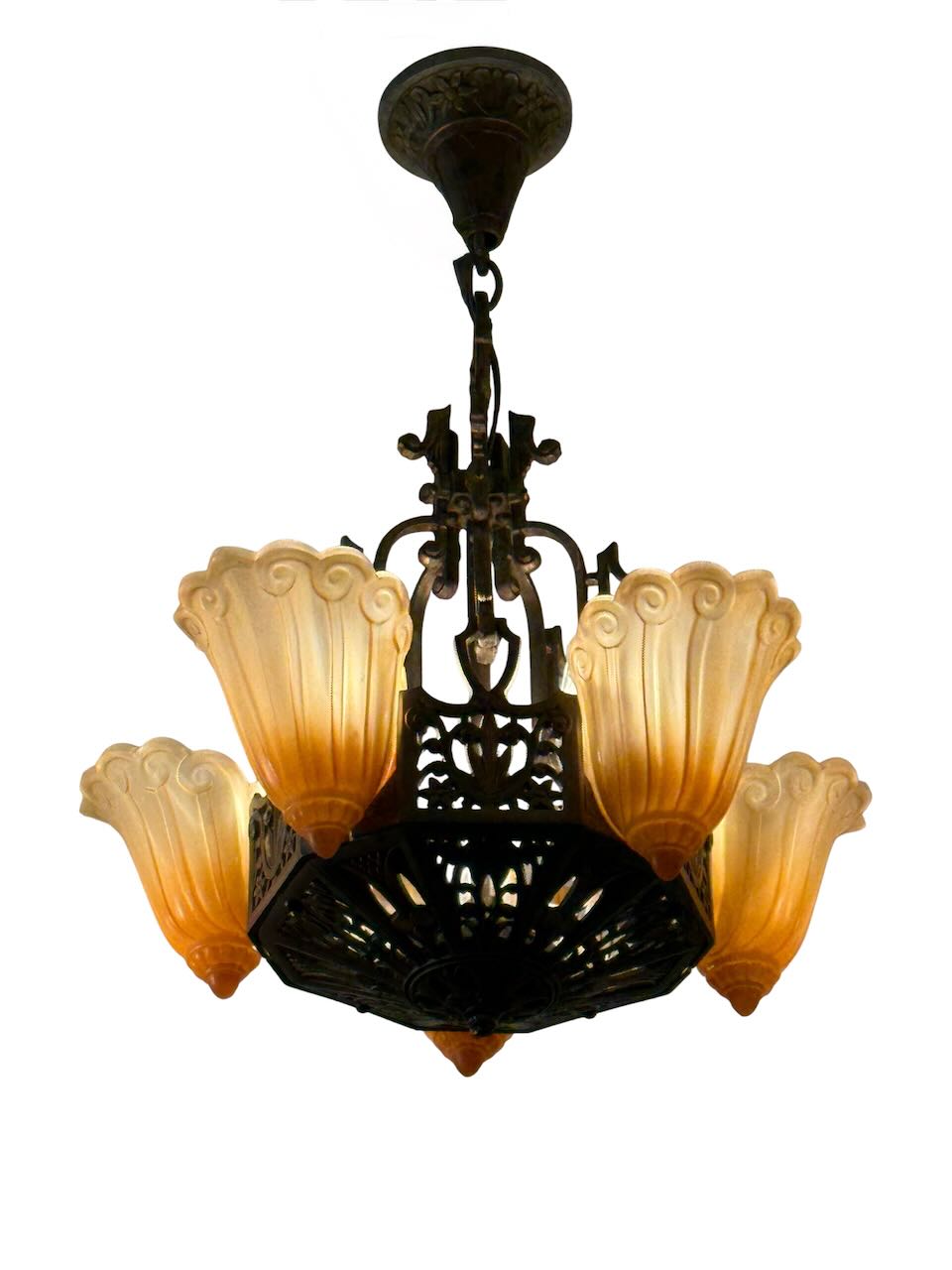
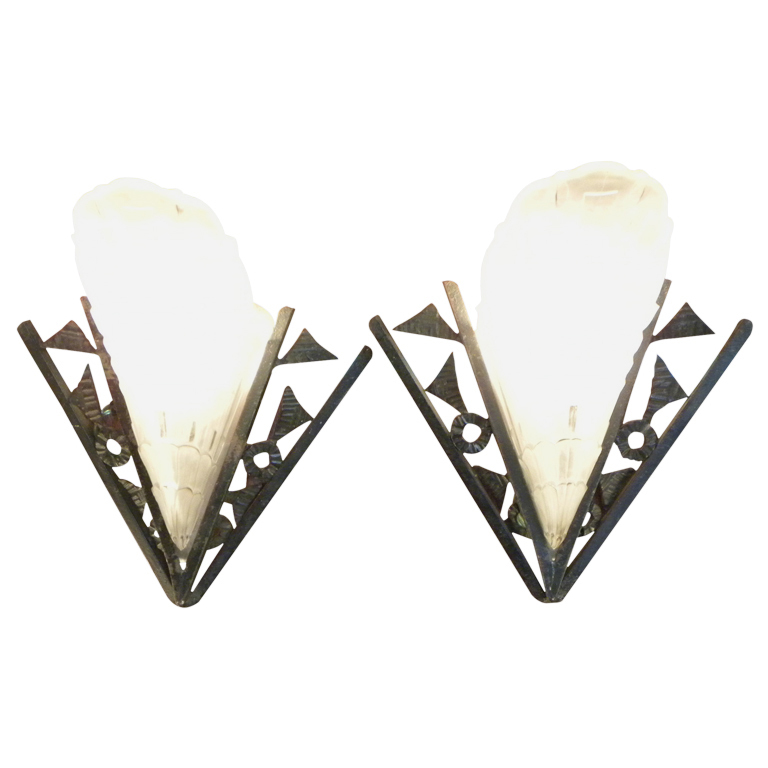
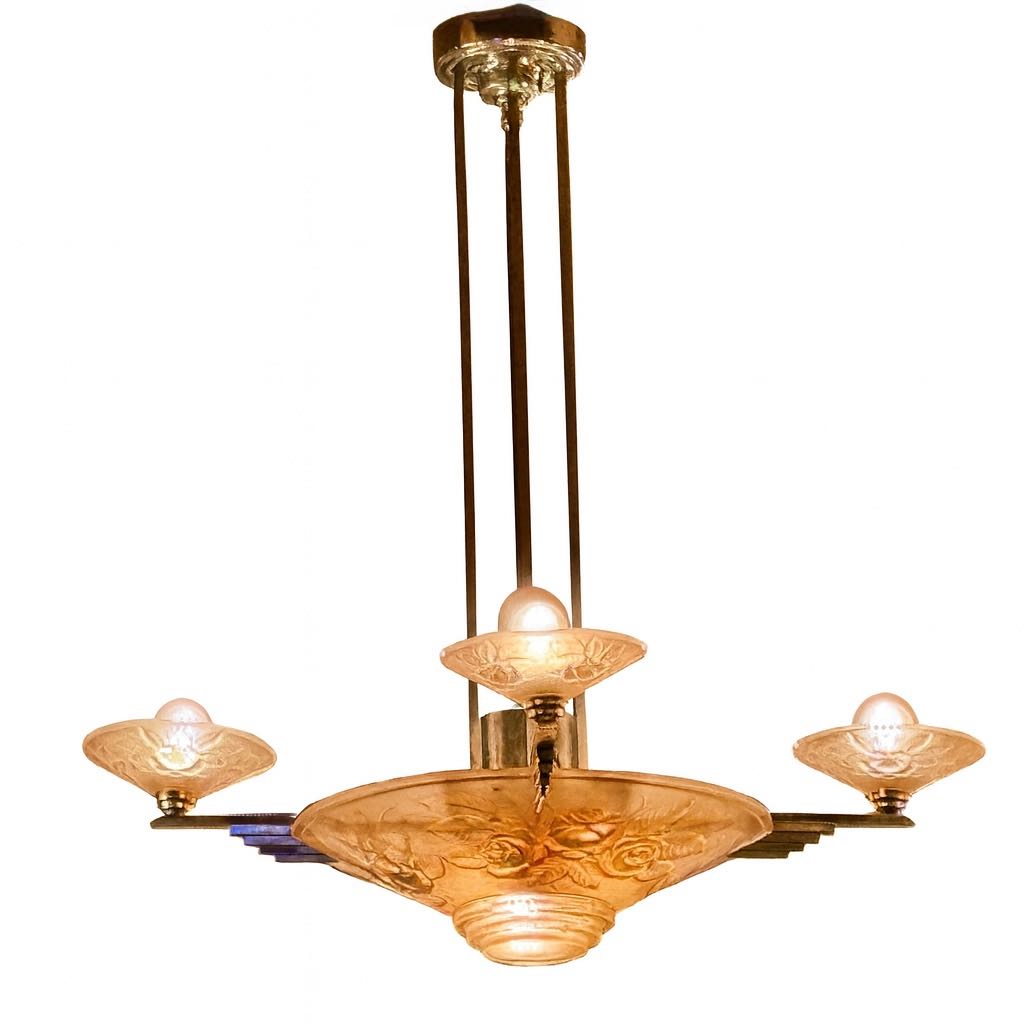
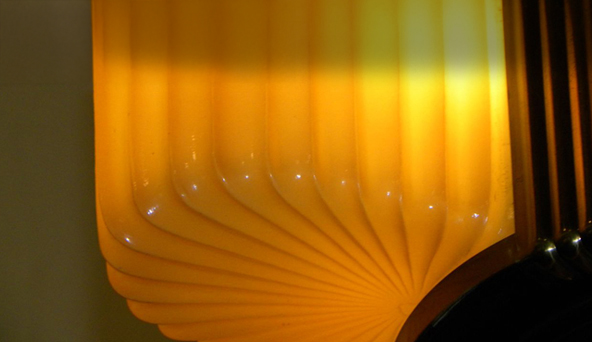
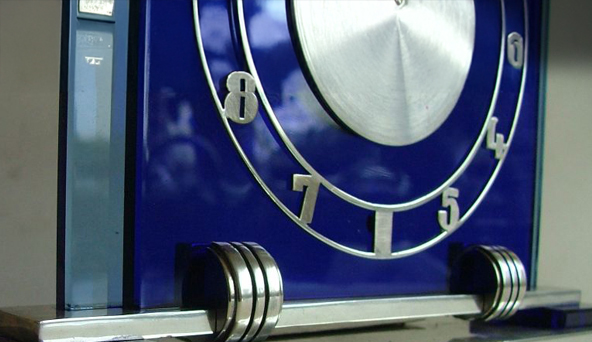
At the 1925 Exposition Internationale des Arts Décoratifs in Paris, Cheuret rented stand number 33 along the Pont Alexandre III, where he presented his famous light fixtures in bronze and alabaster alongside clocks, animal figures, and furniture. The exhibition was a huge success, and his creations were partially reproduced the following year in Guillaume Janneau’s Le Luminaire et les Moyens d’éclairage nouveaux. Although he designed furniture such as consoles, pedestal tables, and end tables, as well as decorative objects including clocks and mirrors, lighting remained the iconic production of his career. His work bears the influence of the imagery of Tutankhamun’s tomb that spread through Western arts and crafts after its discovery in 1922, particularly in its new approaches to representing the natural world. Among his most prominent commissions were commemorative structures for the Cimetière du Montparnasse and the Cimetière du Père-Lachaise in Paris, as well as the war memorial for the city of Cannes. His celebrated “Aux hérons” console, executed in patinated bronze and marble, exemplifies his ability to elevate everyday objects into works of art by integrating animal forms with functional decorative elements. His sculptural treatment of birds, such as his stork wall lights and owl mirror, became among his most recognizable pieces. His work has been compared with that of fellow Art Deco artists such as Lalique and Bugatti, who similarly drew from the animal repertoire to blend modernity with tradition.
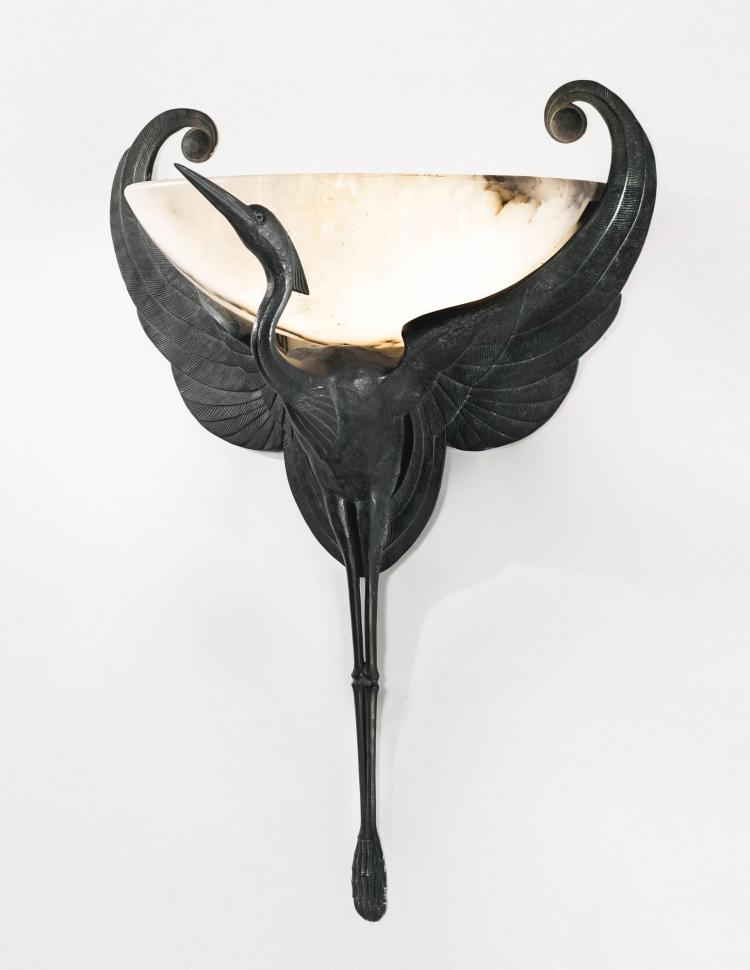
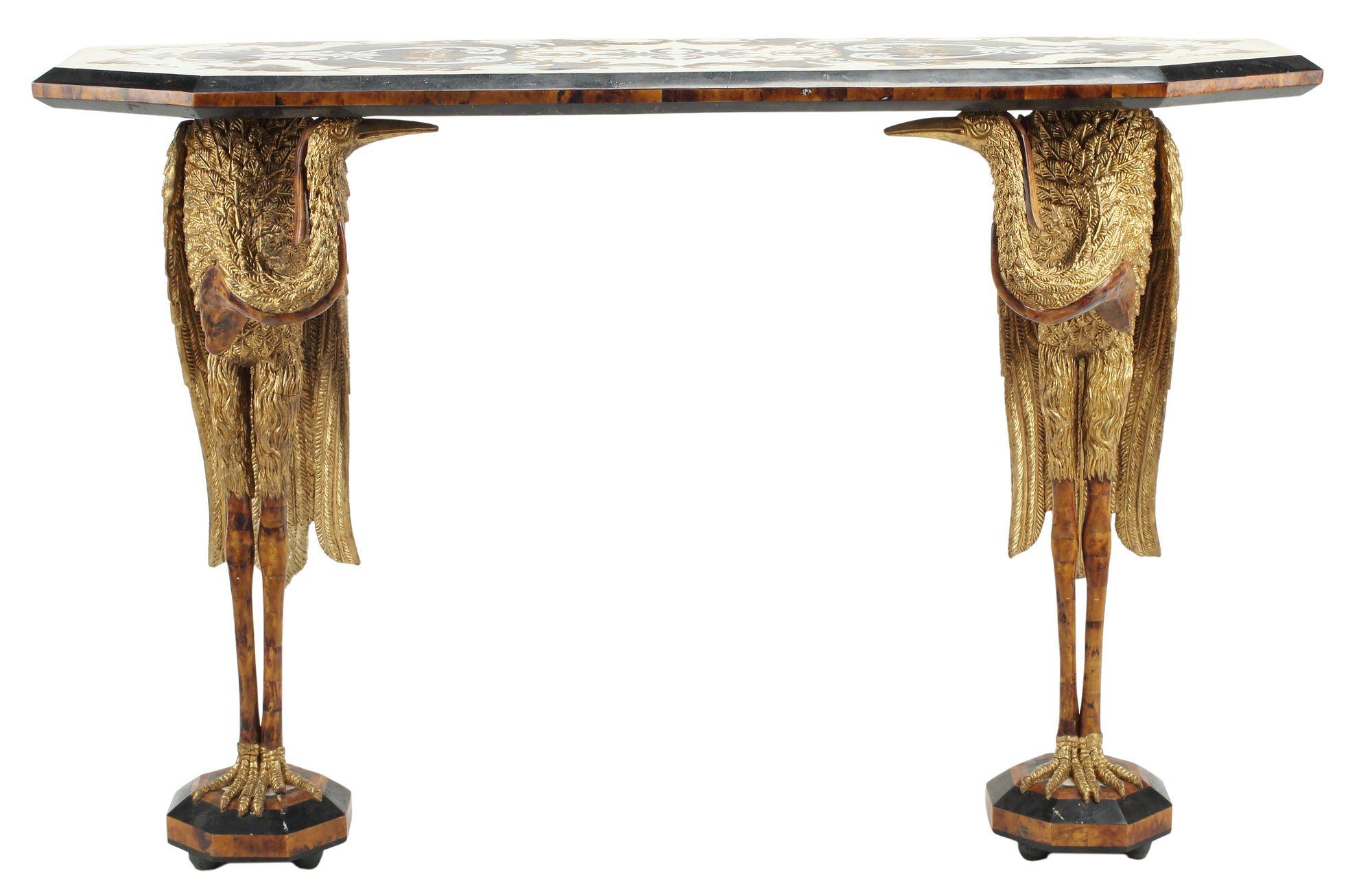

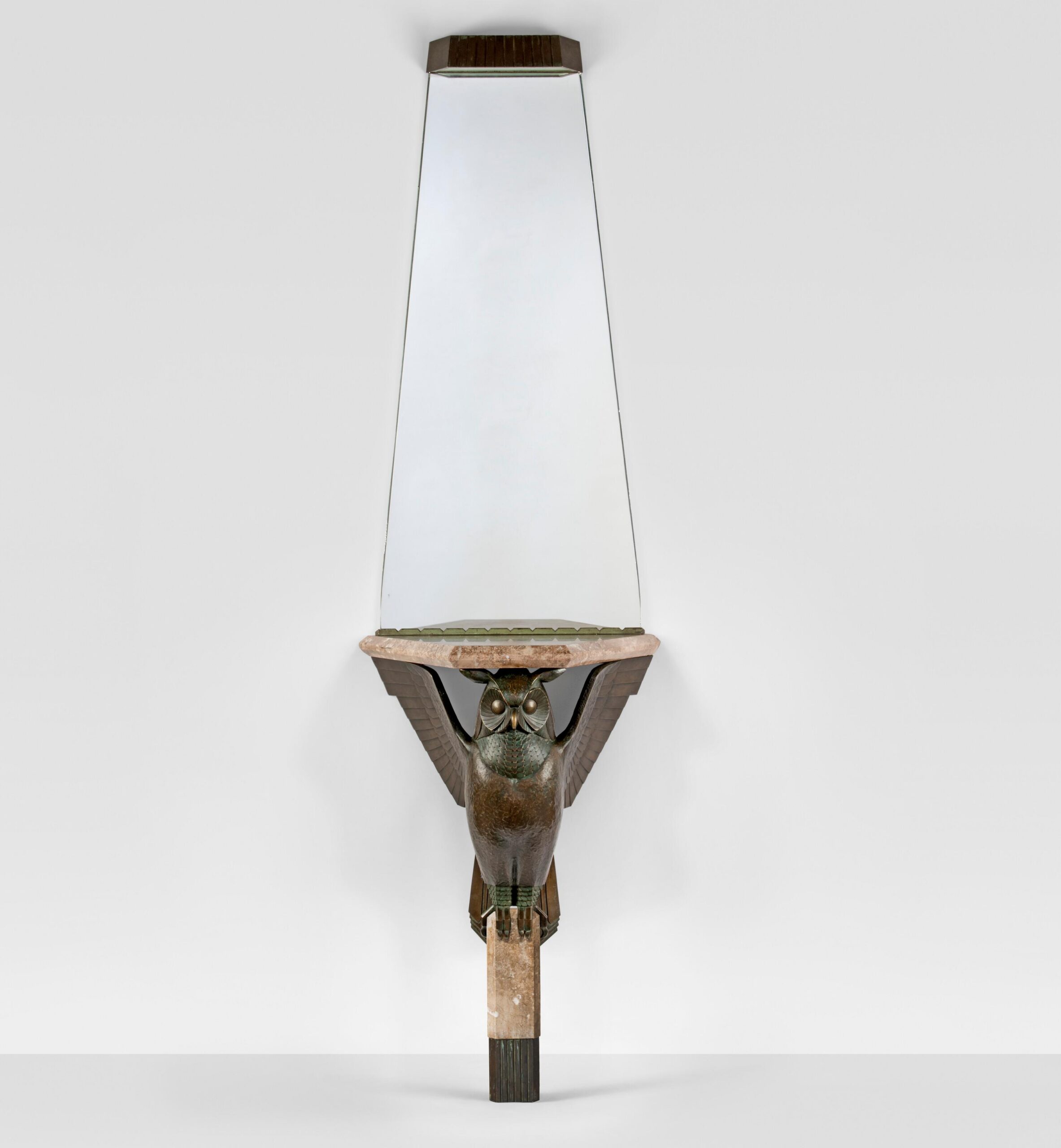
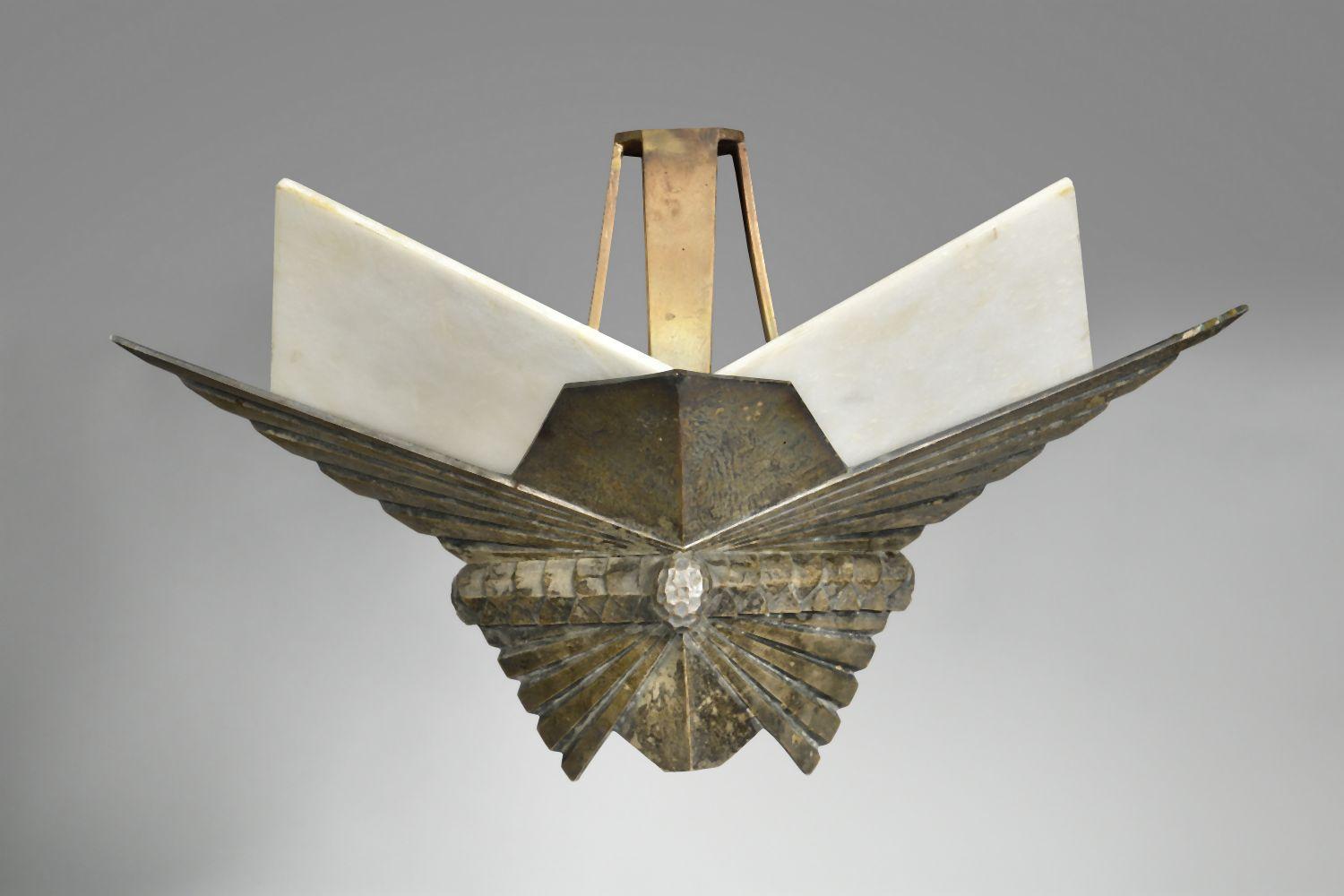
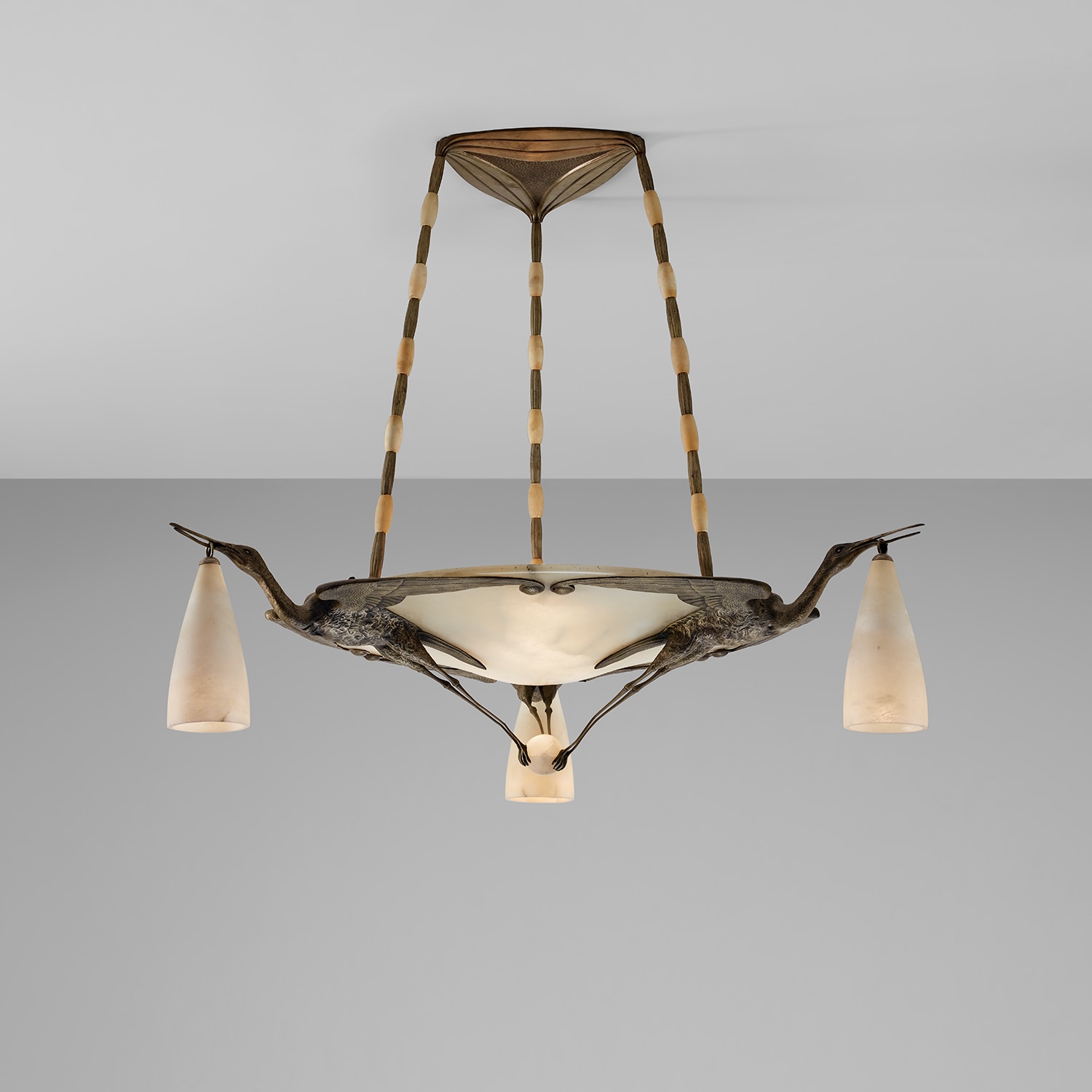
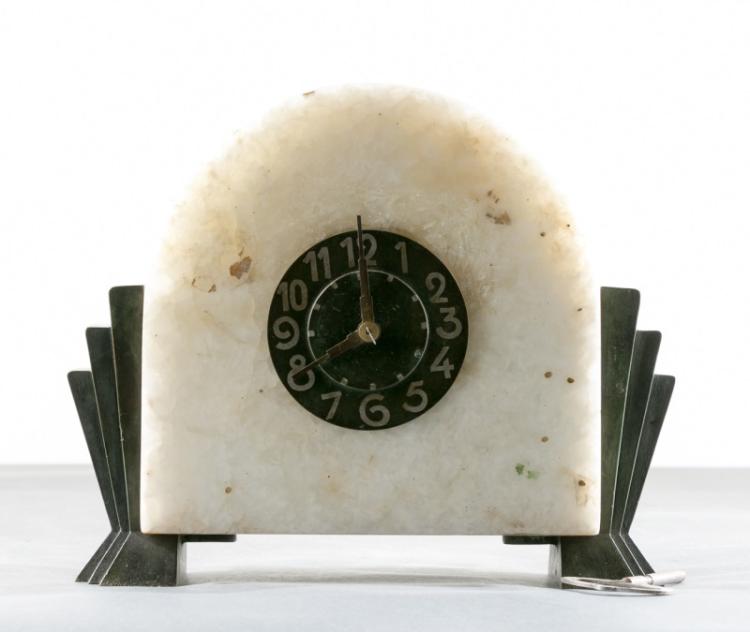
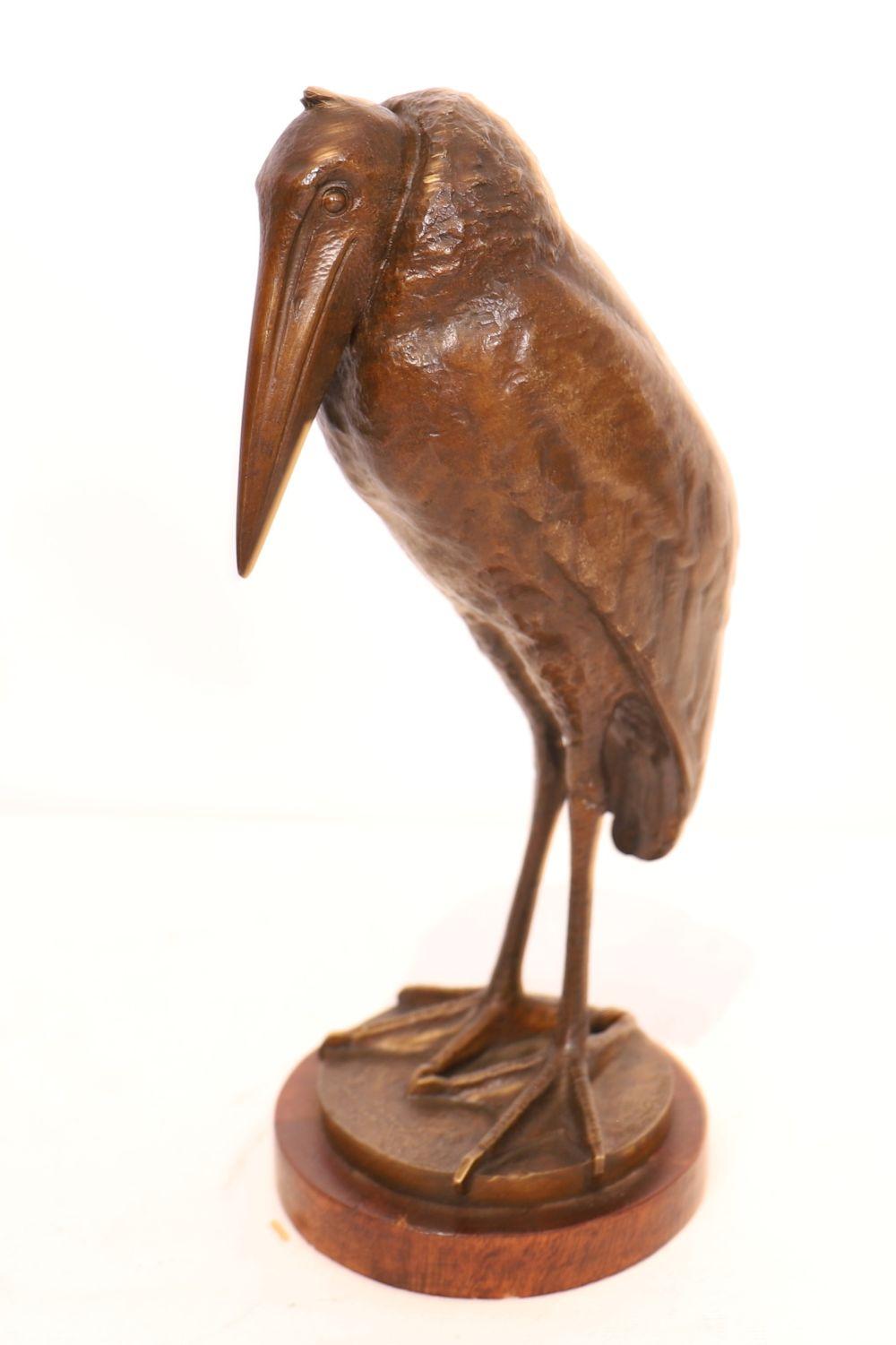
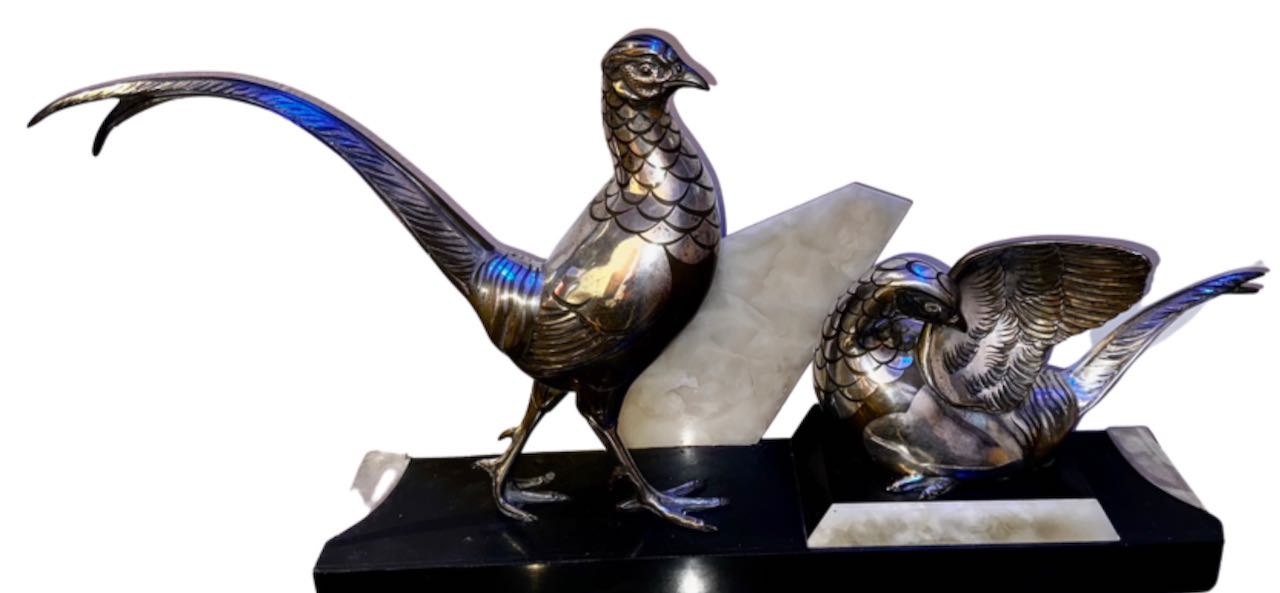
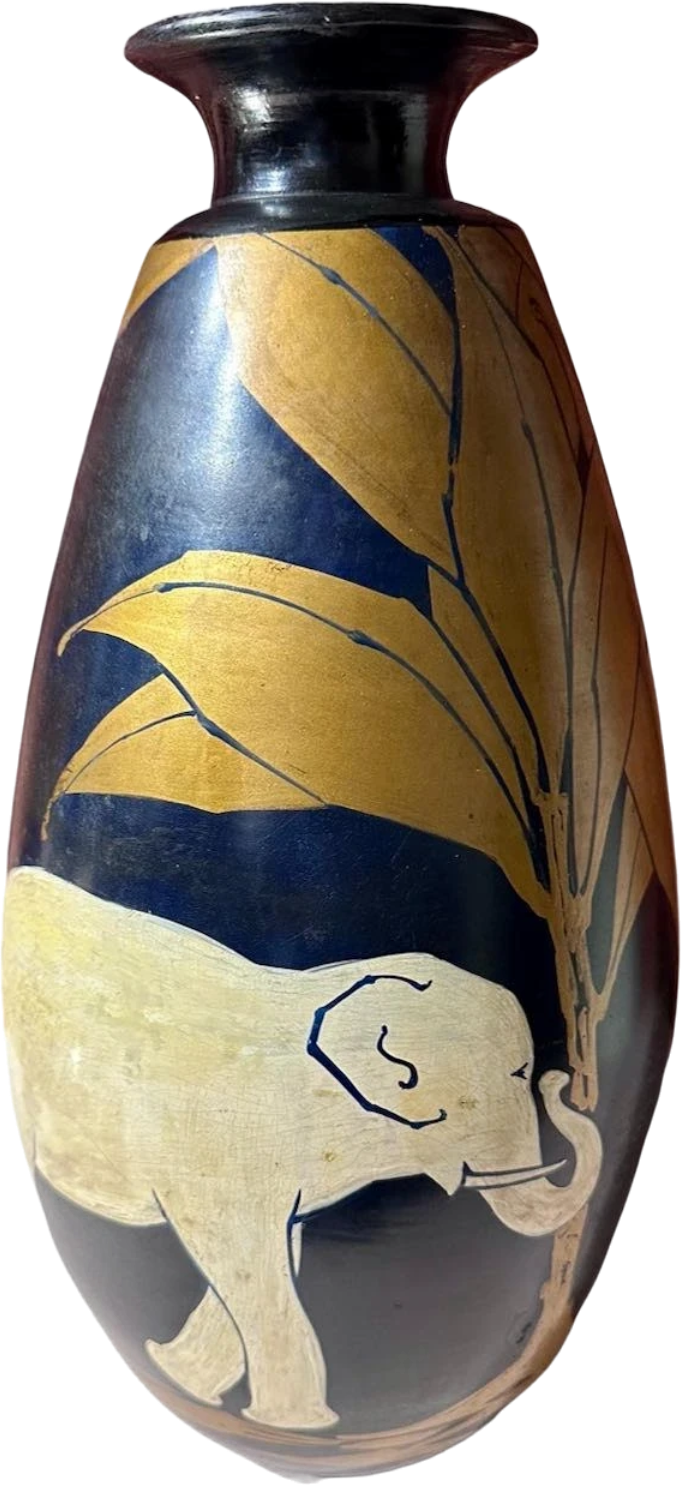
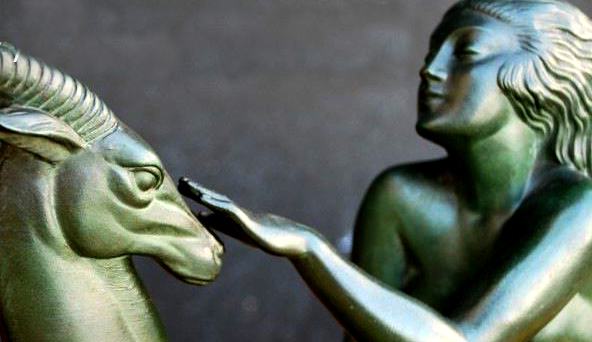
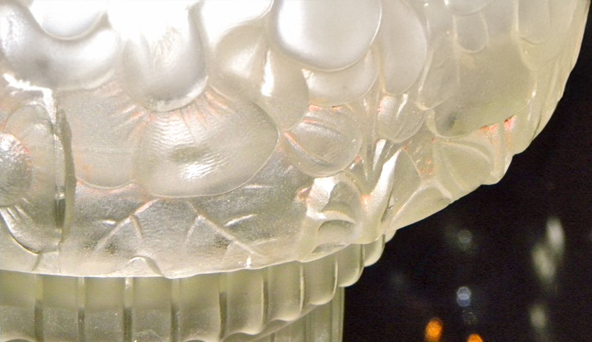
Cheuret’s style is characterized by a fabulous naturalistic ingenuity drawn from a bestial repertoire and exotic flora, often depicting birds such as herons, raptors, pheasants, and owls superimposed with the geometric decor typical of Art Deco. Patinated bronze and alabaster were his favorite materials, and he knew how to exploit the aesthetic contrast between the whiteness of the stone and the dark shades of the metal. His compositions appear as a wise superposition of geometric shapes and stylized naturalistic subjects, powerfully transcribed in bronze with masterly technical execution.
Key Influences
- Art Deco Lighting: His bronze and alabaster light fixtures became defining objects of Art Deco interior design, setting a standard for how sculptural form could be integrated with functional illumination.
- Egyptian Revival: His response to the post-1922 fascination with Tutankhamun’s tomb helped channel that aesthetic into refined French decorative arts of the 1920s.
- Naturalistic Sculpture: His elegant treatment of birds and exotic flora demonstrated that the natural world could be rendered with both scientific observation and modernist stylization.
- Material Contrast: His mastery of pairing patinated bronze with alabaster and marble influenced how subsequent designers approached the dialogue between metal and stone.
- Functional Art: His transformation of everyday objects such as clocks, mirrors, and consoles into sculptural works helped erase the boundary between fine sculpture and decorative furnishing in the Art Deco period.
If you are interested in further stories of the artists who shaped Art Deco, return to our artists page to browse the full directory.
Related Products from ArtDecoCollection.com