

Sign Up for Exclusive Offers, Sales & Events
Search Our Site

Journal & Collections

SS Normandie The Art Deco Ocean Liner That Defined Modern Luxury

One of the most rewarding parts of our work at Art Deco Collection is meeting collectors whose passion and dedication to preservation inspire projects that go well beyond ownership alone. Many of these individuals are driven not only to build remarkable collections and environments, but also to share their knowledge in thoughtful and lasting ways. These are the special stories we are proud to feature in the Art Deco Resource Guide Journal, because they reflect exceptional vision, deep personal commitment, and a genuine desire to preserve, document, and honor ideas that deserve recognition and study.

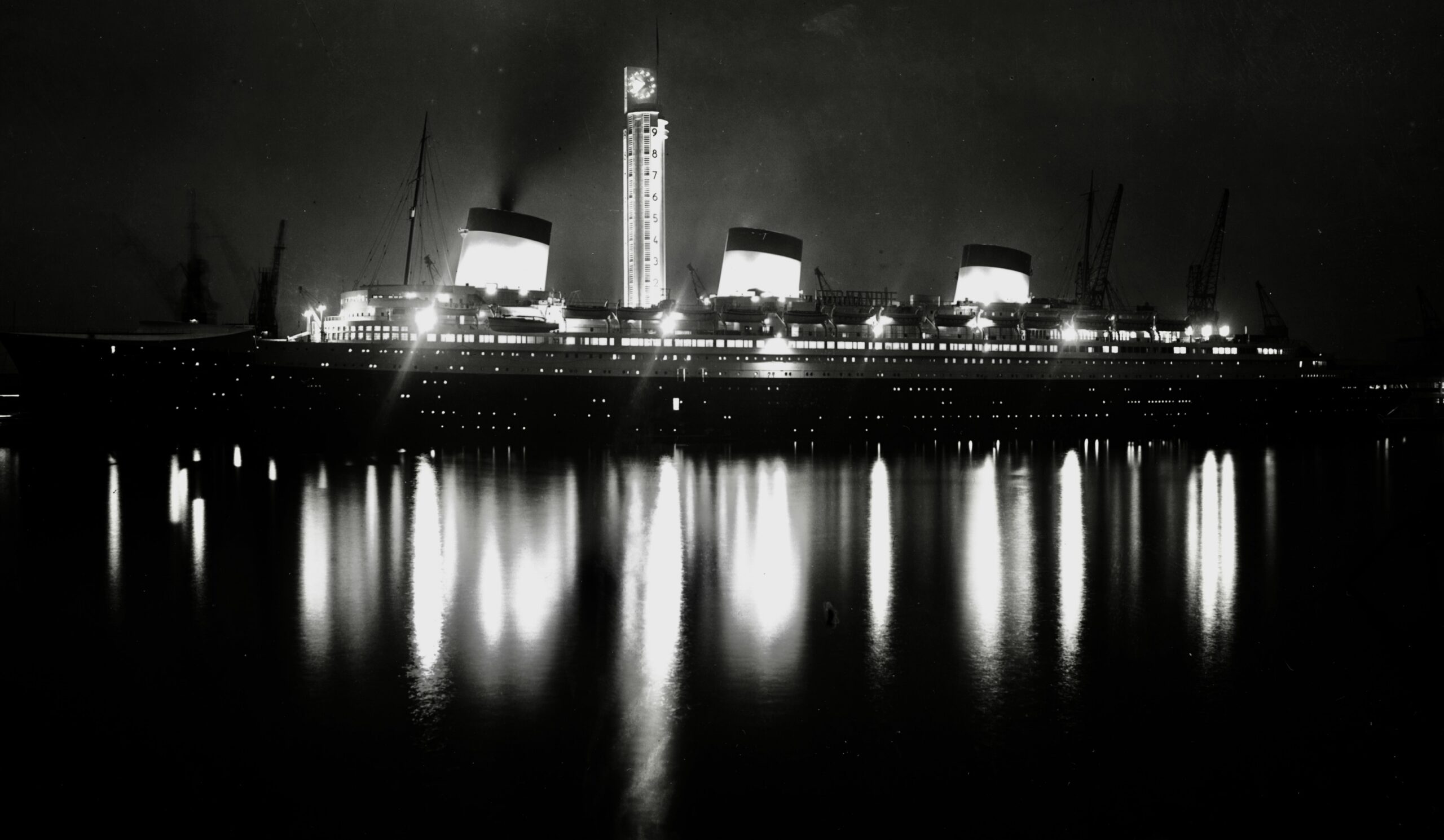
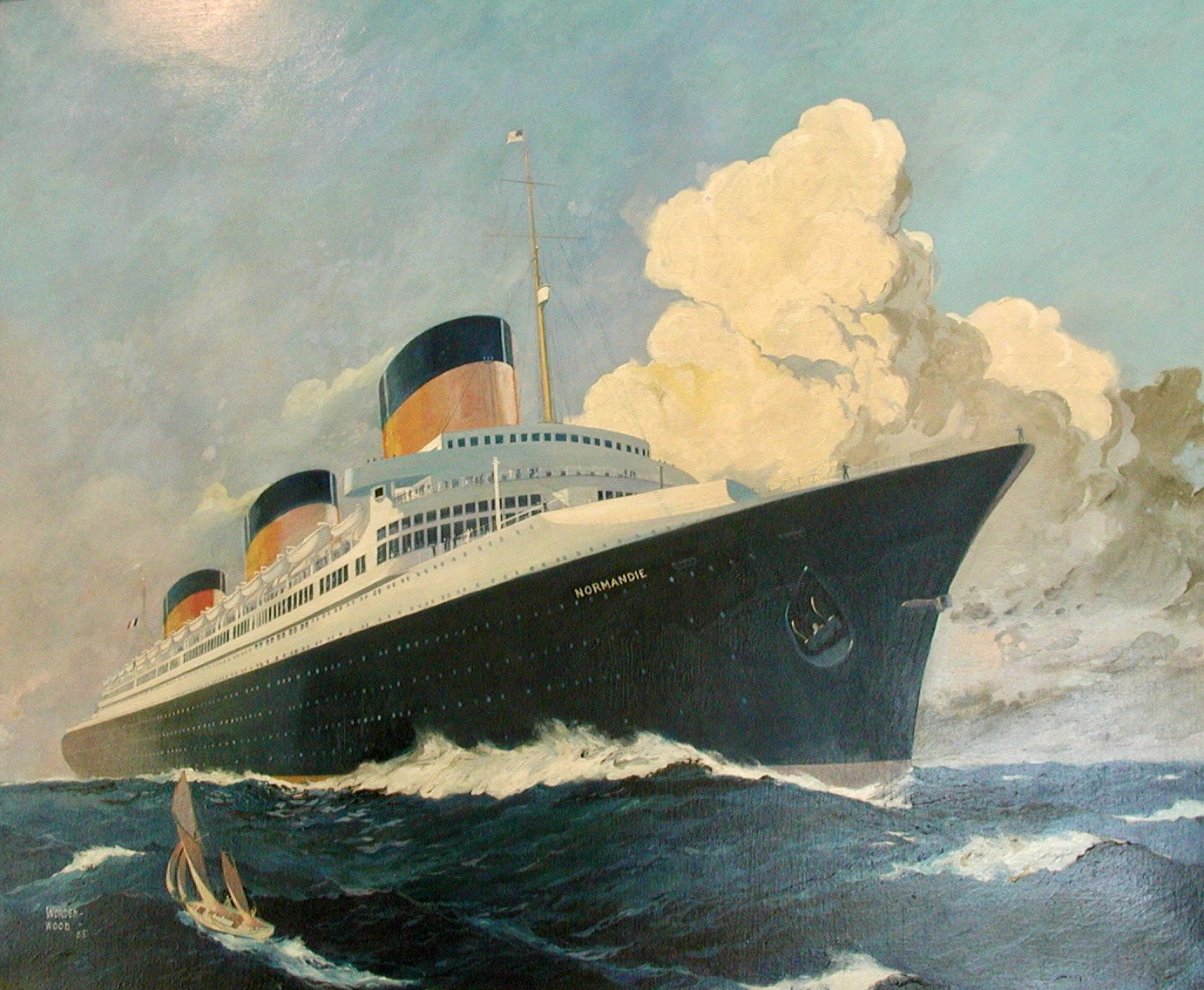
When SS Normandie entered transatlantic service in 1935, she was not simply a new ocean liner. She was France’s declaration that modern design, luxury, and national pride could move at speed. Everything about Normandie was conceived on a monumental scale, from her streamlined hull and turbo electric propulsion to interiors that rivaled the great palaces of Europe.

Unlike earlier liners that borrowed from historic styles, Normandie embraced the language of Art Deco with confidence. Architecture, furniture, lighting, glass, textiles, and sculpture were integrated into a single vision. The ship became a floating exhibition of the finest French design and craftsmanship of the period, unmatched in ambition or execution.

More than a means of travel, SS Normandie redefined what luxury at sea could be. Her influence reached far beyond the Atlantic crossing, shaping tastes in interiors, decorative arts, and modern living on both sides of the ocean.

This journal concludes with the complete 30 minute documentary. Allow the brief introductory text to set the stage, then stay as the music rises and the historic images follow.

SS Normandie was conceived as a national project, intended to restore France’s dominance in transatlantic travel during the 1930s. Every aspect of her design balanced performance with visual impact. Her dramatic silhouette, emphasized by a long, low hull and three sculptural funnels, projected power, speed, and elegance even when standing still.

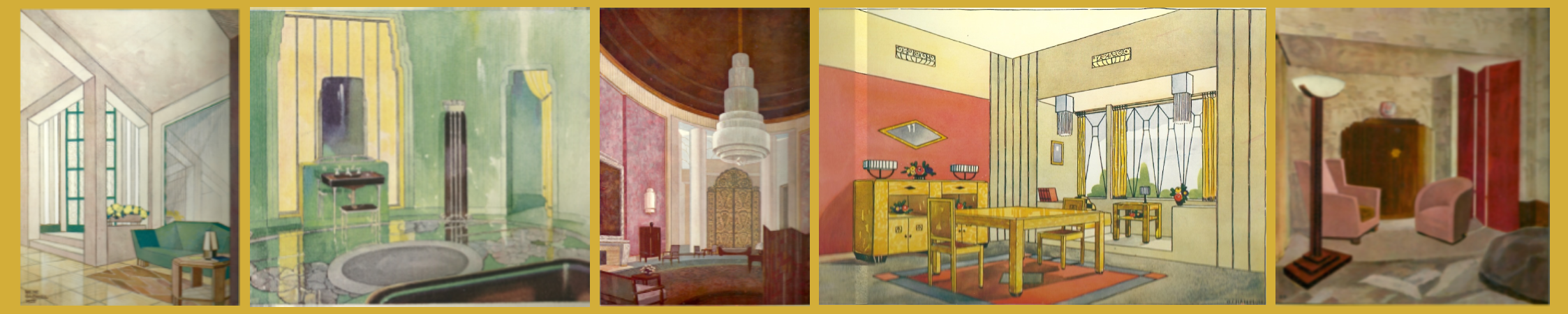
Inside, the ship became a showcase for collaboration. Leading architects, decorators, and artists were commissioned to create interiors that felt modern rather than nostalgic. Materials were rich but controlled, forms were geometric and architectural, and decoration served structure rather than overwhelming it. The result was an environment that felt forward looking, confident, and unmistakably French.

This unified design approach set Normandie apart. Rather than assembling luxury from disparate elements, the ship presented a complete Art Deco world, one where engineering and aesthetics moved together toward a single, striking goal.

The interiors of the SS Normandie emerged directly from the momentum created by the extraordinary success of the 1925 Paris Exposition Internationale des Arts Décoratifs et Industriels Modernes, the first great high point of the Art Deco movement. That exhibition demonstrated, on an international stage, France’s leadership in modern design and convinced the French state to underwrite an ambitious transatlantic liner that would serve as both a technological achievement and a floating showcase for French decorative arts. The Normandie became the natural extension of that moment, bringing together many of the same artists and designers who had defined the Paris exposition.

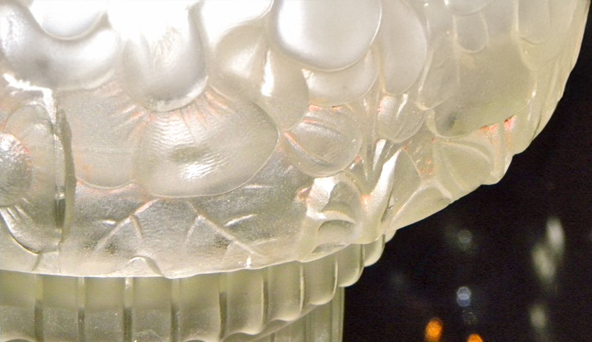
The ship’s overall architectural vision was directed by Pierre Patout, whose monumental and modern approach shaped the spatial character of the interiors. Decorative coordination was overseen by Roger Henri Expert, who ensured cohesion across architecture, materials, furnishings, and ornament. Among the leading contributors were Jean Dupas, whose monumental glass murals defined the Grand Salon, and René Lalique, whose architectural glass columns and lighting installations transformed light into an essential structural and visual element. Working collectively rather than independently, these artists elevated the Normandie beyond decoration, creating a fully integrated Art Deco environment that embodied the ideals first articulated in Paris in 1925.

What ultimately sets SS Normandie apart is not simply that she was lost, but that she was never surpassed. Her ambition, coherence, and confidence represent a high point in Art Deco thinking, when modern design was applied without compromise. Few projects before or since brought together architecture, interiors, decorative arts, and engineering with such unity of purpose.

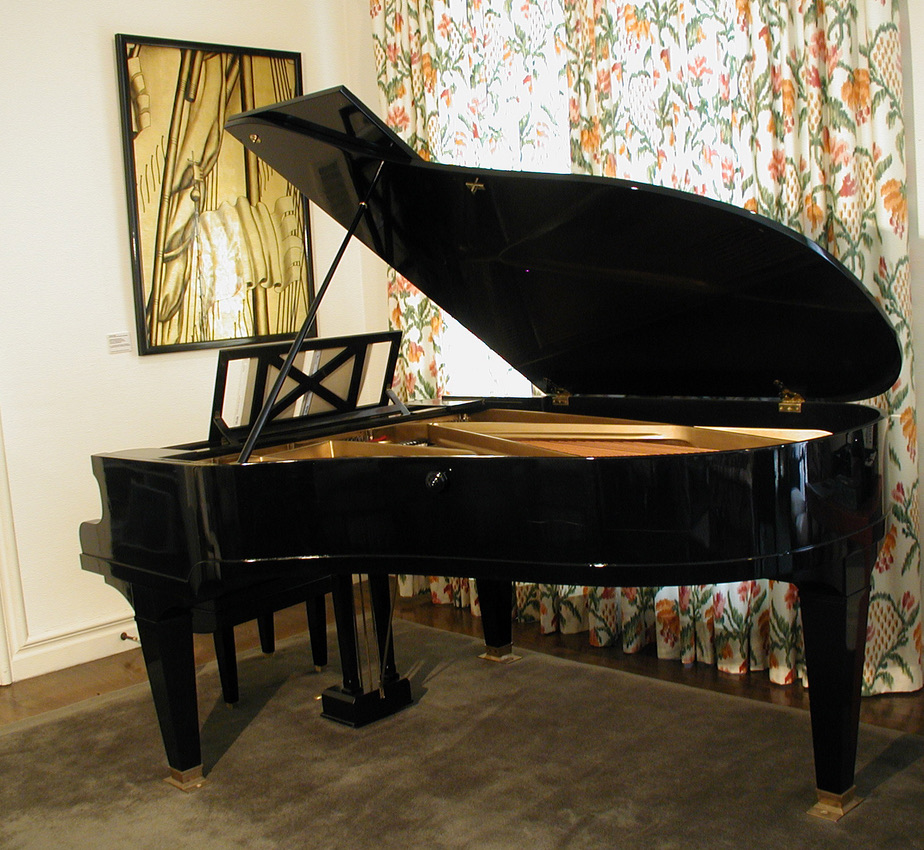
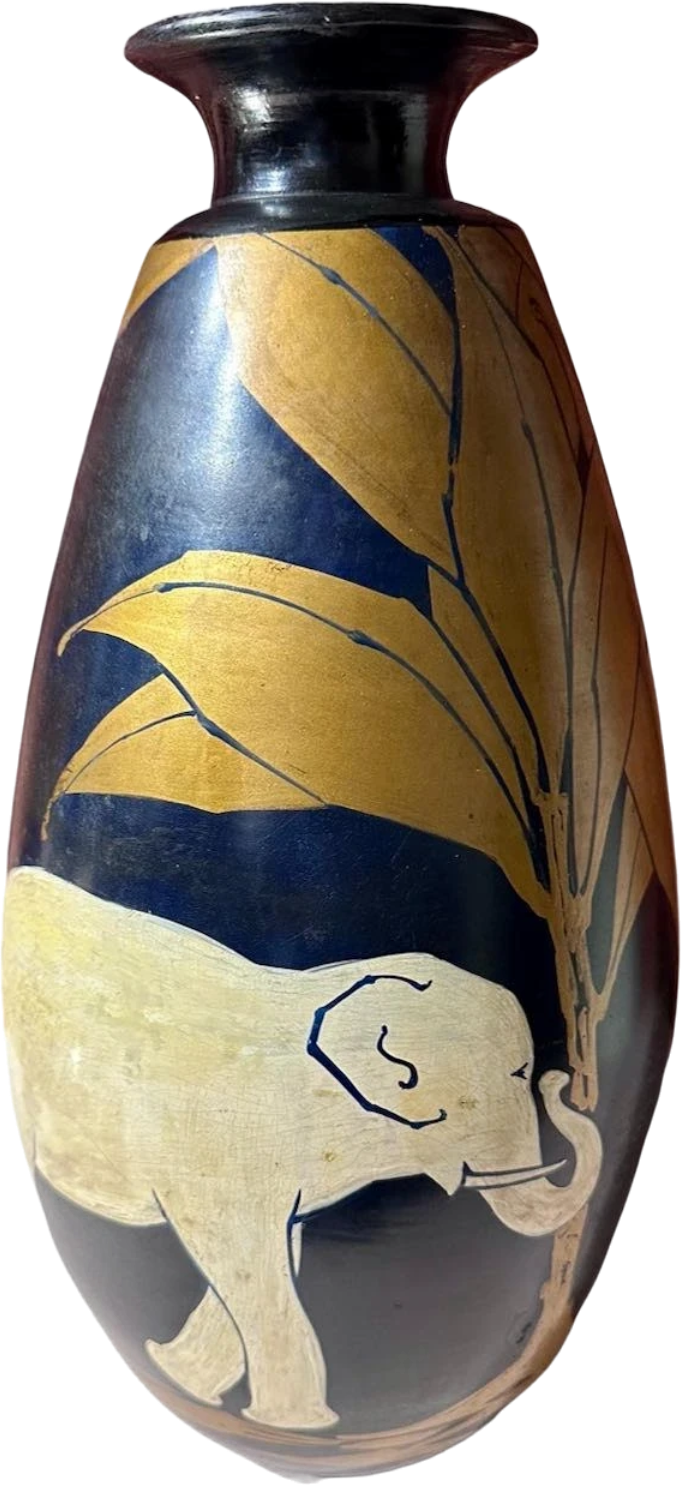
For collectors and designers today, Normandie remains a reference point. The materials, forms, and craftsmanship developed for the ship continue to inform furniture, lighting, glass, and decorative objects that define the Art Deco aesthetic. These surviving works carry forward the spirit of innovation and luxury that made the liner legendary.

In this way, the legacy of SS Normandie lives on, not as history alone, but as a source of inspiration for how modern design can still feel timeless, confident, and deeply crafted.

Inside, the experience of SS Normandie shifted from spectacle to immersion. Public rooms were conceived as architectural environments rather than decorated spaces. Walls, floors, lighting, and furniture were designed together, creating interiors that felt monumental without becoming heavy. Scale was used deliberately. Vast salons opened suddenly from intimate passages, heightening the sense of arrival and drama.

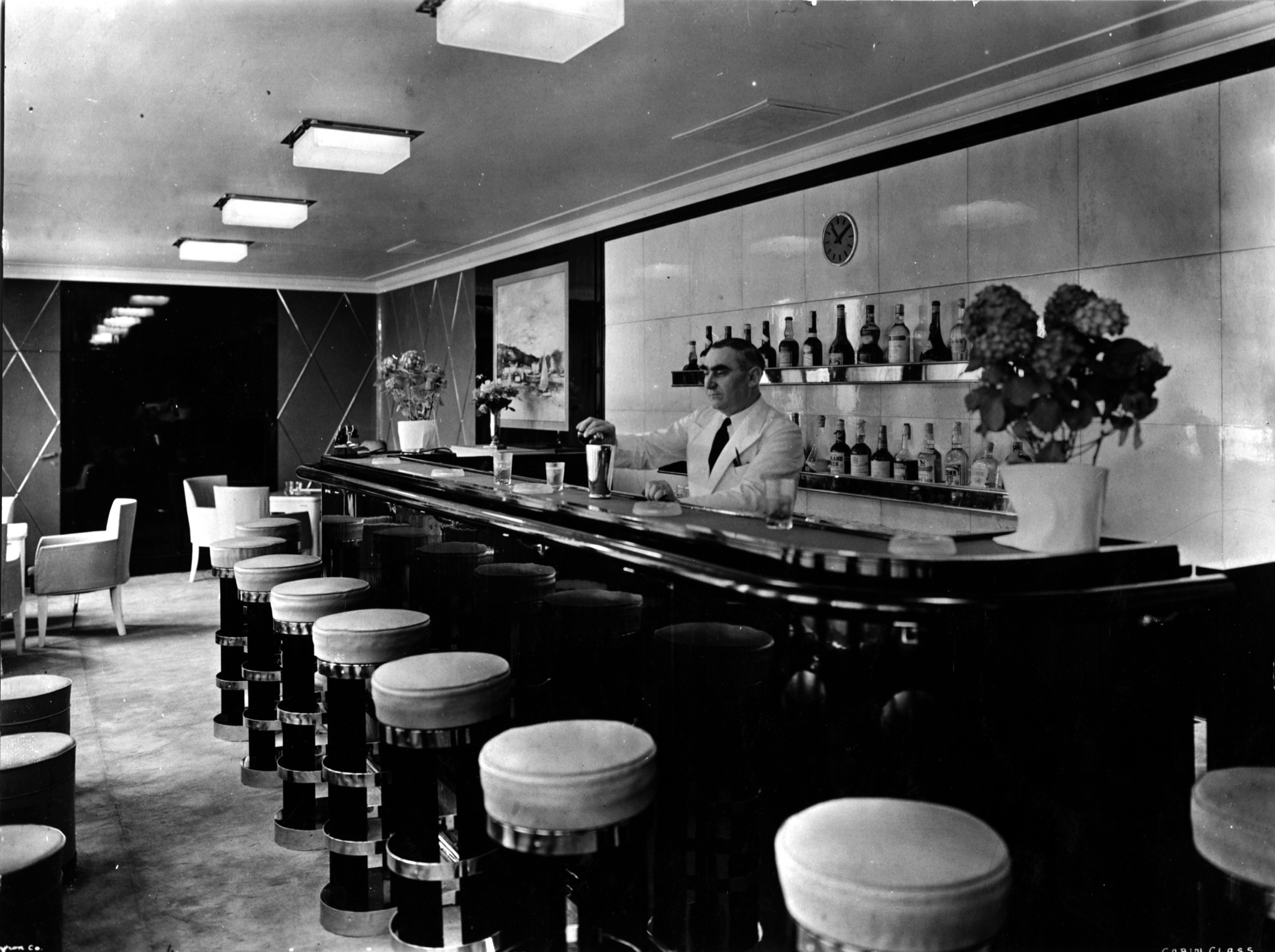
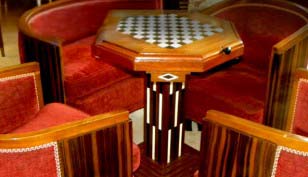
Furniture aboard Normandie was custom designed for the ship, often monumental in proportion yet refined in detail. Woods were richly grained and highly polished, metals were used architecturally rather than ornamentally, and upholstery emphasized texture and tone over pattern. Seating, tables, and built in elements reinforced the geometry of the spaces they occupied, making the interiors feel unified rather than furnished.

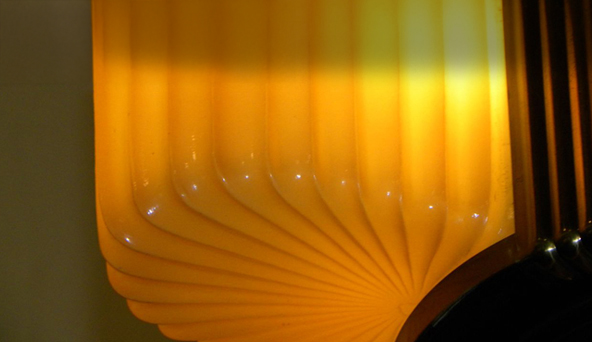
Lighting played a critical role. Instead of relying solely on chandeliers, light was layered and architectural, integrated into columns, walls, and ceilings. Glass became structure as much as surface, transforming illumination into a defining feature of the interiors. This approach gave the ship a distinctly modern atmosphere, one that felt theatrical without excess.

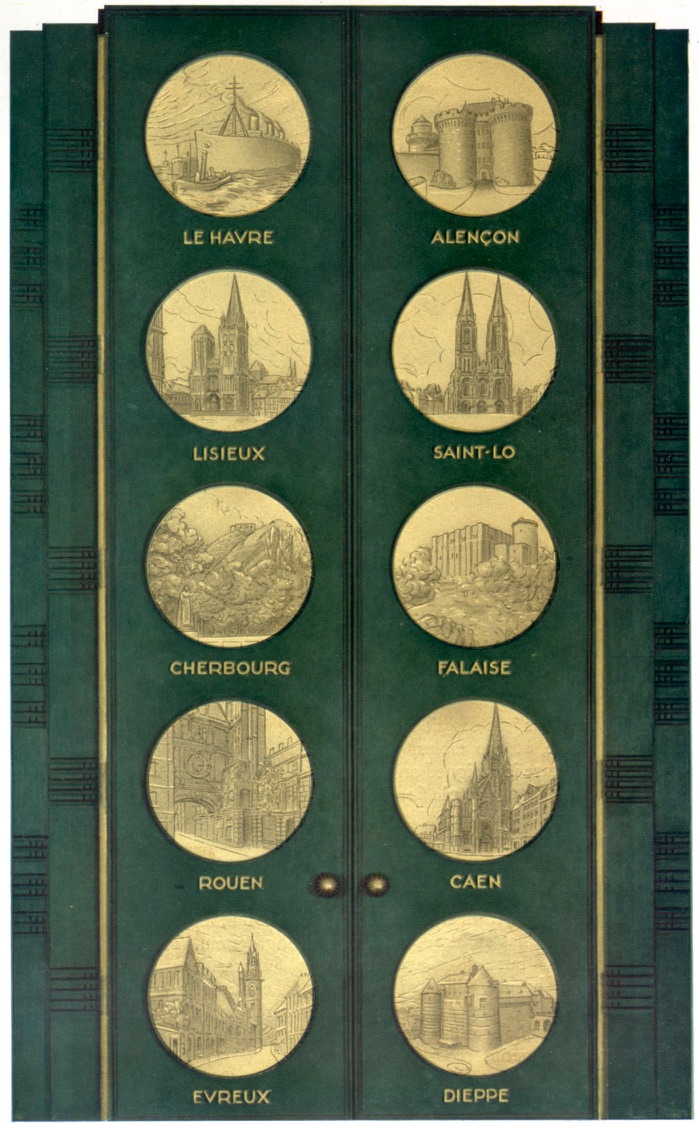
Normandie’s interiors were the result of collaboration at the highest level. Leading French designers, architects, and artists were brought together to create a coherent vision. Decorative panels, glass murals, metalwork, and textiles were commissioned specifically for the ship, many on a scale never attempted before. Rather than individual signatures competing for attention, the work functioned as a collective statement of French Art Deco at its peak.

This sense of unity extended beyond the luxury classes. Even tourist and third class spaces reflected careful design consideration, reinforcing the idea that modern luxury was not defined solely by wealth, but by thoughtful execution and innovation.

At sea, Normandie was as much about performance as beauty. Her advanced engineering allowed her to capture the Blue Riband, the coveted trophy awarded to the fastest transatlantic crossing. Speed became part of her identity, reinforcing the idea that modern design and technological achievement were inseparable. Normandie did not simply look modern, she moved modern.

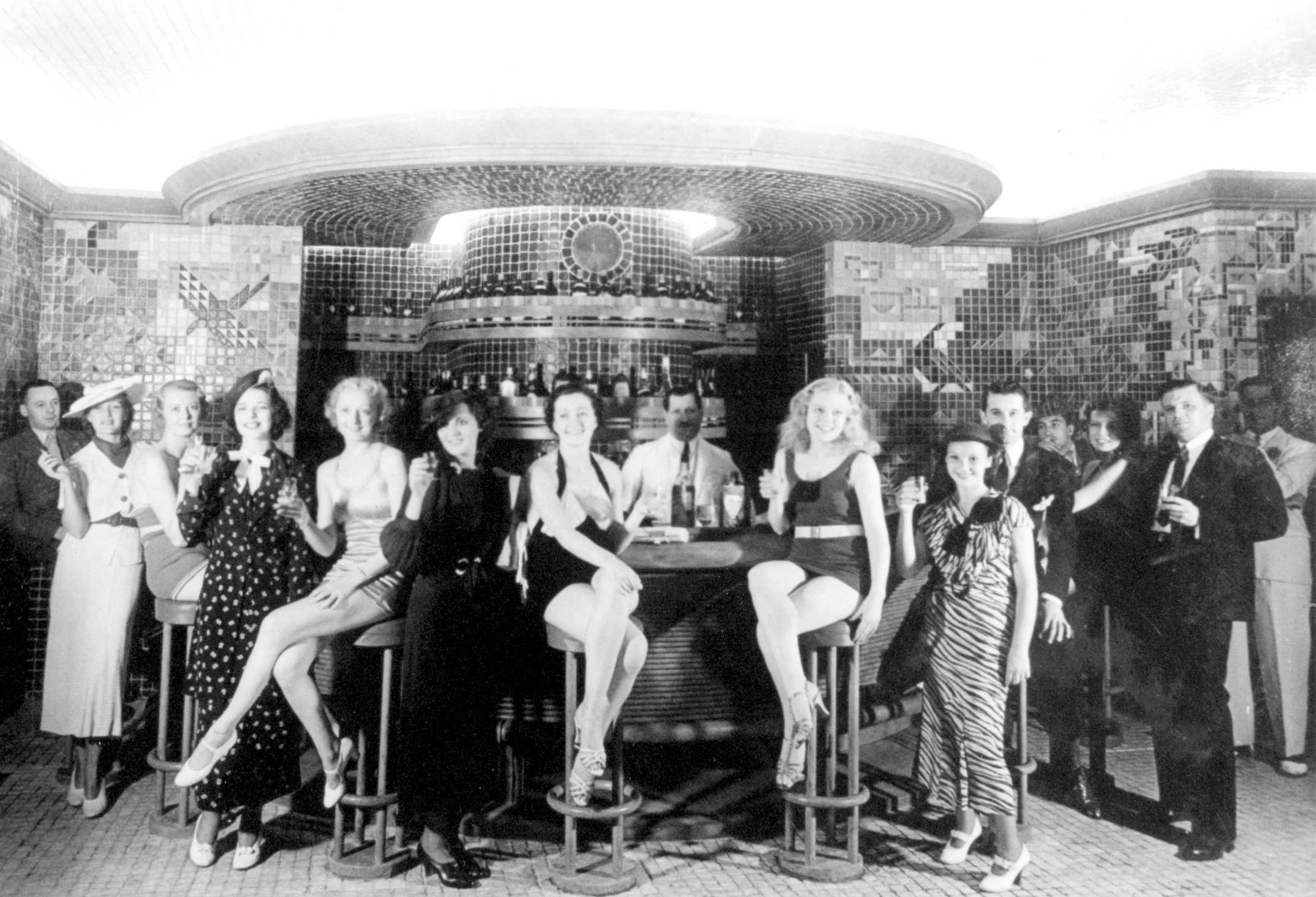
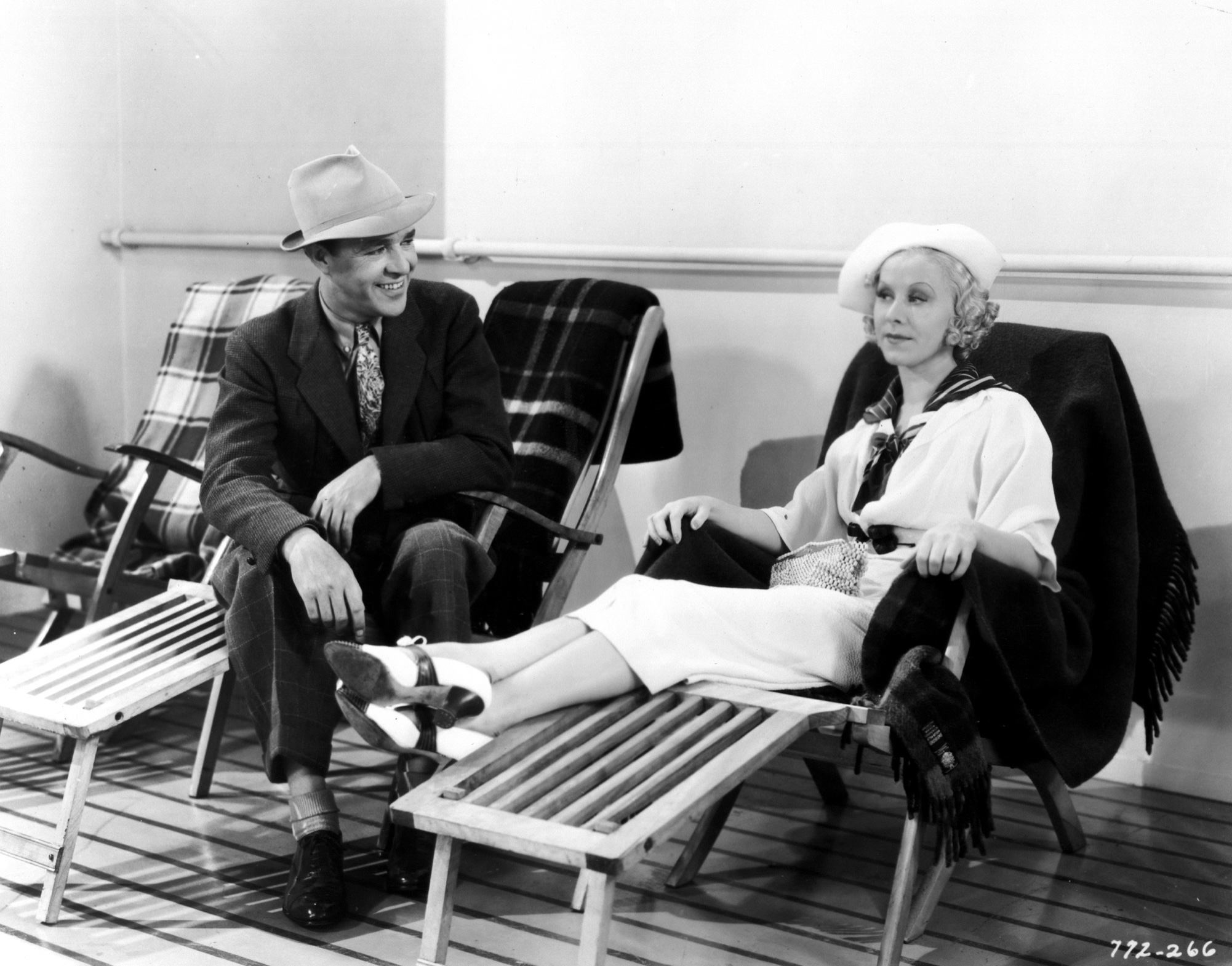
The ship quickly became the preferred crossing for artists, designers, performers, and cultural figures traveling between Europe and the United States. To sail aboard Normandie was to participate in a shared moment of modern glamour, where fashion, music, cinema, and design converged in a floating Art Deco world. The ship itself became a stage, and her passengers part of the spectacle.


That brilliance was ultimately brief. Following a tragic fire in New York Harbor during the war years, Normandie was left damaged, capsized, and eventually dismantled. Yet her loss only intensified her legacy. Salvaged elements entered museums and private collections, while photographs, drawings, and memories preserved her influence long after the steel was gone.

Today, SS Normandie endures not as a vessel, but as an idea. She represents a moment when Art Deco reached its most ambitious expression, when design, craftsmanship, and confidence aligned at a scale never repeated. Her influence continues to echo in interiors, furniture, lighting, and decorative arts that still define the language of luxury and modern living.


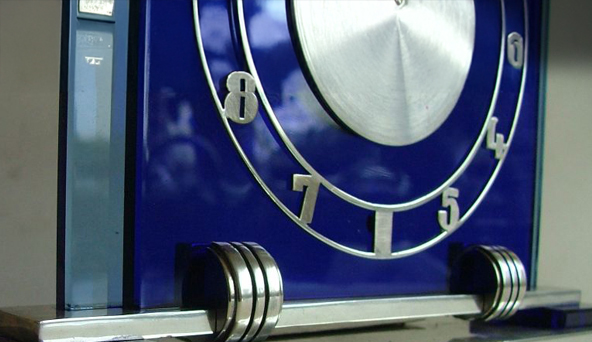
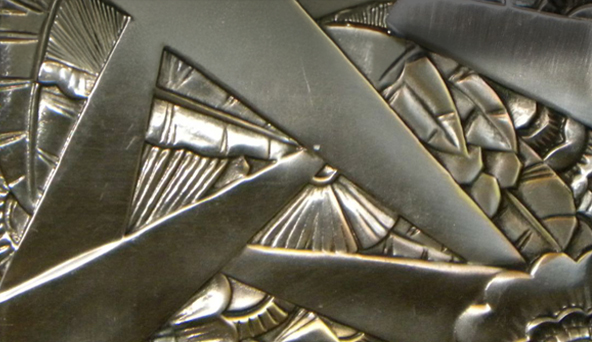
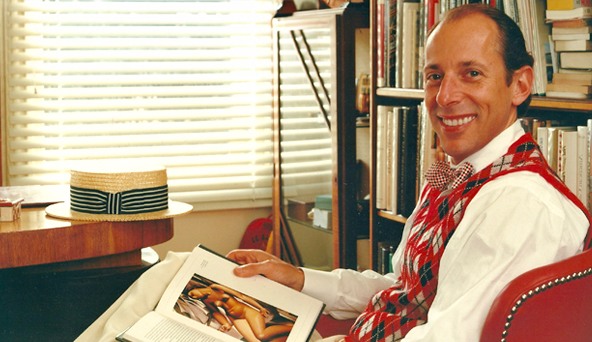
Much of the visual material and object documentation presented here stems from the extraordinary collection assembled by W.John Miottel,Jr who acquired one of the most important and comprehensive groups of memorabilia, furnishings, and surviving objects associated with SS Normandie and other landmark transatlantic liners. John’s passion for these great ships extended well beyond collecting. He actively shared his knowledge, access, and enthusiasm with researchers, historians, and fellow enthusiasts, myself included. Over twenty-three years ago, while working closely with John, I was granted extended access to private archives, preserved interiors, and original artifacts connected to the Normandie. During that period, I documented a significant body of material through photography and film, resulting in a privately commissioned documentary and the creation of a substantial photographic archive. This work was undertaken with the goal of preserving the Normandie not as a series of isolated objects, but as a complete and fully realized Art Deco design environment

The images used throughout this journal are drawn from that documentation process, combined with period photography and archival material, and are presented here to illustrate the ship’s enduring influence on Art Deco design, craftsmanship, and modern luxury.

-Rick Fishman, Art Deco Collection

To see the complete documentary from 2003, begin with the brief introductory text,

and then stay tuned as the music rises and the original images unfold.

Golden Art Deco geometric emblem with the text 'Art Deco Collection' on a black background

If you are interested in further stories of Art Deco design, collecting, and celebrating the artistry of the early 20th Century:

© Copyright Art Deco Collection. 2026 All rights reserved. Site Map