
Sevae Sitruc: The Mind and Eye of a Collector
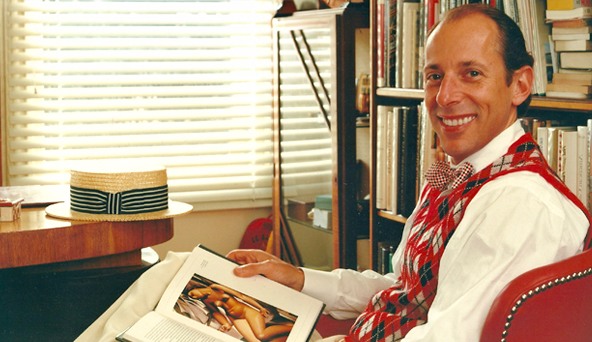
I have known Sevae Sitruc for more than thirty years, first meeting him through the Art Deco to Modernism Vintage Shows held at The Concourse Exhibition Center in San Francisco. From that time, he has been an important client, a fellow collector and someone whose judgment I have come to respect. Sitruc is brilliant, curious and strongly opinionated, but what distinguishes him as a collector is his willingness to look beyond familiar names and accepted categories. He studies an object, questions it and decides for himself whether it deserves a place in his collection.
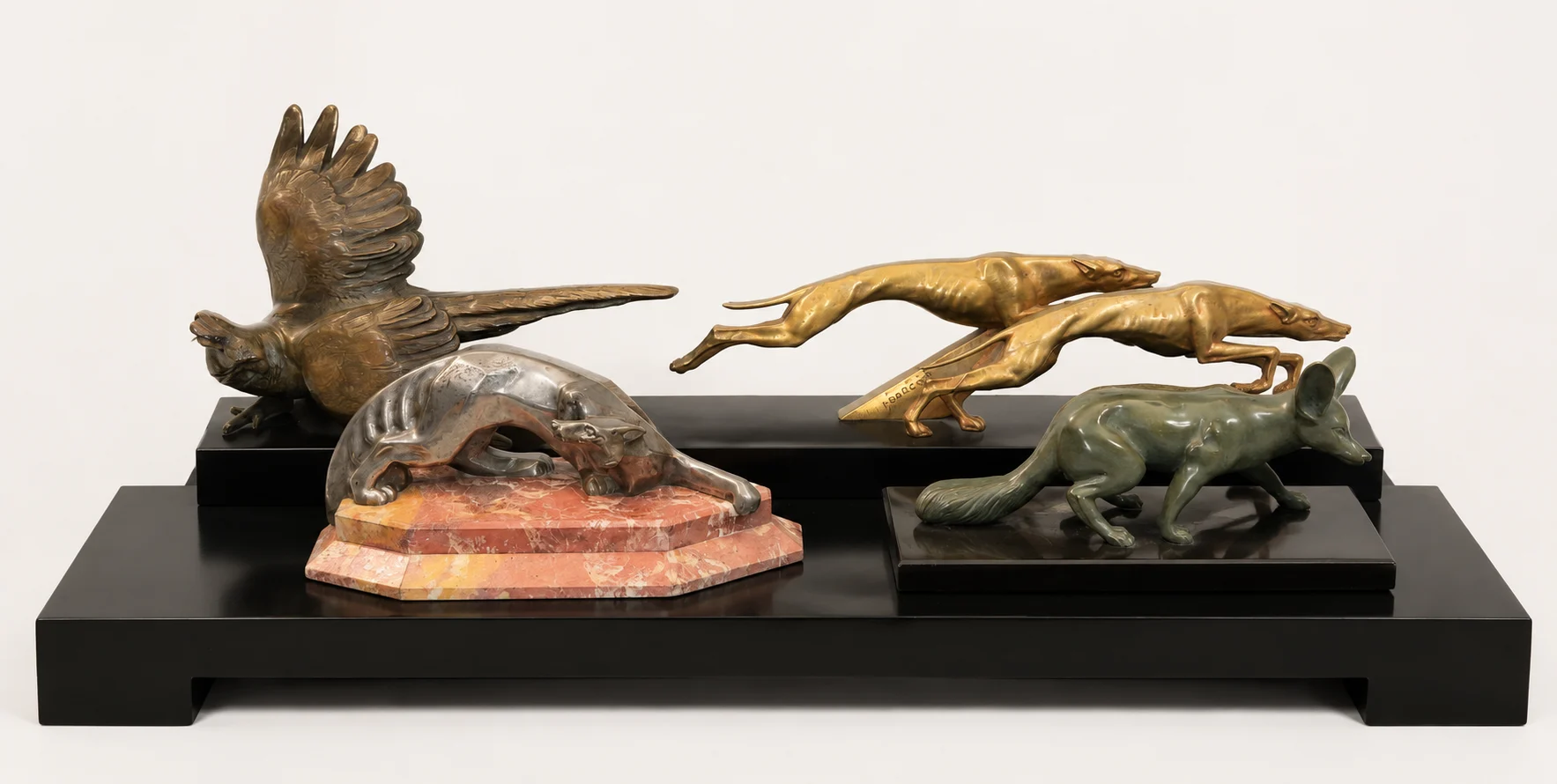
Many serious collectors choose one field and remain within it. Sitruc has never collected that way. Cubist sculpture and painting may form the intellectual center of his collection, but his interests extend into Art Deco, pin up and glamour art, vintage Disney material, Wonder Woman, WPA painting, social realism, contemporary sculpture, amusement pieces, pulp fiction, and many objects that refuse to fit comfortably into a single category. His collection is important not because everything follows one theme, but because everything reflects the eye and mind of the same collector.-Rick Fishman
A Brilliant and Restless Mind
Sevae Sitruc has had an illustrious career, he became a professor of operations research at Stanford University in 1975, following an academic path that included mechanical engineering, business, statistics and operations research. He received his bachelor’s degree in mechanical engineering from the Carnegie Institute of Technology, an M.B.A. from Tulane University, and both a master’s degree in statistics and a Ph.D. in Operations Research from Stanford. Before joining the Stanford faculty, he was an assistant professor in the School of Business at the University of California, Berkeley. His career also included visiting proferships at Yale University, the Technion in Haifa, and L’École Polytechnique in Paris. He was awarded a Guggenheim Fellowship in 1979.

That background helps explain the analytical side of Sitruc, but it does not fully explain the collector. His life has never been restricted to the classroom. During his early years, he raced motocross “motorcycles” and then spent approximately forty years dancing, beginning with jazz, moving into ballet and later competing in ballroom dancing. Those activities required daring, movement, balance and a willingness to take risks. Many of those same qualities can be seen in the art he collects. He is attracted to figures that twist, move, collide or appear ready to step out of their own space. Even when a sculpture is stationary, Sitruc often sees motion inside it.
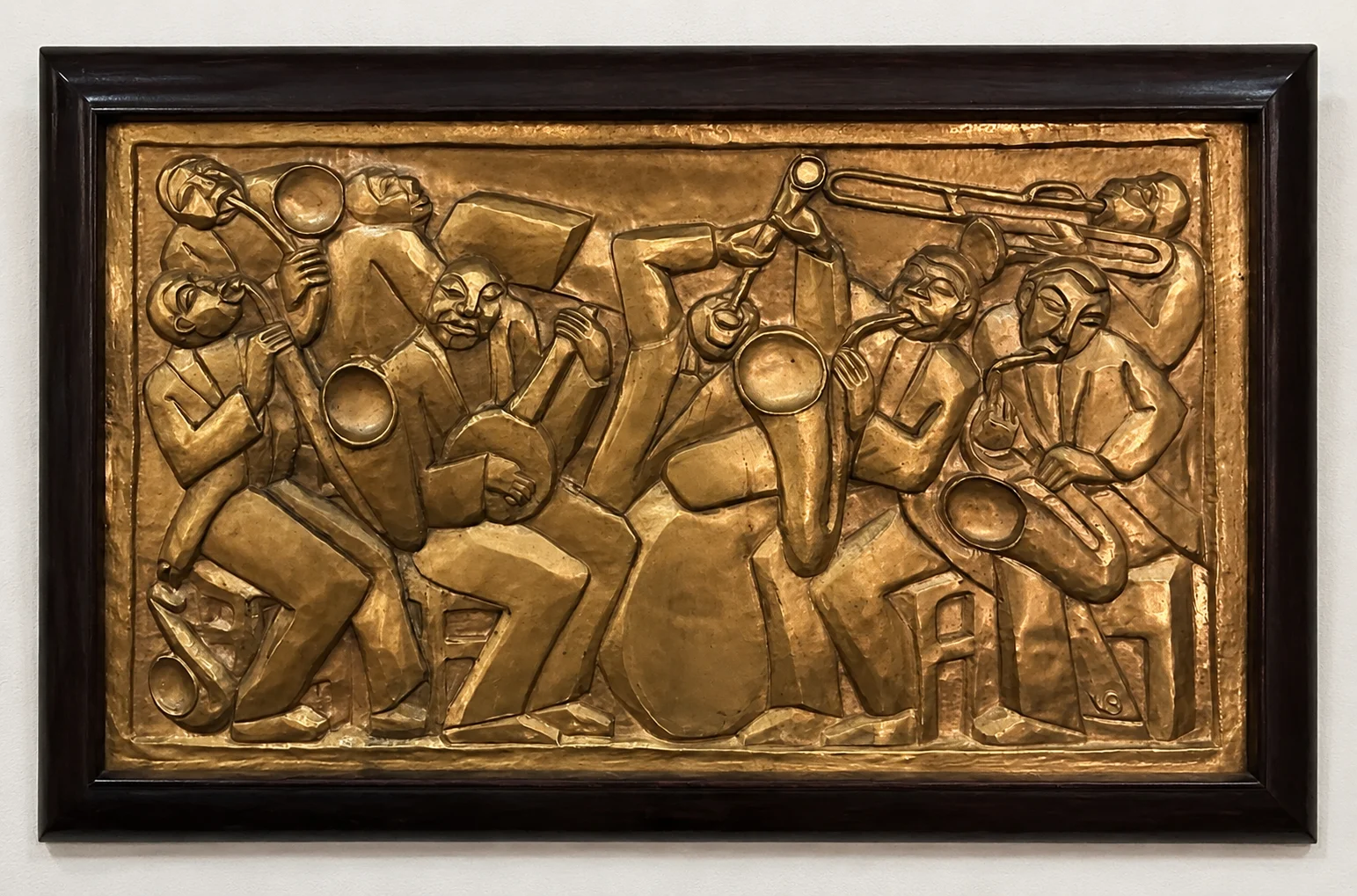
Collecting Art Deco with a Broad Focus
Sitruc once described his approach very simply:
“I’ve always collected what I could afford, and haven’t gotten rid of much.”
That statement may be the best introduction to the collection. It was not created all at once, and it was not assembled according to a predetermined plan. It developed over many years as his understanding of Art Deco matured. Sitruc discovered new artists, new categories and new objects that caught his attention. His mother had an interest in antiques, that early exposure may have encouraged his interest in objects, but Sitruc developed a collecting life very much his own.
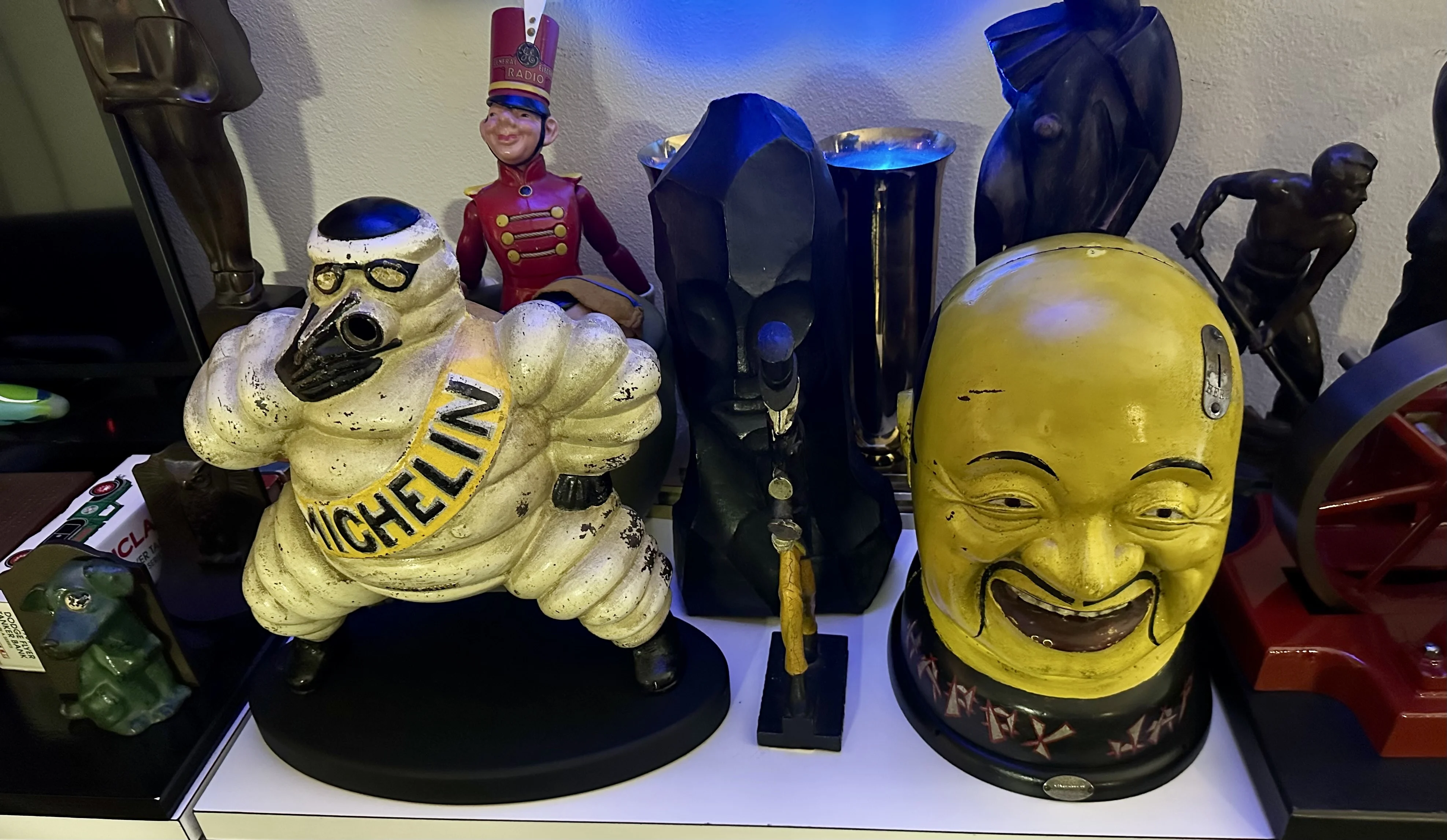
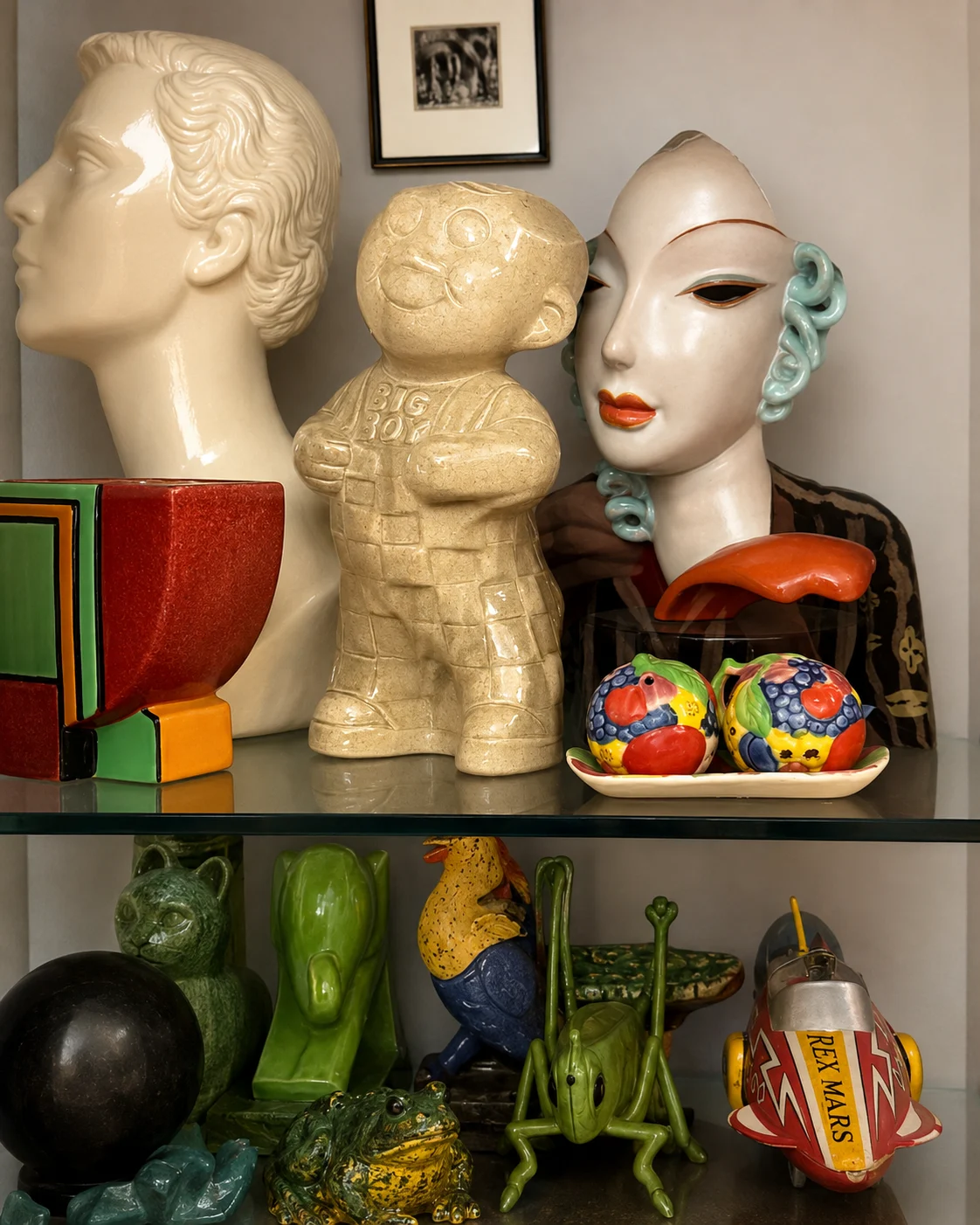
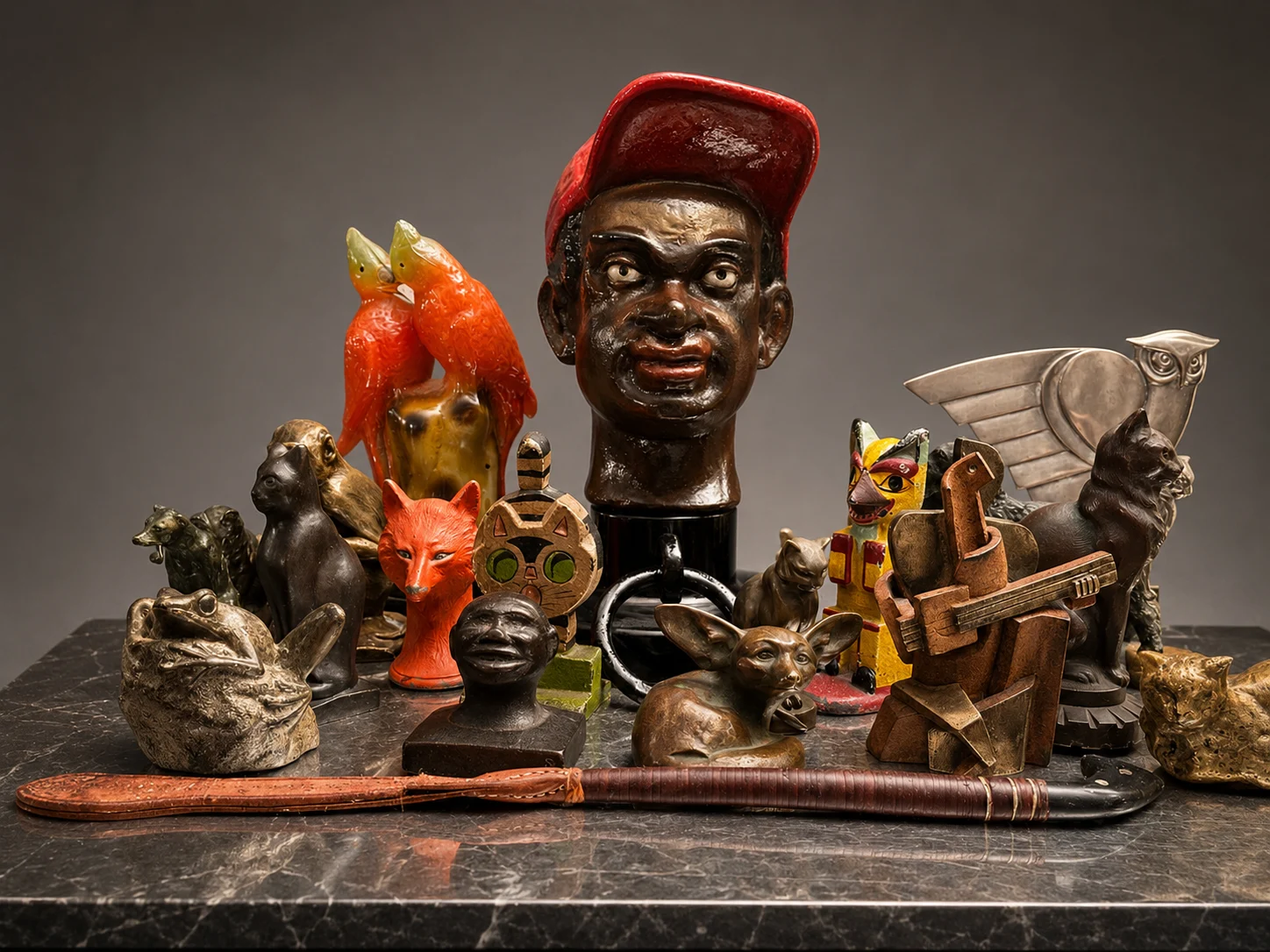
Walking through his house is not like visiting a collection that was purchased from a checklist. One room may contain Cubist sculpture, an important painting, a Disney figure and a piece of vintage amusement equipment. Another may bring together pin up art, an Austrian figure, contemporary sculpture and an object whose artist remains unknown. The connections are not always historical. Sometimes they are visual, humorous or entirely personal.
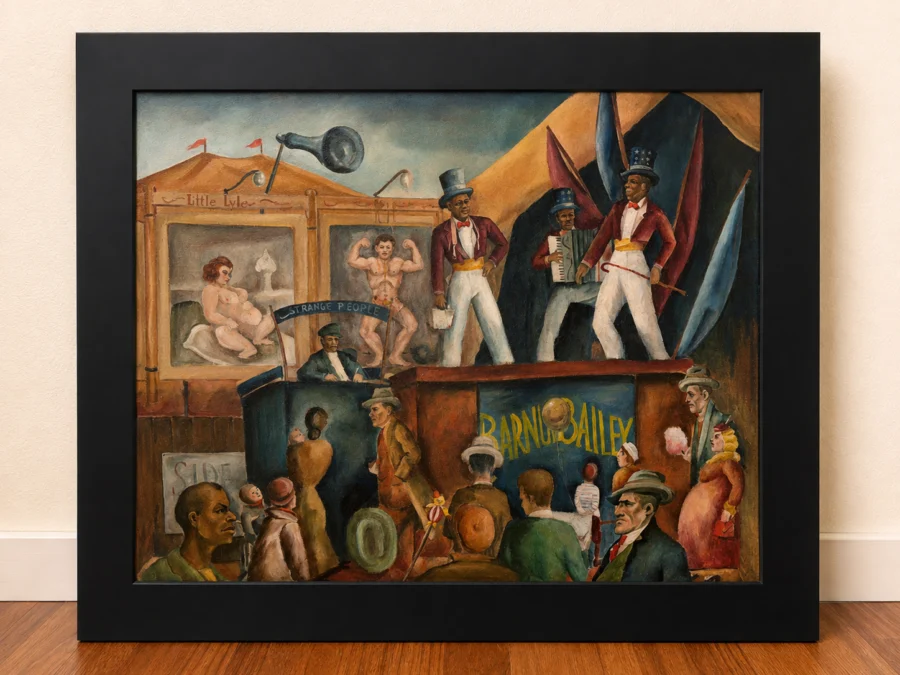
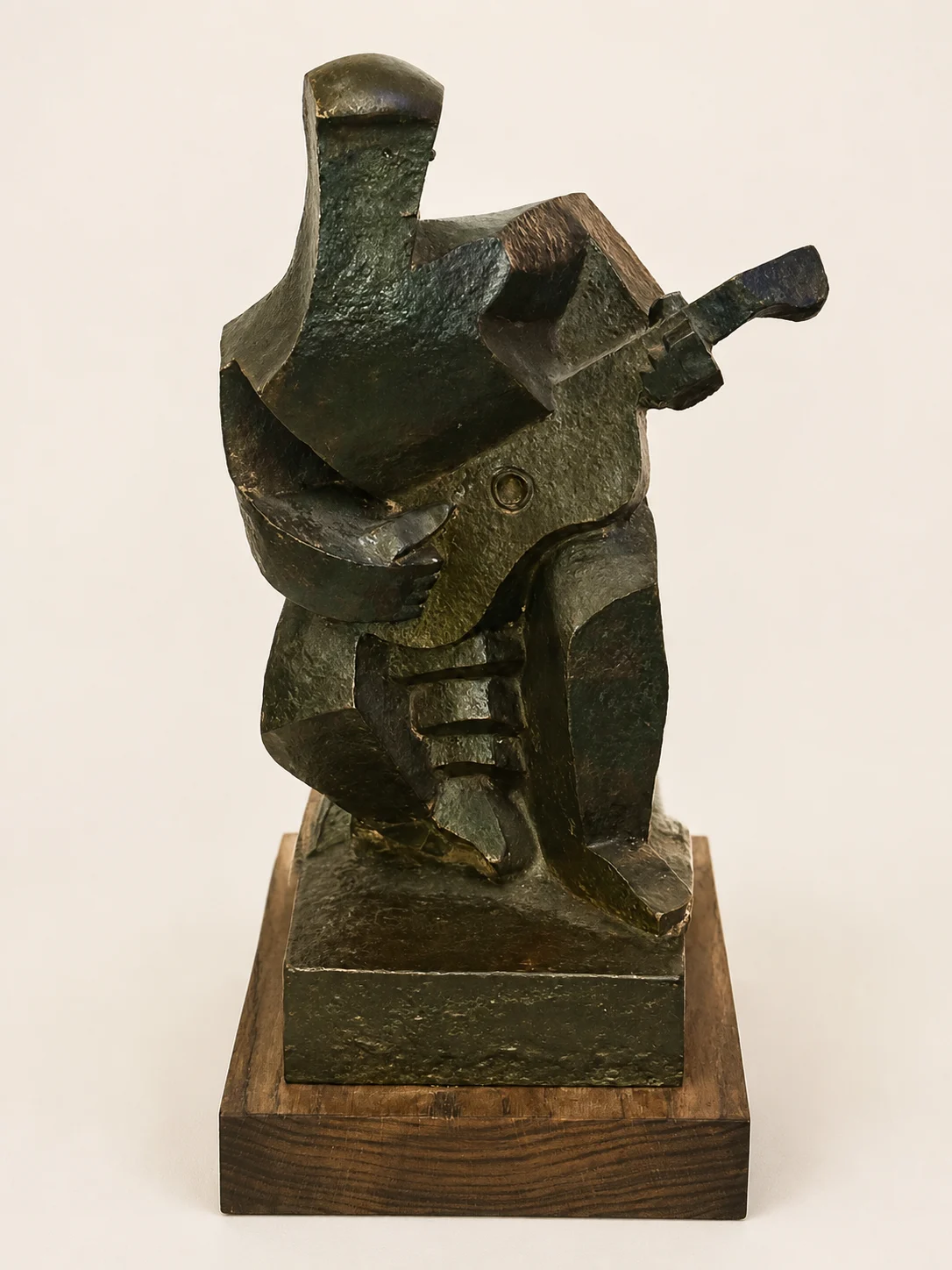
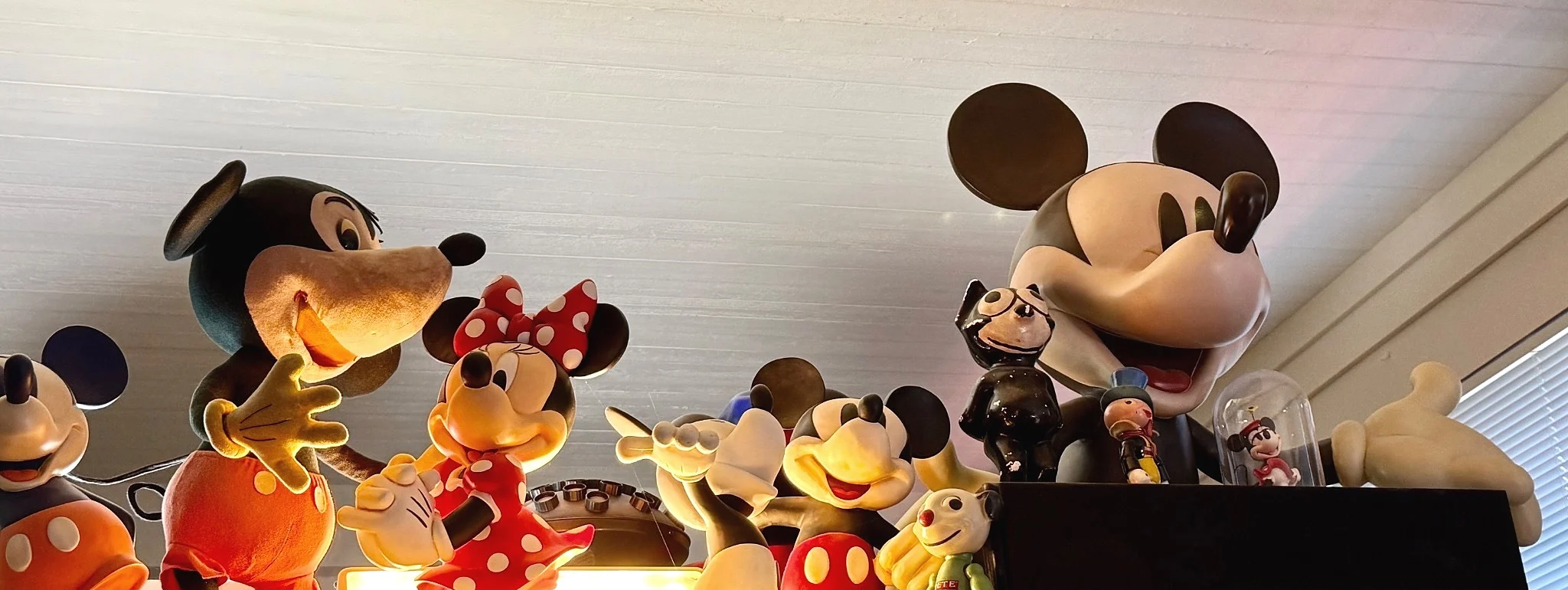
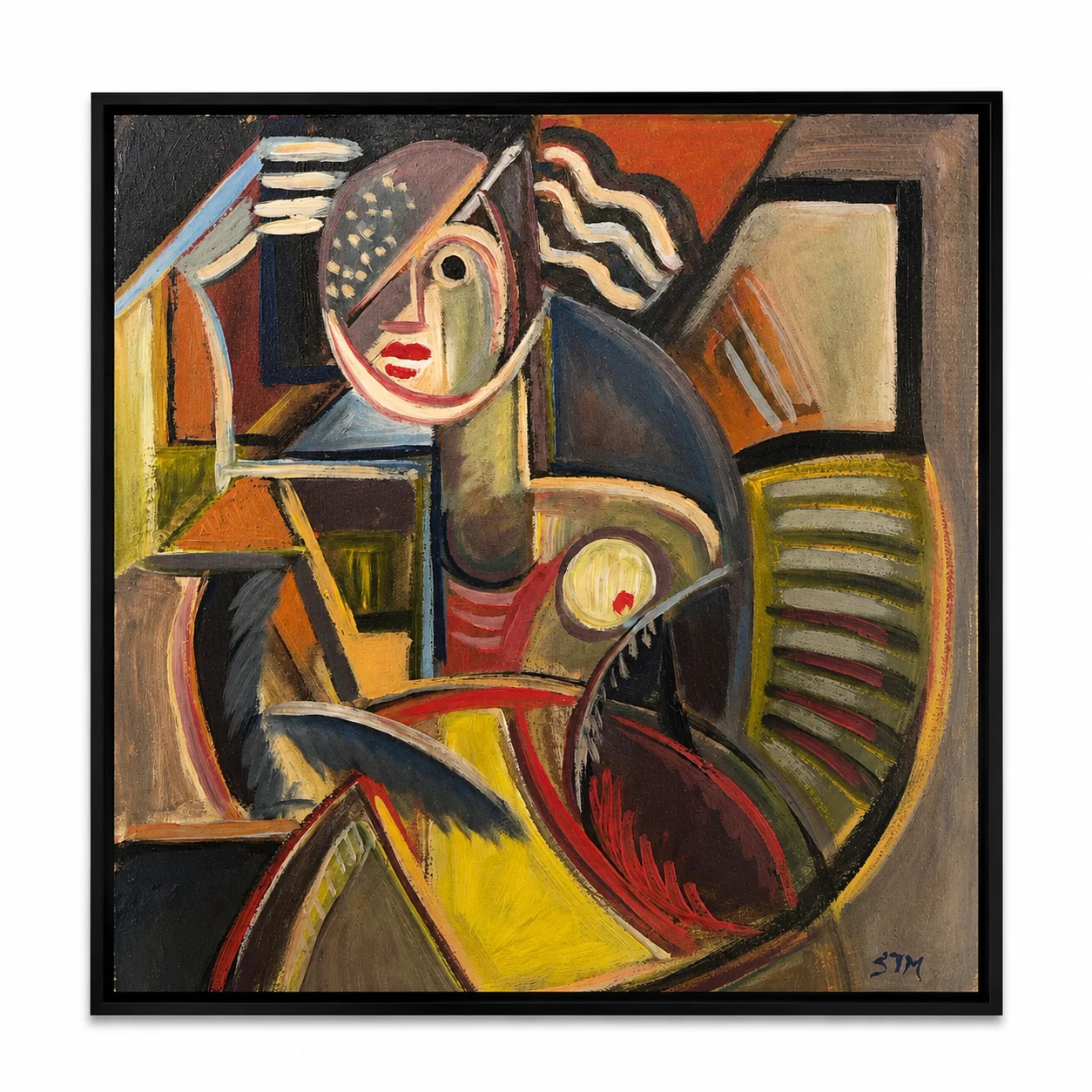
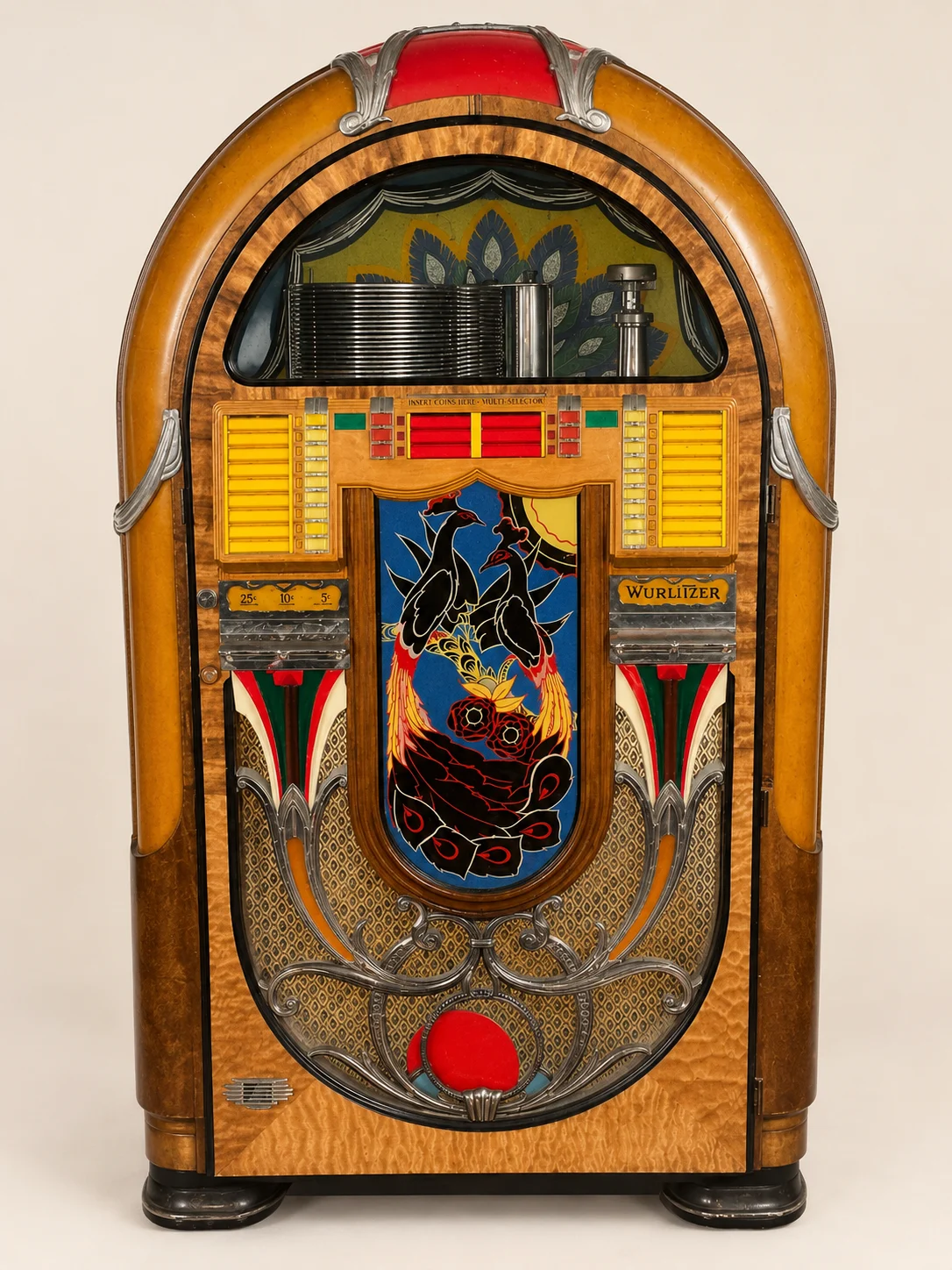
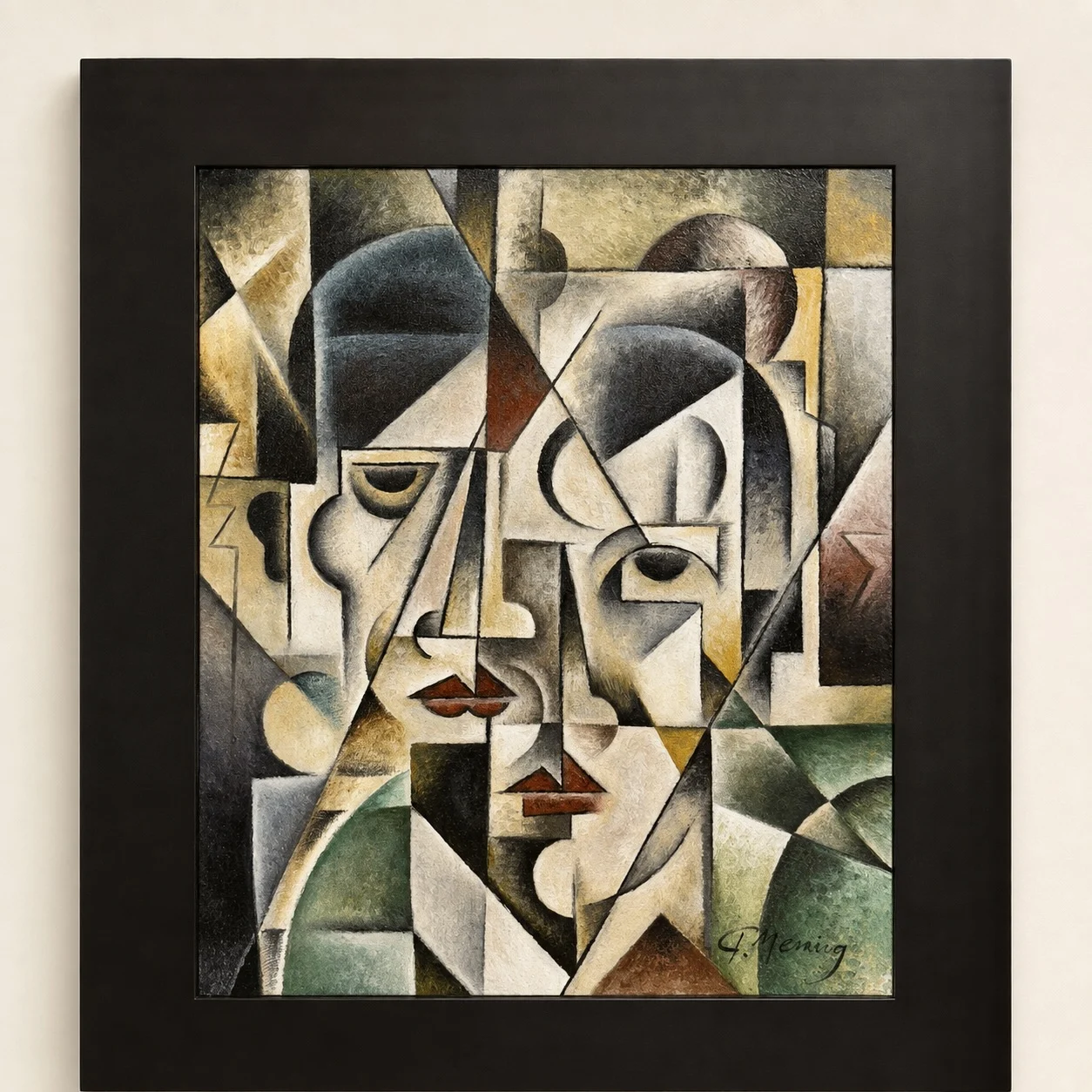
Sitruc does not require every object to be famous. He can become as interested in an obscure piece with an unusual story as he is in a recognized artist. He is willing to live with unanswered questions about authorship, age and provenance while continuing to investigate them. Always the focus is Art Deco.
That openness gives the collection its vitality. It is not frozen. It continues to raise questions.

Cubism at the Center
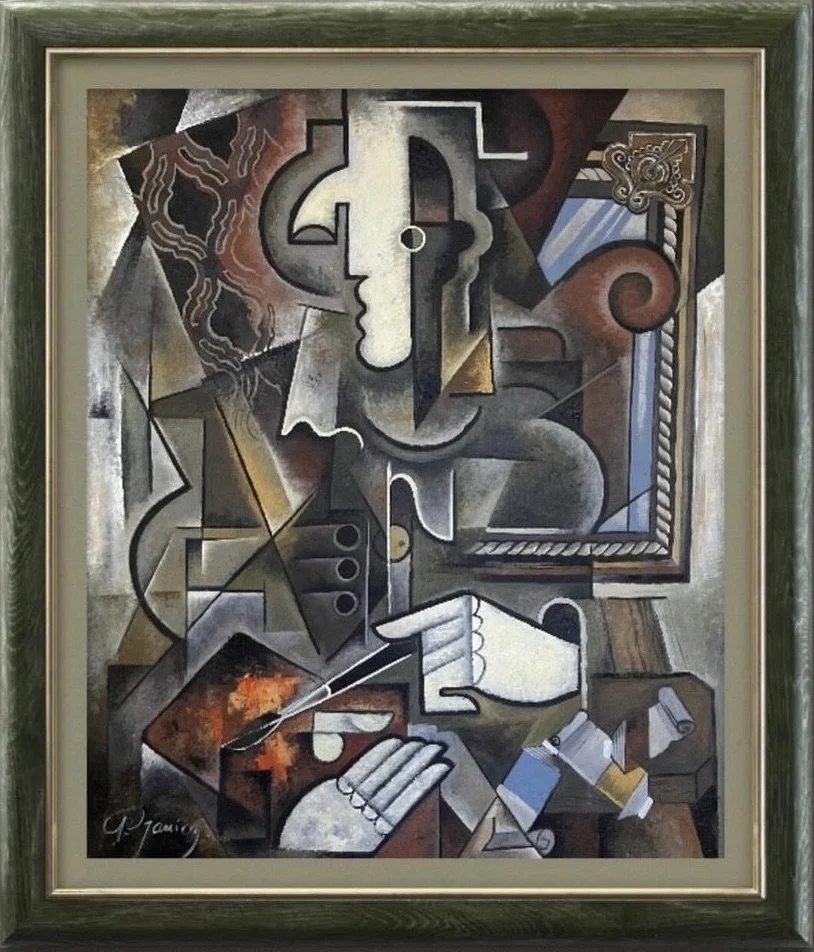
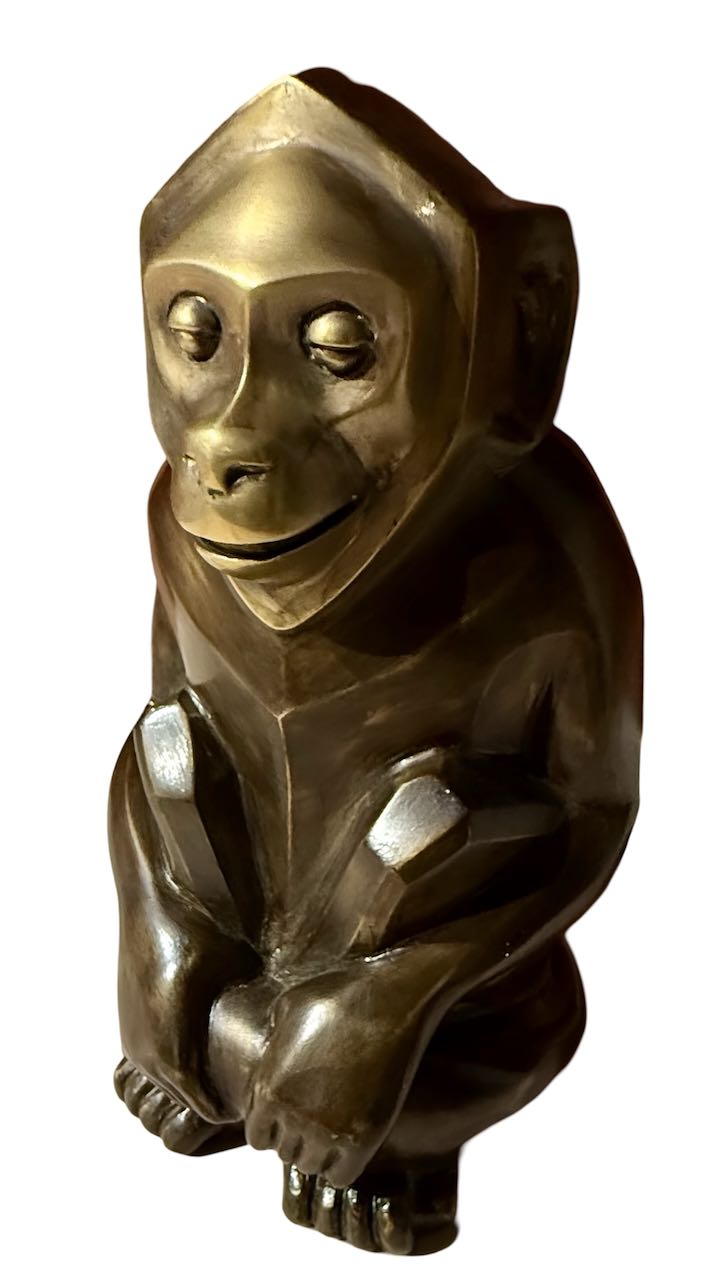
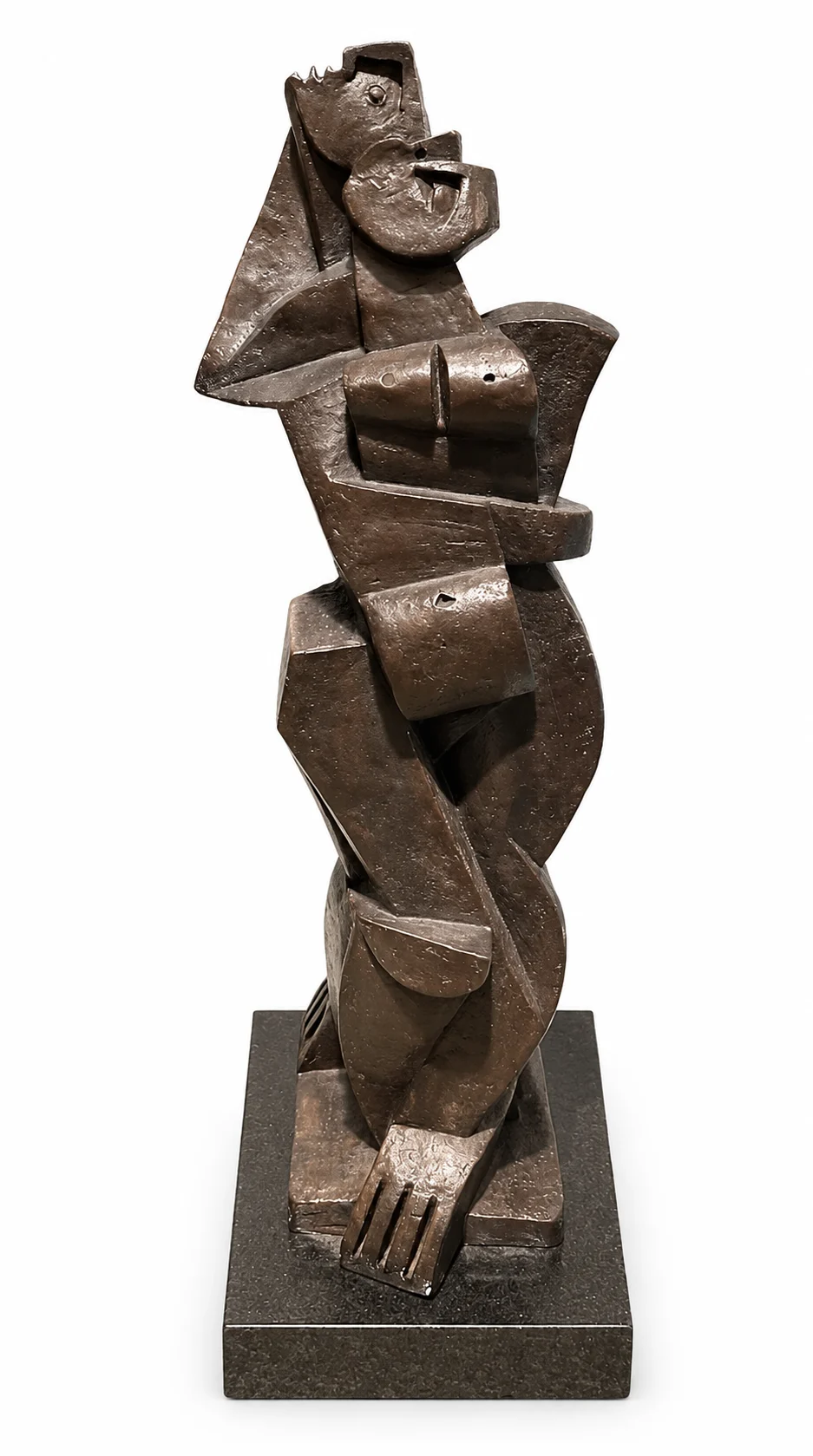
Cubism is one of the strongest threads running through the collection, particularly Cubist sculpture. Sitruc is drawn to the reduction and reconstruction of the human figure through planes, angles and geometric forms.
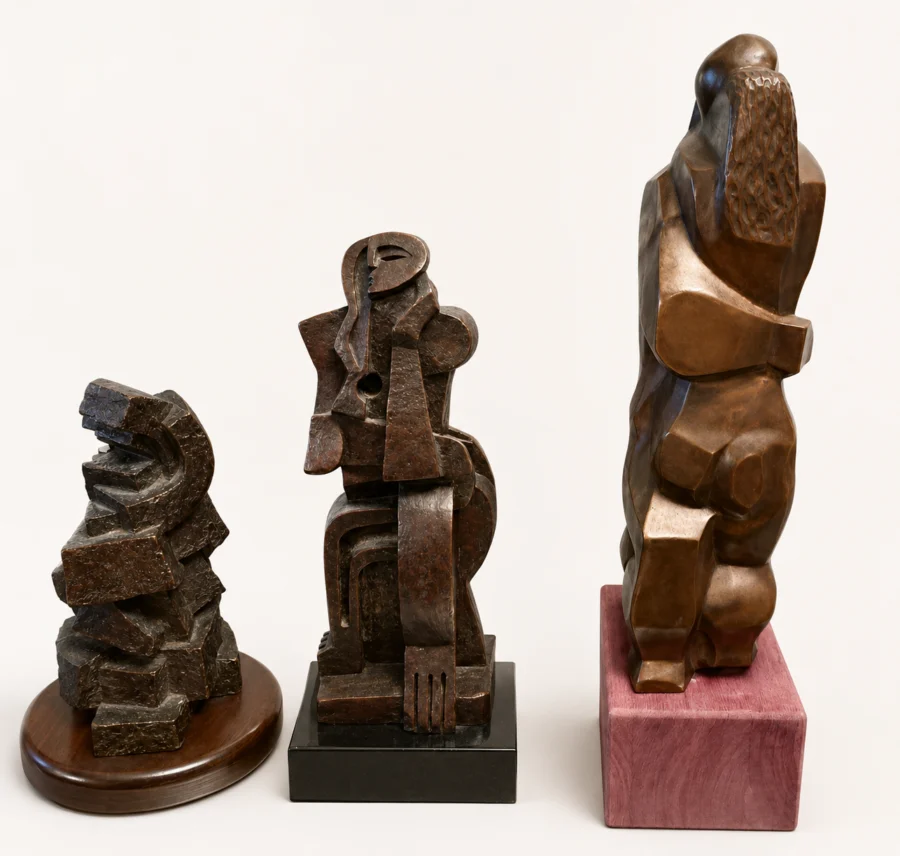
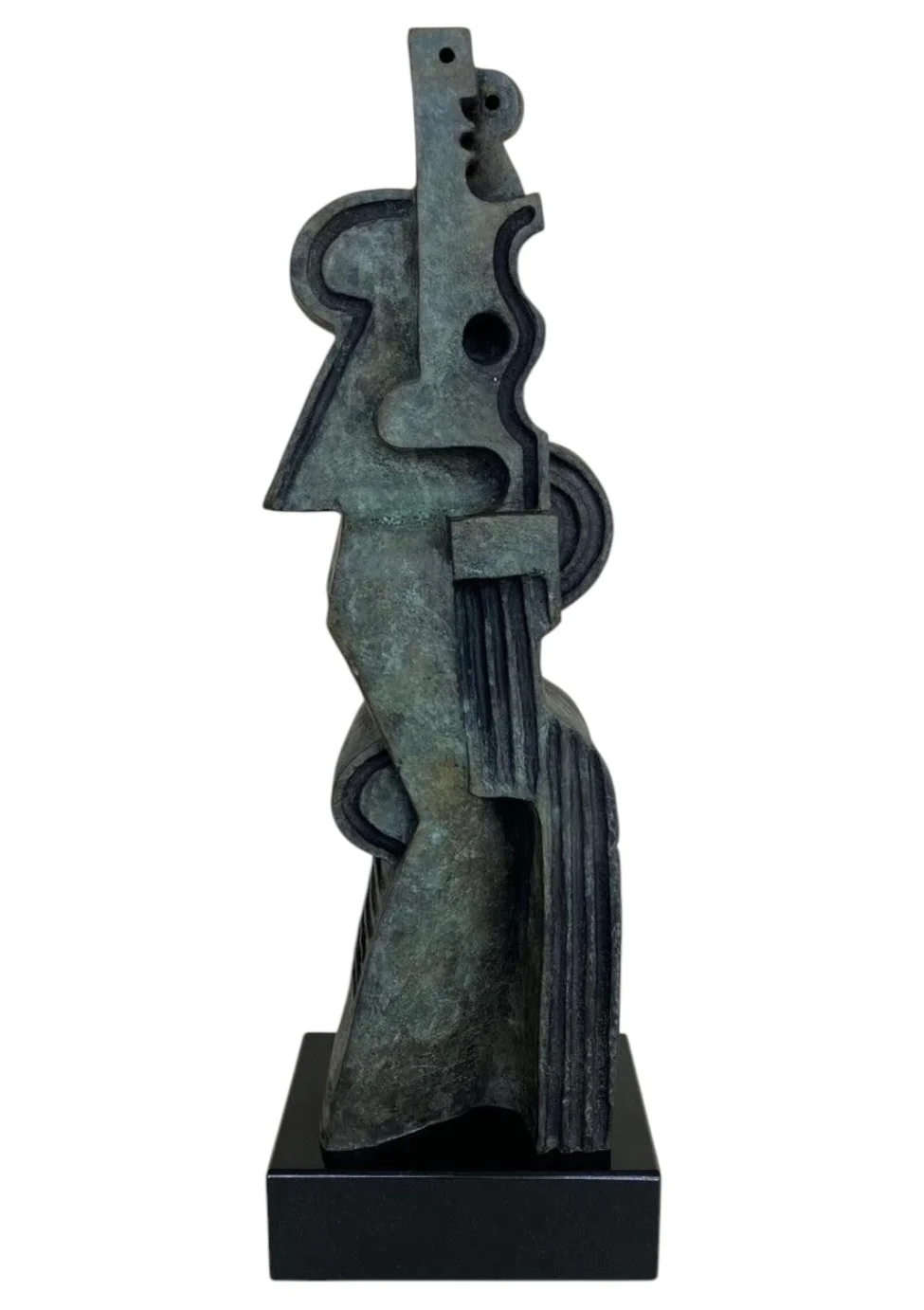
Among the more significant works is a sculpture associated with Joseph Csáky, one of the important early sculptors connected with Cubism. Sitruc readily admits that he paid more for it than he should have. Rather than weakening the story, his honesty reveals something essential about serious collecting. Every experienced collector has made mistakes, missed opportunities and bought works that were understood differently later.
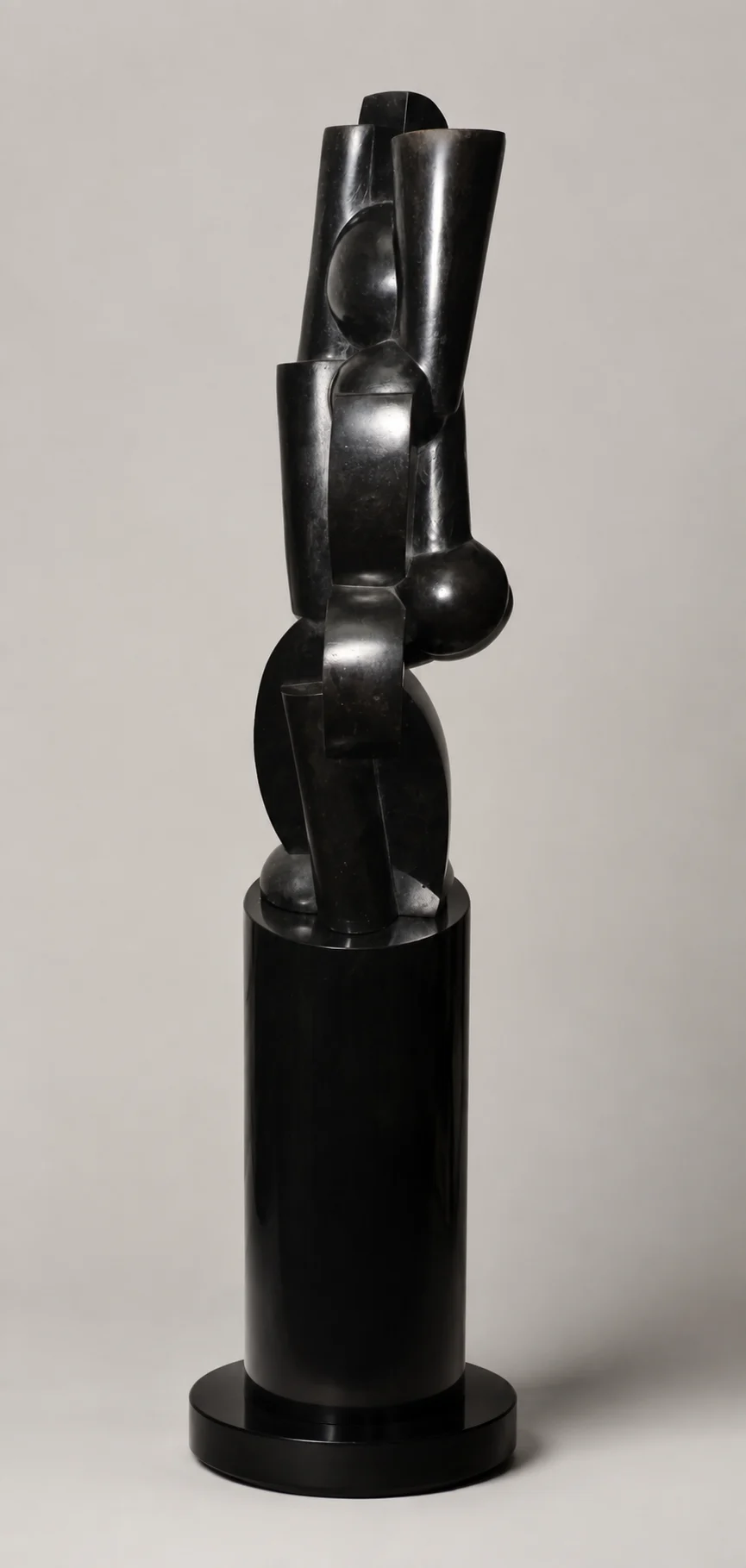
“Cones & Spheres” Joseph Csáky (1888-1971)
The collection also includes an important lithograph work by Richard Lindner, an artist whose exaggerated figures combine modernism, graphic design, sexuality and elements of popular culture. Original Lindner works do not often appear casually in the marketplace, and its presence gives the collection considerable depth.
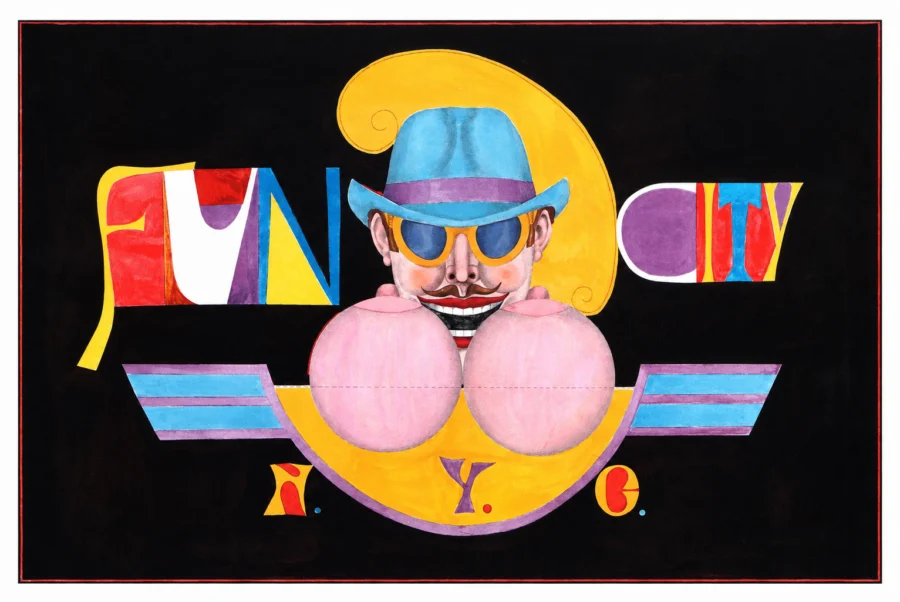
Fun City N.Y.C. by Richard Lindner
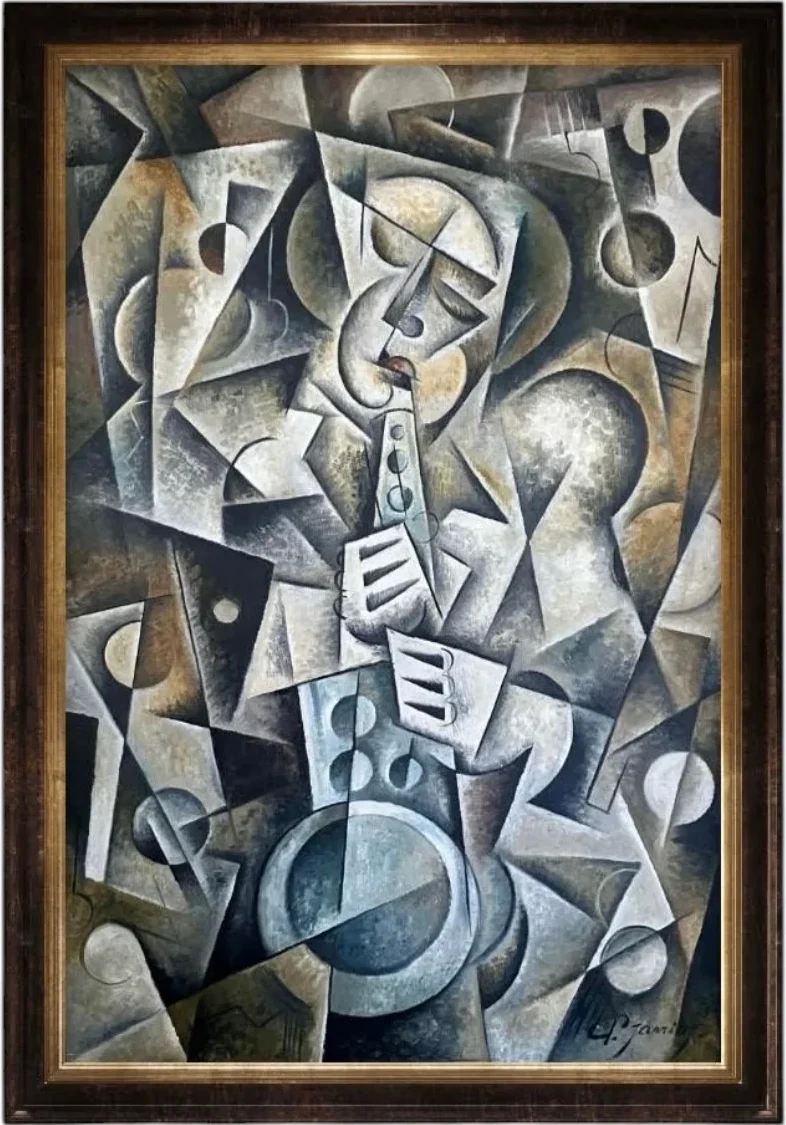
Sitruc has also acquired several works by the contemporary artist Pascal Jarrion. He responds especially strongly to Jarrion’s more Cubist and mechanically constructed figures. One sculpture was described during our visit as seeming to move when viewed long enough. Its forms appear to shake, advance and reorganize themselves in front of the viewer.
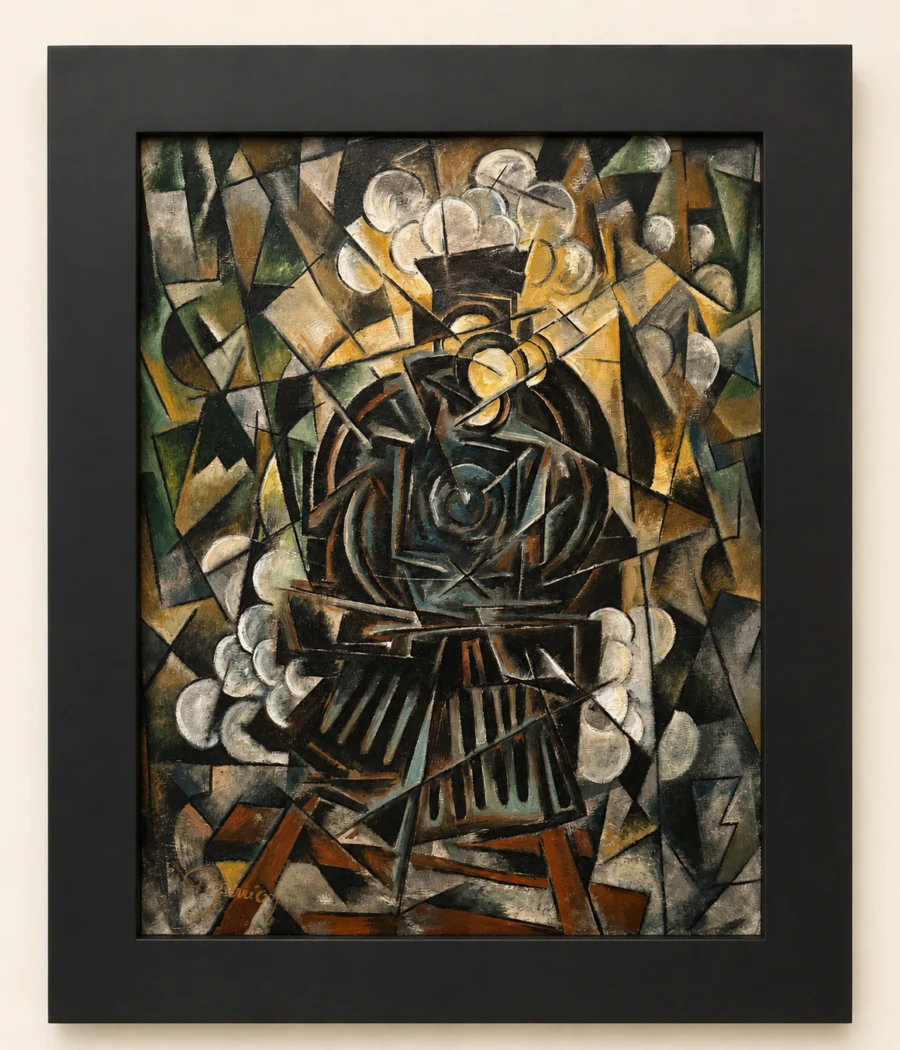
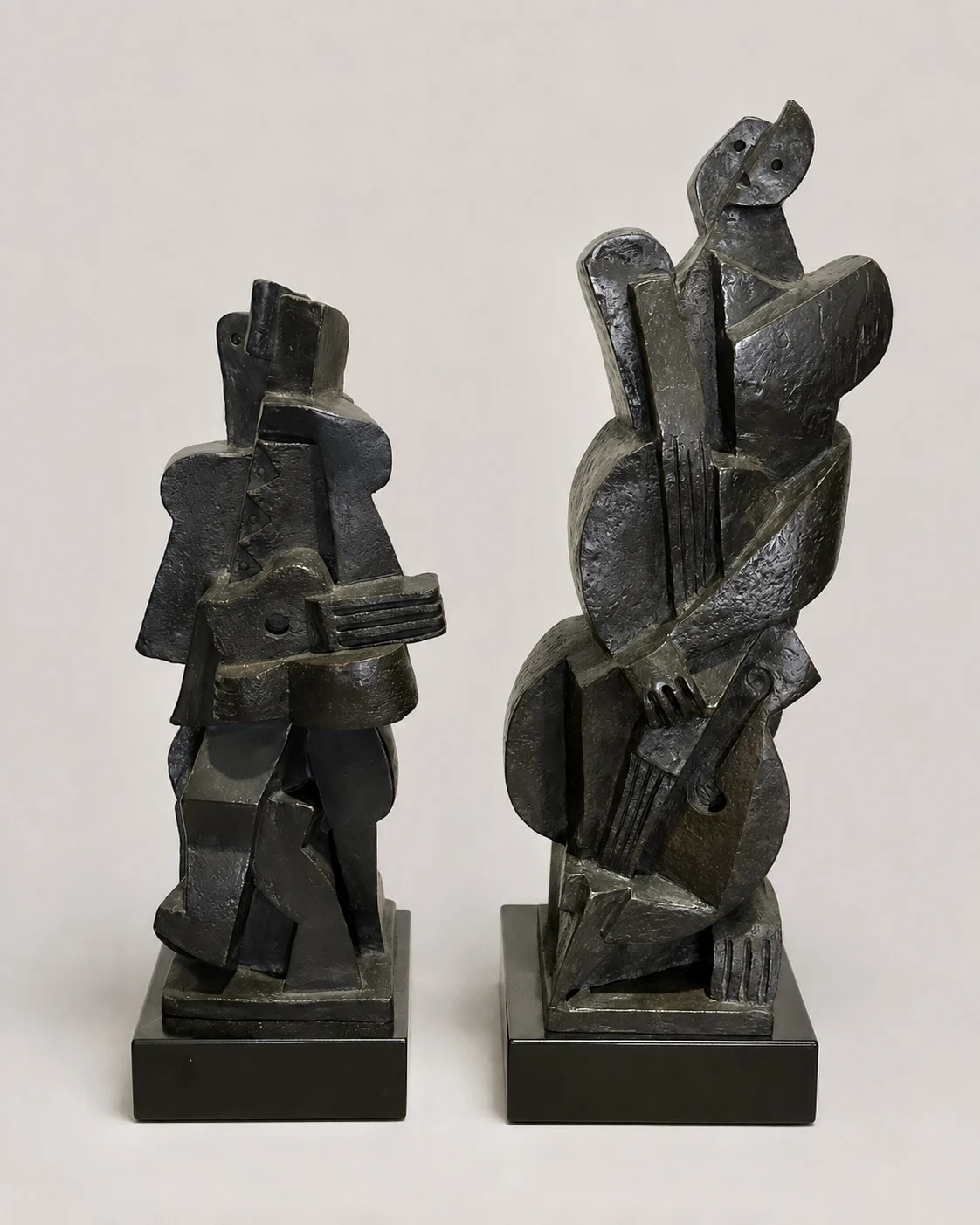
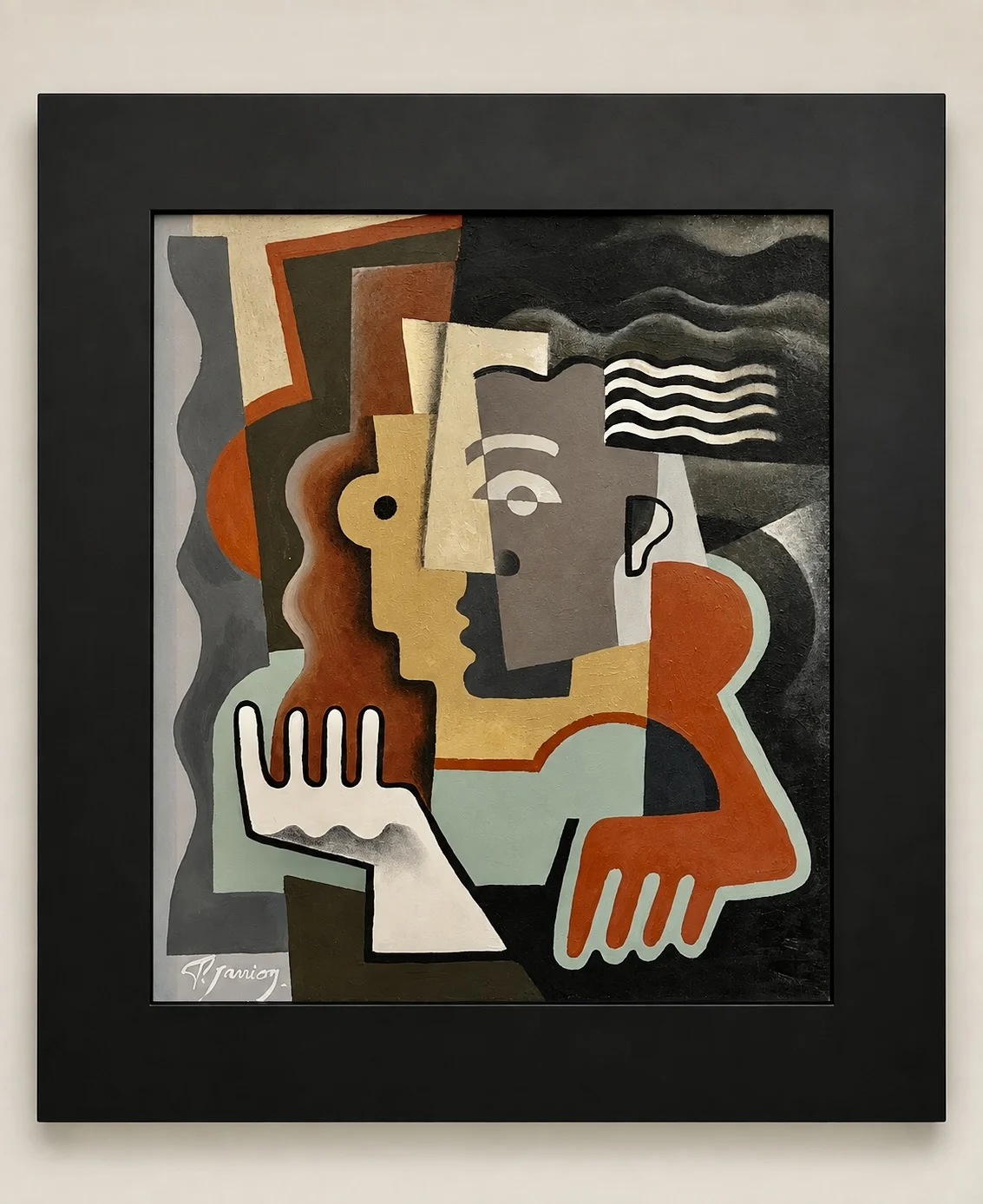
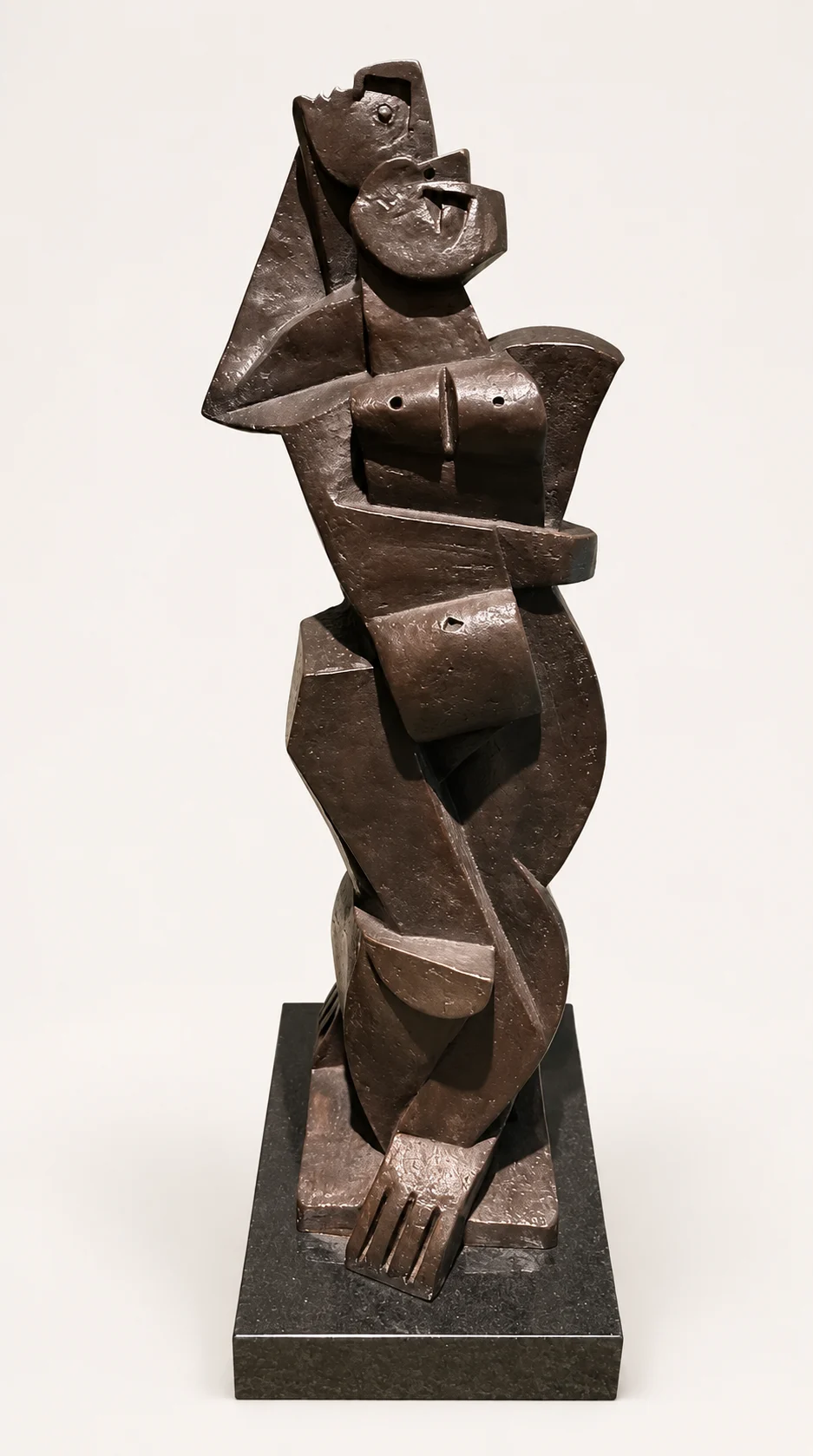
Modern Works by Pascal Jarrion
That ability to suggest movement within a fixed object seems particularly suited to Sitruc . His years as a dancer may help explain why he reads sculpture not only through mass and form, but through balance, tension and gesture. He is also willing to engage directly with artists. He studies their work, asks questions and offers opinions. He does not automatically accept every artistic decision simply because it came from the artist. He may admire the overall work while still questioning a detail, a symbol or the way it has been mounted.
For Sitruc , admiration does not require silence.
Pin Up Art, Glamour between the Wars
Another important part of the collection is pin up and glamour art. Sitruc owns a group of paintings attributed to Gil Elvgren the premier pin-up artist, including one with an especially interesting history. The work had reportedly been given by the artist to a friend and later passed through the friend’s family. It appeared in a published reference on the artist, although the authors apparently did not know its location.
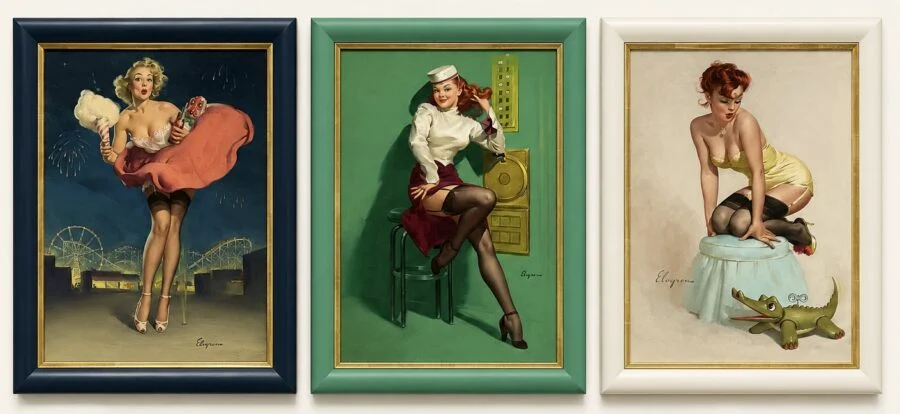
The missing painting was not missing at all. It was in Sitruc’s house.
His pin up collection is not simply a group of decorative pictures of attractive women. Sitruc pays attention to the identity of the artist, publication history, provenance and the changing portrayal of women in commercial art. He is particularly interested in figures who appear strong, athletic or self possessed rather than fragile. Paintings originally created for magazines sit within the collection alongside more formal works of modern art.
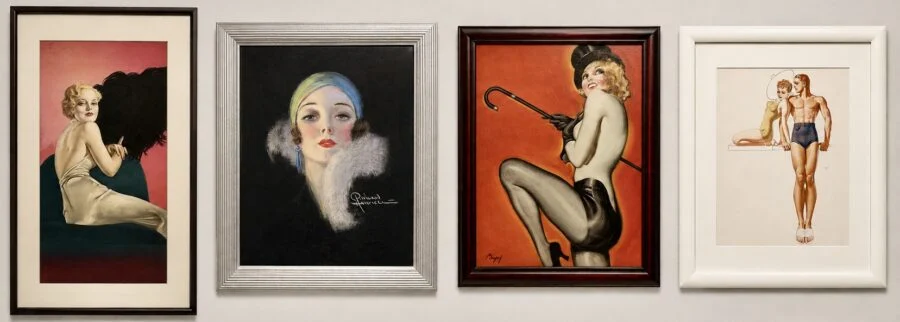
There is also humor in the way Sitruc discusses these images. He recognizes their theatrical quality, their exaggeration and their sometimes complicated relationship to changing ideas about beauty and gender. Jessica Rabbit appears in the collection, as does Wonder Woman. These characters may belong to popular culture, but Sitruc does not dismiss them for that reason. Wonder Woman, in particular, appears repeatedly. Several examples are grouped together almost like a dance troupe. Sitruc also searches for original magazines or printed sources connected to particular images, sometimes pursuing a reference for years before finding it.
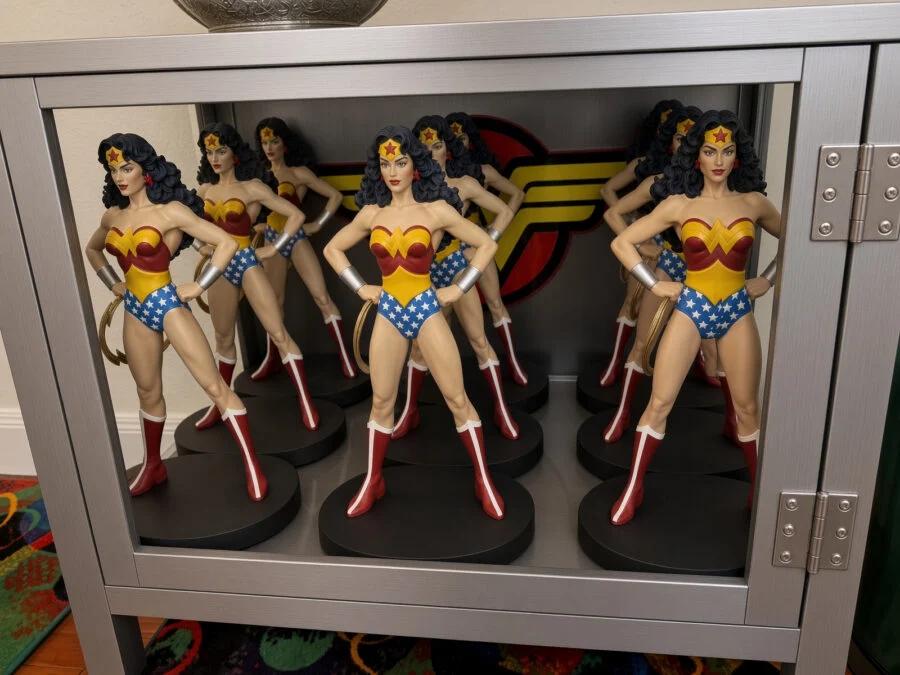
This is where nostalgia becomes research. An image remembered from childhood can become the beginning of a search for its origin, artist and original context.
Disney and the Art of Pop Culture
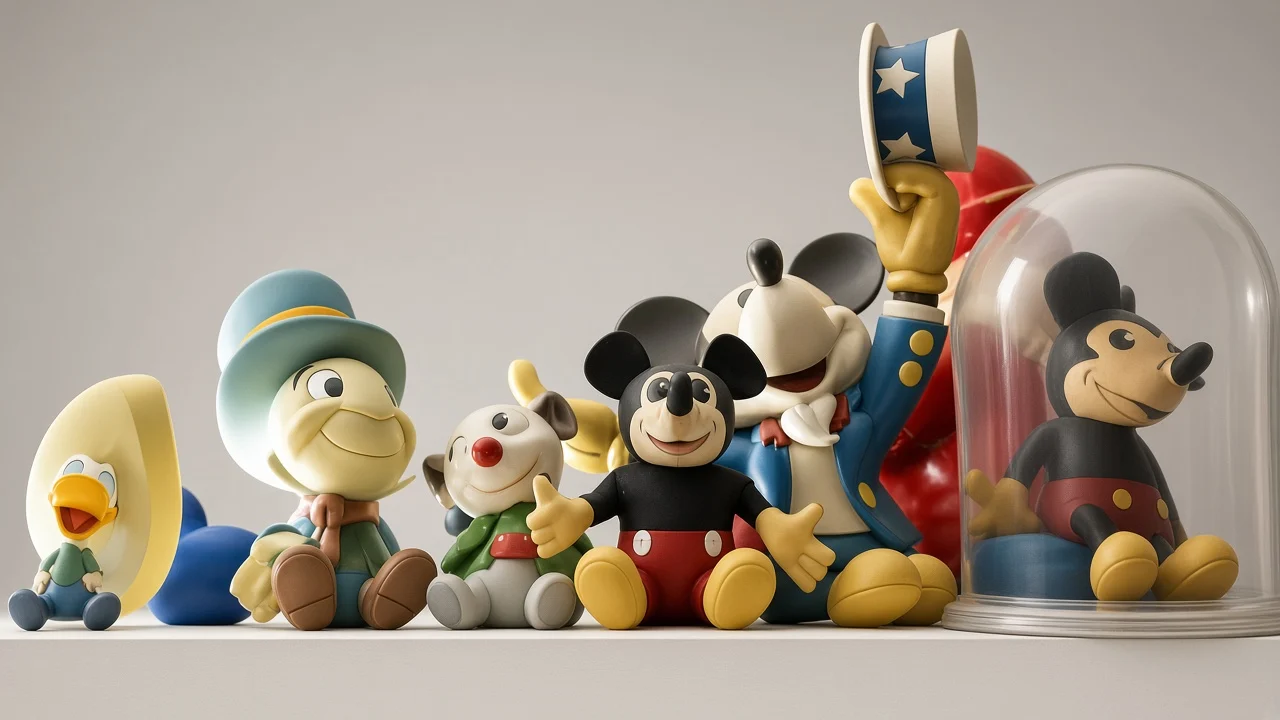
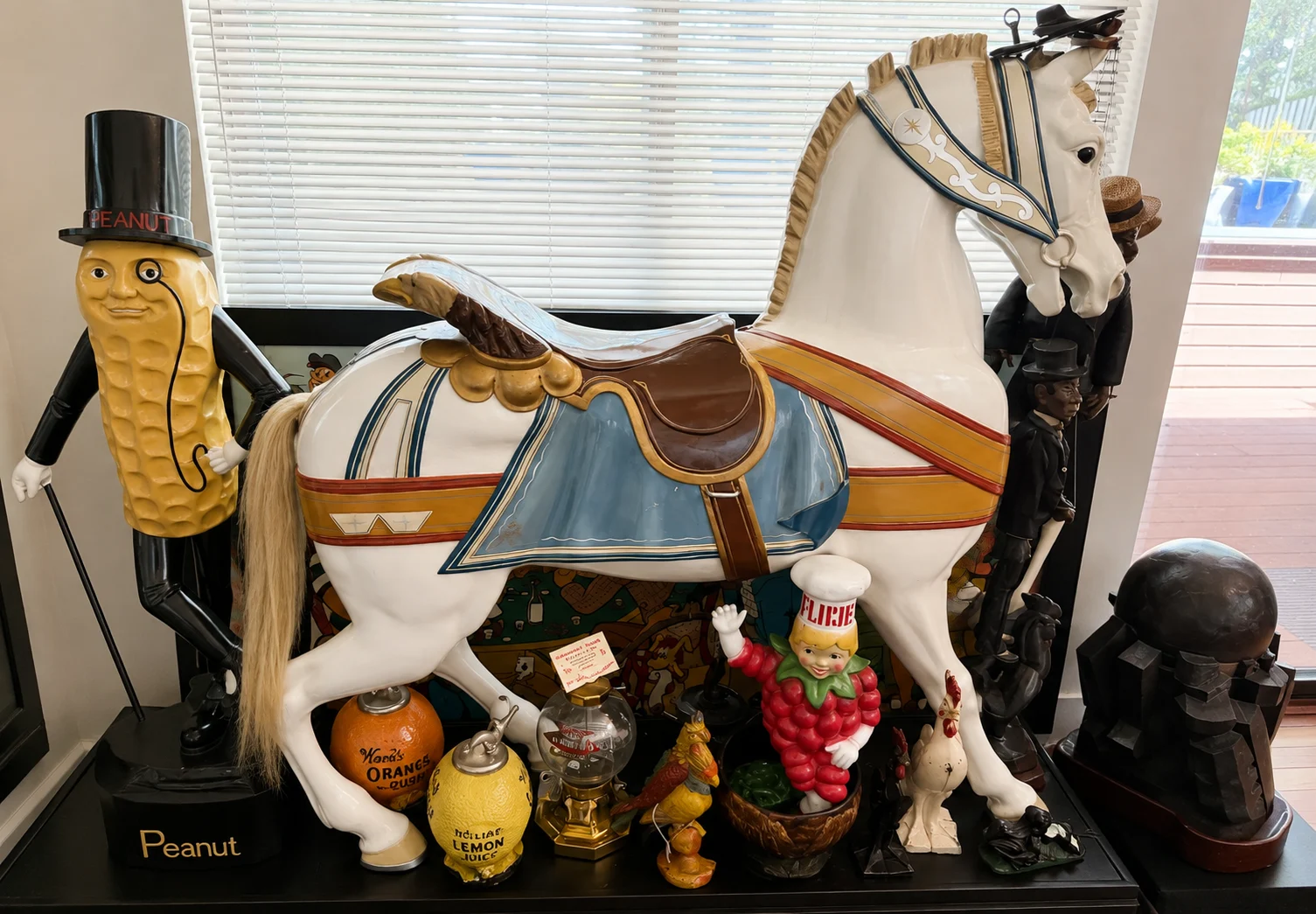
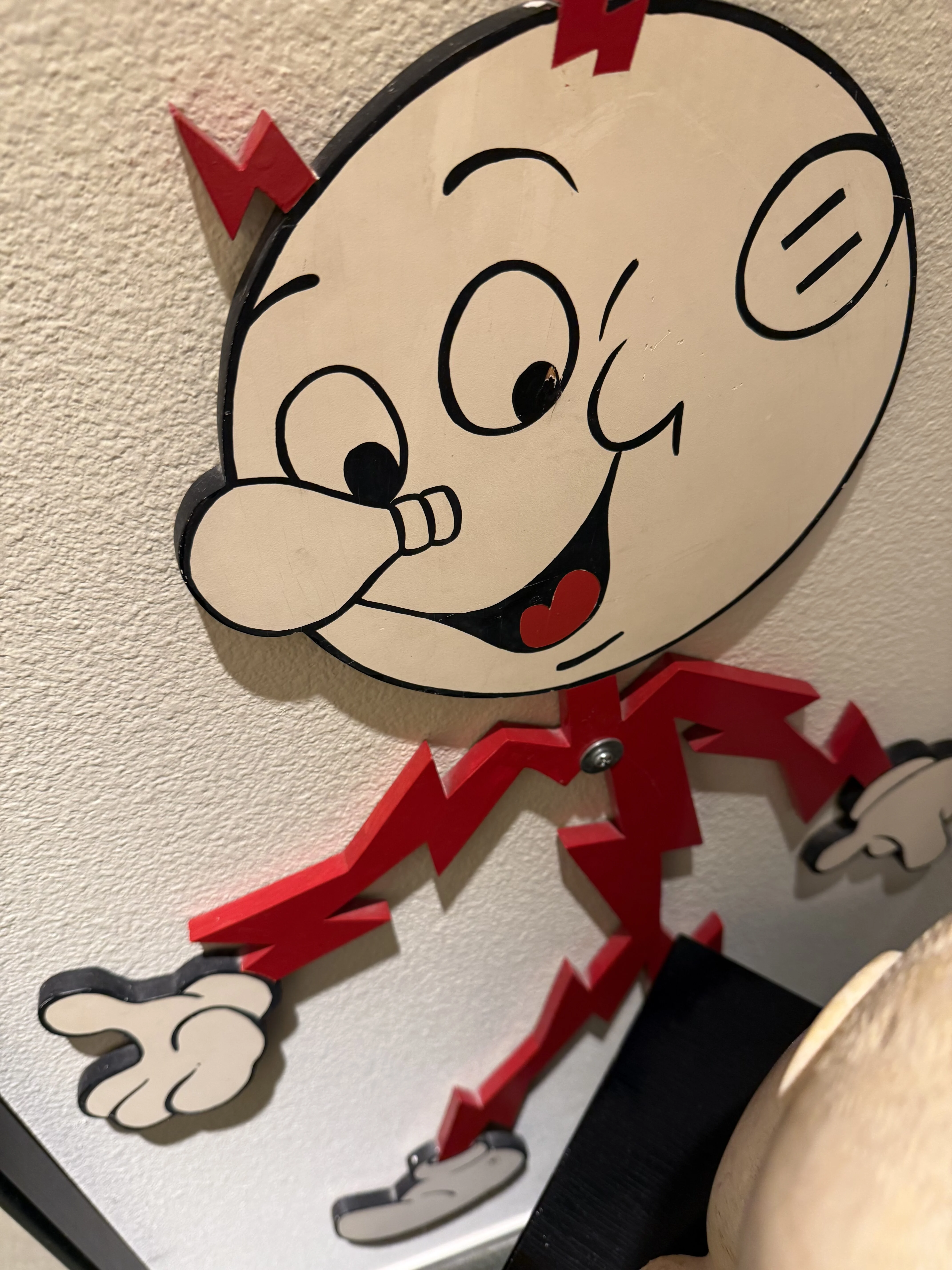
Sitruc ’s vintage Disney collection includes Mickey Mouse, Minnie Mouse and early figures with the long, pointed facial features associated with the earliest representations of Mickey. The Disney pieces share space with Cubist sculpture, WPA paintings and Art Deco figures without apology. Sitruc does not accept the idea that serious art and pop culture must occupy separate worlds.
A rare or early Mickey Mouse object can represent design history, animation history, merchandising and the enormous influence of Disney on twentieth century visual culture. It can also simply be something that makes the collector smile. That balance between scholarship and pleasure is present throughout Sitruc ‘s house.
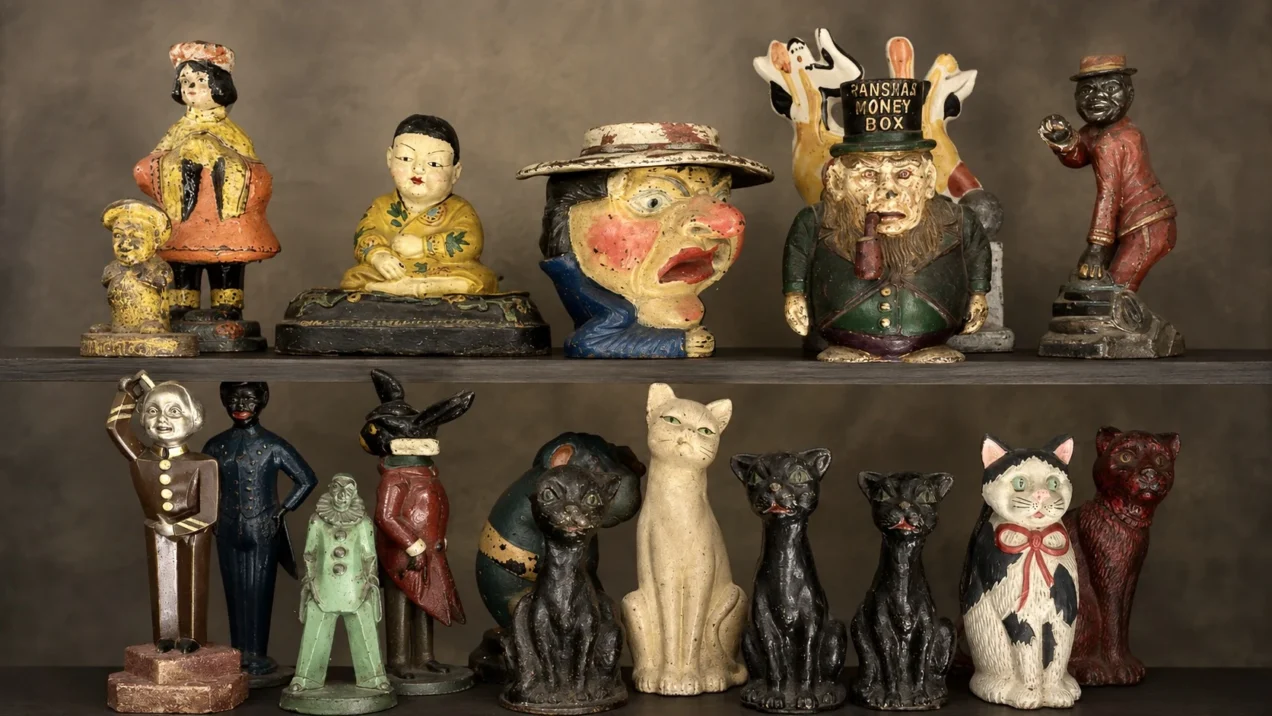
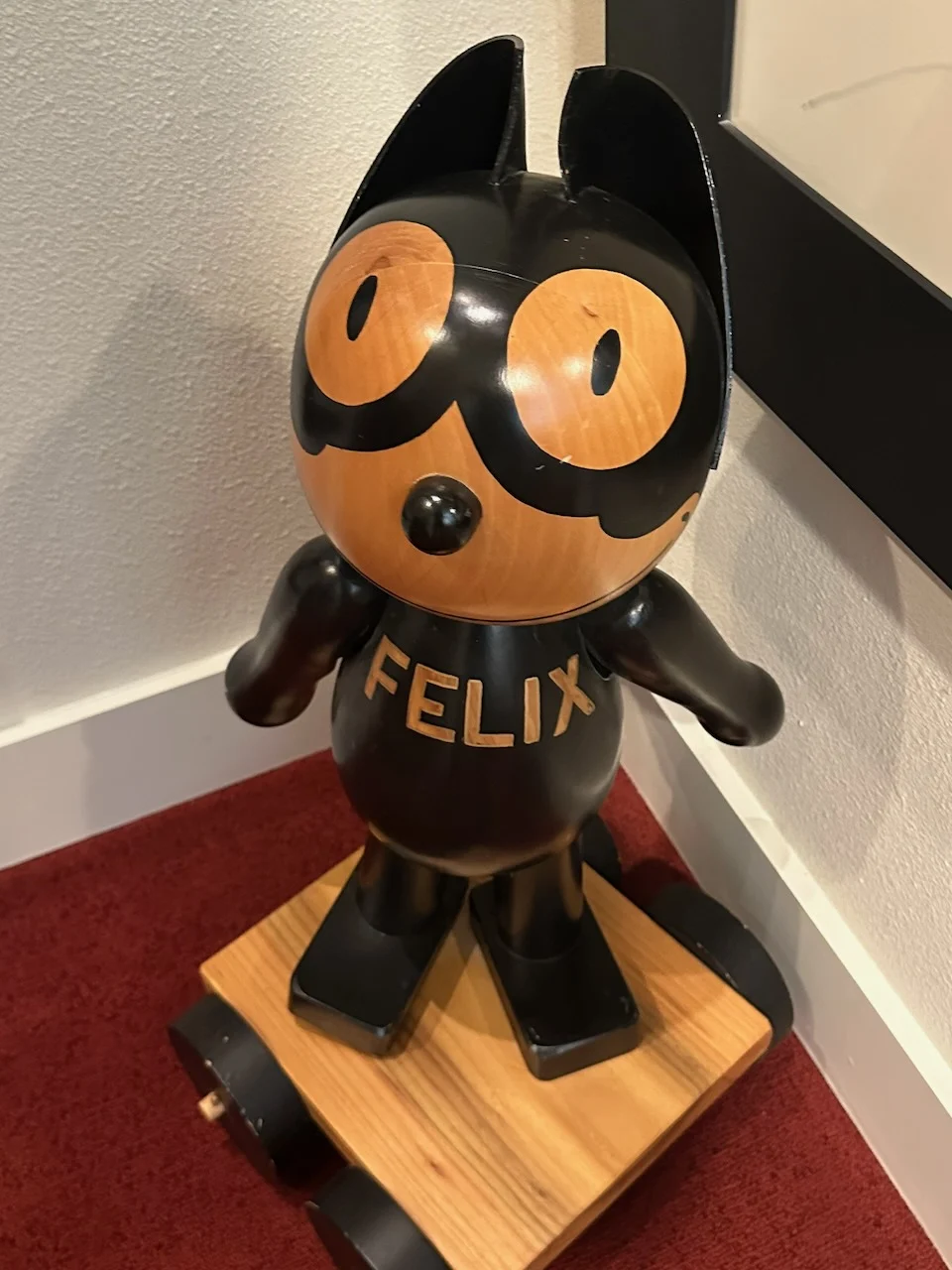
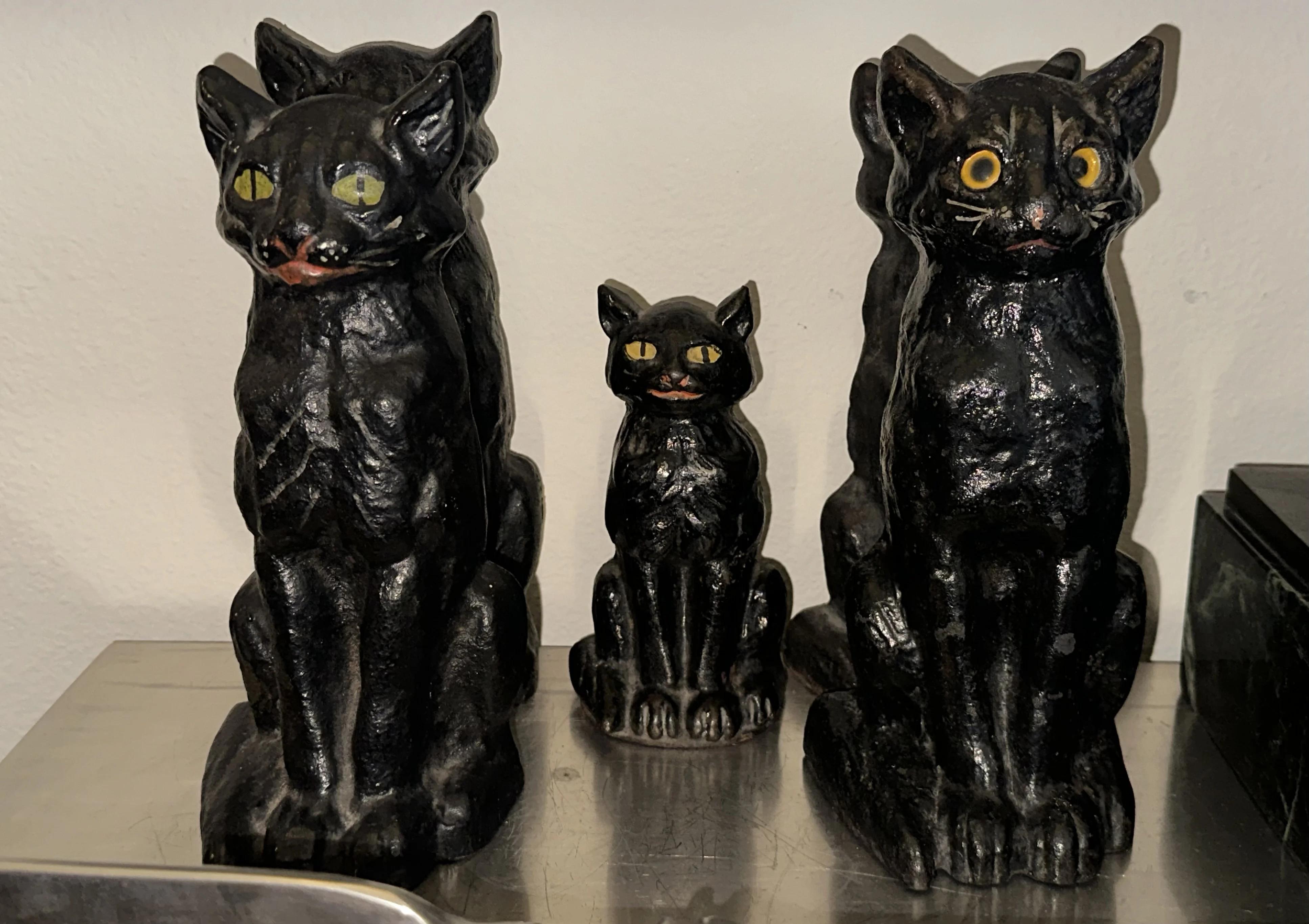
He understands that an object can be historically interesting. Some pieces were created for trains, amusement settings, circuses, games, sideshows, musical bands, or commercial display. Others began as toys or advertising images. Once removed from their original context, they reveal the imagination and craftsmanship behind everyday pop culture.
WPA, Social Realism and the Unknown Artist
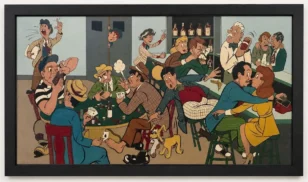
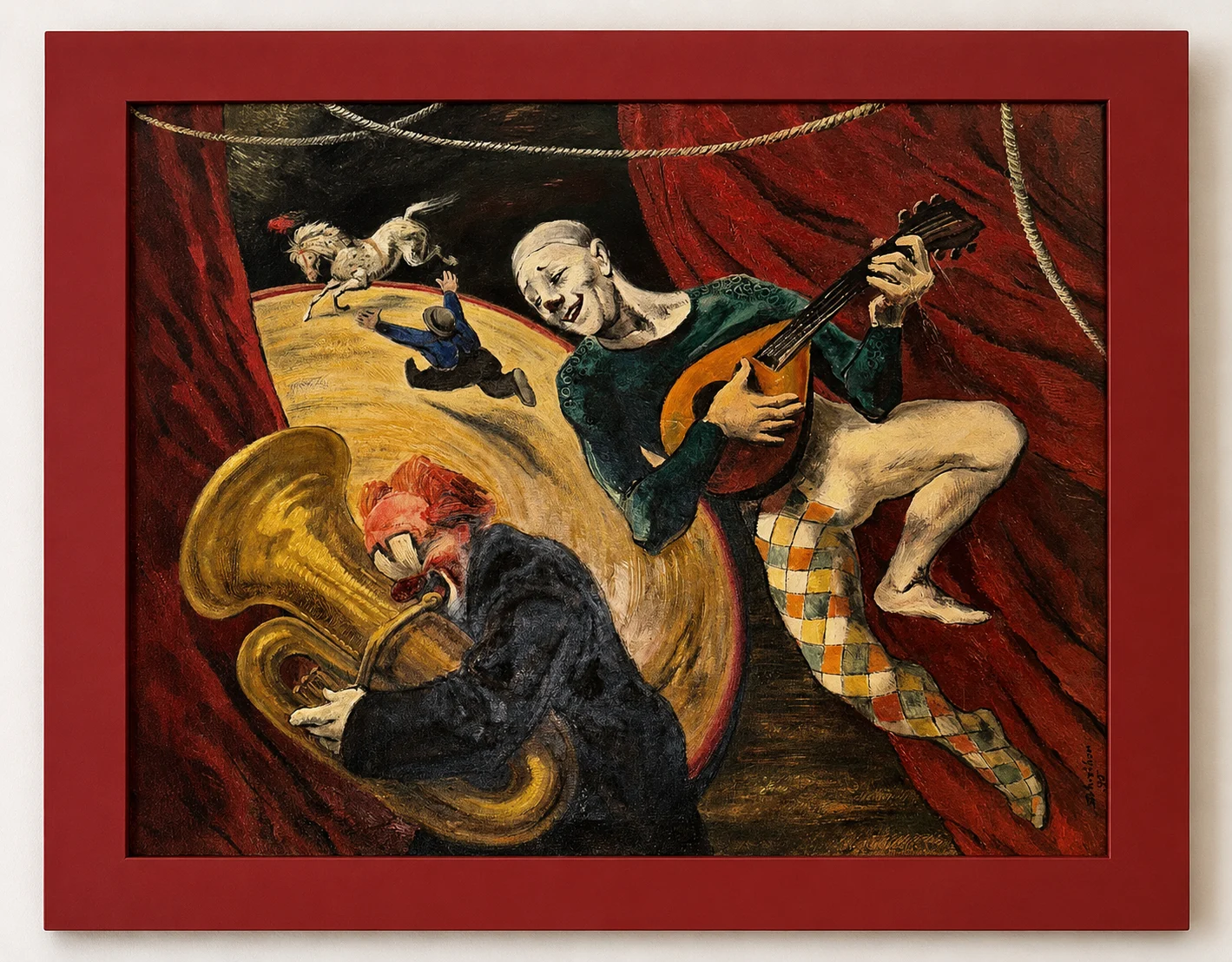
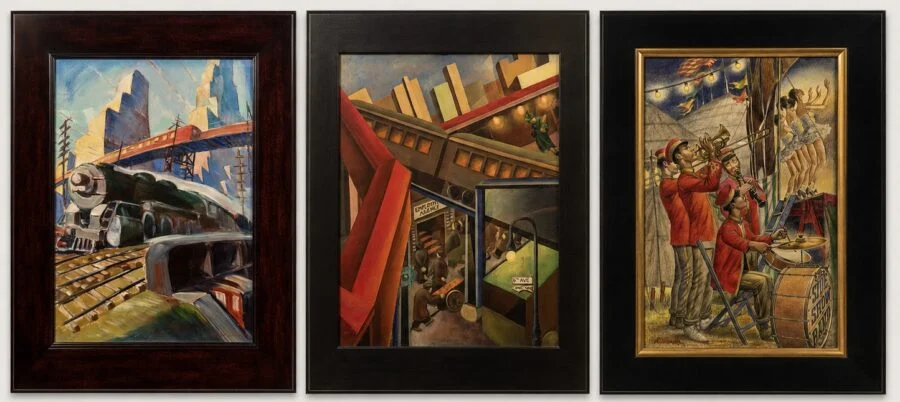
Sitruc also has a strong interest in WPA era painting and social realism. These works often portray workers, performers, city life and ordinary people with a mural like directness. Not every work is fully identified. Sitruc may believe that a painting comes from the WPA period while acknowledging that the attribution has not been proven. The art market often encourages certainty, even where certainty does not exist. Sitruc is more interested in asking the right questions than pretending to have every answer.
The Art Deco Thread That Connects It All
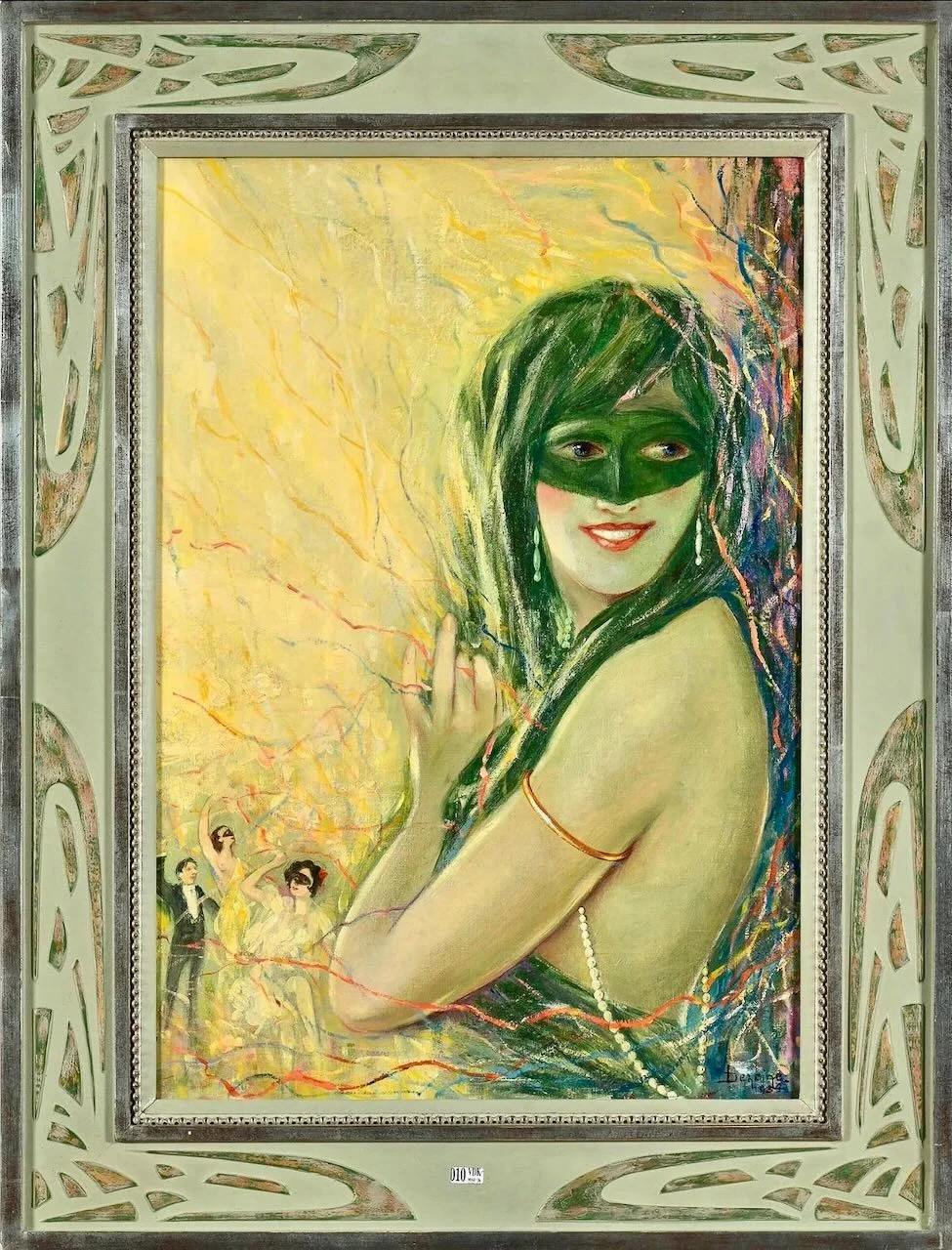
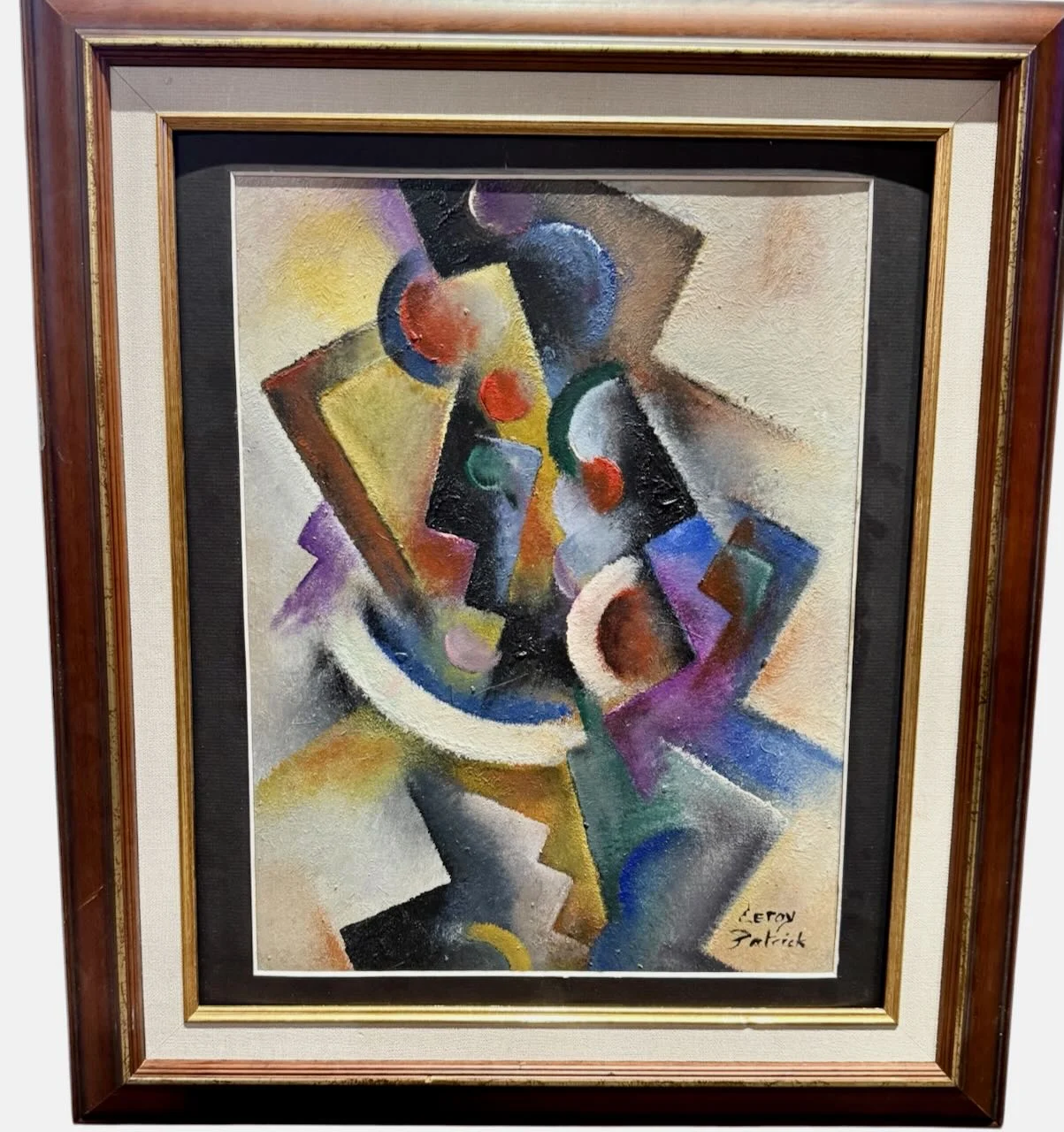
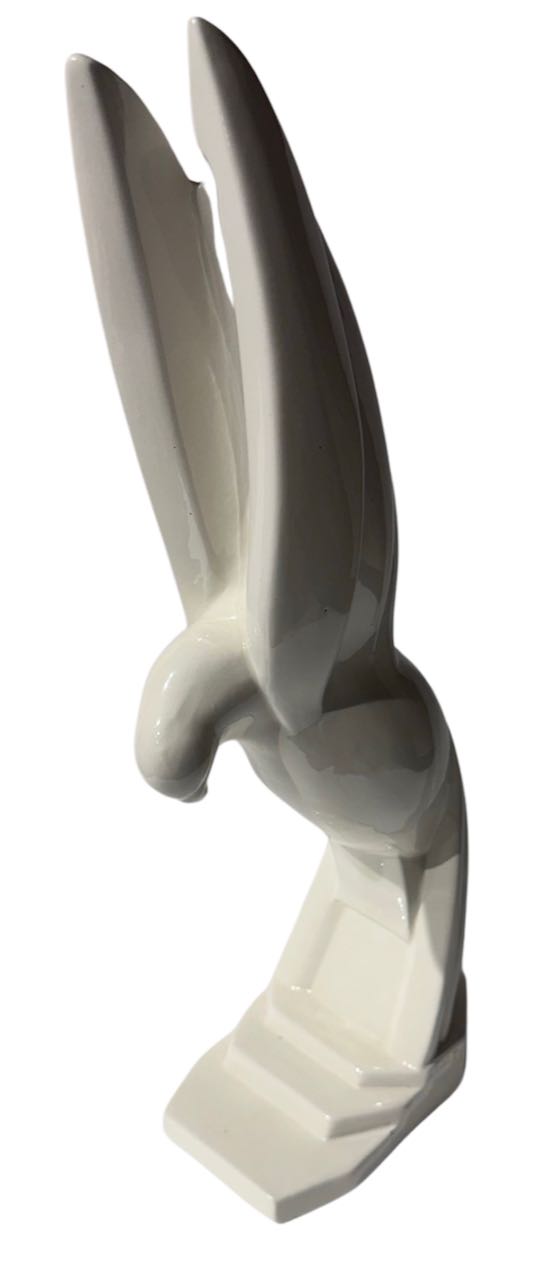
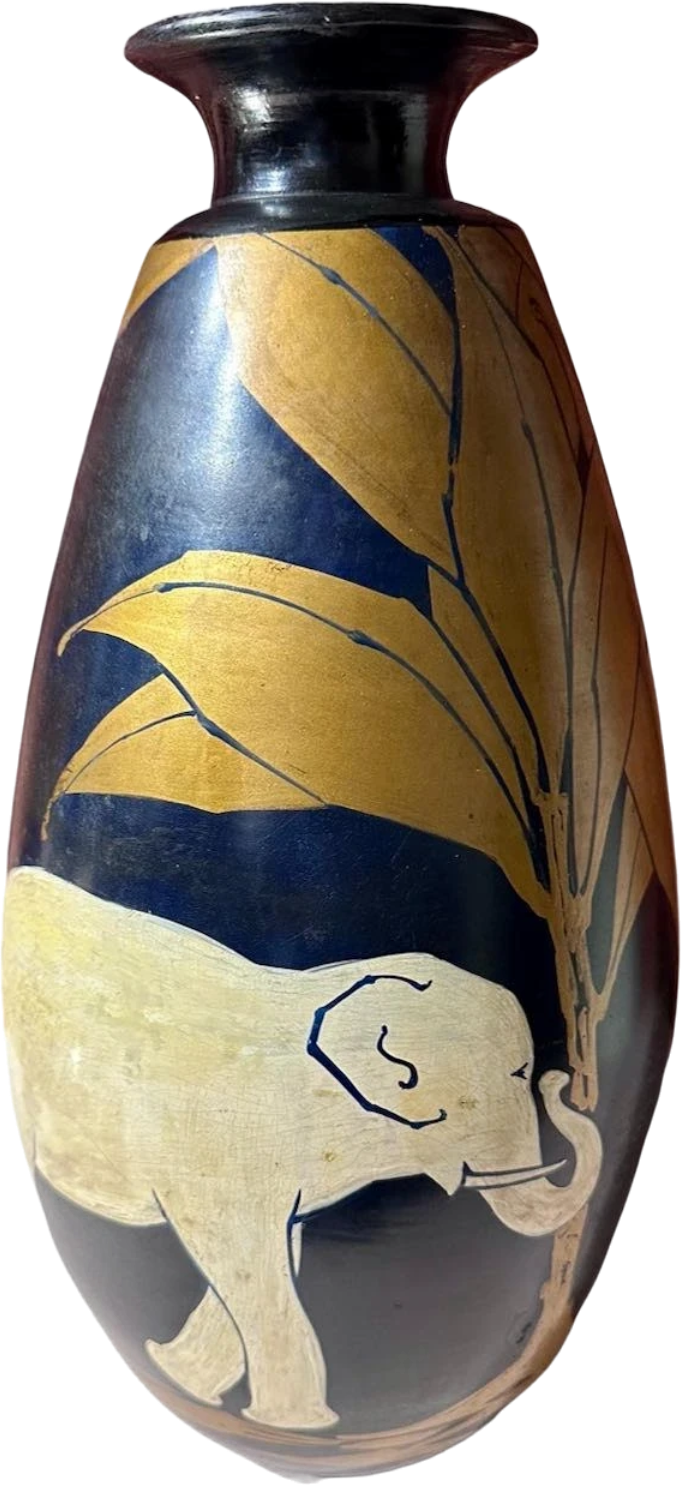
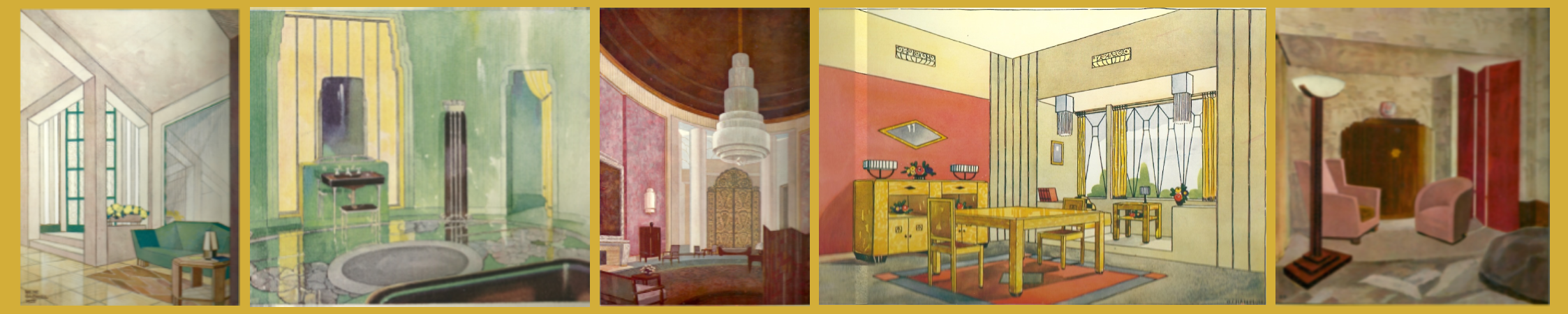
As varied as Sitruc ‘s collection may be, it is connected through Art Deco. His interest in Cubism, the female figure, theatrical subjects, pop culture, and strong modern design reflects many of the influences and ideas that shaped the period. This connection becomes especially clear in several Art Deco paintings, where stylized figures, rich color and dramatic composition bring many of his interests together.
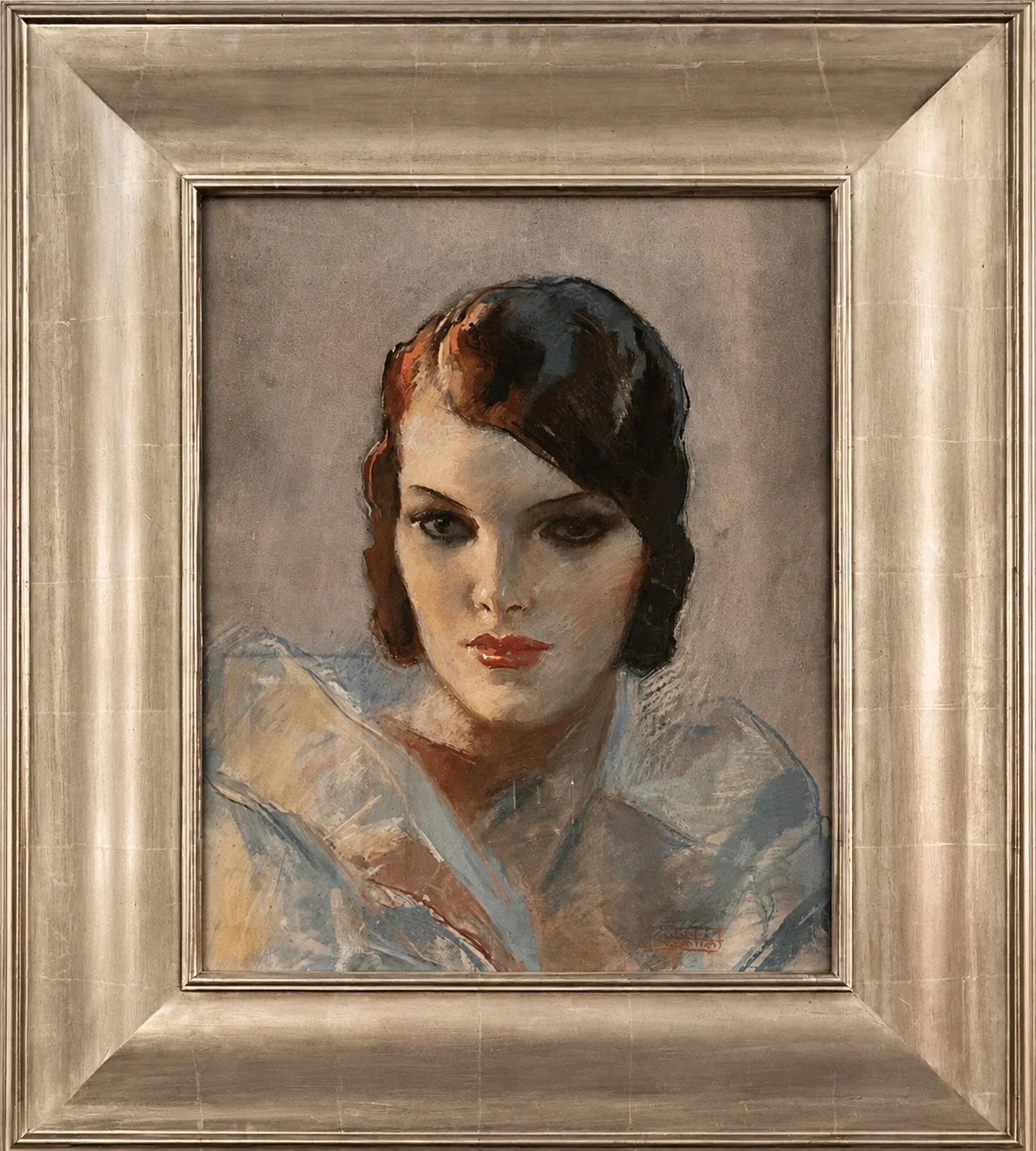
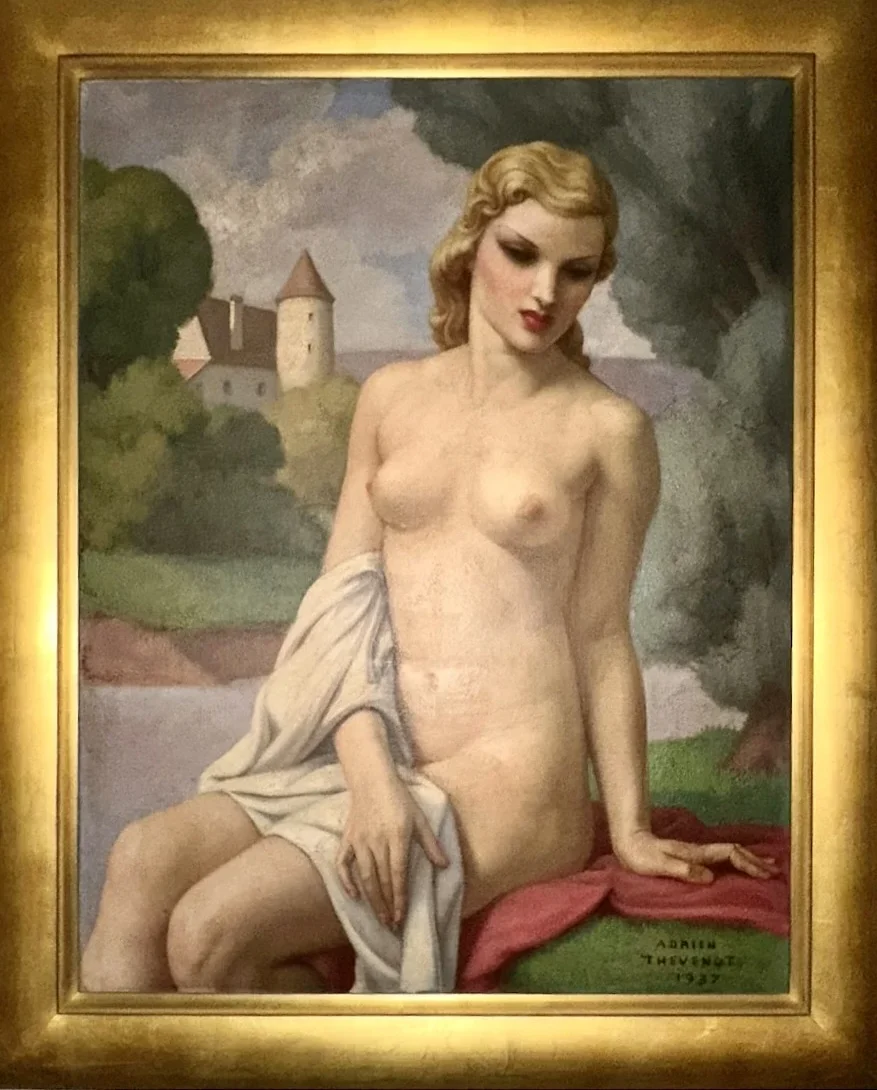
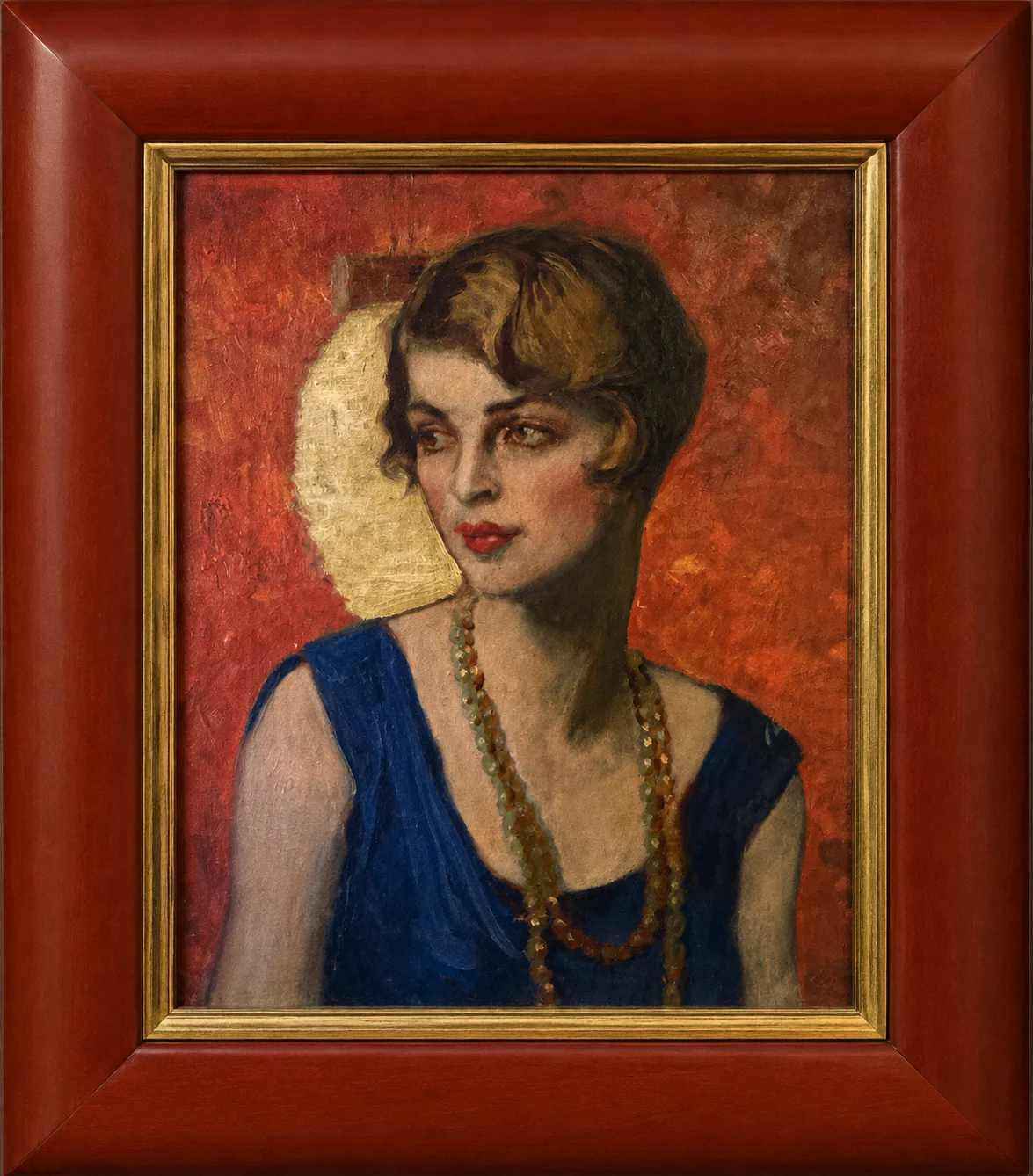
These paintings help reveal the underlying relationship between works that might otherwise appear unrelated. Sitruc has never collected within narrow boundaries, yet his eye repeatedly returns to the qualities that make Art Deco so distinctive: imagination, sophistication, drama, and an appreciation for exceptional design. In this way, Art Deco provides the important thread that runs throughout the collection and helps unify it as a whole.
The Collector Revealed Through the Collection
The best private collections reveal their owners. Sevae Sitruc’s collection reveals intelligence, curiosity, humor, stubbornness and independence. It also reveals a man who has never been afraid to change direction. He moved from engineering to operations research, from motocross to jazz, ballet and ballroom dancing, and from one area of collecting into many others.
Paintings climb the stairwell. Sculpture occupies tables, pedestals and cabinets. Other works wait against walls because the available hanging space has been exhausted. Once Sitruc finds a place for something, he does not move it often. The result is not a professionally arranged museum installation. It is a private environment that has grown naturally over decades.
Very few people have seen the entire collection. It is not maintained for public recognition. Sitruc has lived among these objects, remembered where they came from and continued to reconsider what they mean. One of the most personal paintings in the house was made by his mother. It exists comfortably among recognized artists and valuable works because its importance is measured differently.
It is not simply a collection of objects. It is the record of a lifetime spent looking.

Sevae Sitruc, Through the Cubist eye!
Interview and Photography by Richard Fishman & Laurie Gordon
Closing Note
Sitruc has since relocated to South Beach, Miami, bringing this particular chapter of his life and collecting to a close. The collection remains the record of the many decades he spent looking, discovering and surrounding himself with the things that caught his eye.
If you are interested in further stories of Art Deco design, collecting, and celebrating the artistry of early 20th Century:
Products from ArtDecoCollection.com