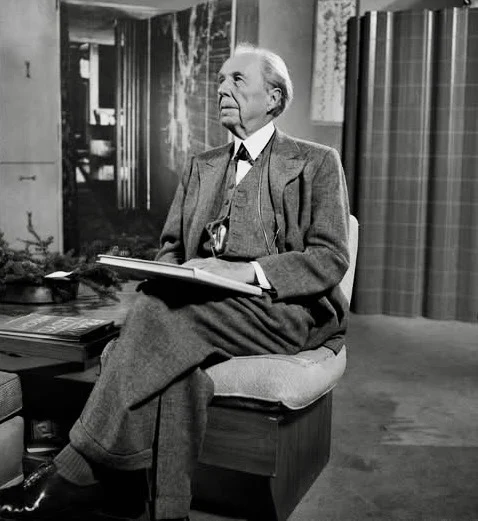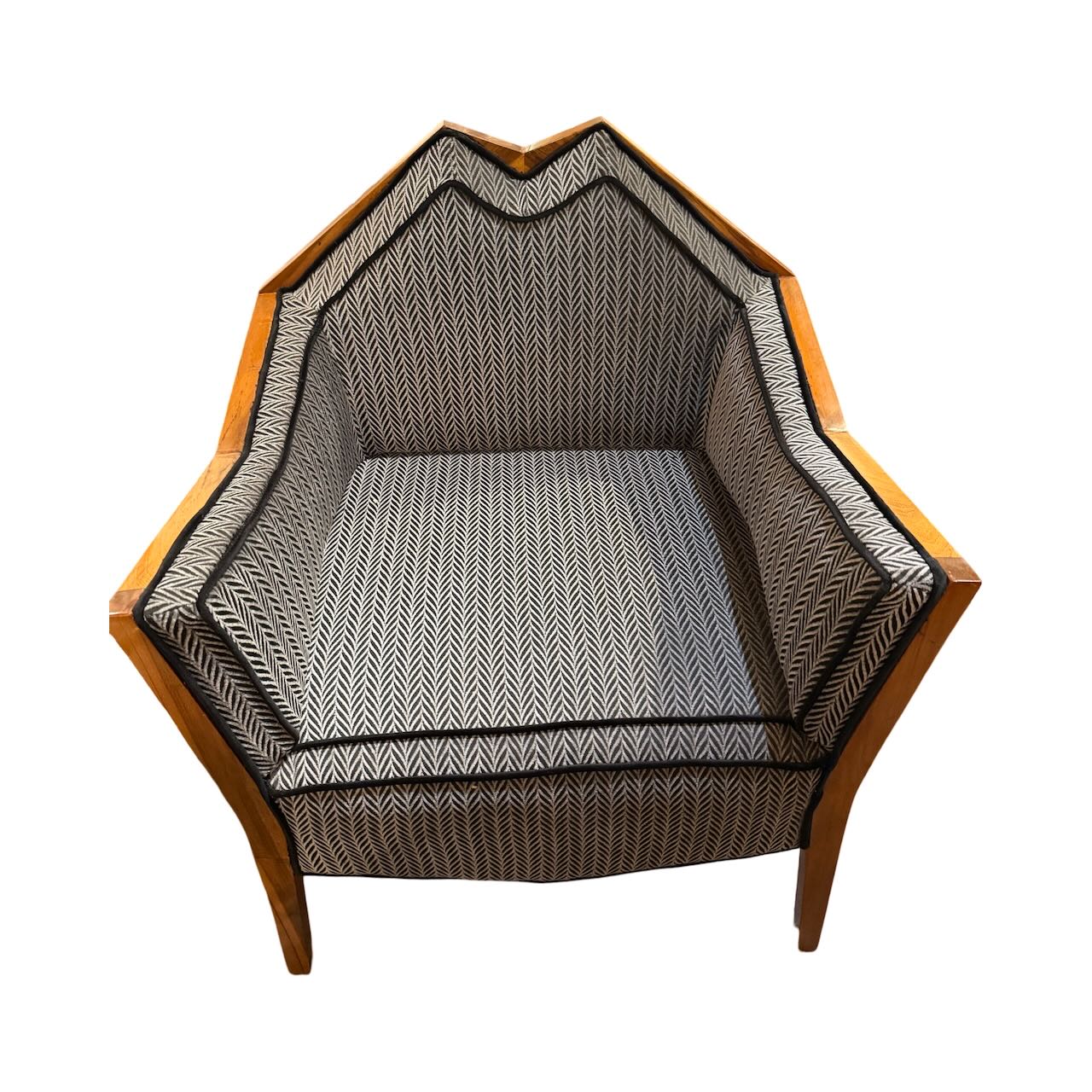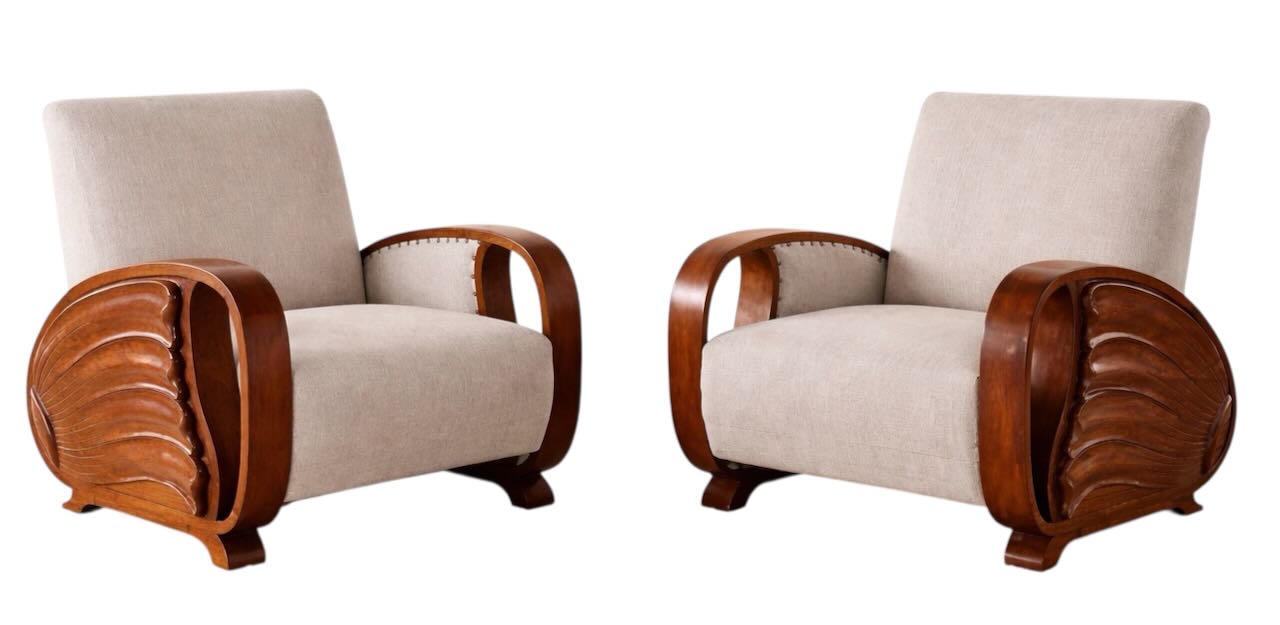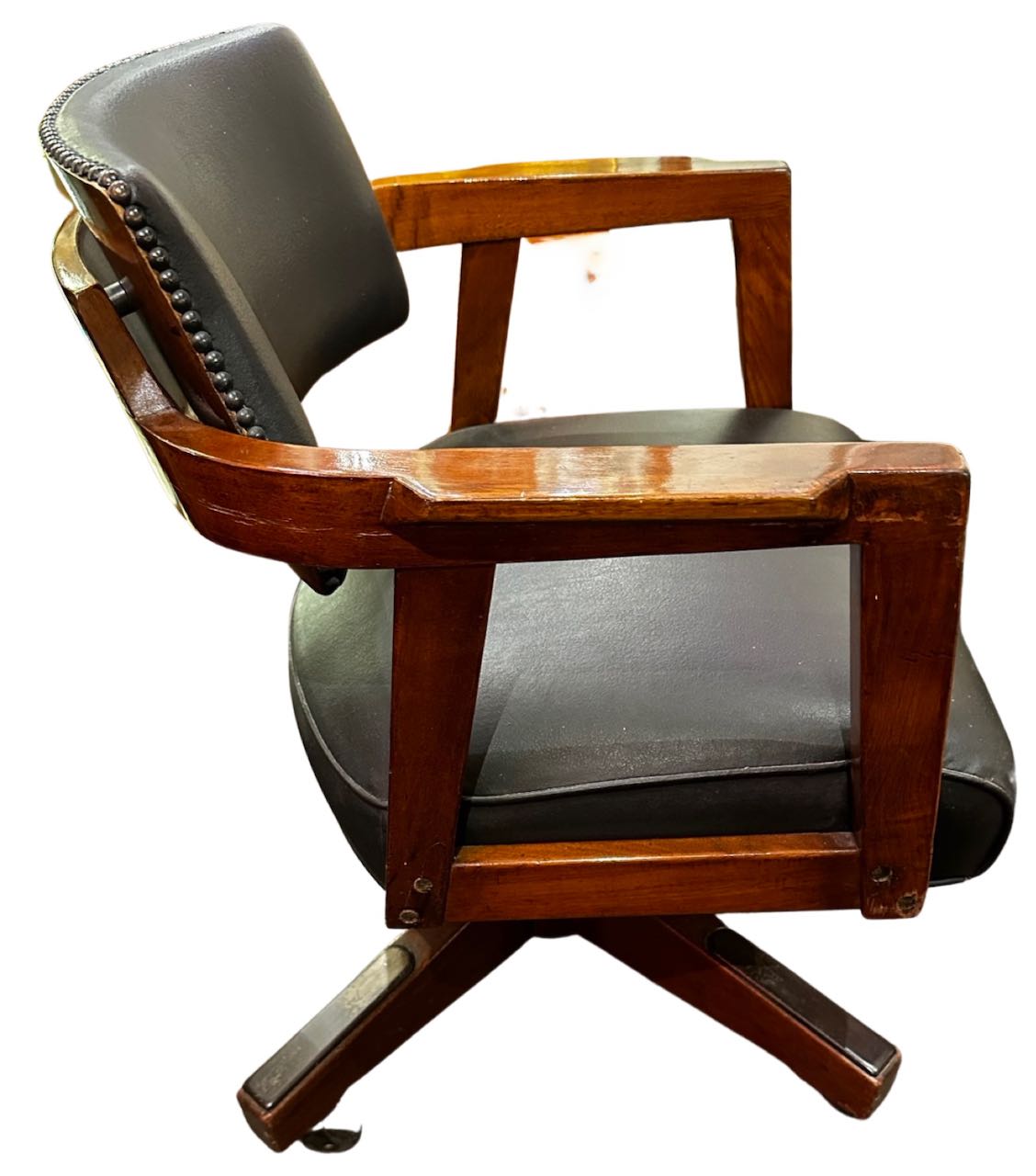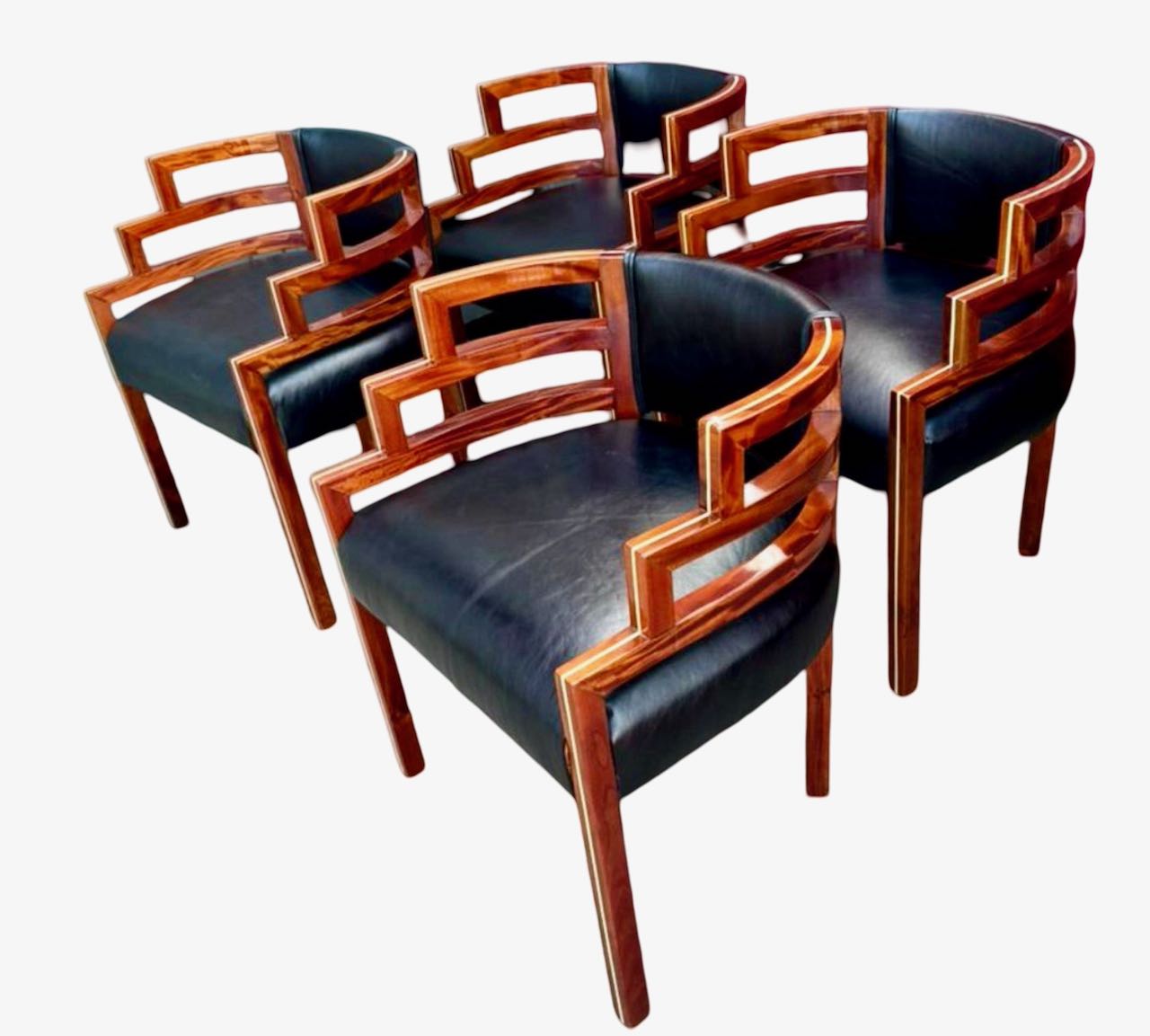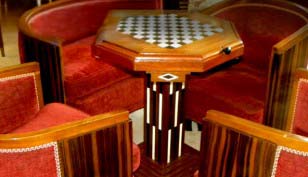
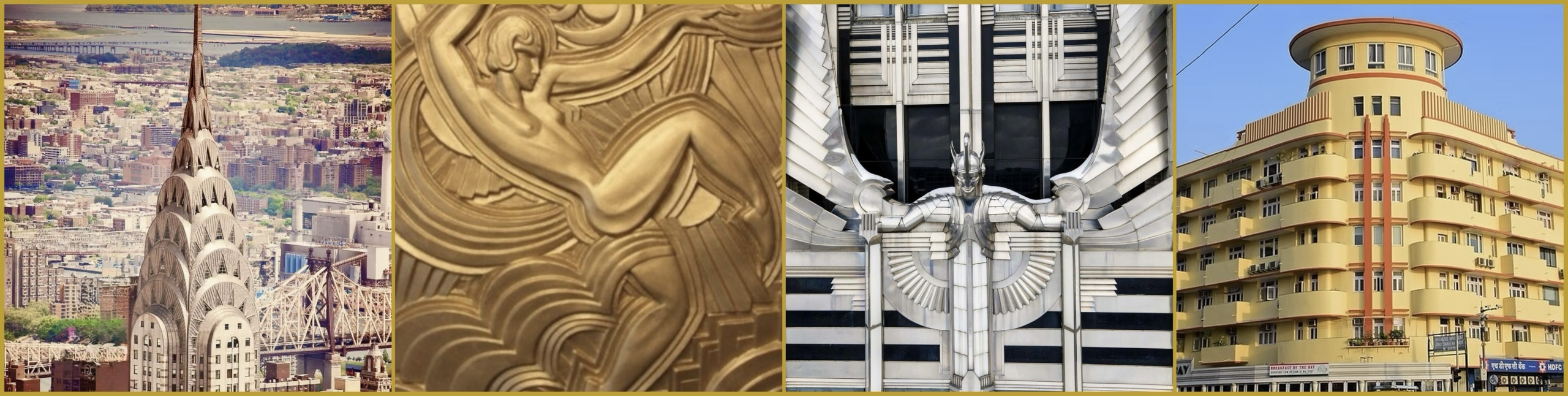
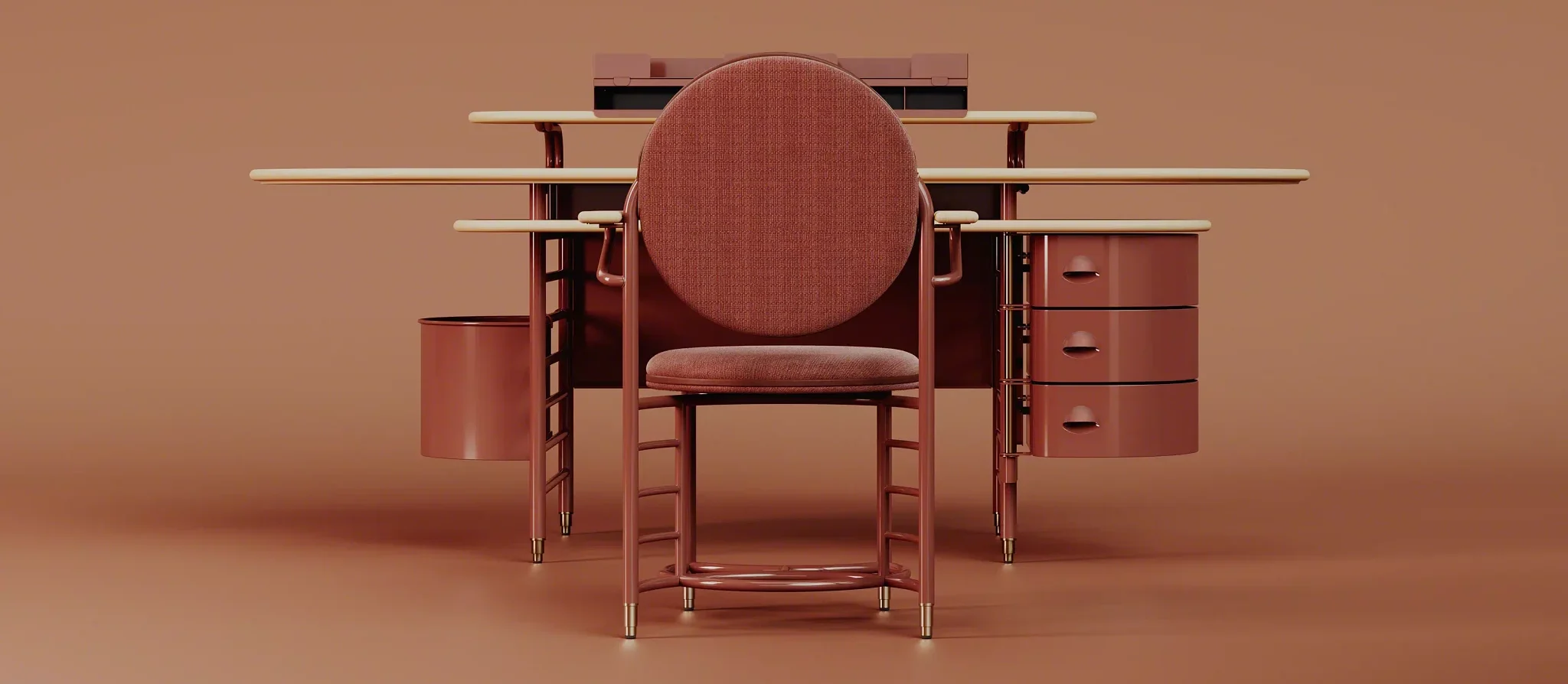
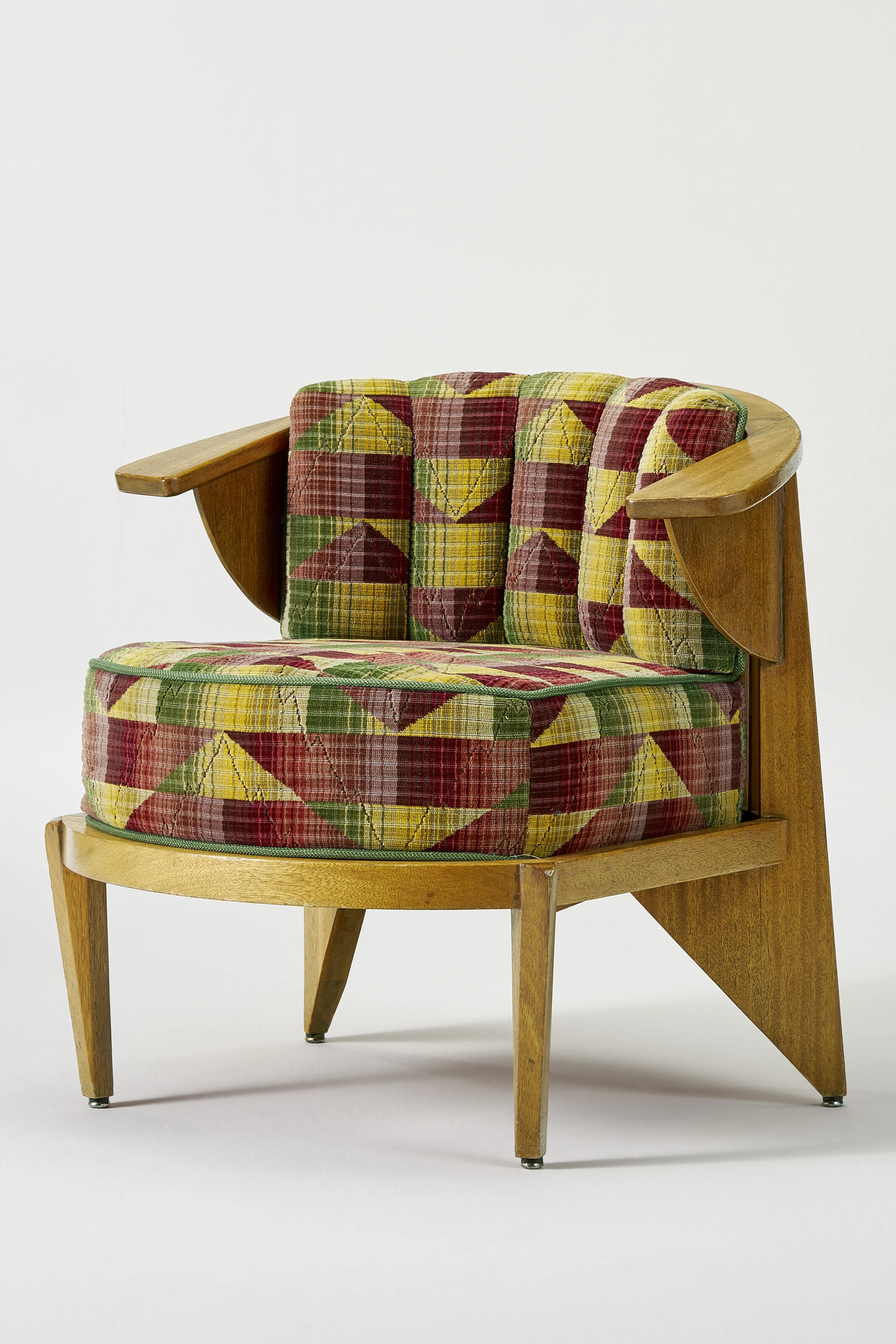
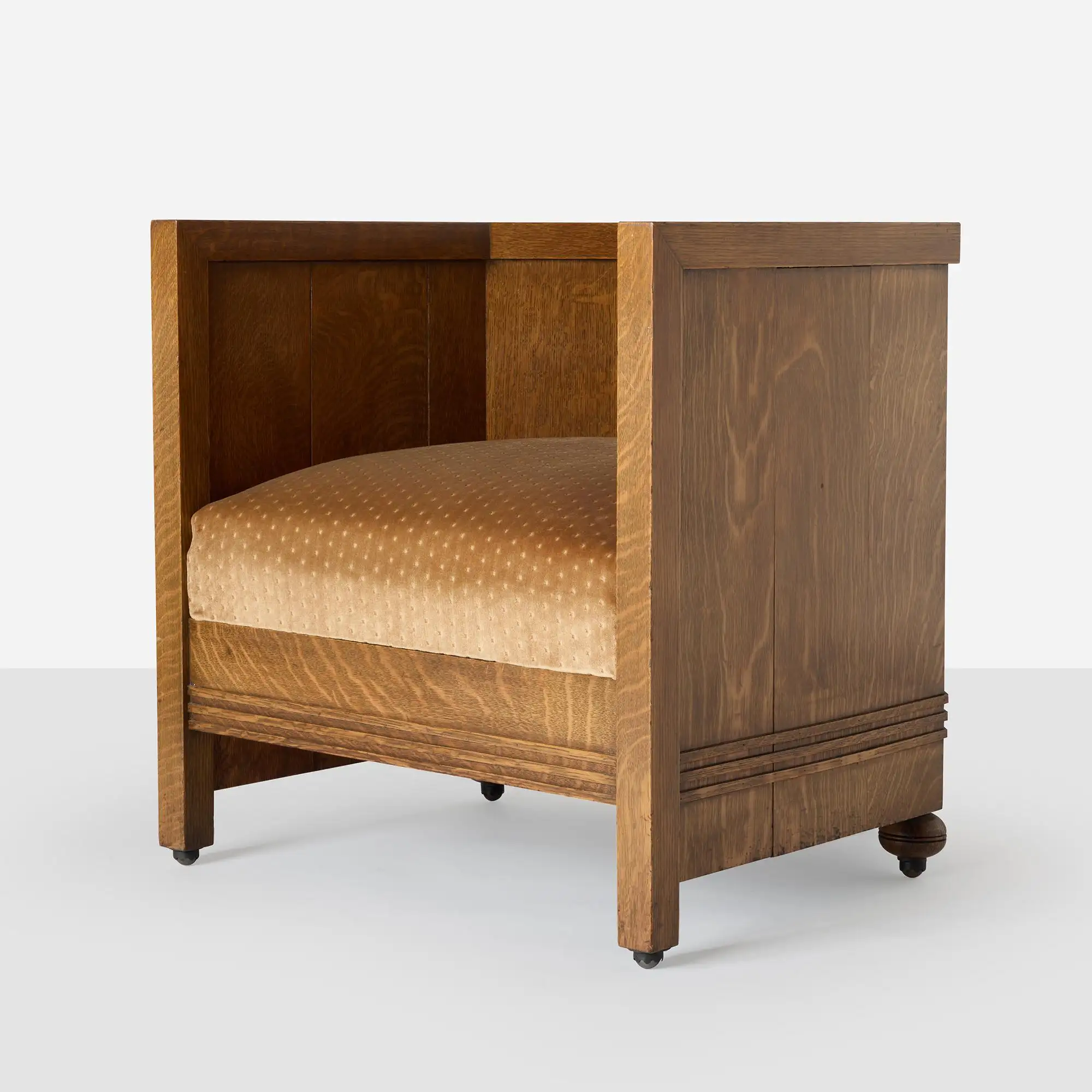
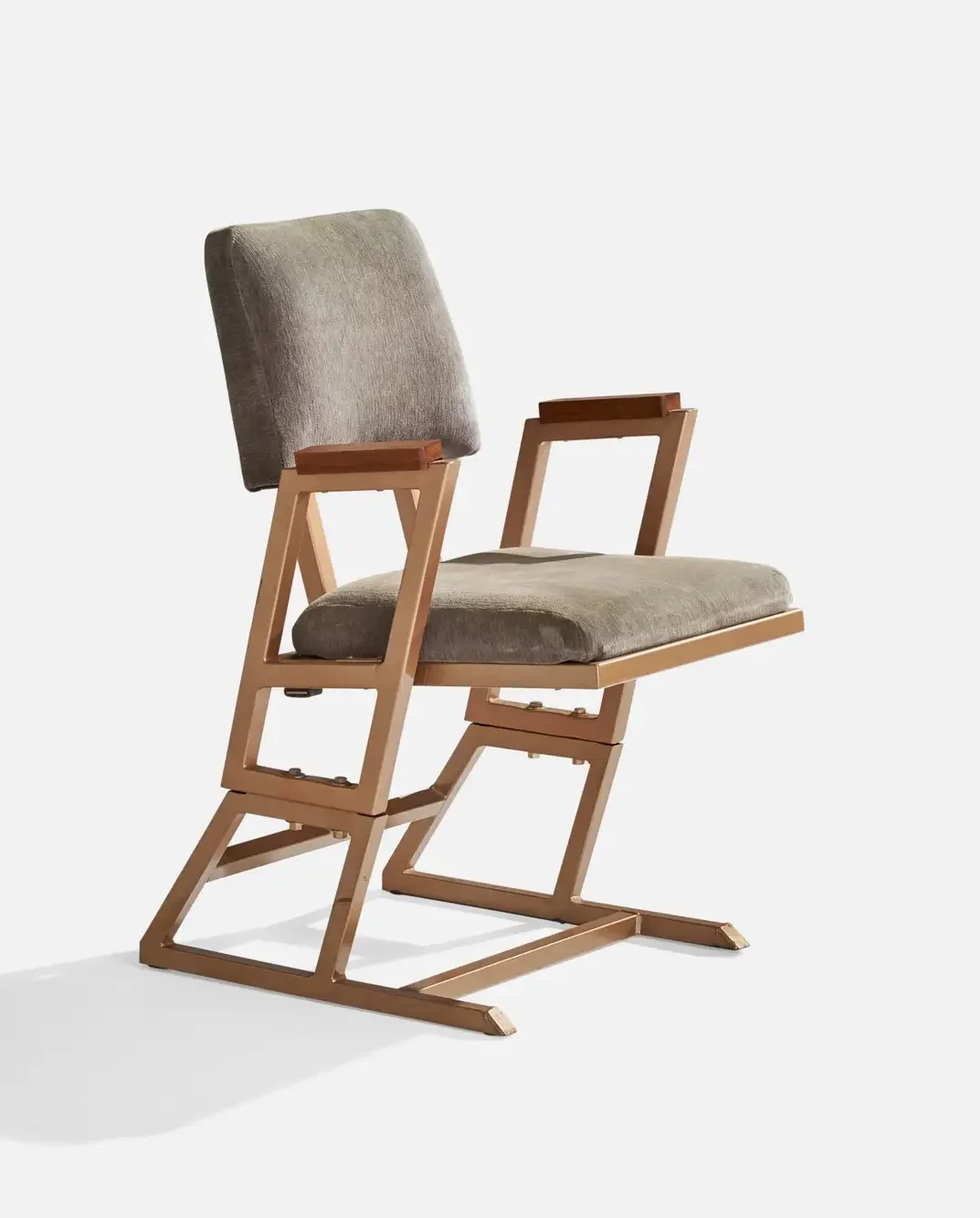
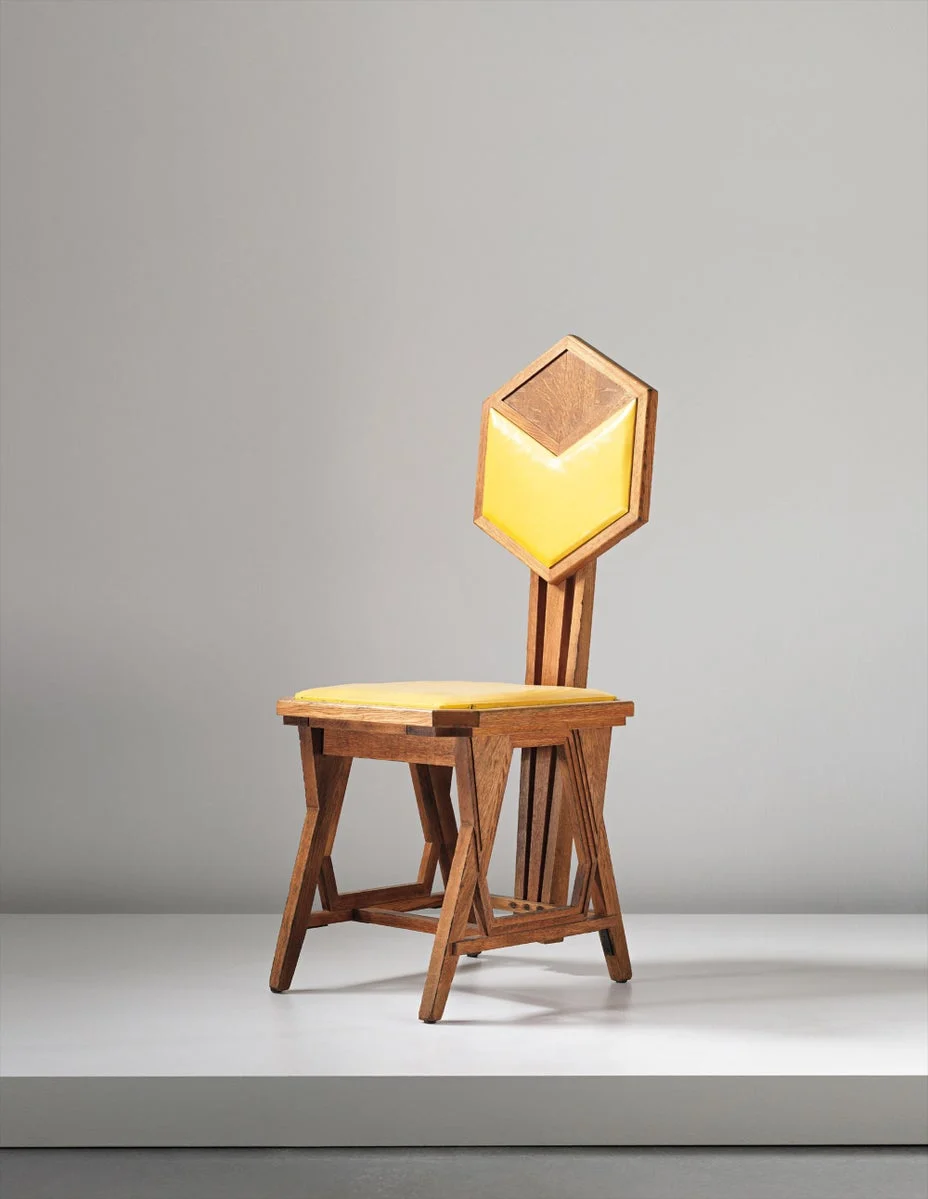
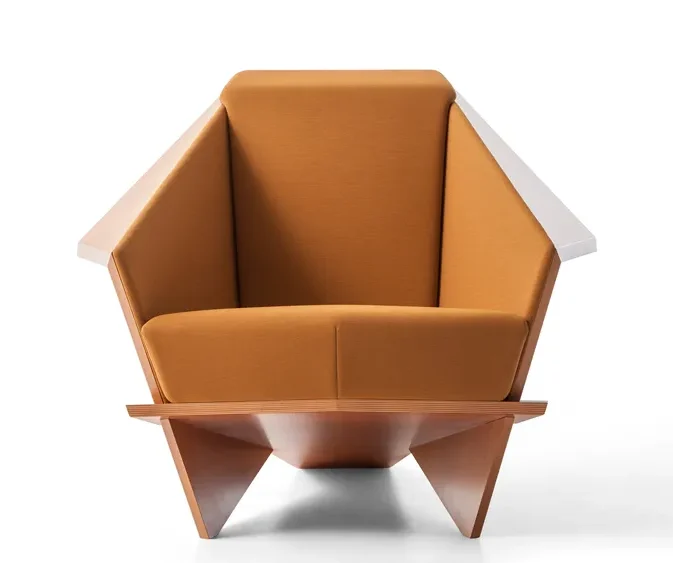
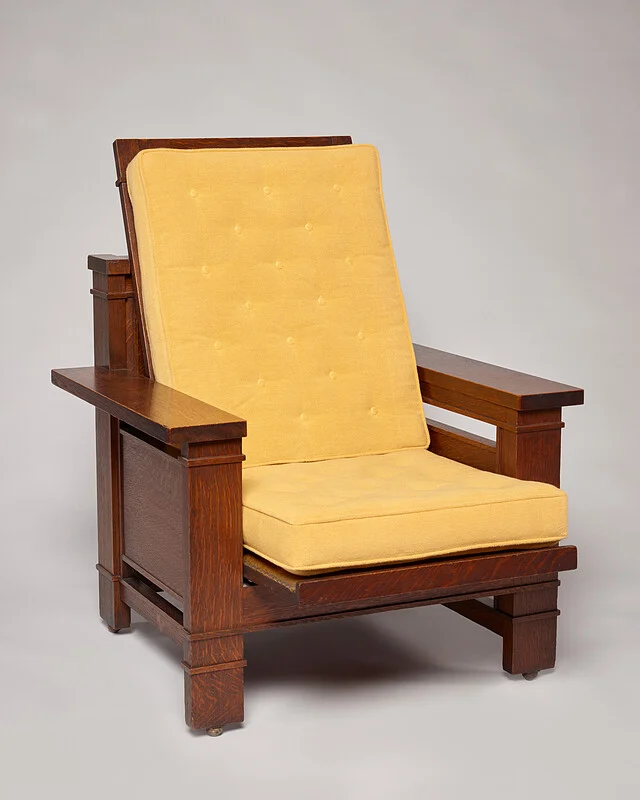
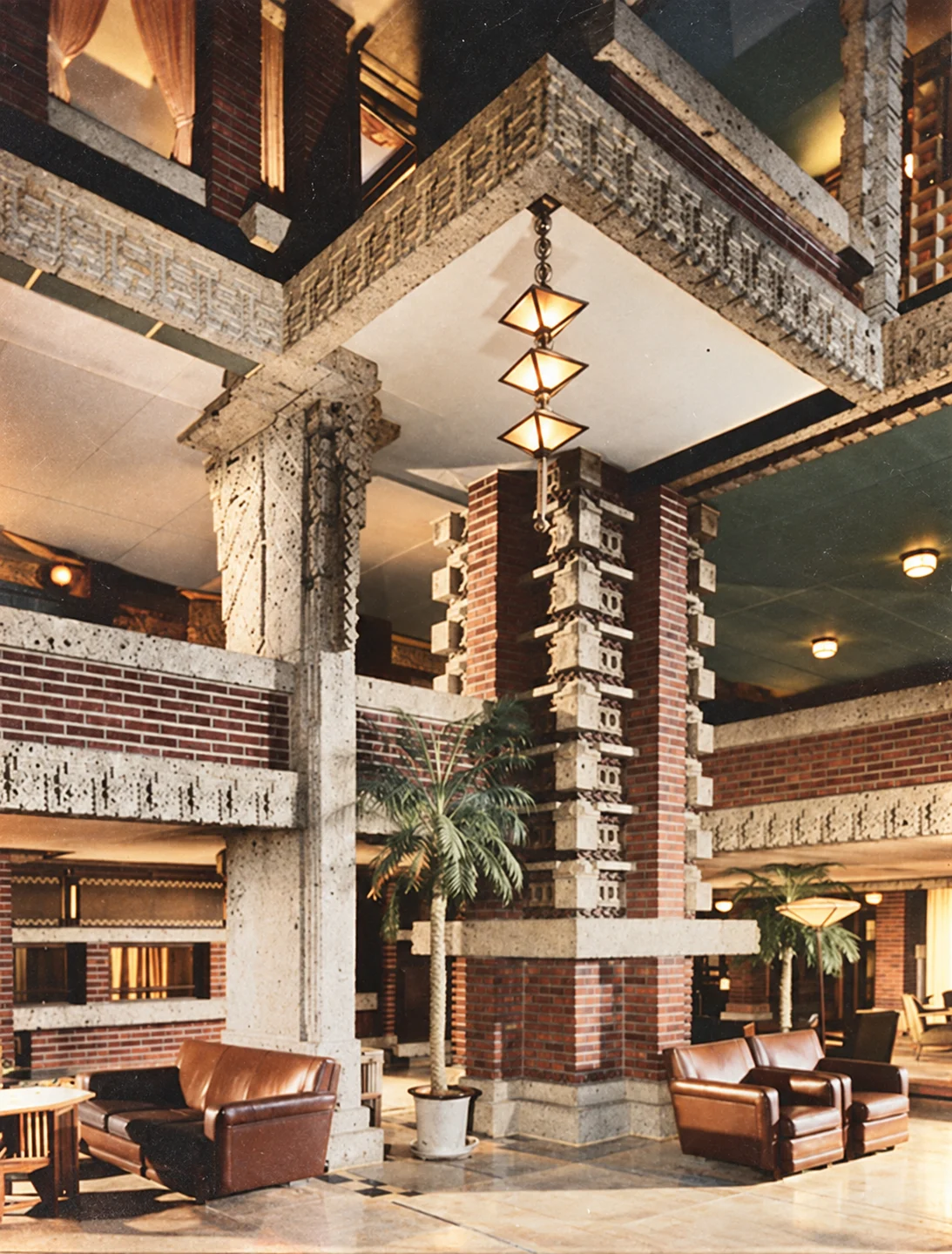
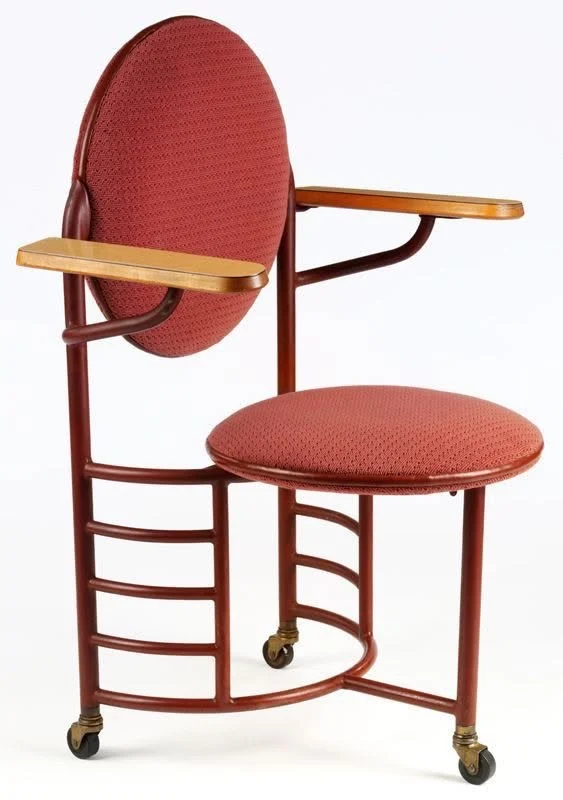
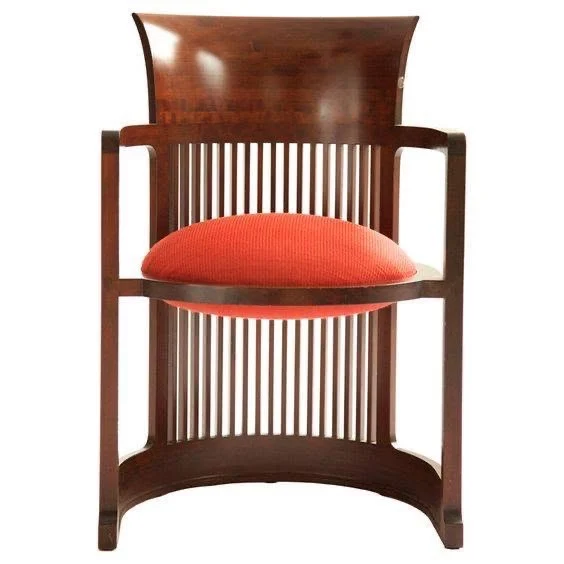
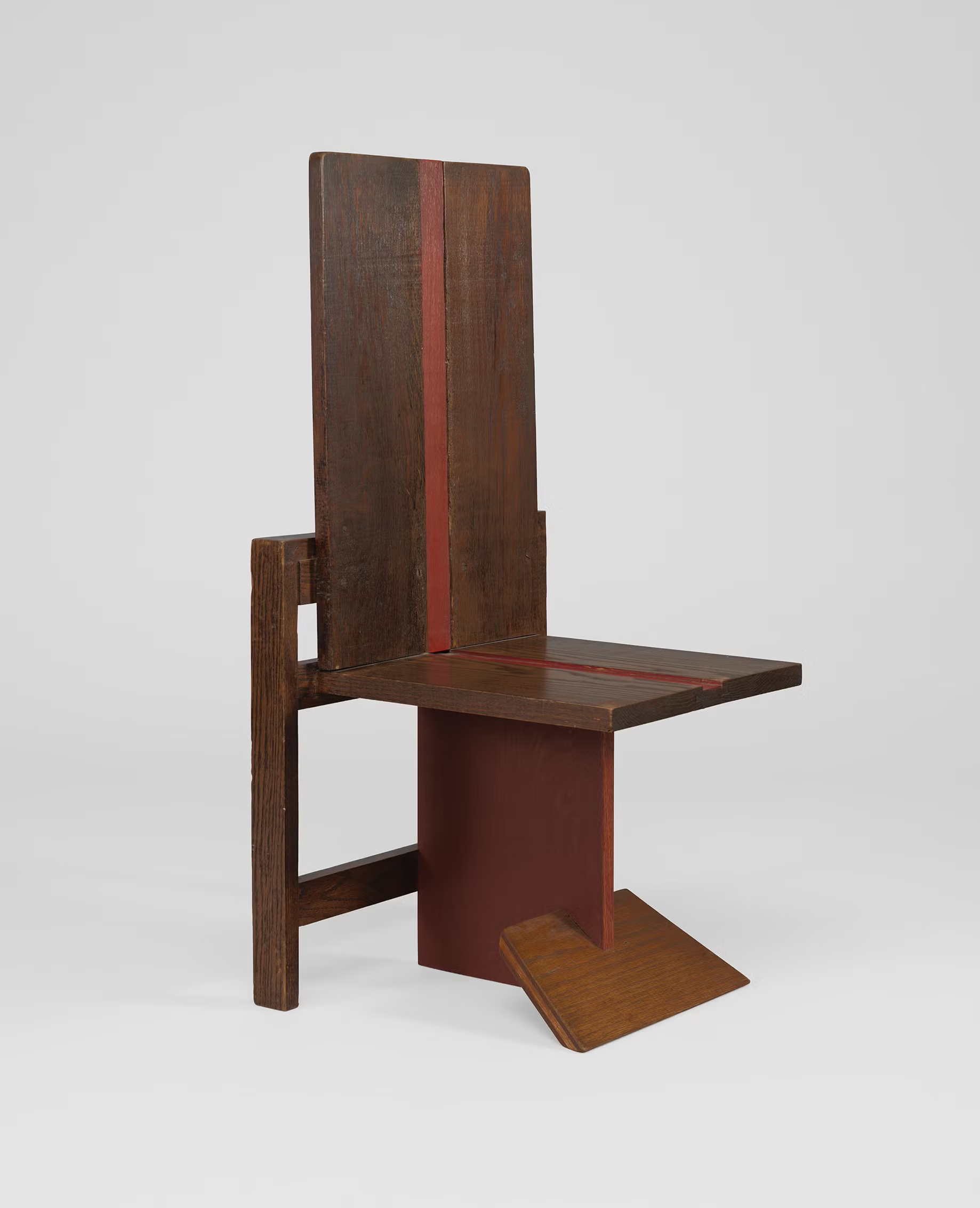
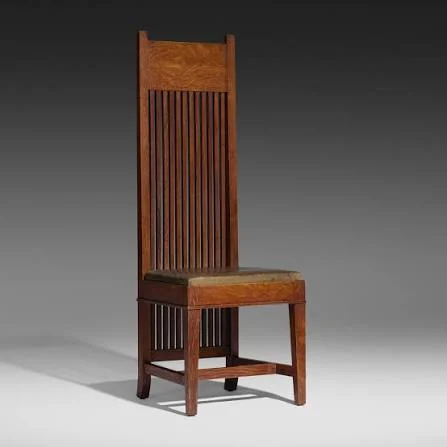
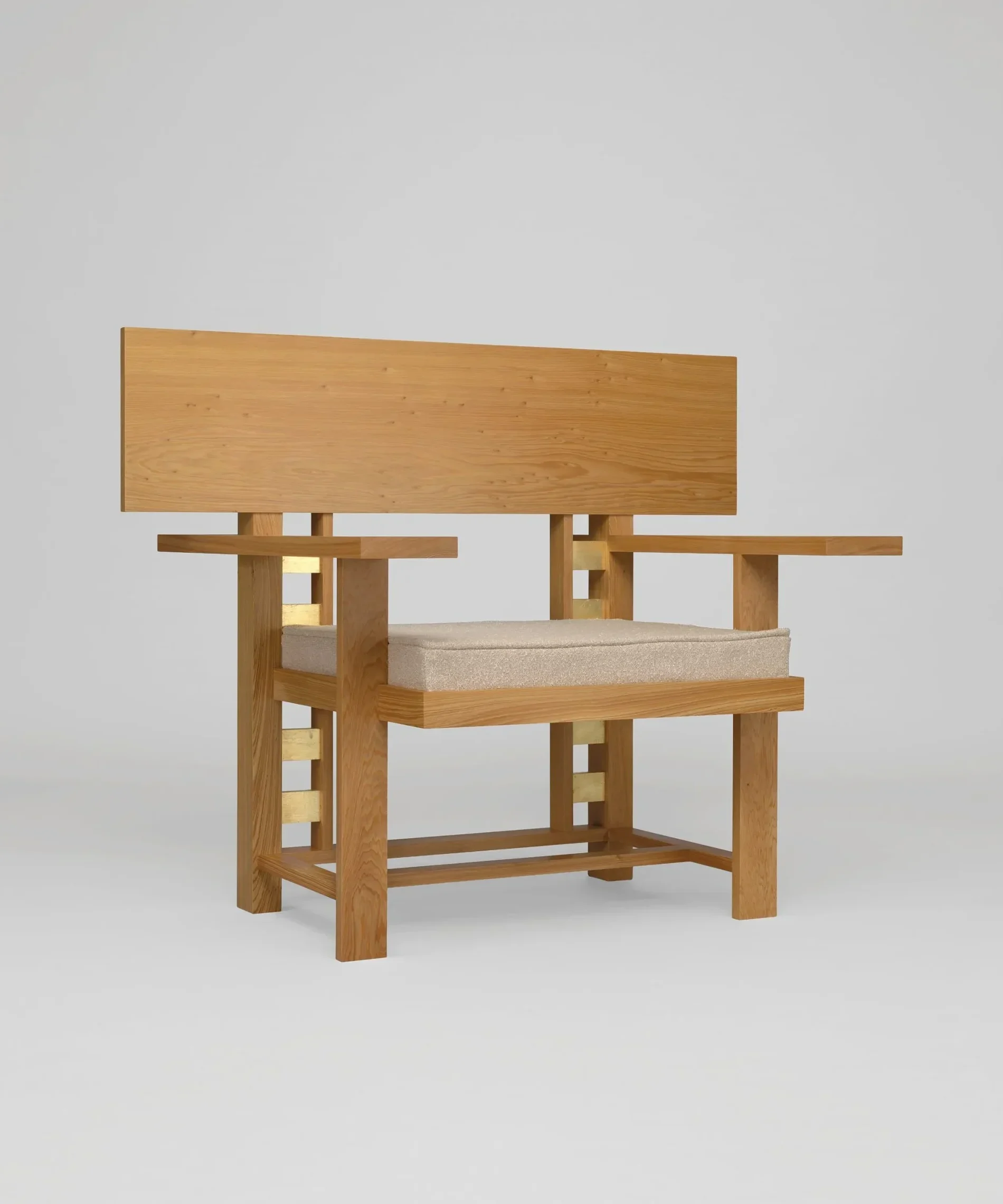
Across five decades and dozens of commissions, geometry never left Wright’s furniture, showing up first in the rigid slats of his earliest Prairie chairs, then in the sculpted curves of the barrel form, and finally in the folded planes of the Origami chair three decades later, each one a different answer to the same underlying question of how a chair could carry the same logic as the building around it. For one hotel, on one continent, that question found an answer close enough to Art Deco that a museum today can look at a piece of oak and oilcloth, worn and faded after a century of use, and see the style looking back at them just as clearly as it looks back at a Paris exposition hall or a Miami hotel lobby.