
Tamara De Lempicka
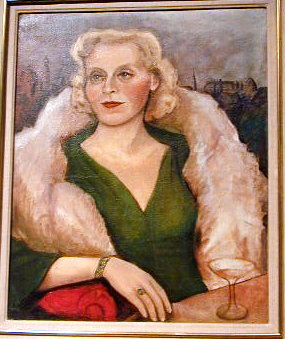
Tamara de Lempicka was born in 1898 and lived a life as bold and provocative as the paintings that made her famous. She grew up in a cultured family, spent part of her youth in Warsaw and St. Petersburg, and married young before fleeing the Russian Revolution with her husband, Tadeusz Lempicki. They settled in Paris, where she studied painting with Maurice Denis and later André Lhote, shaping a style that blended soft cubism with a polished, neoclassical touch. Her early works focused on still lifes, portraits of her daughter Kizette, and striking depictions of friends and acquaintances in Parisian high society. Her breakthrough came at the 1925 Exposition Internationale des Arts Decoratifs et Industriels Modernes, where her crisp, glamorous portraiture caught international attention. Within a few years she had become the favored portraitist of Europe’s wealthy elite, known as much for her talent as for her fast-paced life of parties, lovers, and scandal. Her marriage to Tadeusz unraveled amid affairs on both sides, and by the late 1920s she had become involved with Baron Raoul Kuffner, who later became her second husband. Through it all, de Lempicka cultivated a persona that matched her art: chic, fearless, and insistently modern.
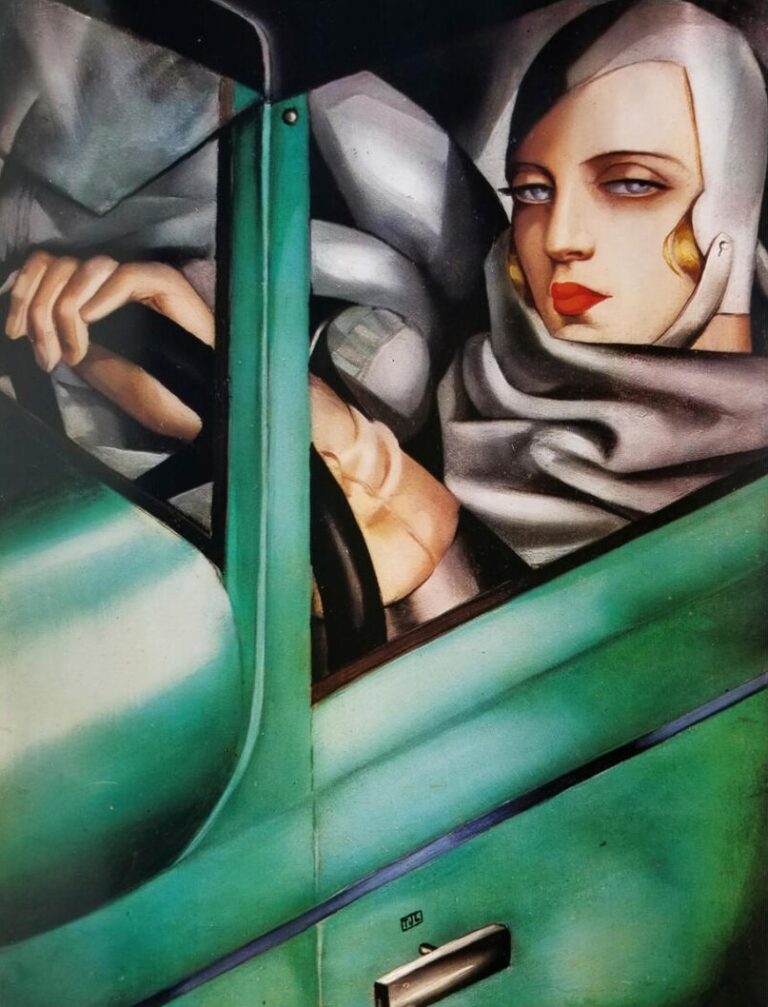
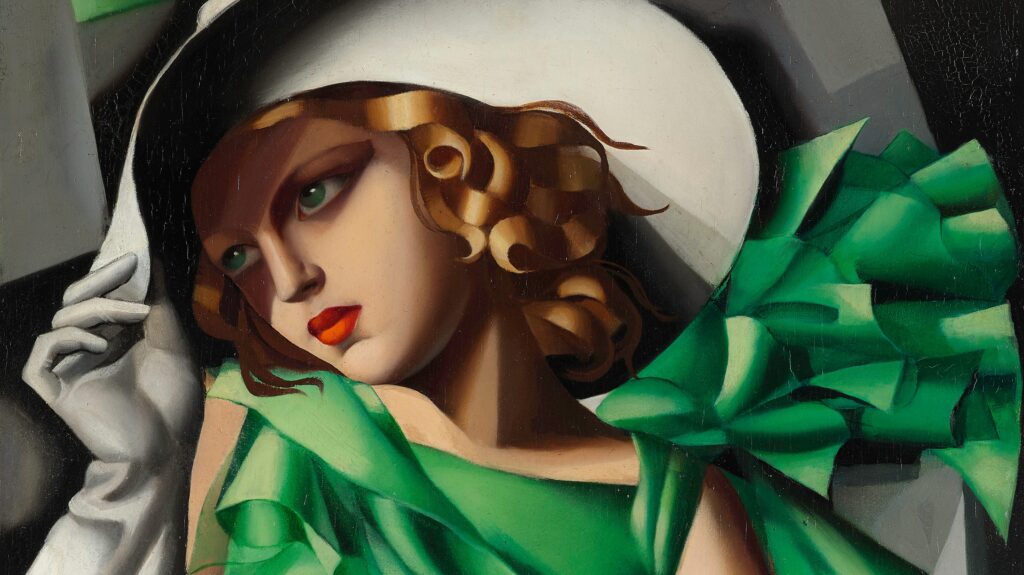
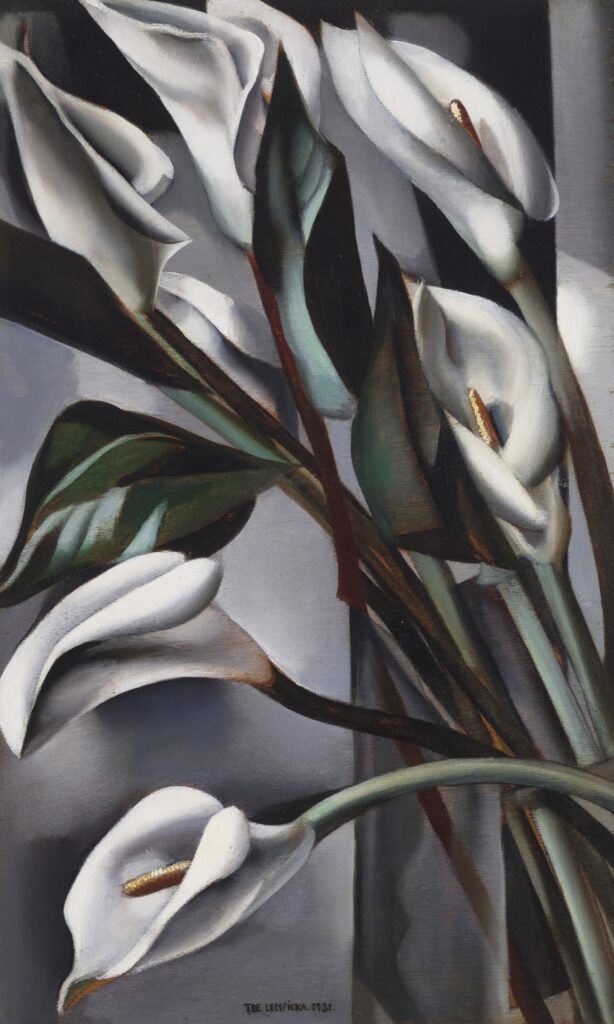
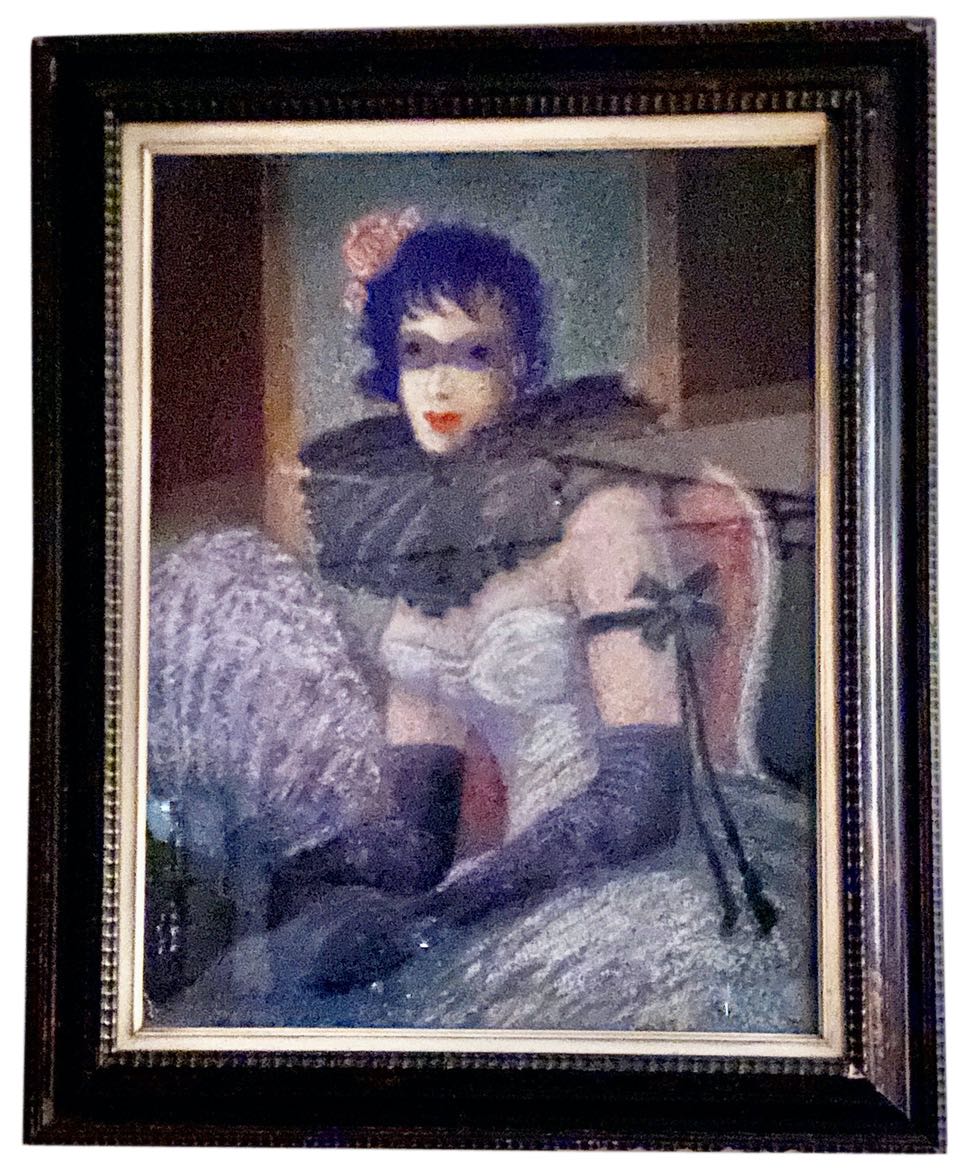
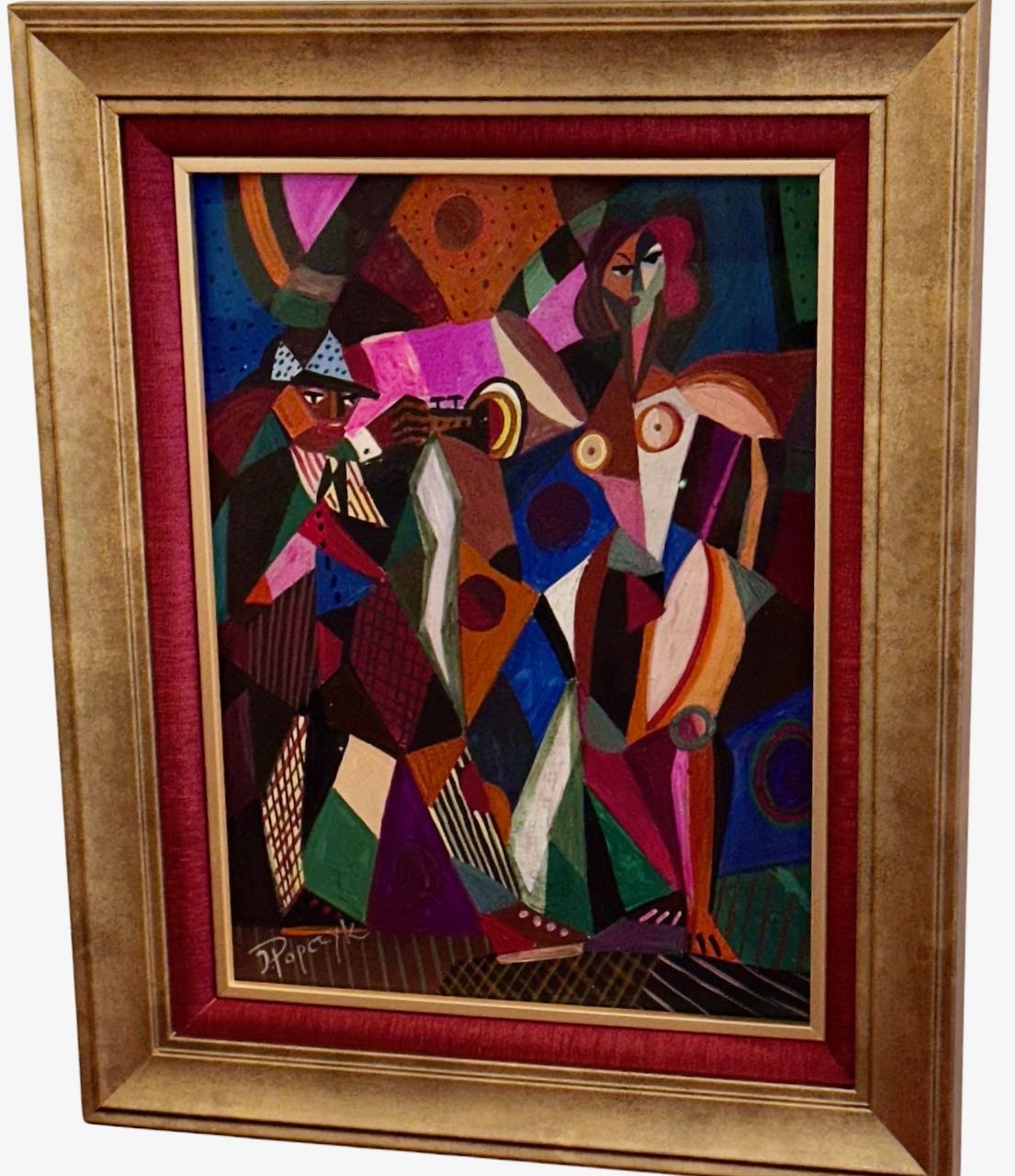
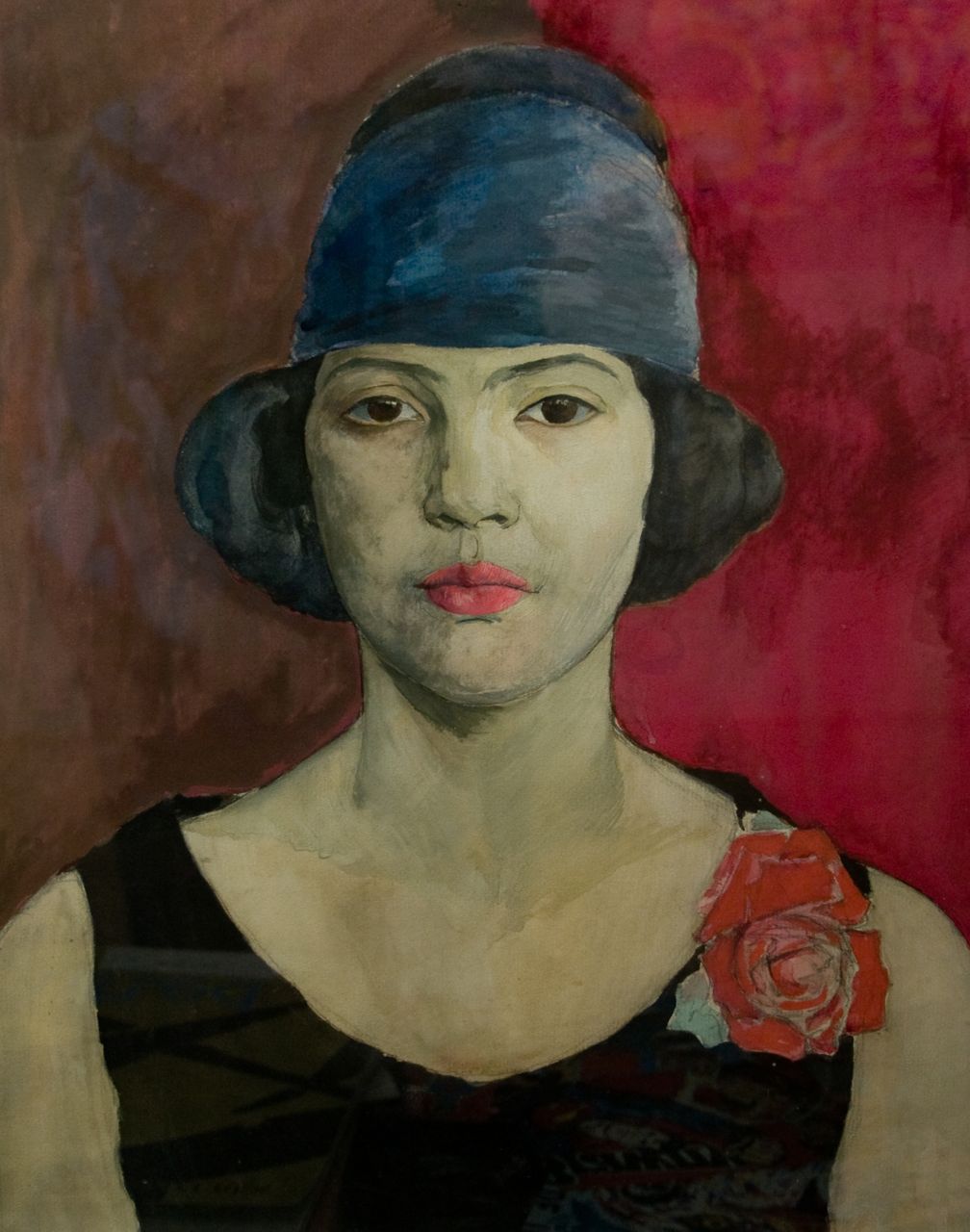
Her paintings of the late 1920s and early 1930s defined Art Deco portraiture with their smooth surfaces, sculpted bodies, and cinematic light. She created works that were sensual without apology, often portraying women with a mix of strength, detachment, and erotic charge that was rare for the time. Her iconic self portrait in the Green Bugatti presented her as a symbol of speed, independence, and polished sophistication, even though she did not actually own a Bugatti. As her fame grew she painted aristocrats, celebrities, dancers, and her own lovers, building a reputation for portraits that were both flattering and unmistakably stylized. She exhibited widely in Europe and the United States, earning prizes in Bordeaux, Poznan, and Milan, and becoming one of the few women to achieve true international celebrity as an avant garde painter. Her move to the United States in 1939 marked a shift in both her lifestyle and her artistic reception, since her crisp Art Deco aesthetic fell out of fashion during the rise of abstraction and postwar modernism. She experimented with still life, religious themes, and later abstraction, but never regained the acclaim she enjoyed between the wars. A revival of interest in Art Deco in the 1960s brought her work back into public view, establishing her legacy as one of the most important and influential artists of the movement.
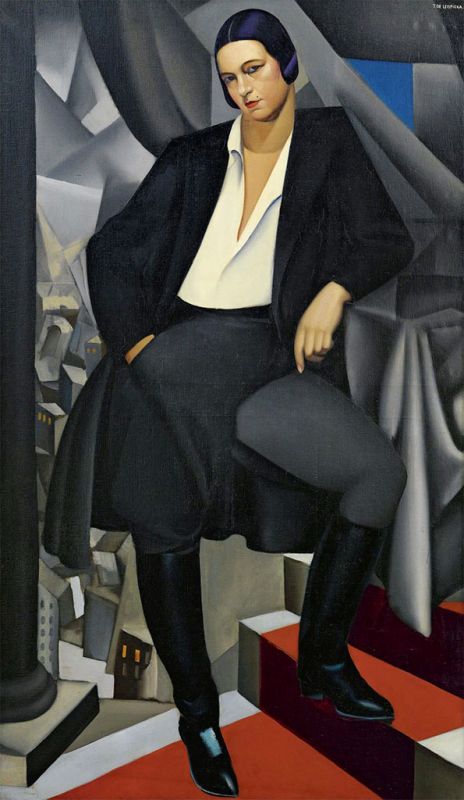
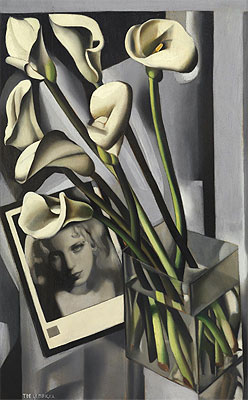
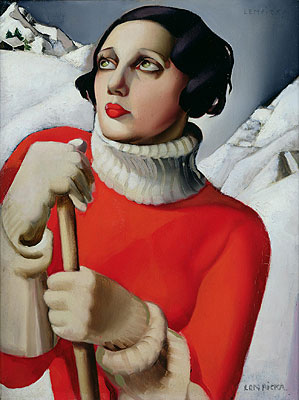
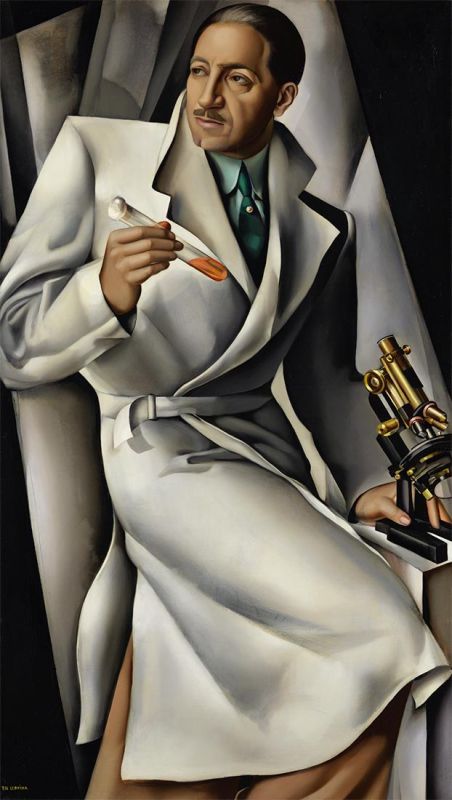
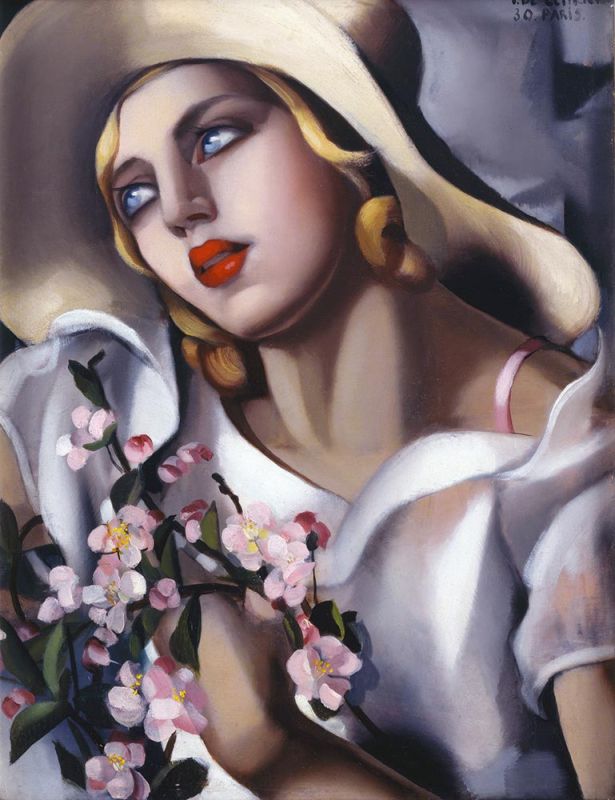
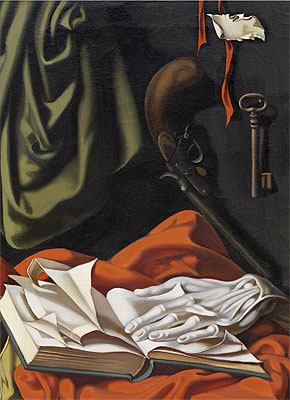
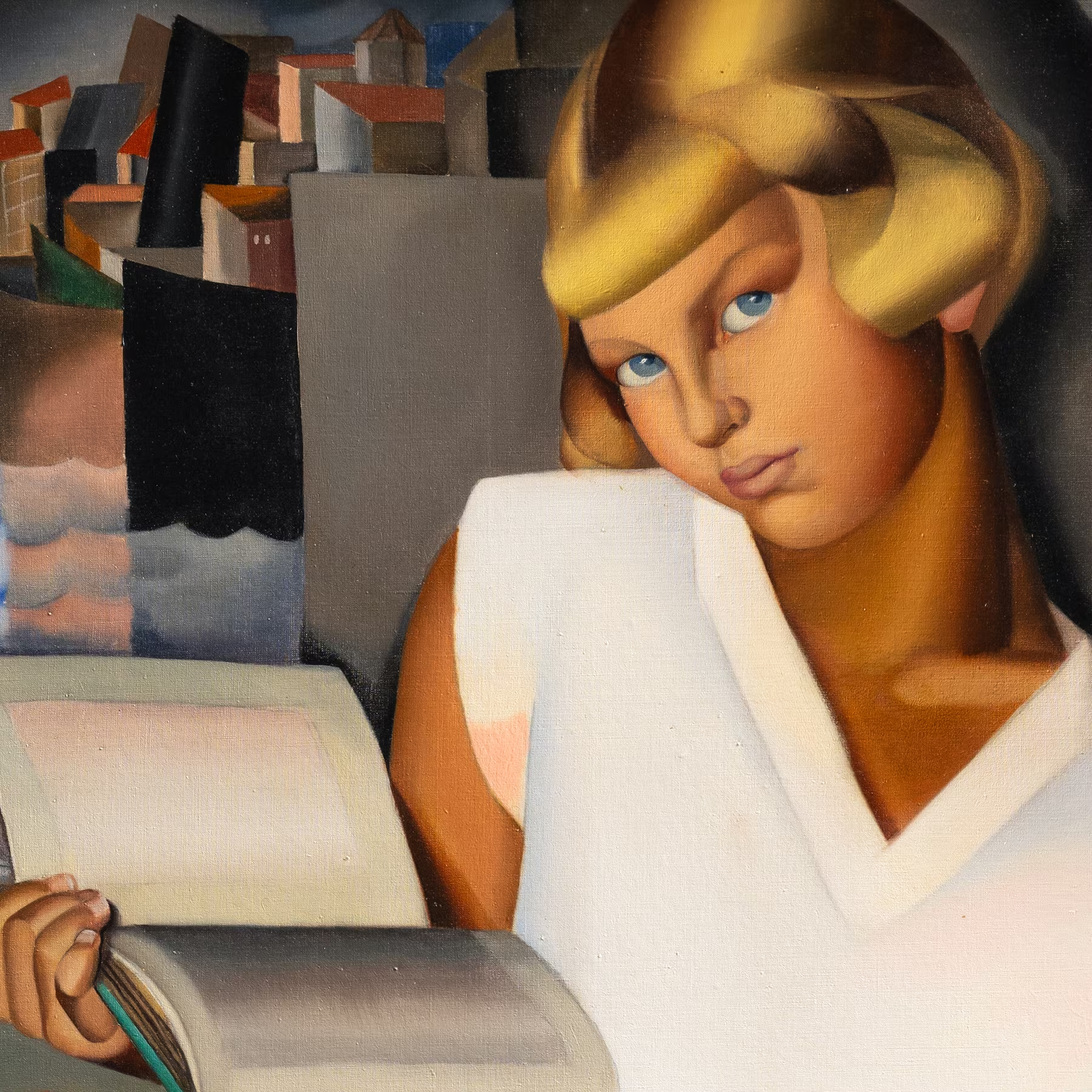
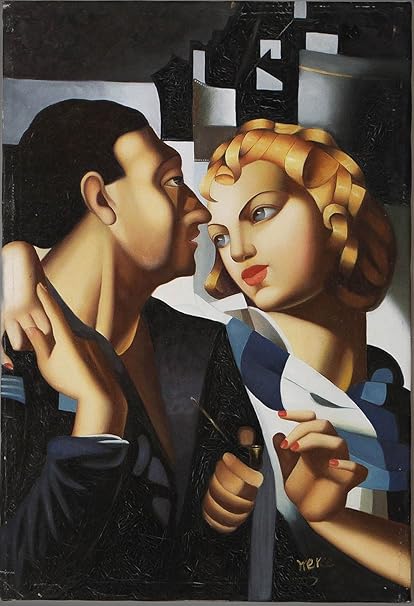
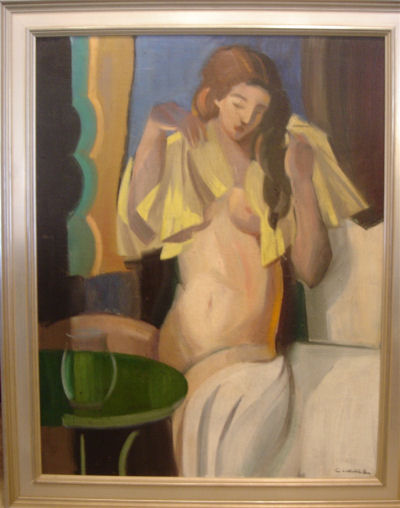
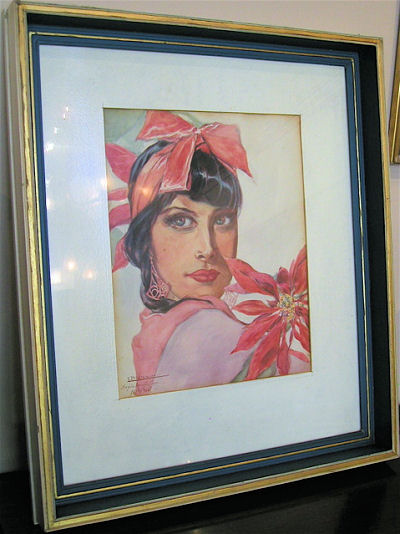
De Lempickas style is defined by polished surfaces, sculptural bodies, and bold, luminous color. She fused soft cubist structure with a neoclassical clarity inspired by Ingres, creating figures that look carved from light and shadow. Her portraits emphasize glamour, erotic tension, and a sense of heightened reality, where every fabric fold and curve is carefully controlled. She favored dramatic highlights and cool tonal contrasts that gave her subjects a sleek, metallic presence. Above all, her work captured the modern woman as confident, self determined, and unapologetically sensual.
Key Influences:
Modern Womanhood: Her portraits redefined female identity through images of women who looked powerful, independent, and fully in command of their own desire.
Art Deco Iconography: Her smooth surfaces, geometric structure, and cool glamour helped establish the visual language of Art Deco portraiture worldwide.
Fashion and Celebrity Culture: Her work shaped the look of high style between the wars and continues to influence contemporary fashion photography.
Queer Representation: Her relationships with women and her erotic female nudes made her a touchstone in queer art history and modern identity studies.
Revival of Art Deco: Her rediscovery in the 1960s played a major role in restoring Art Deco to global popularity, reinforcing the movement’s lasting appeal.
If you are interested in further stories of the artists who shaped Art Deco, return to our artists page to browse the full directory.