
Pierre Bonnard
Pierre Bonnard was born on October 3, 1867, in Fontenay-aux-Roses, an affluent suburb of Paris, and split his childhood between that town and the family property at Grand-Lemps in Isère. Under family pressure he studied law and began working as a lawyer in 1889, though he had already begun taking drawing and painting classes at the Académie Julian in 1887. There he met Paul Sérusier, Maurice Denis, and Paul Ranson, and Sérusier’s painting The Talisman, executed under the Synthetist influence of Paul Gauguin, was a revelation to Bonnard that shaped the direction of his early work. In 1888 he joined these painters in forming Les Nabis, a Post-Impressionist group whose name meant “prophets” in Hebrew, and was soon joined by Édouard Vuillard and Ker-Xavier Roussel, whom Bonnard met at the École des Beaux-Arts in 1889. The commercial success of a poster he designed for France-Champagne that same year, noticed by Toulouse-Lautrec himself, confirmed his vocation as an artist and convinced him to abandon law for good. He met Marthe de Méligny in 1893, and she became his most frequent model and lifelong companion, though the couple did not marry until 1925. In 1926 they purchased Le Bosquet, a small house in Le Cannet on the French Riviera, where Bonnard would paint nearly three hundred works over his final two decades. He died on January 23, 1947, in Le Cannet.
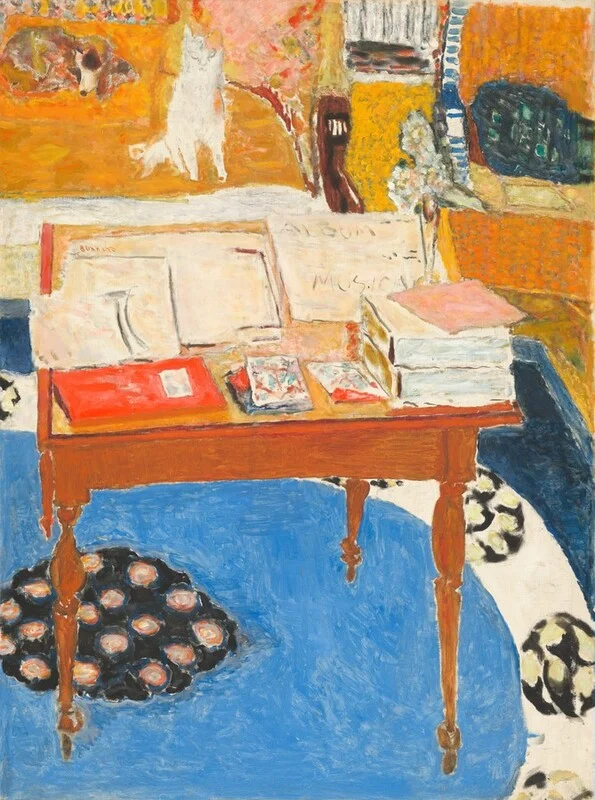
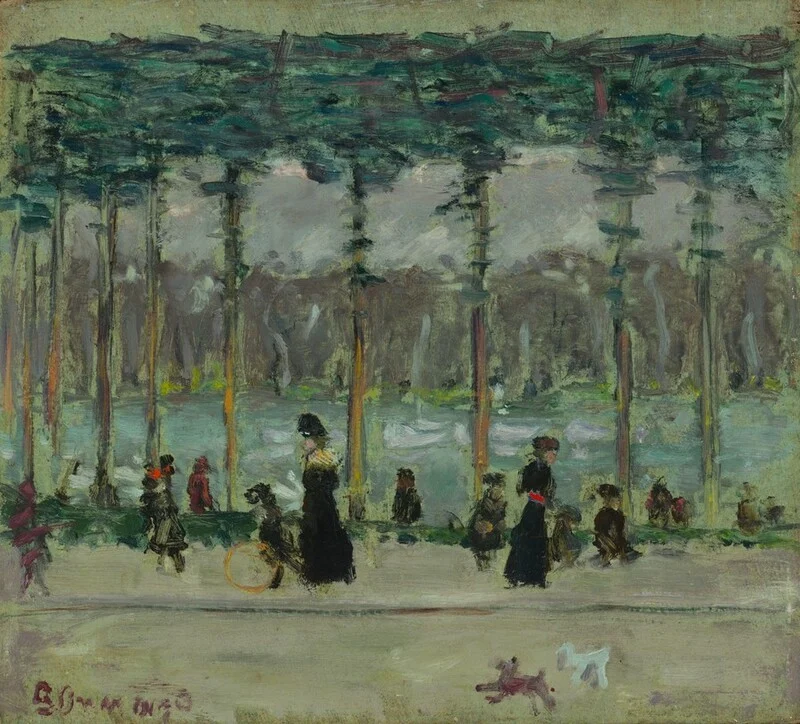
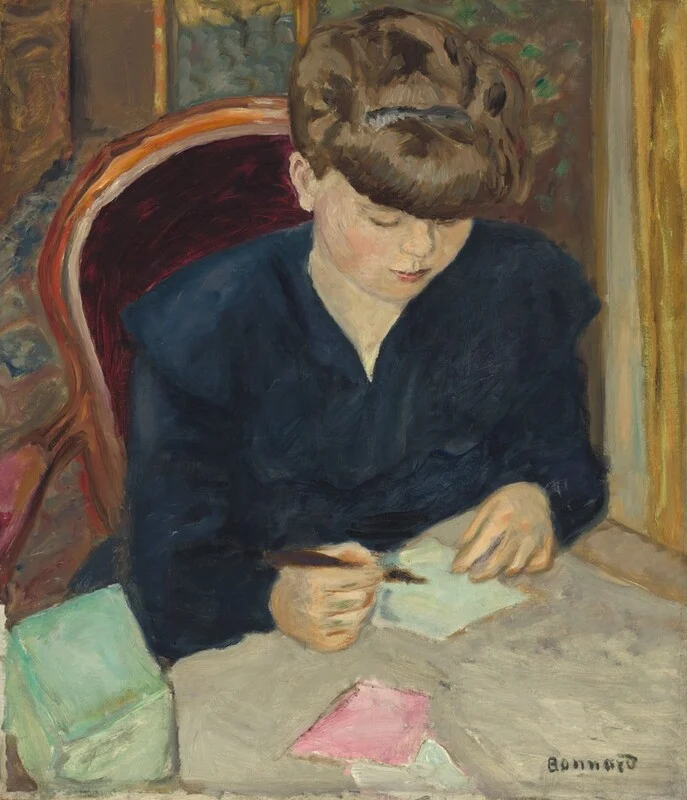
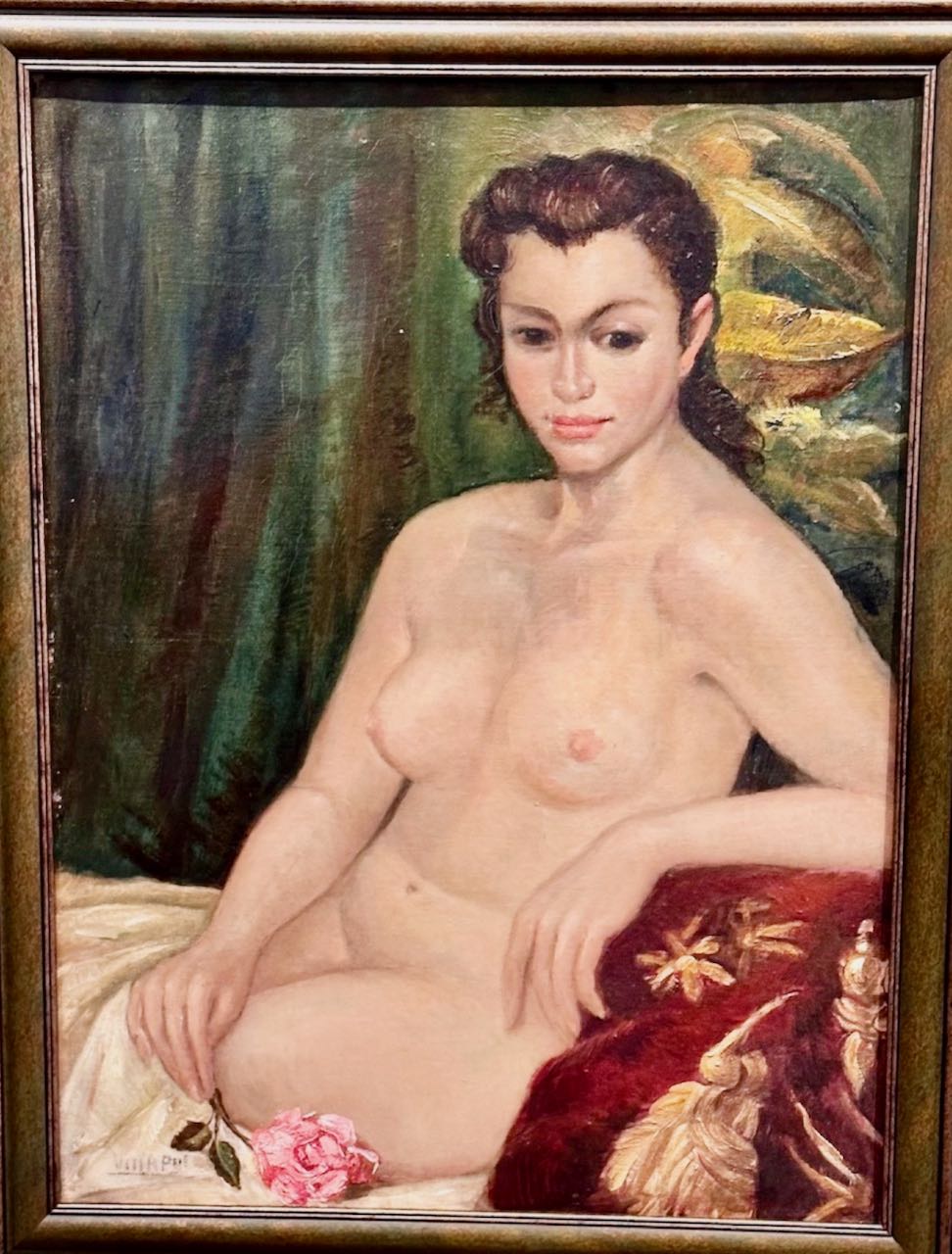
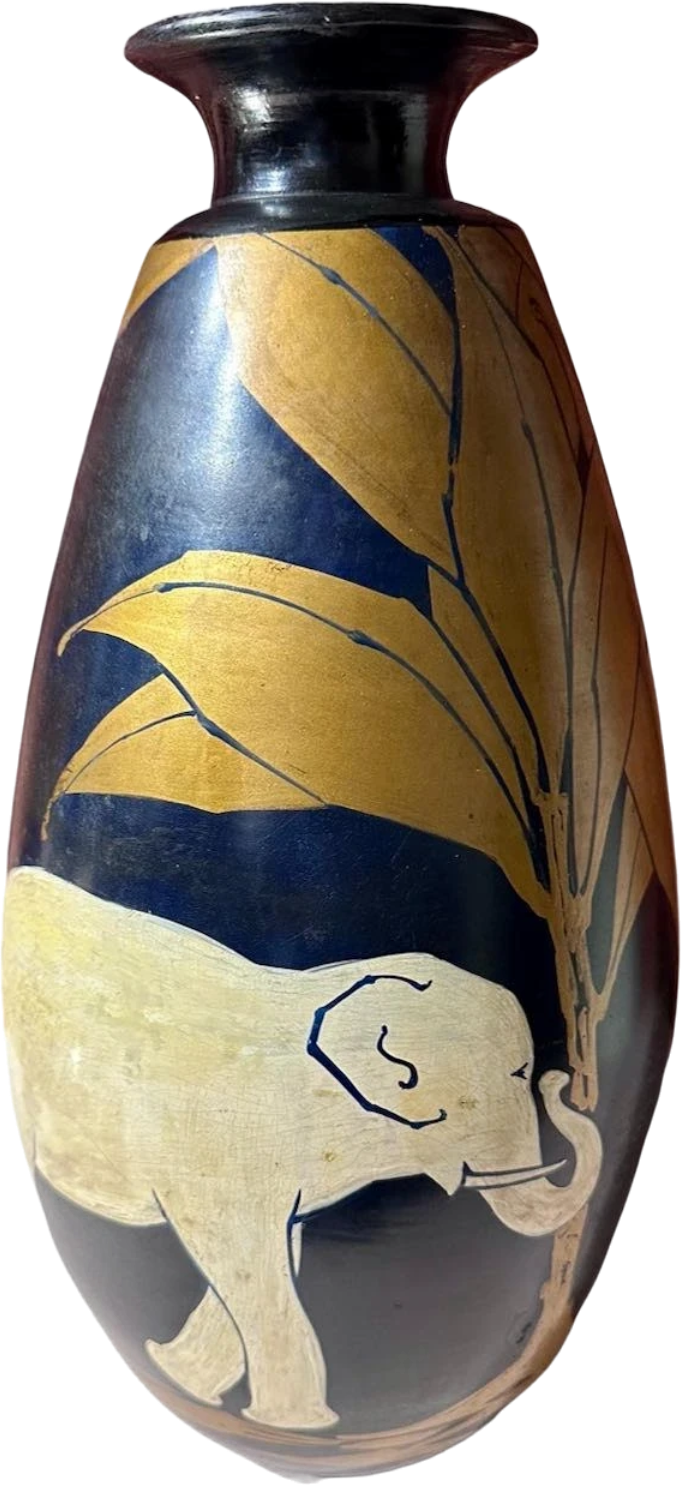
Bonnard first exhibited at the Salon des Indépendants in 1891, the same year the Nabis staged their own inaugural group show. His early Nabi years produced decorative panels, theater programs, and posters strongly marked by the influence of Japanese ukiyo-e prints, earning him the affectionate nickname “Nabi très japonard.” Beyond painting, he was a remarkably prolific decorative artist, designing furniture, textile patterns, painted screens, stage sets, puppets for puppet shows, and illustrated books, reflecting the broader Nabi interest in unifying art and everyday environments. After 1900 he began spending increasing time in the countryside between Normandy and Paris, producing numerous landscapes, and his mature work moved steadily toward the intimate domestic subjects for which he remains best known: interiors, dining tables, nudes in baths, gardens, and views through windows. He was a close friend and neighbor of Claude Monet, and he became a regular visitor to the United States, where he attracted wealthy American patrons and gained considerable recognition and wealth during his lifetime. His long sequence of bath and bathroom paintings, featuring Marthe as his model across more than four decades, forms one of the most sustained and celebrated bodies of work in twentieth-century French painting. His final two decades at Le Cannet produced an extraordinary late flowering of still lifes, self-portraits, seascapes, and garden views rendered with an intensifying, almost incandescent use of color.
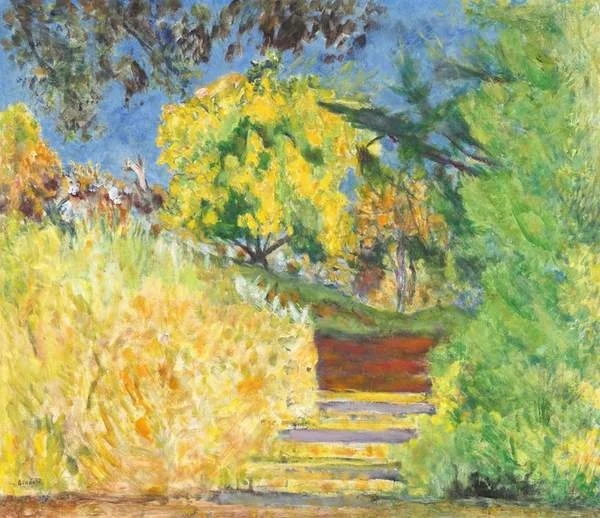
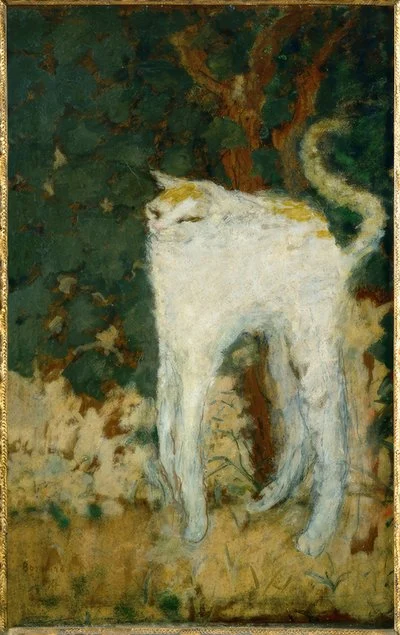
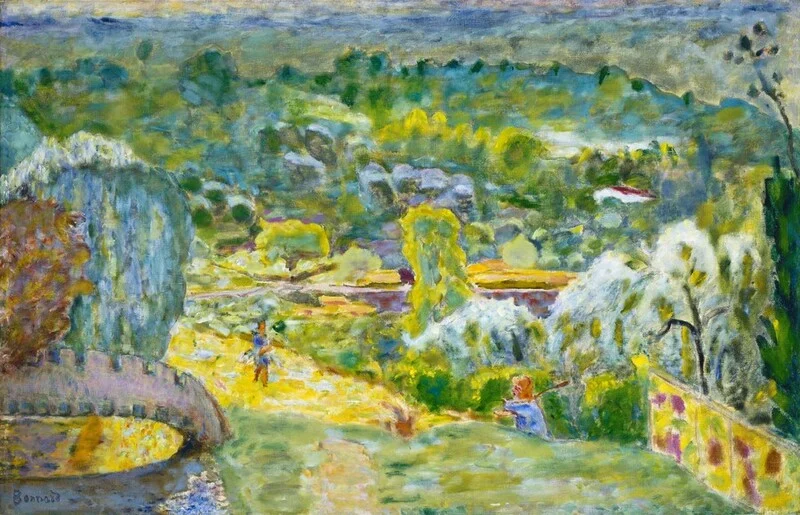
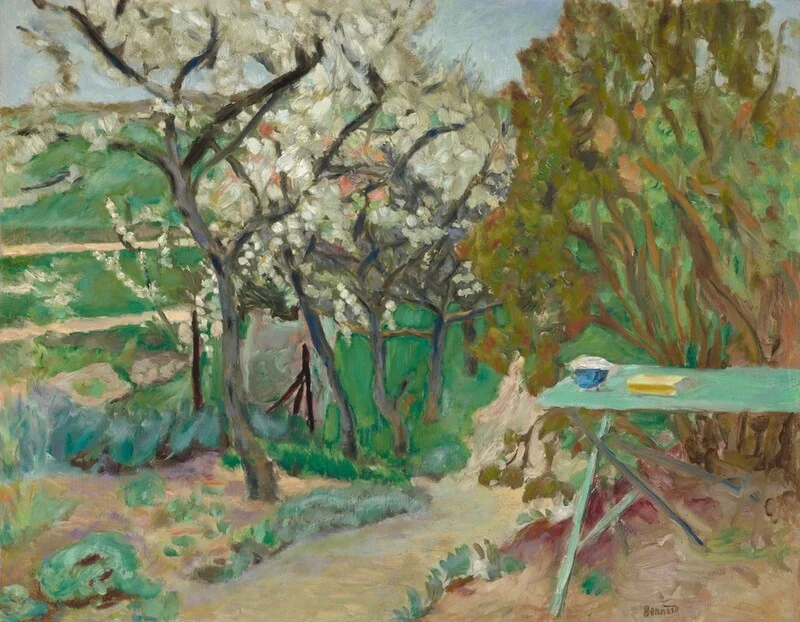
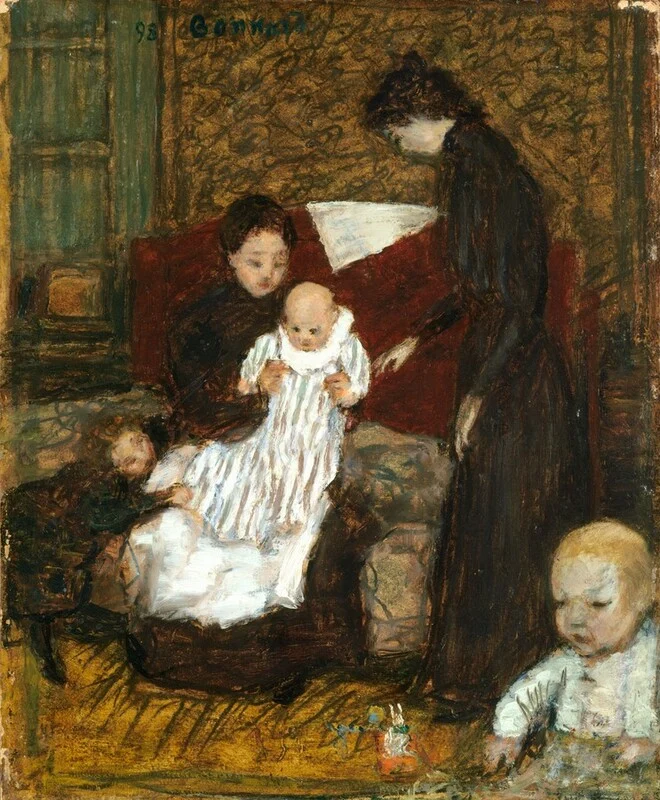
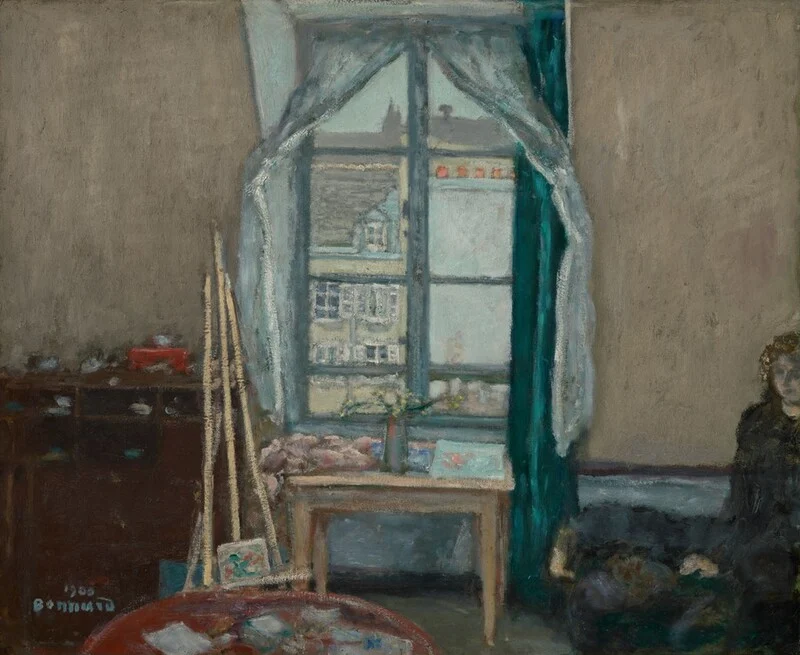
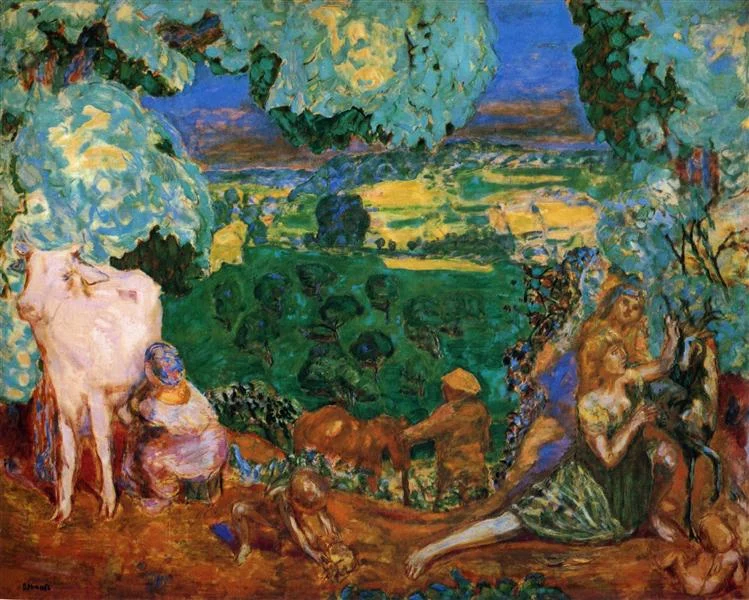
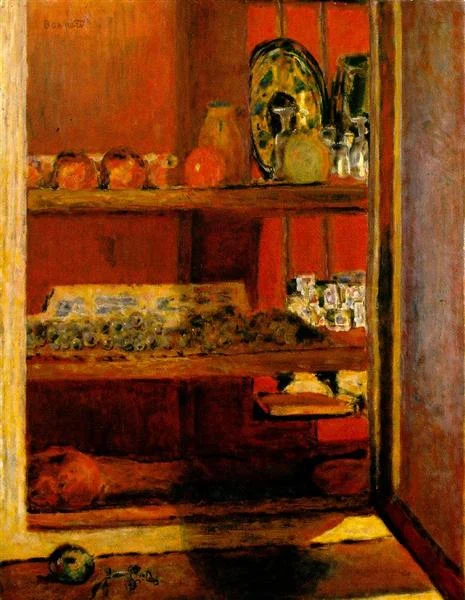
Bonnard preferred to work from memory rather than direct observation, using preparatory drawings only as reference, which gave his paintings a distinctly dreamlike, distilled quality even when depicting the most ordinary domestic scenes. Though a committed Nabi, he was less interested than colleagues like Maurice Denis in obscure Symbolist subject matter, finding endless fascination instead in the textures of simple daily life, an orientation that earned him the label “Intimist.” Color was for Bonnard an end in itself rather than a means of describing form, so central to his practice that he would sometimes touch up finished paintings years later if he had mixed a new color he found particularly satisfying.
Key Influences
- Les Nabis: His founding role in the group helped chart a path beyond Impressionism toward a more decorative, symbolically charged approach to color and composition that shaped early European Modernism.
- Japanese Printmaking: His absorption of ukiyo-e techniques into Western painting contributed to the broader turn-of-the-century fascination with Japanese art across French avant-garde circles.
- Intimism: His dedication to the poetry of ordinary domestic life established a distinct alternative to both academic painting and pure abstraction, influencing generations of painters interested in the quiet dignity of everyday subjects.
- Color as Subject: His treatment of color as an autonomous expressive force, rather than a tool of description, anticipated concerns that would become central to later twentieth-century abstract painting.
- Decorative Arts Integration: His extensive work across furniture, textiles, and stage design exemplified the Nabi ambition to dissolve boundaries between fine art and the applied arts.
If you are interested in further stories of the artists who shaped Art Deco, return to our artists page to browse the full directory.

Related Products from ArtDecoCollection.com