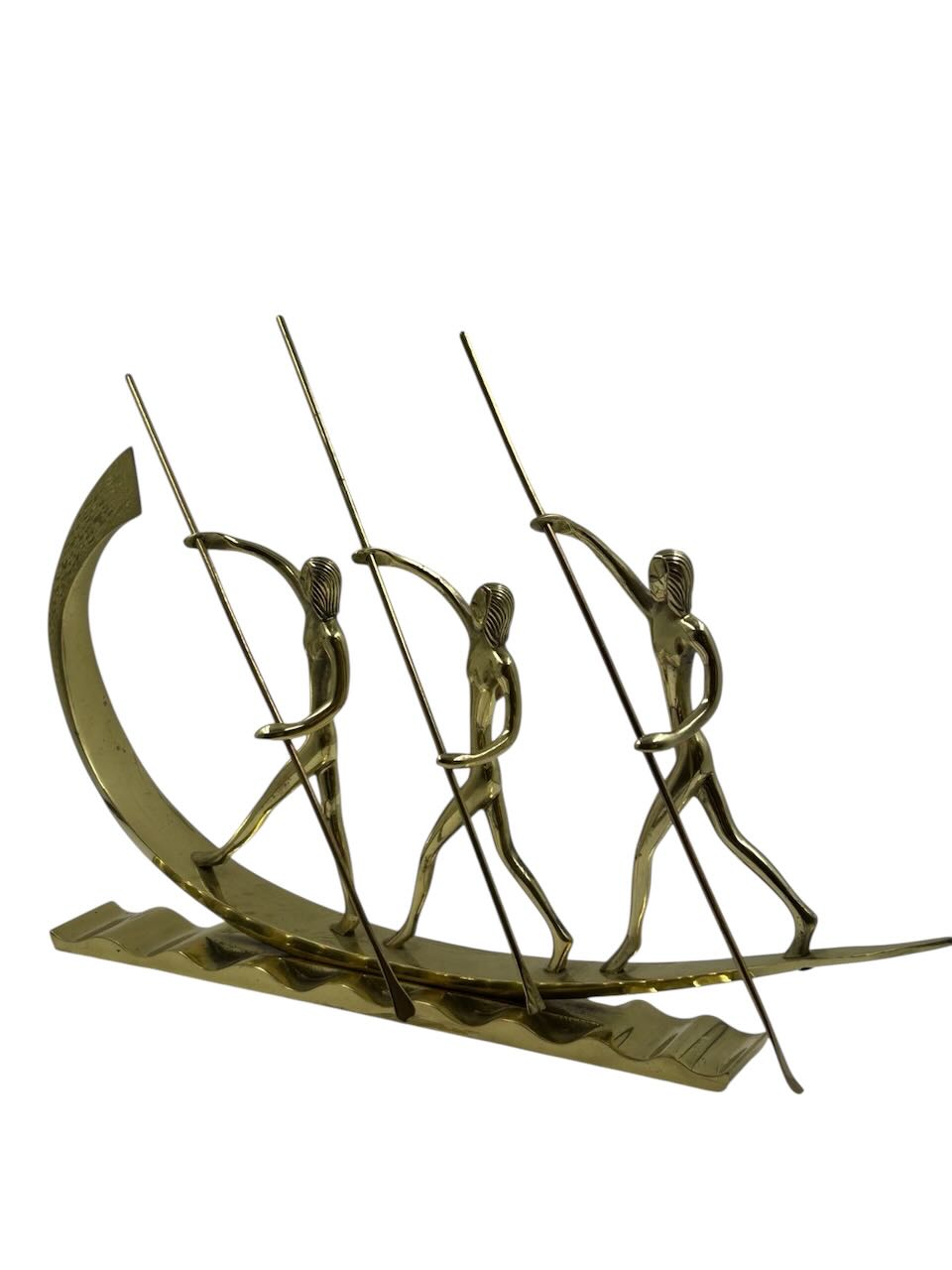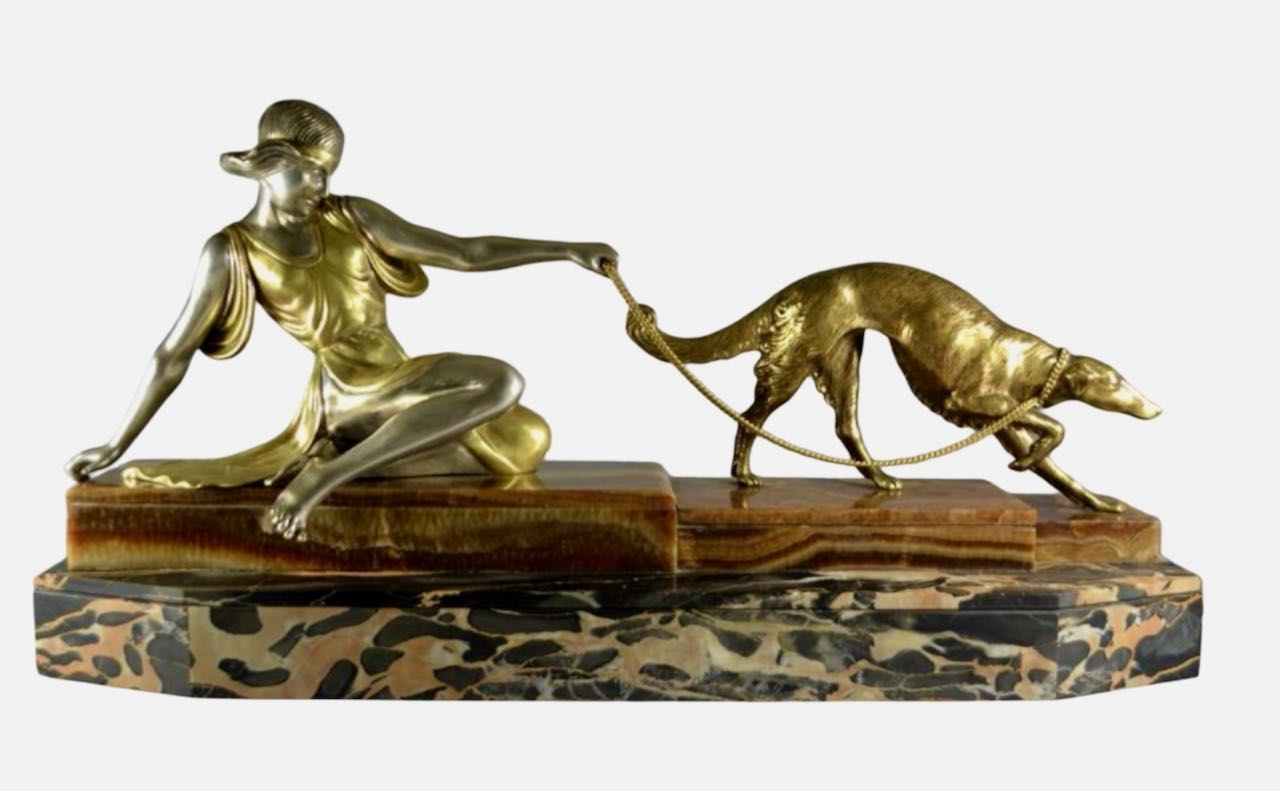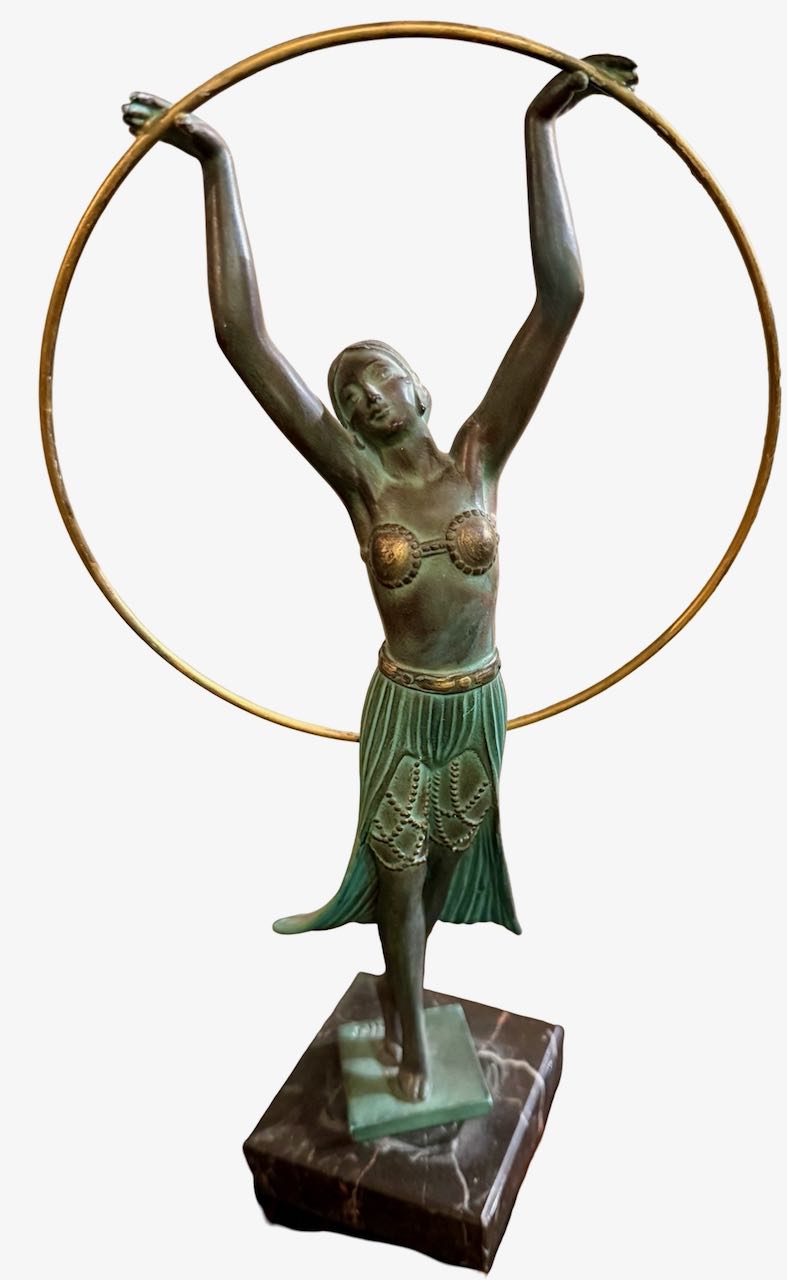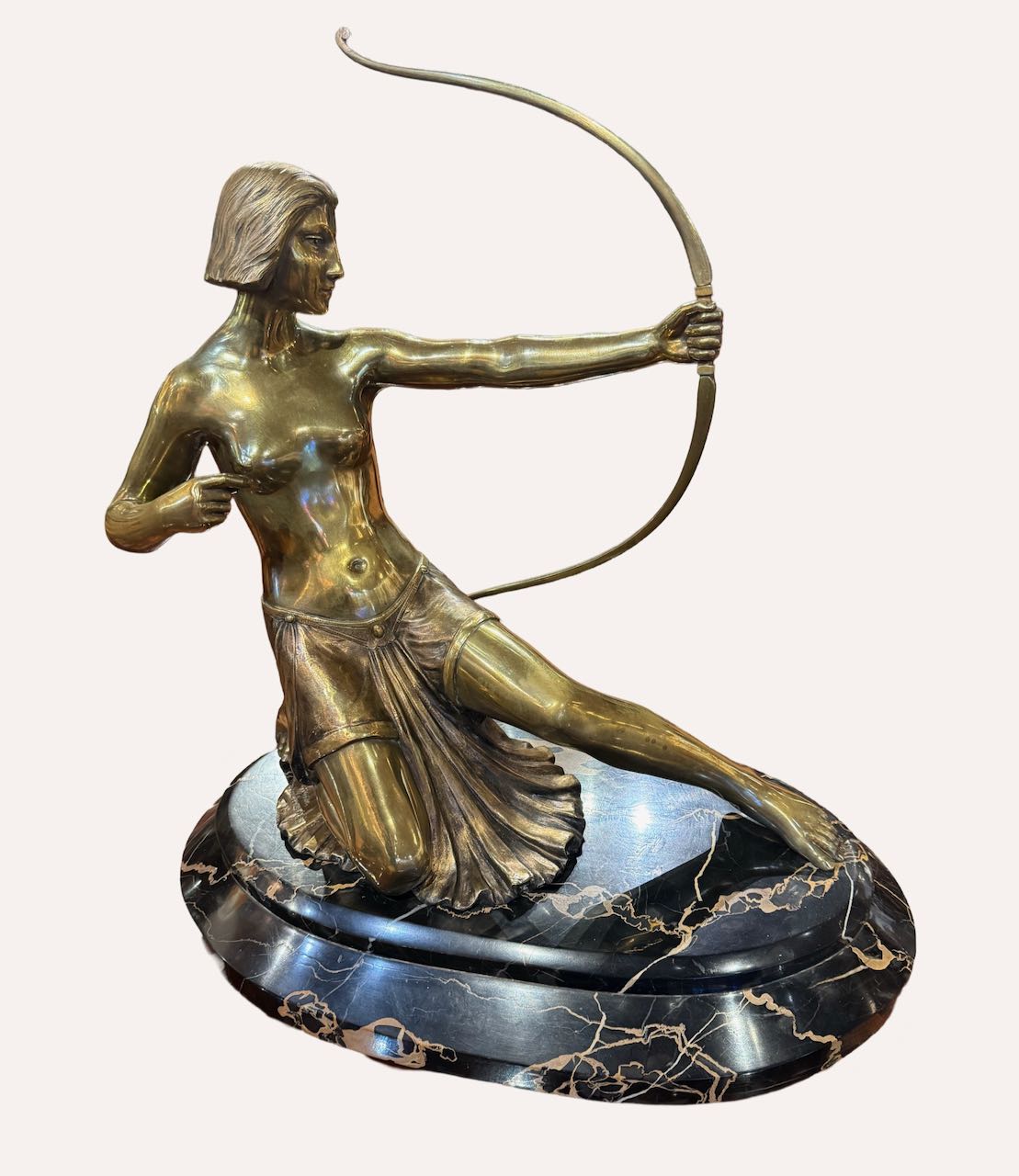



Paul Manship
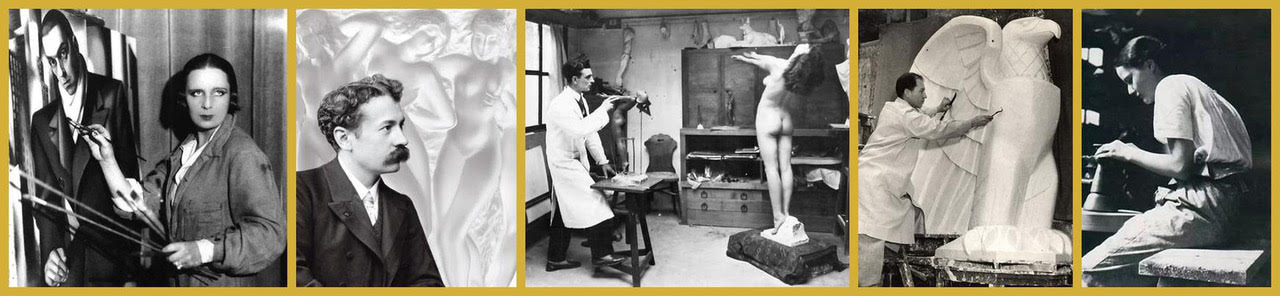
Paul Manship was born in Saint Paul, Minnesota in 1885 and showed artistic ambition from an early age. He trained first in the Midwest before continuing his studies in Philadelphia and New York, where he absorbed academic sculpture while gradually rejecting Beaux Arts naturalism. Winning the Rome Prize in 1909 allowed him to study at the American Academy in Rome, an experience that proved decisive for his artistic direction. During these years, he immersed himself in archaic Greek sculpture as well as Egyptian, Assyrian, and early Mediterranean art. He became fascinated with pre-classical systems of proportion, rhythm, and symbolic clarity rather than anatomical realism. This exposure encouraged a move toward simplified form and linear composition. By the time he returned to the United States in 1912, he had forged a visual language that felt both ancient and distinctly modern. Manship quickly gained recognition as a sculptor capable of bridging tradition and innovation.


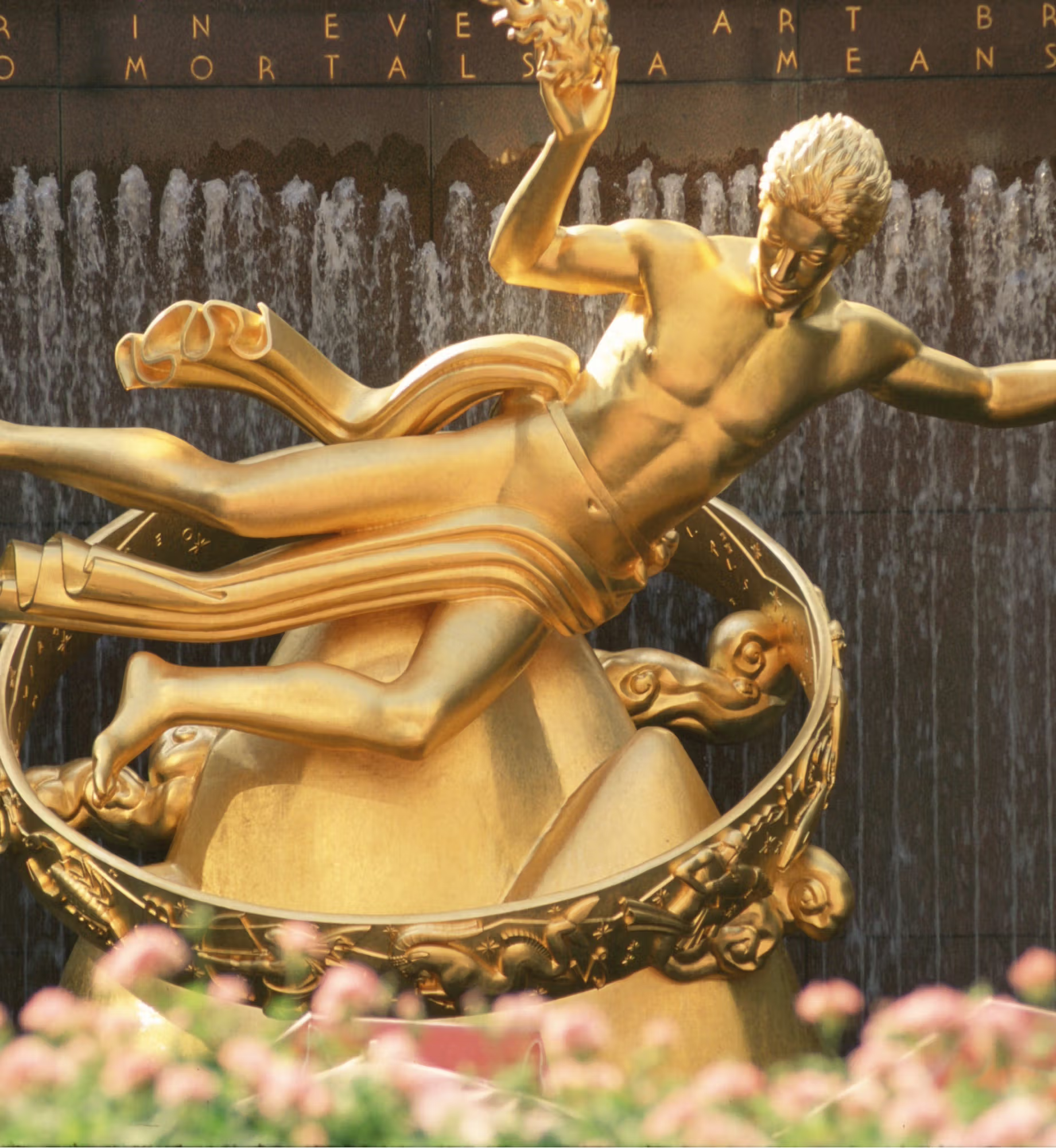
Manship’s career unfolded at a moment when American audiences were receptive to modern design that remained legible and decorative. His sculptures often depict mythological figures, animals, and allegorical themes rendered with clarity and controlled movement. Rather than embracing abstraction, he refined classical imagery into streamlined silhouettes suited to architectural settings. This approach positioned him as a major precursor and contributor to Art Deco sculpture in the United States. His gilded bronze Prometheus (1934) at Rockefeller Center became one of the era’s defining public artworks, a mythic figure rendered with crisp, modern clarity and placed at the heart of a new civic plaza. Seen by millions, it helped cement Rockefeller Center’s visual identity while demonstrating how Art Deco sculpture could anchor and elevate a monumental architectural complex. He received numerous public commissions, creating works intended for civic spaces, fountains, memorials, and architectural programs. Manship was especially skilled in low relief, producing medals, plaques, and sculptural surfaces that balanced symbolism with readability. His practice relied on collaboration with highly trained assistants, many of whom became important sculptors in their own right. Over the course of his career, he produced hundreds of works that helped define the visual identity of American monumental sculpture in the interwar period.
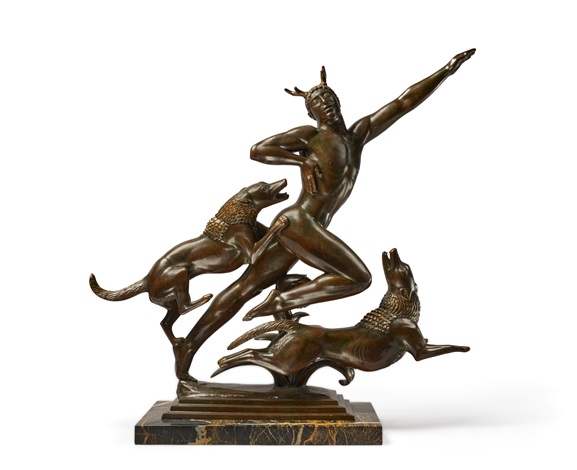
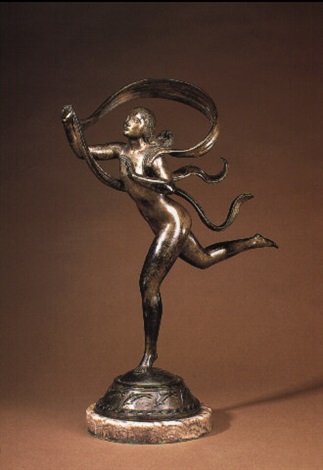

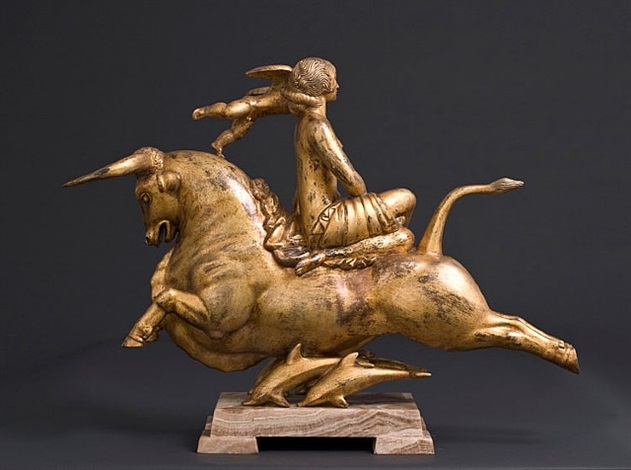
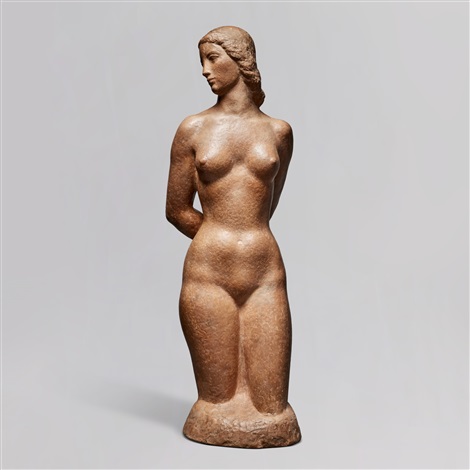
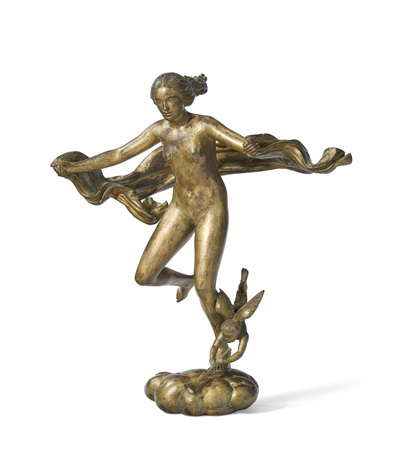
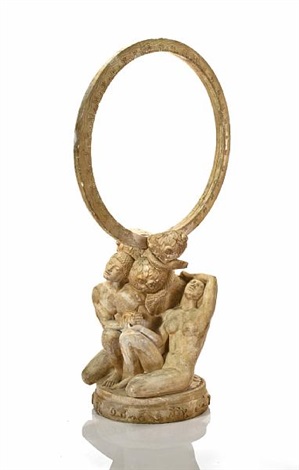
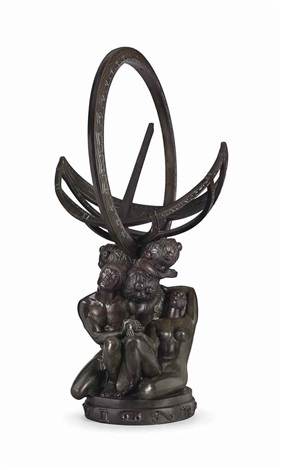
Manship’s style is defined by linear clarity, rhythmic movement, and a deliberate simplification of form. He drew heavily from archaic Greek sculpture, favoring stylized anatomy over naturalistic detail. His figures often appear timeless, combining ancient myth with modern restraint. Ornament is carefully controlled, allowing gesture and contour to carry meaning. This balance made his work adaptable to both decorative and monumental contexts.
Key Influences
- Archaic Greek Sculpture: Early Greek statuary shaped his emphasis on stylization, symmetry, and symbolic clarity.
- Mythology and Allegory: Classical myths provided a timeless framework for expressing movement, harmony, and ideal form.
- Ancient Global Traditions: Egyptian, Assyrian, and Indian sculpture informed his interest in simplified mass and frontal composition.
- Architectural Integration: Public commissions encouraged a sculptural language that reads clearly at scale and distance.
- American Modernism: A desire to create a modern national style pushed him toward restraint, elegance, and accessibility.
If you are interested in further stories of the artists who shaped Art Deco, return to our artists page to browse the full directory.

Related Products from ArtDecoCollection.com