
Marcel Coard
Jean-Baptiste Charles Marcel Coard was born on June 30, 1889, into a wealthy family of bankers and annuitants. Despite his father’s reluctance, he enrolled at the École Nationale des Beaux-Arts in Paris in its architecture section, studying there until the outbreak of World War I in 1914. In 1913, while still young, he opened a decorator-upholsterer shop at 137 bis boulevard Haussmann, where he remained until 1926, advertising complete old and modern decoration. He became closely associated with the celebrated collector Jacques Doucet, for whom he designed some of his most significant furniture, and he also decorated the château belonging to Jean Cocteau’s brother near Tours, producing work of an entirely different character. He owned a fine personal collection of Far Eastern objects and worked with renowned cabinetmakers including Chanaux and Pelletier, as well as Roumy, who executed pieces of remarkable complexity on his behalf. Coard’s death is dated to 1974 by most sources, though a minority give 1975, and no exact day or place of death is documented. No catalogue raisonné has been published for his work, and attribution today rests heavily on documented provenance and the judgment of specialist dealers, particularly Galerie Marcilhac in Paris, the clearest current point of representation for his work.
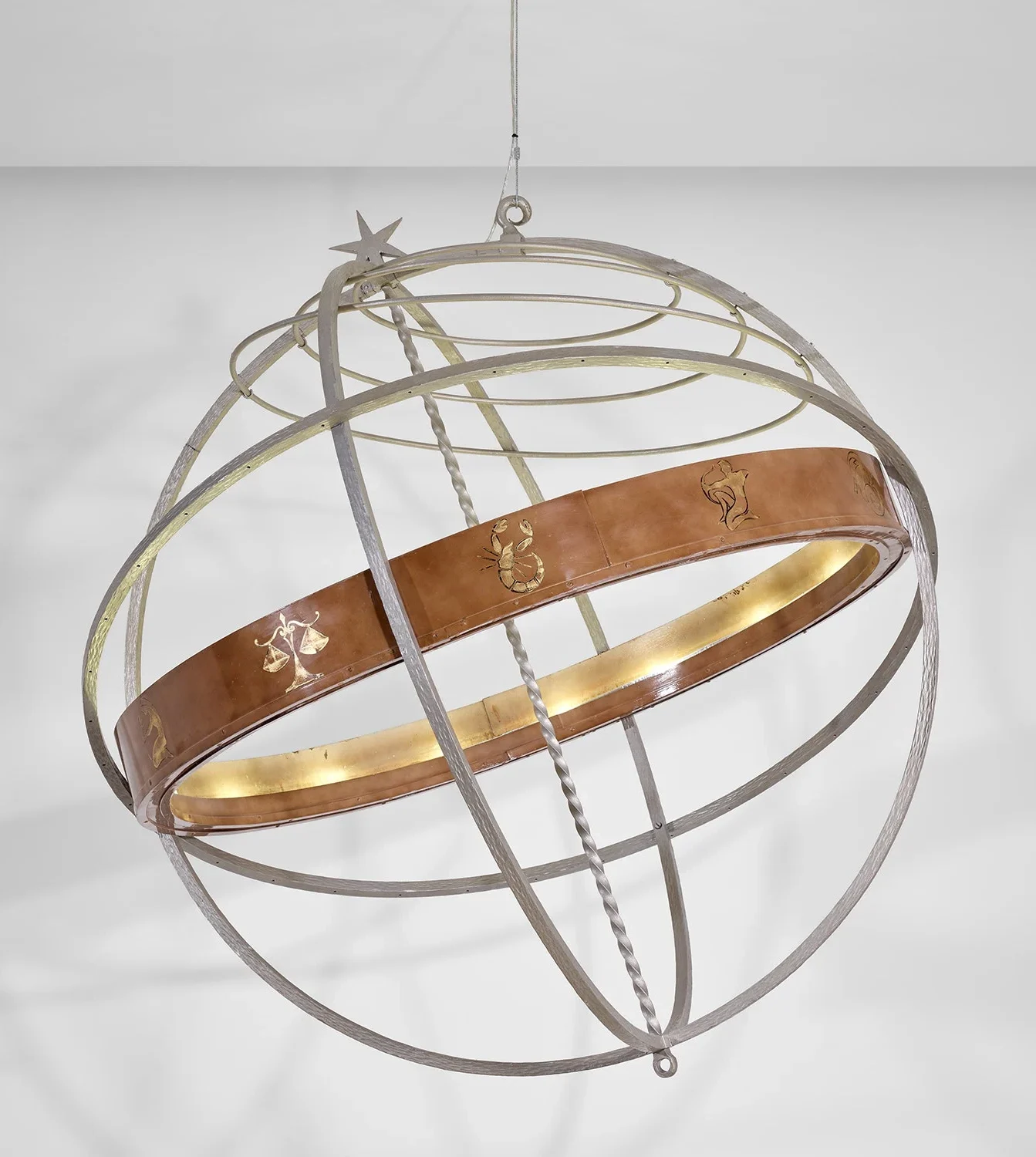
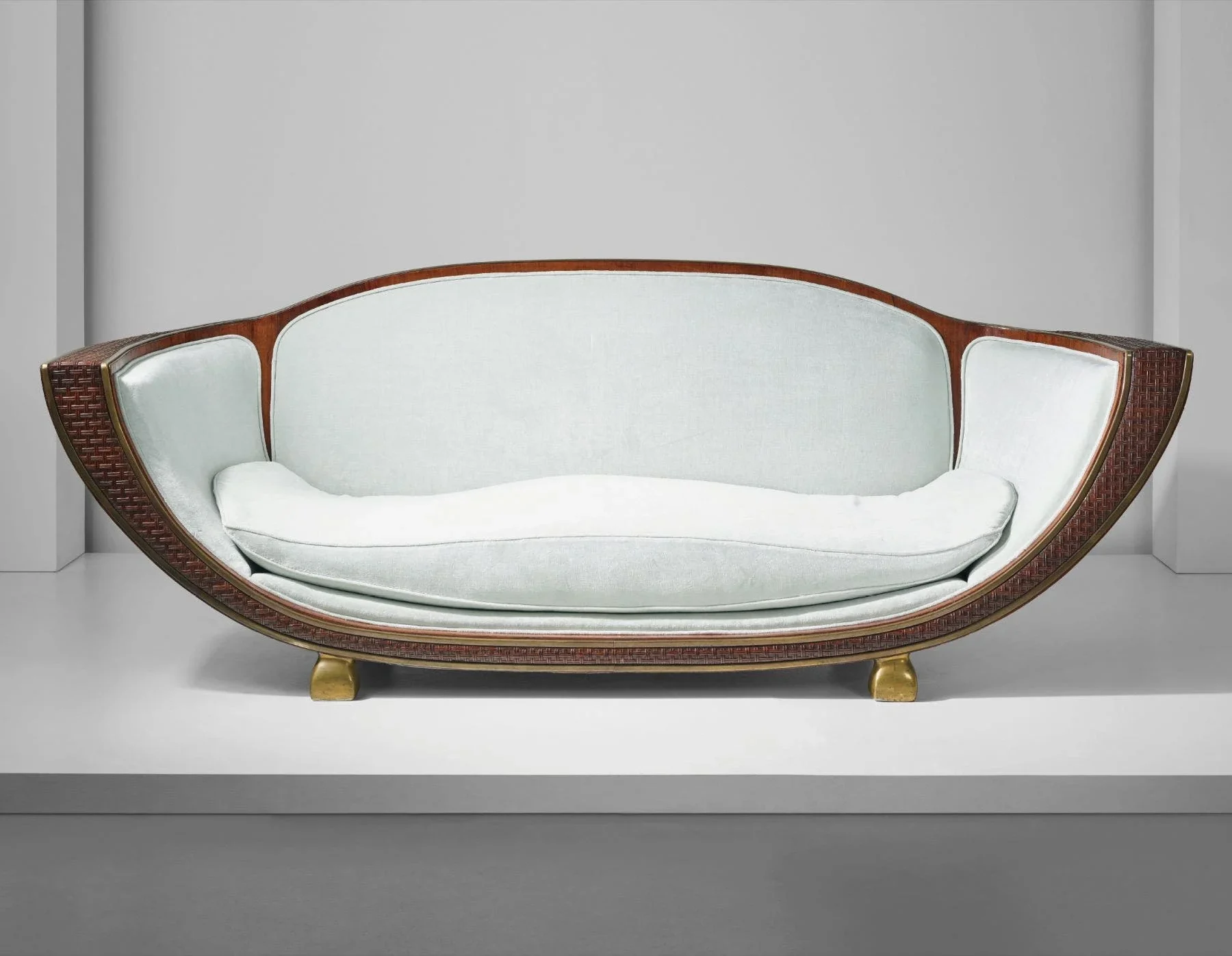
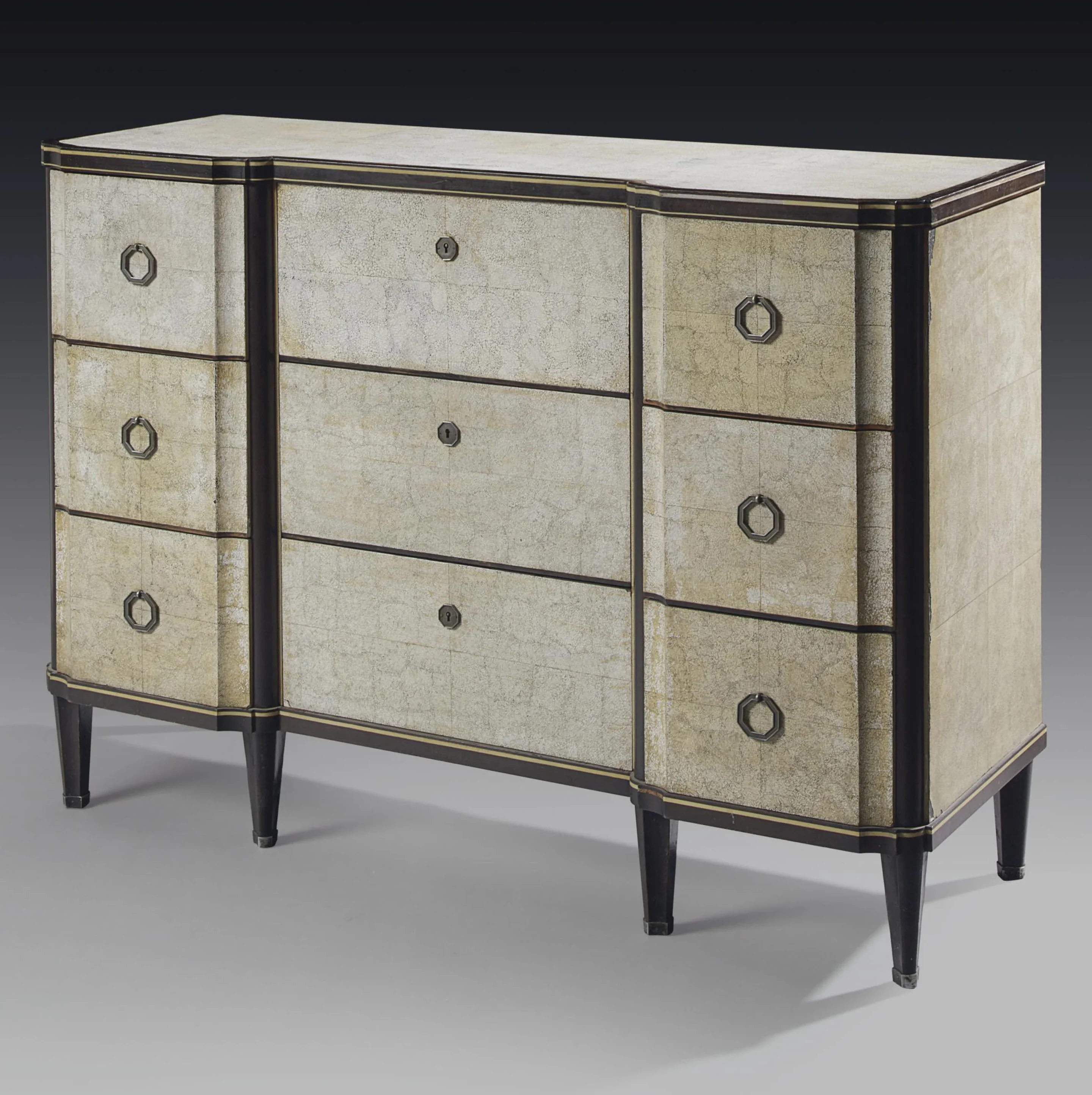
Coard made only unique pieces in rare and precious materials for an elite clientele of enlightened collectors, most notably Jacques Doucet, for whom he created furniture including a celebrated canapé gondole. His Macassar ebony and mother-of-pearl domed cabinets, now held in the collection of the Musée des Arts Décoratifs in Paris, exemplify his command of exotic materials. For Jean Cocteau’s brother at Champgault, he produced an eclectic mixture of styles within a single house: simple painted wood furniture alongside sculptures by Joseph Csaky purchased from the Rosenberg gallery, mirrored slats integrated into the walls, and a limed oak entrance table carved with an adze and inlaid with a black opaline plate. Furniture from his cabinetmakers’ workshops was typically stamped with his name followed by a parrot profile, his trademark. In the 1940s his style evolved to incorporate wrought iron, marble, and a more humanist sensibility recalling the work of Jean-Charles Moreux, though he continued to work primarily for private clients. His auction high is the Important Canapé Gondole from the Doucet commission, which sold for £974,500, roughly $1.4 million, at Phillips in London in April 2016, a result Phillips described as breaking his previous auction records.
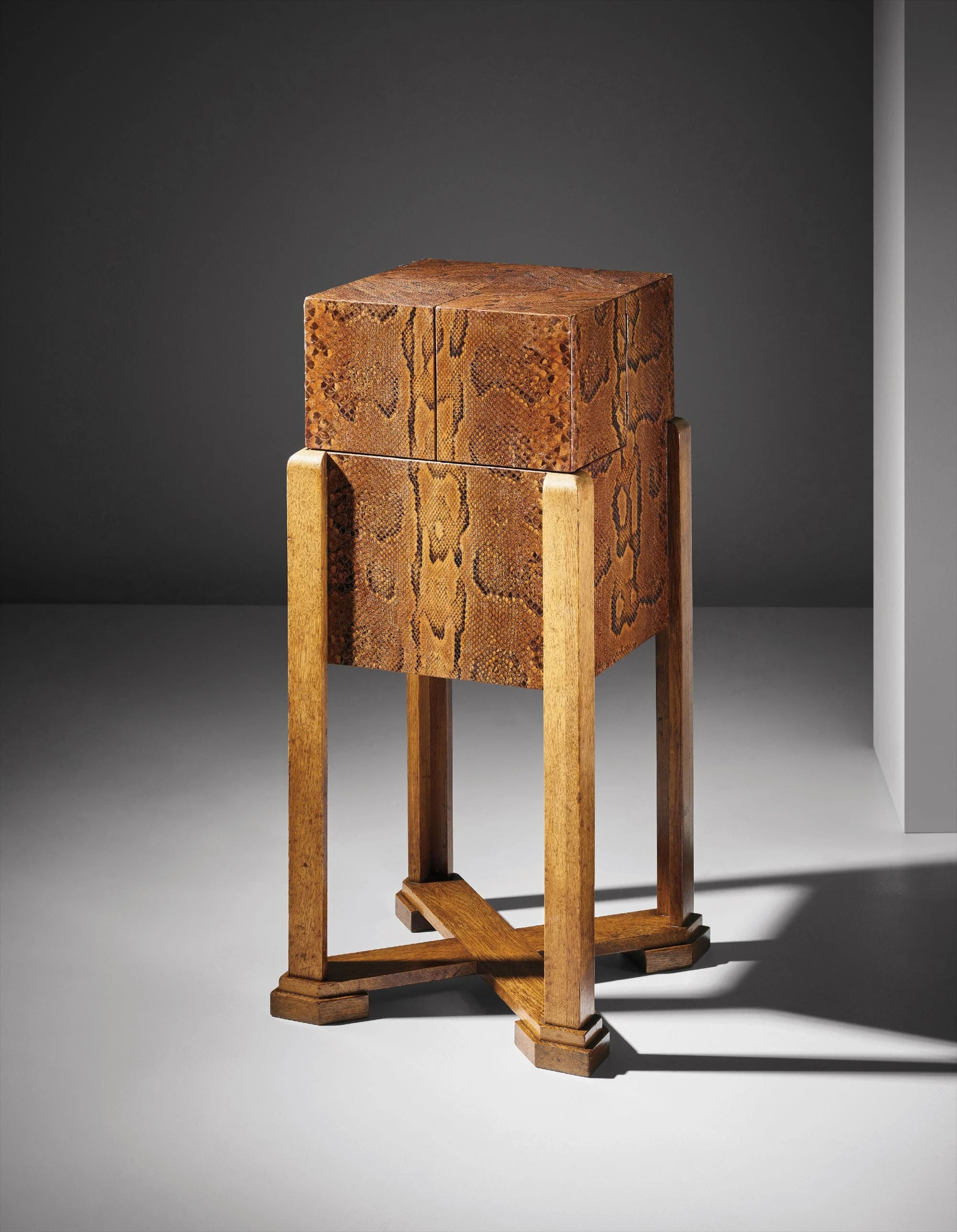
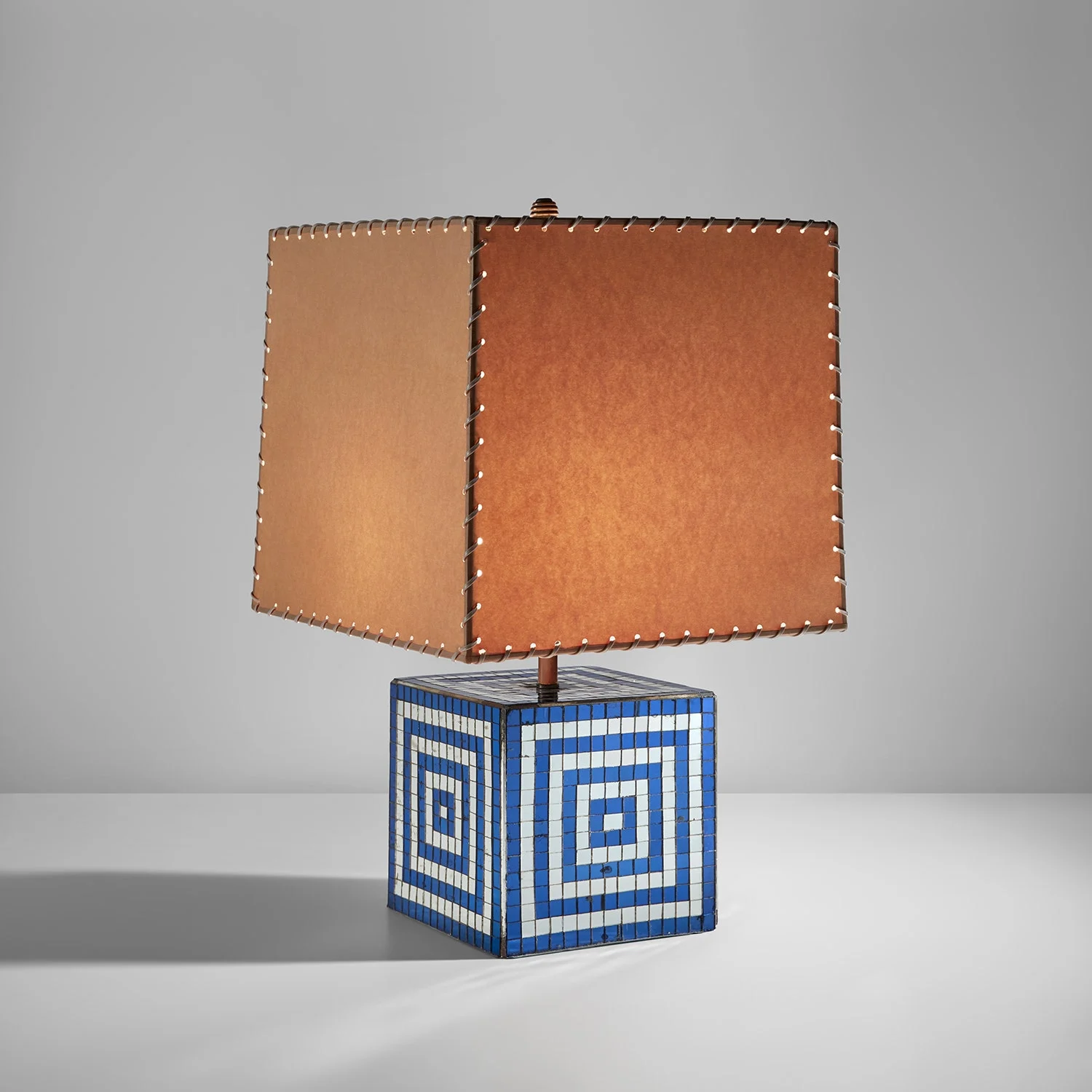
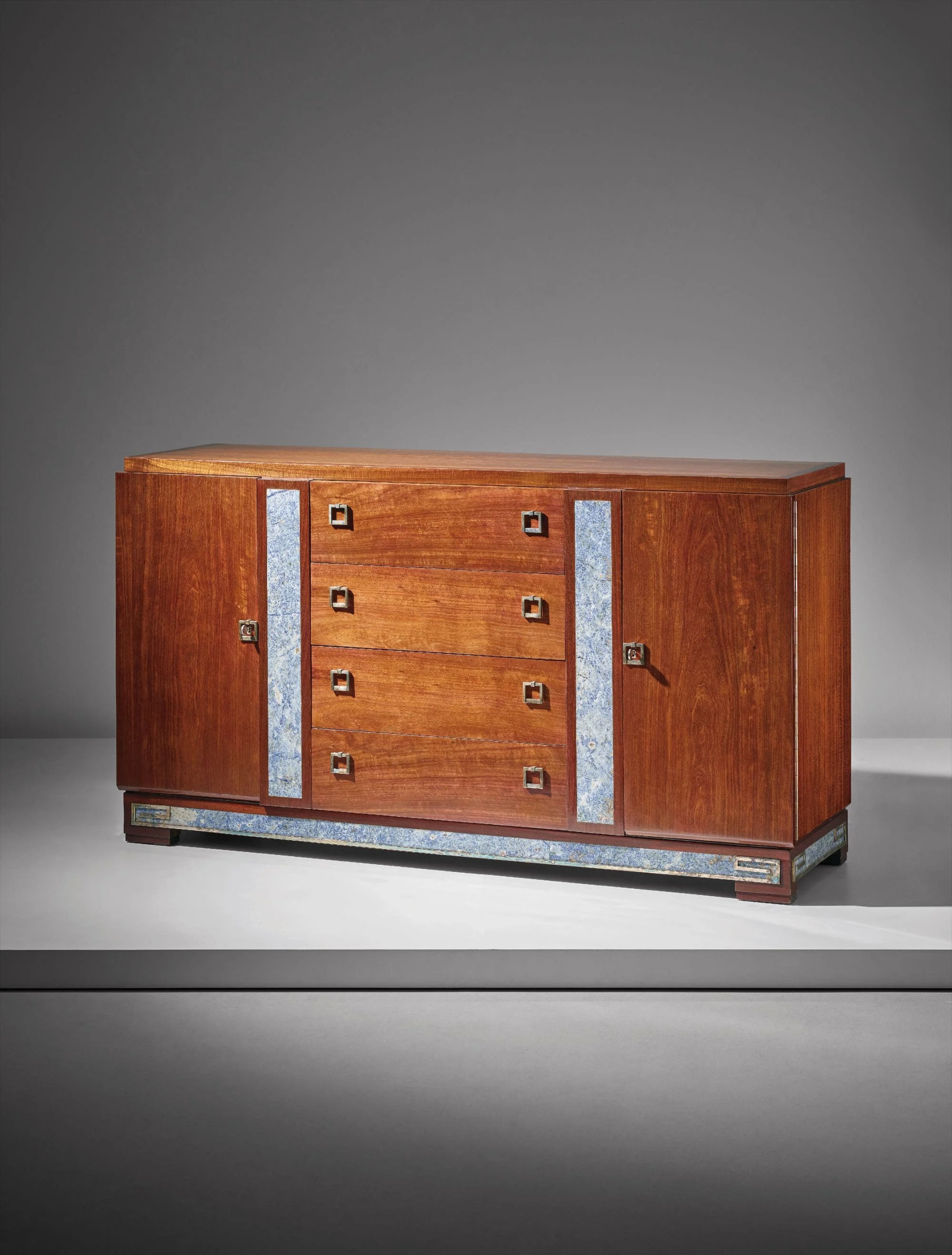
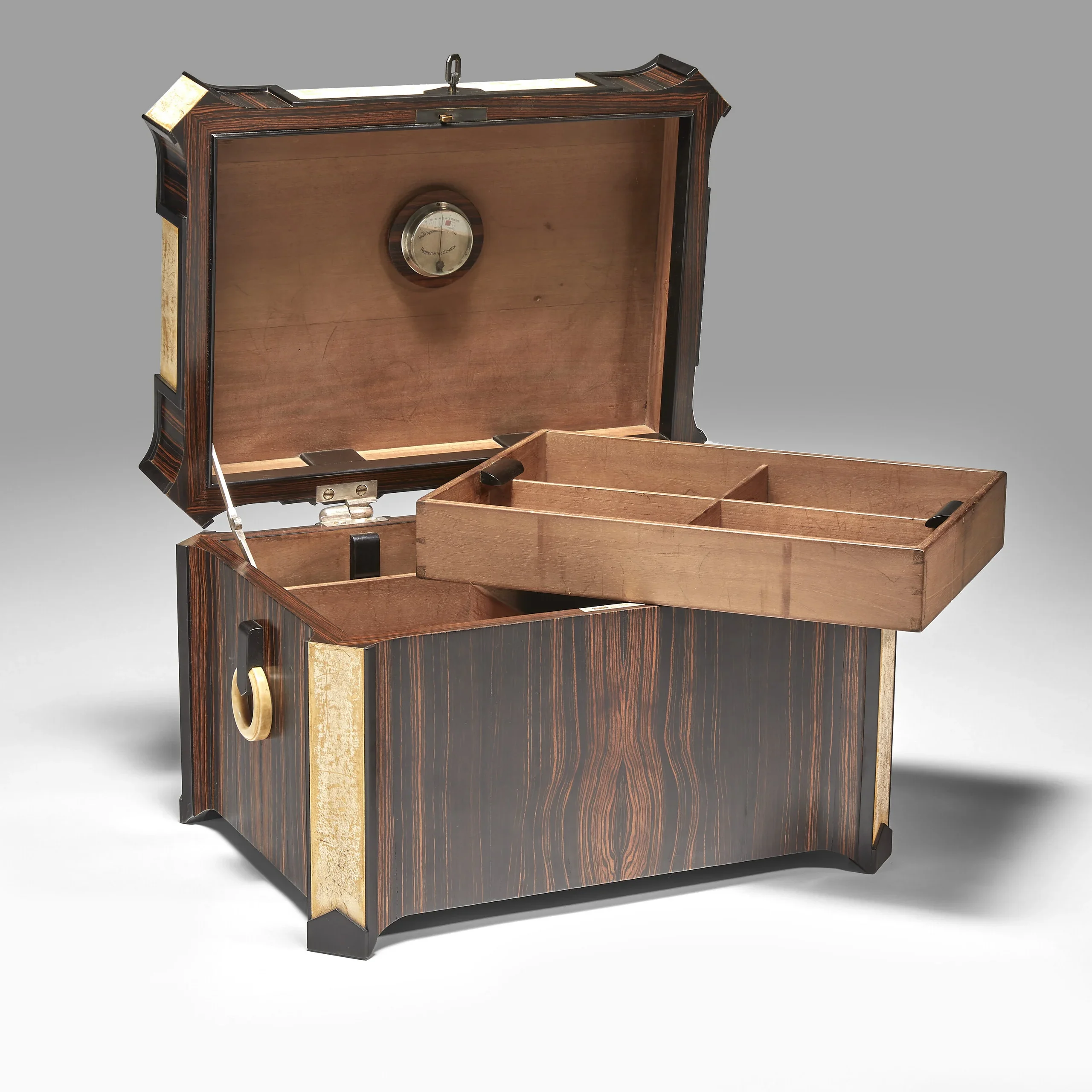
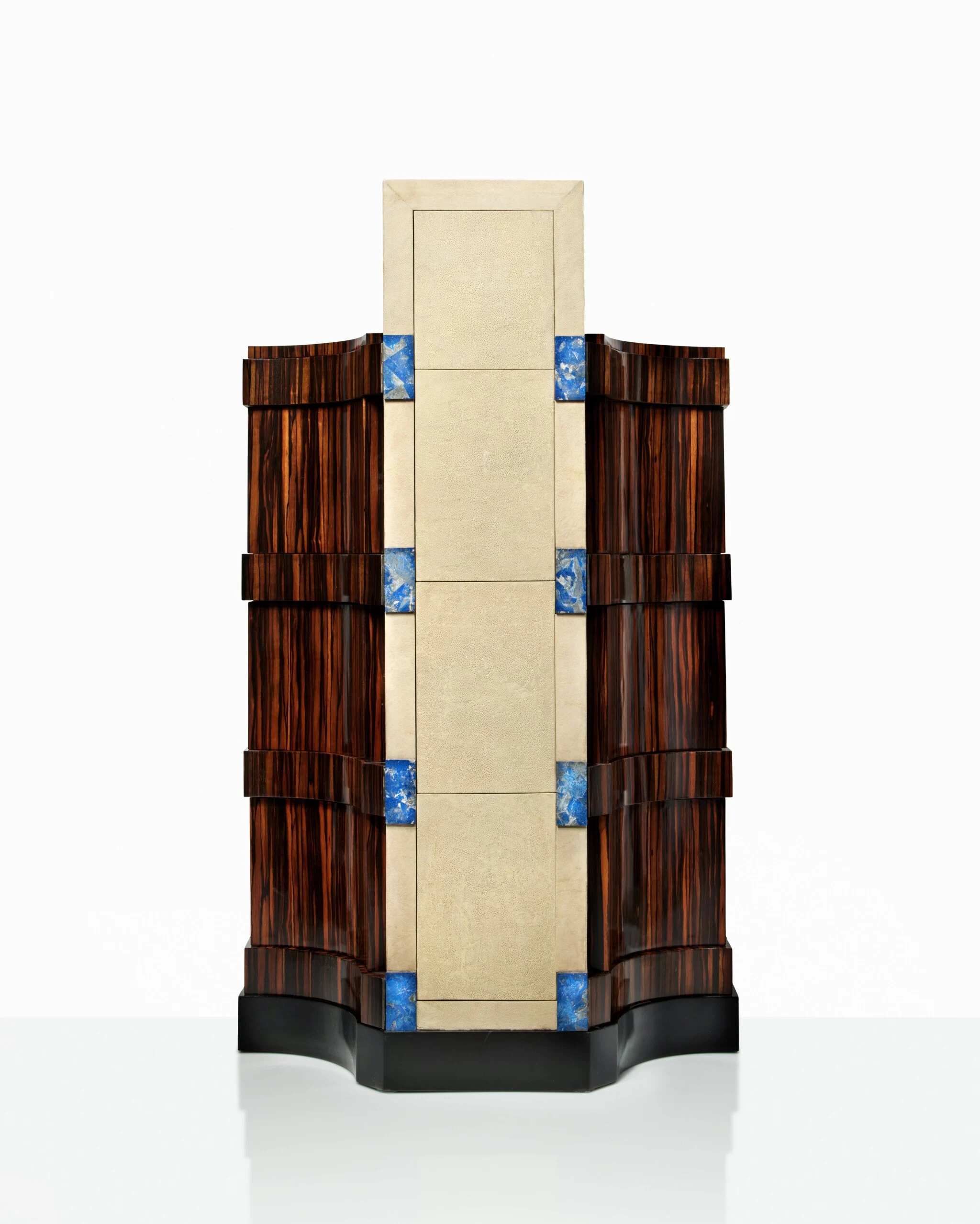
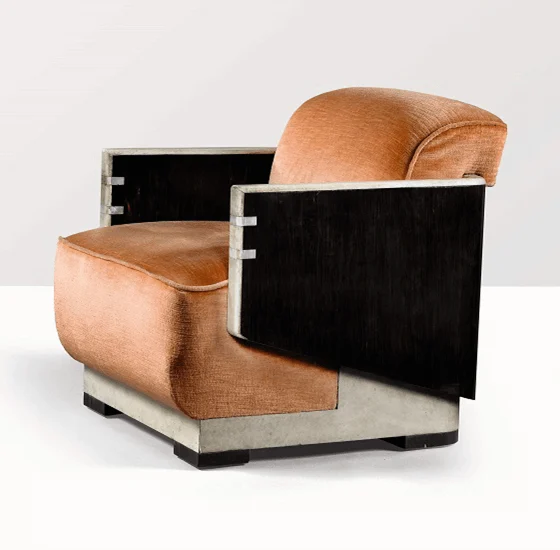
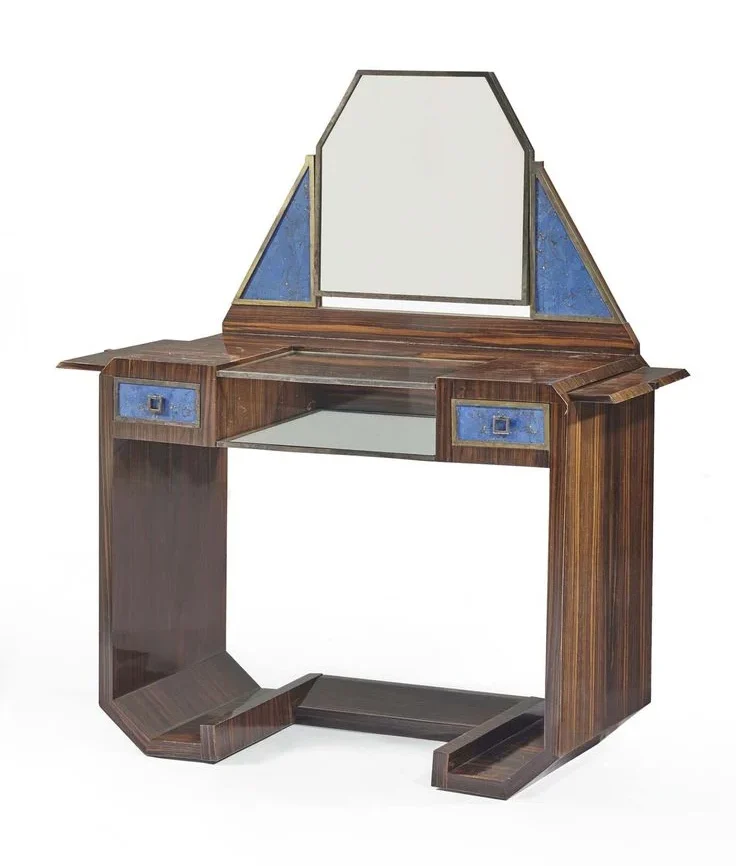
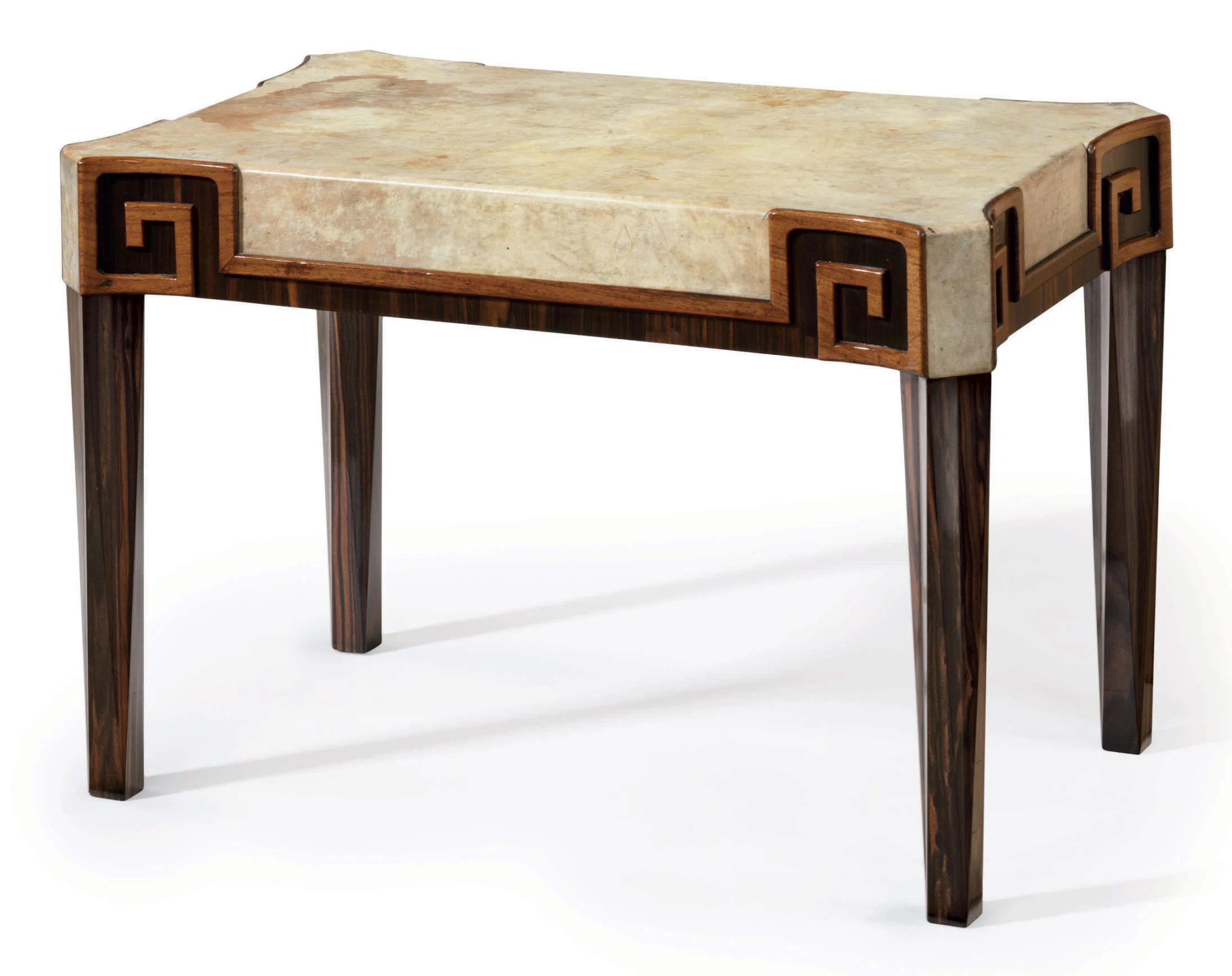
Coard drew on African, Oceanic, and Cubist art to create furniture that combined an architect’s structural training with an appetite for rare and unconventional materials, a combination that distinguished him from cabinetmakers working in more conventional traditions. His pieces, built from shagreen, ivory, rock crystal, and Macassar ebony, achieved a luxurious density that made them benchmarks of 1920s and 1930s French design. He designed vitrines for clients that integrated their own collections of African and Asian art objects directly into the furniture, treating the cabinet itself as a frame for cultural artifacts.
Key Influences
- Doucet Commissions: His furniture for Jacques Doucet’s celebrated Paris apartment remains the foundation of his reputation and continues to define the market for his work.
- Cross-Cultural Material Design: His integration of African, Oceanic, and Asian influences into French furniture placed him at the forefront of a broader Art Deco engagement with non-Western art.
- Doucet’s Legacy: His role in shaping Doucet’s interior has been cited as an influence on later tastemakers including Yves Saint Laurent and Pierre Bergé.
- Rare Material Craftsmanship: His pairing of shagreen, rock crystal, and exotic woods with skilled cabinetmakers like Chanaux and Pelletier set a benchmark for luxury furniture construction that collectors still prize today.
- Provenance-Driven Market: The absence of a catalogue raisonné has made documented Doucet provenance the single most important factor in his market, concentrating value in a small number of exceptionally well-attributed pieces.
If you are interested in further stories of the artists who shaped Art Deco, return to our artists page to browse the full directory.
Related Products from ArtDecoCollection.com