
Lurelle Guild
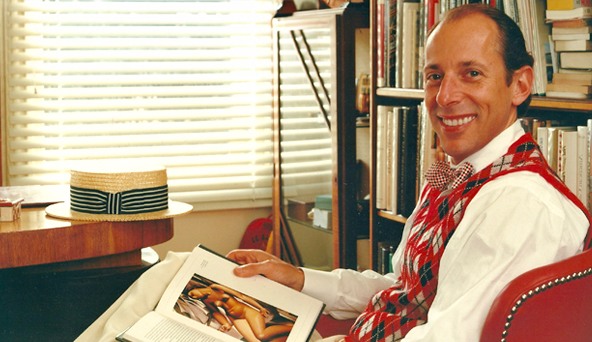
Lurelle Van Arsdale Guild was born in Syracuse, New York, in 1898. He studied painting at Syracuse University, graduating in 1920, and subsequently relocated to New York City, where he began working as an illustrator and writer for magazines including House & Garden and Ladies’ Home Journal. He was a devoted student of 17th and 18th-century design and crafting methods, and his early interest in crafts led him to study Chauncey Jerome, the New Haven clockmaker who was one of the fathers of mass production. Prior to 1934, when Fortune magazine featured him in an article introducing the new profession of industrial design, he was writing five articles per month for women’s magazines and had turned them into some 200 books and pamphlets. In 1944, Guild became a founding member of the Society of Industrial Designers in New York, alongside contemporaries such as Walter Dorwin Teague, Raymond Loewy, and Henry Dreyfuss. He married Anne Louise Eden in 1929, and they had one daughter. Guild moved an entire early American village from New Hampshire to Darien, Connecticut, reflecting his lifelong passion for American material culture. He died in Darien in 1985.
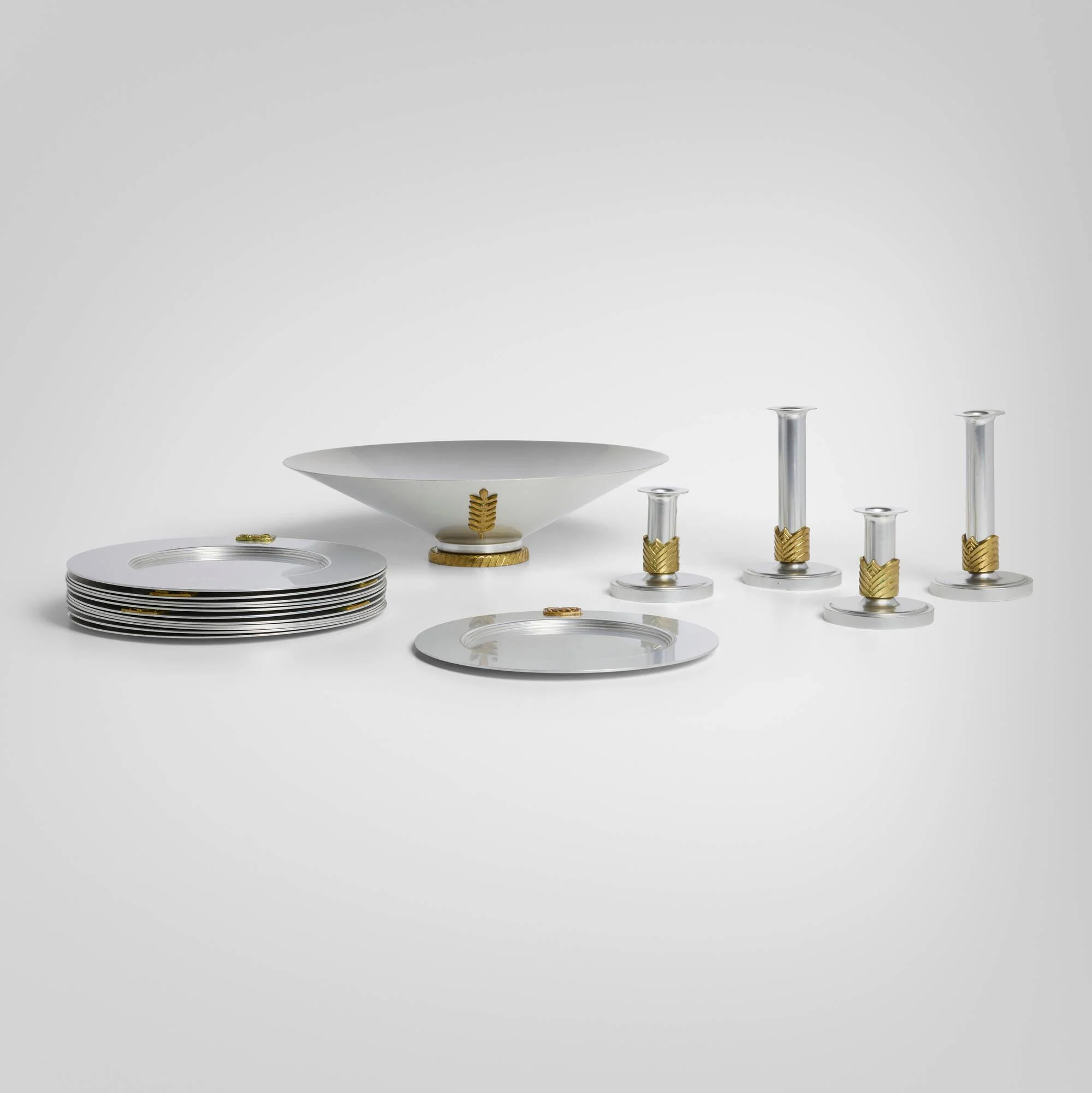
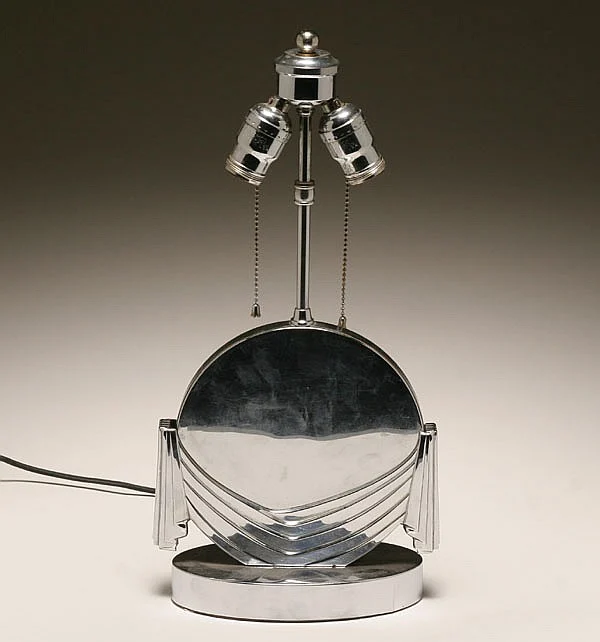
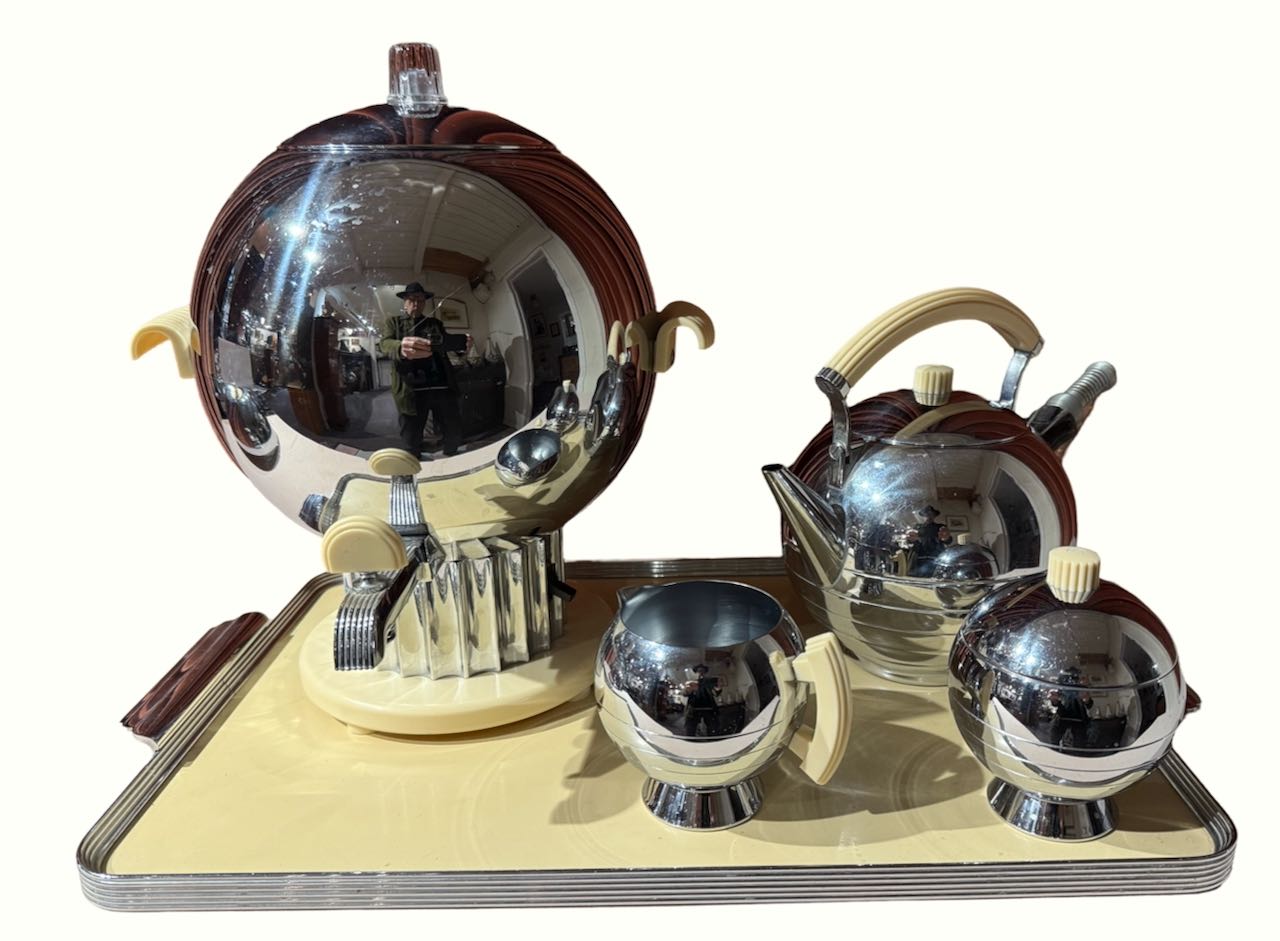
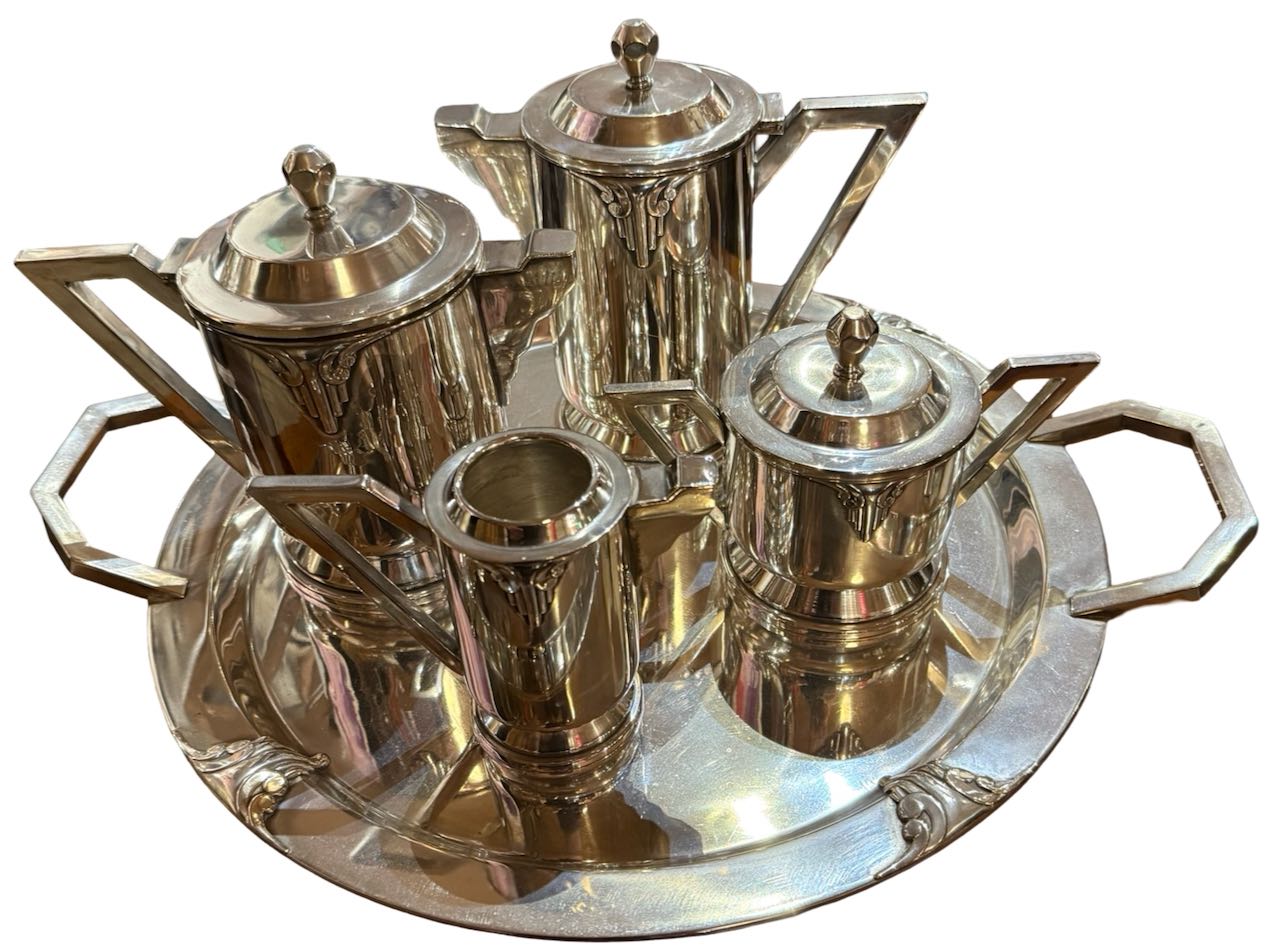
Guild founded his own design practice in 1924 and renamed it Lurelle Guild Associates in 1928, building an eight-person staff focused on product development and model making. He also founded Dale Decorators, a door-to-door decorating service that employed over a hundred women marketing wallpapers, curtains, and carpeting. He designed approximately a thousand products per year, placing samples in retail shops and surveying potential customers with a rigor unusual for the era. Among his most important client relationships was Alcoa Aluminum, for whose Kensington Ware line of kitchen utensils he designed platters, coffee services, pitchers, bowls, and other pieces now held in the collections of the Carnegie Museum of Art and the Yale University Art Gallery. He designed the Kensington showroom in Rockefeller Center with indirect lighting and graduated color walls, as well as a permanent museum at Alcoa’s New York offices displaying individual products as works of art. His most celebrated single design was the 1937 Electrolux Model 30 tank-type vacuum cleaner, a landmark of streamlined Art Deco styling that remained in production until 1954. His designs for the International Silver Company are held in the collections of the Cooper Hewitt Smithsonian Design Museum, the Dallas Museum of Art, the Metropolitan Museum of Art, and the Minneapolis Institute of Art.
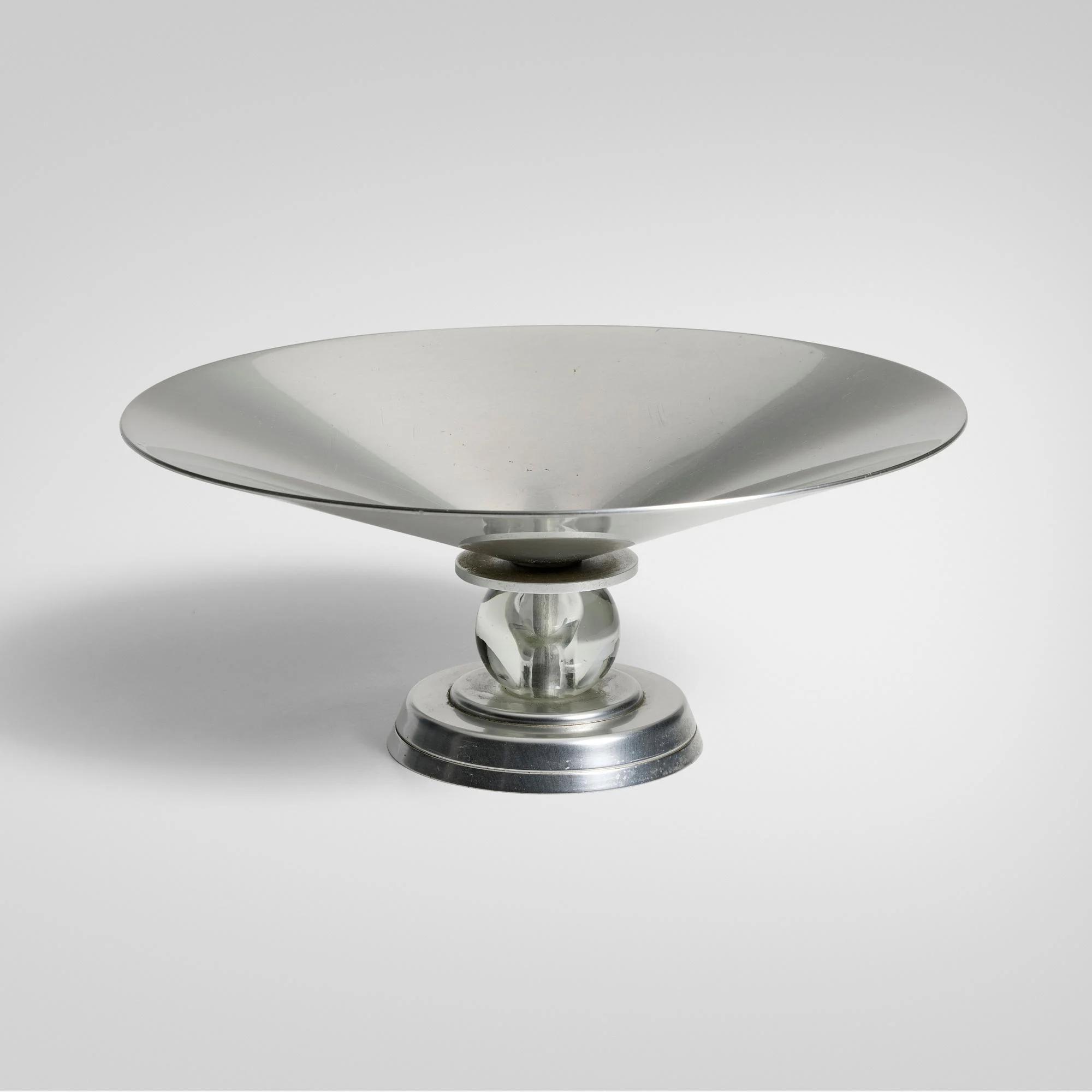
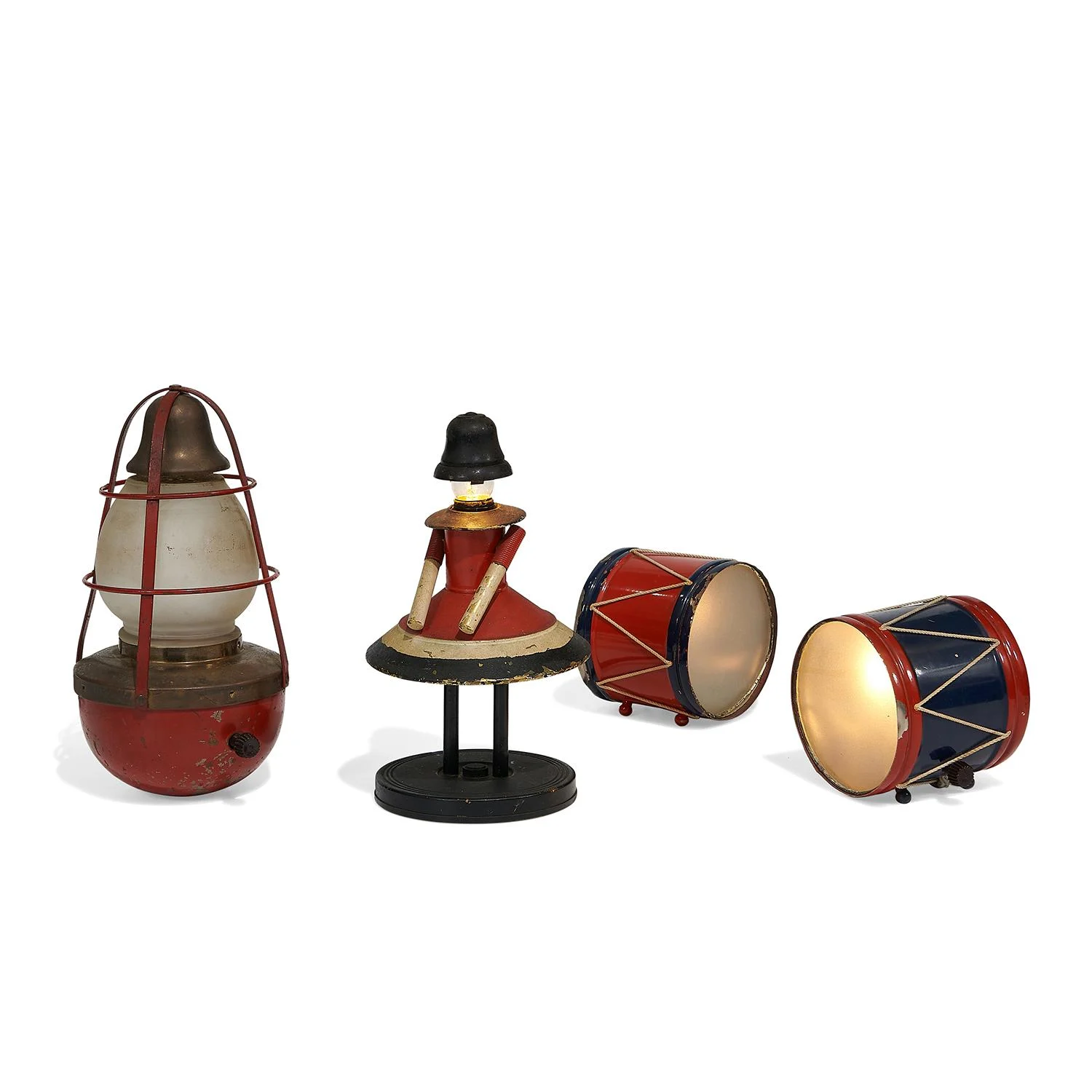

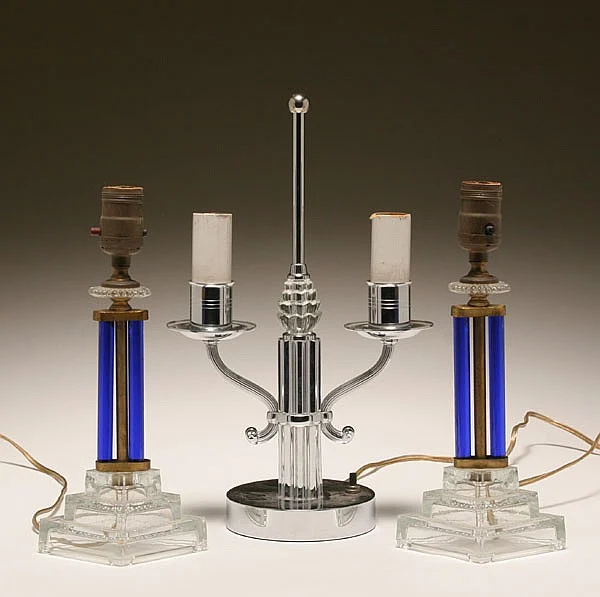
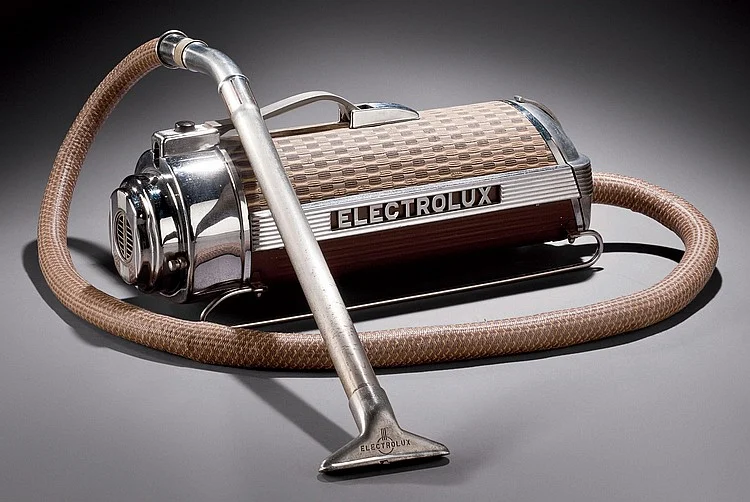
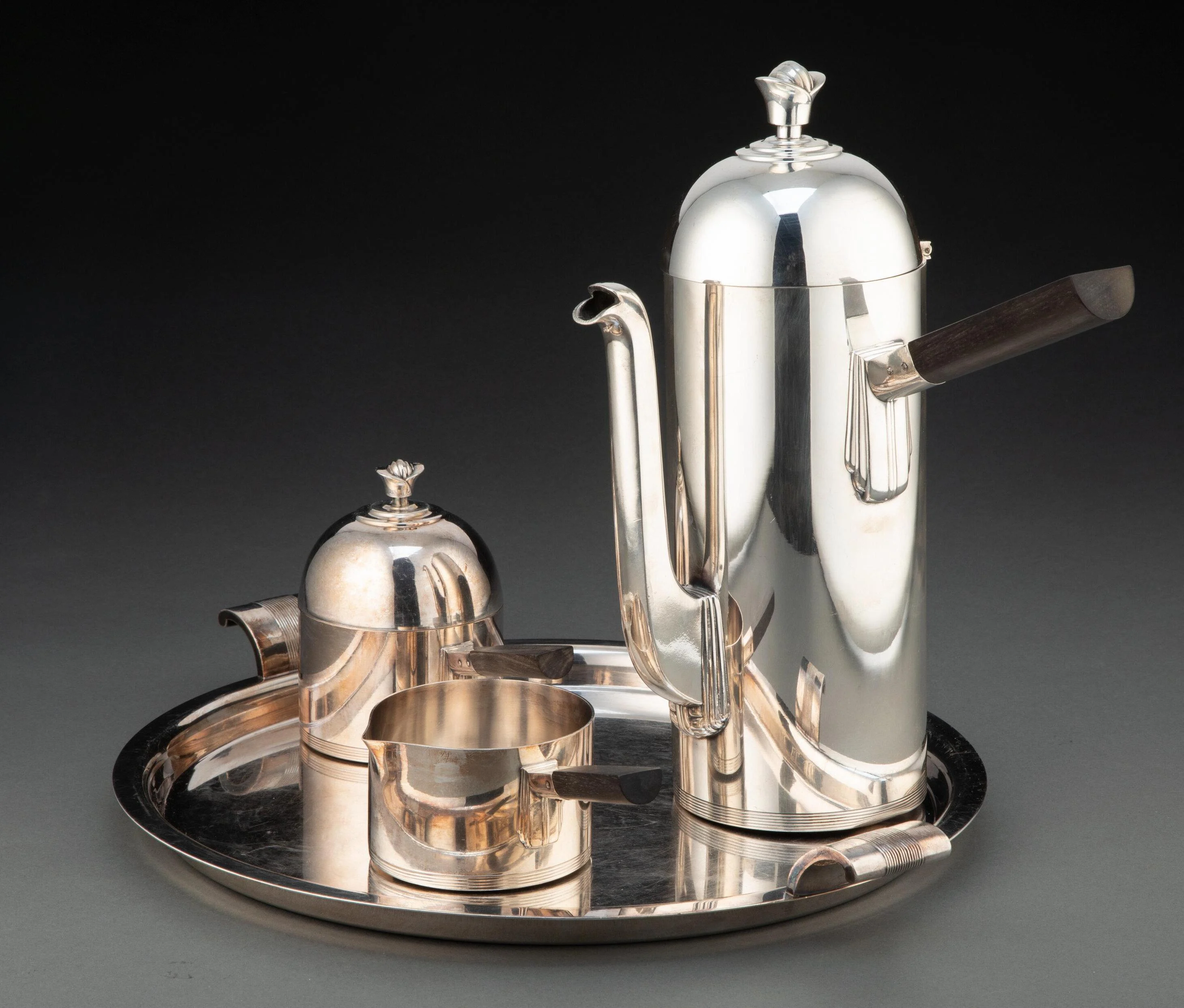

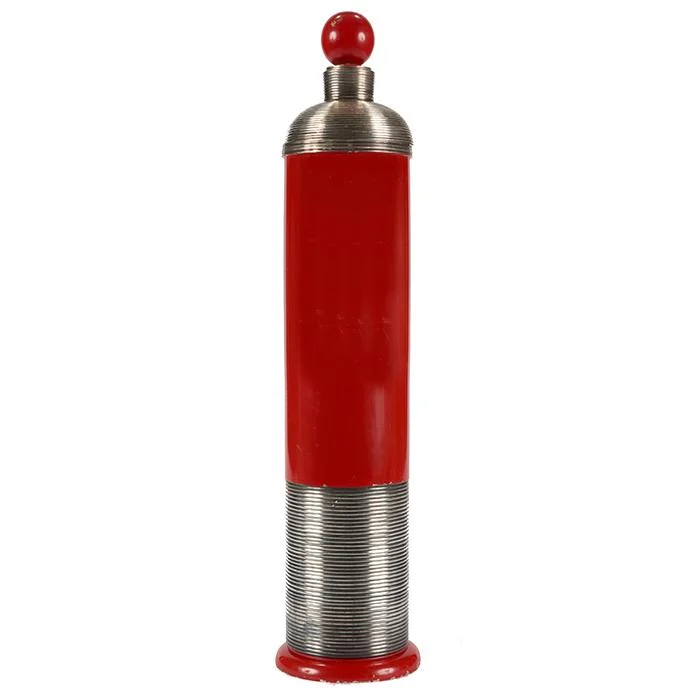
Guild’s approach integrated the sleek, aerodynamic lines of Streamline Moderne with the functional demands of everyday household objects, producing work that merged aesthetics with practical utility. He was deeply informed by historical craft traditions and brought that sensibility to bear on mass-produced aluminum, silver, brass, and copper goods, giving them a refined elegance unusual for industrial production. His exhibit design work, with its use of indirect lighting, graduated color, and extruded aluminum display furniture, extended his modernist vision into spatial and environmental design.
Key Influences
- American Industrial Design: As a founding member of the Society of Industrial Designers, he helped establish the professional frameworks and ethical standards that defined industrial design as a recognized discipline in the United States.
- Streamlined Domestic Objects: His Electrolux vacuum cleaner became a defining object of Streamline Moderne design and demonstrated that aerodynamic aesthetics could be applied to household appliances as convincingly as to automobiles and aircraft.
- Aluminum as Design Material: His extensive work for Alcoa and Kensington Ware helped legitimize aluminum as a material for elegant domestic objects, expanding its cultural associations beyond industrial use.
- Product Research and Marketing: His practice of surveying consumers, placing prototypes in retail environments, and patenting designs before assigning them to manufacturers anticipated the research-driven methods of modern product development.
- Corporate Exhibition Design: His showroom and museum designs for Alcoa pioneered the concept of presenting manufactured goods as art objects in purpose-built retail environments, influencing how companies displayed and marketed design.
If you are interested in further stories of the artists who shaped Art Deco, return to our artists page to browse the full directory.
Related Products from ArtDecoCollection.com