
Léon Jallot
Léon Jallot was born in Nantes on January 24, 1874, and became one of the important bridge figures between Art Nouveau and Art Deco in France. He was the son of a marble worker, and from an early age, he was drawn to making things by hand. Unlike many designers of his generation, he did not follow a formal academic path through a major art school. Instead, he built his career through discipline, observation, and direct experience in the workshop. He opened his own studio while still very young and began carving wood and making furniture on his own. That practical independence gave him a rare advantage, because he was not only a designer but also a skilled maker. He experimented broadly with painting, stained glass, ceramics, wood carving, and furniture, developing a full decorative vocabulary rather than limiting himself to one medium. In 1899, he became director of Siegfried Bing’s Art Nouveau workshop in Paris, an important position that placed him at the center of the movement. There, he oversaw production and worked closely with the refined design culture surrounding Bing’s famous gallery. That experience gave him firsthand contact with some of the most admired decorative work of the period. Even so, Jallot was never content to remain within pure Art Nouveau, and very early he began moving away from its floral softness toward a more linear and disciplined style.
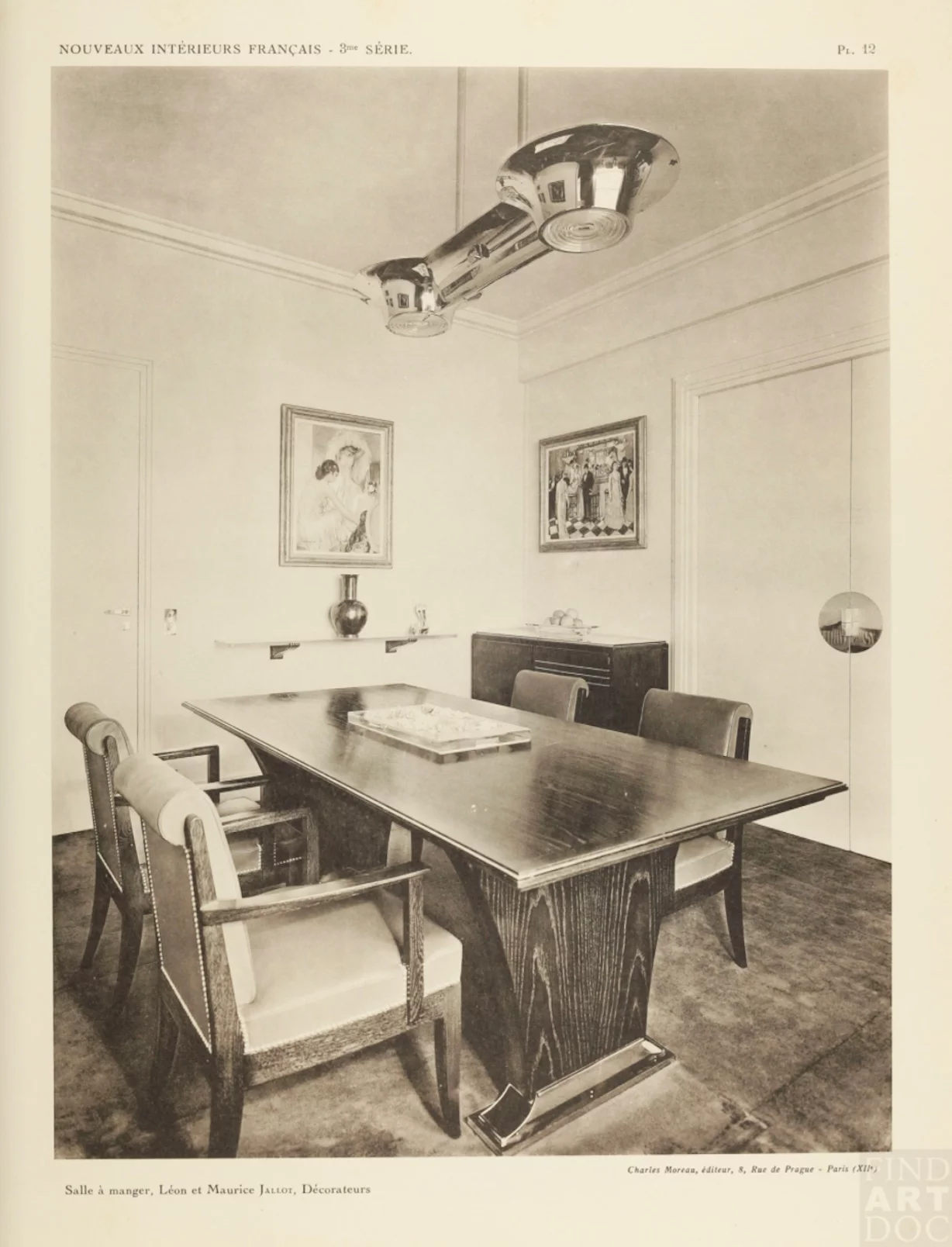
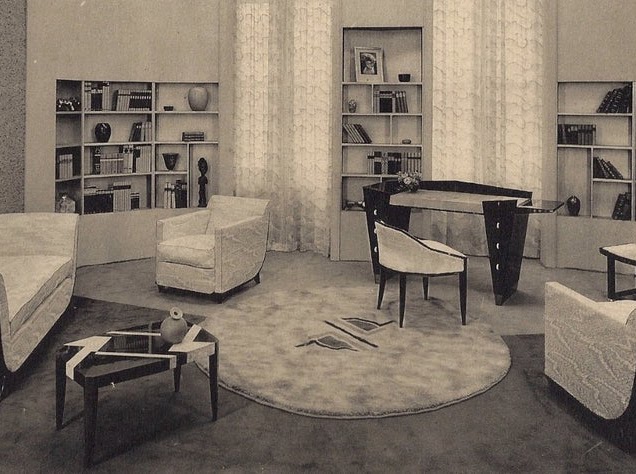

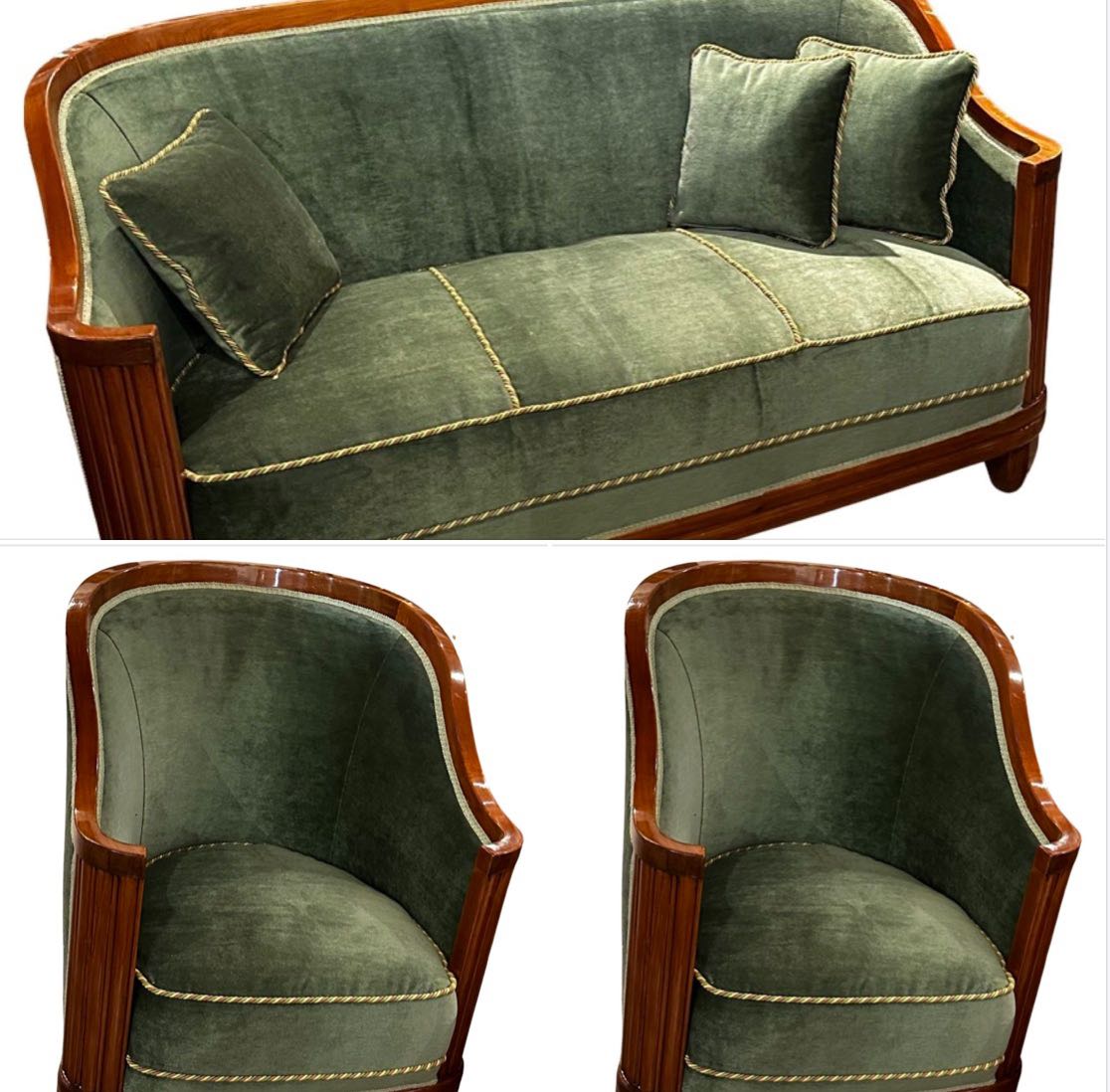
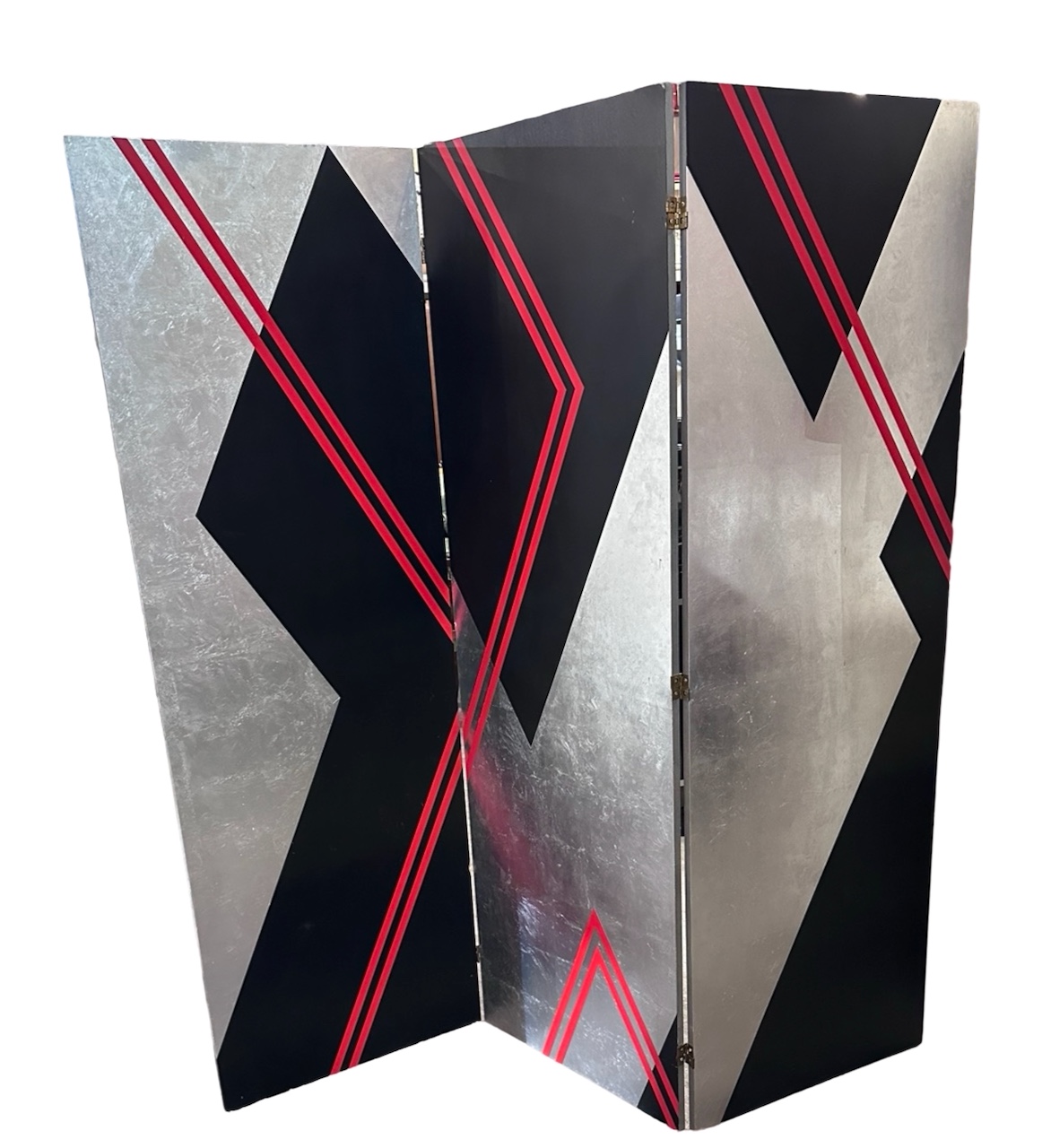
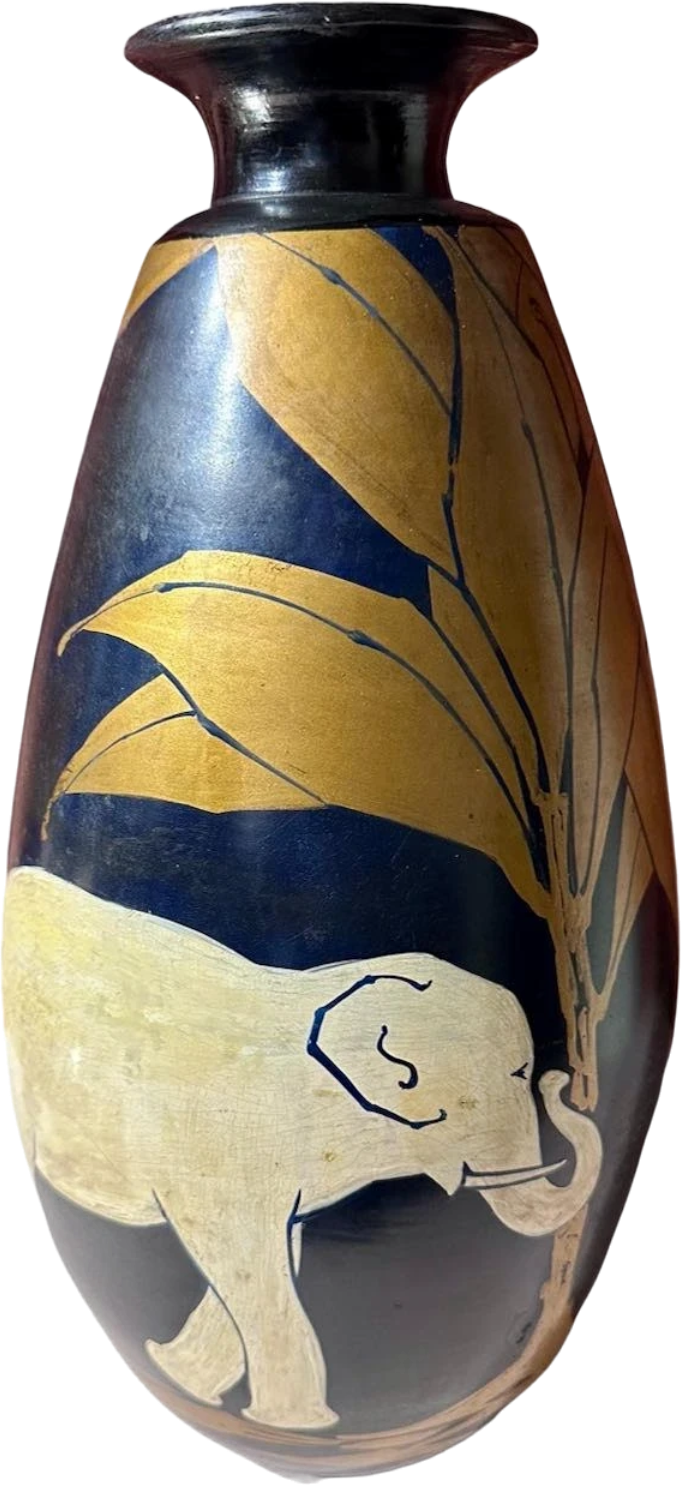
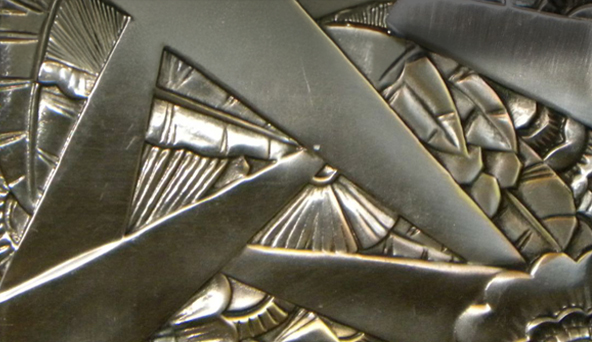
In 1901, Jallot became one of the founding members of the Salon des Artistes Décorateurs, which would become one of the major platforms for French decorative design in the first half of the twentieth century. Two years later, he established his own decoration workshop, where he designed and produced furniture, fabrics, carpets, tapestries, glassware, lacquer work, and folding screens. His early work already showed a different direction from many Art Nouveau designers, since he reduced ornament and relied increasingly on the beauty of materials and line. From 1904 onward, he often let the grain of the wood itself become part of the decoration, which gave his pieces a quieter and more structural elegance. This move toward linearism made him one of the first designers of his generation to point naturally toward Art Deco. His work was shown at the Salons of the Société Nationale des Beaux Arts, the Salon d’Automne, and the annual exhibitions of the Société des Artistes Décorateurs. In 1921, his son Maurice joined him, and together they developed a more modern furniture language with simple forms, flat surfaces, and luxurious finishes in lacquer, leather, and shagreen. At the 1925 Paris Exposition, they contributed furniture for major presentations including the French Embassy pavilion and the Hôtel du Collectionneur, placing them firmly within the world of high Art Deco. During the 1920s, father and son also began introducing synthetic materials and metal into their designs, showing that Jallot could adapt without losing his craftsmanship. Even in the 1930s, when he created carved decorative panels and screens in bas relief covered in polychrome lacquer on gold grounds, his work remained balanced between handcraft and modern refinement. He retired in the 1940s, but by then he had already secured a place as an important designer whose career traced the transition from Art Nouveau to Art Deco with unusual clarity.
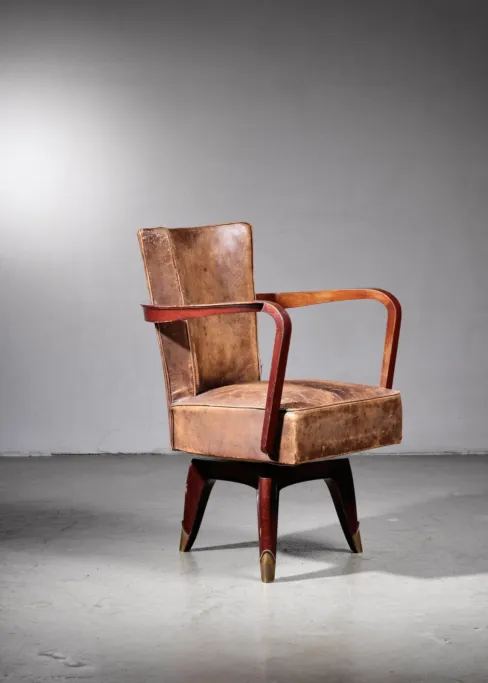
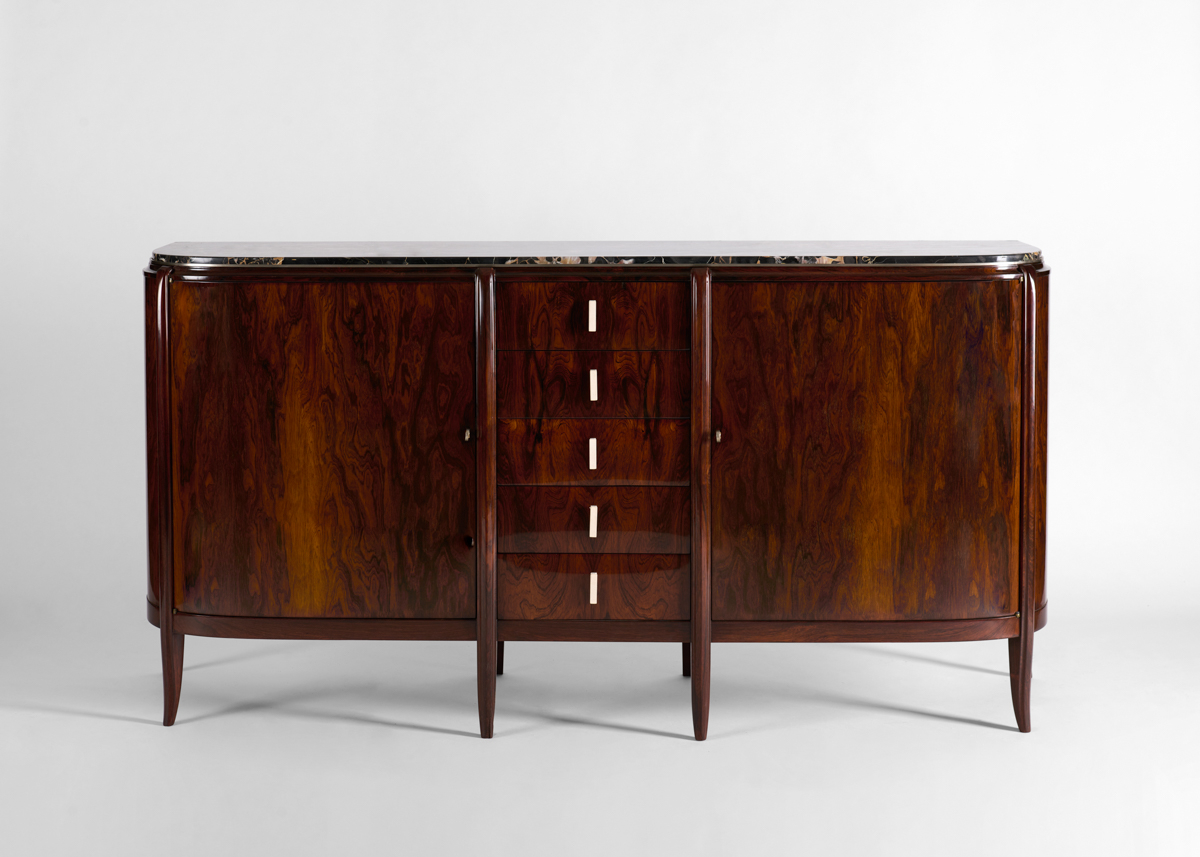

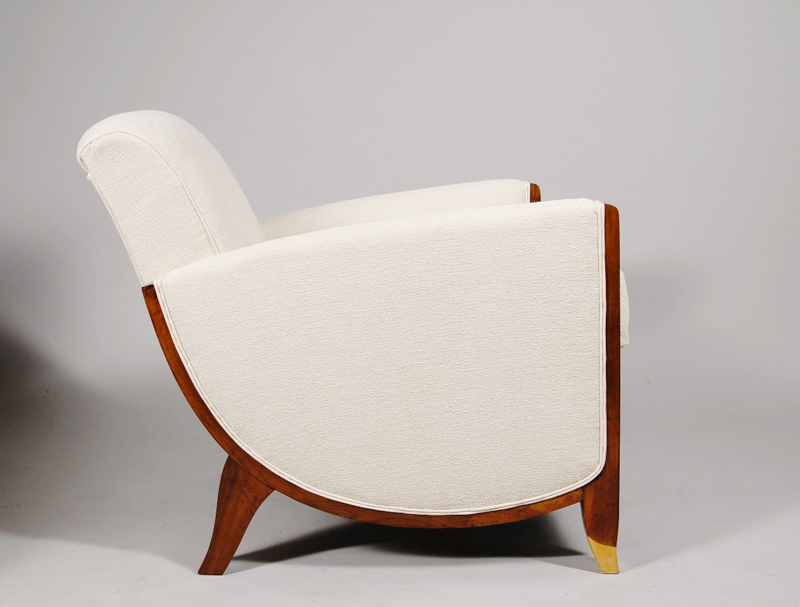
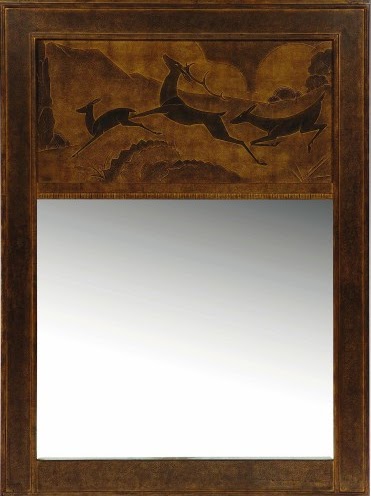
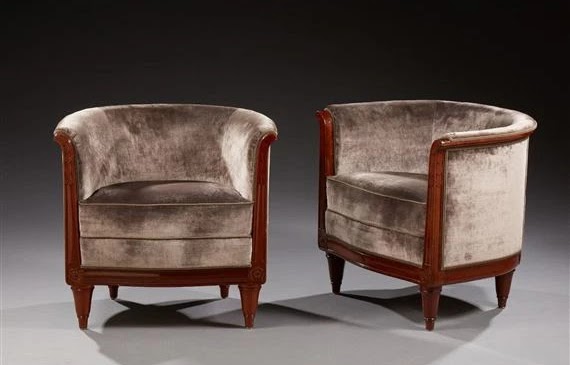
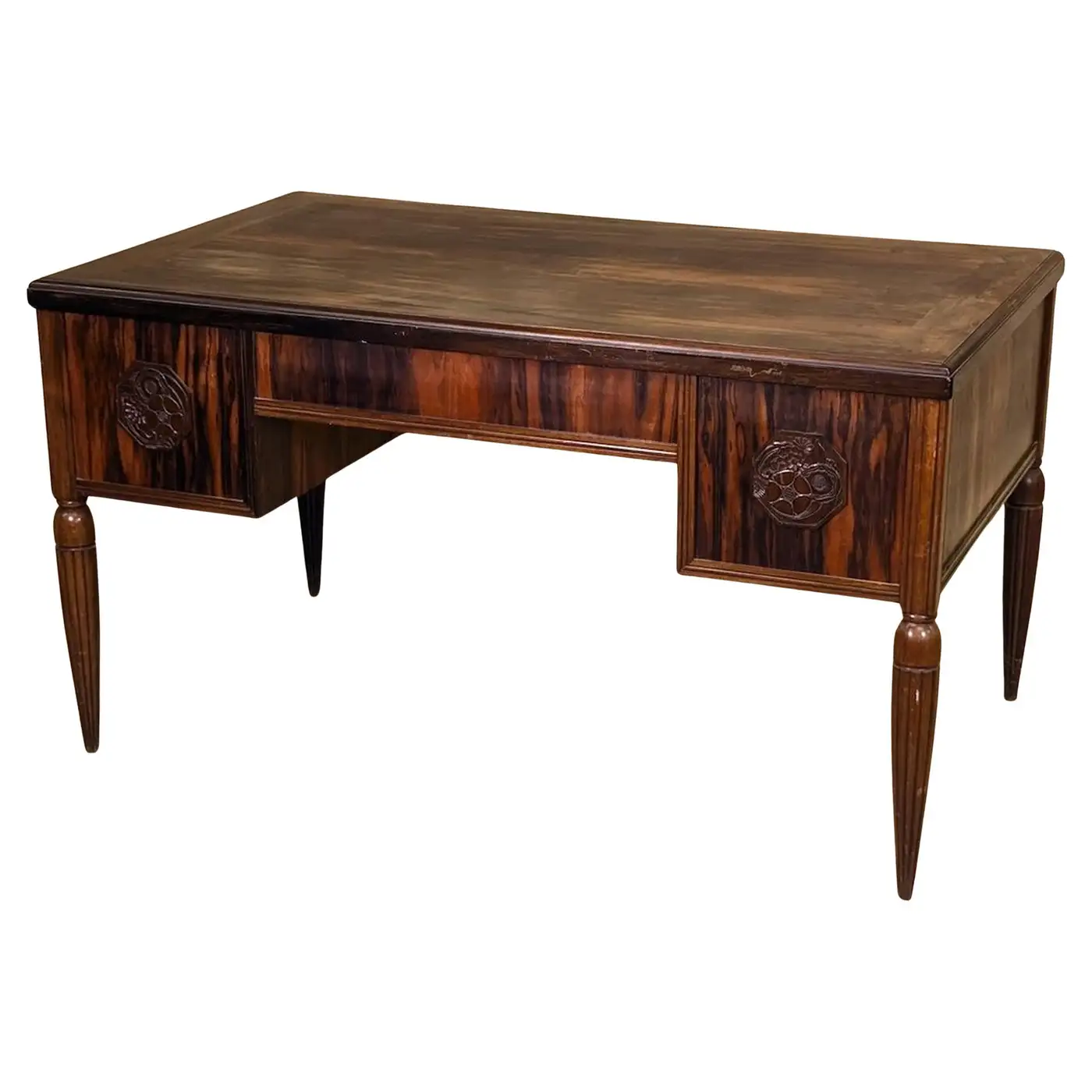
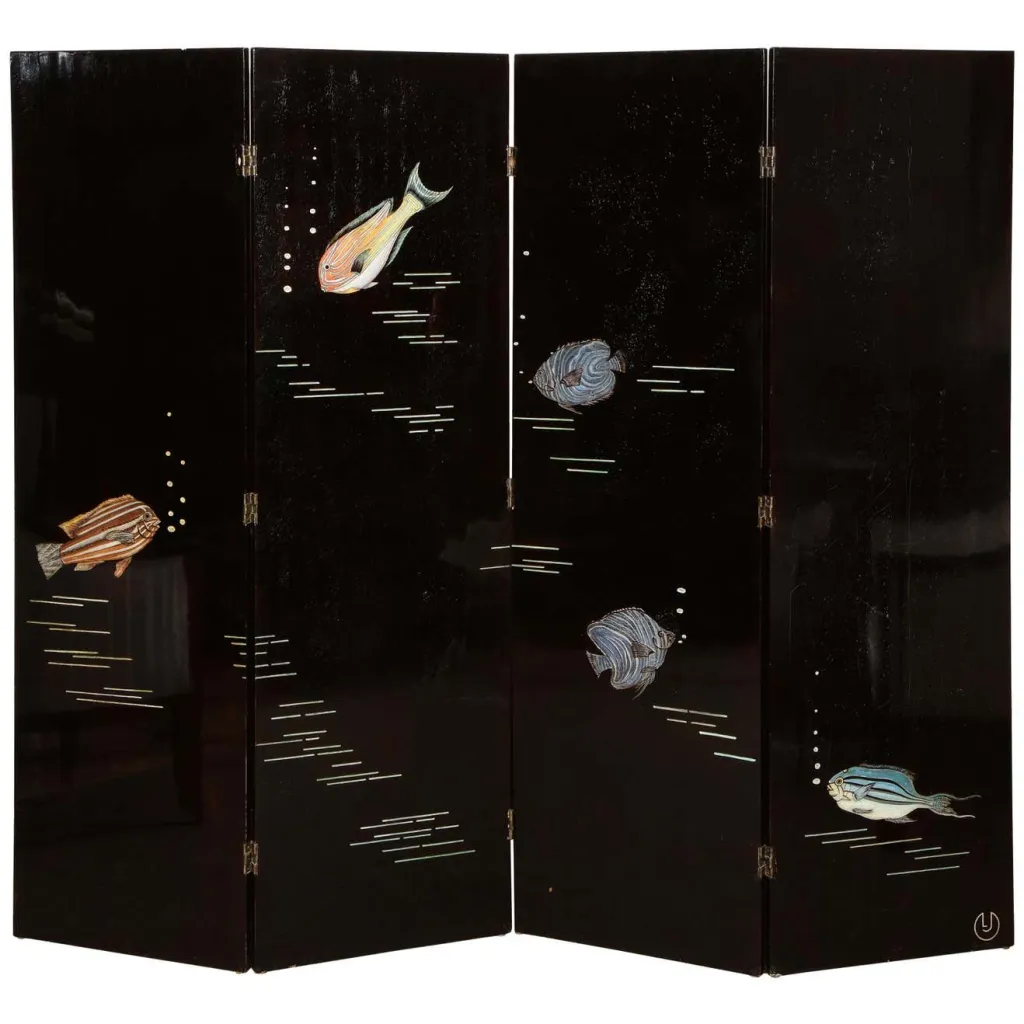
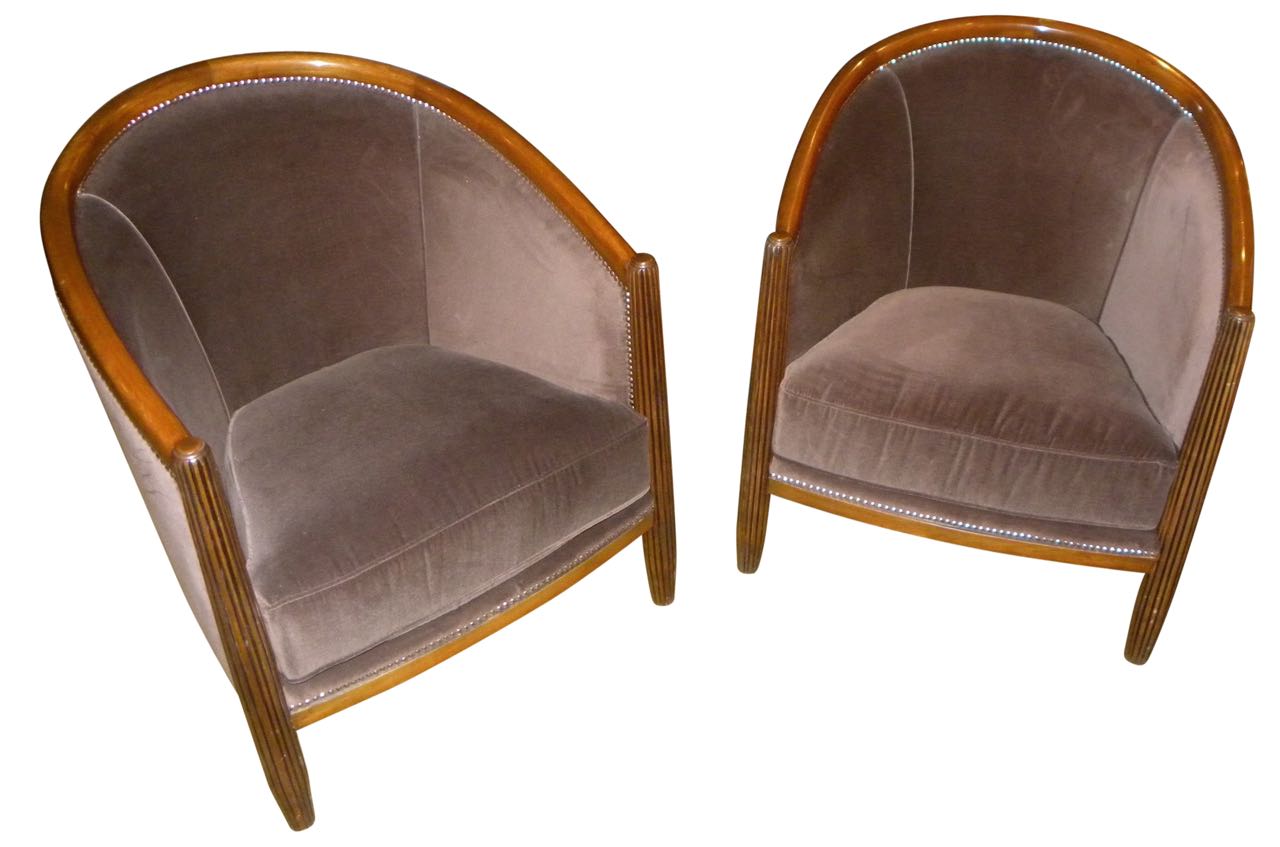
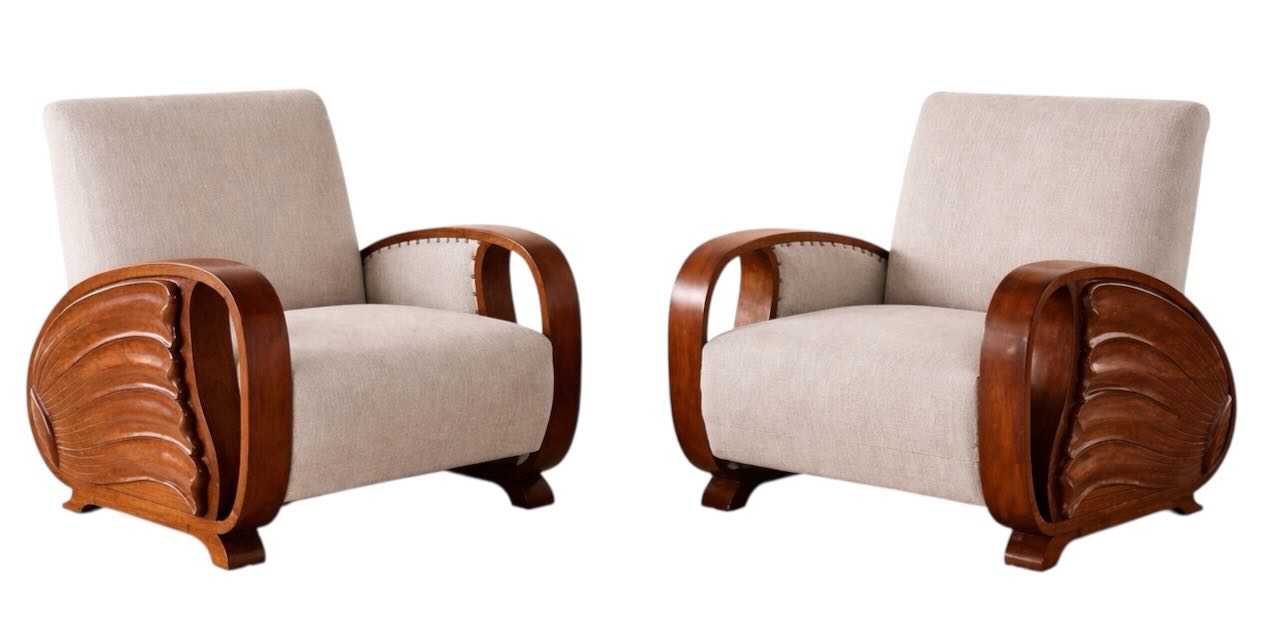
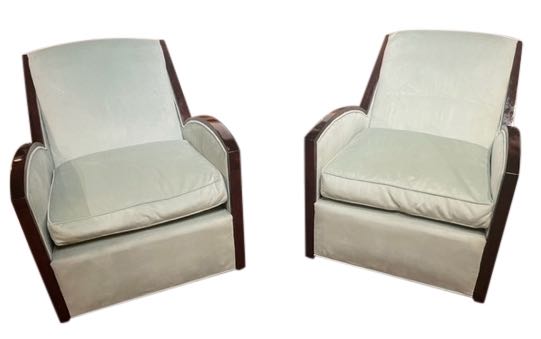
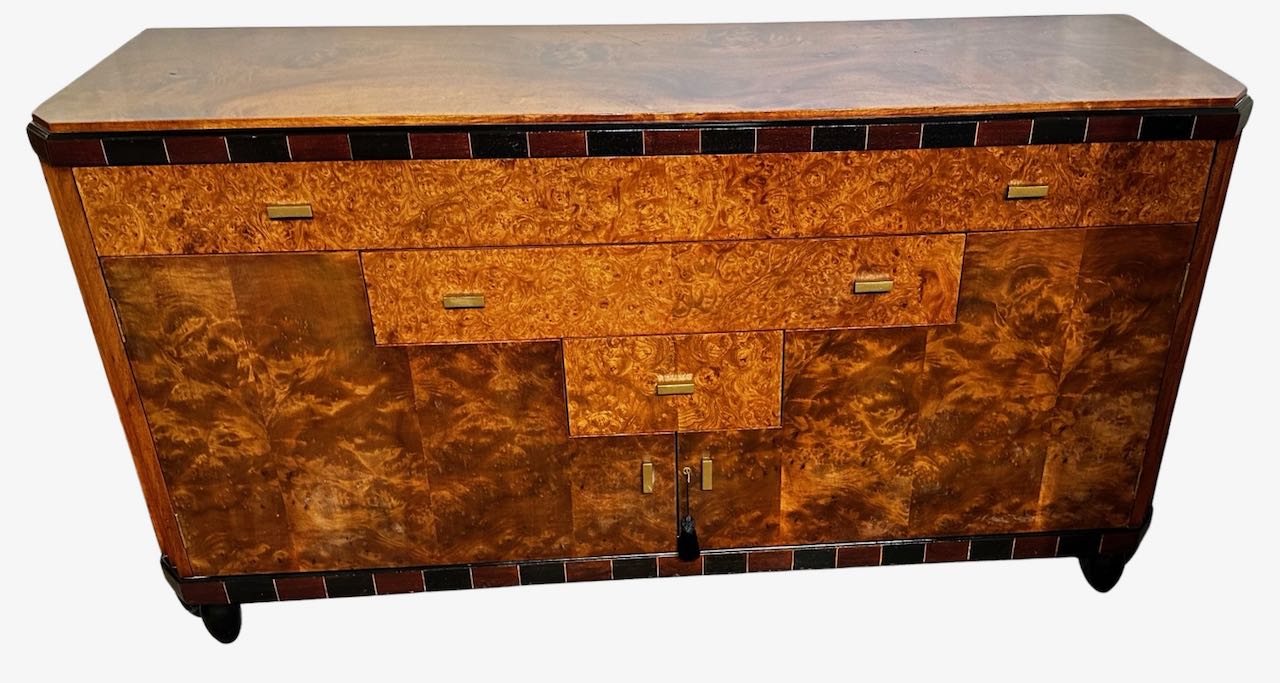
Jallot’s style combined the authority of a master cabinetmaker with the restraint of a modern designer. He gradually moved away from floral ornament and toward linear surfaces, rich materials, and carefully controlled decoration. His furniture often relied on strong structure, elegant proportions, and refined finishes rather than excess embellishment. Leather, shagreen, lacquer, carved wood, and later metal and synthetic materials gave his work both luxury and modernity. He helped define a version of French Art Deco that was rooted in craftsmanship but open to new forms and materials.
Key Influences
- Workshop Craftsmanship: Because he could carve and execute his own designs, Jallot approached furniture with the authority of a maker as well as a decorator.
- Siegfried Bing and Art Nouveau Paris: His years directing Bing’s workshop placed him inside the most influential decorative circles of turn-of-the-century Paris.
- Linearism over Floral Ornament: Jallot was one of the first Art Nouveau figures to reject heavy floral motifs and move toward the cleaner lines that shaped Art Deco.
- Luxury Materials: Wood grain, lacquer, leather, shagreen, and later metal gave his furniture richness without relying on excessive decoration.
- Collaboration with Maurice Jallot: Working with his son helped modernize the family workshop and brought new materials and a stronger Art Deco character into the designs.
If you are interested in further stories of the artists who shaped Art Deco, return to our artists page to browse the full directory.
Related Products