
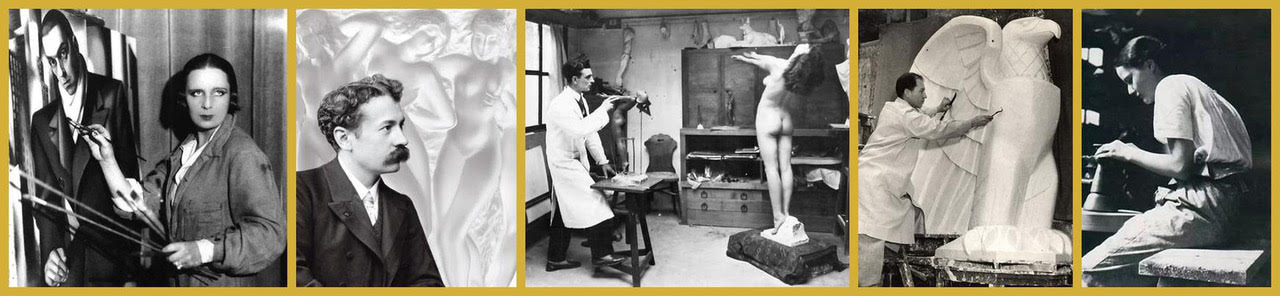
Le Corbusier
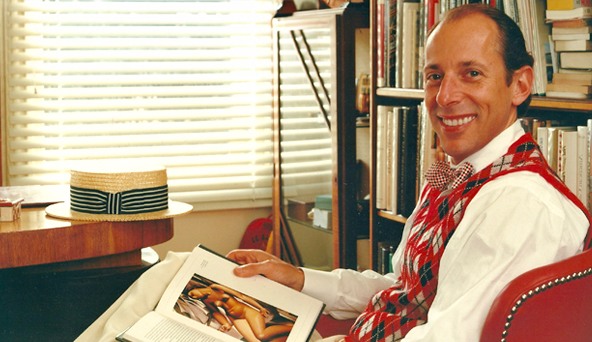
Charles-Édouard Jeanneret-Gris was born on October 6, 1887, in La Chaux-de-Fonds, a small town in the mountainous Swiss Jura region, since the 18th century the world’s center of precision watchmaking. He trained initially as an engraver and gilder before switching to painting under Charles L’Eplattenier, who introduced him to architecture. He undertook apprenticeships under modernist architects Auguste Perret and Peter Behrens during extensive travels across Europe. Settling in Paris in 1917, he met the painter Amédée Ozenfant, with whom he developed Purism, a restrained offshoot of Cubism, and together they founded the influential magazine L’Esprit Nouveau in 1920. It was in that magazine’s first issue that he adopted the pseudonym Le Corbusier, derived from his grandfather’s name Lecorbésier, deliberately distancing himself from his provincial roots as he established a global architectural identity. In 1922 he partnered with his cousin Pierre Jeanneret to found a joint architectural practice, a professional and personal relationship that lasted twenty years until it was interrupted by World War II, during which Pierre joined the French Resistance while Le Corbusier remained in France. Le Corbusier died on August 27, 1965, in Cap Martin, France, drowning while swimming near the villa he had built for himself on the Mediterranean coast.
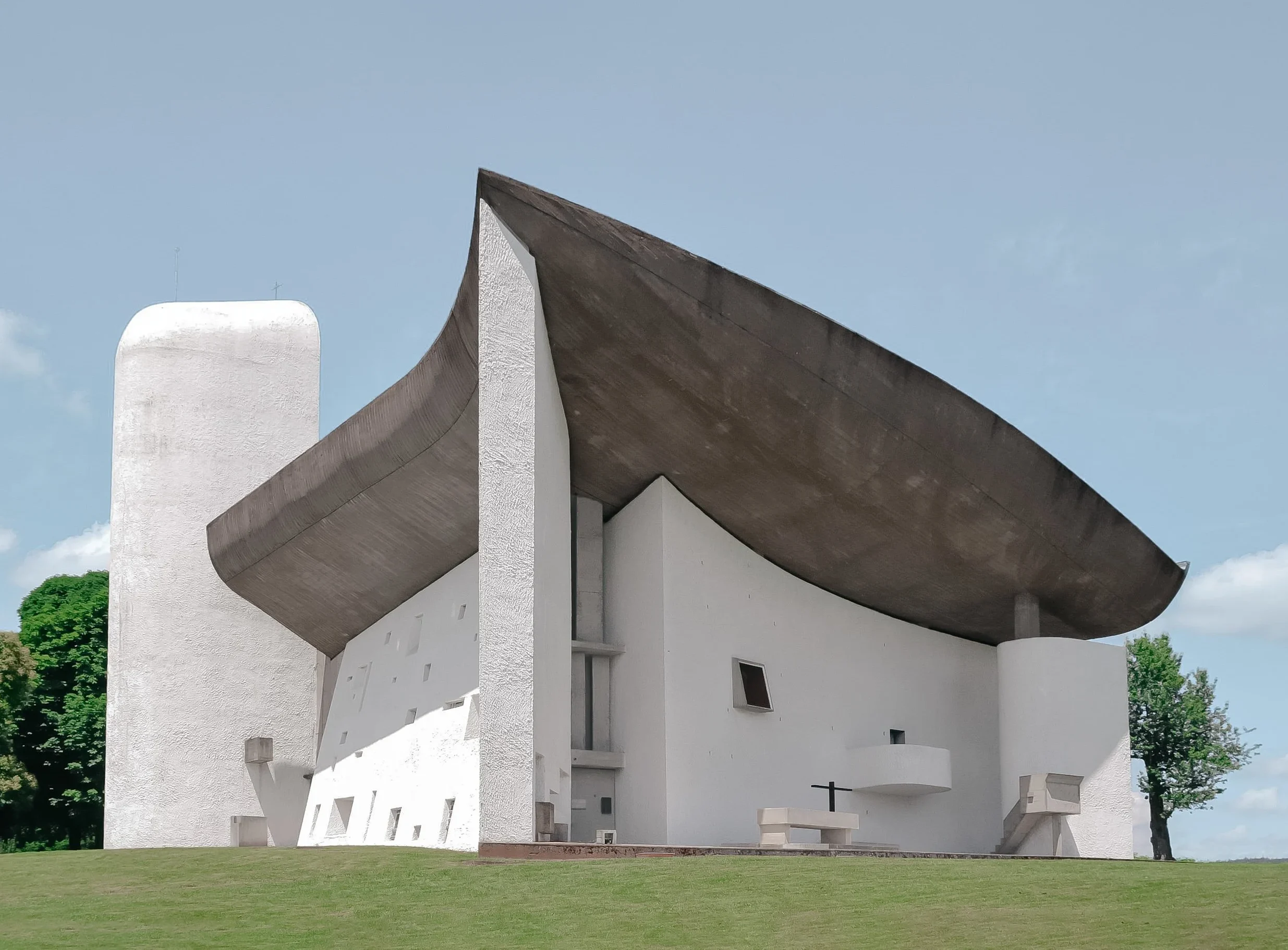
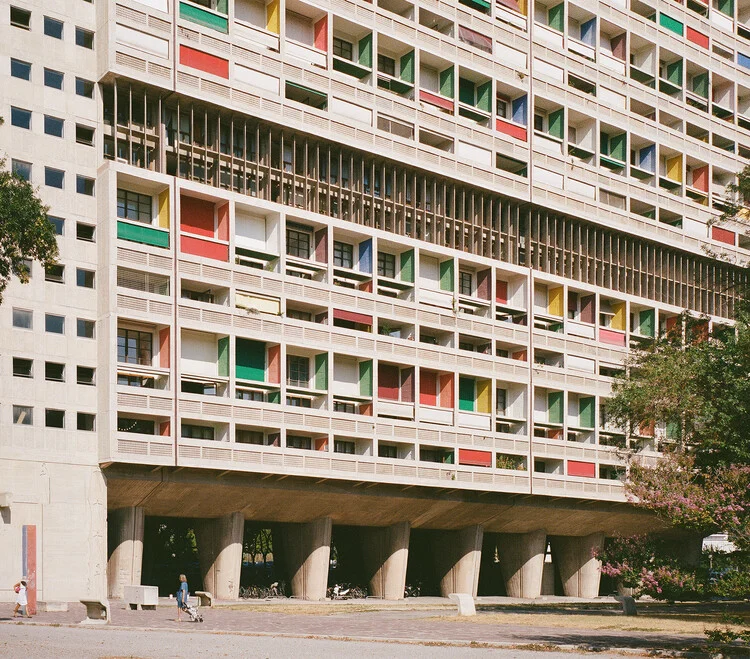

Le Corbusier’s 1923 book Vers une Architecture, or Towards a New Architecture, became a seminal reference for modernists worldwide, outlining his celebrated Five Points of Modern Architecture: pilotis, or structural columns raising a building off the ground, free-form open-plan layouts, facades free from grids and symmetry, horizontal ribbon windows, and accessible roof terraces. These principles found their fullest early expression in Villa Savoye, completed near Paris, and in the Villa La Roche, designed with Pierre Jeanneret between 1923 and 1925 to unite a private residence with an art gallery for collector Raoul La Roche. He served as secretary of the French section of the International Congresses of Modern Architecture, playing an influential role in shaping the organization’s foundational declarations on modern architectural principles. His postwar work grew more sculptural and monumental, exemplified by the Unité d’Habitation in Marseille, a landmark model for modernist mass housing, and the Chapel of Notre-Dame du Haut in Ronchamp. He was given the extraordinary opportunity to design an entire city from scratch at Chandigarh in India, where he designed the Palace of Justice, the Secretariat, and the Palace of Assembly using unfinished concrete, enormous concrete sunshades, and monumental ramps that influenced architects around the world. His later international commissions included the National Museum of Western Art in Tokyo, completed in 1960, and the Carpenter Visual Art Center at Harvard University, completed in 1964. In 2016, seventeen of his architectural works were named UNESCO World Heritage sites.
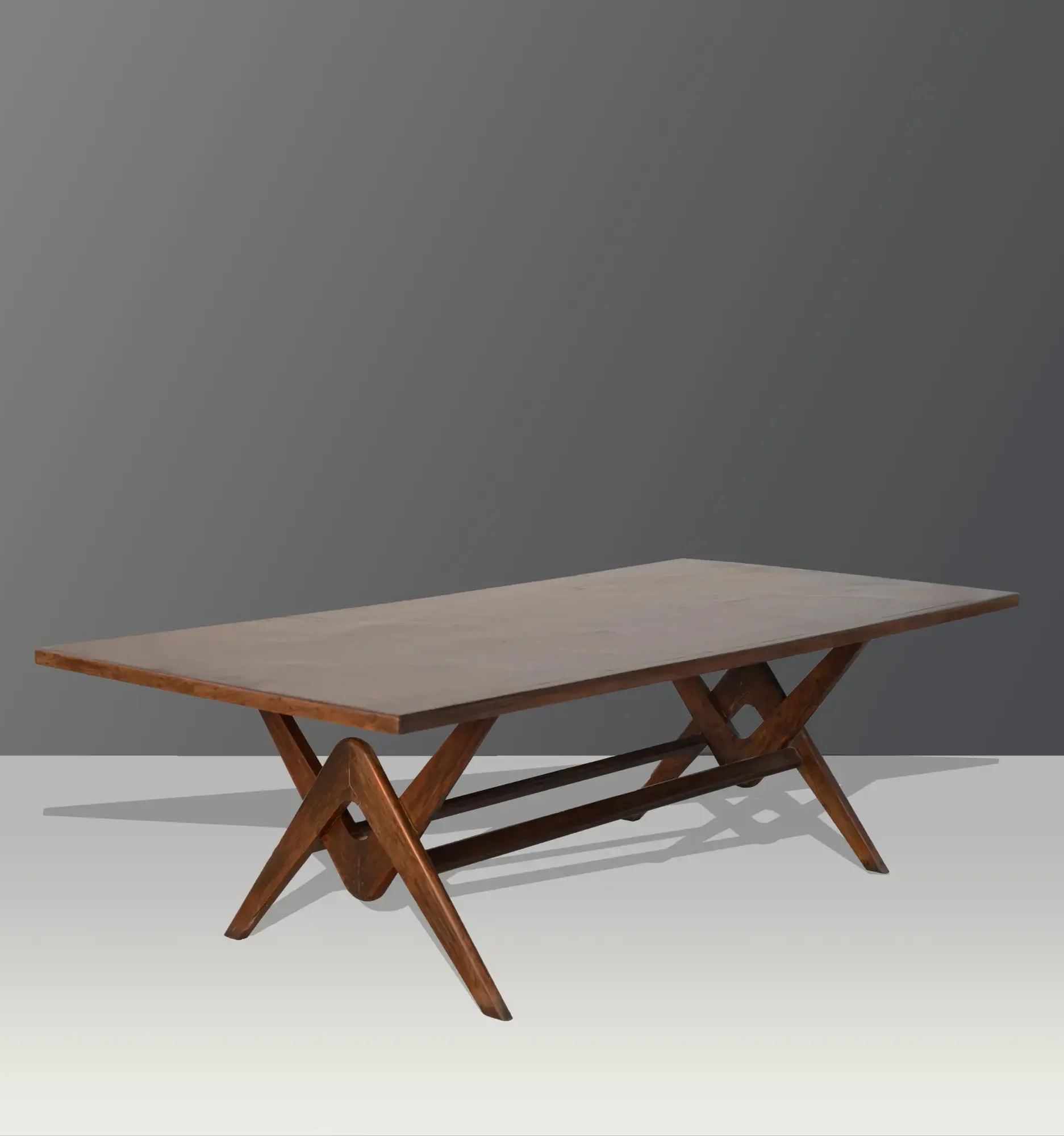
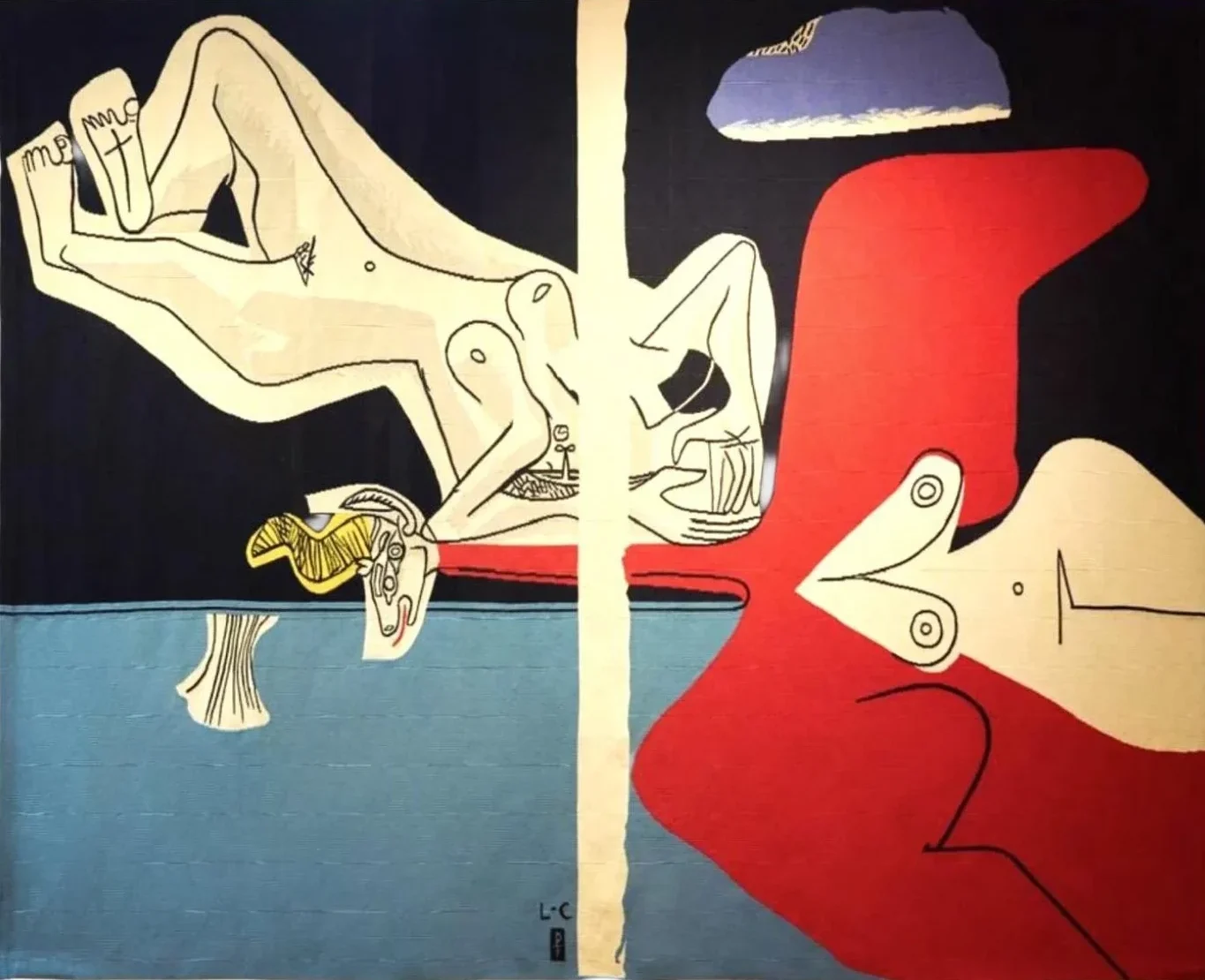
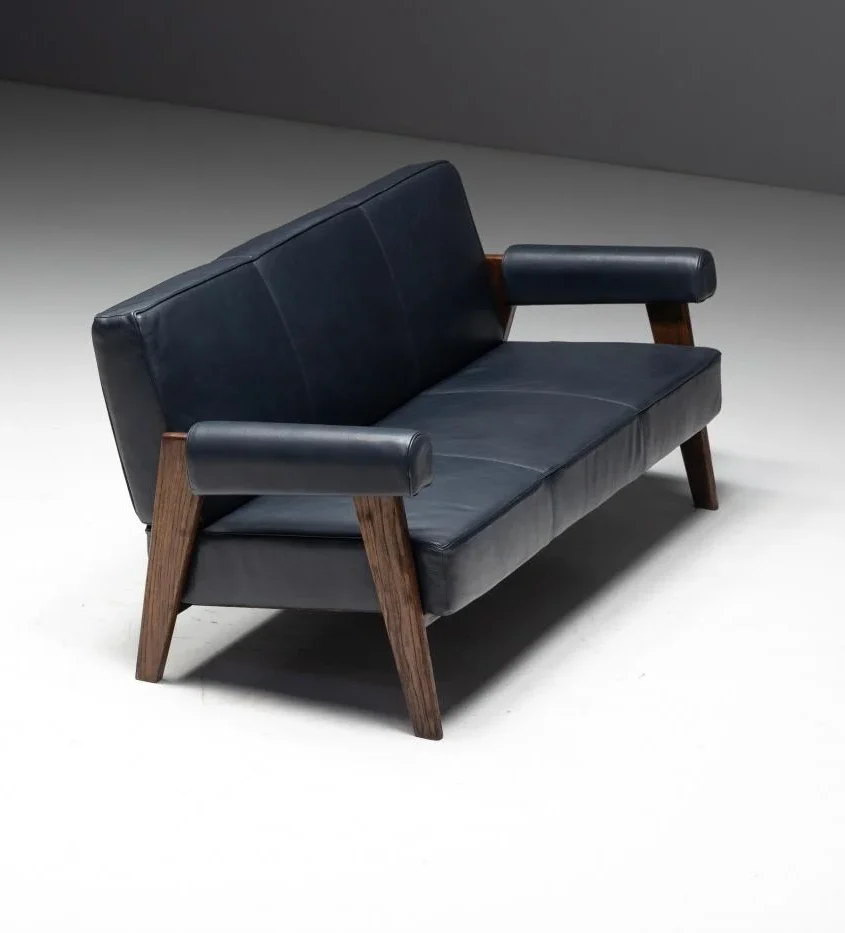
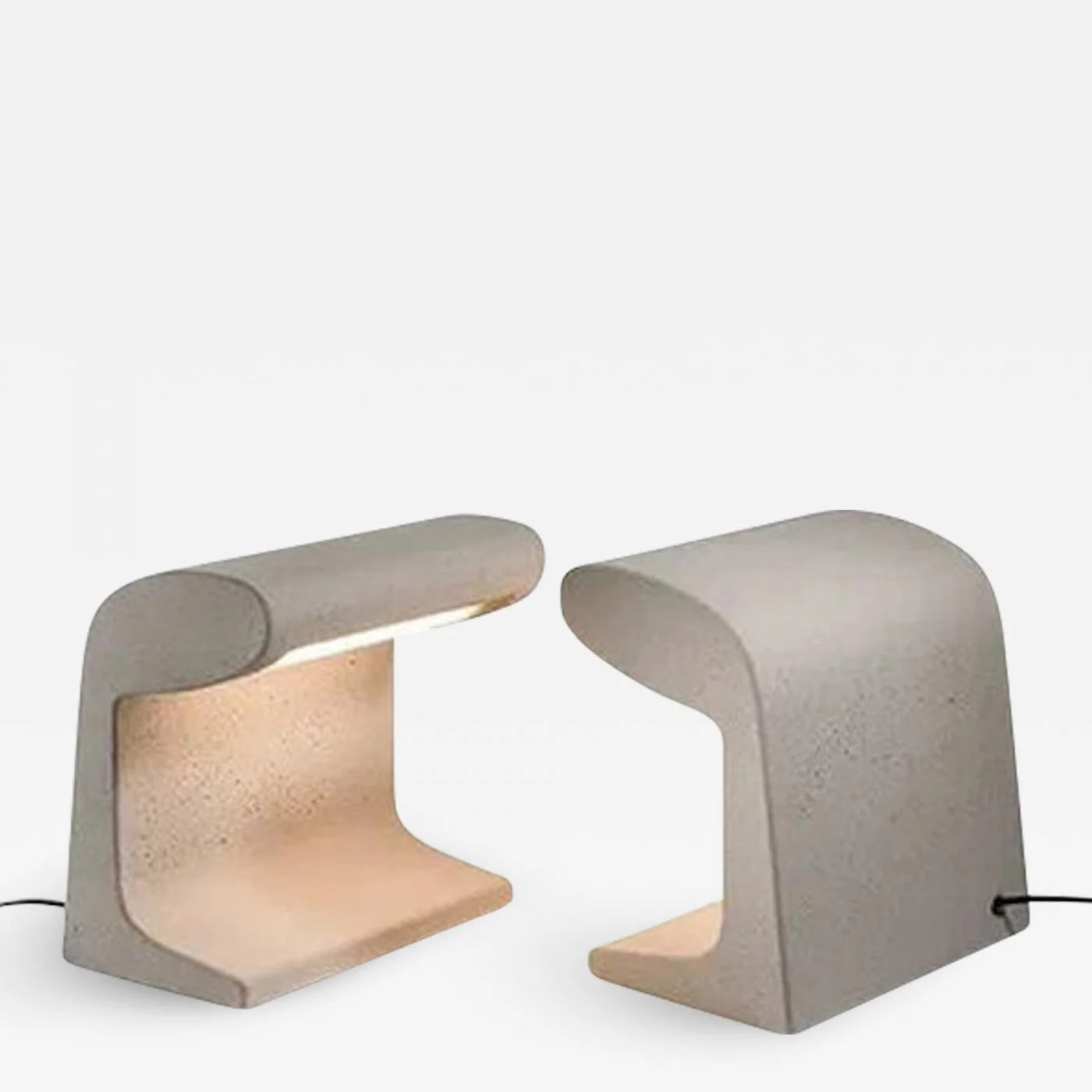

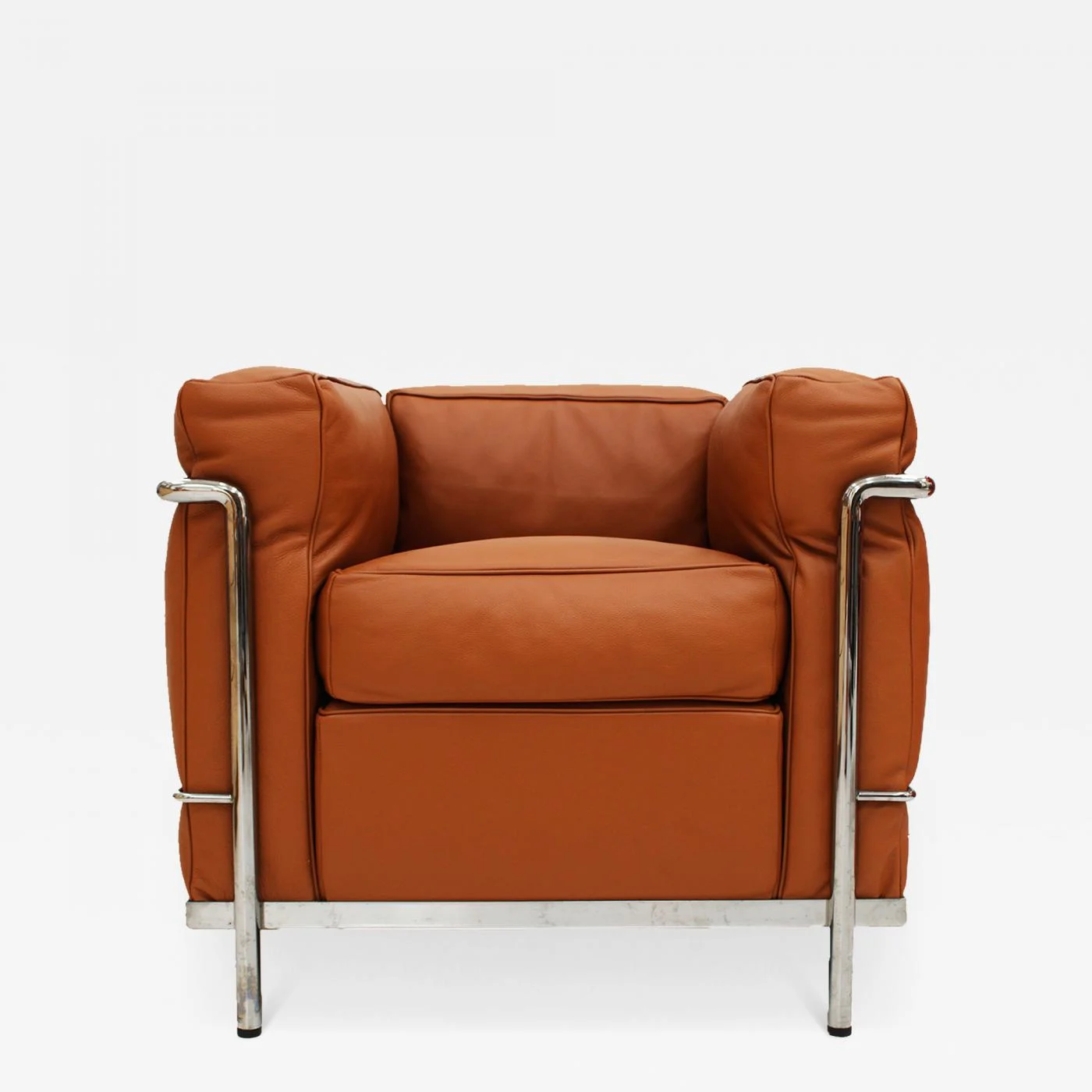
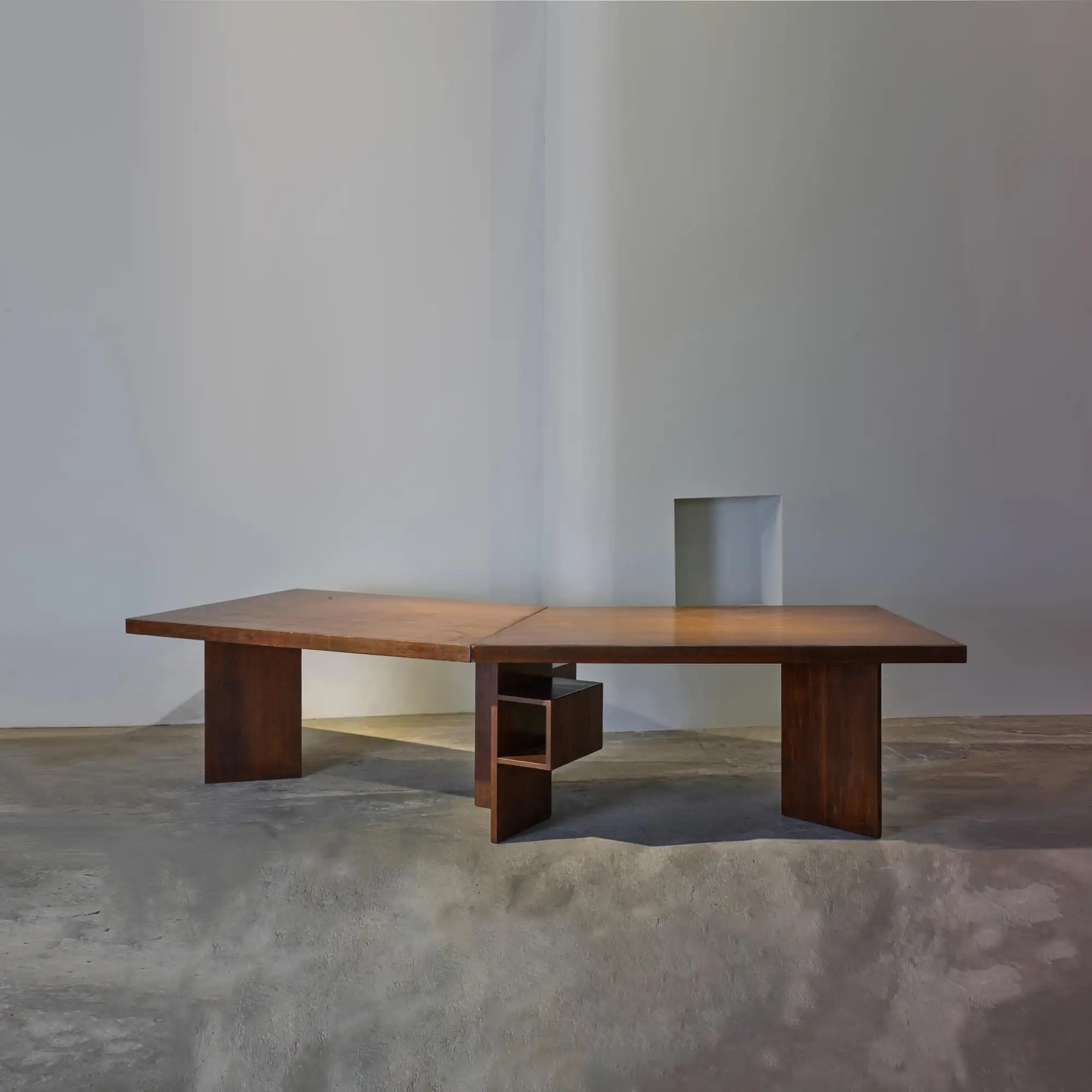

Le Corbusier’s architecture combined the functionalist aspirations of his generation with a strong sense of sculptural expressionism, and he was the first architect to make studied use of rough-cast concrete, a technique that satisfied his taste for both asceticism and bold form. His designs were characterized by geometric clarity, open efficient spaces, and minimal ornamentation, principles he articulated theoretically through his Five Points and later refined through the Modulor, a scale of harmonic measures developed during World War II that set architectural proportions in relation to human stature. As his career progressed, his work moved from the crisp, machine-age purism of his early houses toward the swooping rooflines and monumental concrete forms of his late civic architecture.
Key Influences
- Five Points of Architecture: His foundational theoretical framework became the essential rulebook for 20th-century modernist architecture and remains taught in architecture schools worldwide.
- International Style: As the most prominent propagandist of the modern movement through his writings and buildings, he helped establish modernism as the dominant global architectural philosophy of the 20th century.
- Chandigarh: His design of an entire city for the newly independent India demonstrated the scale of ambition modernist urban planning could achieve and remains one of the most complete realizations of his civic vision.
- The Modulor: His proportioning system attempted to place the human body back at the center of architectural design, influencing how subsequent architects approached scale and human-centered planning.
- CIAM and Global Modernism: His leadership within the International Congresses of Modern Architecture helped codify and disseminate modernist principles to architects across the world.
If you are interested in further stories of the artists who shaped Art Deco, return to our artists page to browse the full directory.

Related Products from ArtDecoCollection.com