
Josef Gočár
Josef Gočár was born on March 13, 1880, in Semín near Přelouč in eastern Bohemia, the son of a brewery owner. His family moved to the spa town of Bohdaneč in 1891, and he later went to Prague to study at the State Technical School before attending the School of Applied Arts under Jan Kotěra, the founder of modern Czech architecture. He worked in Kotěra’s studio from 1906 to 1908, and the relationship was decisive; when Kotěra died in 1924, Gočár was chosen to succeed him as professor at the Academy of Fine Arts in Prague, becoming the institution’s president in 1928. He joined the Mánes Union of Fine Arts but left it in 1911 to become the first chairman of the Cubist Group of Visual Artists, and in 1912 co-founded the Prague Art Workshops for Cubist furniture with Pavel Janák and others. He famously let his work do the talking, believing that “whoever says too much feels too little.” Gočár died on September 10, 1945, in Jičín and is buried in Prague’s Slavín Cemetery at Vyšehrad alongside some of the most prominent figures in Czech history.
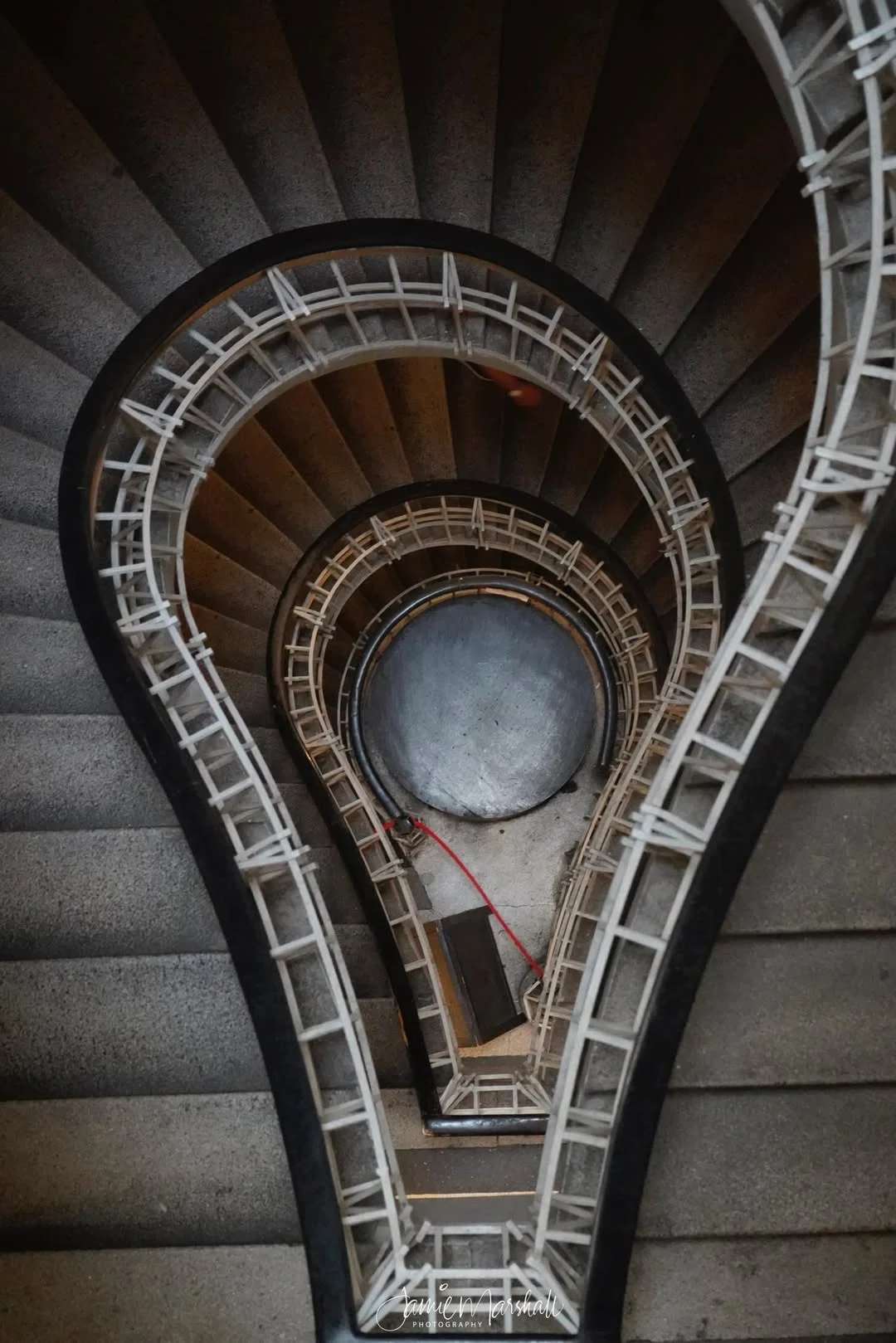
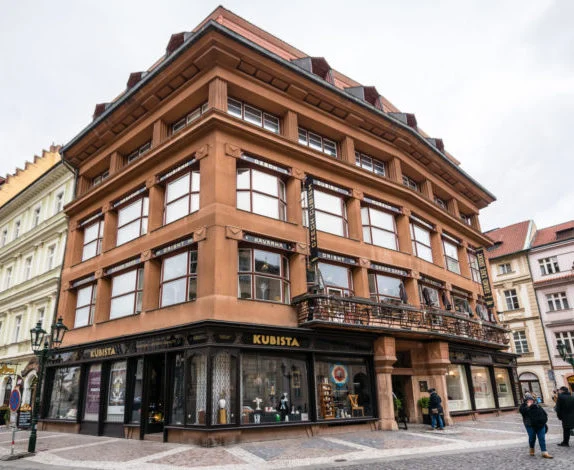
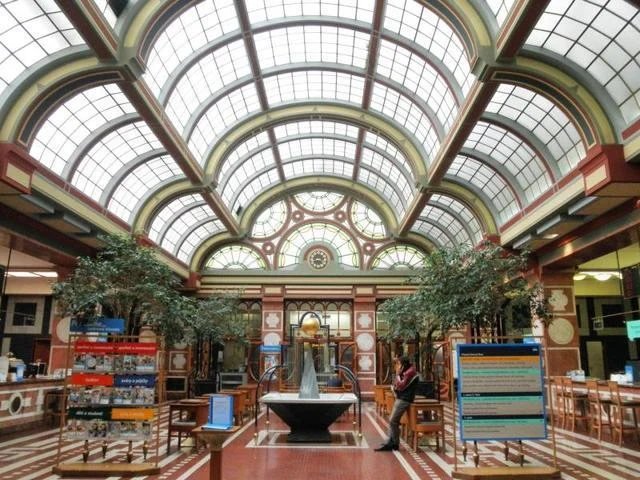
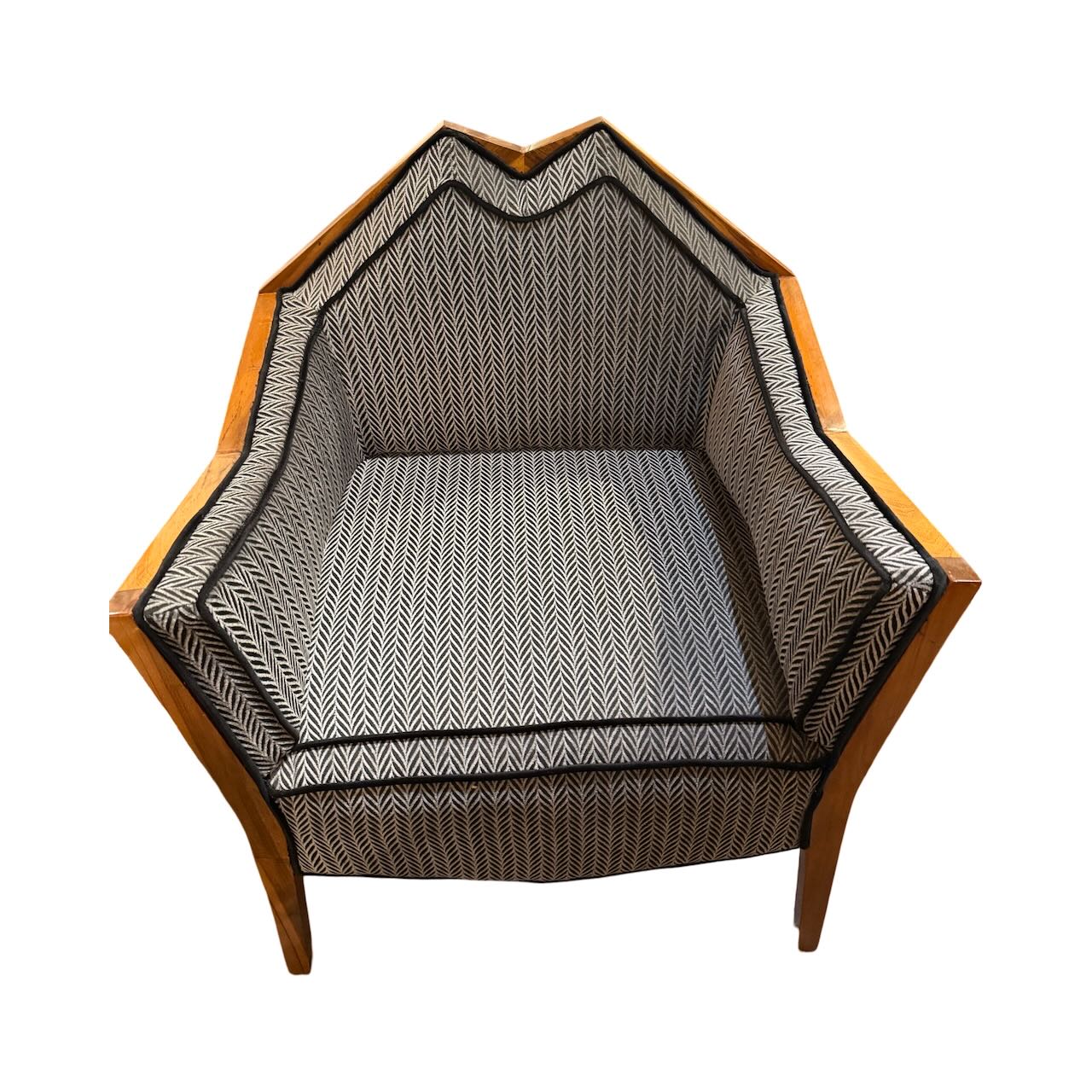
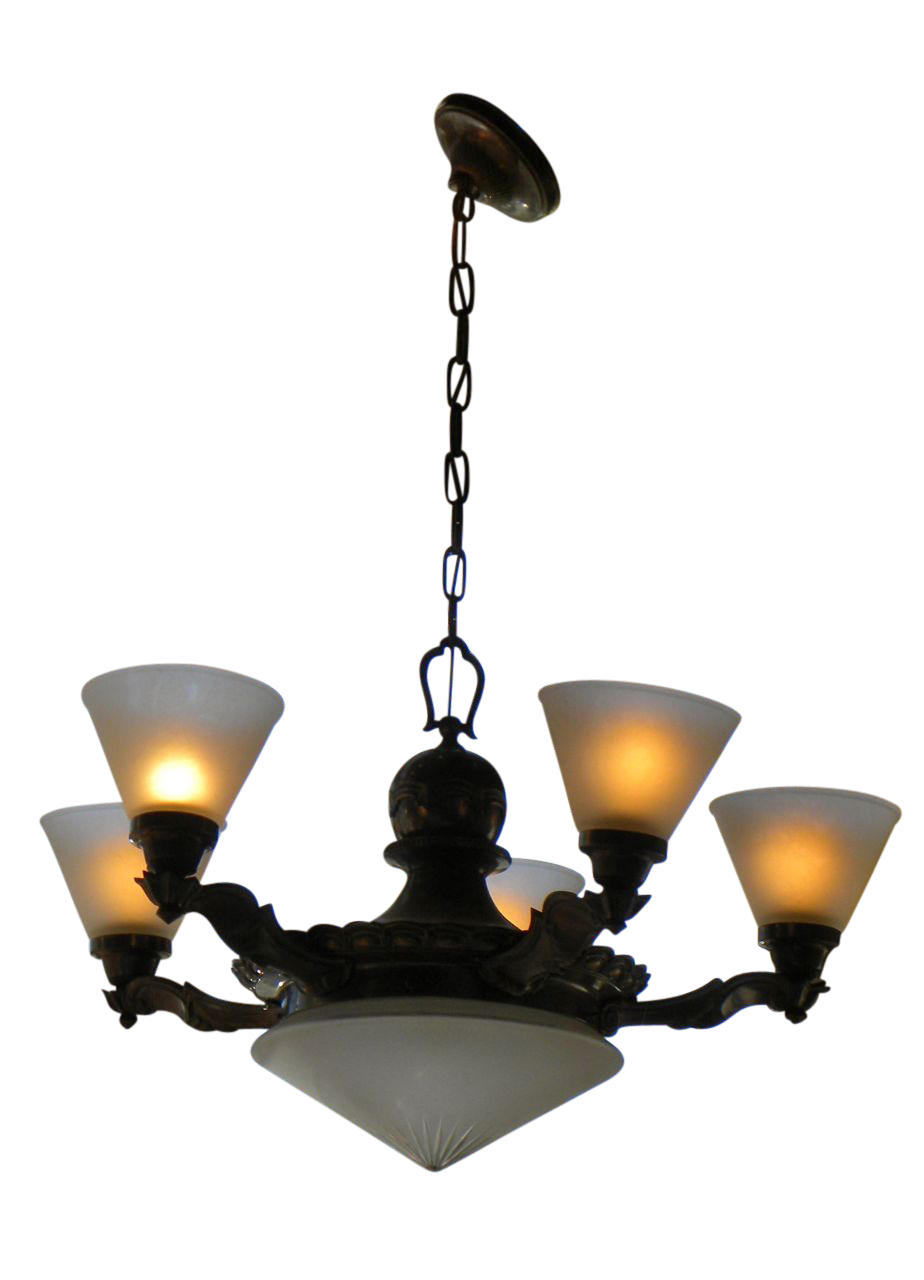
Gočár’s first significant commissions came between 1909 and 1911, including the Wenke Department Store in Jaroměř and work on a staircase for the Church of the Virgin Mary in Hradec Králové. In 1911 and 1912, he designed the House of the Black Madonna on Prague’s Celetná Street, the first example of Czech Cubist architecture in Prague and home to the Grand Café Orient, the oldest surviving Cubist interior in the world, for which he also designed the furniture and chandeliers. After Czechoslovakia’s founding in 1918, he and Janák led the development of Rondocubism, a national style that softened Cubism’s angular geometry with rounded forms and Slavic folk motifs, exemplified by the stunning Legiobanka building on Prague’s Na Poříčí Street, completed in 1923. He received the Grand Prize for his design of the Czechoslovak Pavilion at the 1925 Paris Exposition Internationale des Arts Décoratifs et Industriels Modernes, and in 1926 was awarded the French Légion d’Honneur. He subsequently devoted over a decade to designing the urban plan, river regulation, and major public buildings of Hradec Králové, earning the city its nickname “Salon of the Republic.” His most significant Functionalist project was the Grand Hotel in Pardubice, built from 1927 to 1931, and the Church of Saint Wenceslas in Prague’s Vršovice district remains one of the most celebrated Functionalist sacred buildings in the country.
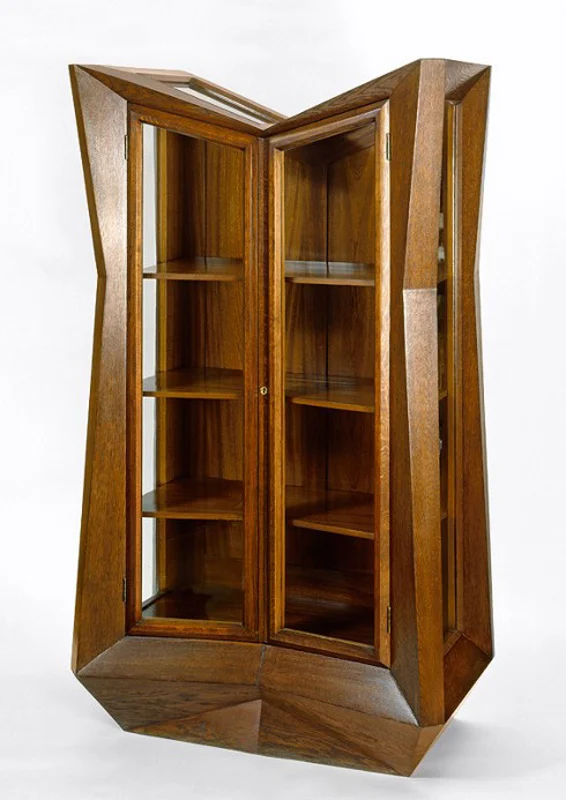
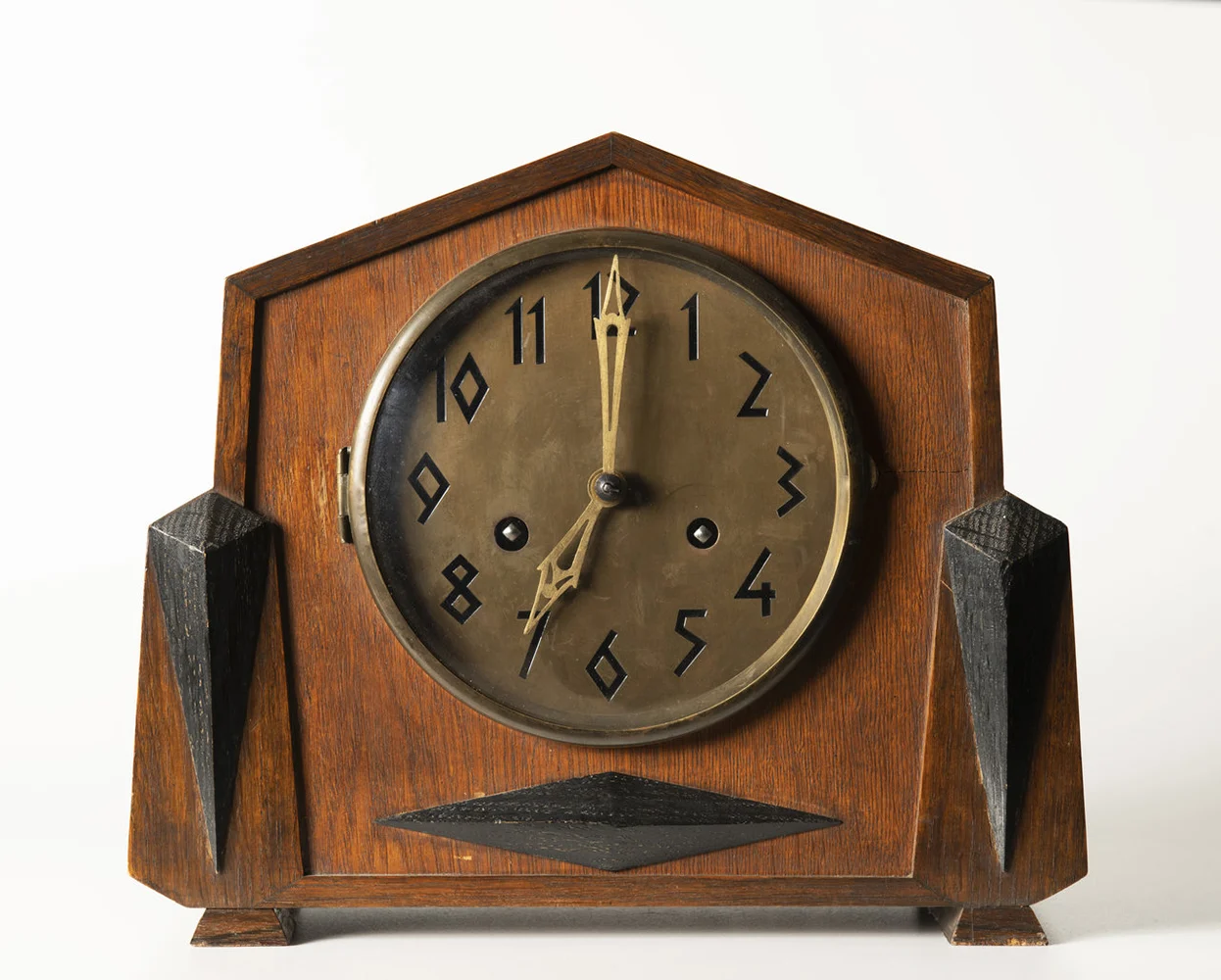
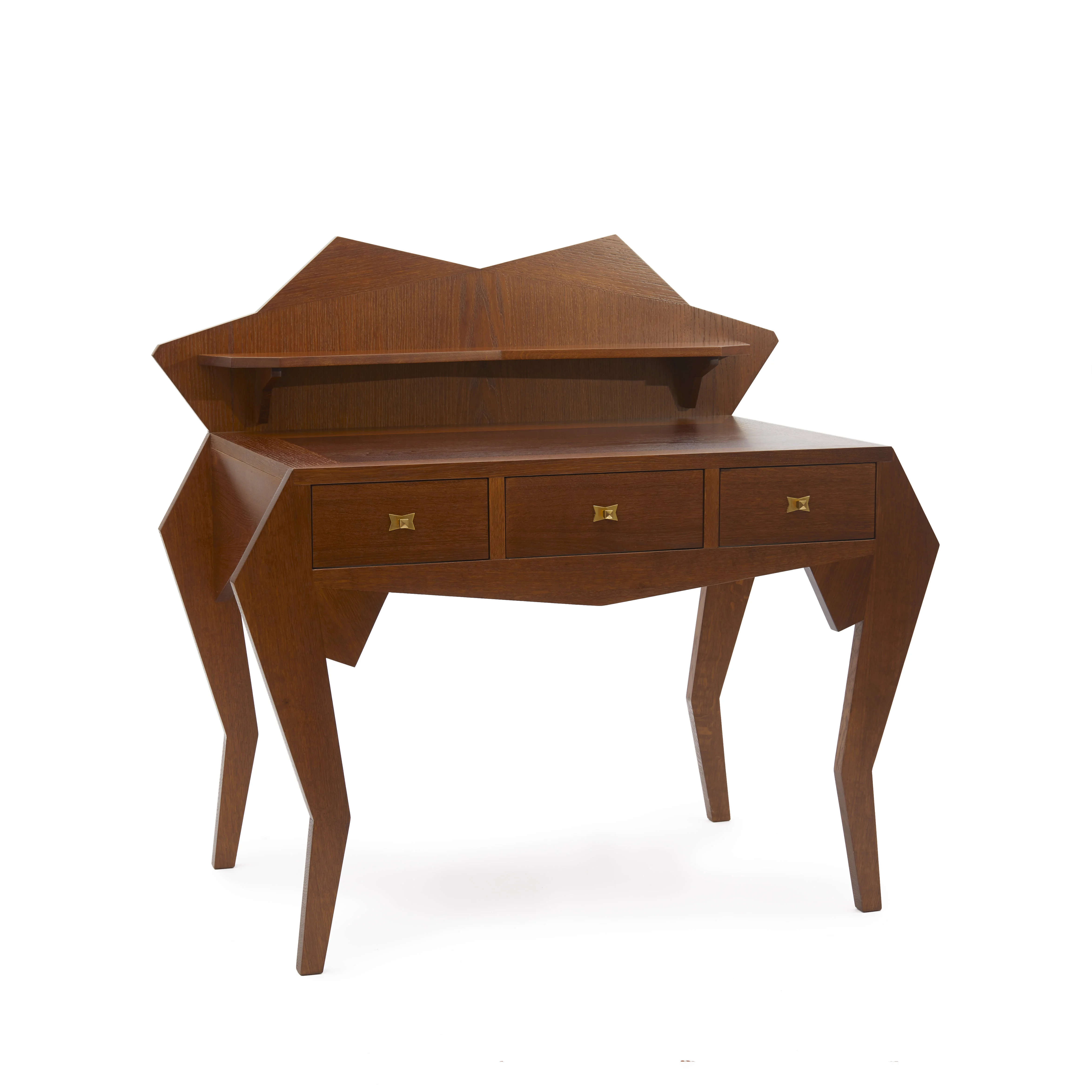
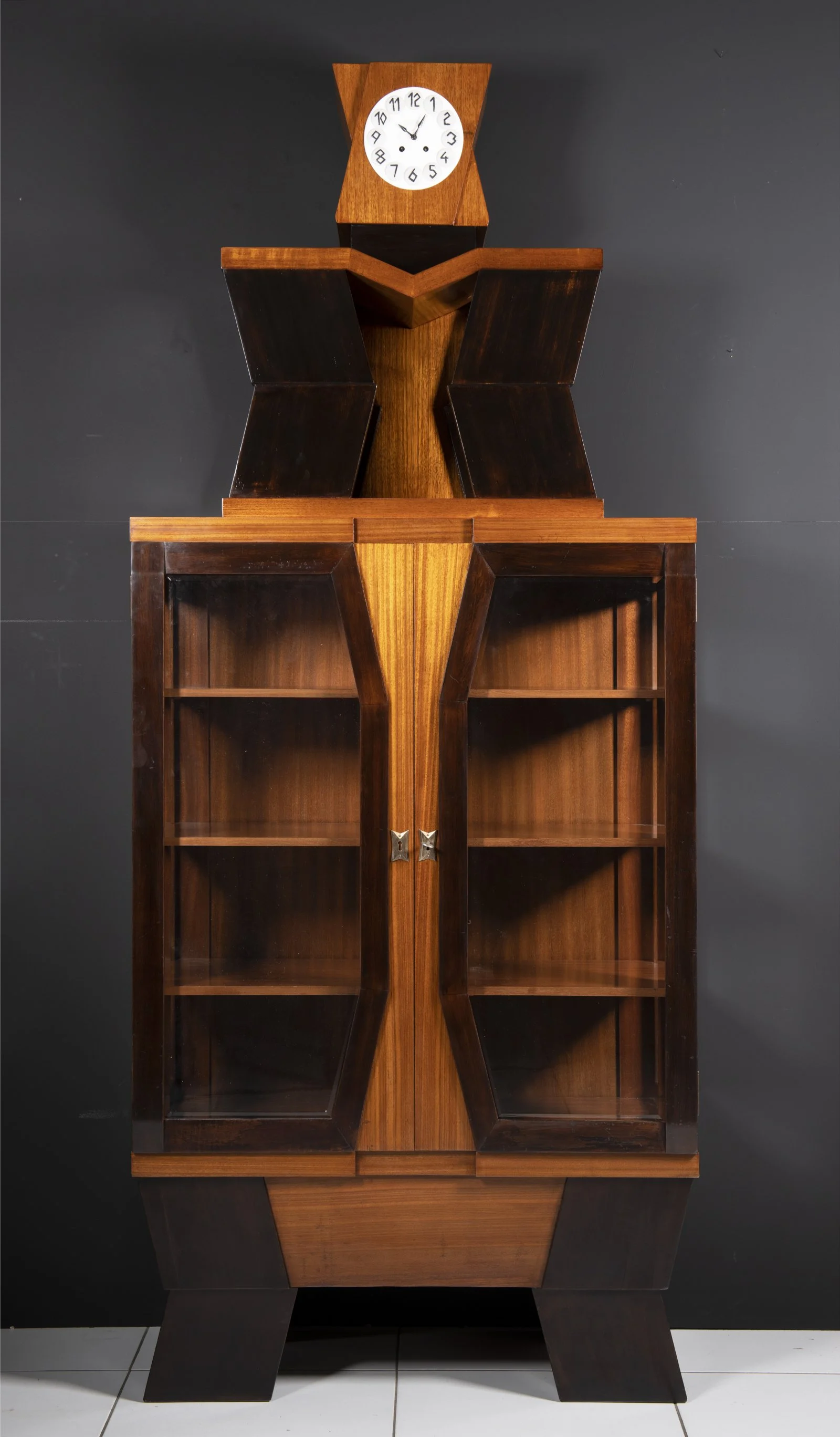
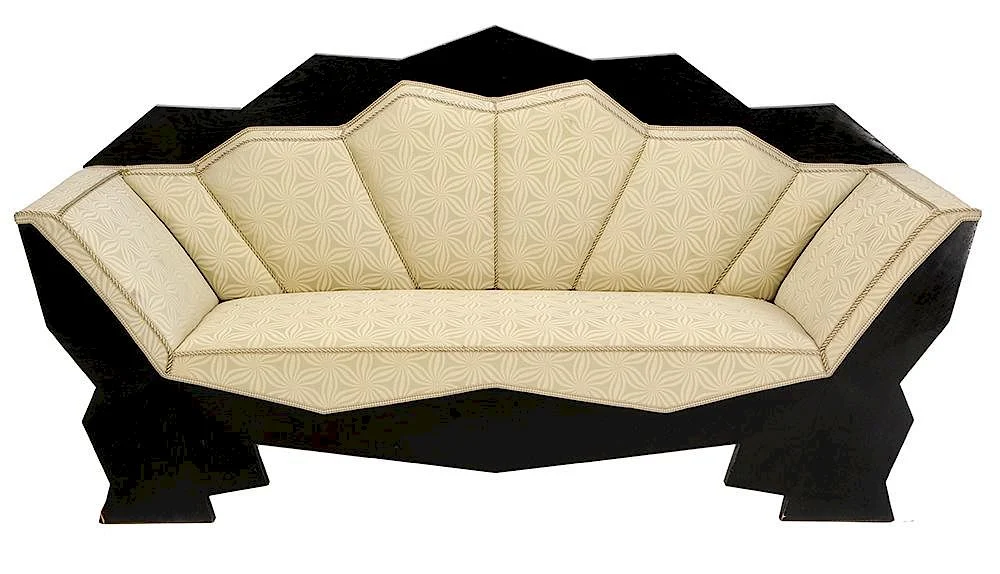
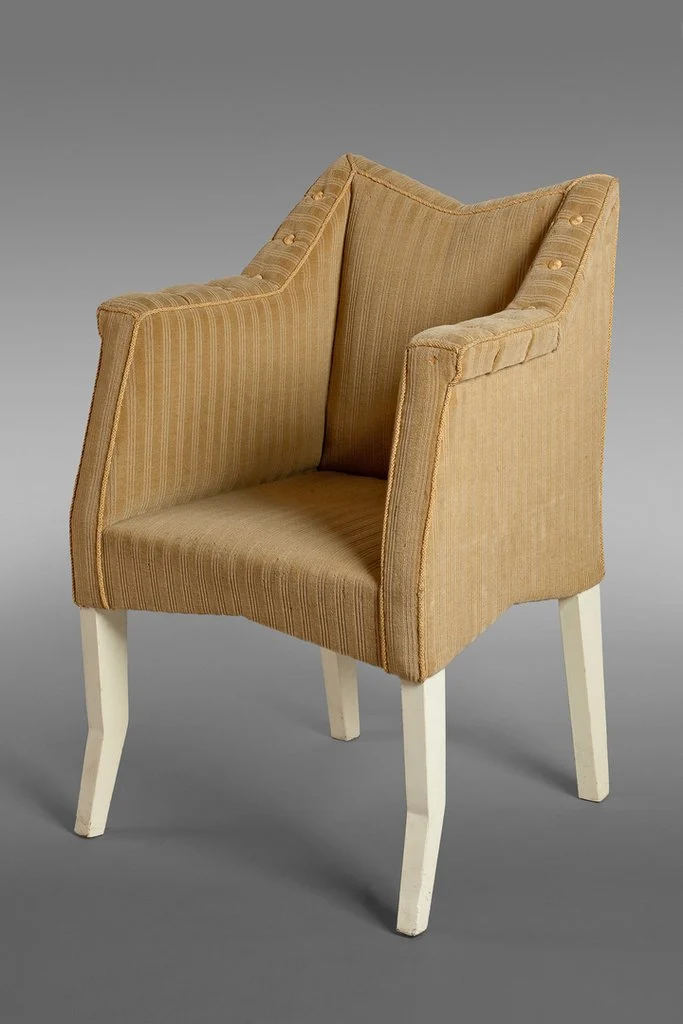
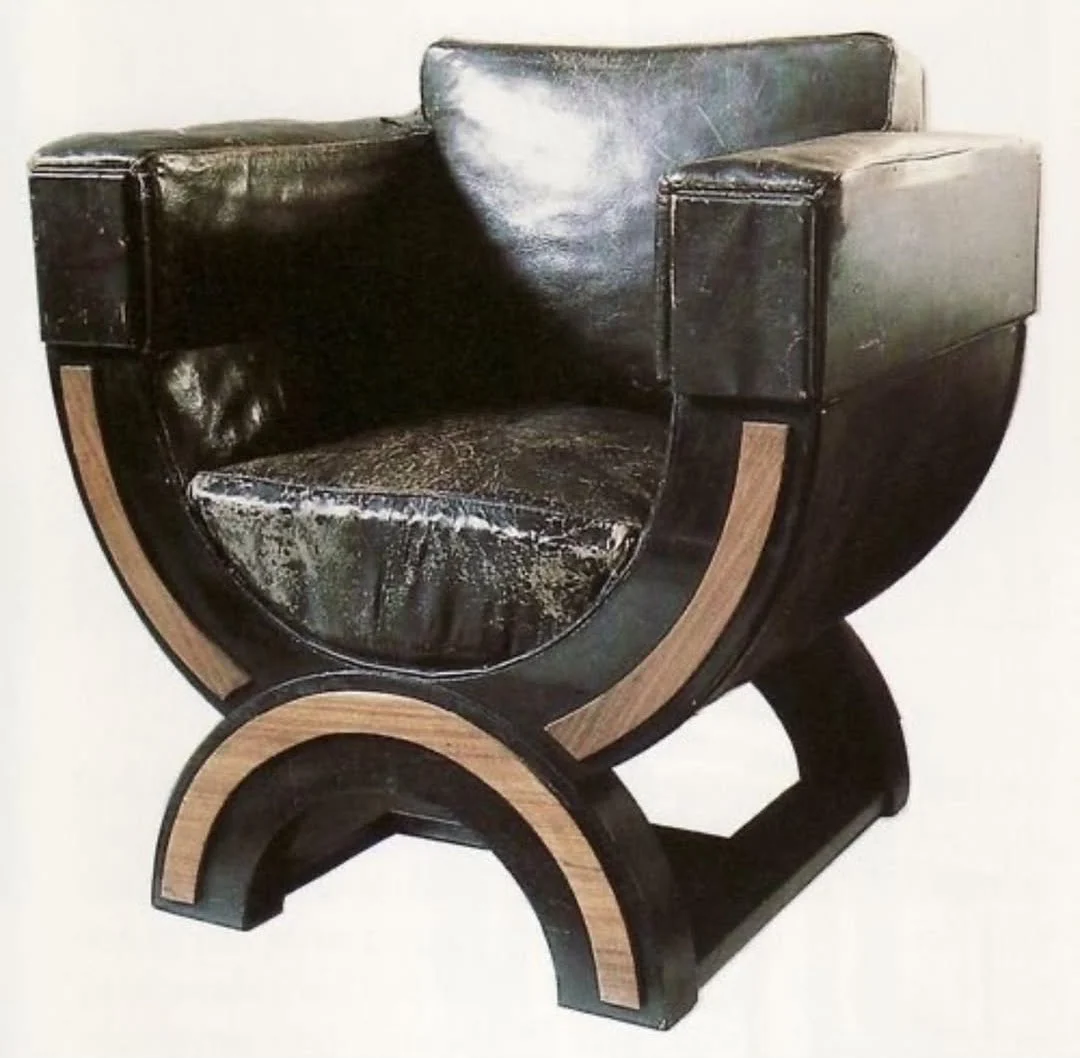
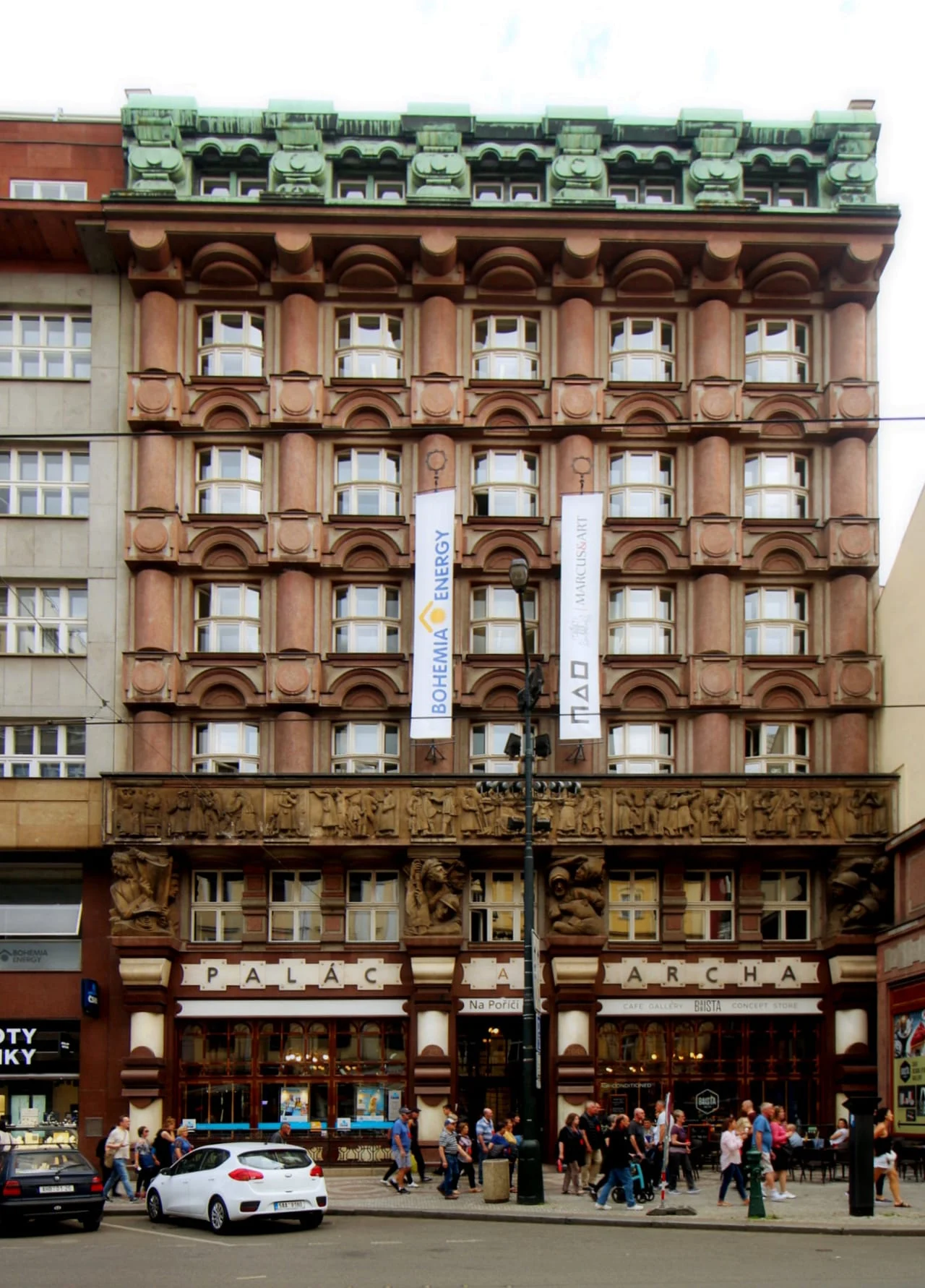
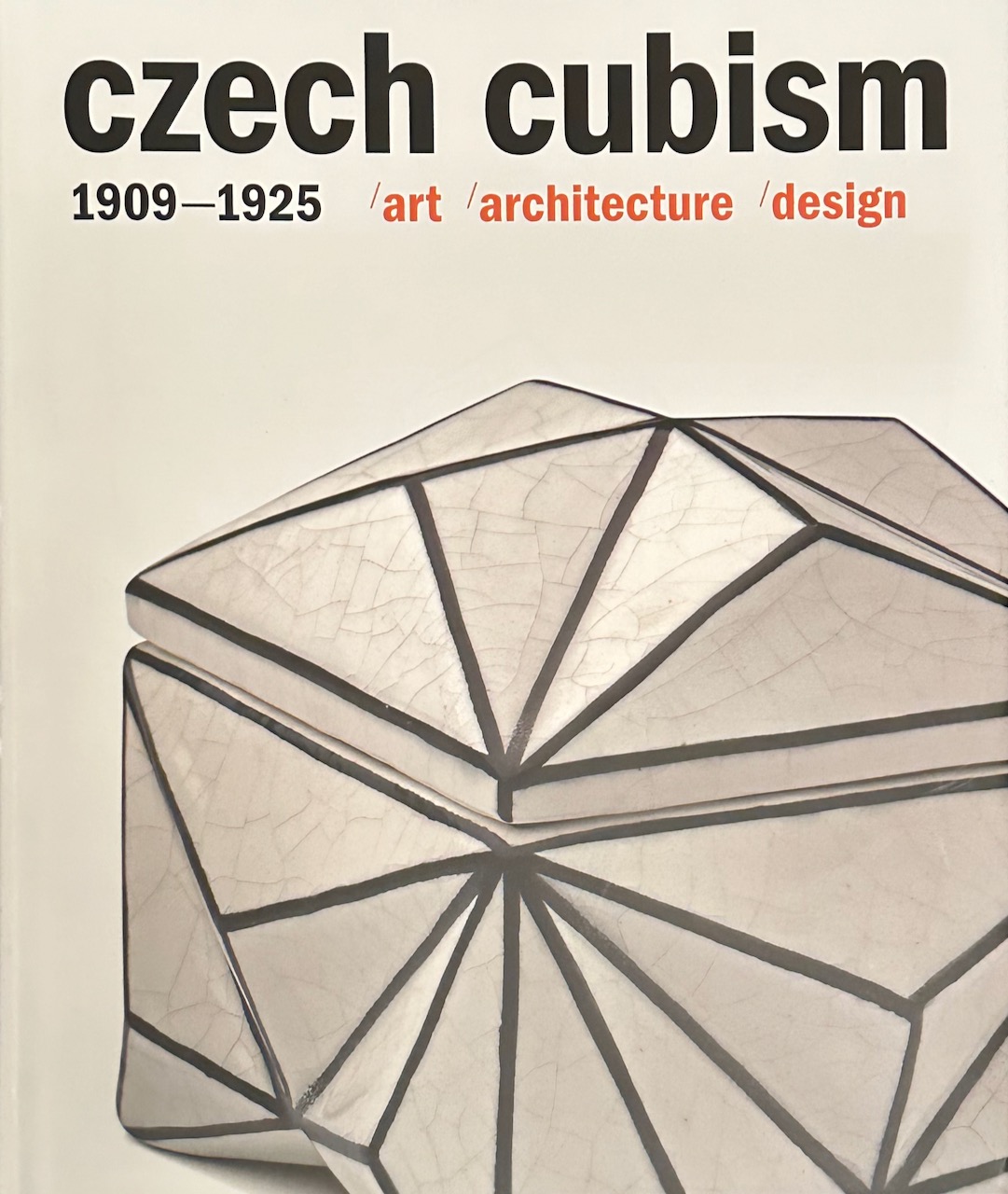
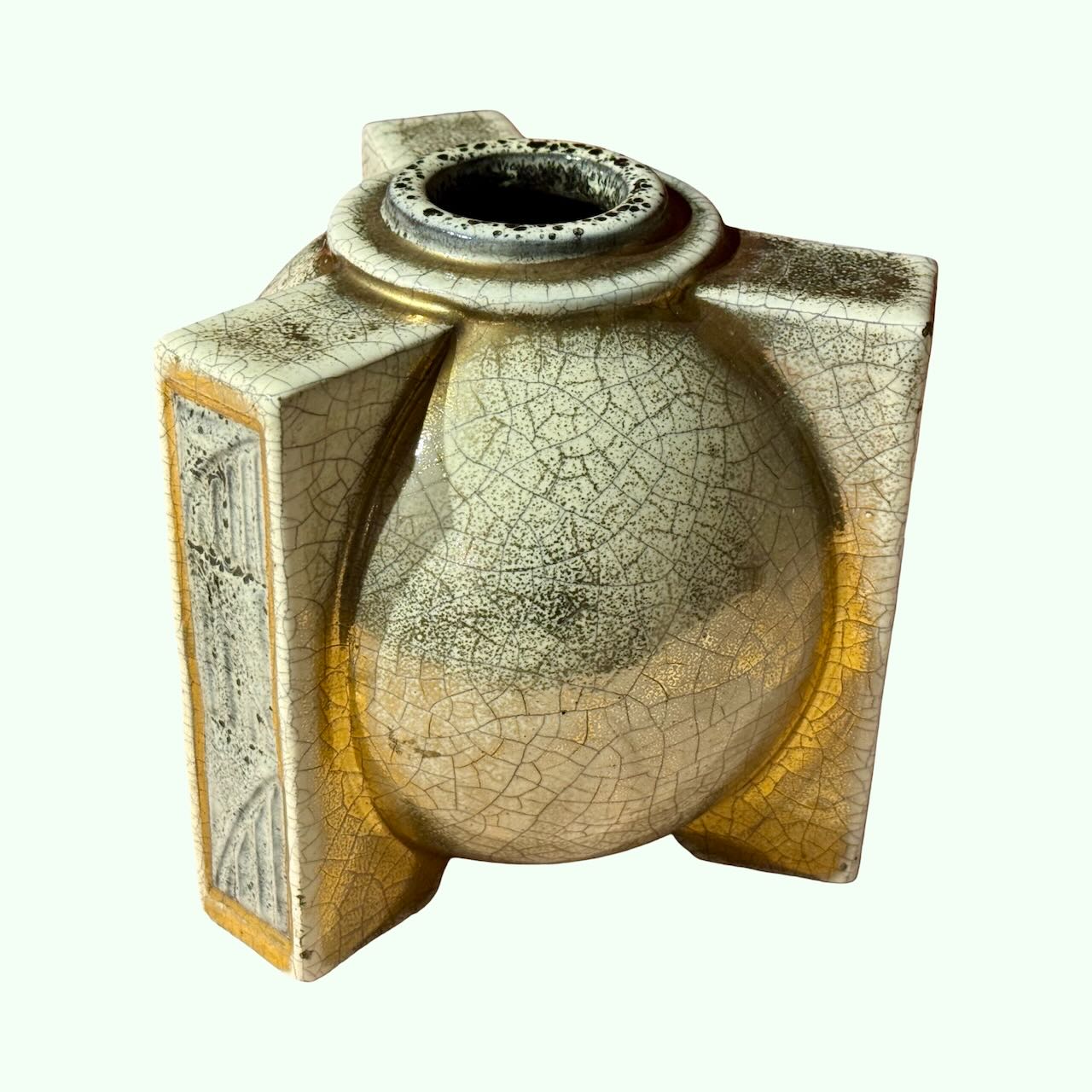
Gočár moved with exceptional fluency through the major architectural movements of his era, from Art Nouveau through Czech Cubism, Rondocubism, and Functionalism, treating each as a genuine creative commitment rather than a stylistic exercise. His Czech Cubism interpreted the fragmented planes of Picasso and Braque in three dimensions, using angular bay windows, crystalline forms, and Cubist ironwork to release what he and his colleagues believed was an inner energy trapped in architectural surfaces. His later Functionalist work stripped away ornament entirely in favor of clean structure, demonstrating a range of invention that distinguishes him as one of the most versatile architects of the early 20th century.
Key Influences
- House of the Black Madonna: The first Czech Cubist building in Prague became a landmark of world architectural history and remains the defining monument of a movement unique to the Czech lands.
- Czech National Identity: His development of Rondocubism after 1918 helped give the newly independent Czechoslovakia a distinctive architectural language rooted in both modernism and Slavic folk tradition.
- Hradec Králové: His decade-long urban planning work transformed the city into a model of modernist civic design, earning it international recognition as the Salon of the Republic.
- Paris 1925: His Grand Prize-winning Czechoslovak Pavilion brought Czech modernist architecture to an international audience at the most important design exposition of the era.
- Architectural Education: As professor and then president of the Prague Academy of Fine Arts, he shaped a generation of Czech architects and carried forward the modernist legacy of his mentor Jan Kotěra.
If you are interested in further stories of the artists who shaped Art Deco, return to our artists page to browse the full directory.

Related Products from ArtDecoCollection.com