Josef Danhauser
Josef Franz Danhauser was born in August 1805 in Laimgrube, now part of Vienna’s Neubau and Mariahilf districts, the eldest son of the sculptor and furniture manufacturer Joseph Ulrich Danhauser and his wife Johanna Lambert. His father had founded a furniture firm in 1804 that employed more than a hundred people by about 1808, so Josef grew up around one of Vienna’s leading furnishing houses. He enrolled at the Vienna Academy of Fine Arts in 1820 and trained under Johann Peter Krafft until 1826. After study trips in Italy he returned to Vienna in 1827, and with Johann Matthias Ranftl he made the death mask of Ludwig van Beethoven. For a time he also supplied designs to the family firm. After his father’s death in 1829 he returned to take over the factory, which was on the verge of bankruptcy, and assumed its artistic leadership. He did not return to painting until 1832, and the factory continued under his family until about 1838. In 1841 he was appointed professor of history painting at the Academy, but he resigned the following year and traveled through Germany and the Netherlands with the textile manufacturer and patron Rudolf von Arthaber. Danhauser died of typhus in Vienna on May 4, 1845, at the age of 39.
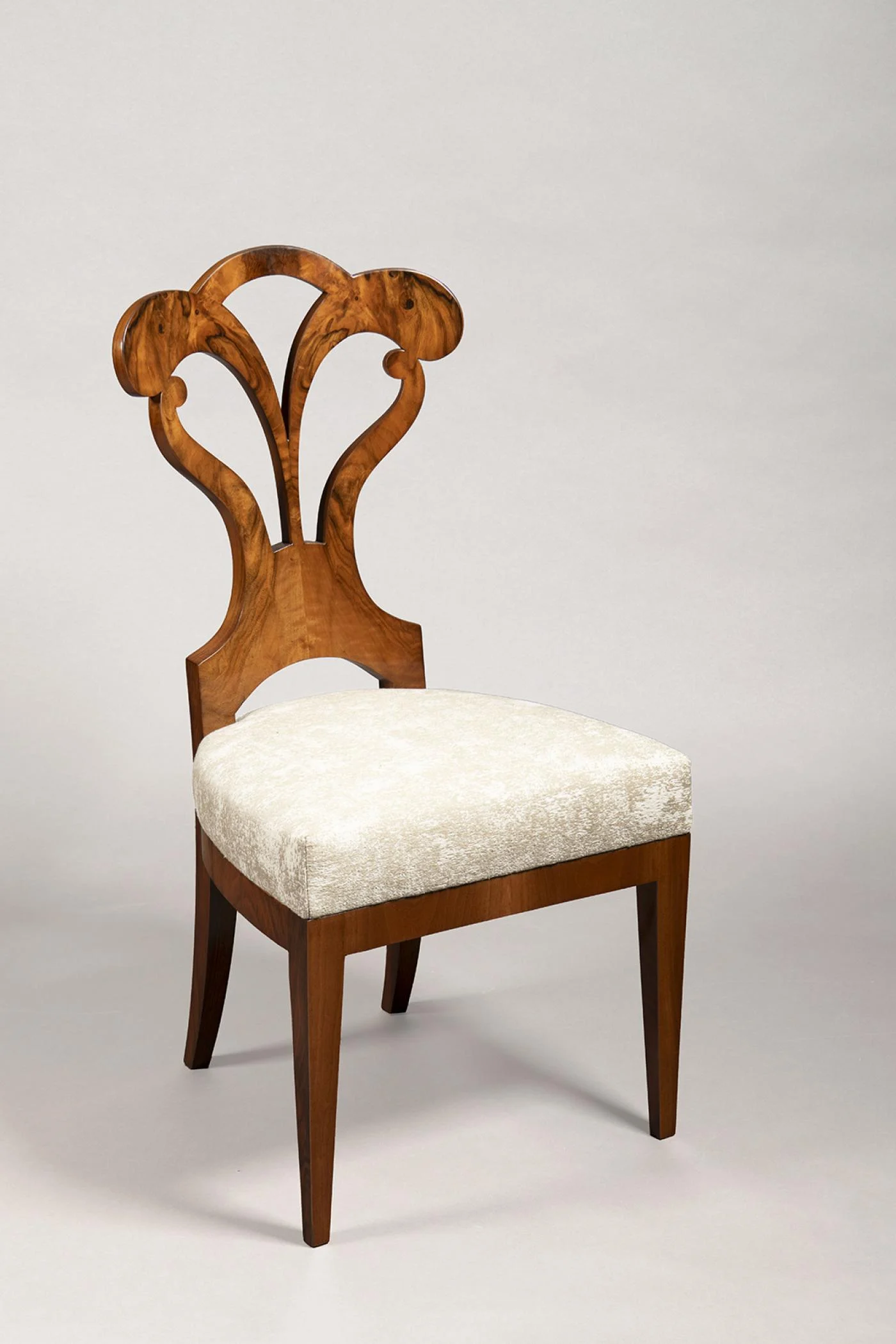
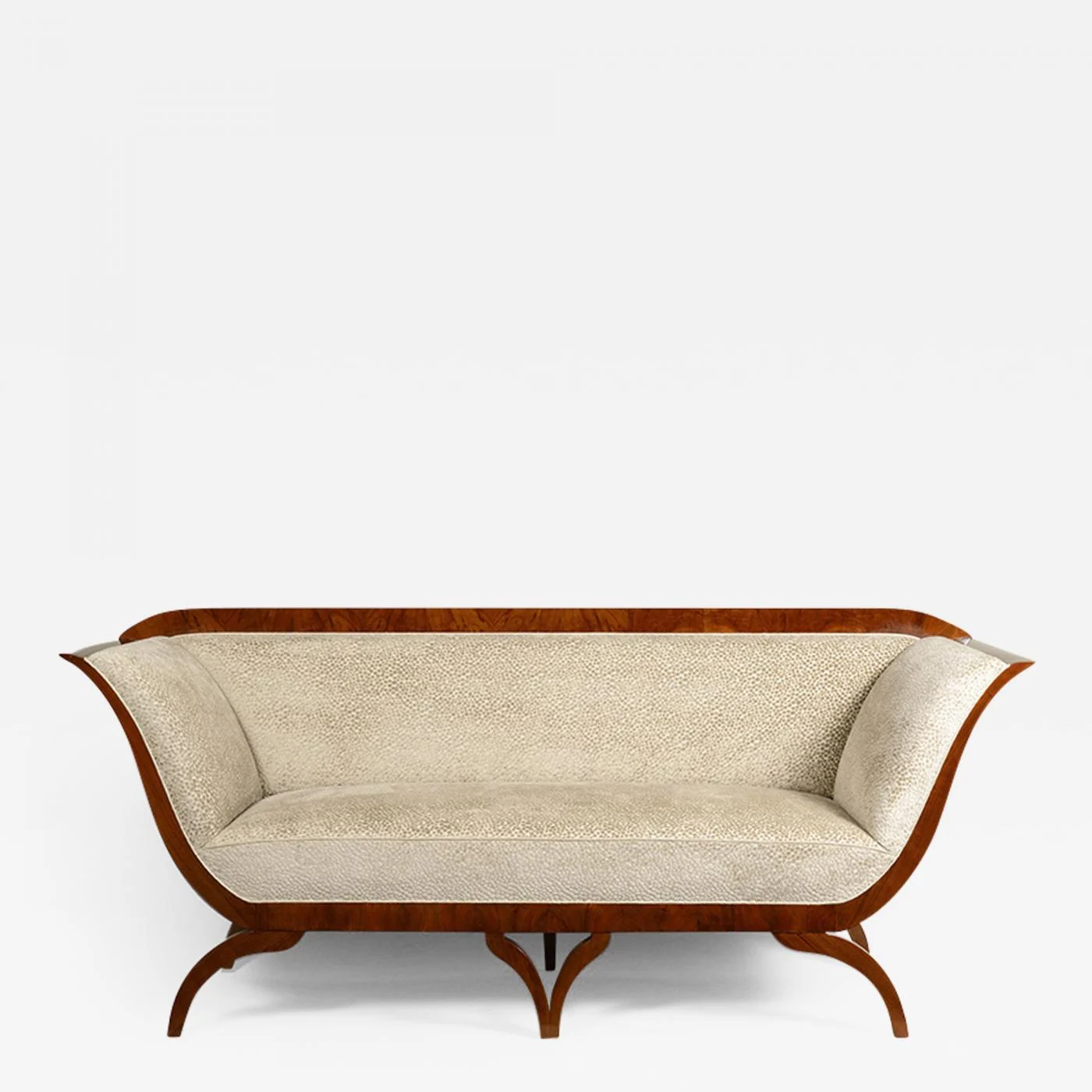
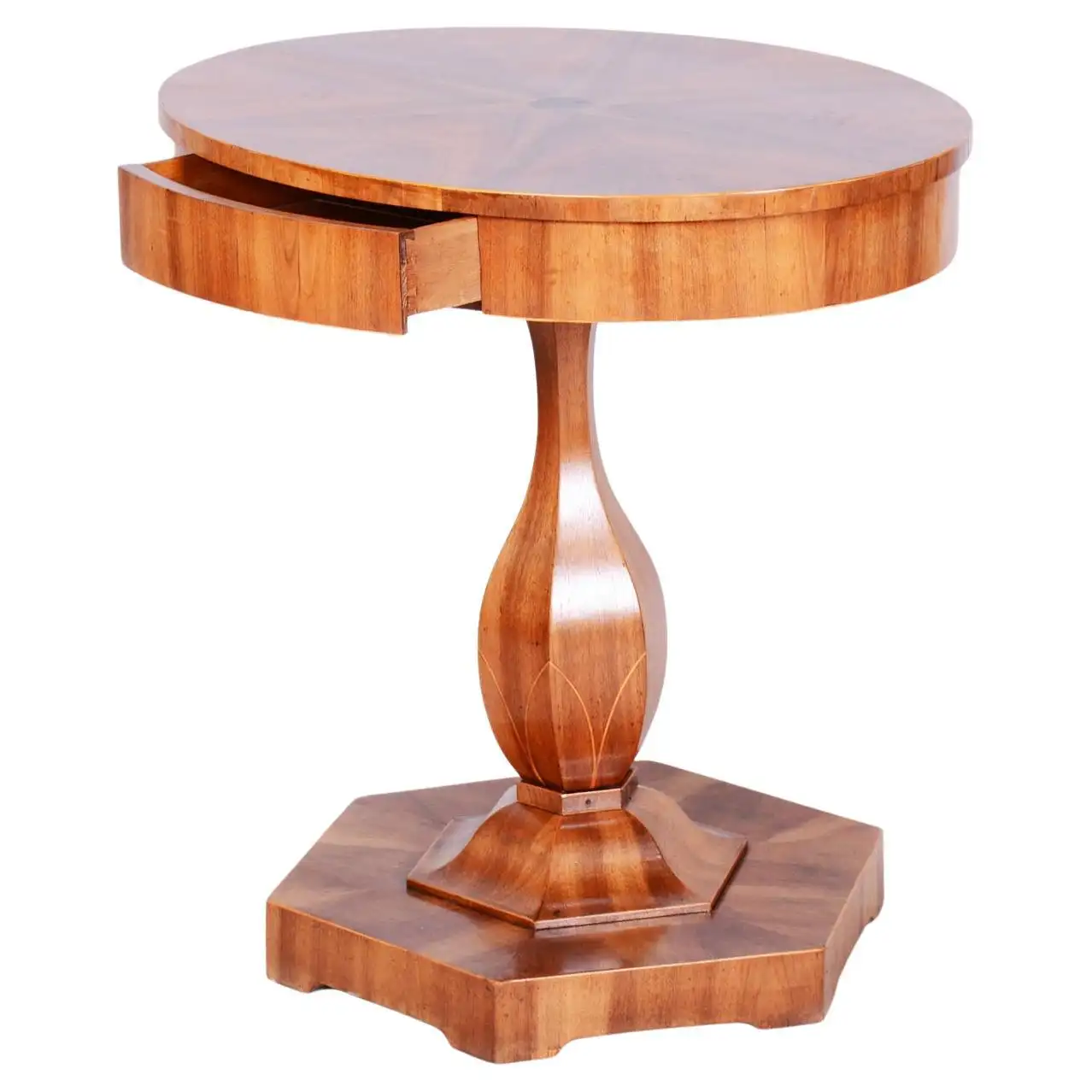
As artistic leader of the Danhauser factory from 1829, he designed furniture that significantly influenced Viennese fashion of the period. The firm’s chairs, which dealers often list under his name, range across hundreds of variations on the backrest and leg, many with the curved, classically inspired backs now associated with Viennese Biedermeier. They were typically veneered in cherry or walnut, with mahogany reserved for the most prestigious pieces. The factory sold complete suites from a catalog, making it one of the first one-stop furnishing houses in Central Europe. In the 1830s he staged a series of model interiors as an unusually forward-looking advertising campaign for the firm. As a sculptor he also designed gilt bronze fittings based on woodcuts. The MAK in Vienna holds the firm’s entire graphic estate, more than 2,500 sketches, drawings, and catalogues, and examples of Danhauser seating are on permanent display there. Returning to painting, he specialized in moralizing genre scenes influenced by William Hogarth, including The Rich Glutton of 1836 and Wine, Women and Song of 1839. His best-known painting, Liszt at the Piano of 1840, was commissioned by the Viennese piano maker Conrad Graf and shows the pianist performing for Victor Hugo and George Sand among other Romantic-era celebrities.
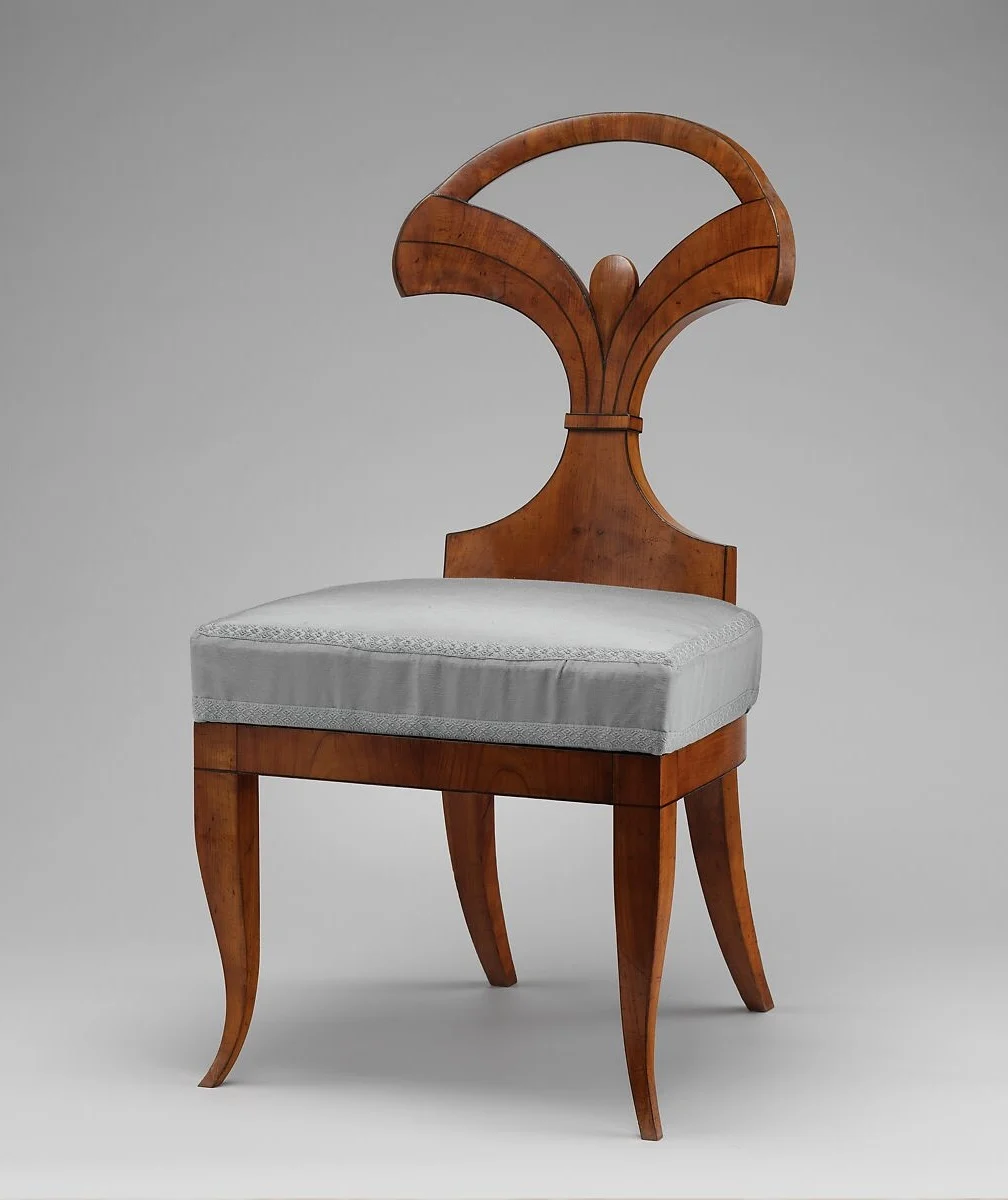
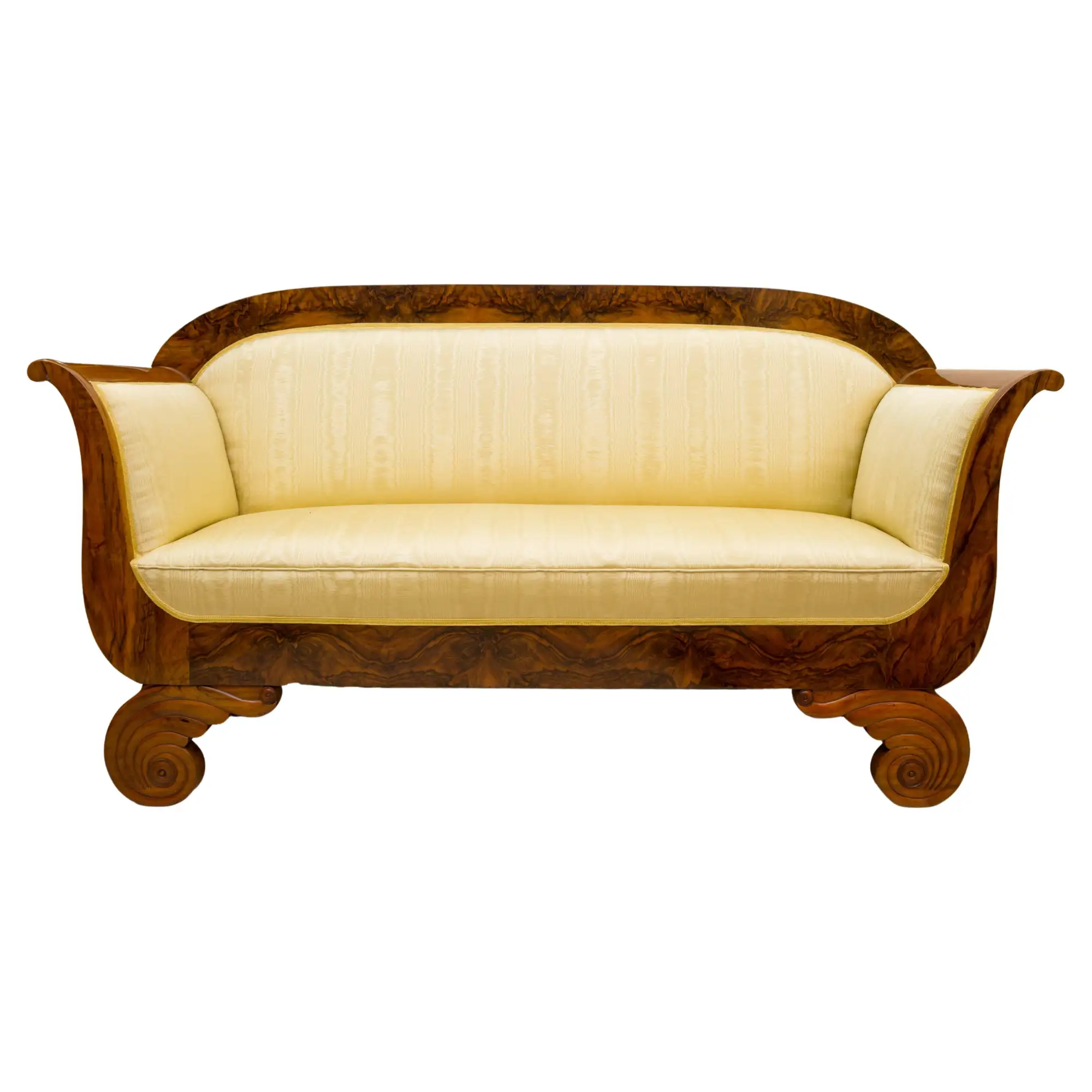
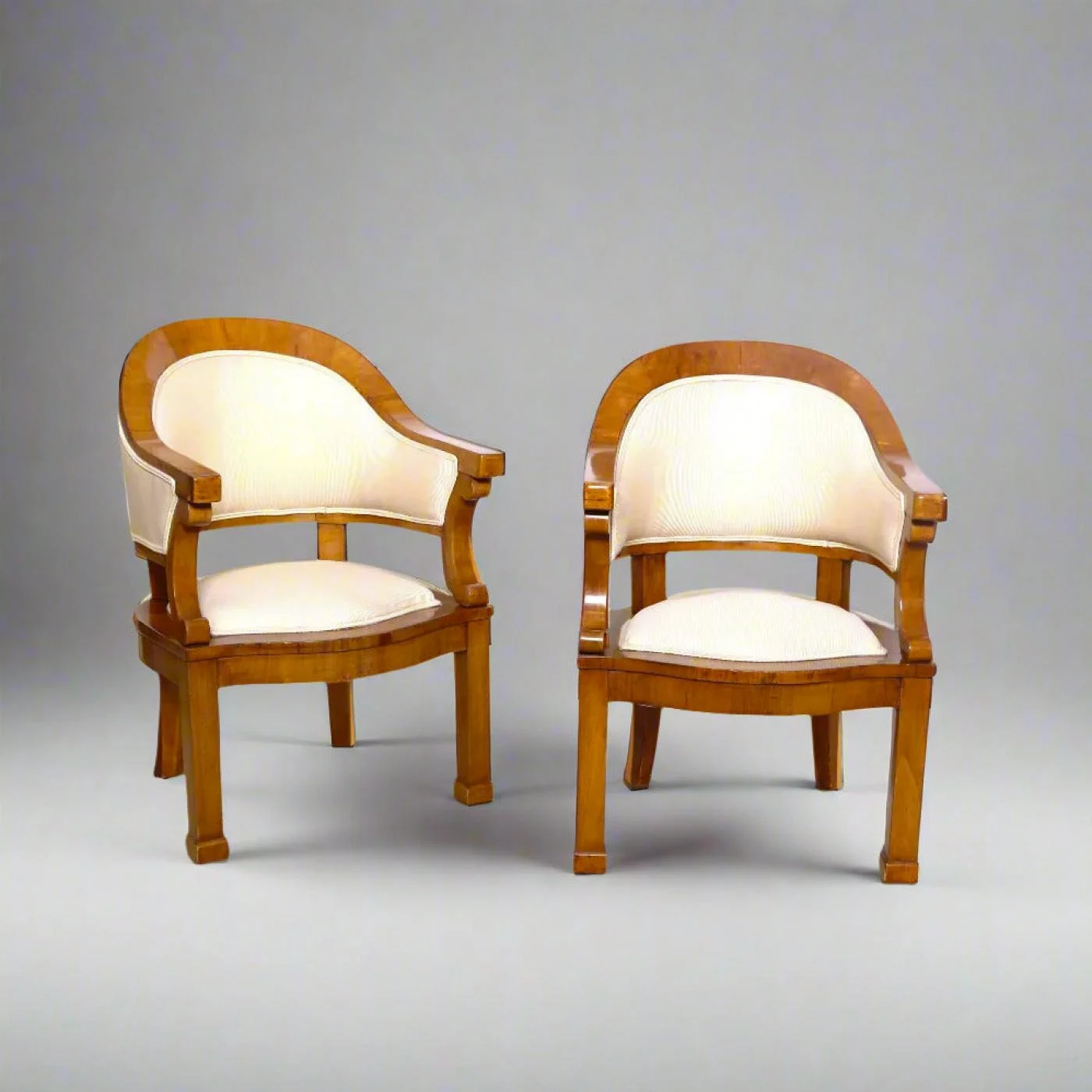
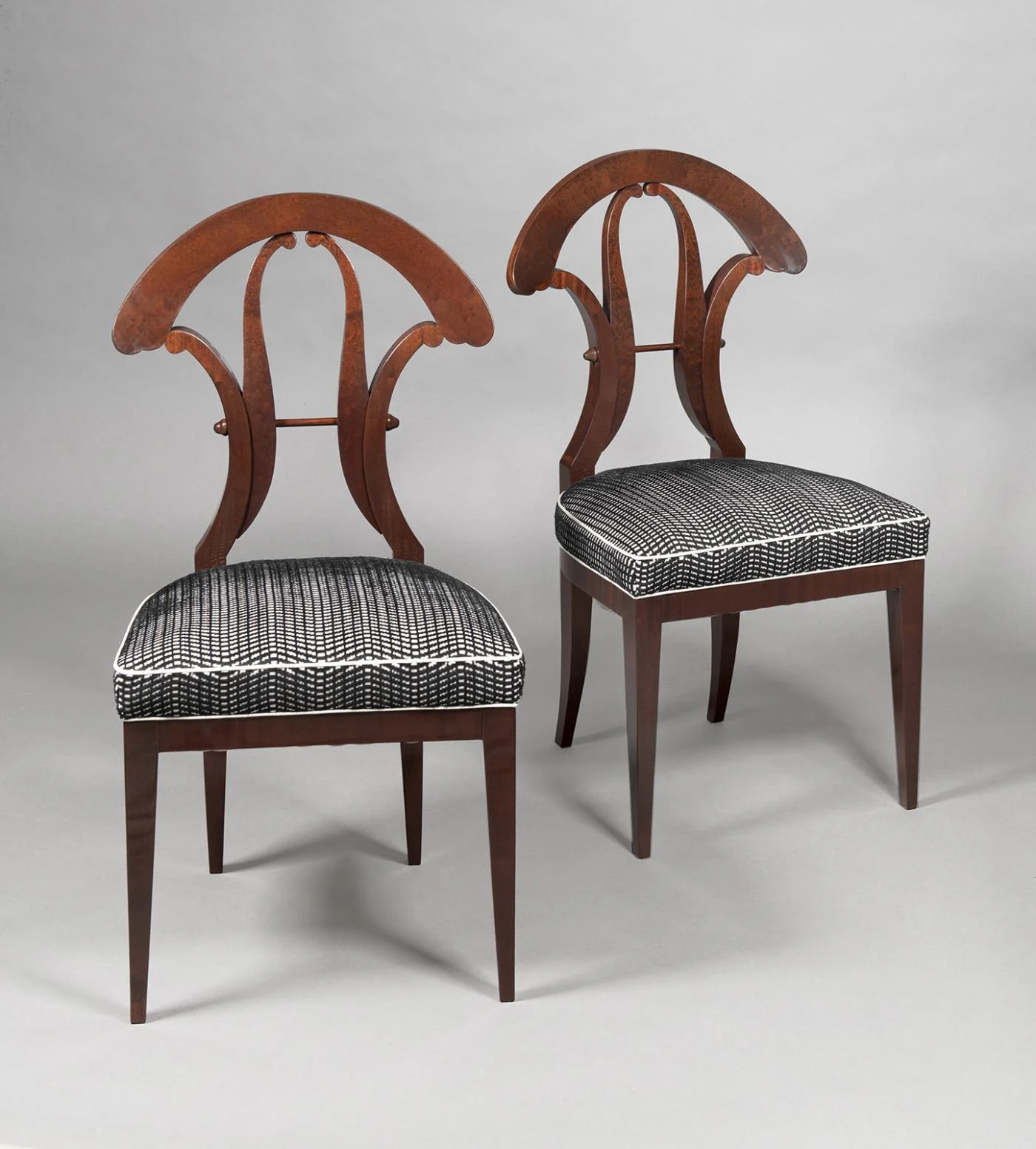
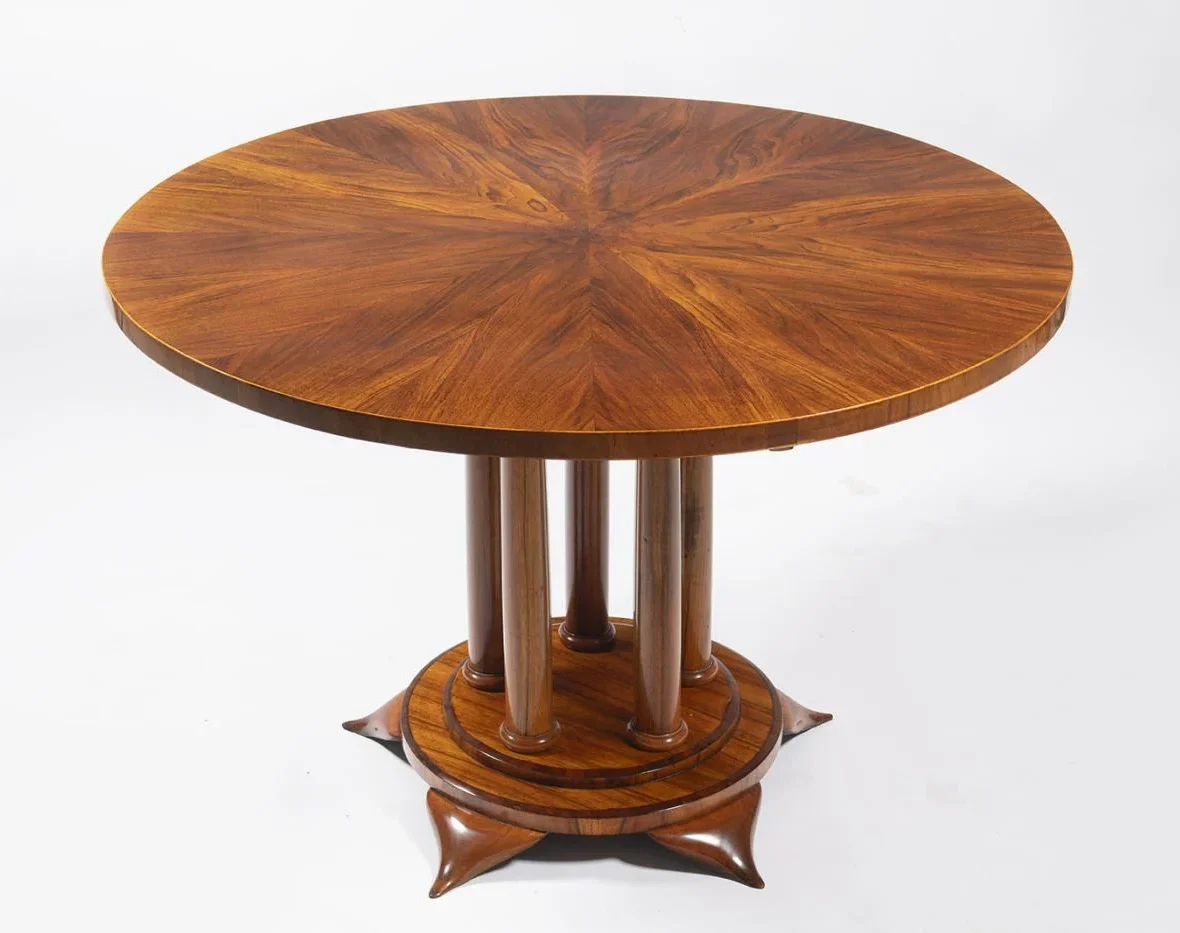
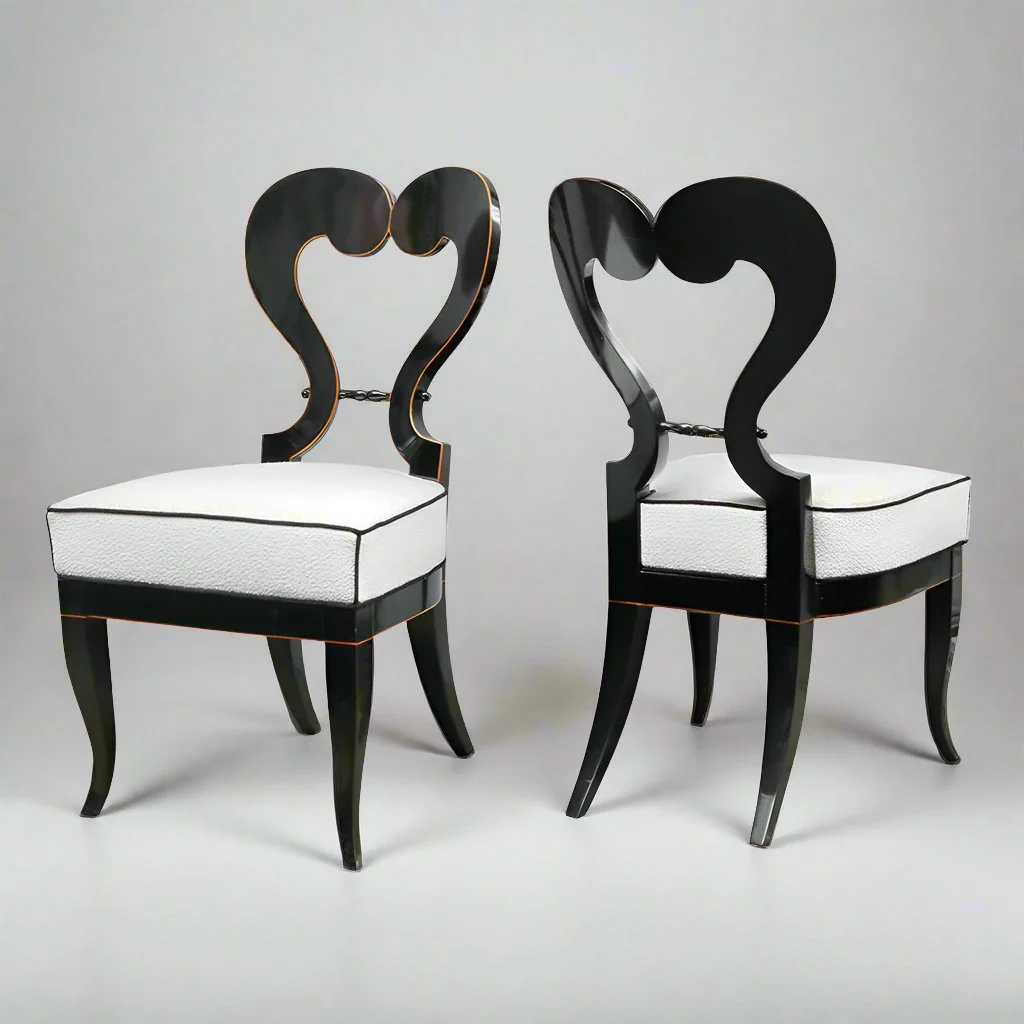
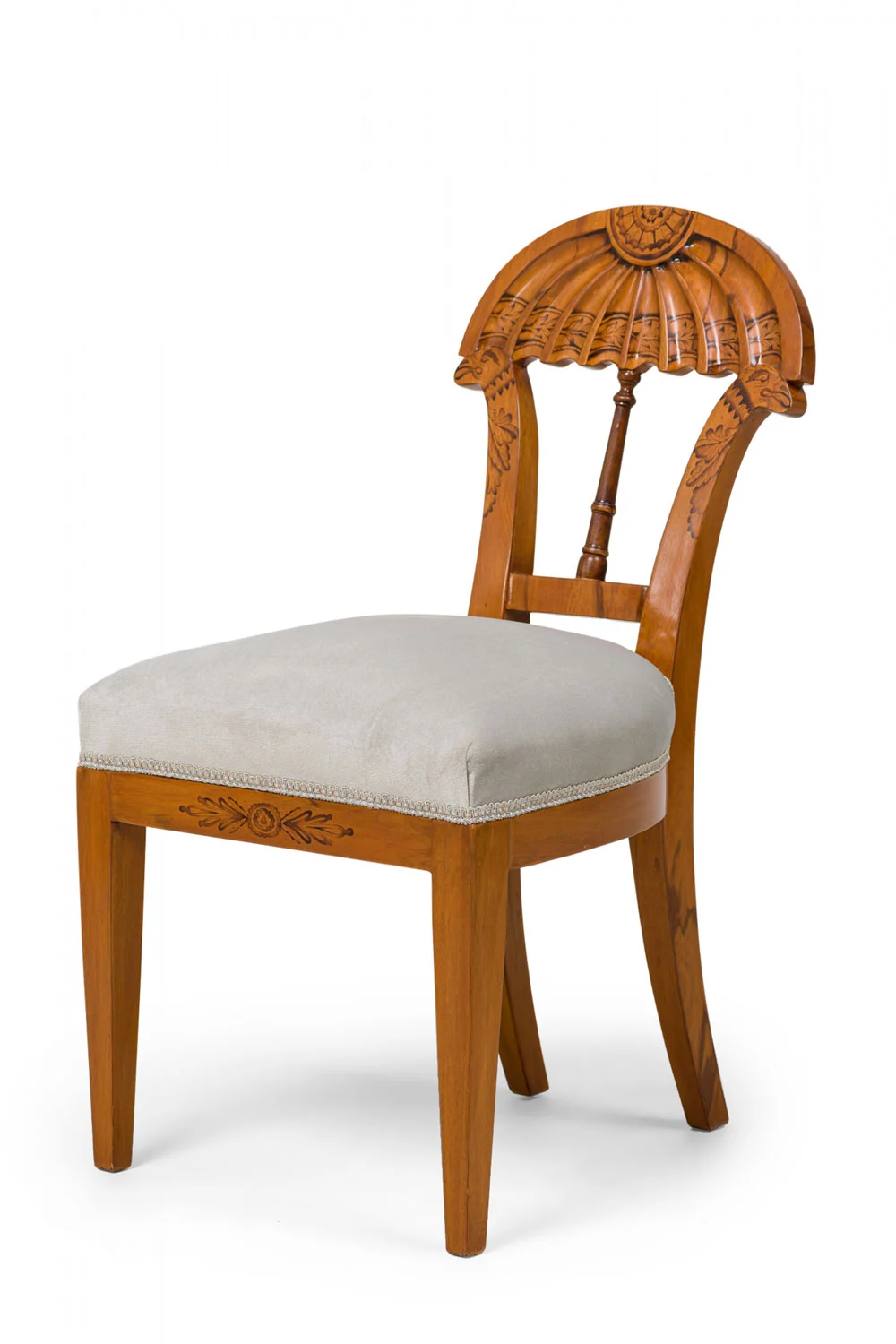
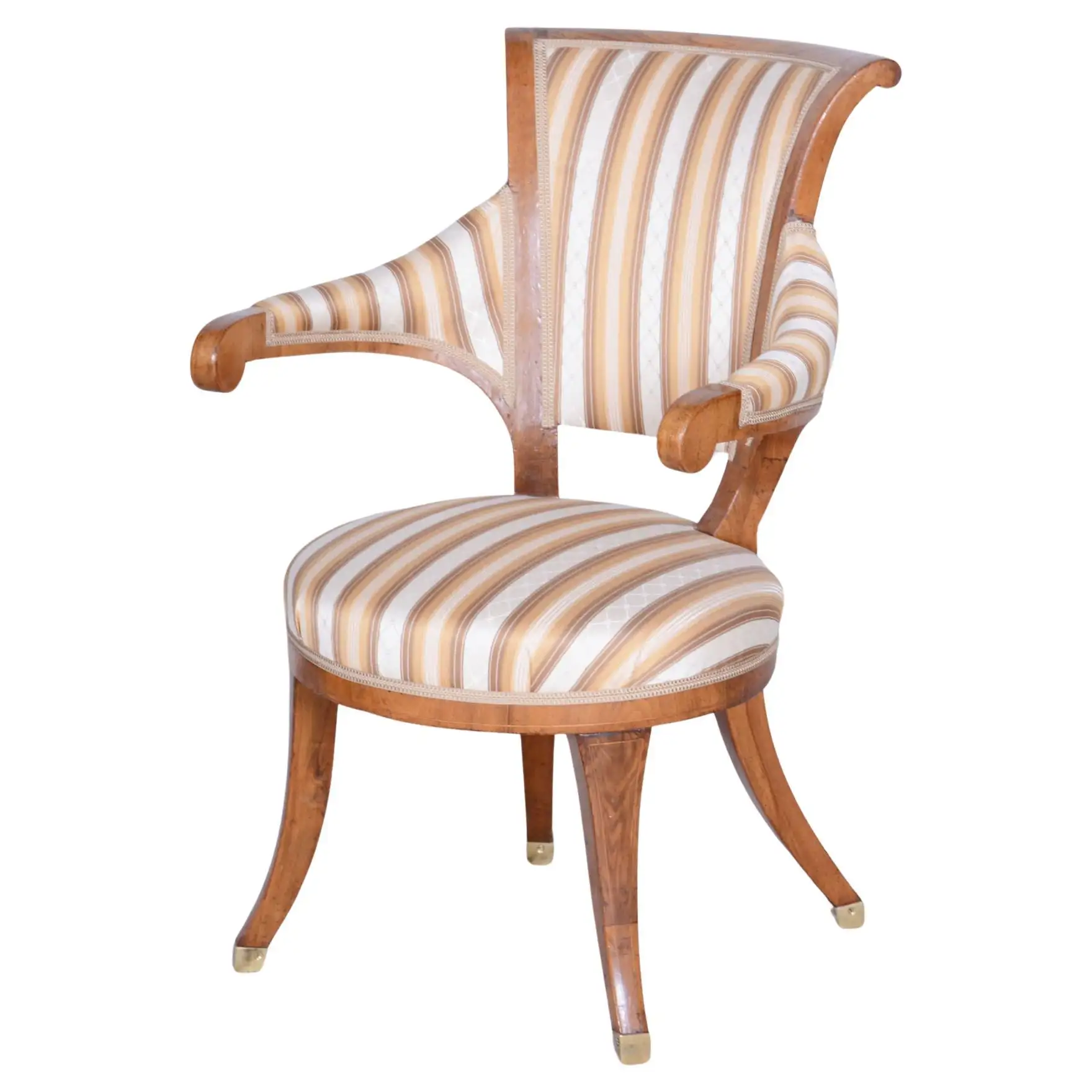
Danhauser’s furniture favored the Biedermeier ideal of simple, comfortable design, lightening Empire grandeur into forms made for living rooms rather than reception halls. His chairs paired graceful curved backs and refined leg profiles with fine veneers and bronze-effect ornament. In his paintings the same eye for composition appears as dramatic design and color, with carefully chosen palettes and moralizing subjects drawn from everyday life.
Key Influences
- Danhauser Chairs: The chair designs attributed to his factory remain among the most recognized and collected forms of Viennese Biedermeier seating.
- Biedermeier Interiors: His leadership of the firm helped define the look of Viennese Biedermeier rooms.
- The Complete Interior: His model interiors turned the furniture catalog into an early form of showroom advertising.
- Precursor of Modern Design: His simple, functional furniture has been seen as a forerunner of modern design.
- Biedermeier Painting: Alongside Ferdinand Georg Waldmüller and Peter Fendi, he helped define the painting of the Biedermeier period.
If you are interested in further stories of the artists who shaped Art Deco, return to our artists page to browse the full directory.

Related Products from ArtDecoCollection.com