
Jan & Joël Martel
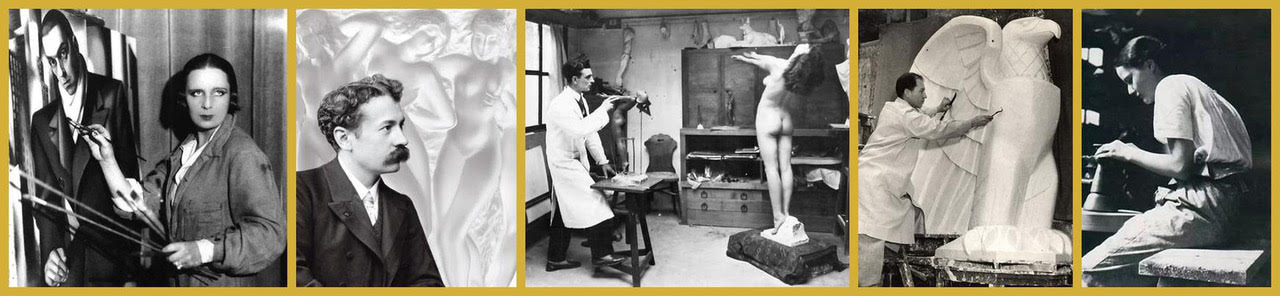
Jan and Joël Martel were identical twin brothers born on March 5, 1896, in Nantes, France. The pair moved to Paris in 1906, where they completed their secondary education before studying under sculptor Pierre Vigoureux beginning in 1911. The following year, they enrolled at l’École Nationale des Arts Décoratifs. The brothers shared a single workshop throughout their careers and co-signed all of their compositions simply as “J. Martel,” making their individual contributions virtually indistinguishable. Between 1924 and 1926, architect Robert Mallet-Stevens designed a studio for the twins at 10 Rue Mallet-Stevens in Paris’s 16th arrondissement. They were named knights of the Legion of Honor in 1936 and commanders of Cultural and Artistic Merit. The Martels were among the founding members of the Union des Artistes Modernes. Jan died on March 16, 1966, in Lille after a long illness, and Joël followed roughly six months later on September 25, 1966, in Paris as the result of an accident.
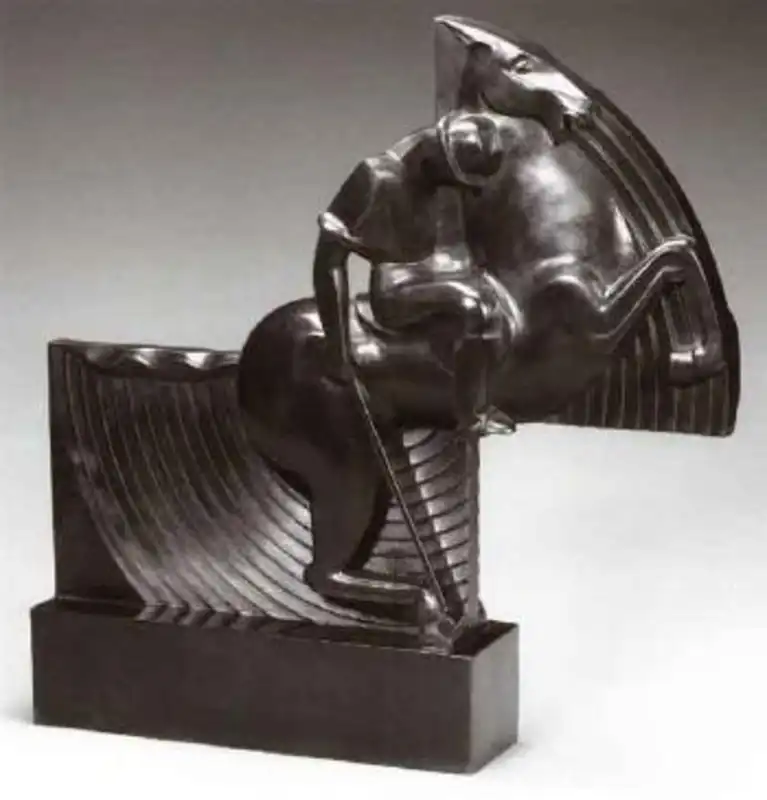
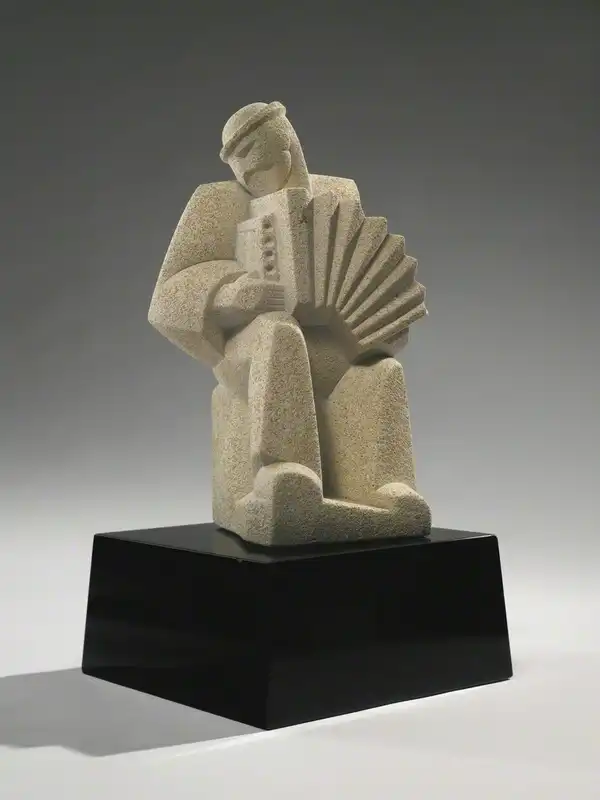
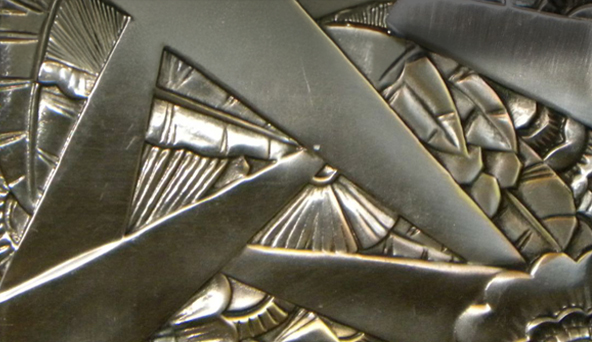
The Martel brothers’ first major commission was the Vendée memorial monument, completed between 1920 and 1922. They showed their work publicly at the 1921 Salon des Indépendants and went on to participate in the Salon d’Automne and the Salon des Tuileries. For the landmark 1925 Exposition Internationale des Arts Décoratifs in Paris, they designed Mallet-Stevens’s tourism pavilion, created reliefs and plinths for the Concorde gate, and produced their famous 20-foot reinforced concrete trees for Mallet-Stevens’s garden. In 1932, they created the Claude Debussy monument, which sits on the boulevard Lannes in Paris’s Bois de Boulogne. Their output spanned an extraordinary range of materials, including cement, glass, steel, mirrors, ceramics, lacquers, polished zinc, and synthetics. Notable works include the candlesticks in the chapel of the 1935 ocean liner Normandie, decorations for Metz Cathedral, and the sculpture Oiseaux de mer for the church of Saint-Jean-de-Monts. They collaborated on several pavilions at the 1937 Exposition Internationale des Arts et Techniques dans la Vie Moderne. Following World War II, the brothers erected monuments to the war dead across Vendée, Haut-Rhin, Loiret, and Finistère, including a memorial to Maréchal Leclerc in Antony.
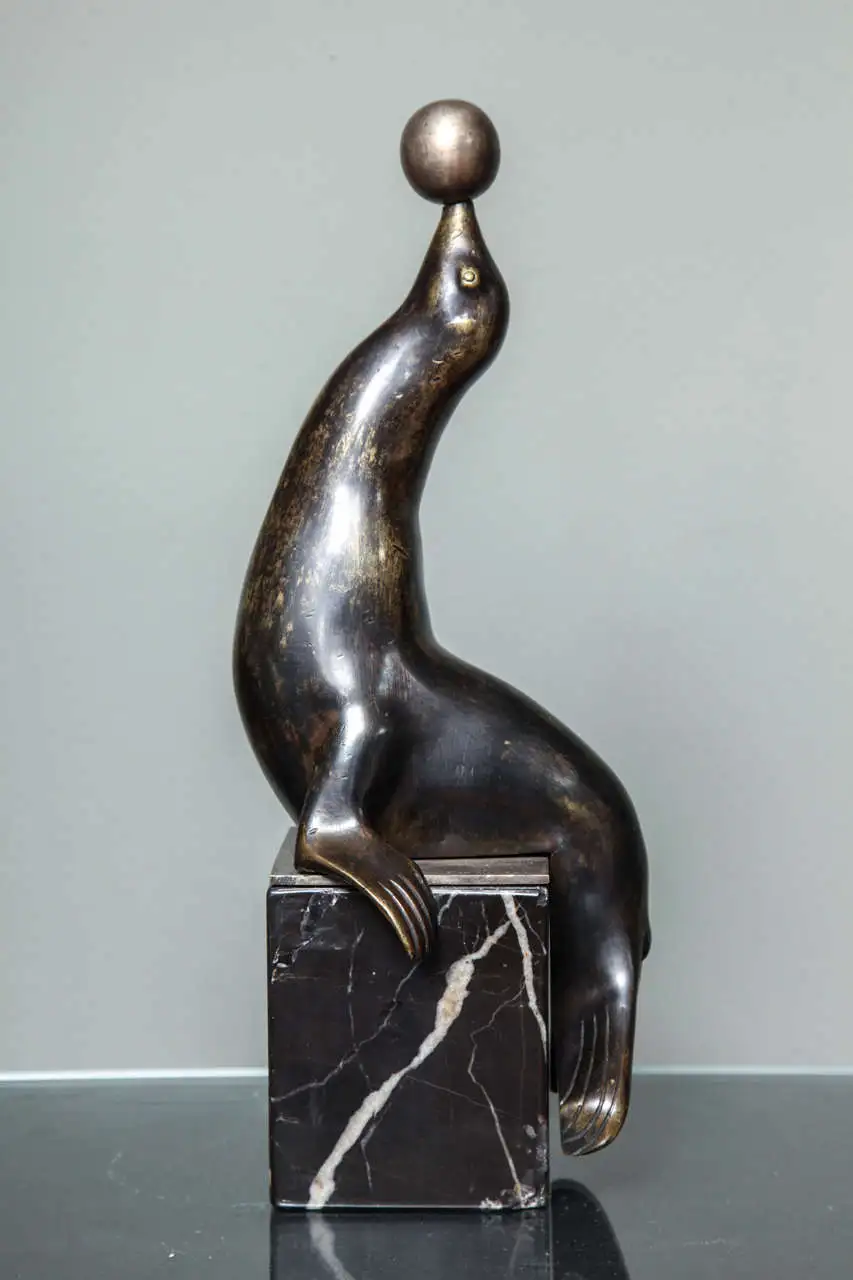
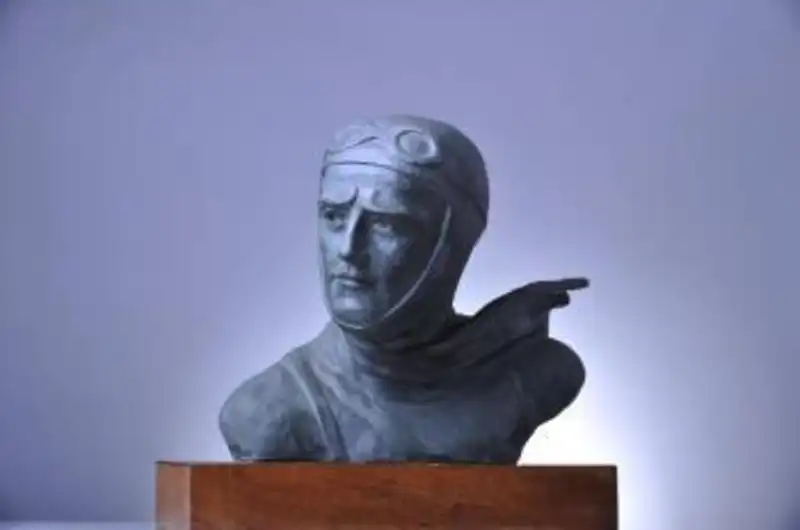

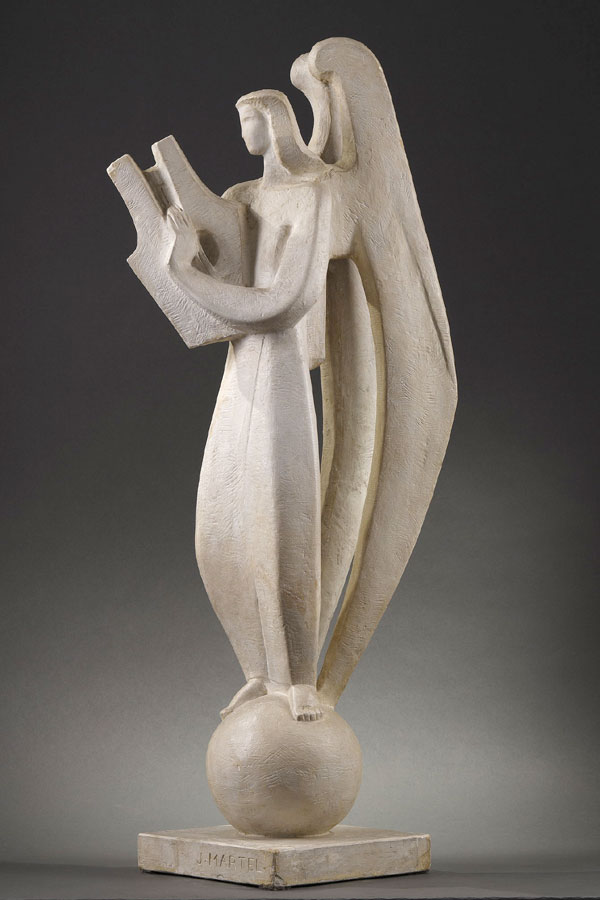
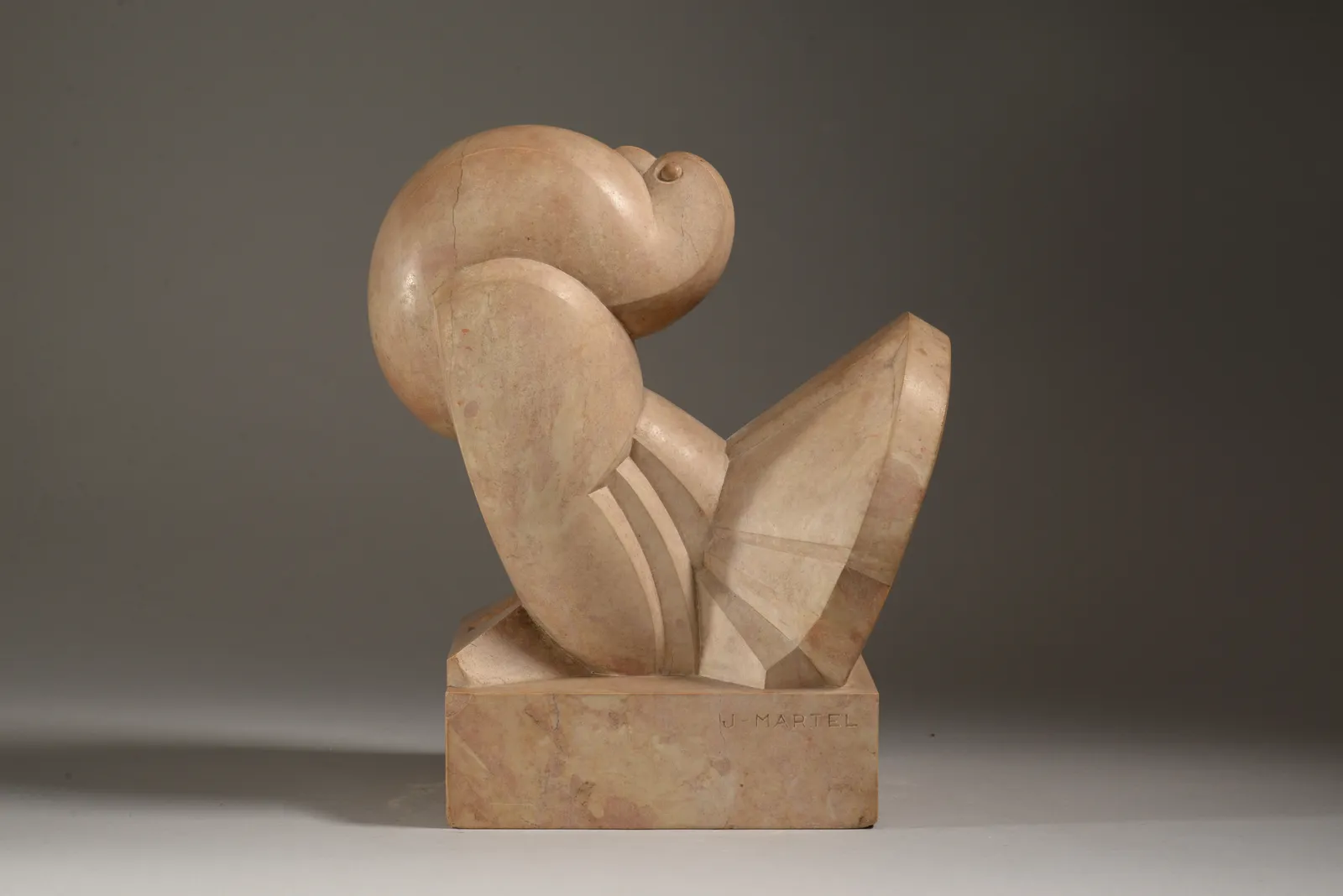


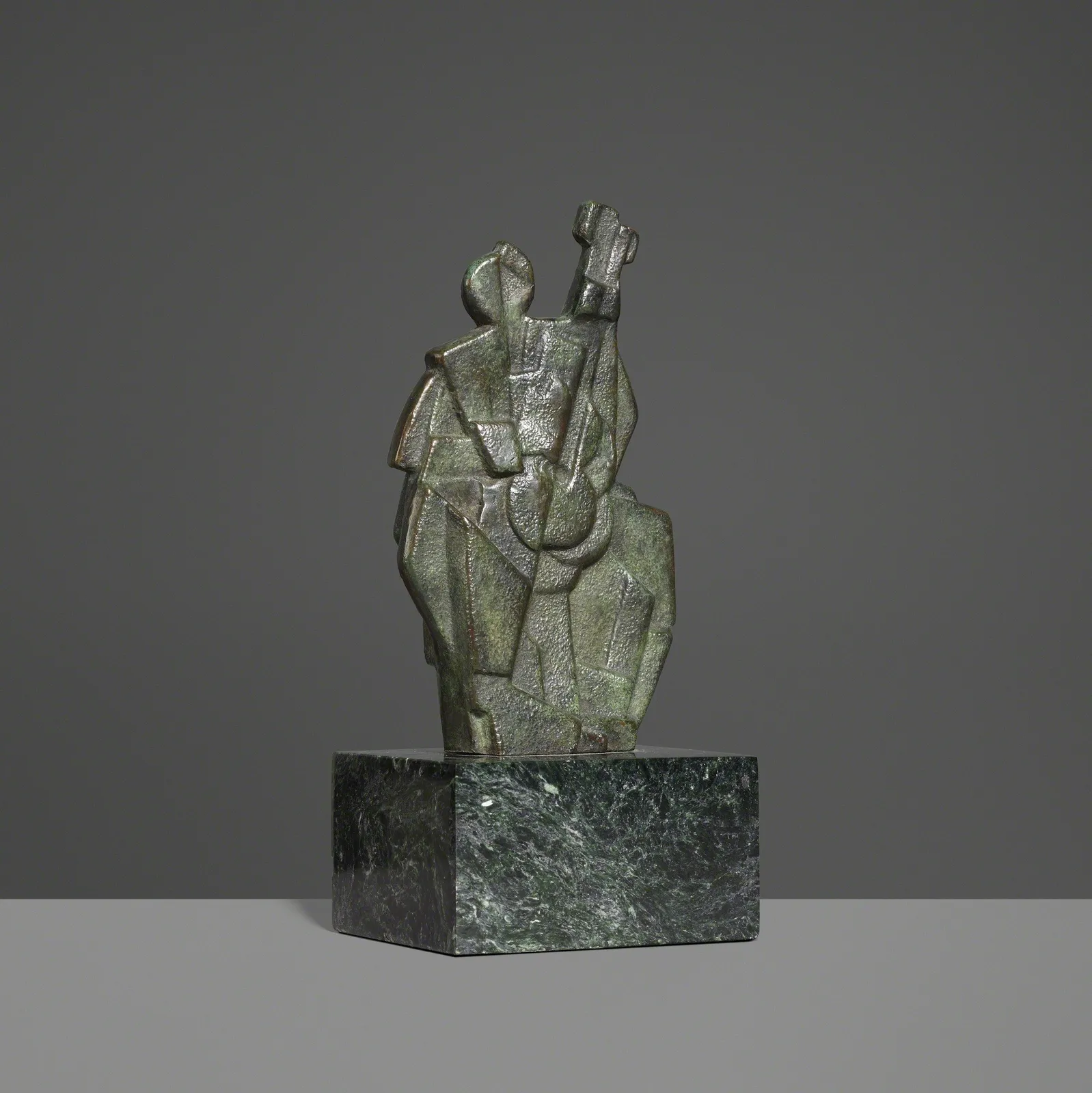
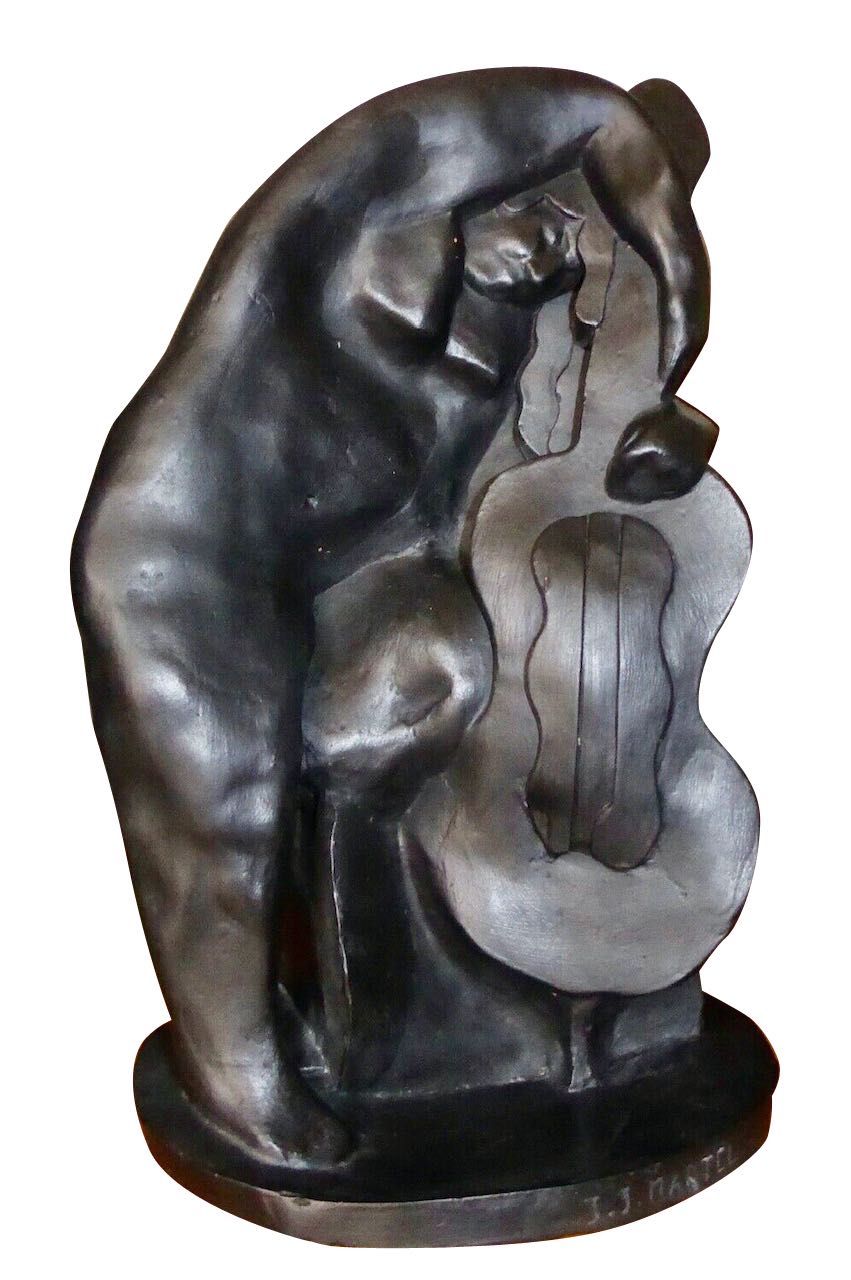
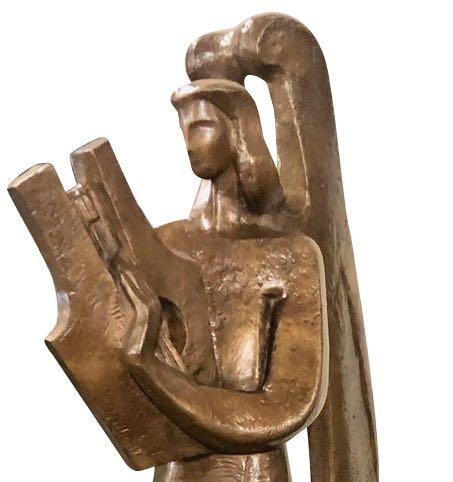
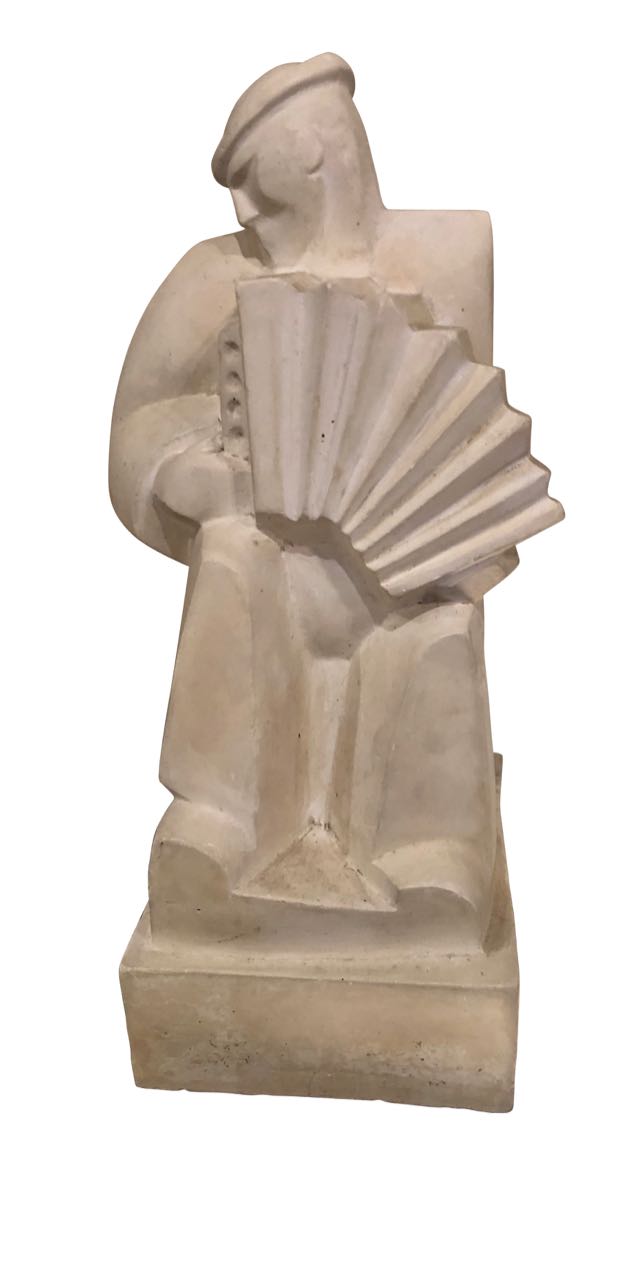
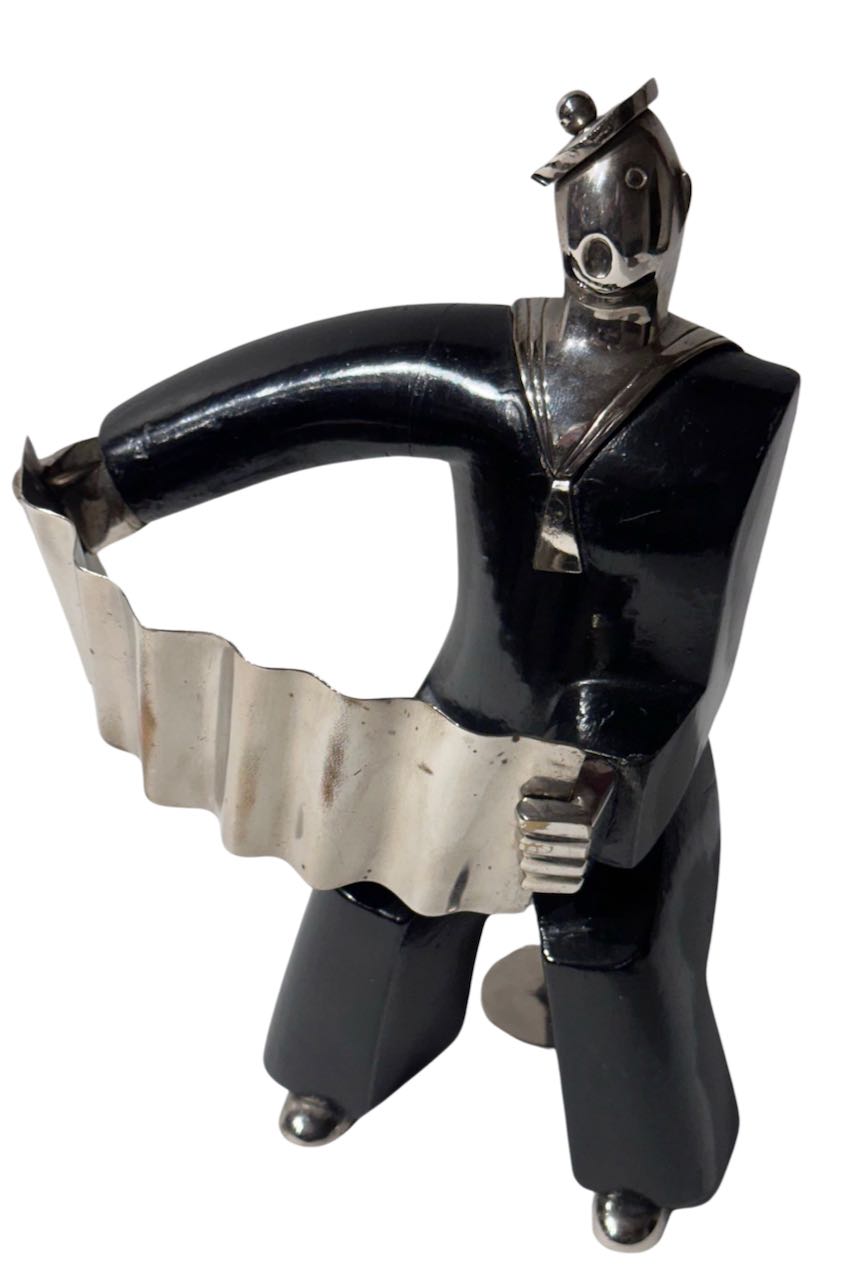
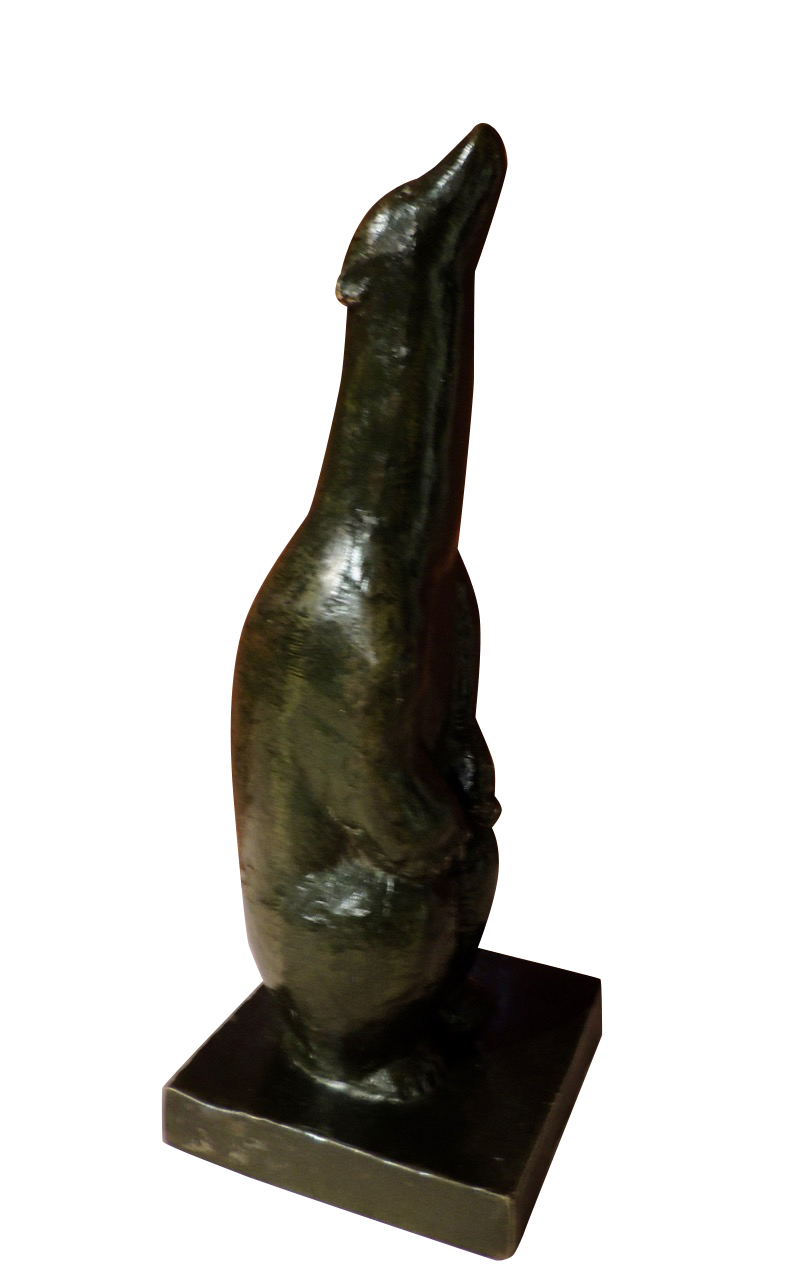
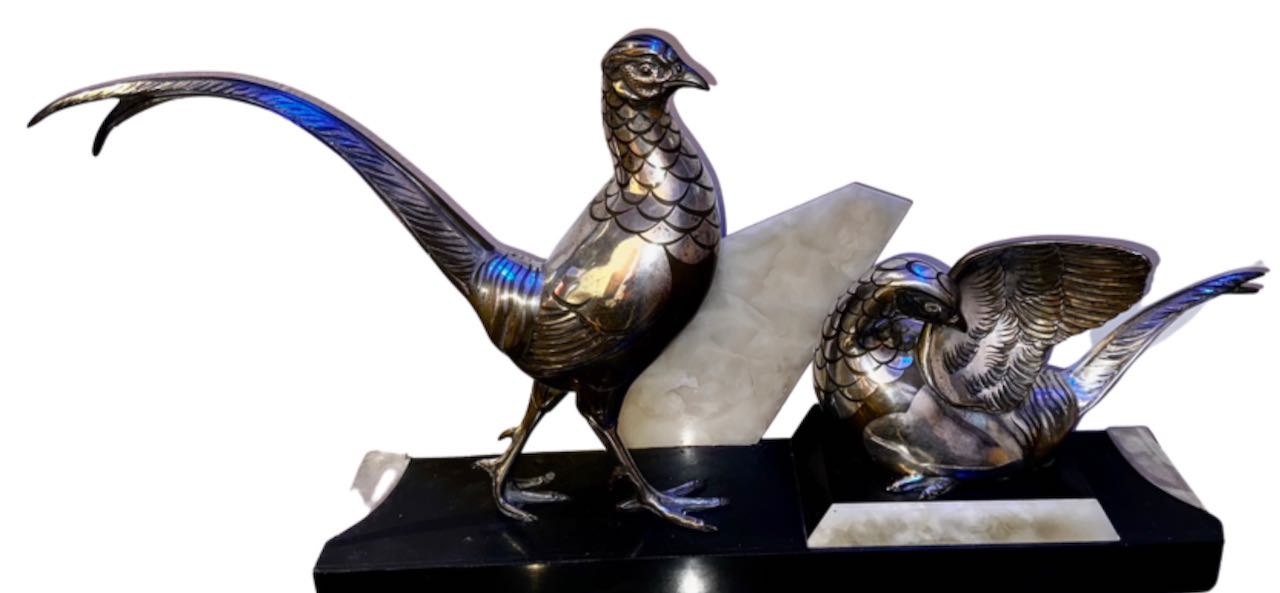
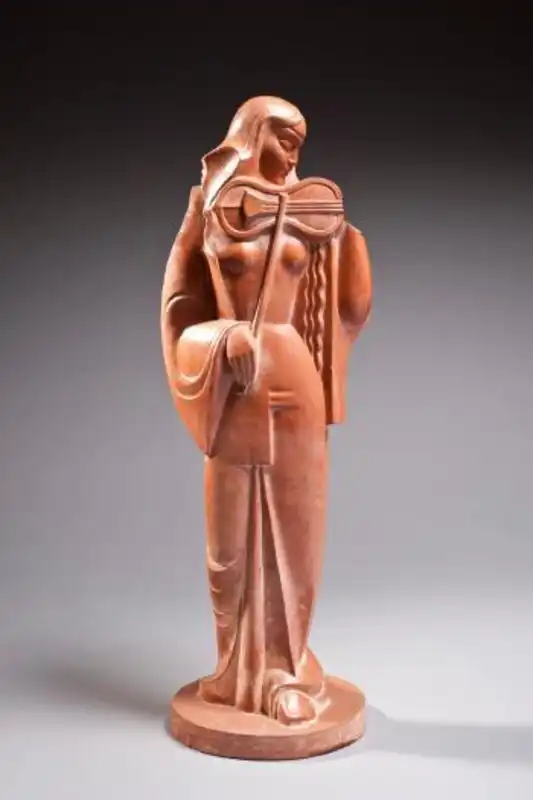
The Martels occupied a distinctive space between naturalist representation and Cubist abstraction. Their work was characterized by deformed figures and harmonious forms contained within simplified, smooth volumes, a hallmark of Art Deco sensibility. They devoted careful attention to material and color, which set them apart among modernist artists and allowed them to work convincingly across scales. Their 1930 piece La Locomotive en marche, rendered in polished zinc, conveyed Futurist ideas about speed and motion. Around 1937, their work shifted toward greater abstraction, as seen in pieces like Le Faucheur, La Danseuse, and Mélusine.
Key Influences
- Public Modernist Sculpture: Their fusion of Cubist geometry with monumental civic works demonstrated that avant-garde aesthetics could serve commemorative and public purposes.
- Art Deco Icon: Their reinforced concrete trees at the 1925 Paris exposition became defining symbols of Art Deco modernism and helped redefine the relationship between sculpture and architecture.
- Union des Artistes Modernes: As founding members of the UAM, they helped shape a movement that championed modern materials and functional design in the decorative arts.
- Material Innovation: Their adventurous use of industrial materials such as polished zinc, reinforced concrete, steel, and synthetics expanded the accepted vocabulary of sculptural media for a generation of artists.
- Collaborative Authorship: Their joint-signature practice challenged conventional notions of individual artistic identity and paved the way for later collective art practices.
If you are interested in further stories of the artists who shaped Art Deco, return to our artists page to browse the full directory.
Related Products