

Gio Ponti
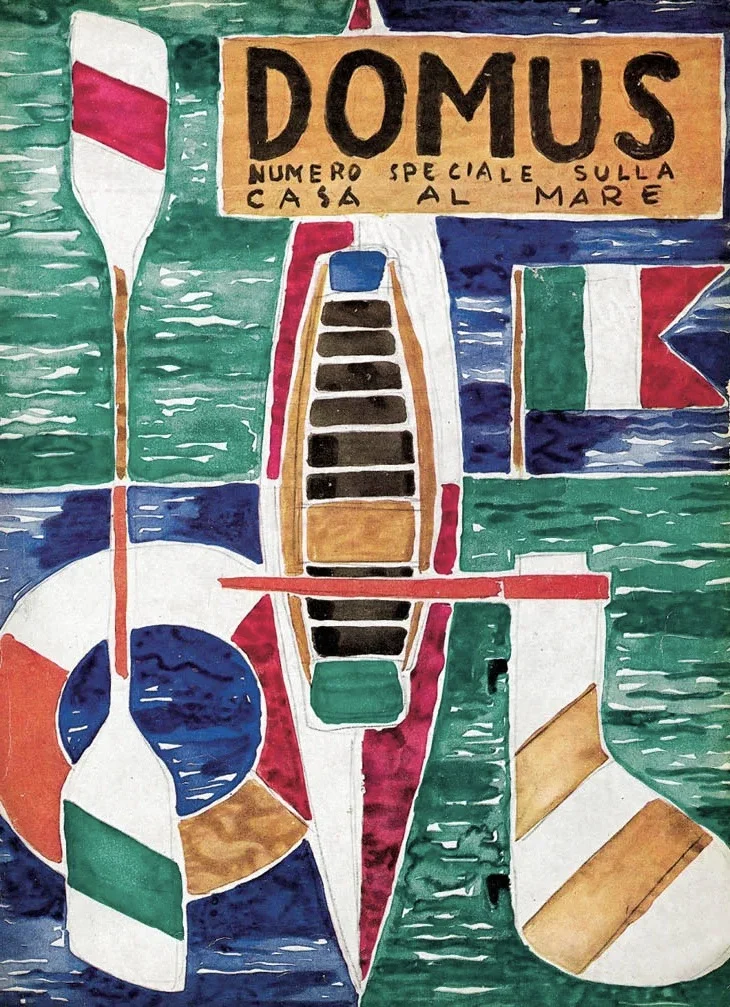
Giovanni Ponti was born on November 18, 1891, in Milan, Italy, the son of Enrico Ponti and Giovanna Rigone. His architectural studies at the Politecnico di Milano were interrupted by World War I, in which he served as a captain in the Corps of Engineers from 1916 to 1918, receiving both the Bronze Medal of Military Valor and the Italian Military Cross. He graduated in 1921 and, the same year, married Giulia Vimercati, with whom he had four children. He began his architectural career in partnership with Mino Fiocchi and Emilio Lancia in 1923, and that same year was appointed artistic director of the Richard Ginori porcelain factory, beginning a 15-year relationship that launched his reputation as a designer. In 1928 he founded Domus magazine, which he would direct for most of his life and which became one of the world’s most influential publications in architecture and design. From 1936 to 1961 he taught at the Politecnico di Milano, training several generations of designers. He contributed to the creation of the Compasso d’Oro award in 1954 and received it himself in 1956. Ponti died in Milan on September 16, 1979, at the age of 87.
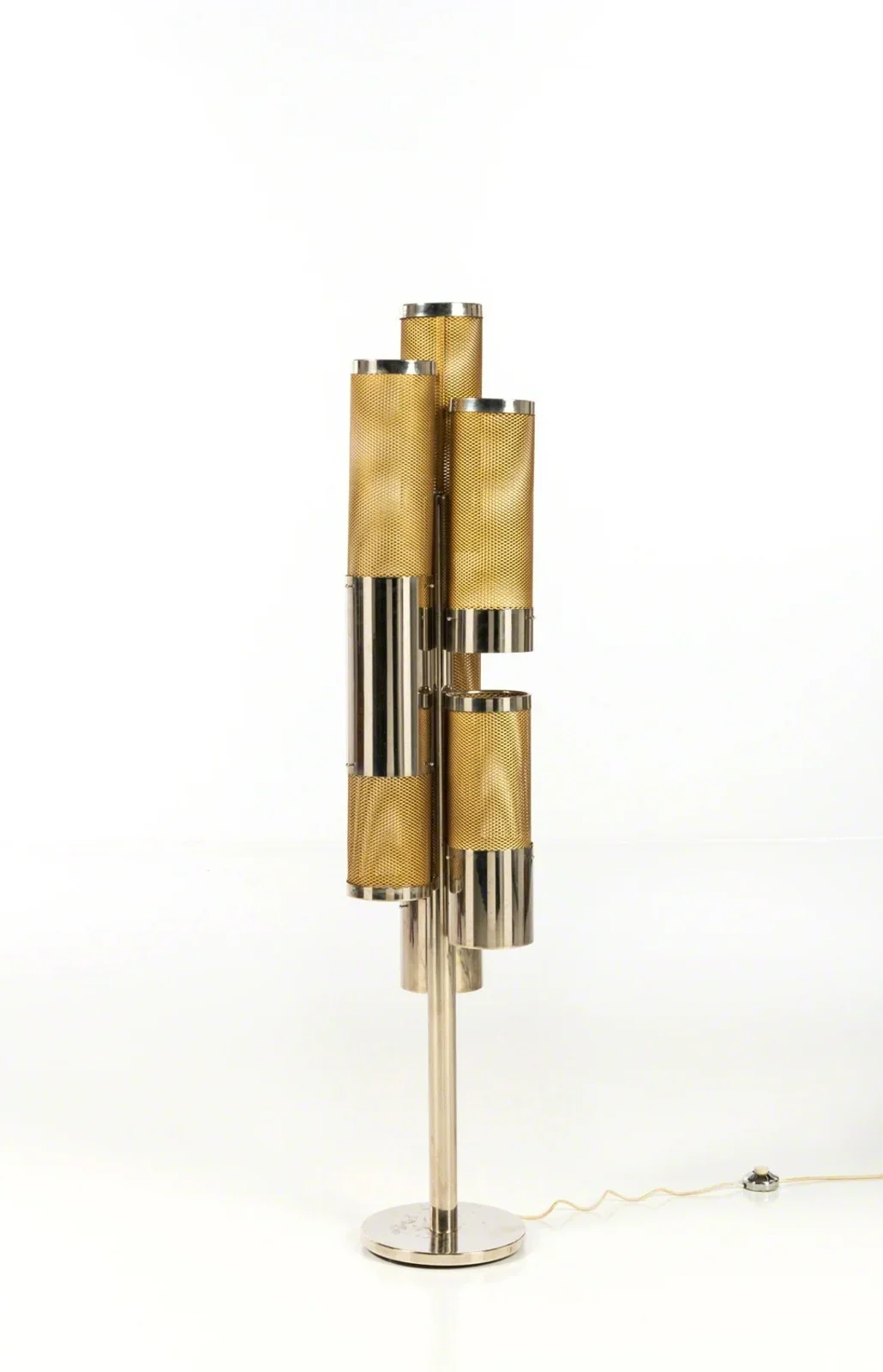
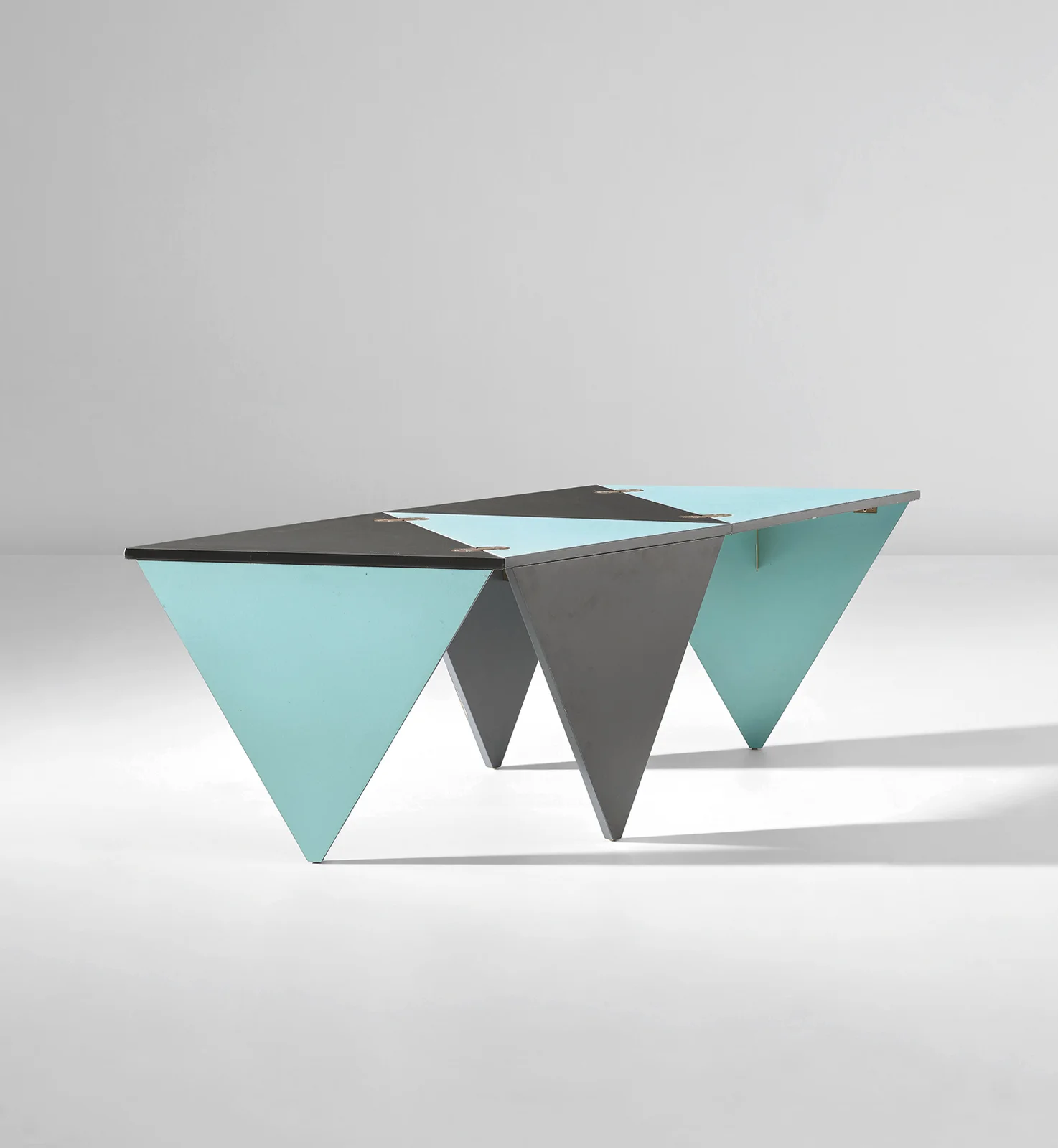
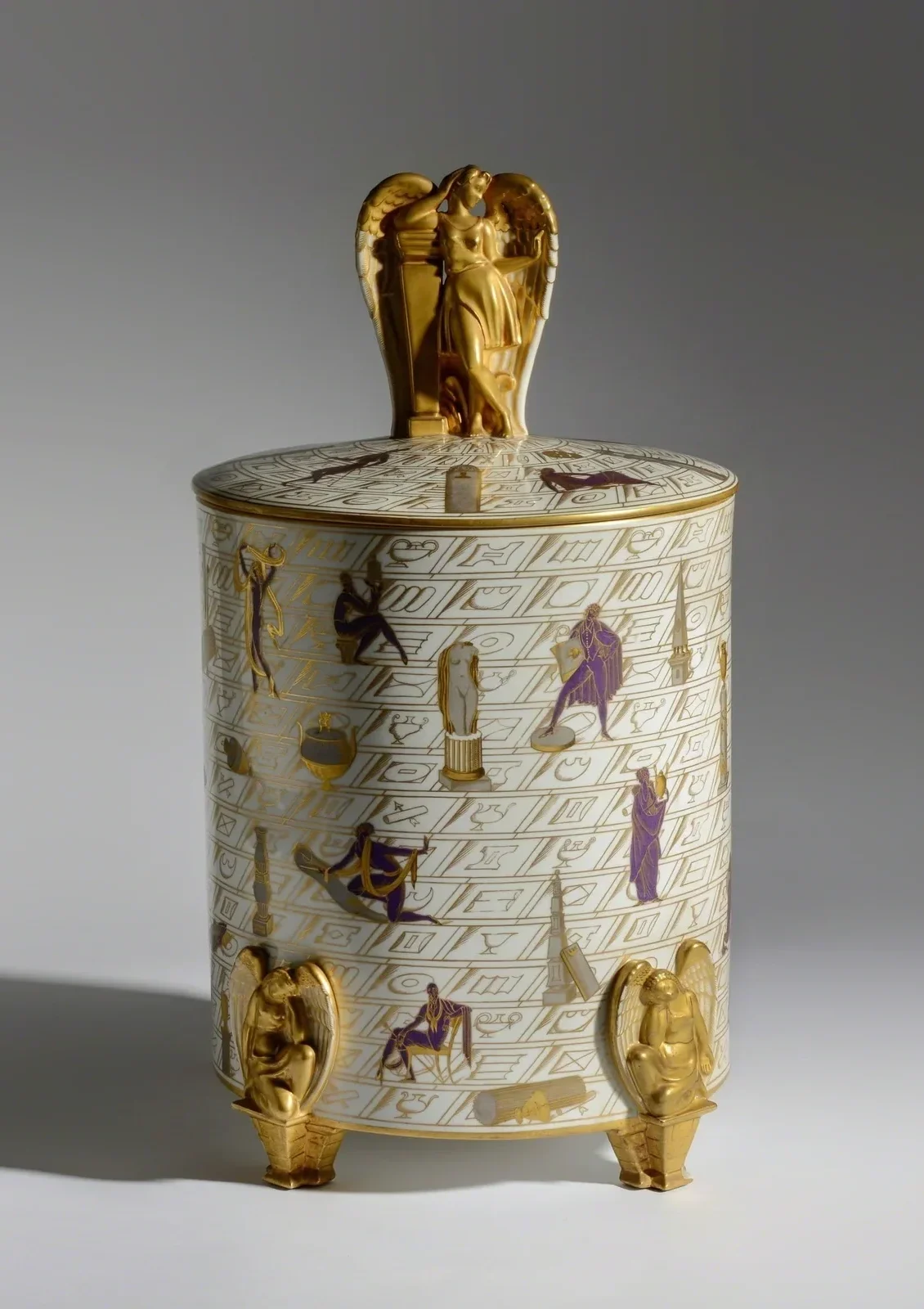
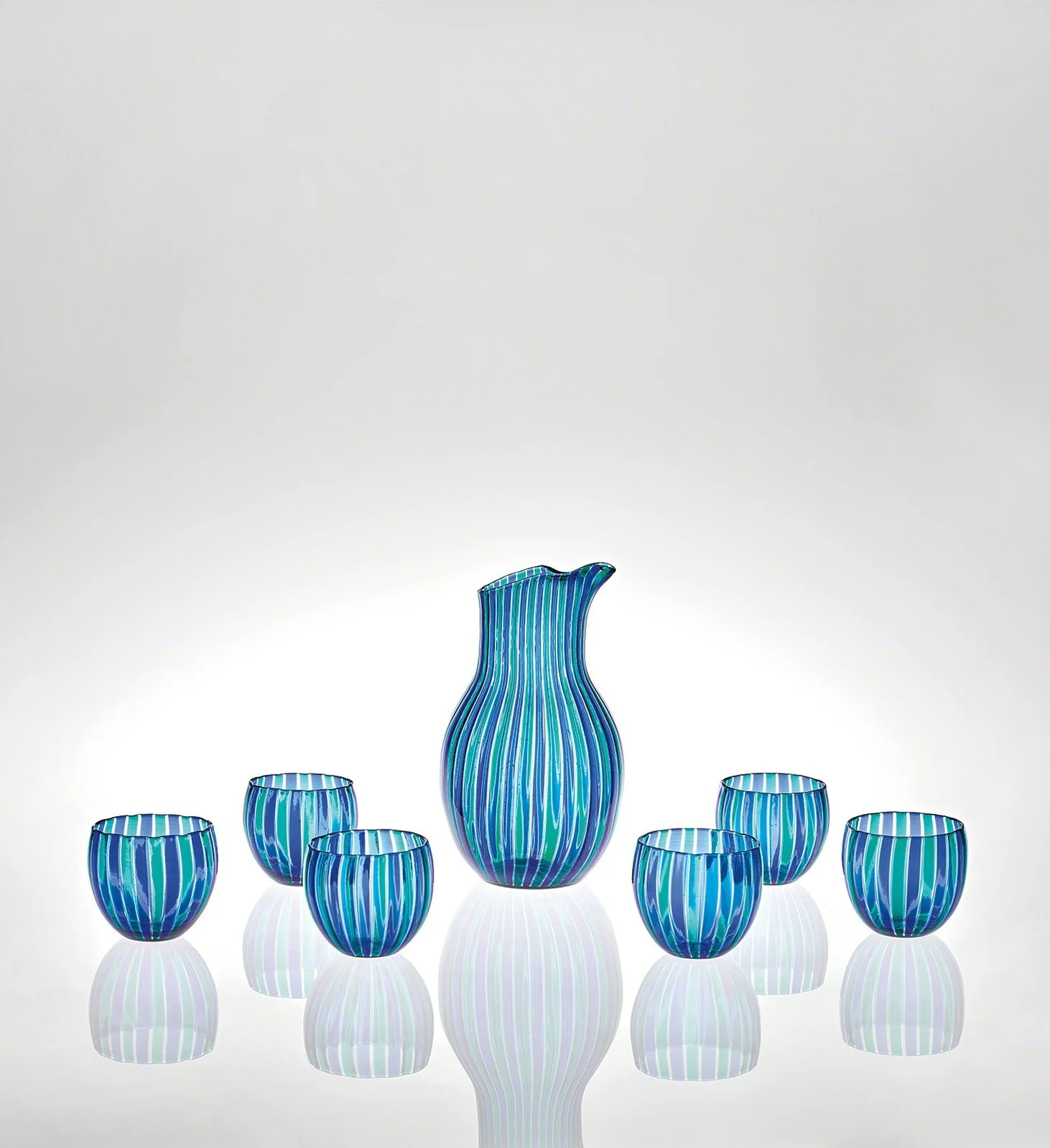
Ponti’s early ceramics for Richard Ginori, shown at the 1925 Paris Exposition Internationale des Arts Décoratifs et Industriels Modernes, won the grand prize and established him as a major figure in Italian decorative arts. In 1933 he co-founded Fontana Arte with Pietro Chiesa and Luigi Fontana, creating a company that became a force in Italian furniture and lighting design. His two-decade collaboration with Piero Fornasetti produced furniture, interiors, and objects in which Ponti’s architectural forms were decorated with Fornasetti’s fantastical painted imagery. His 1952 Ant-like Leggera chair and 1957 Superleggera for Cassina, derived from the traditional Chiavari chair and weighing only 1.7 kilograms, became among the most celebrated furniture designs of the 20th century and remain in production today. The Pirelli Tower in Milan, built from 1956 to 1960 in collaboration with engineer Pier Luigi Nervi, was Italy’s first skyscraper and a symbol of postwar economic recovery. His Villa Planchart in Caracas, completed in 1957 and known locally as the butterfly house, is considered one of his architectural masterpieces, conceived as a large-scale abstract sculpture in which light, color, and landscape were fully integrated. He also designed interiors for major Italian ocean liners, espresso machines, sewing machines, bathroom fittings, cutlery, ceramics, textiles, and theater sets, making his output one of the broadest of any designer of his era.
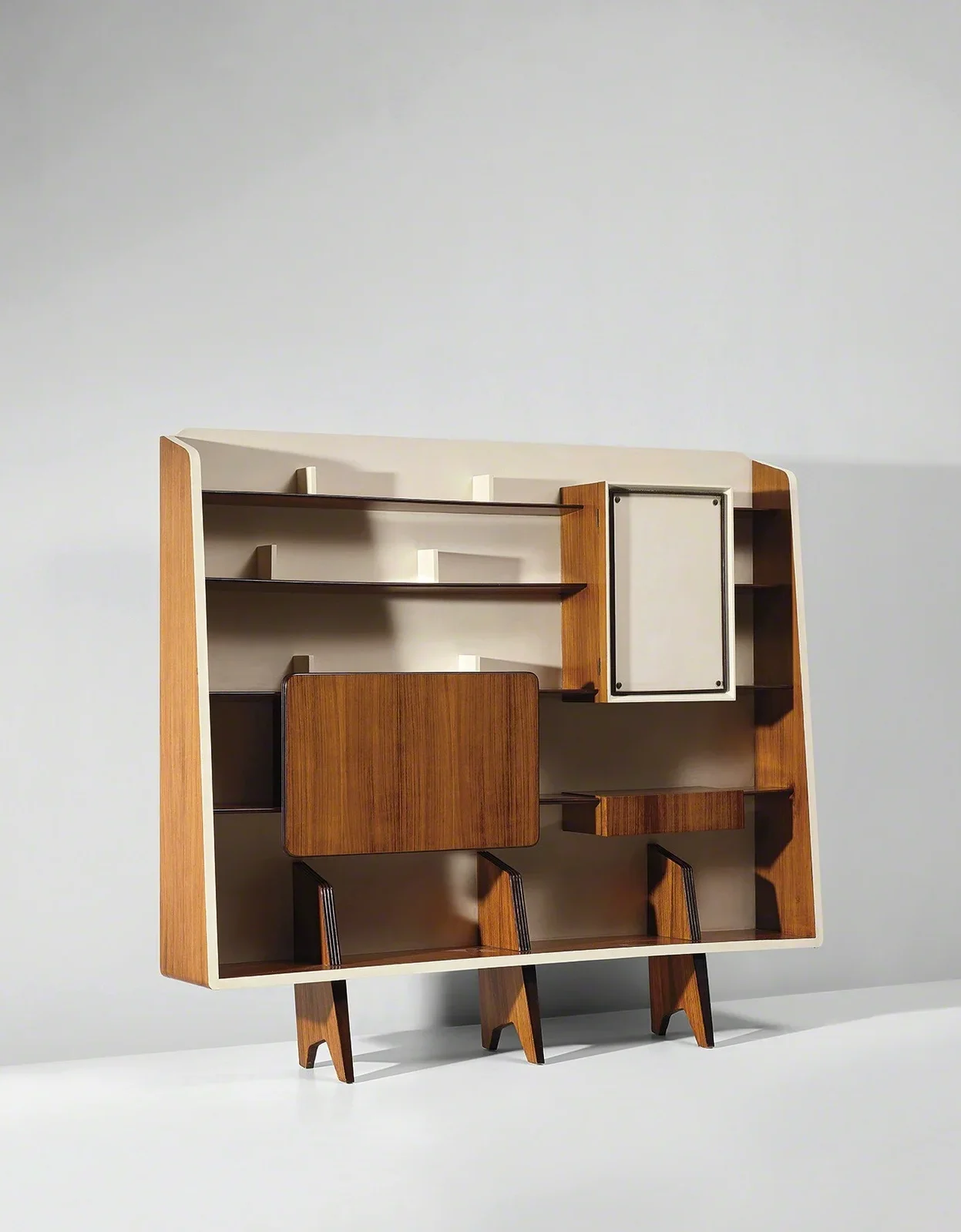
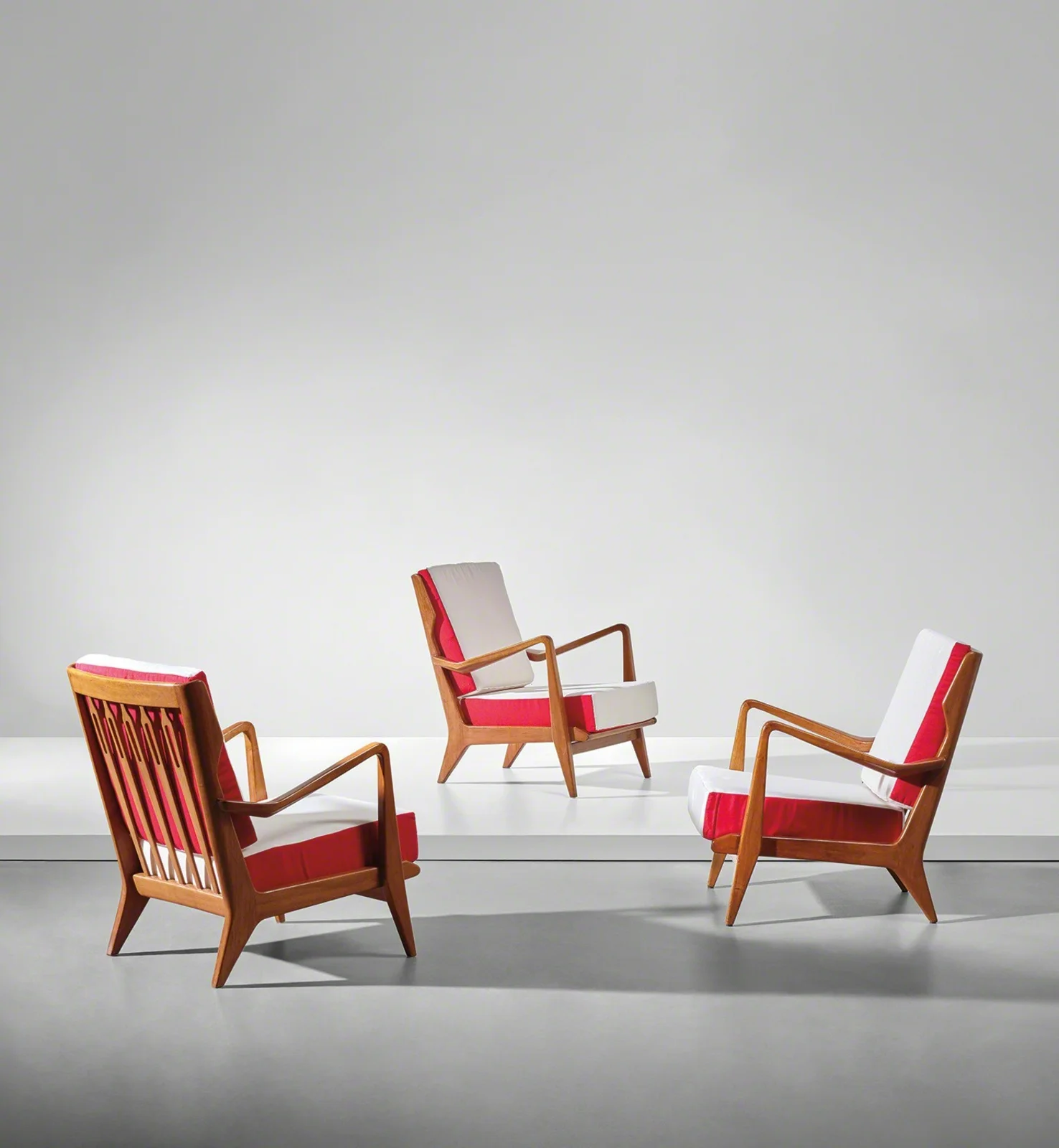
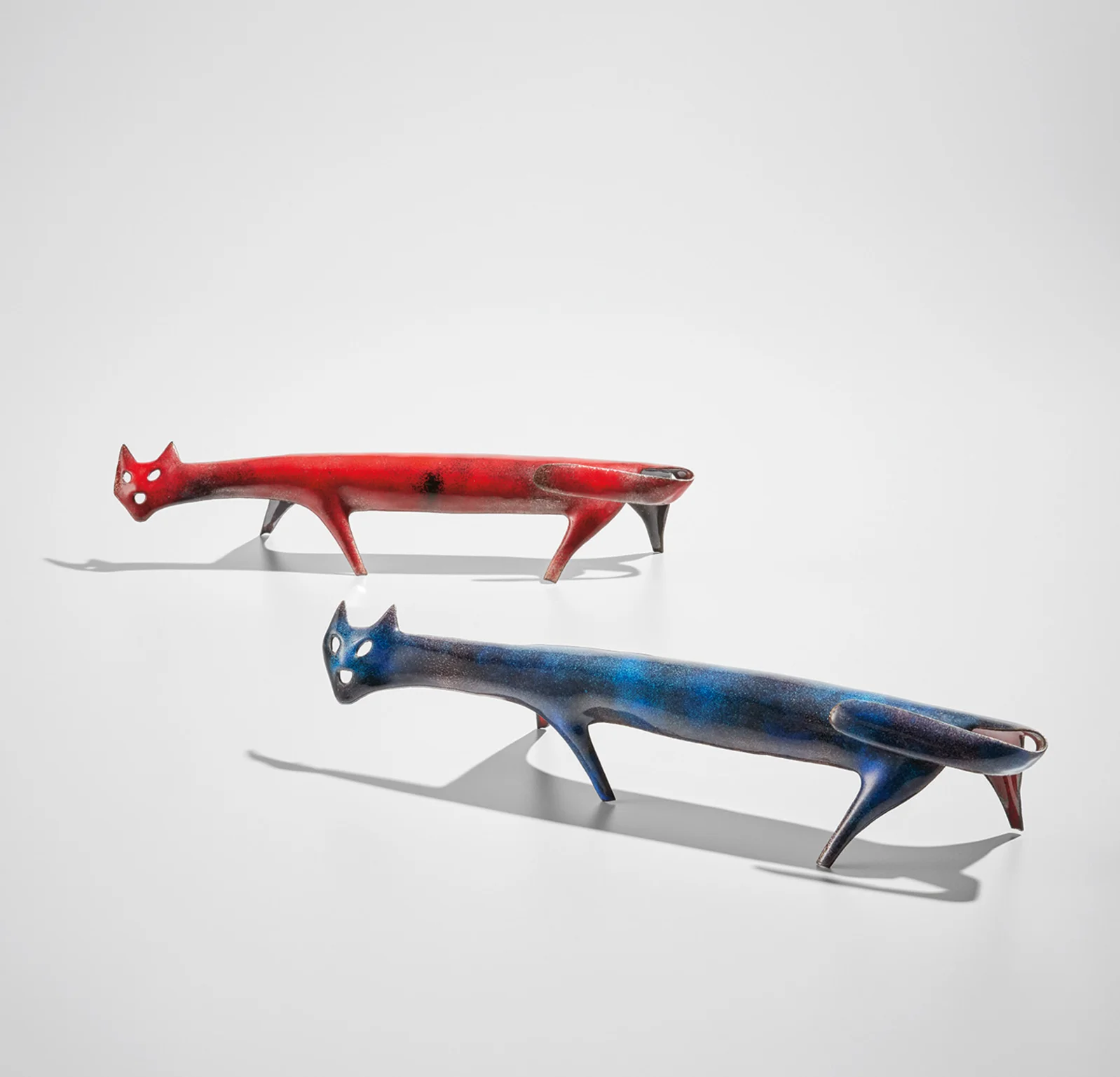
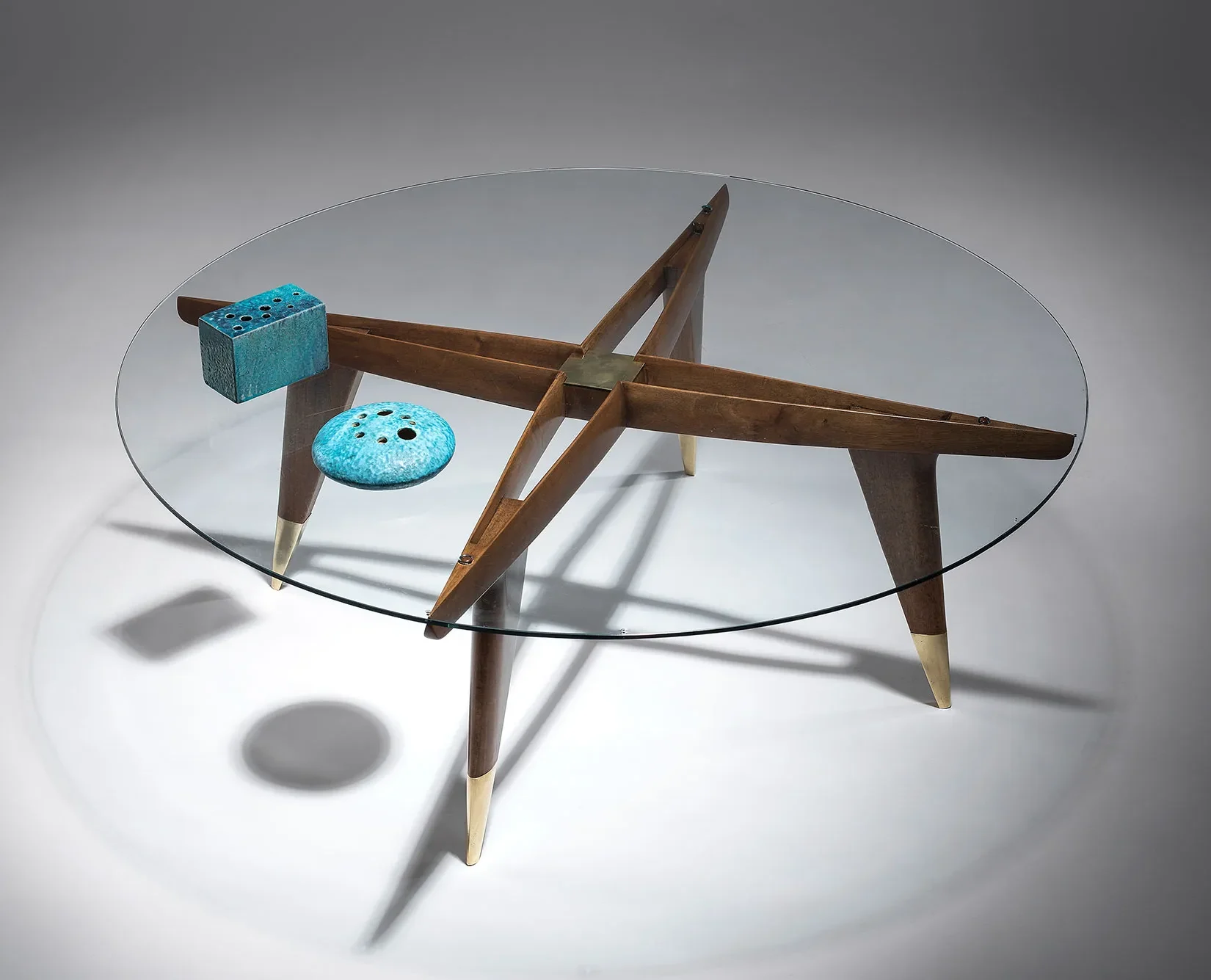
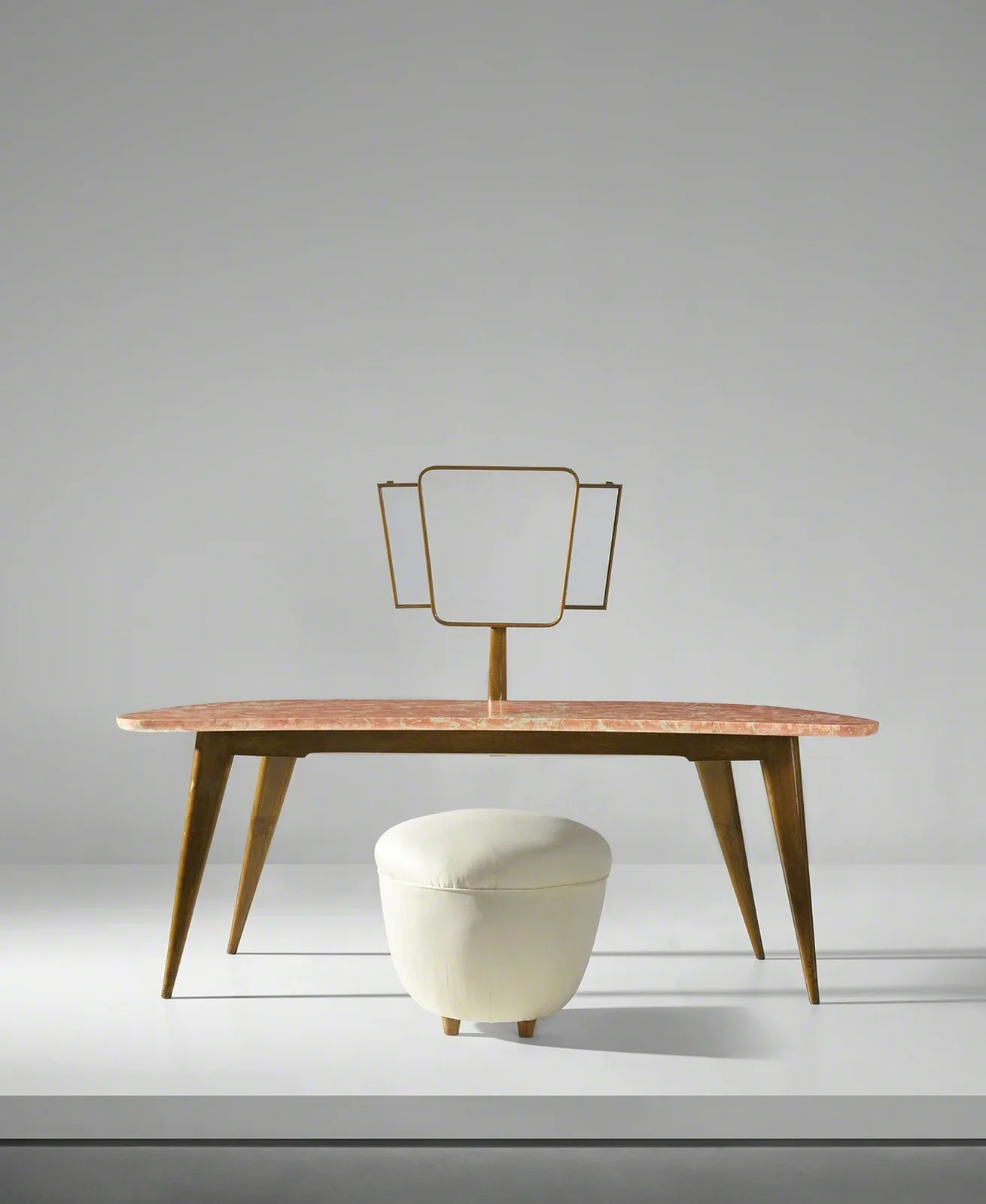
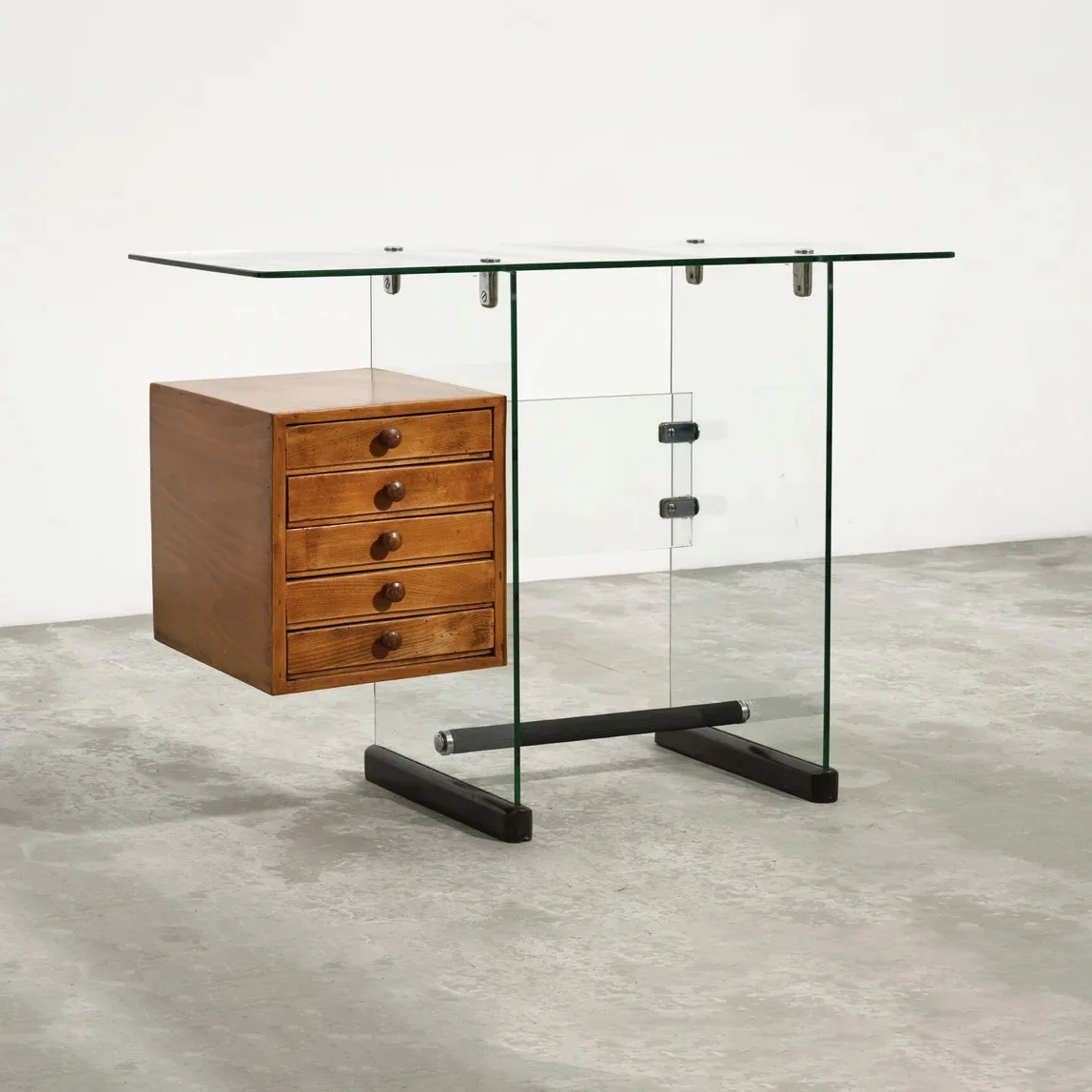
Ponti pursued what he called la forma finita, the finished form, simple and light, that could not be extended, added to, or repeated, symbolized by the hexagonal diamond shape that recurred throughout his work. His mature buildings treated facades as suspended screens of perforated geometric forms through which light and sky became active architectural elements, giving his buildings an unusual sense of transparency and weightlessness. Across every medium and scale, his work combined joyfulness with structural precision, balancing Italian craft tradition with modernist clarity in a way that was unmistakably his own.
Key Influences
- Domus Magazine: His founding and lifelong direction of Domus made it the central platform through which Italian design engaged the world, shaping taste and debate across six decades.
- Superleggera Chair: His most celebrated furniture design became an icon of Italian modernism and remains one of the most recognizable chairs of the 20th century.
- Pirelli Tower: Italy’s first skyscraper became a symbol of postwar Italian recovery and one of the defining works of mid-century European architecture.
- Richard Ginori: His 15-year artistic directorship transformed the company’s output and placed Italian ceramics at the forefront of international decorative arts.
- Italian Design Identity: Through Domus, the Triennale, the Compasso d’Oro, and his teaching, he was the single most important architect of the postwar Made in Italy design identity.
If you are interested in further stories of the artists who shaped Art Deco, return to our artists page to browse the full directory.

Related Products from ArtDecoCollection.com