





Donald Deskey
Donald Deskey was one of the American designers who helped shape the visual identity of the twentieth century, moving fluidly between interiors, industrial design, packaging, and architectural commissions. Born in Blue Earth, Minnesota, he studied painting and architecture across several institutions before leaving for Paris in 1920, where exposure to European modernism changed the trajectory of his career. After returning to the United States he taught art, exhibited his work, and eventually settled in New York in 1926 to work with furniture designer Paul Frankl. He quickly proved himself by designing furniture, lighting, and window displays, as well as interiors for clients like Adam Gimbel, which brought his work to the attention of major retailers and cultural figures. In 1927 he opened the Deskey Vollmer studio, where he produced forward thinking interiors that stood out for their modern materials and clean forms. His involvement in founding the American Union of Decorative Artists and Craftsmen placed him at the center of a growing movement that aimed to give American design the same cultural presence enjoyed in Europe. Deskey’s career reached a new level when John D Rockefeller selected him to design the interiors of Radio City Music Hall, a project he completed between 1931 and 1934. The commission made him one of the most visible ambassadors of Art Deco in the United States and established the foundation for a long and influential career.

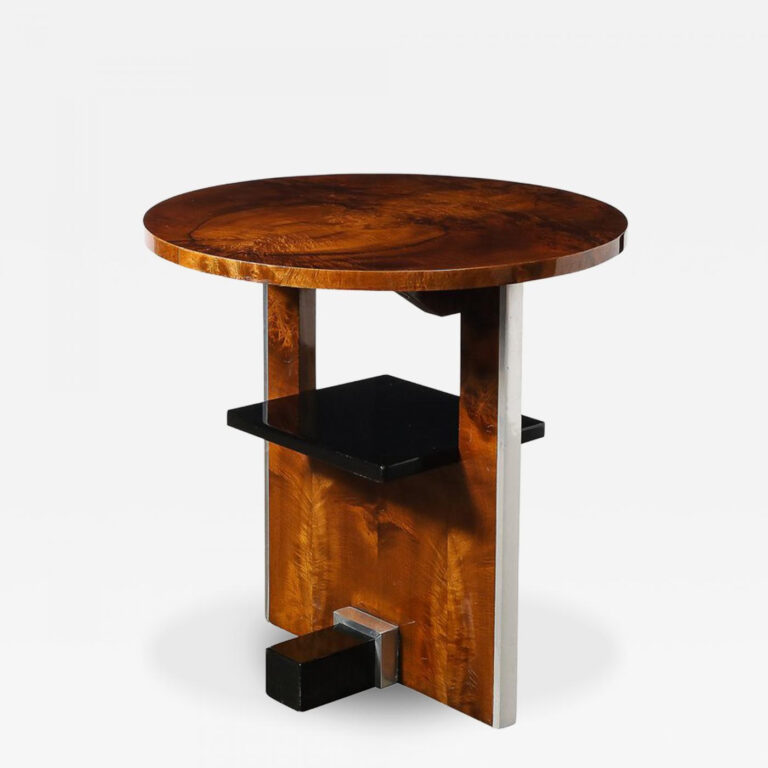
Deskey used his success at Radio City to build a multidisciplinary studio that took on exhibitions, furniture, interior architecture, and corporate product design. He organized and contributed to important shows such as the 1934 Art and Industry exhibition at Rockefeller Center and the Contemporary American Industrial Art exhibition at the Metropolitan Museum of Art, which showcased the direction of modern design in the United States. During the 1930s and early 1940s he helped build the industrial design program at New York University and co founded the Society of Industrial Designers, shaping design education and professional standards. His mid career work with companies like Brunswick Balke Collender showed his ability to rethink everyday environments, including his influential concept for the modern bowling center. In the postwar years Deskey became known for his use of new materials, particularly Weldtex, a striated plywood he developed to introduce texture and pattern into interiors. His design studio also created iconic packaging for Procter and Gamble, including widely recognized bottles and boxes that brought modern design into American homes. Deskey’s range remained wide, from office furniture for Globe Wernicke to plastics, laminates, and glass used in architectural settings. By the time his archive was acquired by the Cooper Hewitt Museum, his influence had become part of the foundation of American industrial and interior design. supacollafrag
Radio City Music Hall
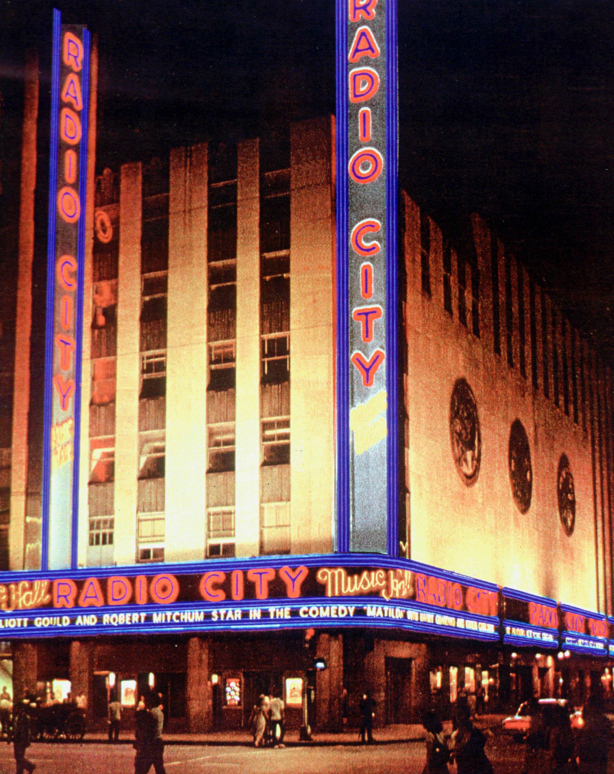
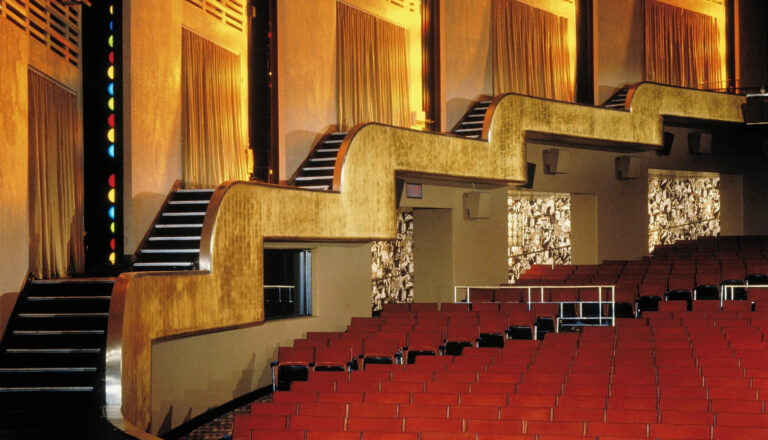
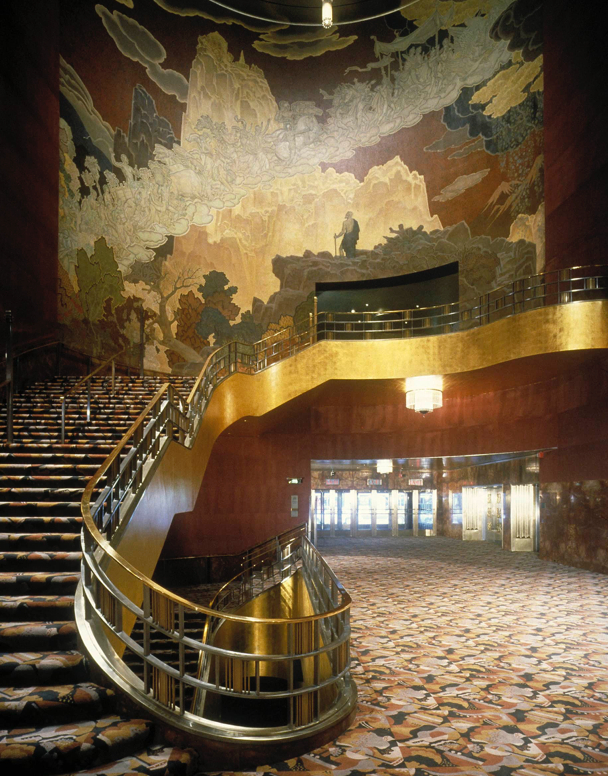


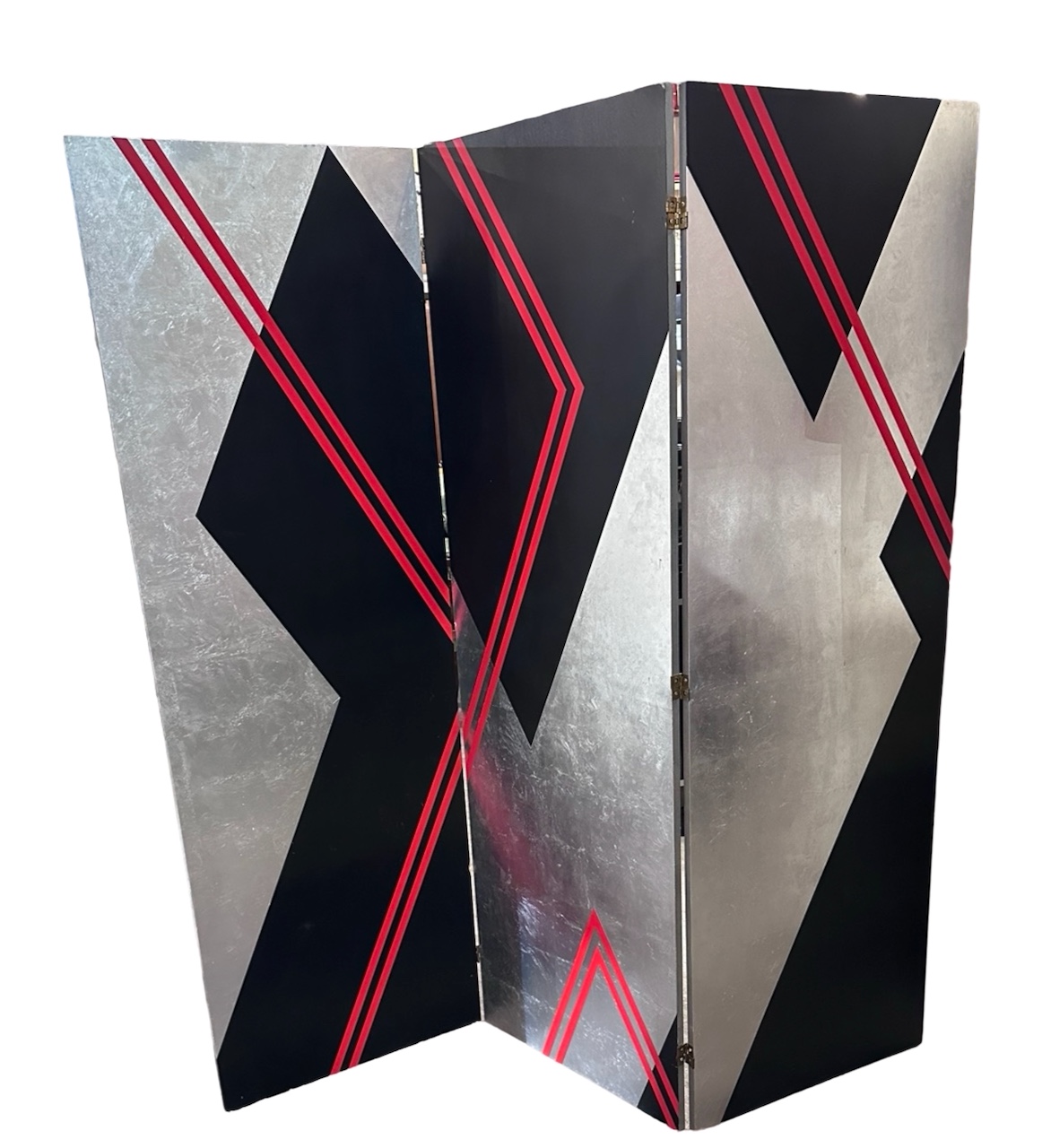
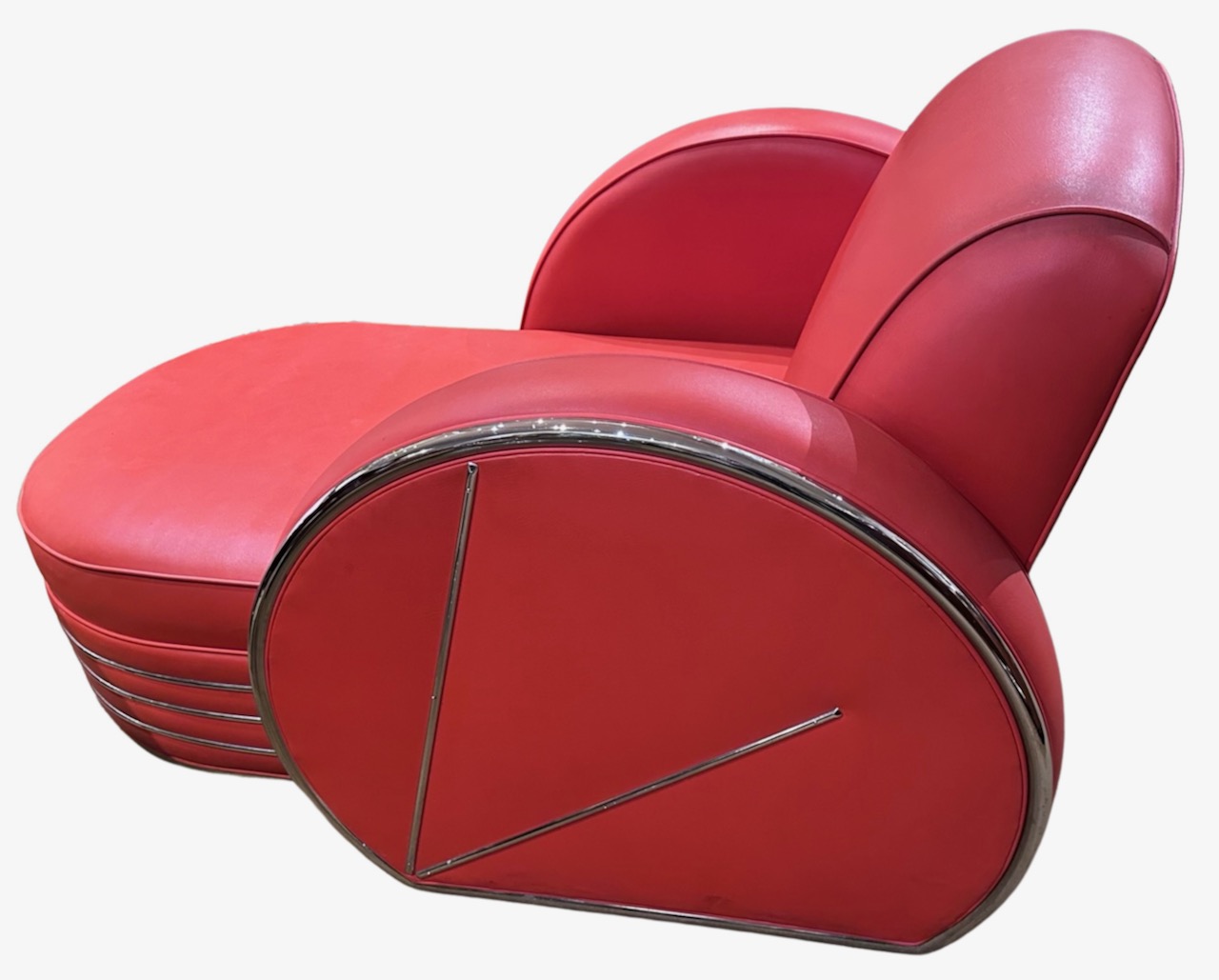
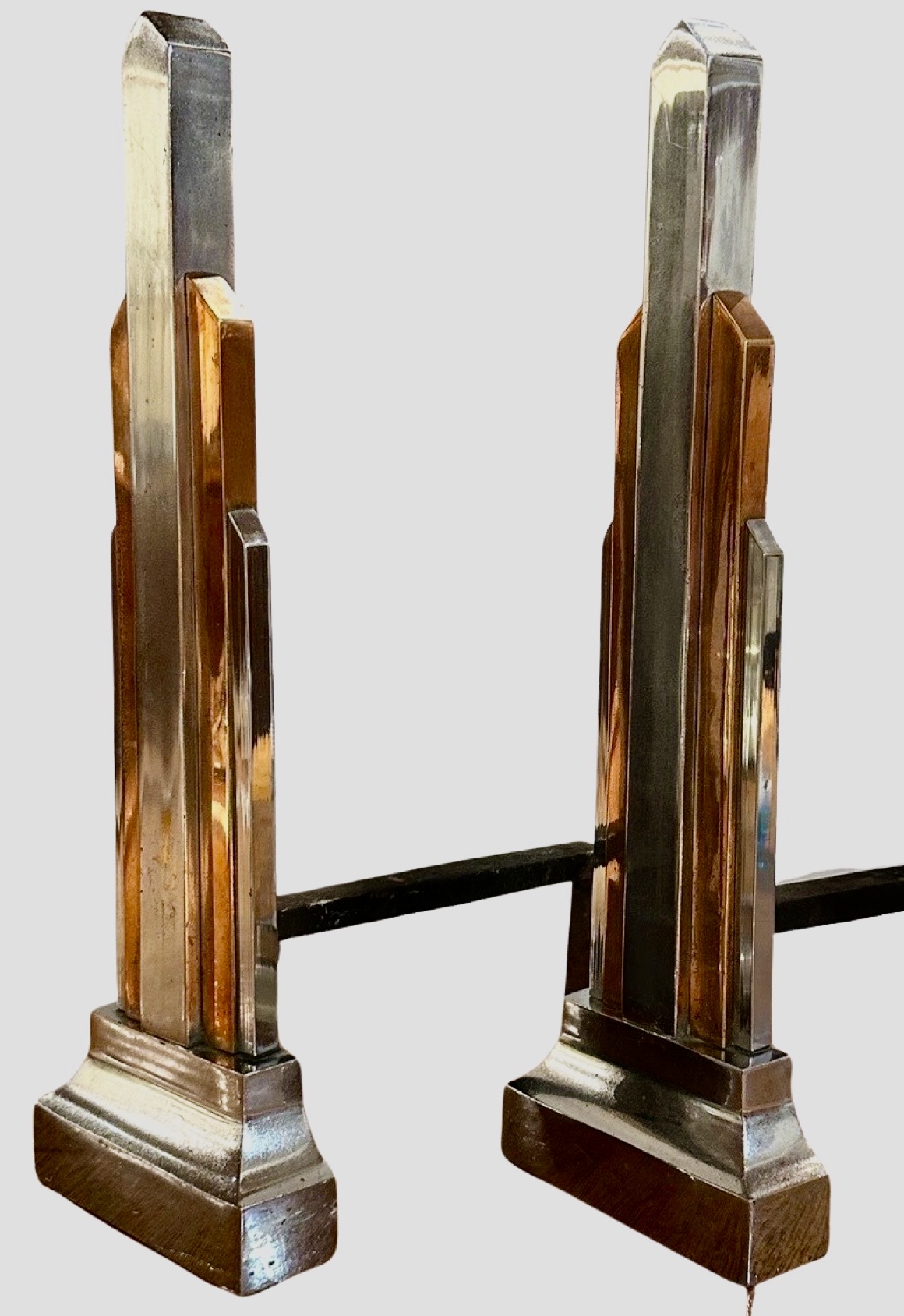
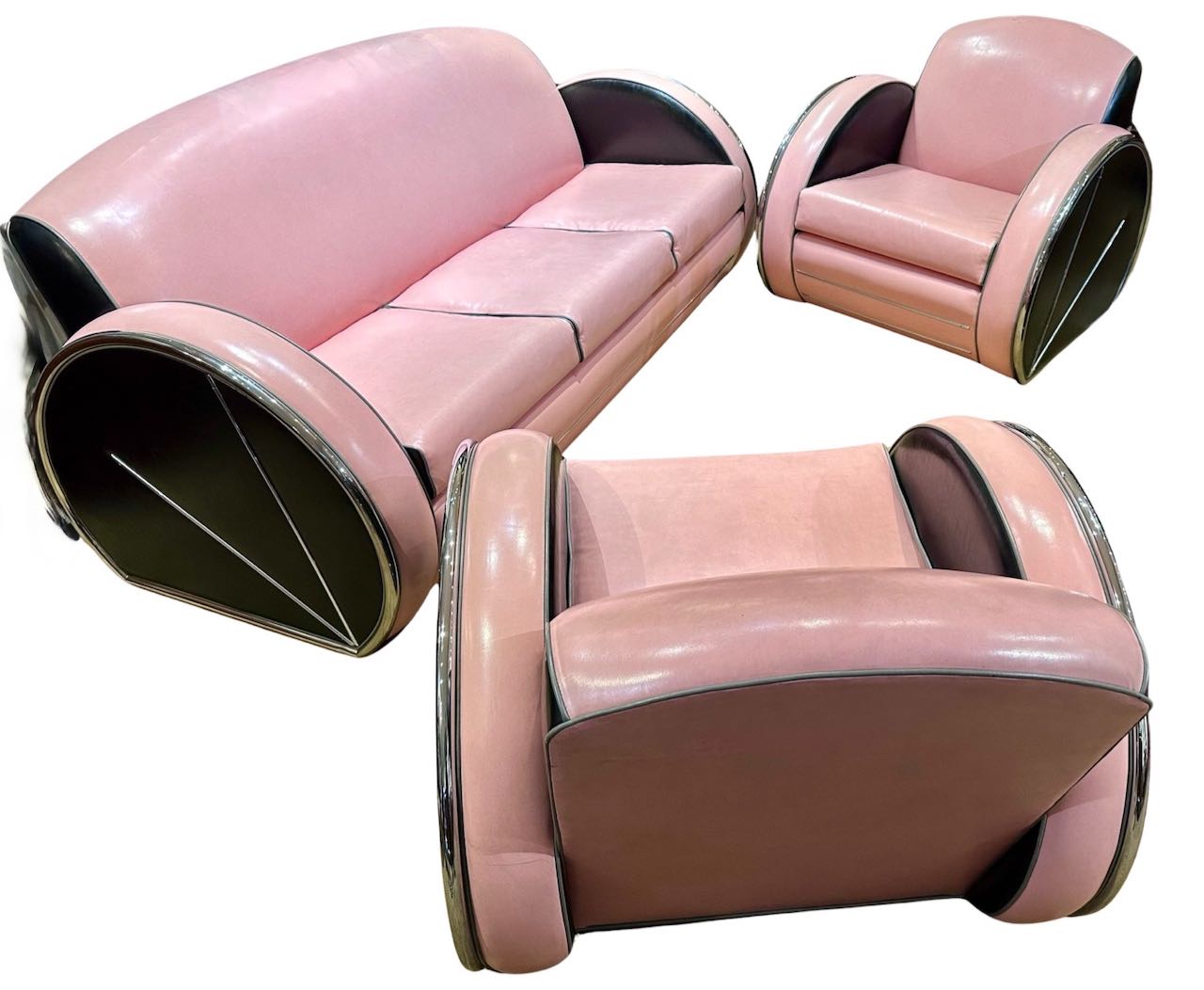
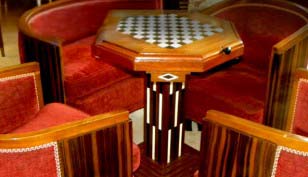
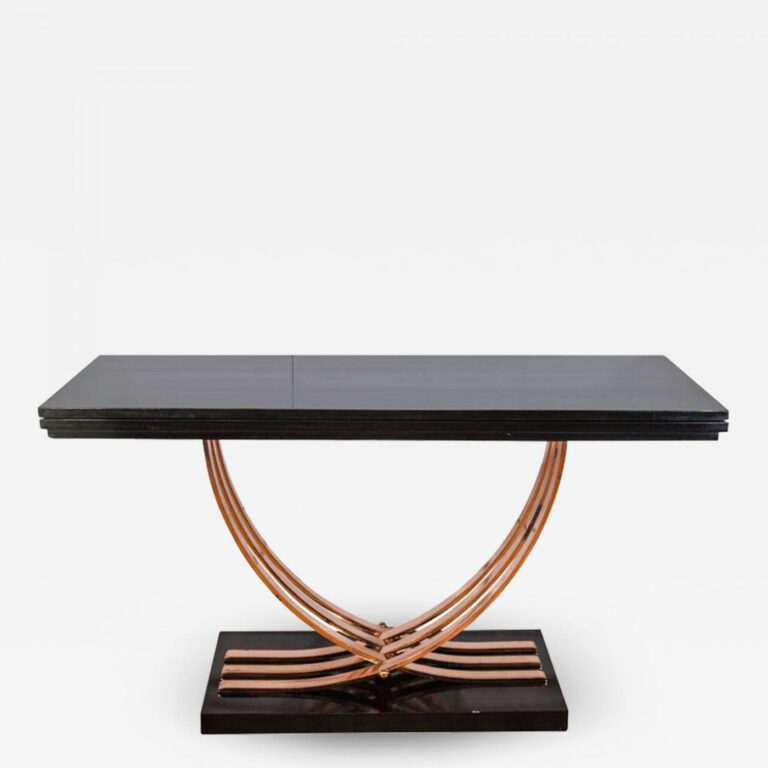
Deskey favored clean geometry, innovative materials, and surfaces that balanced visual warmth with modern efficiency. He was especially drawn to industrial products like plywood, linoleum, and metals, which he used in ways that felt refined rather than utilitarian. His interiors paired sleek planes with subtle textural contrasts, giving them a polished but comfortable character. He often used indirect lighting and layered color to unify large spaces without dominating them. This approach allowed him to blend Art Deco elegance with the emerging modernist language that shaped American design after the 1930s.
Key Influences
Industrial Materials: Advanced the decorative use of plywood, metal, and laminates in public and domestic interiors.
American Modernism: Helped shift the United States toward a design identity that mixed Art Deco glamour with machine age practicality.
Corporate Design: Set standards for packaging and product identity through mass market work for major clients.
Education and Professionalization: Built programs and foundations that defined industrial design as a recognized profession.
Cultural Landmark Design: Created iconic interiors, most notably Radio City Music Hall, that cemented the public image of American Art Deco.
If you are interested in further stories of the artists who shaped Art Deco, return to our artists page to browse the full directory.