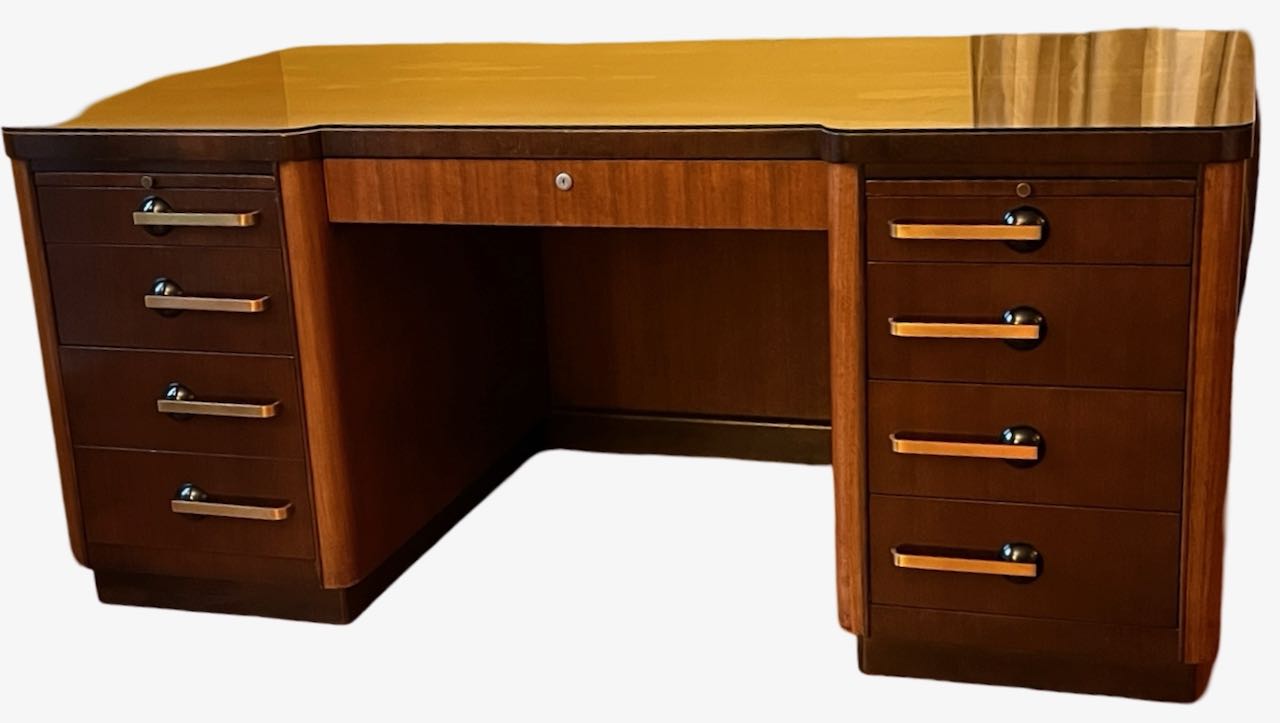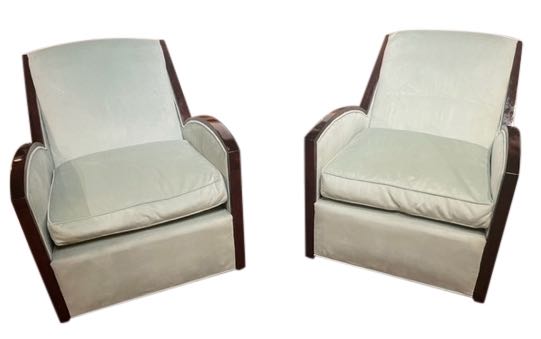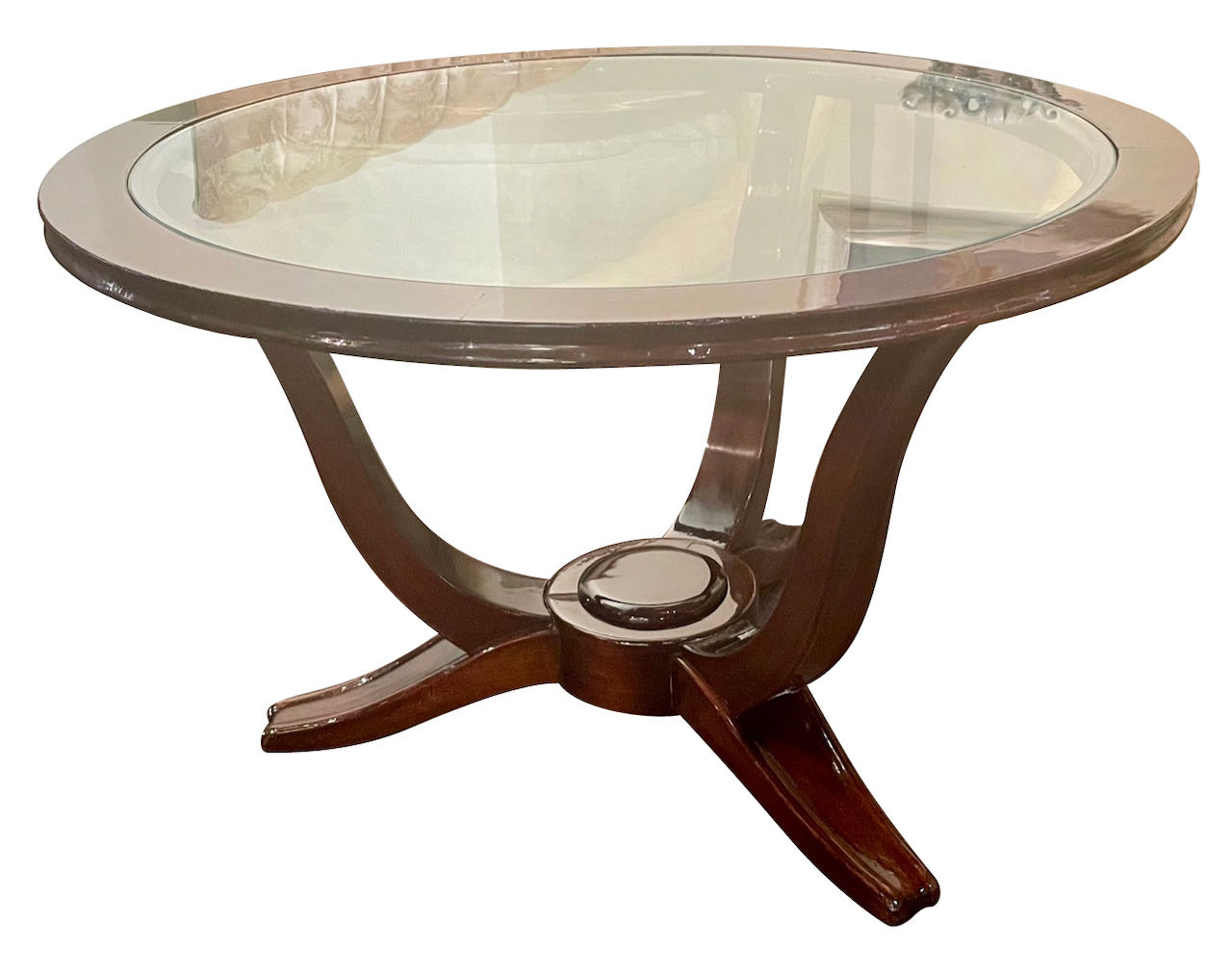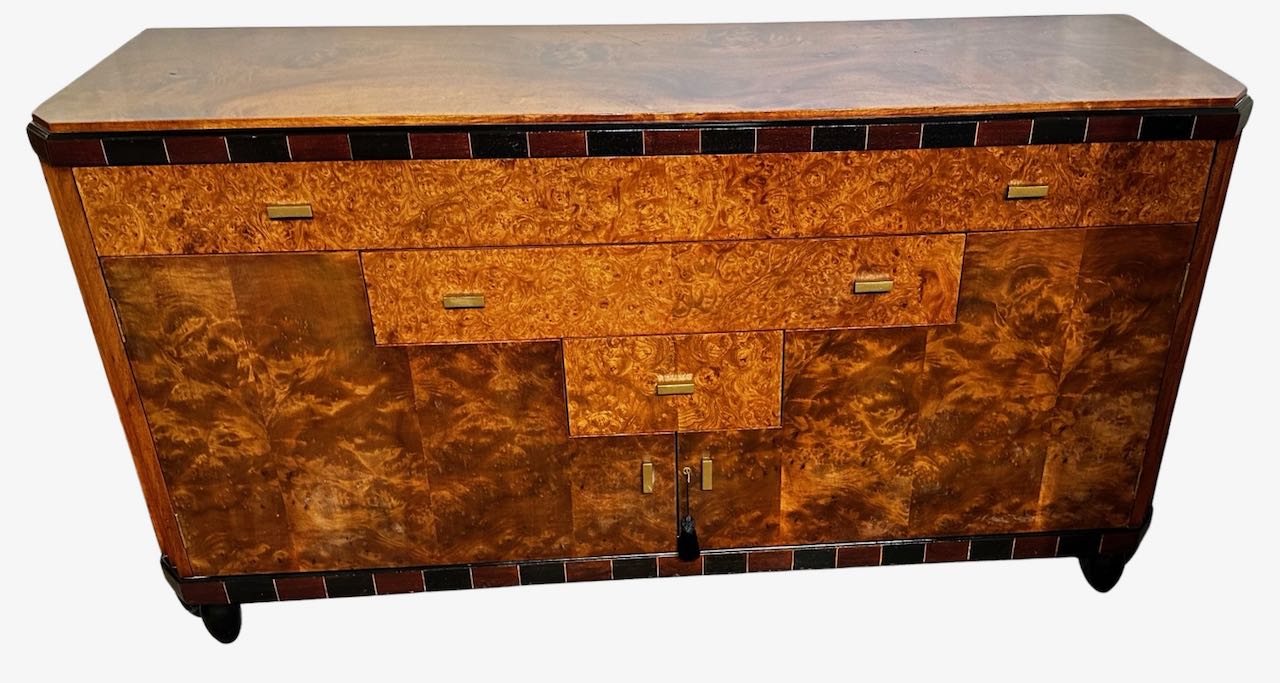

Dominique
Dominique was founded in Paris in 1922 through the partnership of André Domin and Marcel Genevrière, an unlikely pairing that proved highly influential in the Art Deco movement. André Domin was largely self educated, developing his design sensibility outside academic institutions. Marcel Genevrière came from a literary background, working as a journalist and critic for several prominent Parisian publications. Their shared interest in modern aesthetics and contemporary culture brought them together at a moment of transition in French decorative arts. Neither man began with formal training in furniture making, yet both possessed a strong understanding of proportion, materials, and visual harmony. Their collaboration reflected the broader interdisciplinary spirit of the period. Early on, they aligned themselves with progressive designers and patrons receptive to modern design. This foundation allowed Dominique to establish itself quickly within elite Parisian circles.
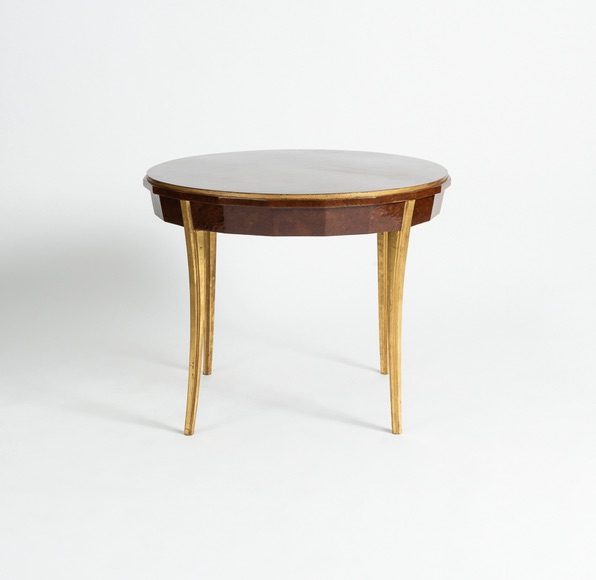
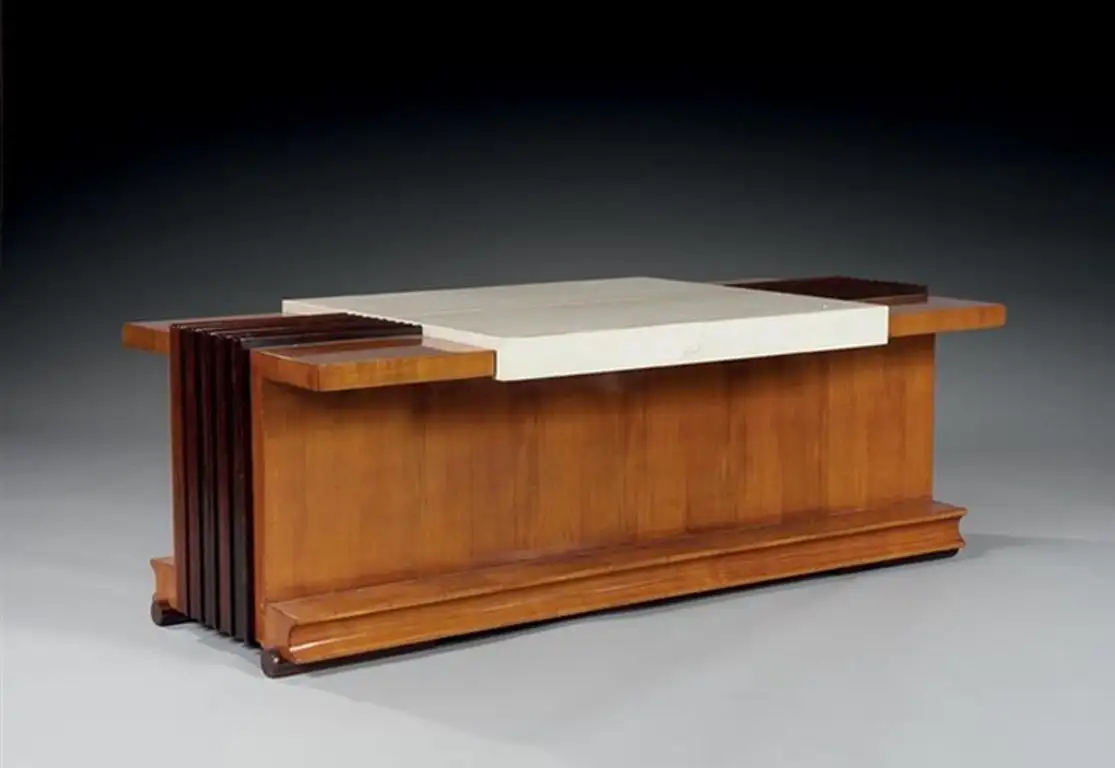
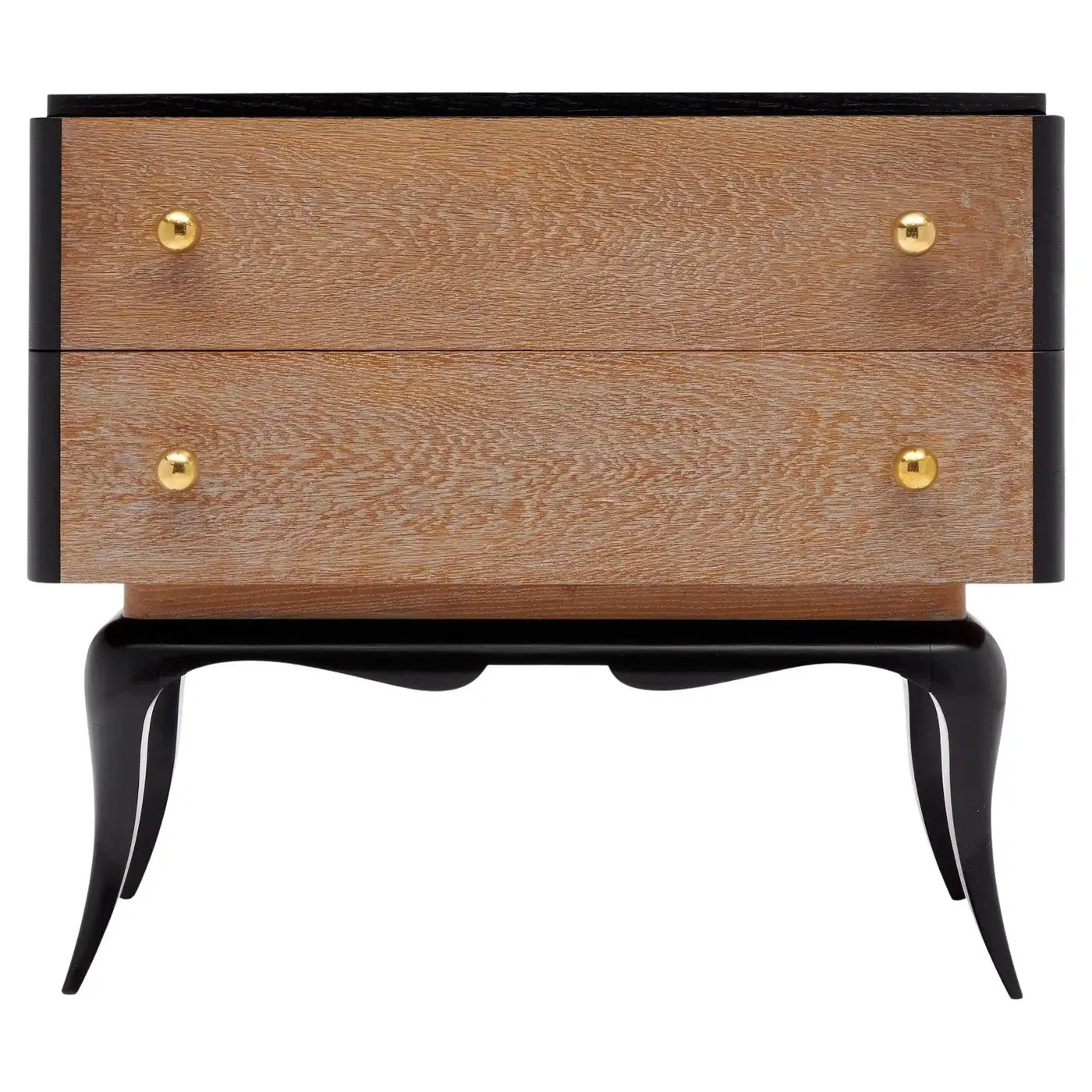
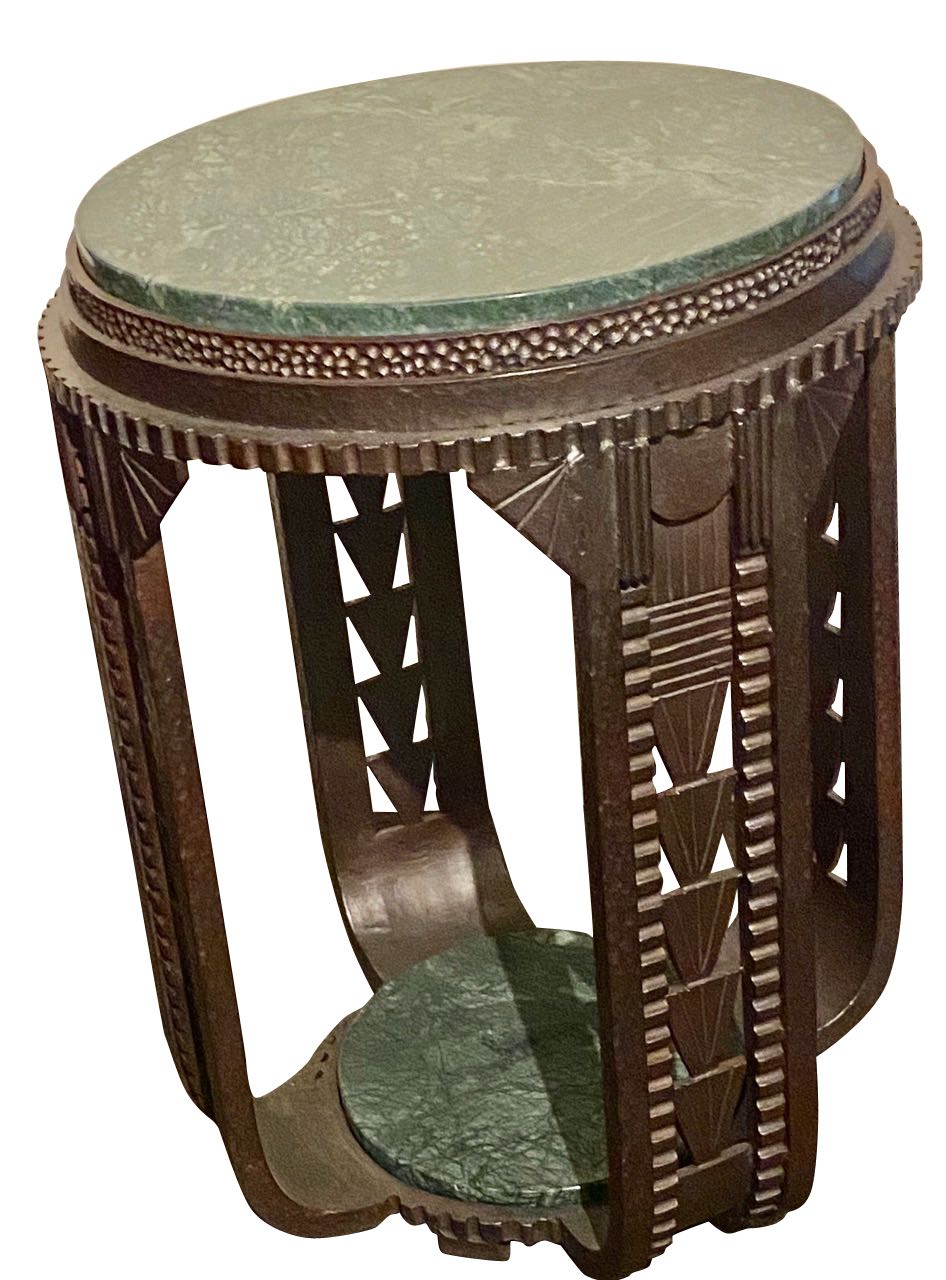
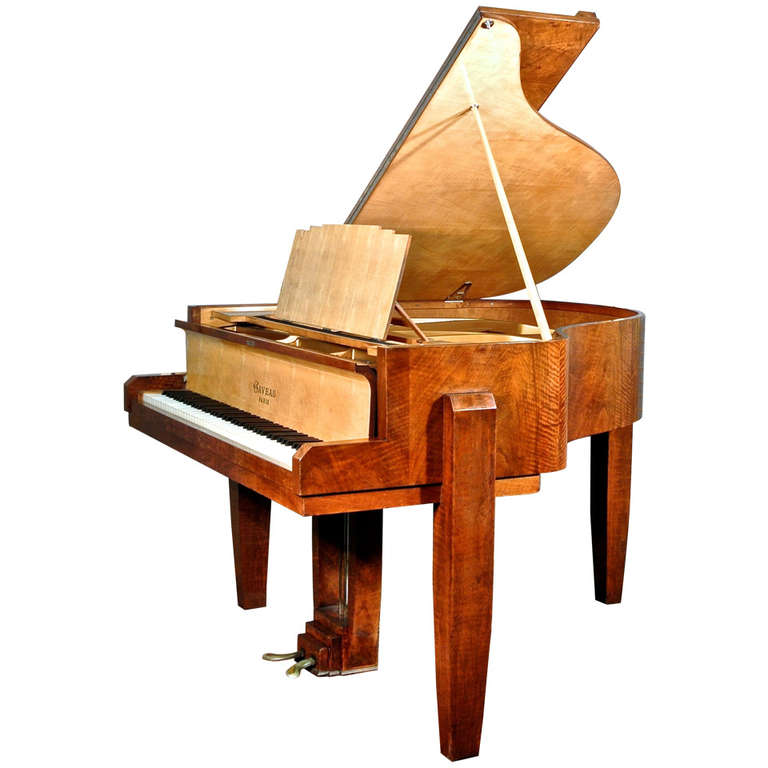
The work of Dominique is defined by balanced geometry, where rectilinear forms are softened by subtle curves shaped around human use. The firm favored luxurious materials, including exotic woods, bronze, copper, and refined metal inlays. Dominique gained early recognition through commissions for figures such as Jean Puiforcat and the perfumer Houbigant. Their participation in the 1925 Paris Exposition firmly established their reputation on an international stage. Throughout the 1930s, the firm produced furniture and interiors for both private clients and public institutions. Dominique was commissioned to design interiors for luxury ocean liners, including the Normandie, where their refined modernism complemented maritime grandeur. They also worked extensively with the Mobilier National on official state projects. The house remained active into the postwar period, continuing under the direction of Alain Domin into the 1970s.
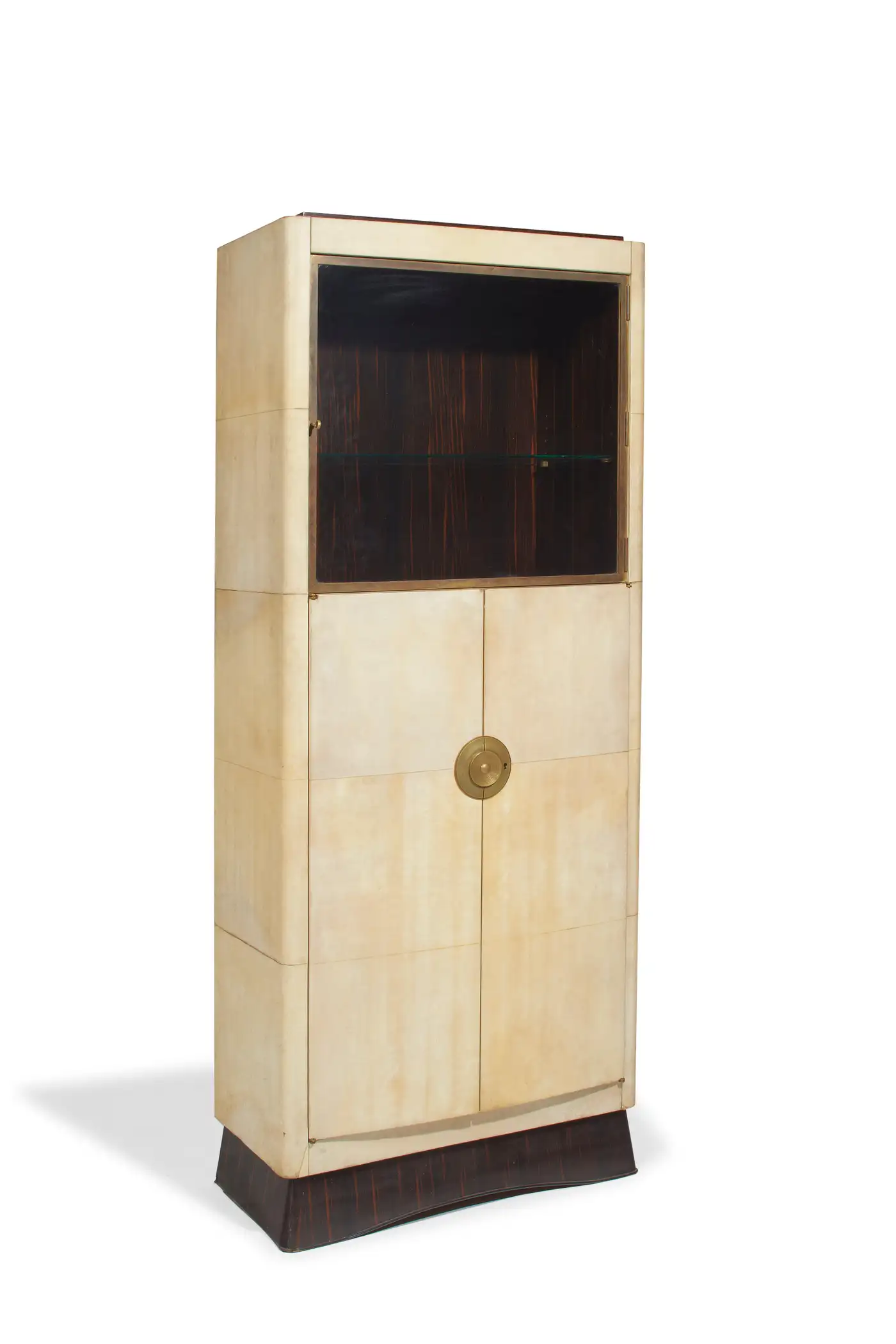
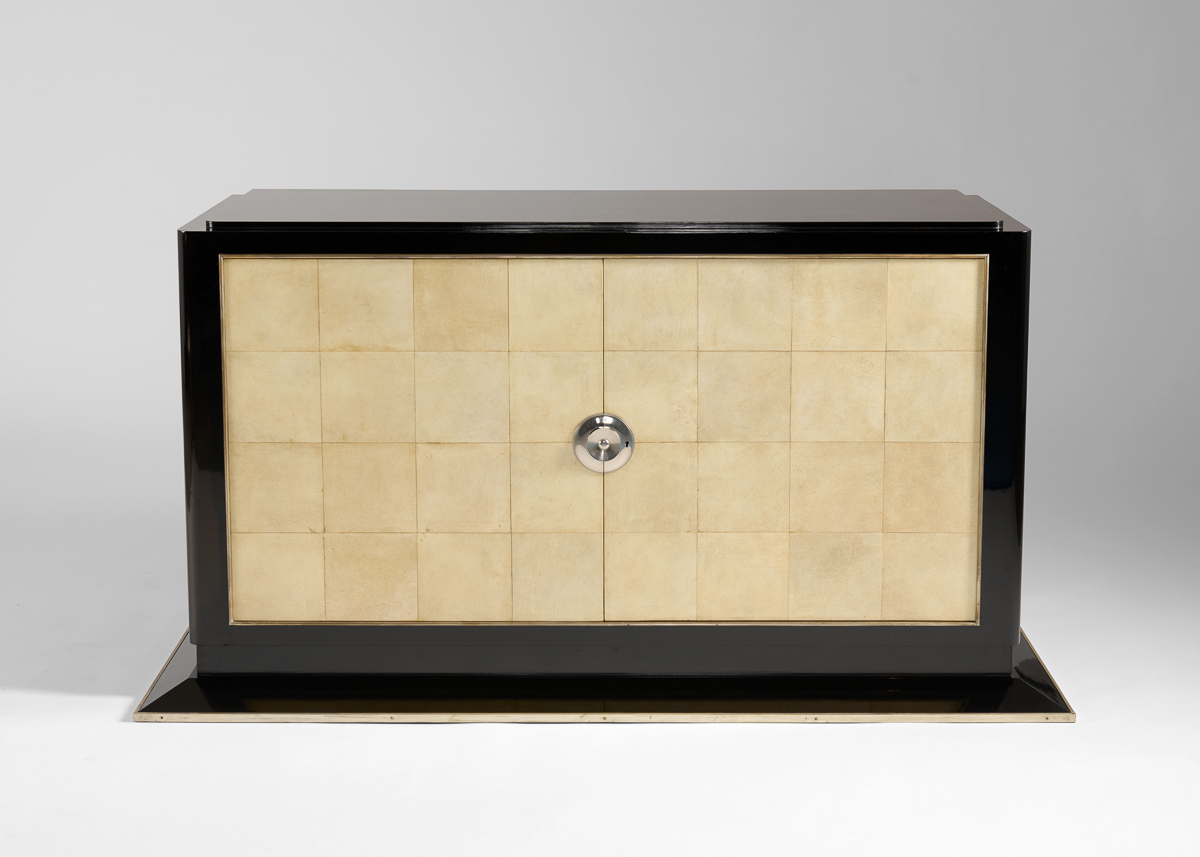
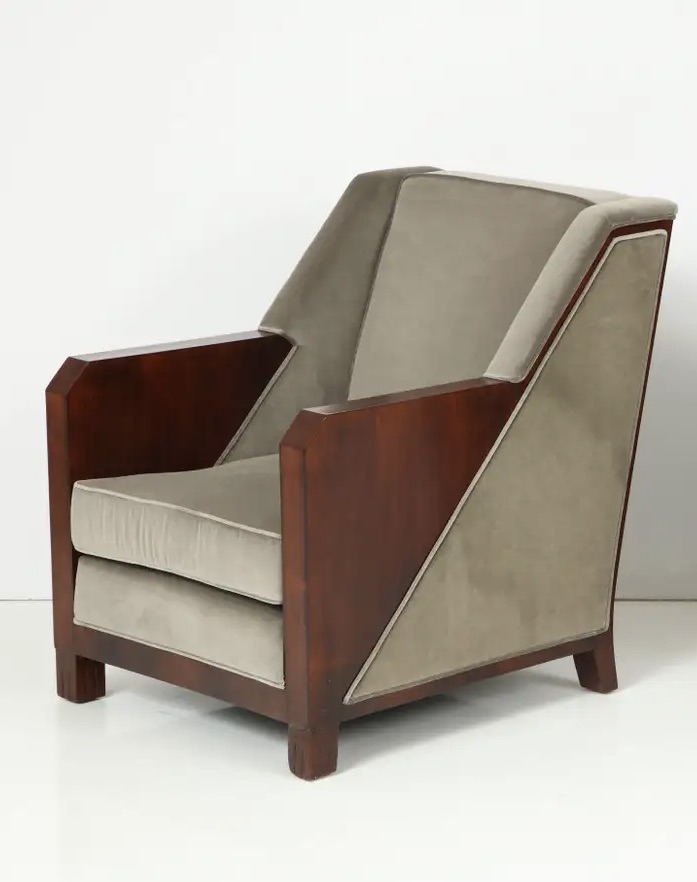
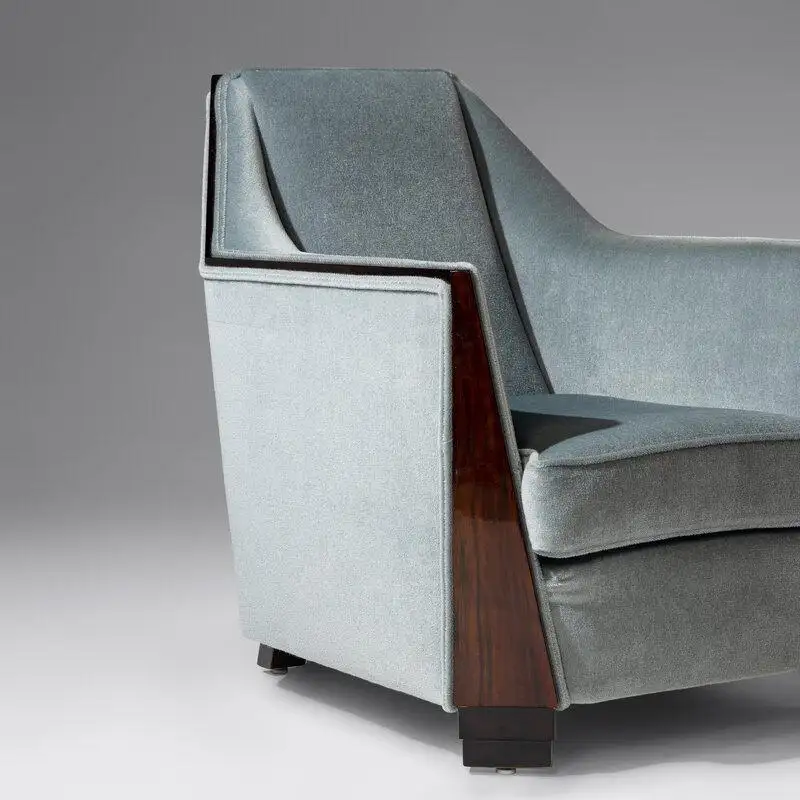
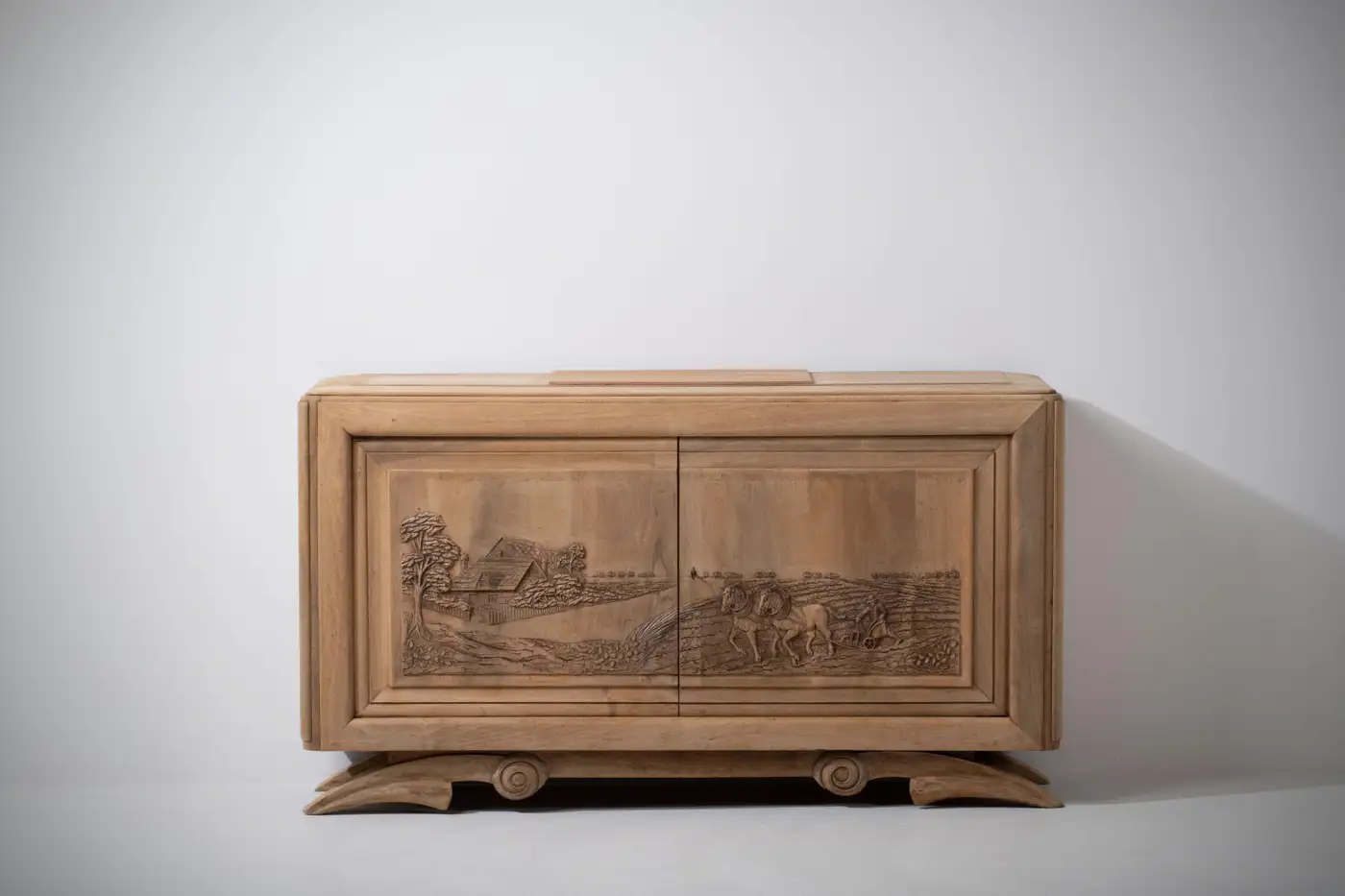
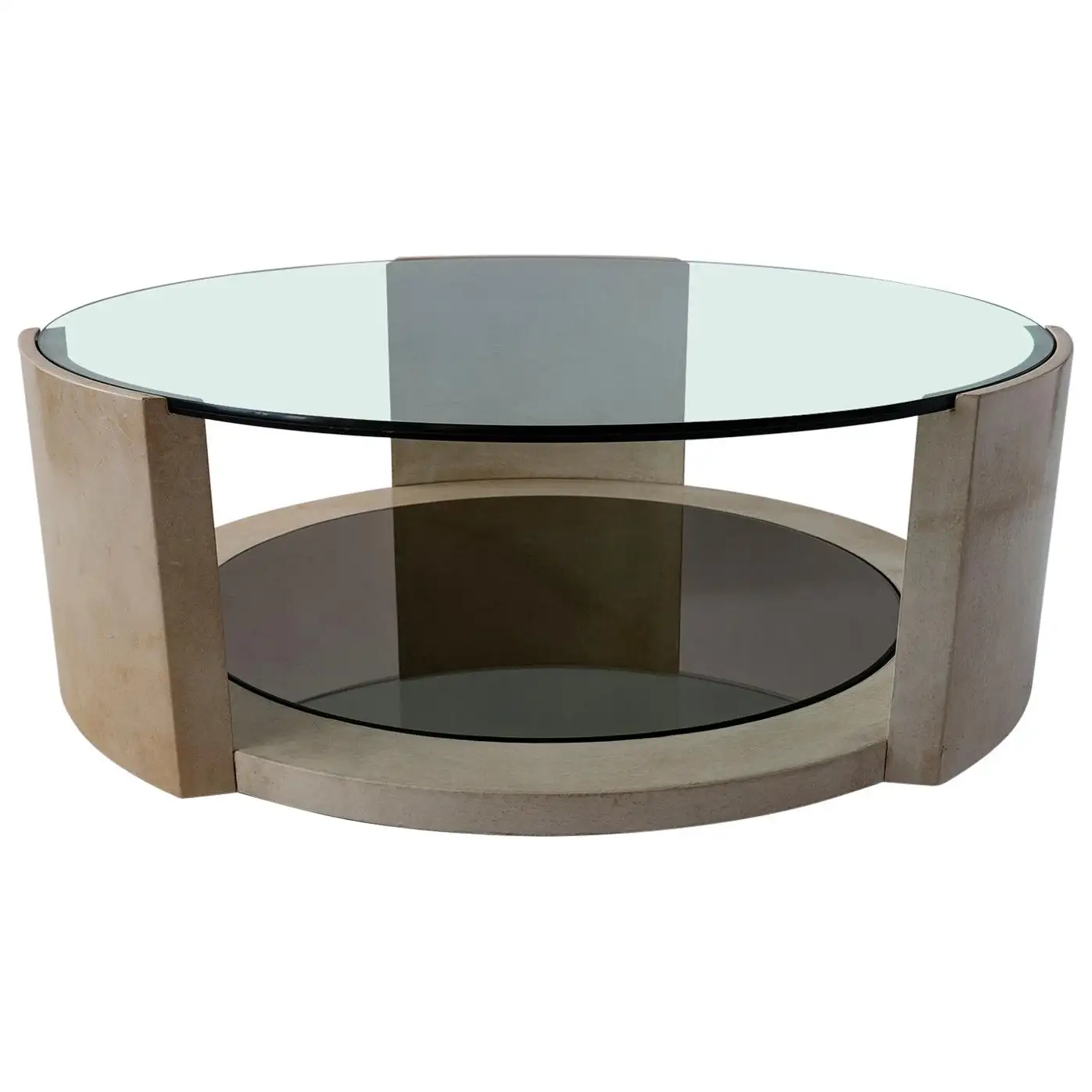
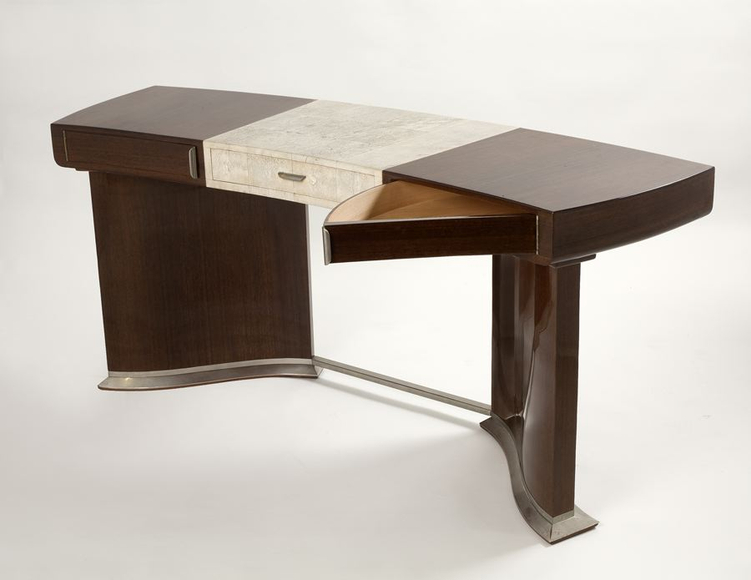
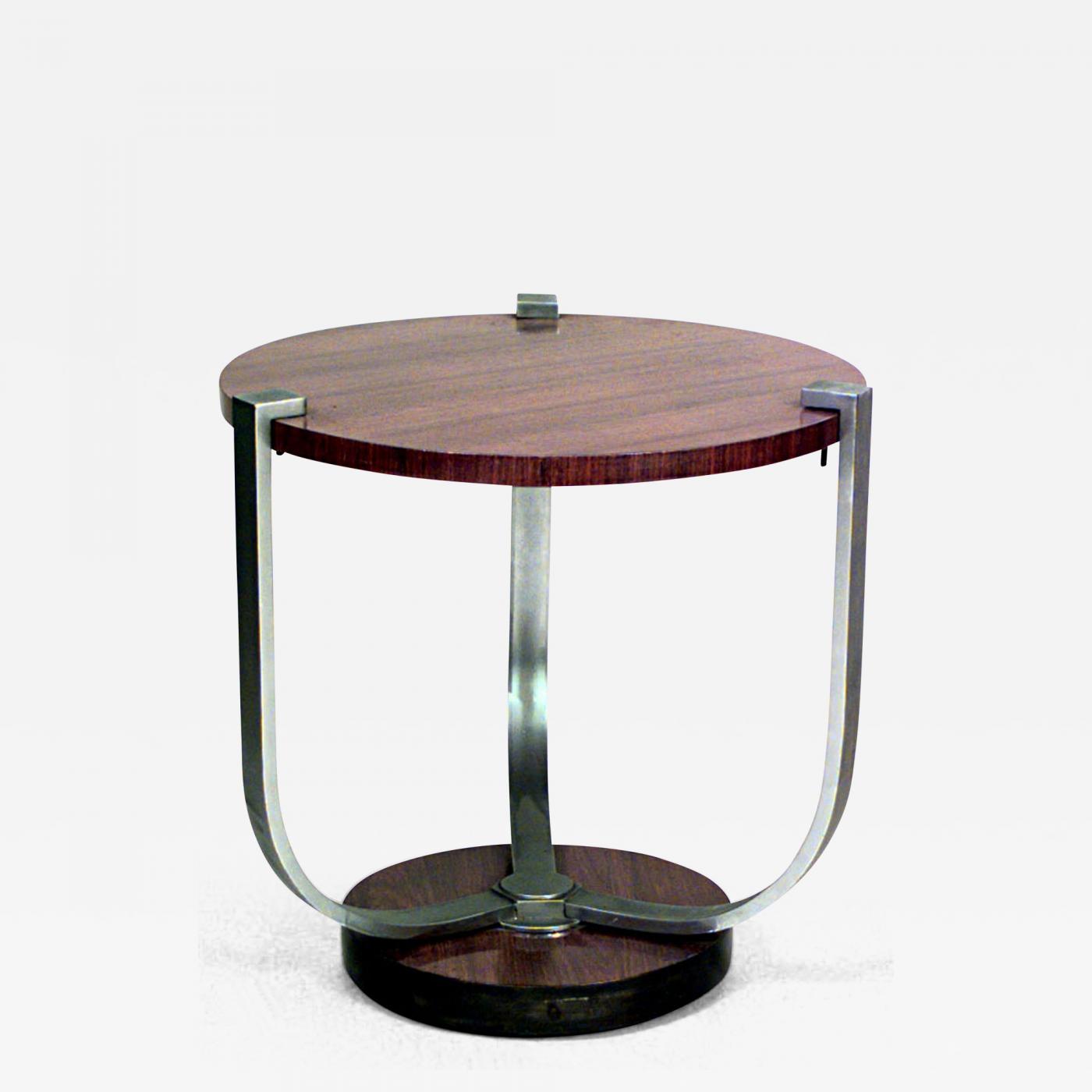
Dominique’s style is defined by disciplined geometry paired with understated comfort. Their furniture balances architectural structure with subtle curvature for usability. Decorative elements are restrained and integrated rather than applied. Materials are chosen for richness and contrast rather than surface ornament. The result is an elegant and dignified expression of Art Deco modernity.
Key Influences
- Cubism and Modern Geometry: Clear structural forms informed proportion and layout.
- Luxury Craft Traditions: Use of rare woods and refined metalwork upheld French craftsmanship.
- Collaborative Design Culture: Close relationships with architects, silversmiths, and decorators shaped their output.
- State and Institutional Commissions: Government projects encouraged clarity, scale, and permanence.
- Ocean Liner Design: Maritime interiors reinforced the balance between luxury and functional modernism.
If you are interested in further stories of the artists who shaped Art Deco, return to our artists page to browse the full directory.
Related Products from ArtDecoCollection.com