
Ary Bitter
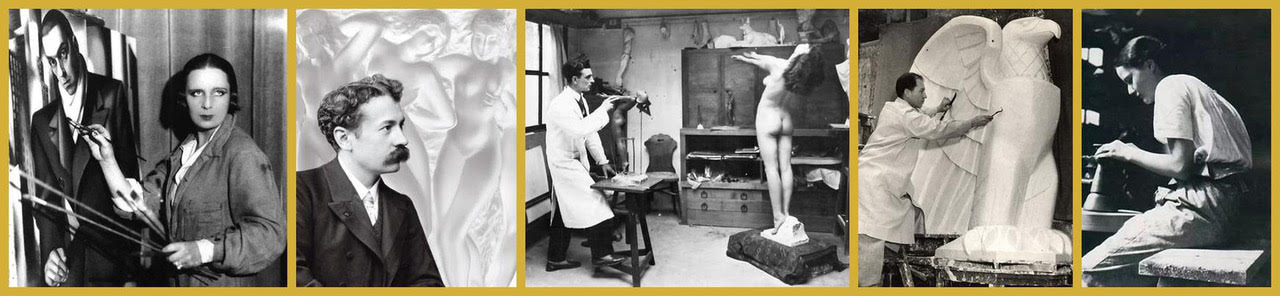
Ary Jean Léon Bitter was born on May 29, 1883, in Marseille, France. In 1895, he enrolled at the Marseille Beaux-Arts, where he studied under Émile Aldebert and later Jules Coutan. He was a successful student, winning first prize in sculpture in 1900 and receiving commendations for both sculpture and design in 1901. In 1902, courtesy of a bursary from the City of Marseille, he left for Paris and joined the studio of the sculptor Louis-Ernest Barrias. He was admitted to the École Nationale Supérieure des Beaux-Arts in 1906, where he won the Chenavard prize in 1910 and the Lemaire prize in 1911. He served in the military during World War I, after which he was awarded the Chevalier de la Légion d’Honneur in 1932 and a Diplôme d’Honneur from the École Nationale Supérieure des Beaux-Arts in 1937. He was a leading sculptor during the interwar period in France, and his work can be found in the Musée National d’Art Moderne in Paris, the Musée des Beaux-Arts in Marseille, and the Musée Hector-Berlioz, among other collections. Bitter died in Paris in 1973.
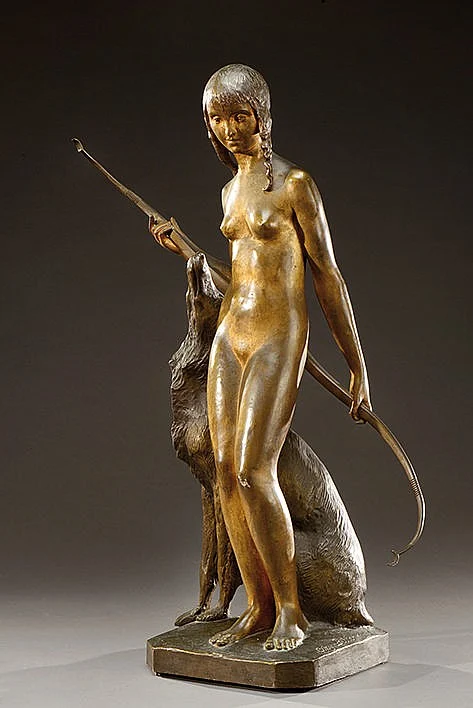
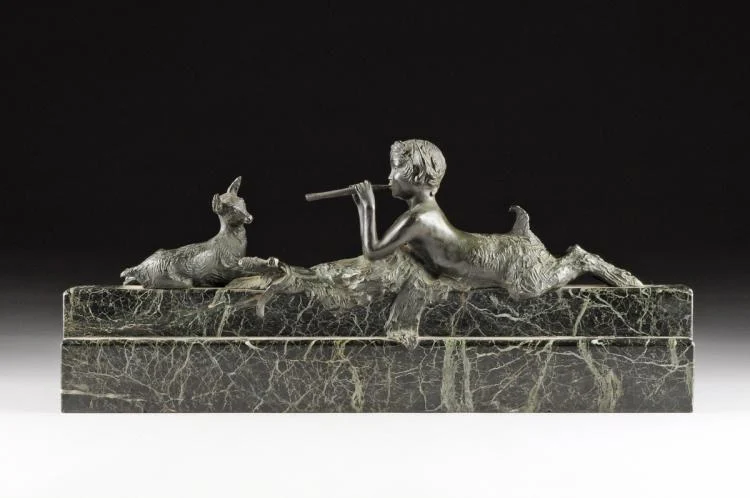
Bitter exhibited regularly at the Salon des Artistes Français from 1912 to 1939, winning a bronze medal in 1913, a silver medal in 1921, and the gold medal in 1924 for his stone sculpture Diane. In 1921, he was commissioned to create the Sanary-sur-Mer war memorial and monuments for the Marseille cemeteries of St. Louis and St. Jérôme. In 1923, he created a mascot for Madame Louis Renault’s car. In 1925, he exhibited at the Exposition Internationale des Arts Décoratifs et Industriels Modernes in Paris, and that same year signed a contract with the renowned Parisian foundry Susse Frères, who cast many of his smaller works in limited editions using the lost-wax technique. His monumental work includes the allegories of the Asian and African colonies for the staircase of Marseille’s Gare Saint-Charles, the sculpture Bonne Mère for the cathedral, and the monument to Edmond Rostand in Cambo-les-Bains, completed in 1949. In 1937, he was awarded a gold medal at the Exposition Internationale des Arts et des Techniques in Paris, where he showed work at both the Palais de la Céramique and the Palais du Métal. In 1938, he executed ten works in terracotta for the Musée Hector-Berlioz. His work was also produced in biscuit porcelain by the Sèvres factory.
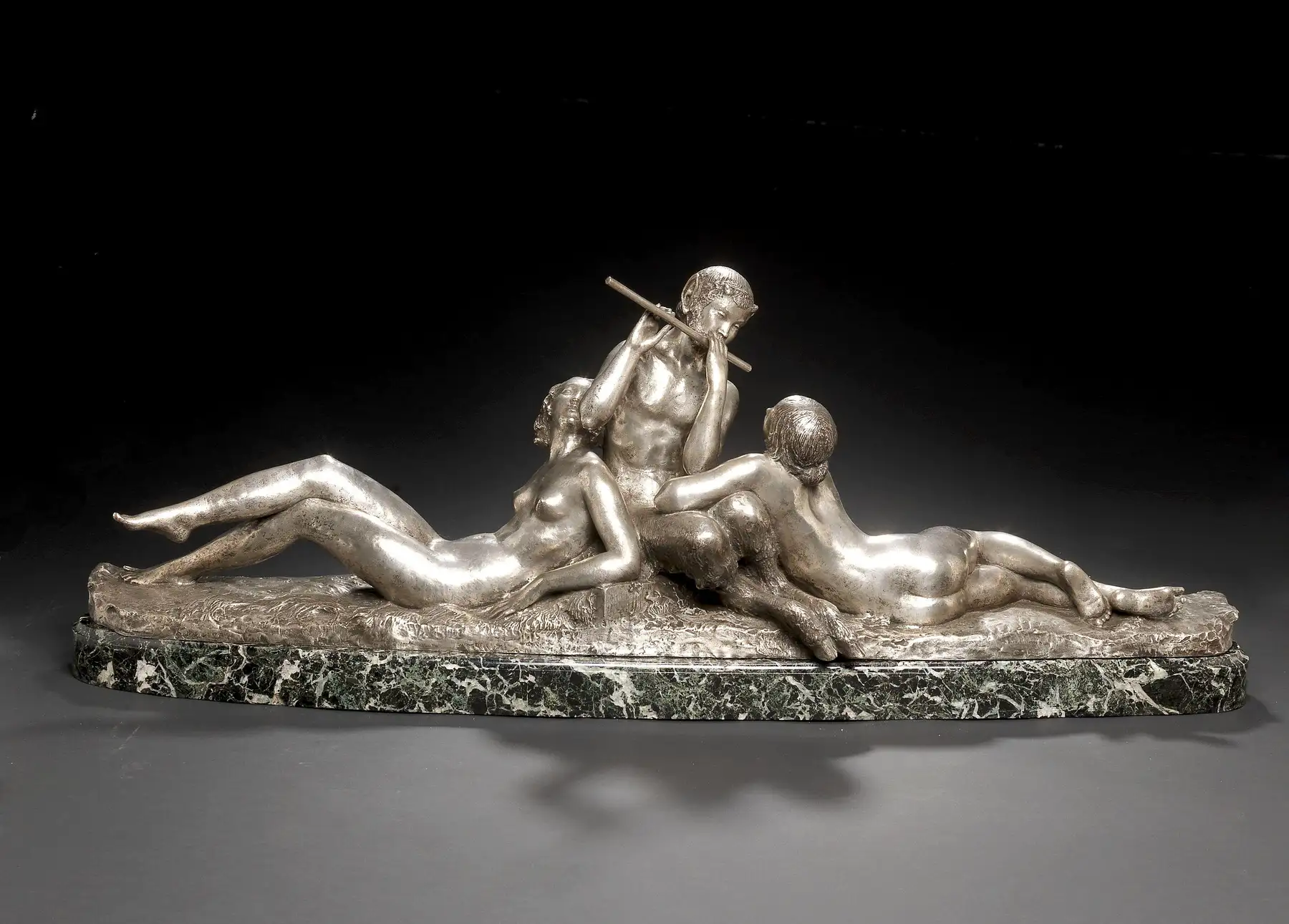
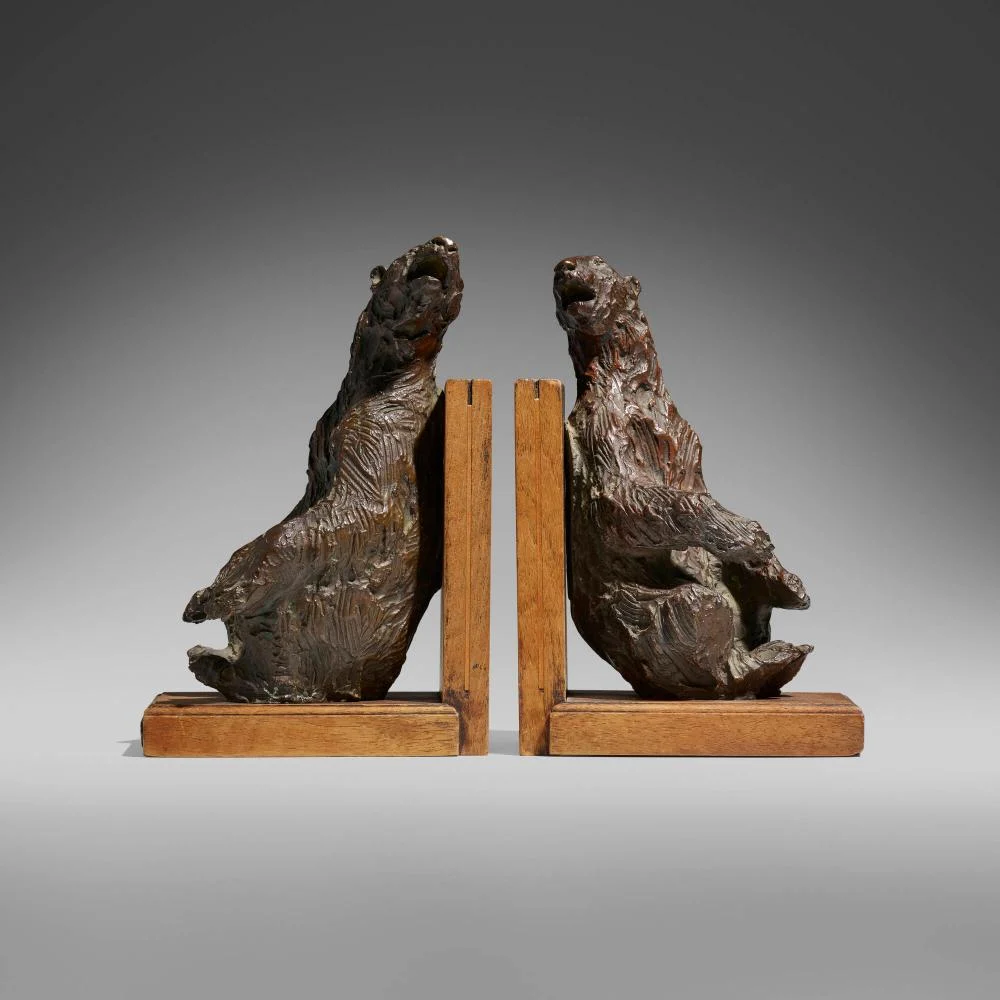
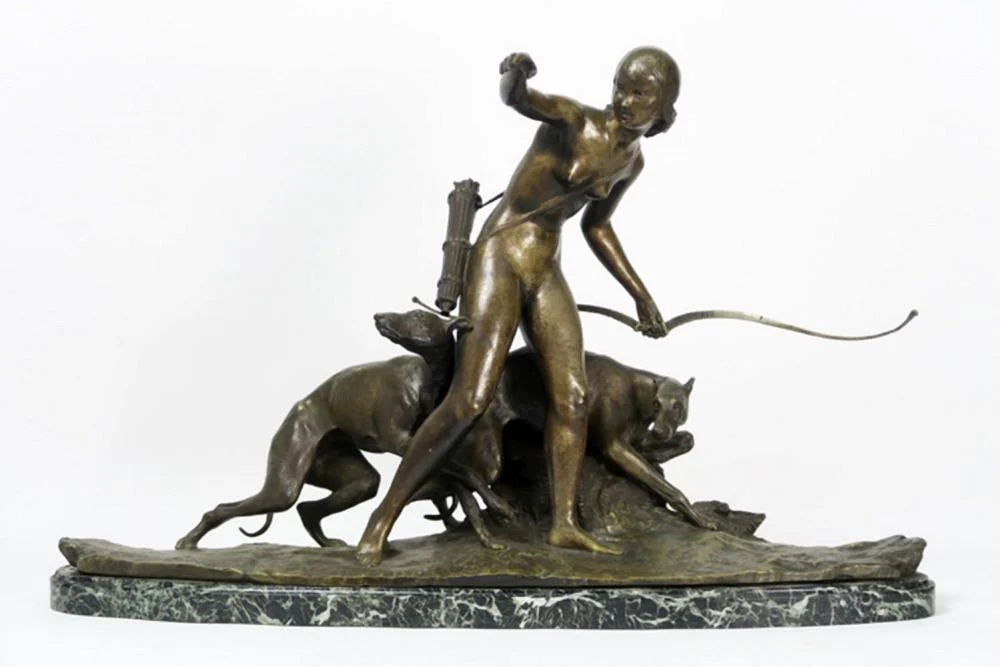
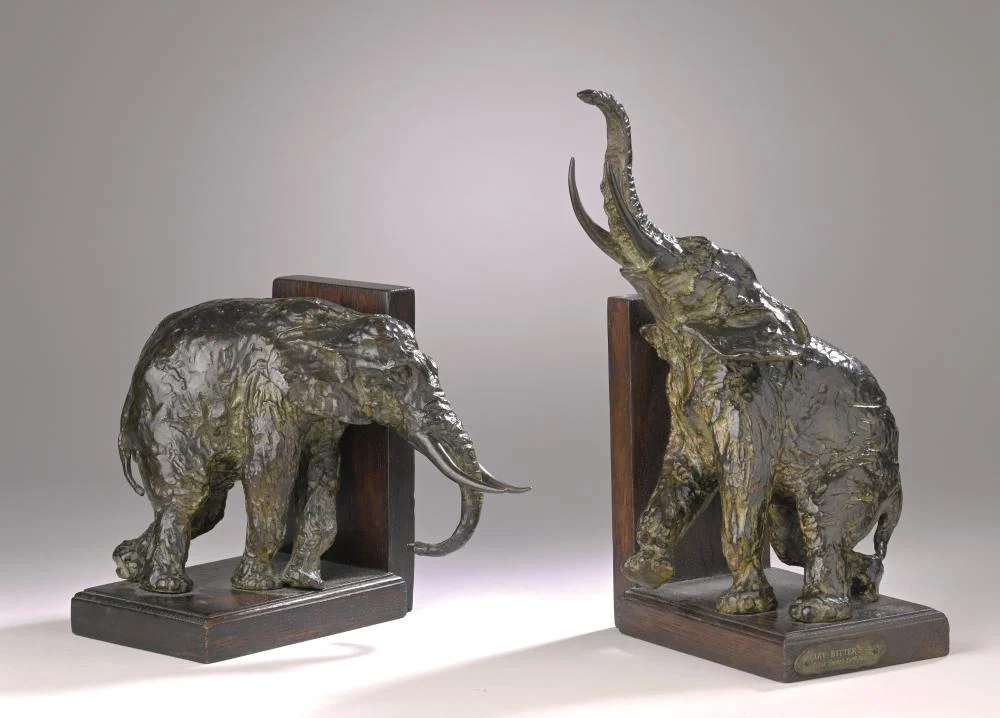
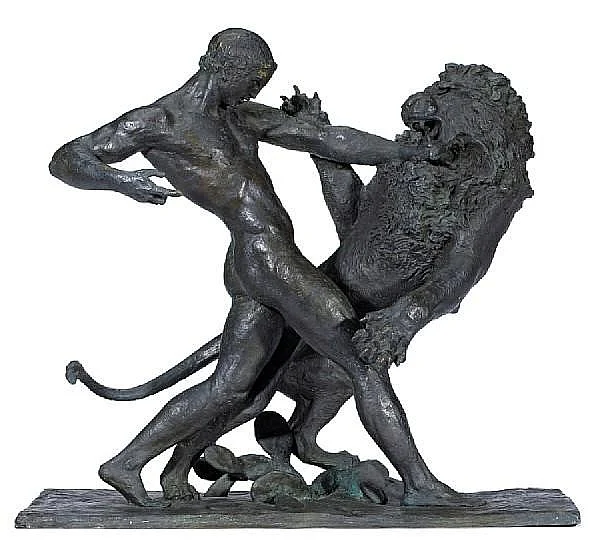
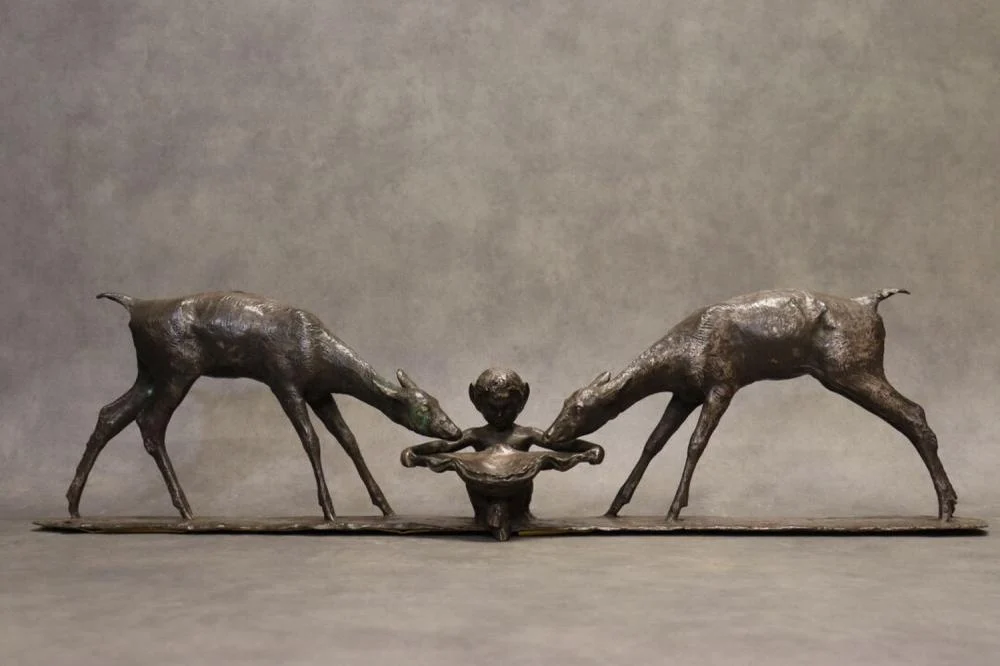
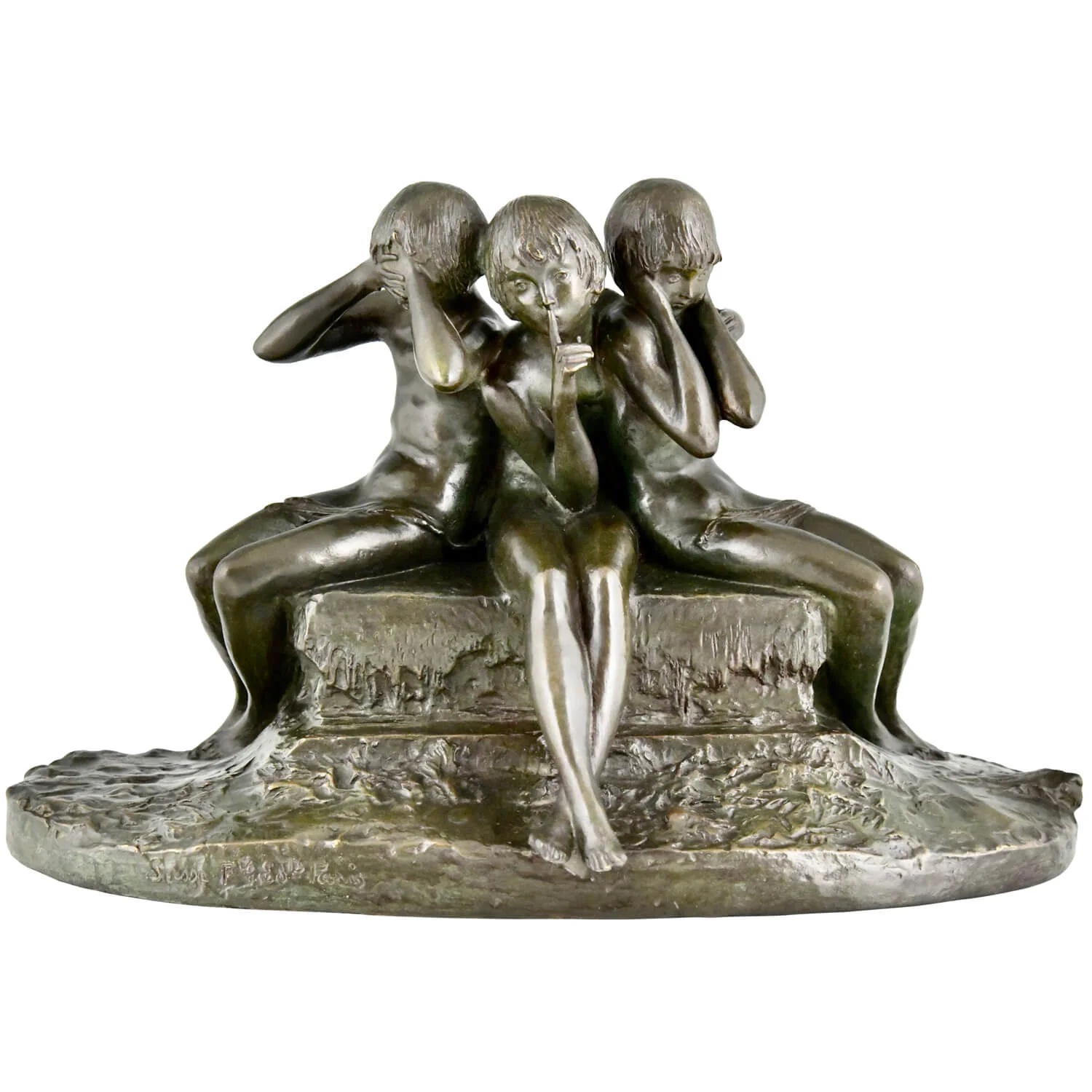

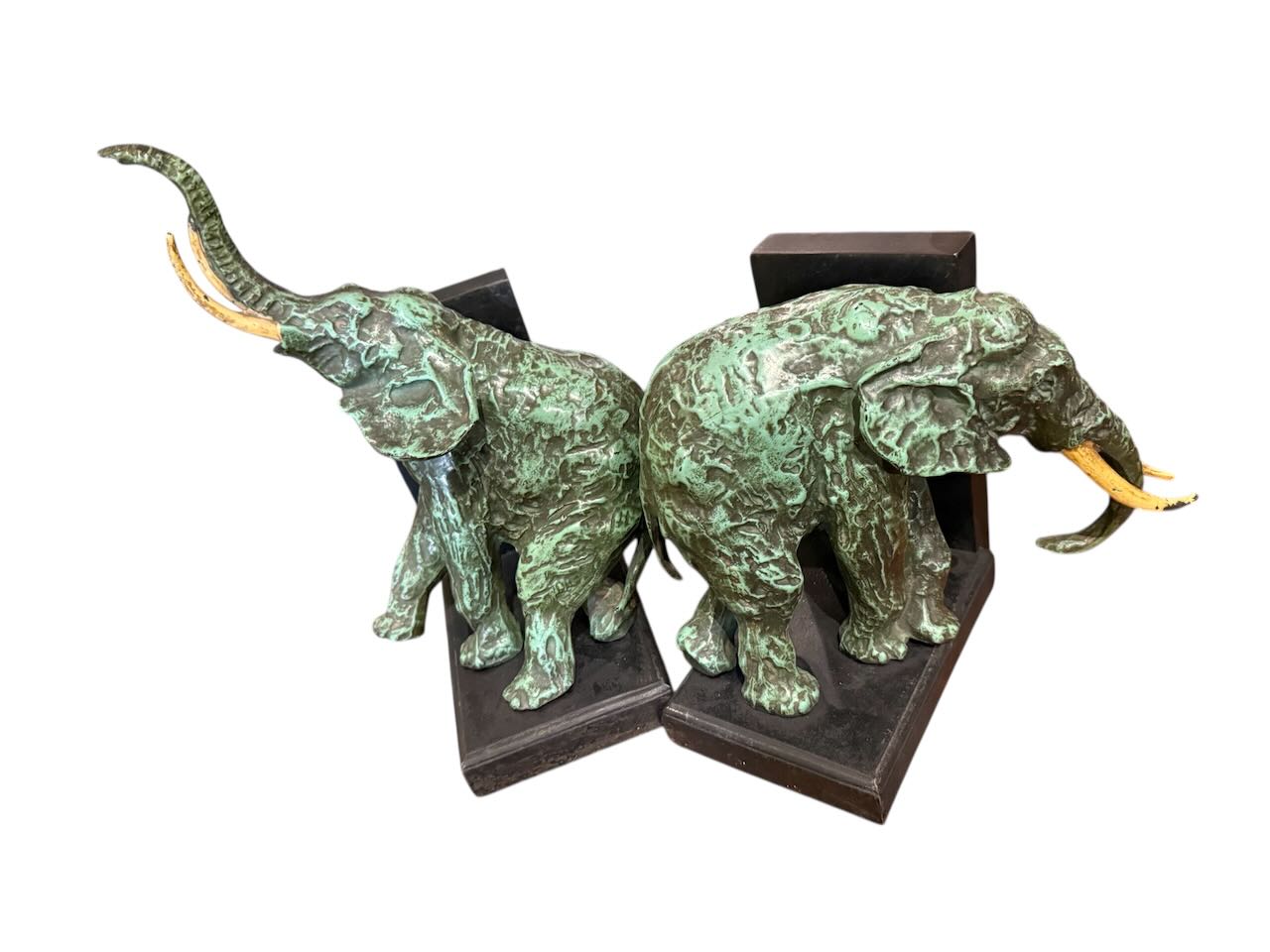
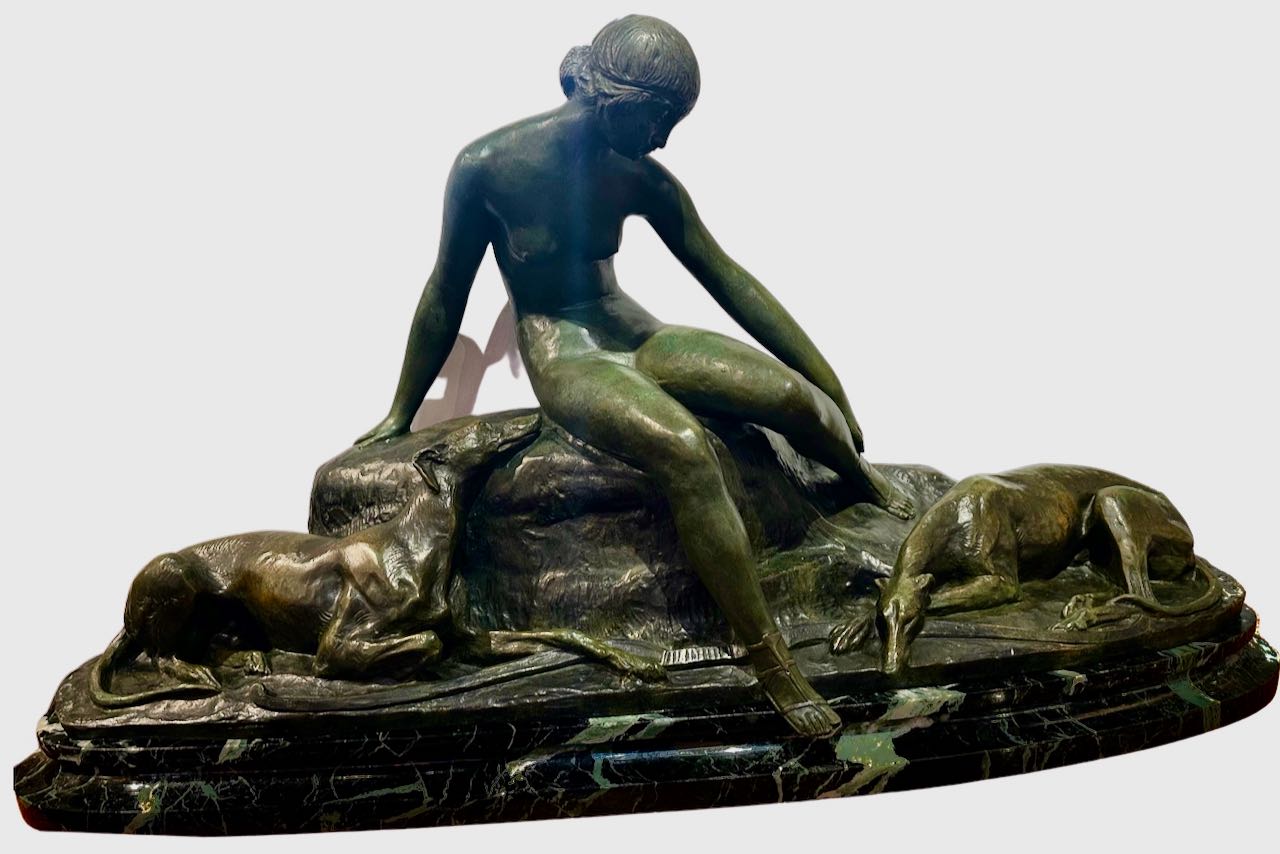
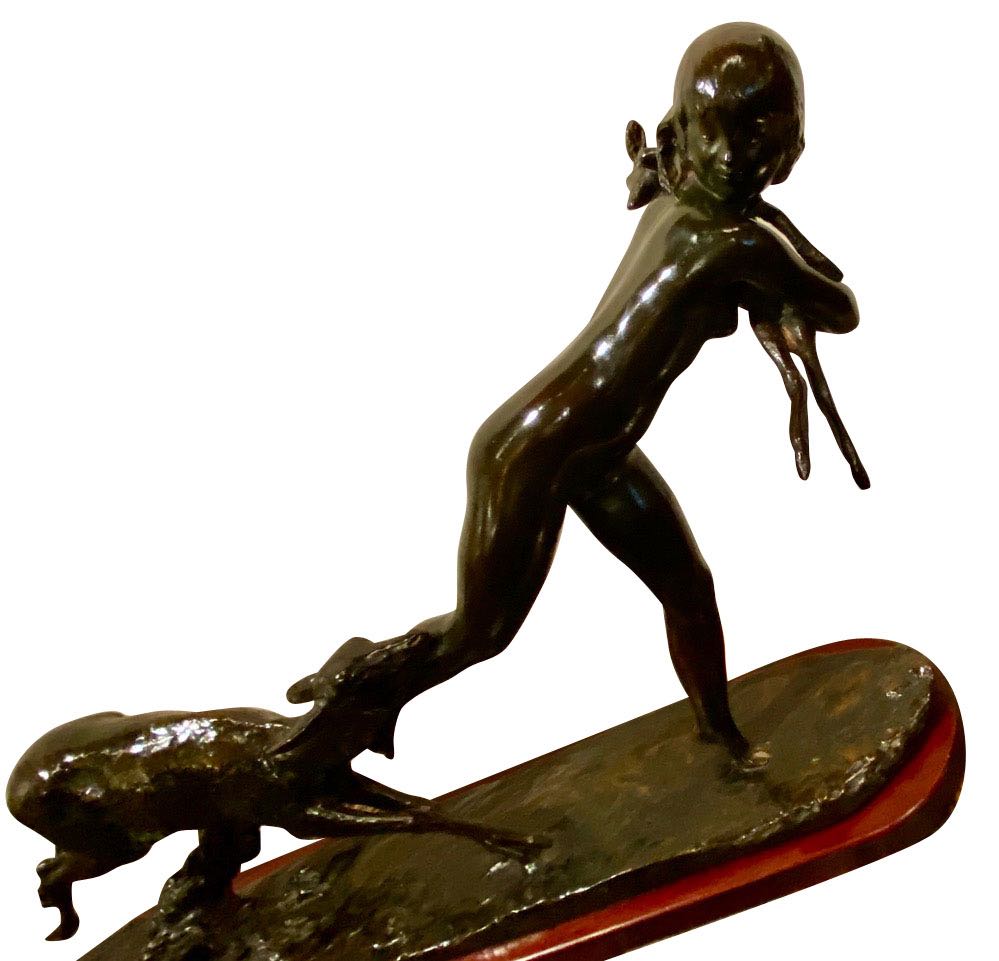
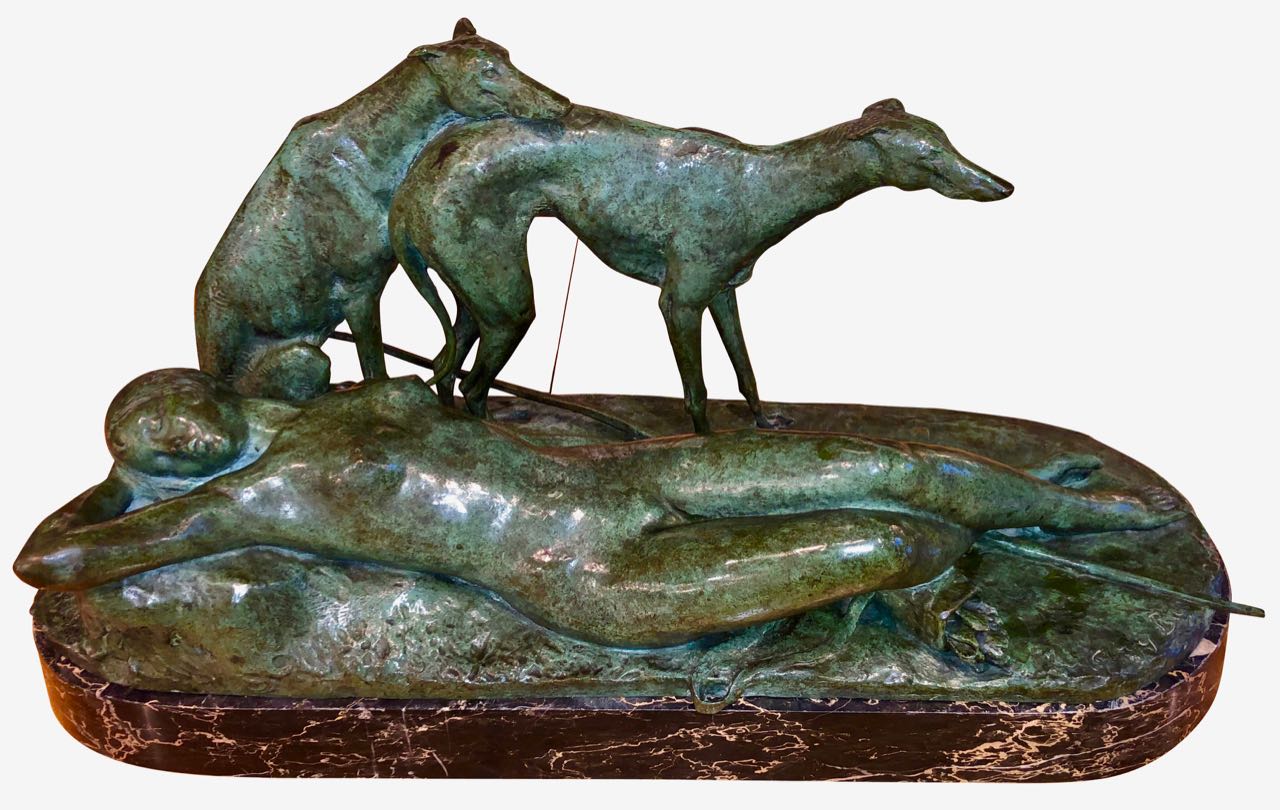
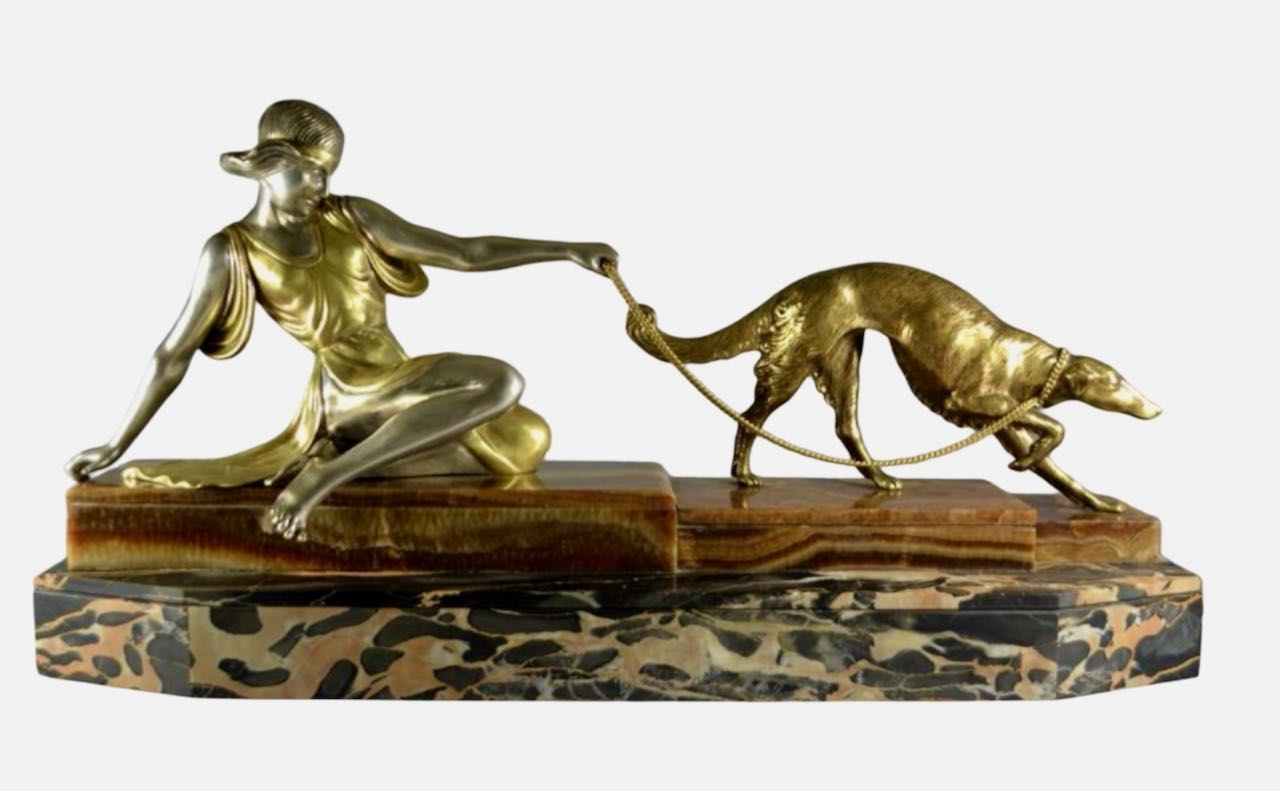
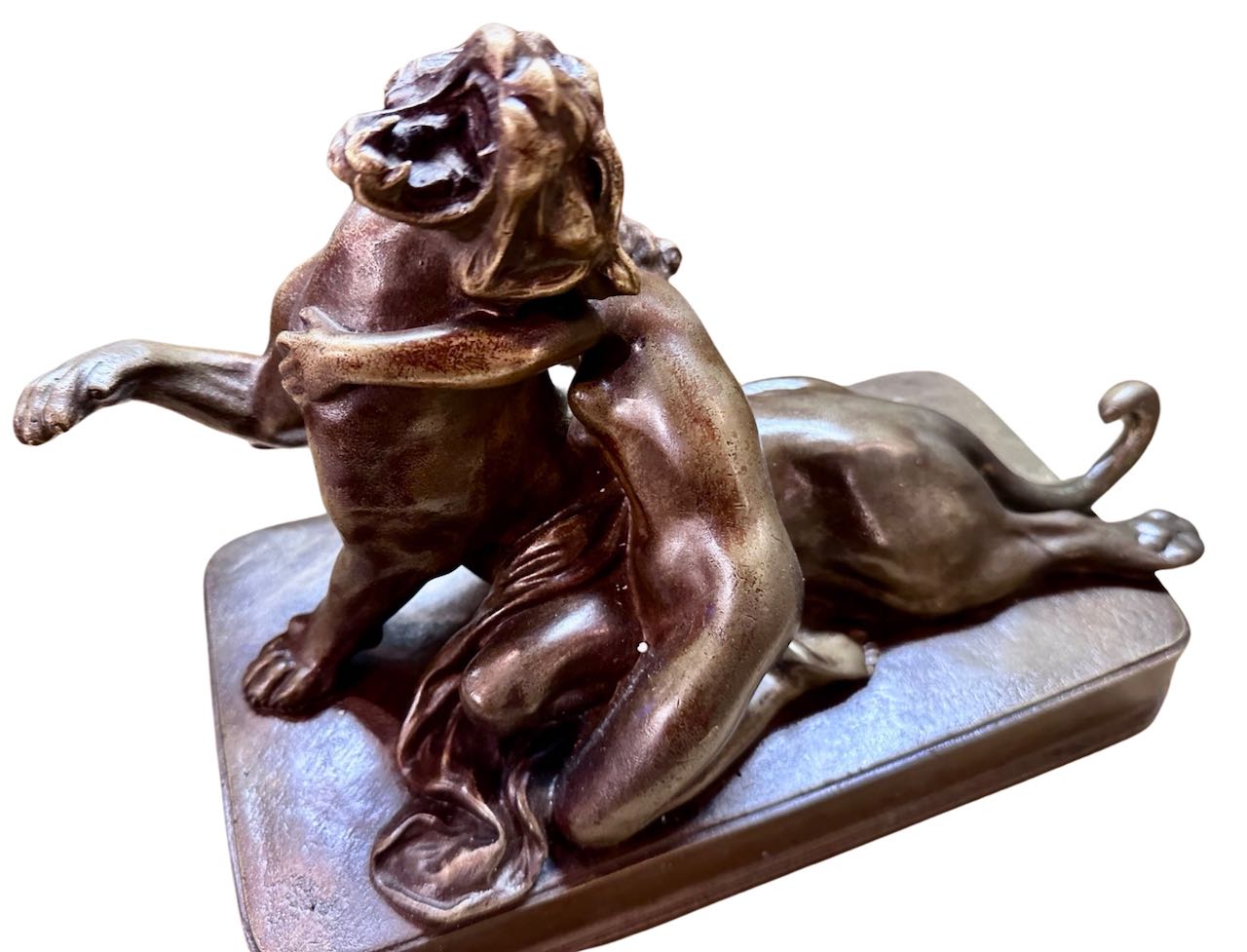
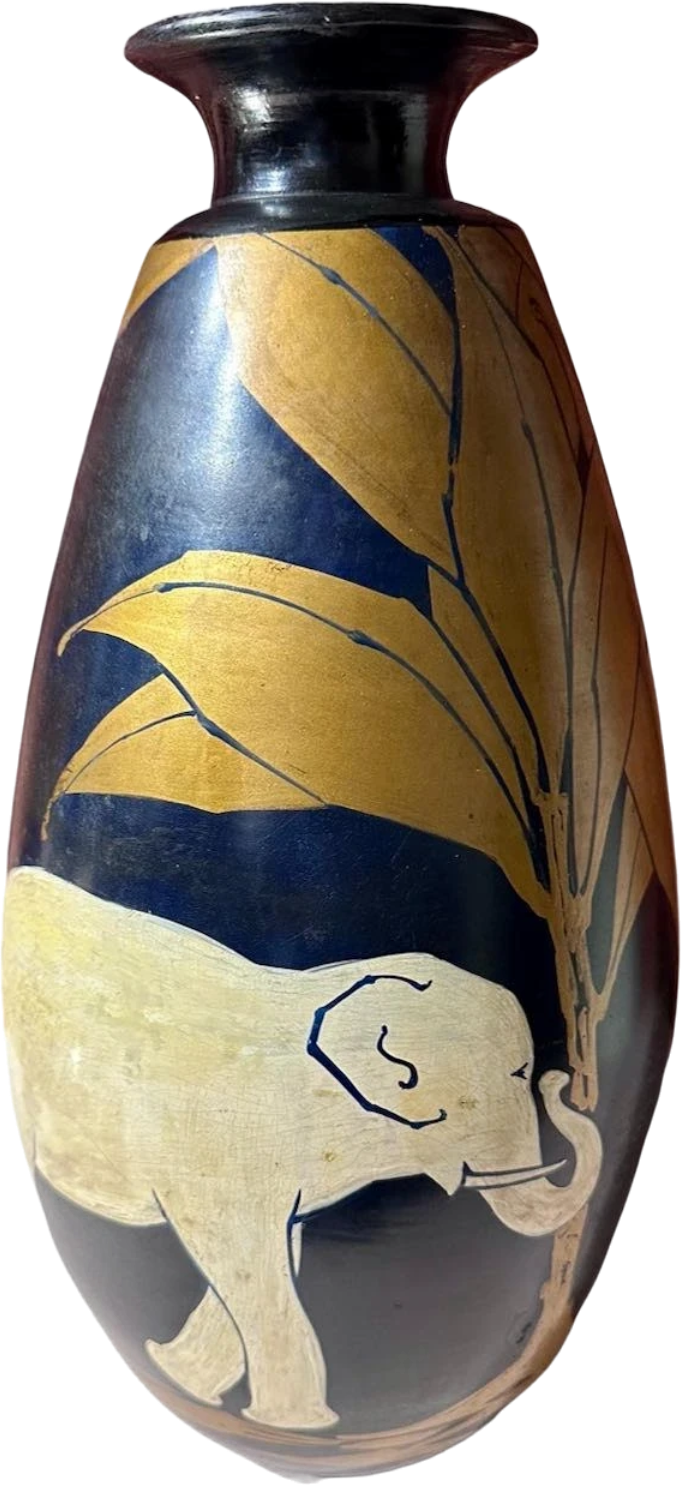
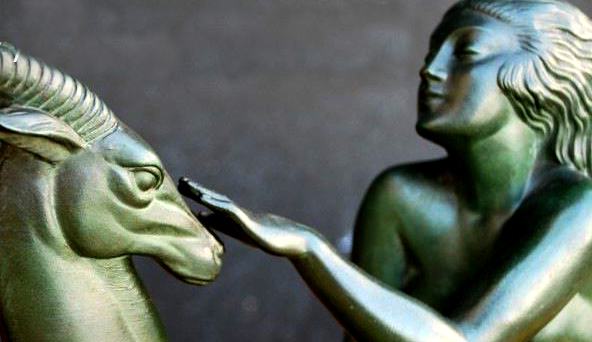
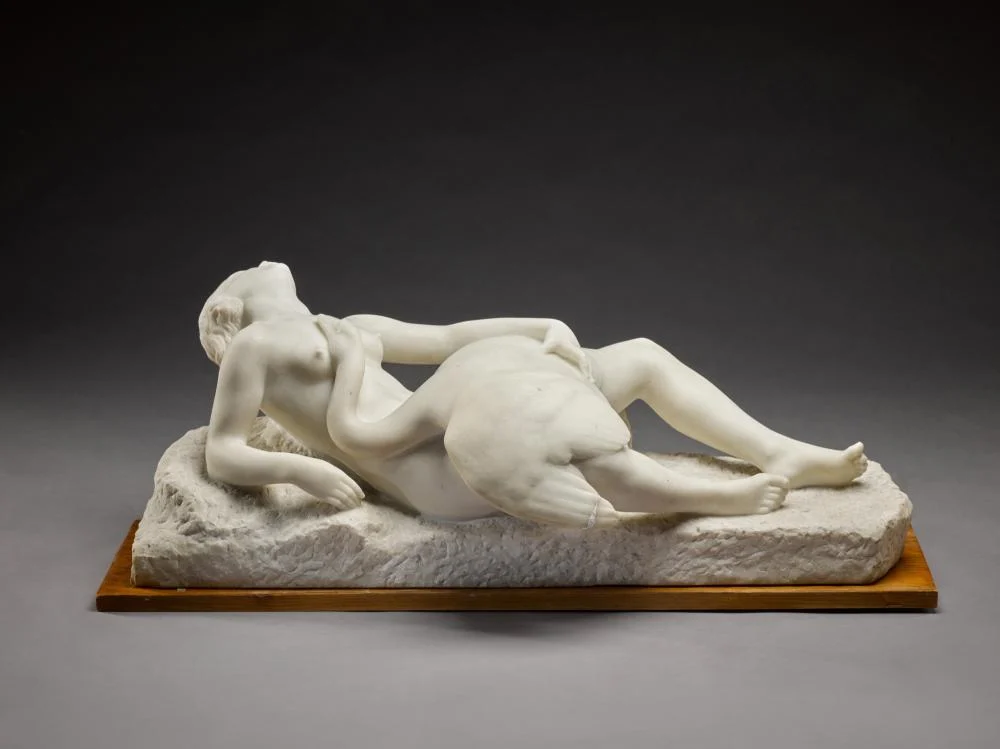
Bitter specialized in animal sculpture and the female form, producing a varied body of work that combined groups of figures with animals in mythological and Arcadian settings. He worked across bronze, stone, marble, terracotta, and ceramics, with many of his smaller pieces distinguished by complex patinas and the silky surfaces achieved through lost-wax casting by Susse Frères. His subjects ranged from intimate studies of goats, deer, elephants, and greyhounds to classically inspired compositions such as Diane Chasseresse and Léda et le Cygne, rendered with a sensitivity that balanced naturalistic observation with the stylized geometry of Art Deco.
Key Influences
- Animalier Tradition: His prolific output of animal sculpture carried the 19th-century French animalier tradition into the Art Deco era, demonstrating that the genre could absorb modernist stylization while retaining naturalistic vitality.
- Susse Frères Collaboration: His long partnership with the foundry produced some of the finest lost-wax bronze editions of the interwar period, setting a benchmark for quality in Art Deco sculptural casting.
- Monumental Public Sculpture: His war memorials and architectural commissions, from the Gare Saint-Charles to the cemeteries of Marseille, shaped the civic landscape of southern France during the interwar decades.
- Mythological Figuration: His classically inspired compositions of nymphs, satyrs, and goddesses alongside animals offered a distinctly French synthesis of ancient subject matter and modern decorative form.
- Cross-Media Production: His work in biscuit porcelain for the Sèvres factory and in terracotta for museum commissions demonstrated that Art Deco sculpture could translate effectively across materials and scales.
If you are interested in further stories of the artists who shaped Art Deco, return to our artists page to browse the full directory.
Related Products from ArtDecoCollection.com