Alberto and Diego Giacometti
Alberto Giacometti was born on October 10, 1901, in Borgonovo near Stampa in Switzerland’s Bregaglia valley, and his brother Diego followed thirteen months later, on November 15, 1902. They were the sons of the Post-Impressionist painter Giovanni Giacometti and Annetta Stampa, and their brother Bruno later became an architect. Alberto studied in Geneva and moved to Paris in 1922 to take sculpture classes with Antoine Bourdelle at the Académie de la Grande Chaumière. Diego joined him in Paris in 1925, modeled for him for the rest of his life, and became his assistant from 1929. In the late 1920s the brothers settled into a small, spartan studio at 46 rue Hippolyte-Maindron in Montparnasse, where Alberto worked for the rest of his life. Alberto became involved with the Surrealists in the late 1920s and broke with them in 1935, then spent the war years in Geneva while Diego stayed in Paris as custodian of the studio. After the war Alberto produced the tall, slender figures that made him famous, and in 1962 he won the Grand Prize for Sculpture at the Venice Biennale. He died in Chur, Switzerland, in January 1966, and Diego then worked on his own for nearly two decades. Diego died in Paris on July 15, 1985, a few months before the opening at the Musée des Arts Décoratifs of the only exhibition he had expressly wished for.
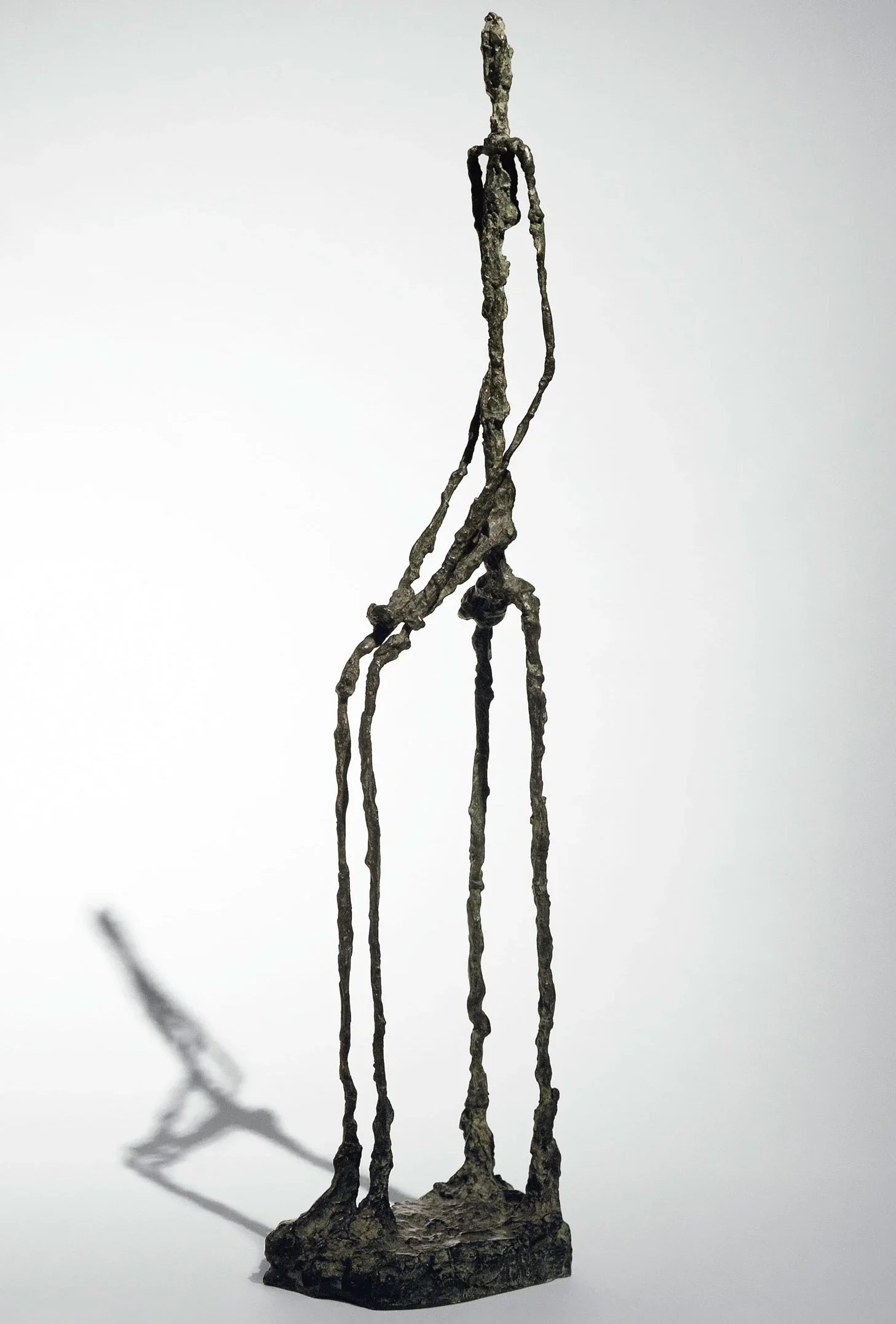
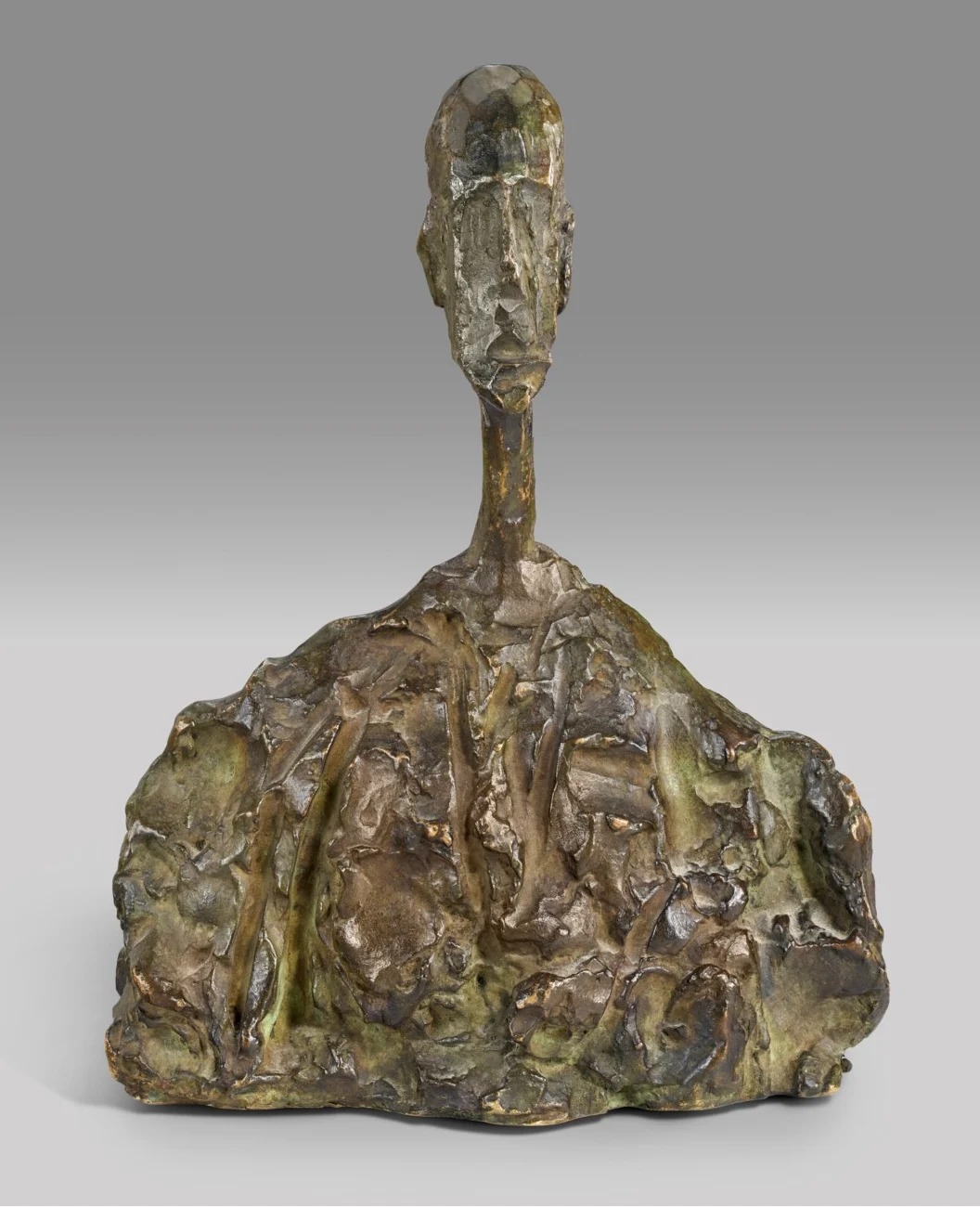
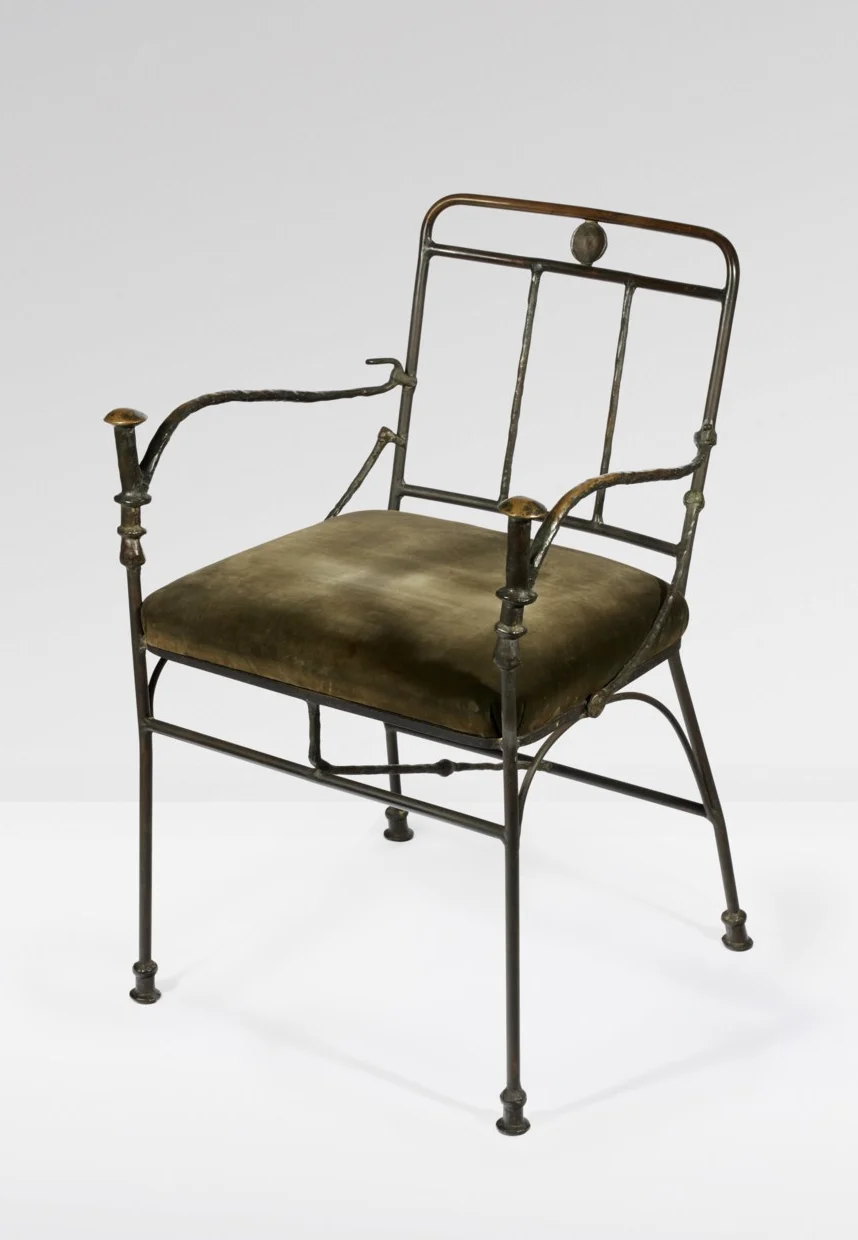
In 1930 Alberto began making design objects with Diego’s help for the interior decorator Jean-Michel Frank, who commissioned mainly light fittings and accessories. Alberto made these objects to earn a living, and he designed about a hundred of them for Frank. Most were cast in plaster in patinas ranging from pure white to gold, and they were intended either for mass production or to order. The results were striking and whimsical, at times Surrealist and always modern, and they were featured in Vogue and Harper’s Bazaar. Diego made the plaster casts and handled the patinas, which made him an essential partner in these commissions. After Frank’s death in 1941 the brothers retrieved their plaster casts and models, and the Maeghts later asked them for a new edition of their bronze floor lamps, which had become classics, for their flat on Avenue Foch. From 1939 Diego began creating sculptures of his own, and from the 1950s he established himself as a designer of bronze furniture, working mostly to order for decorators and collectors. In 1962 he designed the furniture and outdoor bar for the Maeght Foundation at Saint-Paul-de-Vence, and in 1964 a room for the Kronenhalle restaurant in Zurich. After Alberto’s death Diego, long overshadowed by his brother, received major commissions for the Musée Picasso in Paris and the Musée Chagall in Nice, and he is now recognized as one of the greatest creators of art furniture of the 20th century.
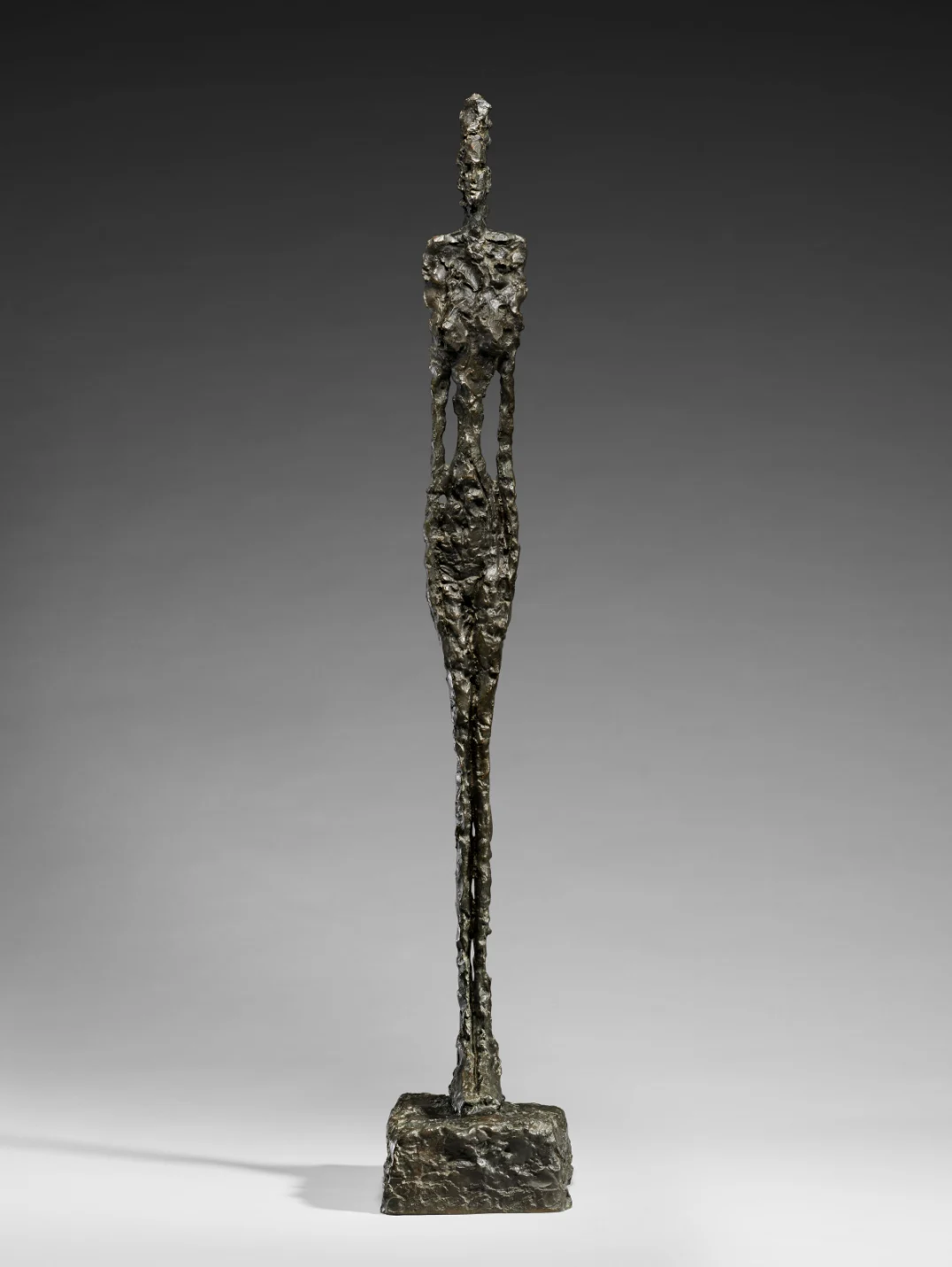

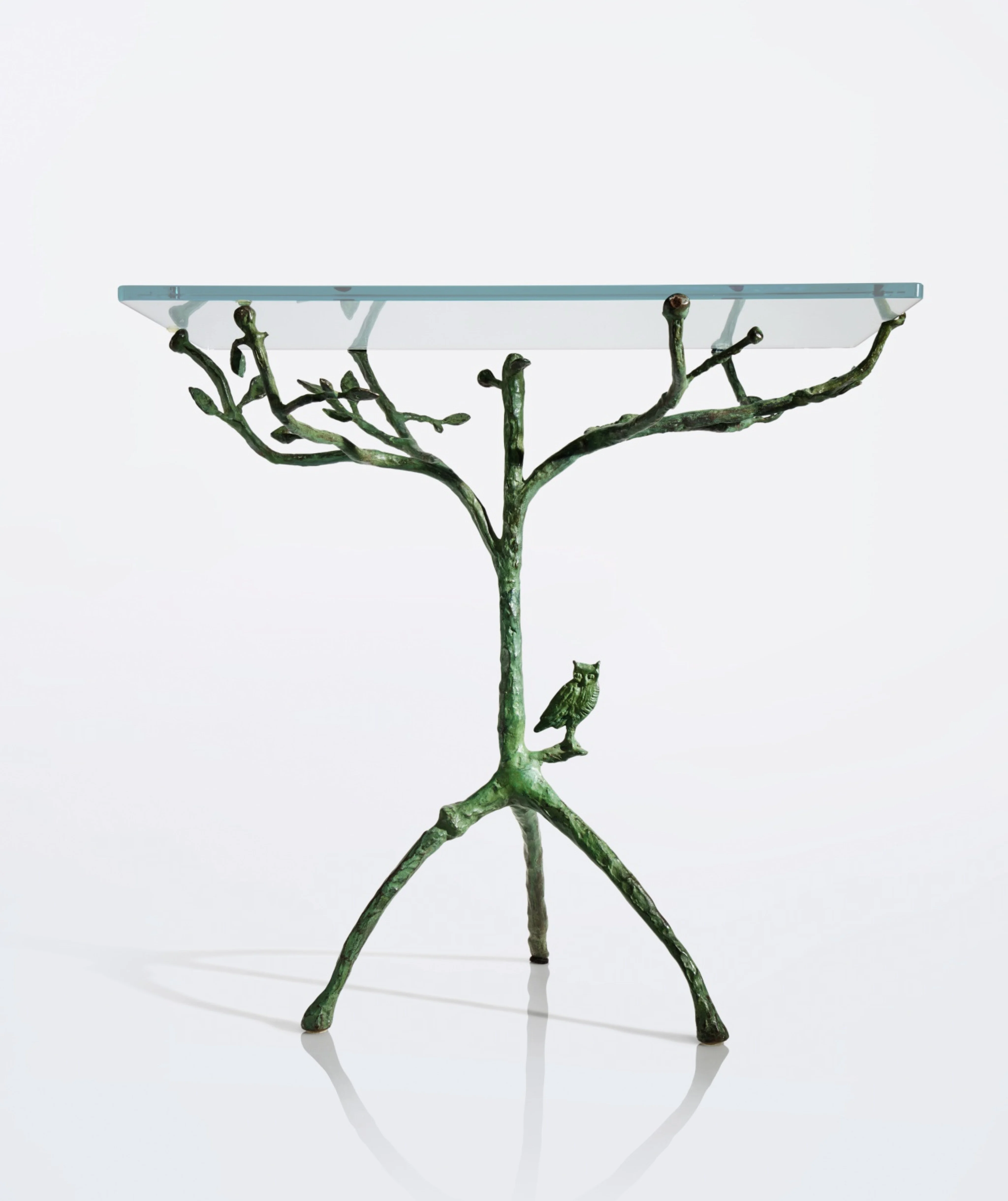
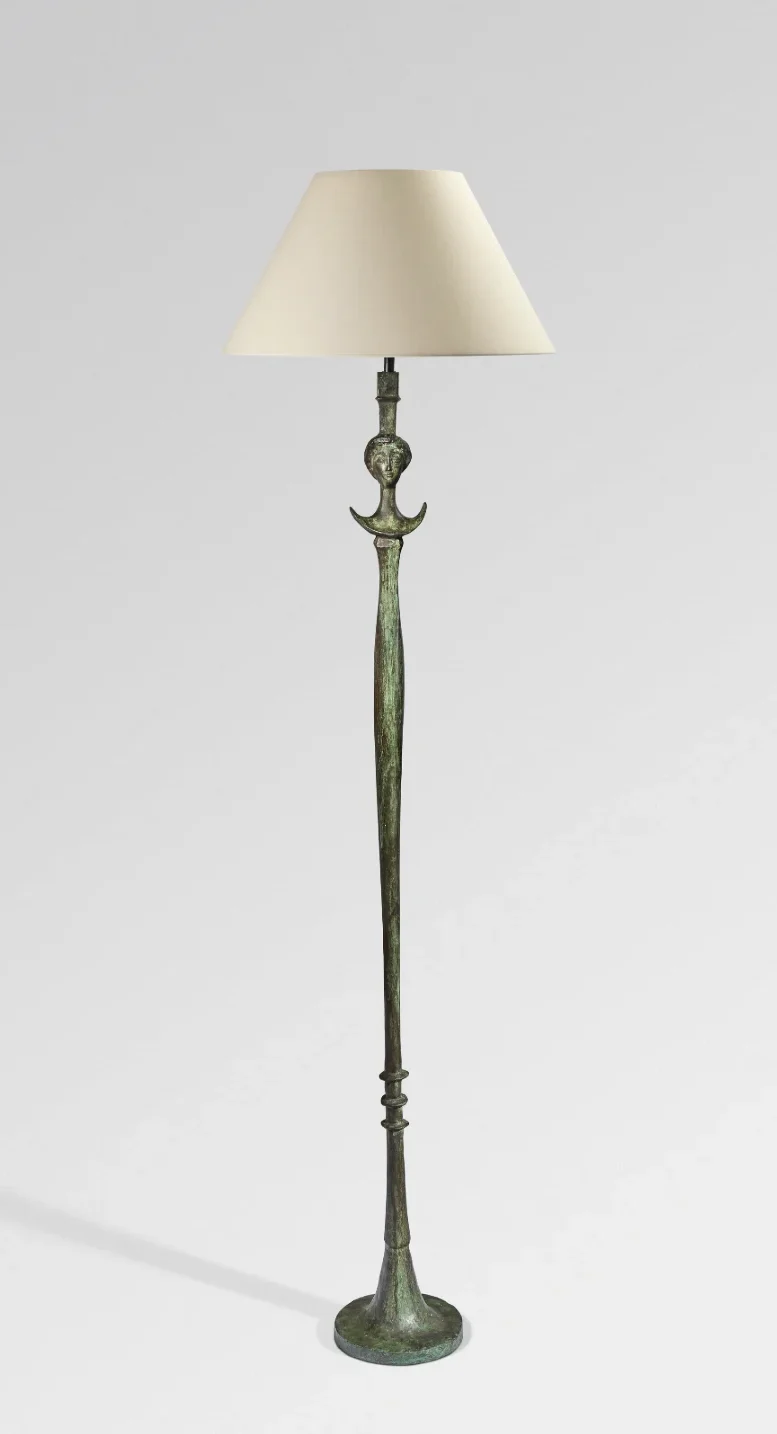
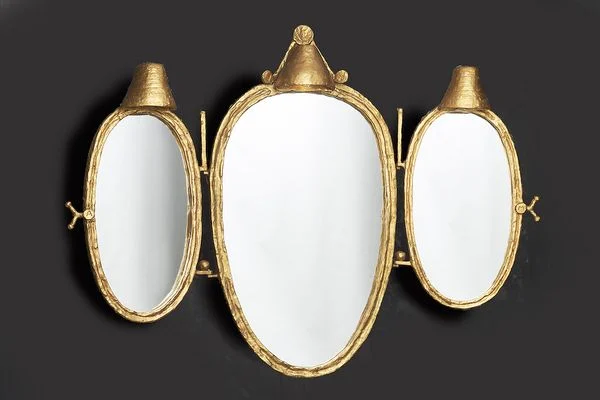
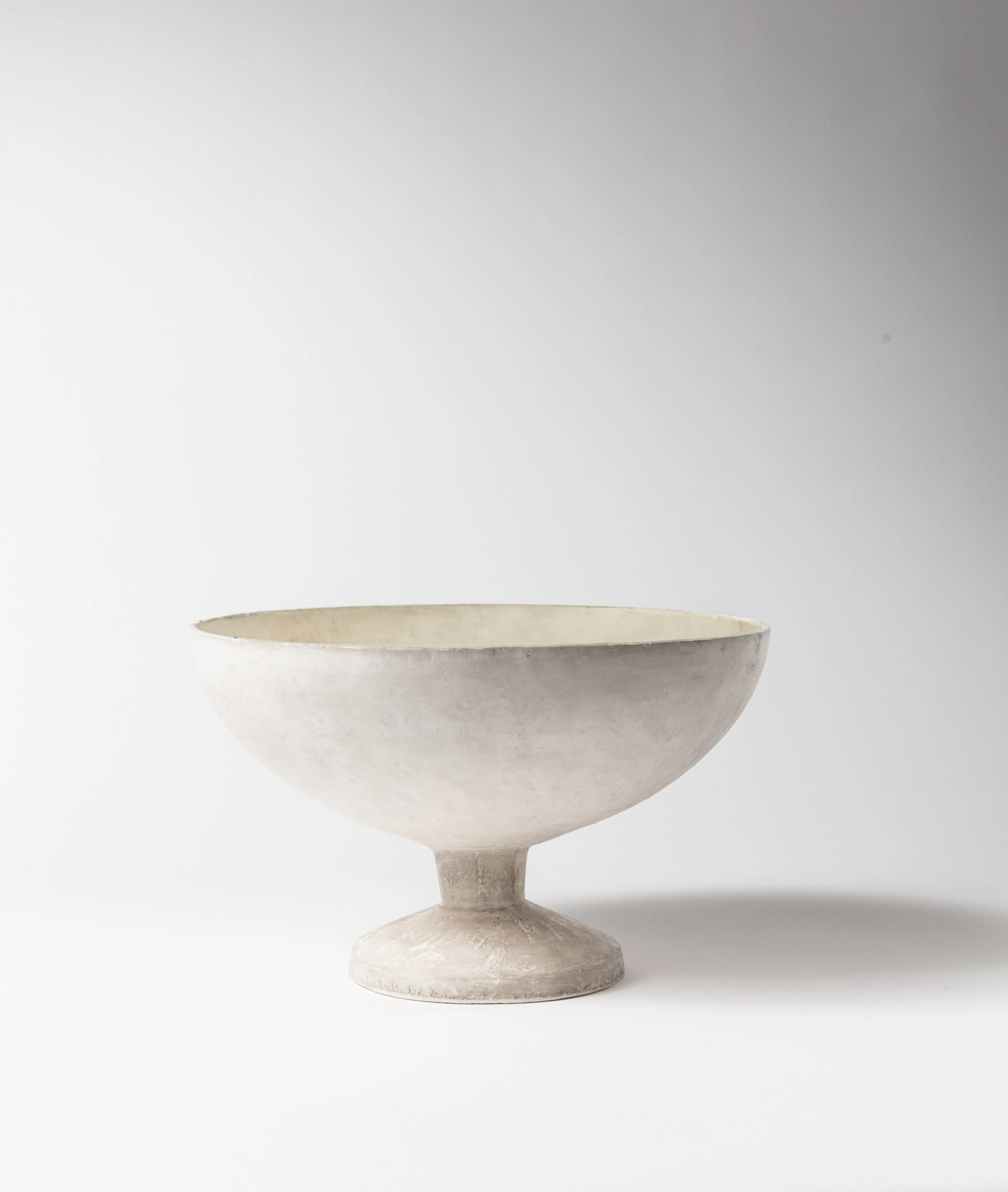
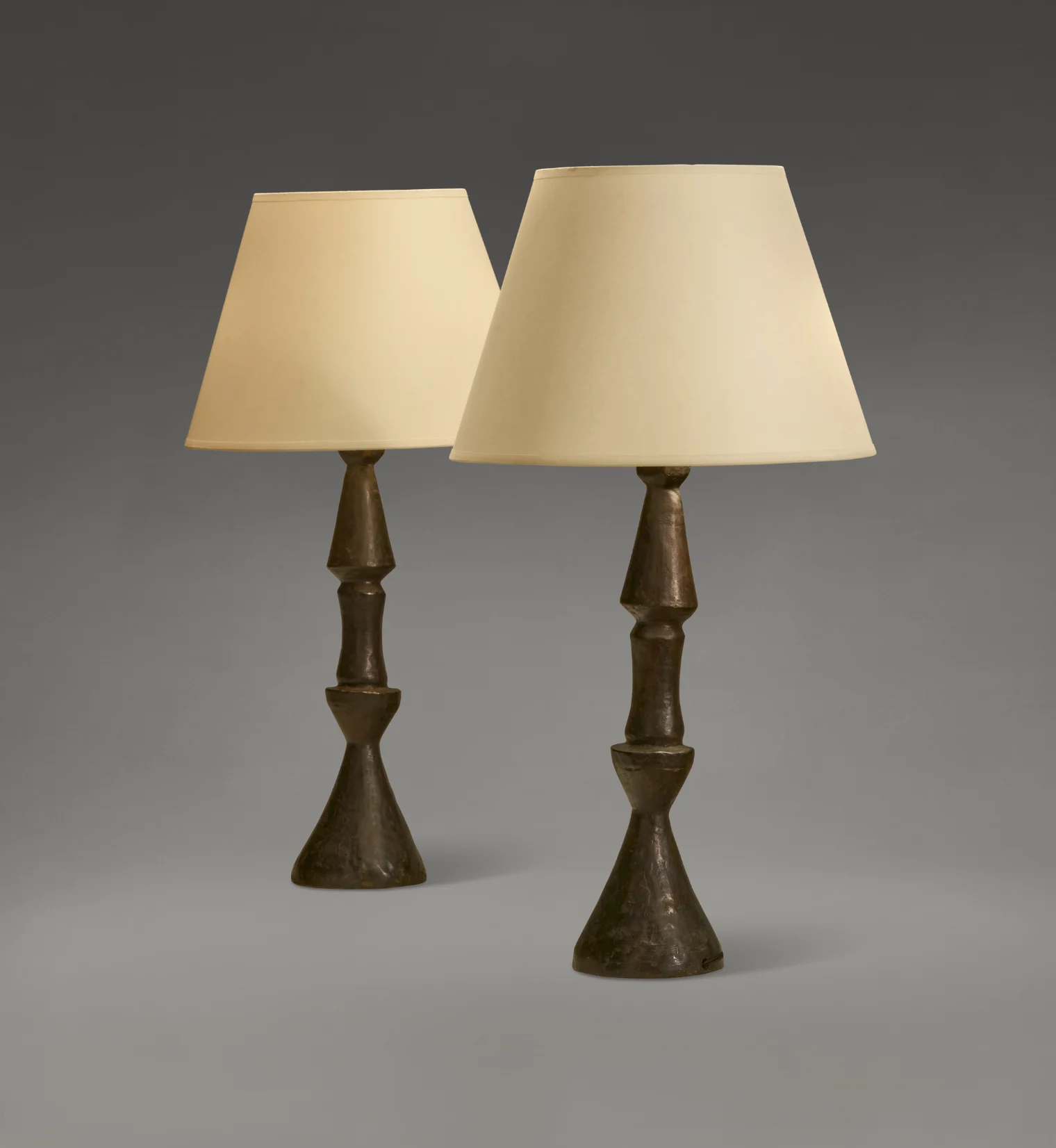
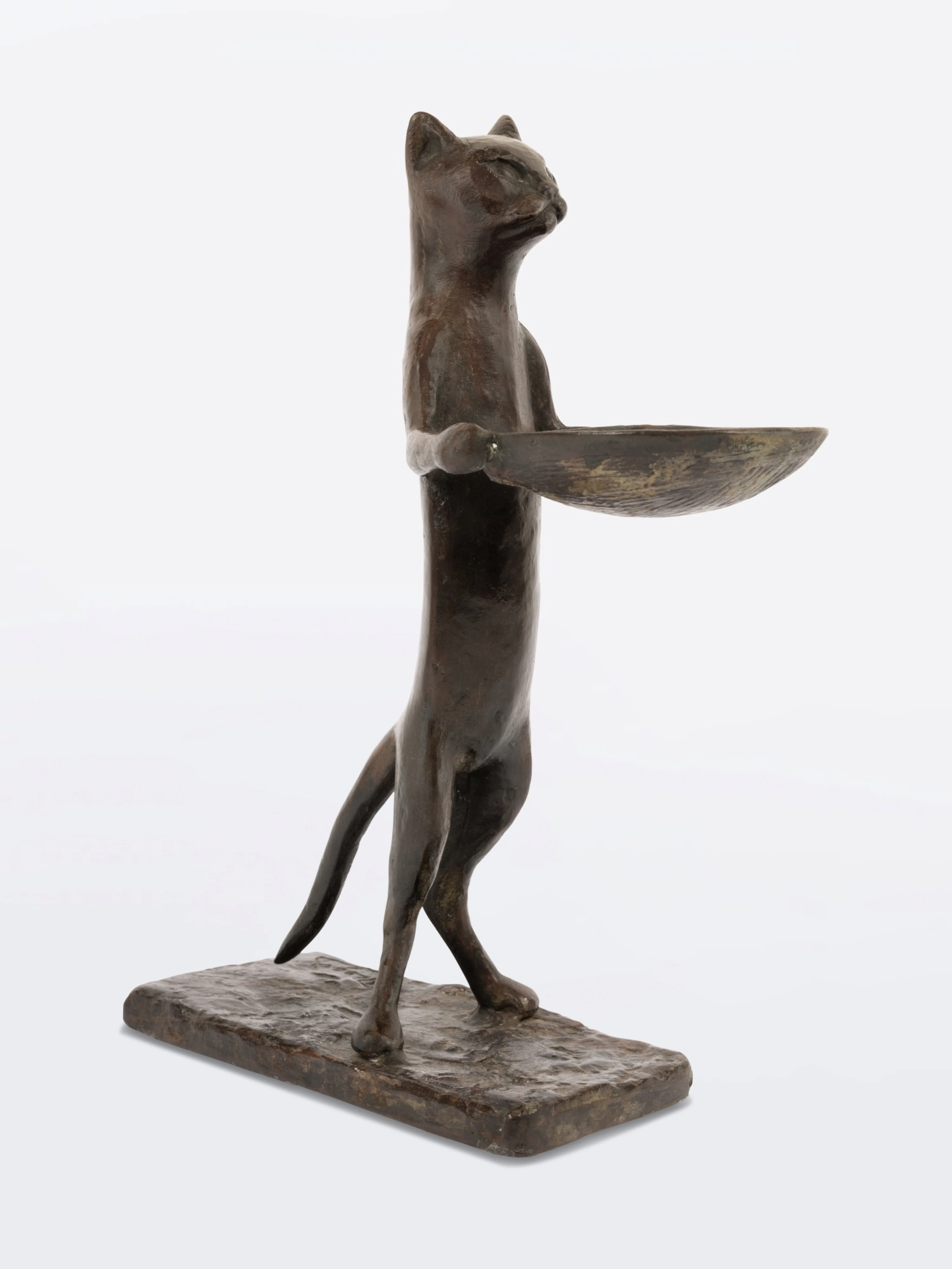
The brothers’ work for Frank paired Alberto’s sculptural imagination with Diego’s practical craft, producing objects that were whimsical, at times Surrealist, and always highly modern. Their plaster lamps and vases had a luxurious simplicity in white and gold patinas that suited Frank’s interiors. Diego’s later bronze furniture fused natural motifs with refined structure, giving tables and chairs the character of sculpture.
Key Influences
- Plaster Lamps for Frank: Their sculptural plaster lights remain among the most sought-after designs of French Art Deco and are widely imitated today.
- Sculptor as Designer: Alberto’s work for Frank showed that a major sculptor’s imagination could shape the everyday objects of a modern interior.
- Bronze Furniture: Diego’s tables and chairs established the artist’s bronze furniture as a form in its own right.
- Museum Interiors: His work for the Fondation Maeght and the Musée Picasso showed how furniture could shape the experience of a museum.
- The Surrealist Spirit: Their whimsical, Surrealist-tinged objects brought the avant-garde into the luxury interior.
If you are interested in further stories of the artists who shaped Art Deco, return to our artists page to browse the full directory.

Related Products from ArtDecoCollection.com