
Jean-Michel Frank
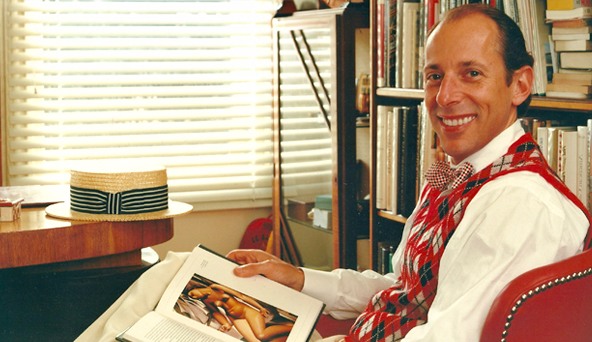
Jean-Michel Frank was born in Paris in 1895 into a wealthy banking family whose intellectual and social environment shaped his early sensibilities. Educated at the Lycée Janson de Sailly, he formed close ties with writers and thinkers who exposed him to modern literature and avant-garde ideas. The First World War brought devastating personal losses, including the deaths of his two brothers and the suicide of his father. These events left a lasting psychological imprint and fostered a deep sense of restraint and introspection. Rather than pursue a conventional profession, Frank gravitated toward artistic and literary circles in postwar Paris. He never received formal training in design, instead relying on intuition and intellectual curiosity. His earliest decorative experiments emerged organically through friendships and private commissions. These formative experiences shaped the austere worldview that would define his career.
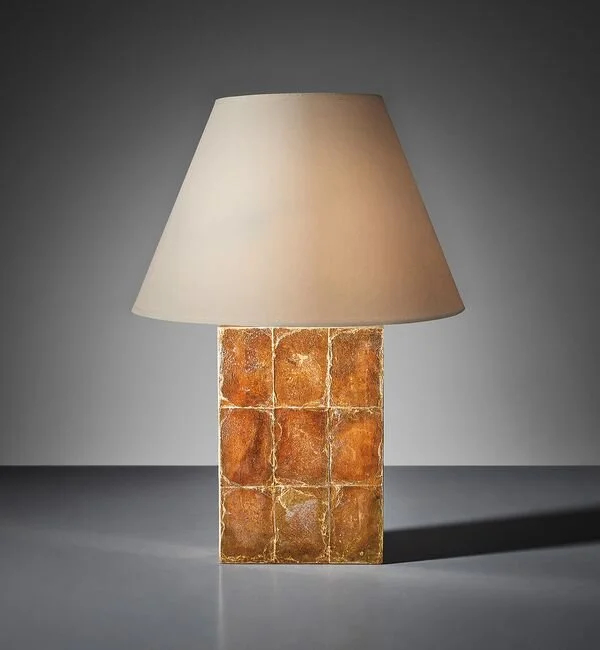

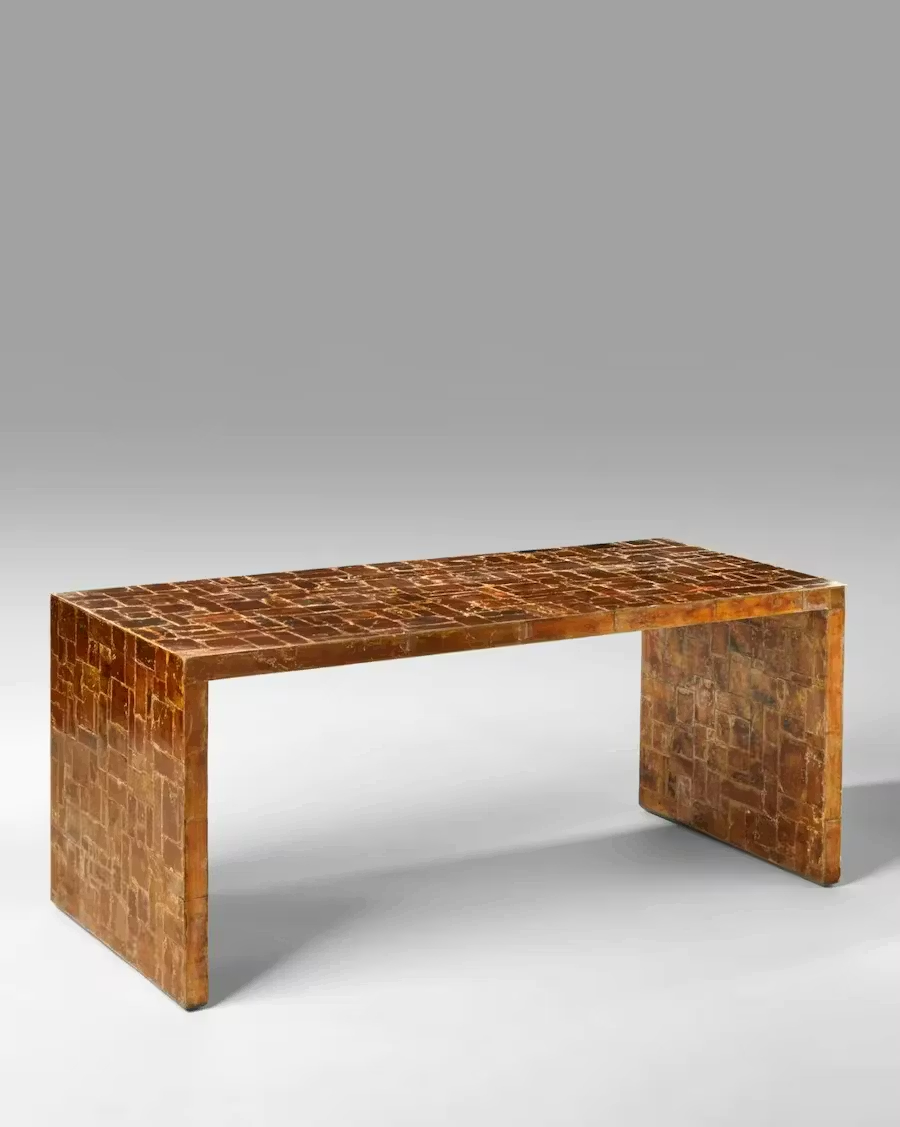
Frank became one of the most influential figures of Art Deco by radically rejecting ornament and visual excess. His interiors were defined by emptiness, balance, and carefully controlled proportions rather than decorative richness. Working with cabinetmaker Adolphe Chanaux, he introduced unconventional materials such as shagreen, parchment, straw marquetry, mica, plaster, and sanded oak. Furniture forms were deliberately reduced to simple geometries, allowing texture and material to take precedence. By the late 1920s, he was the decorator of choice for Parisian elites, fashion houses, and international patrons. During the 1930s, his work evolved to include restrained neoclassical references and deeper color tones. He collaborated with artists such as Alberto Giacometti, Christian Bérard, and Emilio Terry on furniture and lighting. The outbreak of the Second World War ended his Paris career, and exile ultimately led to his death in 1941.
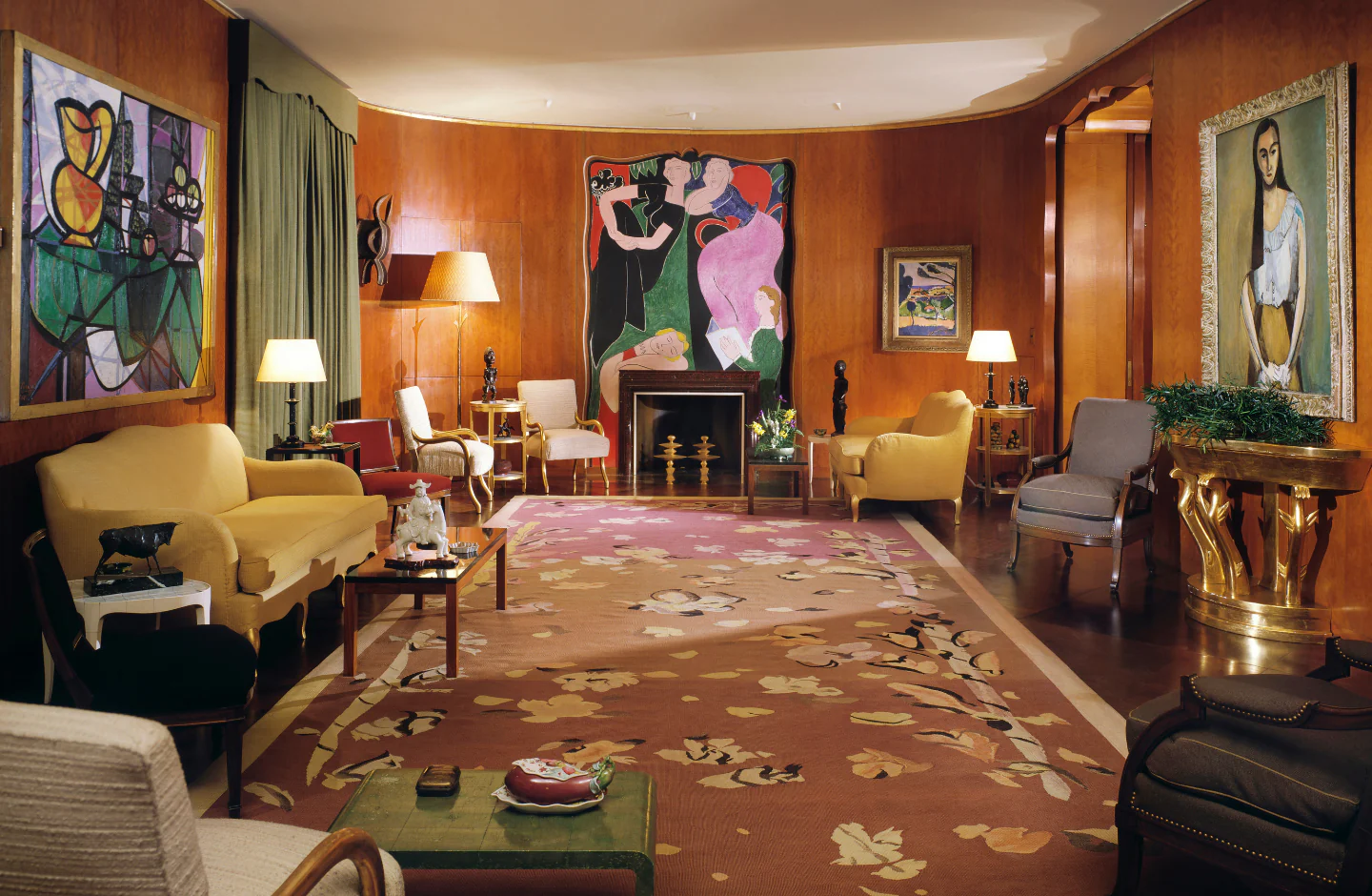
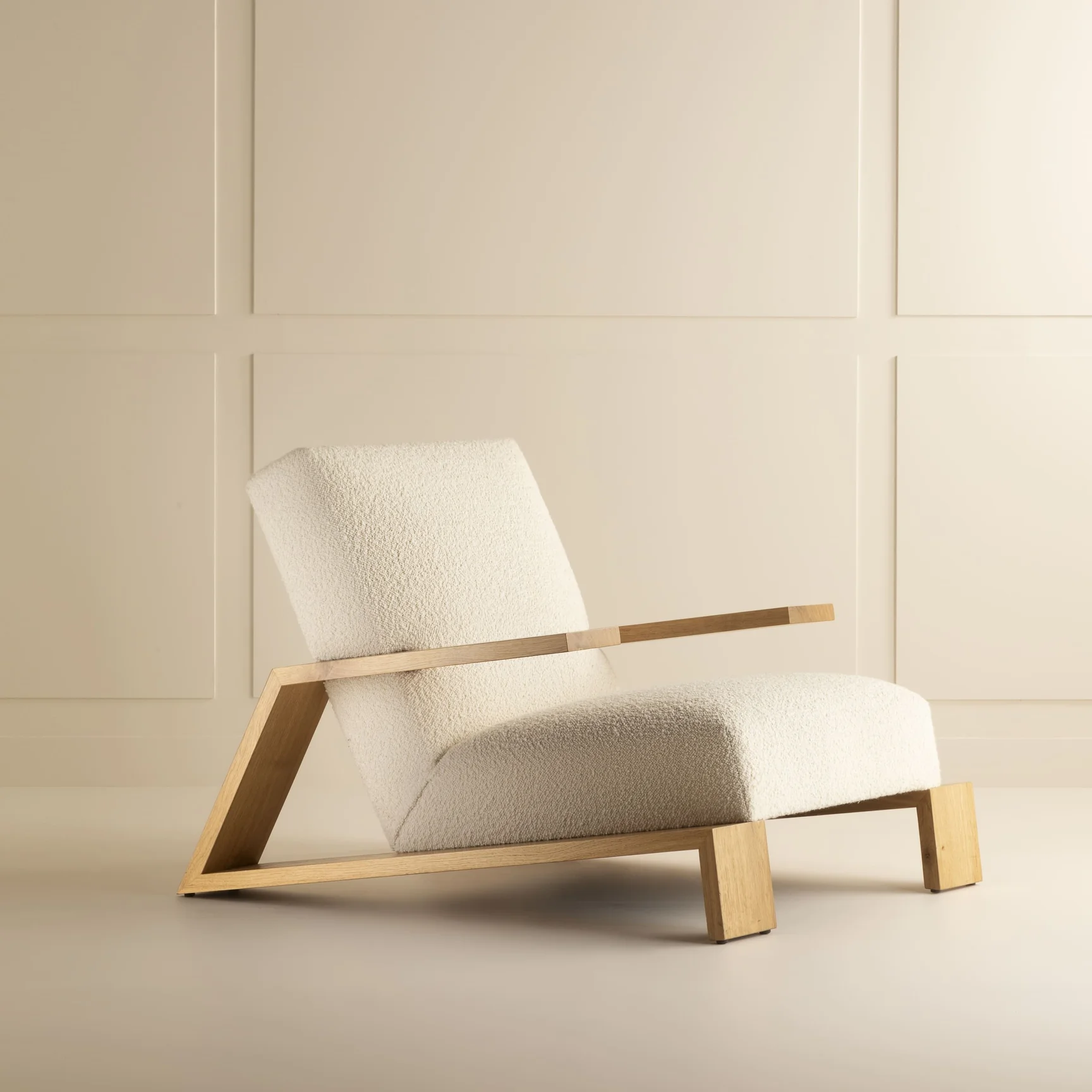
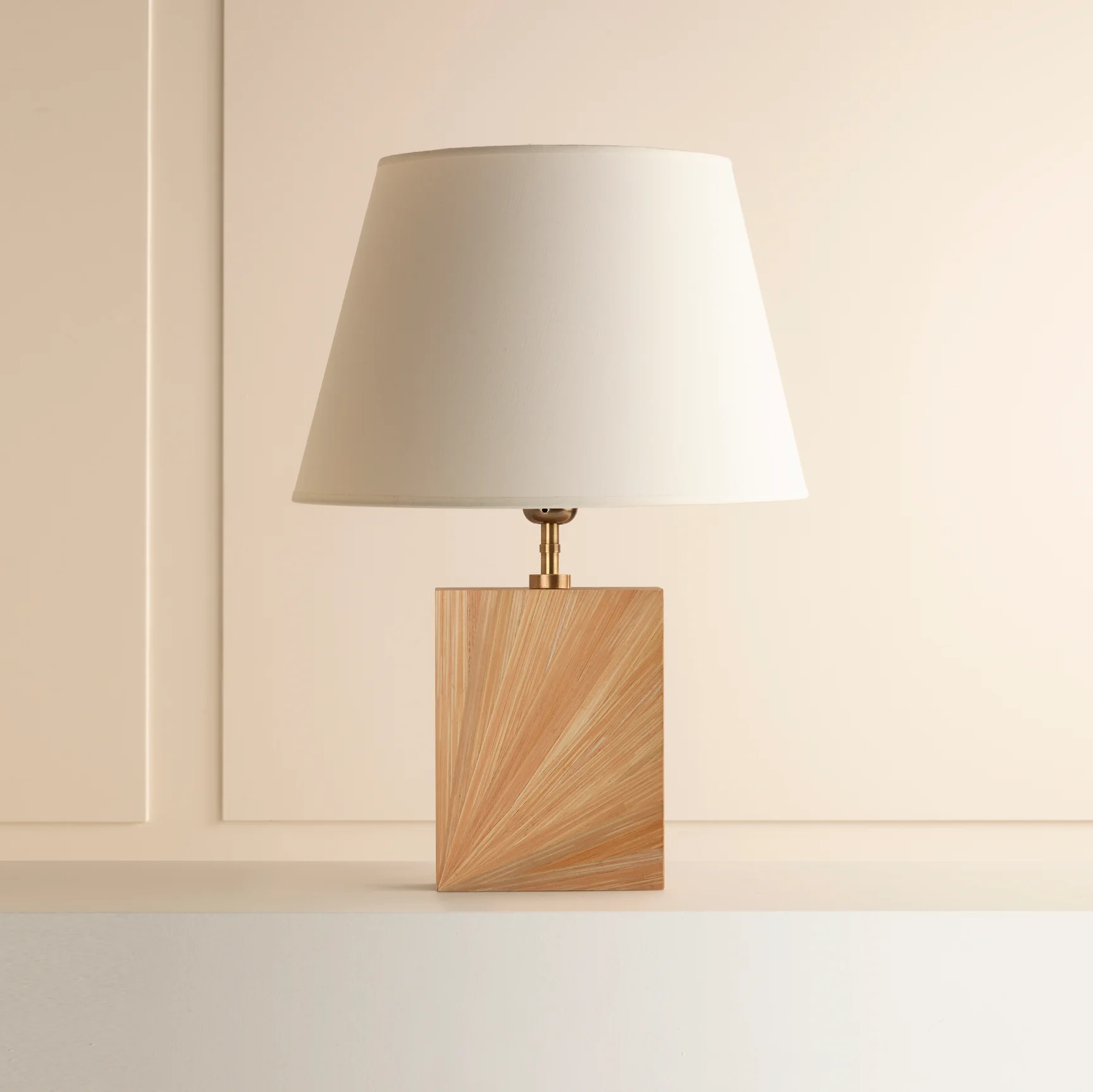
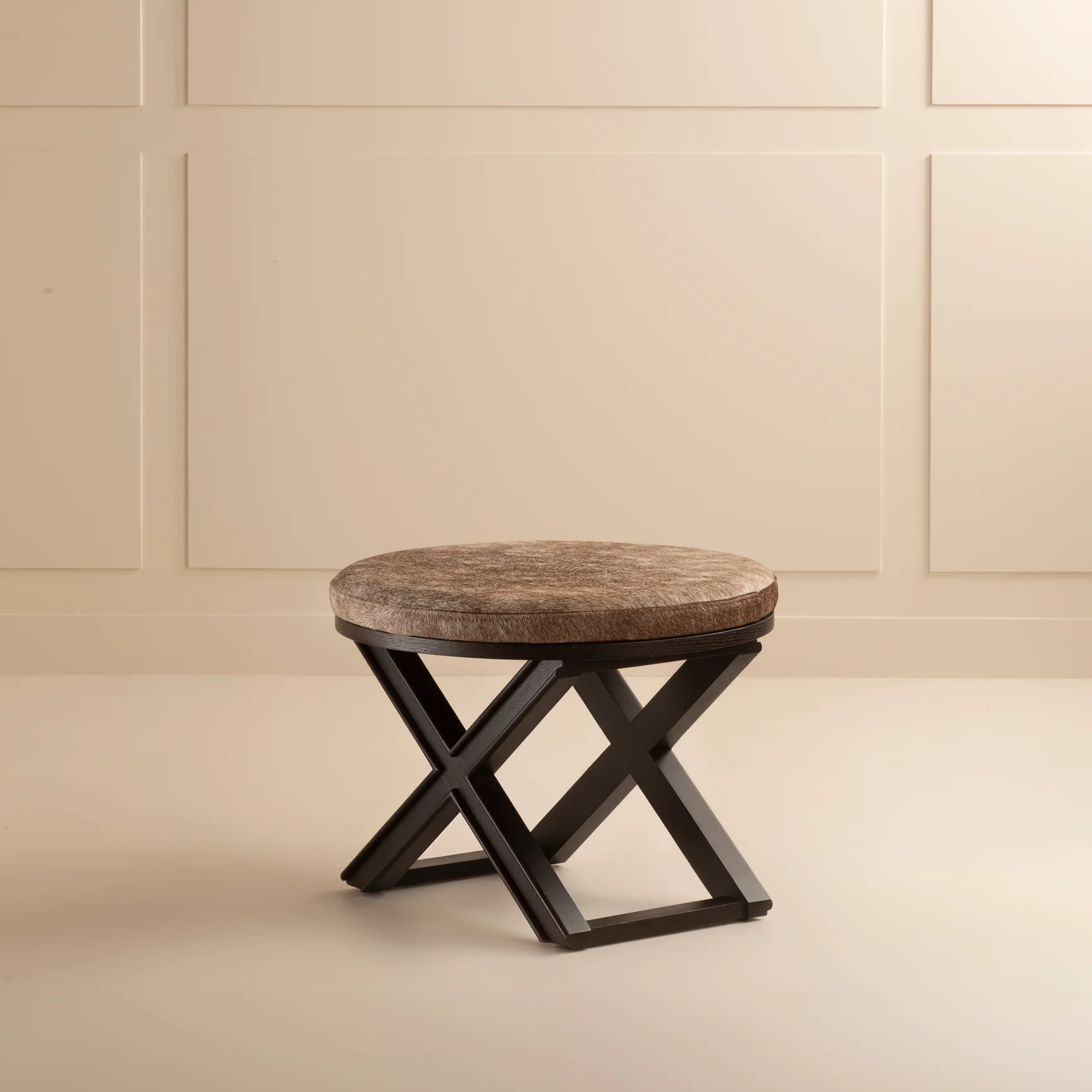
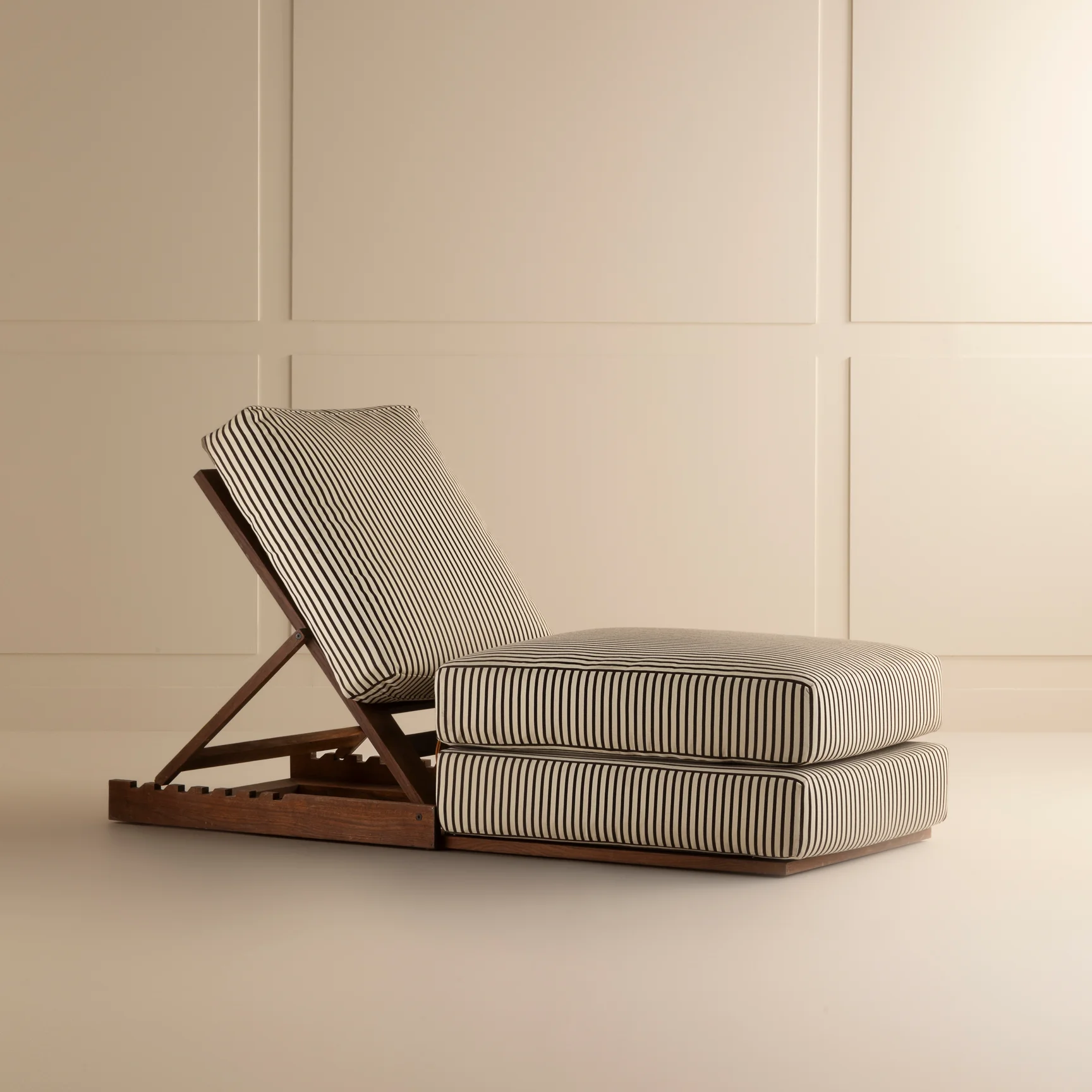
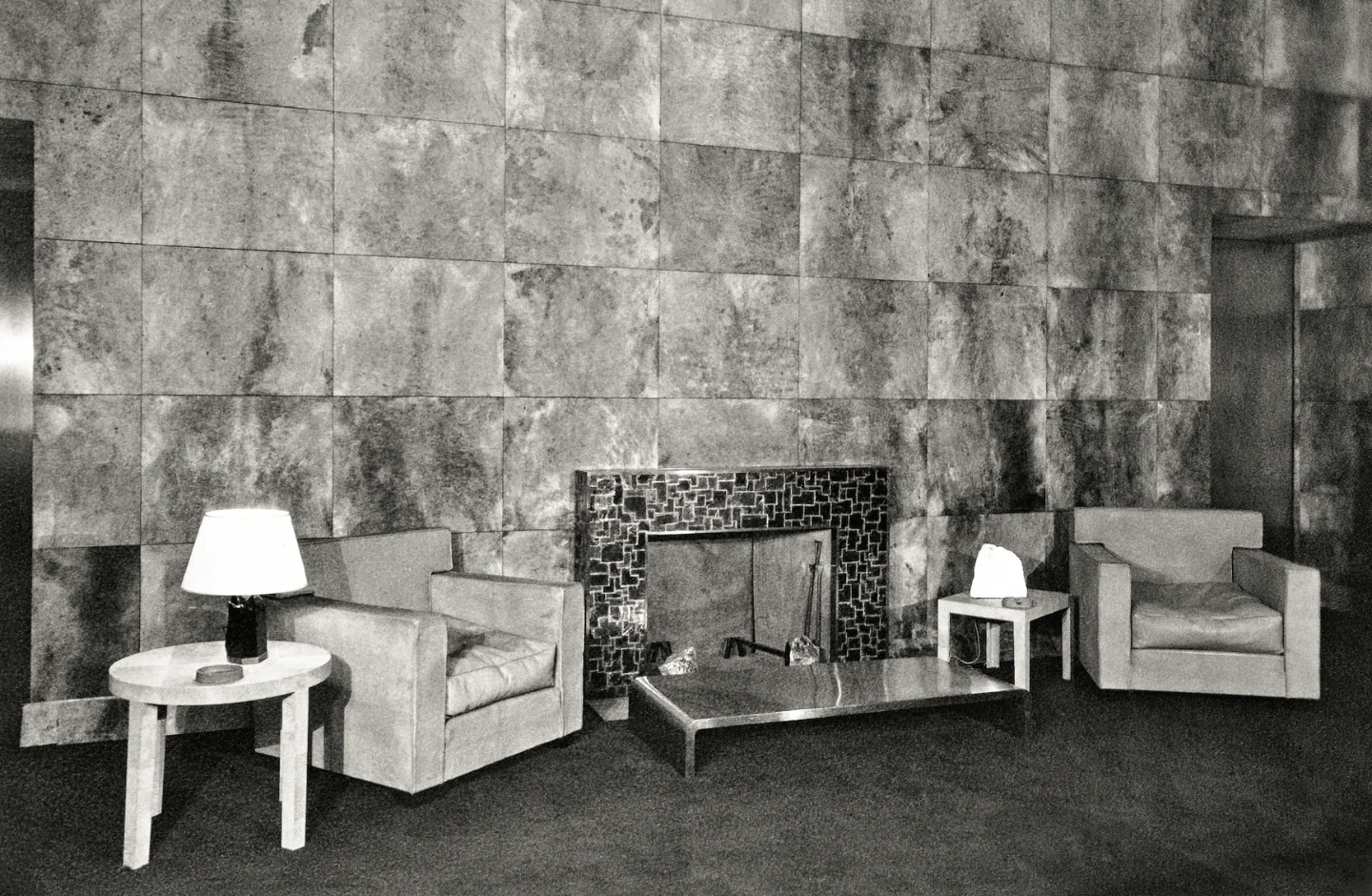
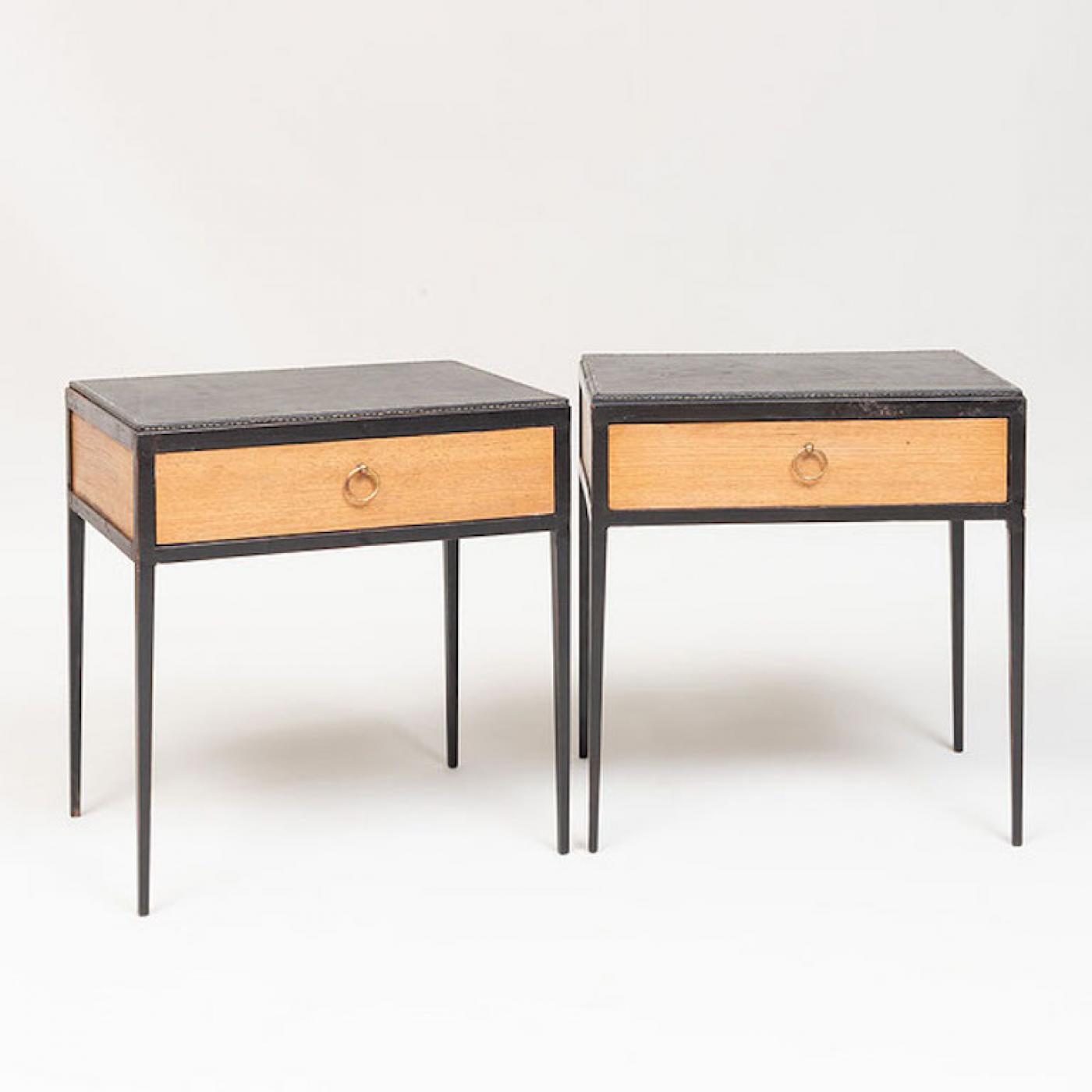
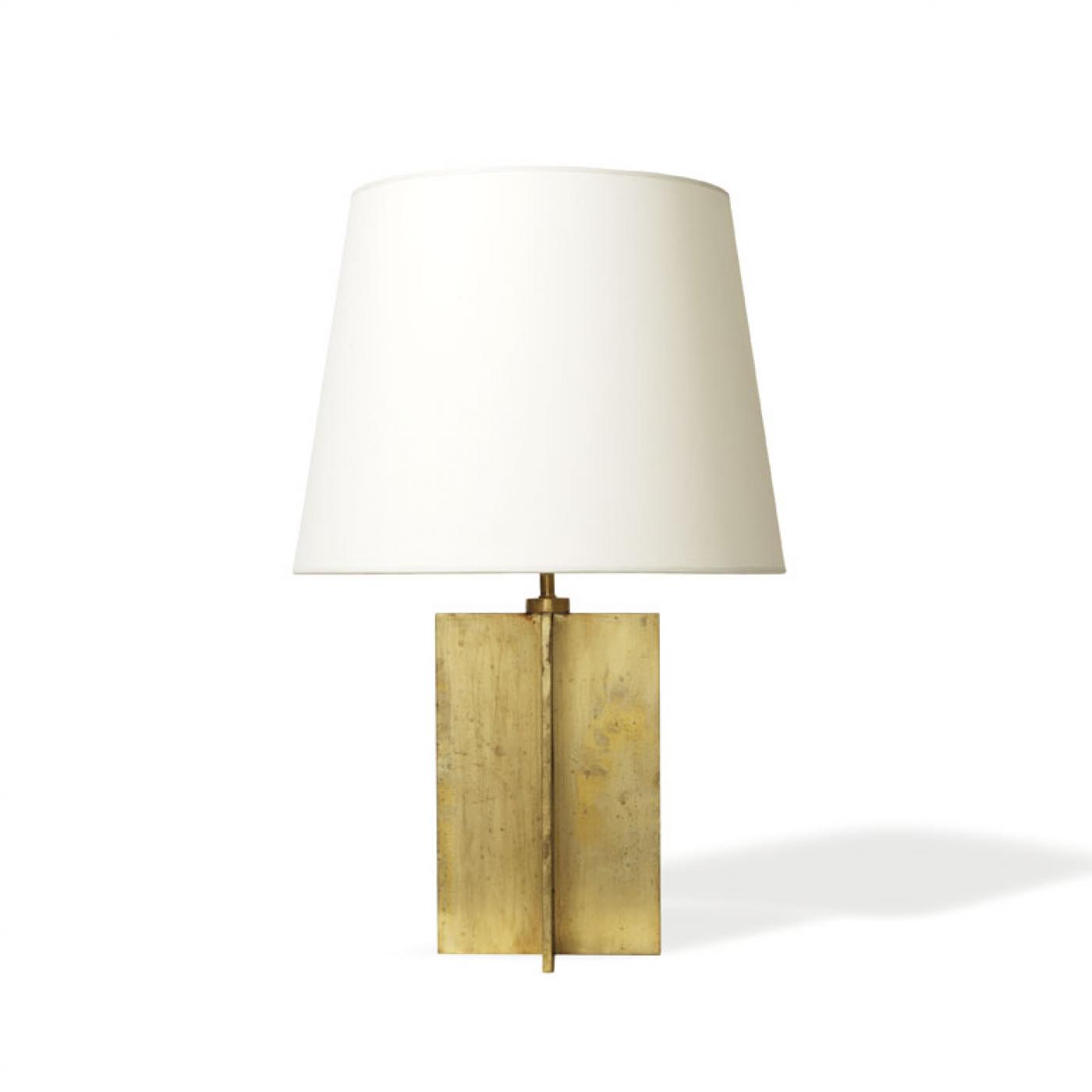
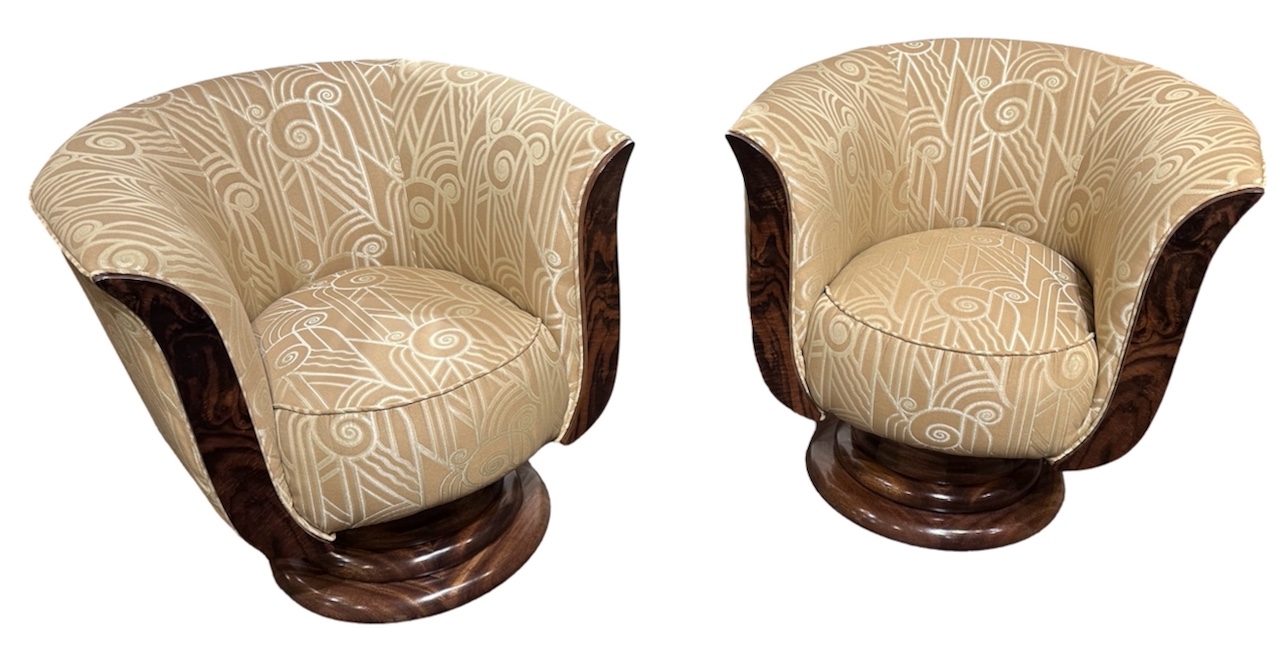
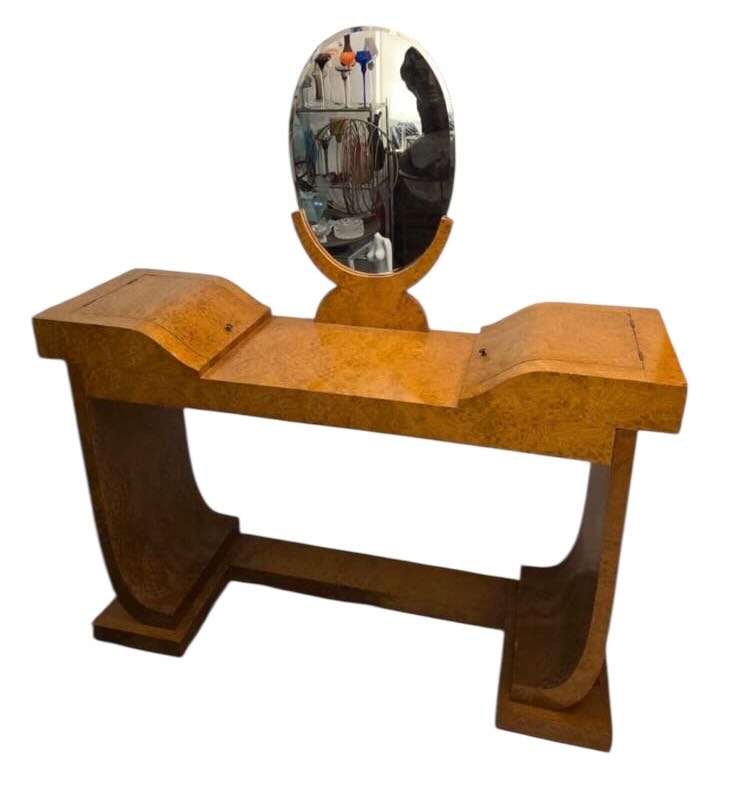
Jean-Michel Frank’s style is defined by extreme restraint paired with rare and tactile materials. His interiors emphasize negative space, light, and proportion over decoration. Furniture forms are quiet, rectilinear, and intentionally reduced to their essentials. Luxury in his work is expressed through surface texture rather than visual complexity. This refined austerity became one of the most influential interpretations of Art Deco design.
Key Influences
- Literary and Intellectual Paris: Early friendships with writers and poets shaped his philosophical approach to space and austerity.
- Eighteenth-century French Furniture: Exposure to classical proportions informed his sense of balance and refinement.
- Unconventional Materials: Use of shagreen, parchment, straw, and plaster redefined luxury through texture rather than ornament.
- Artistic Collaboration: Partnerships with sculptors and painters expanded his work beyond traditional decoration.
- Modern Asceticism: Personal tragedy and introspection contributed to his enduring pursuit of visual restraint and renunciation.
If you are interested in further stories of the artists who shaped Art Deco, return to our artists page to browse the full directory.

Related Products from ArtDecoCollection.com