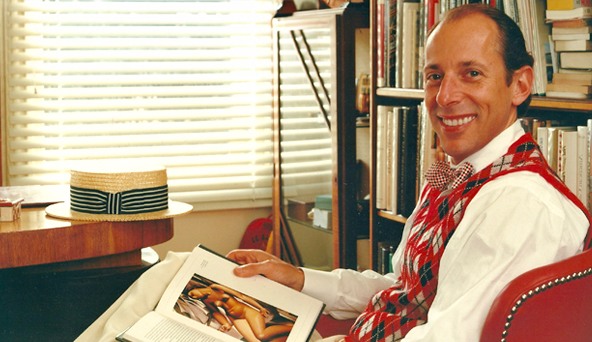
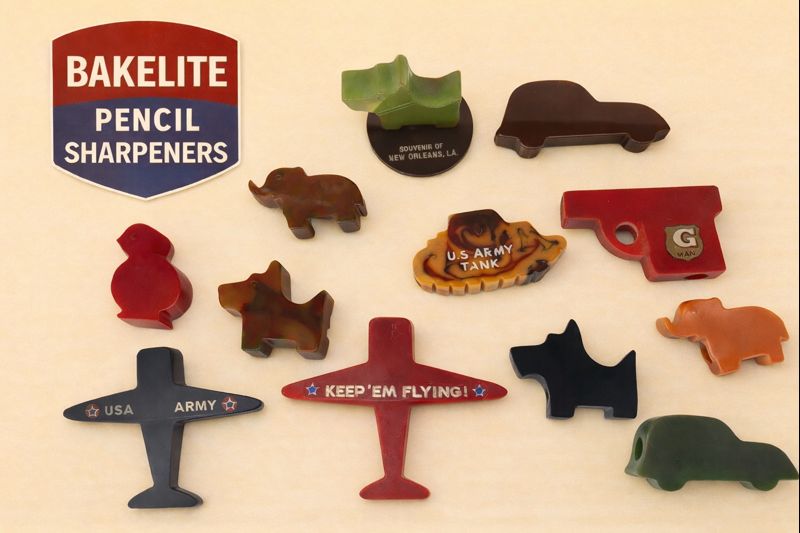
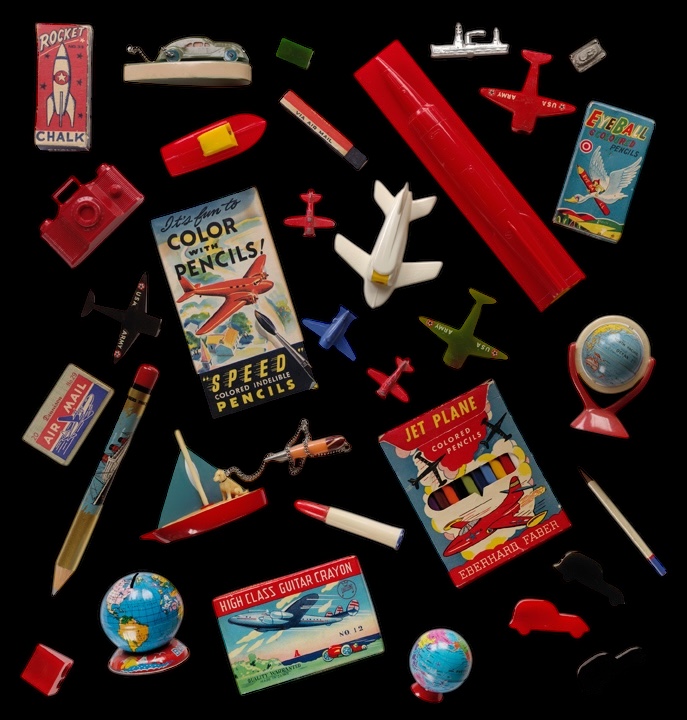
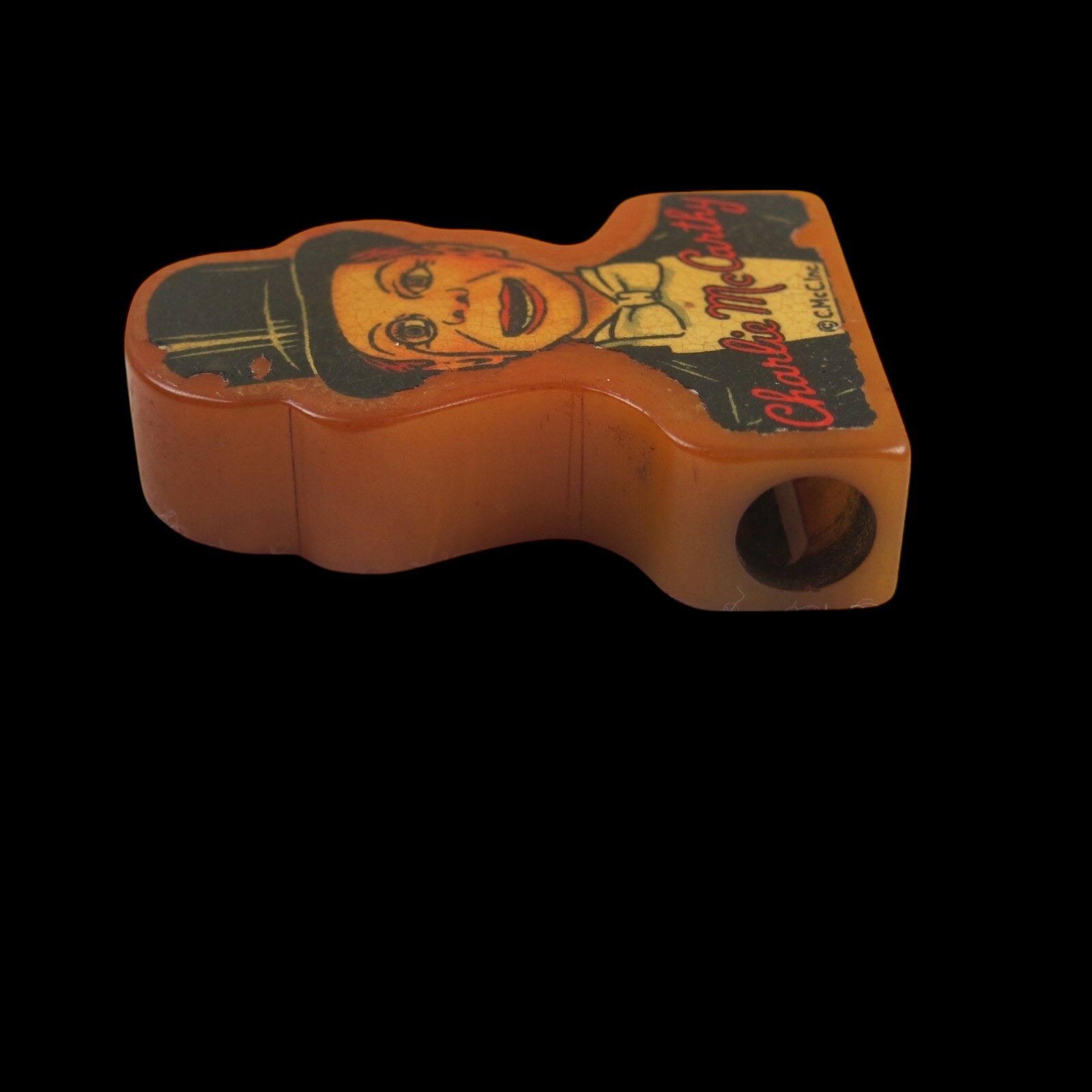
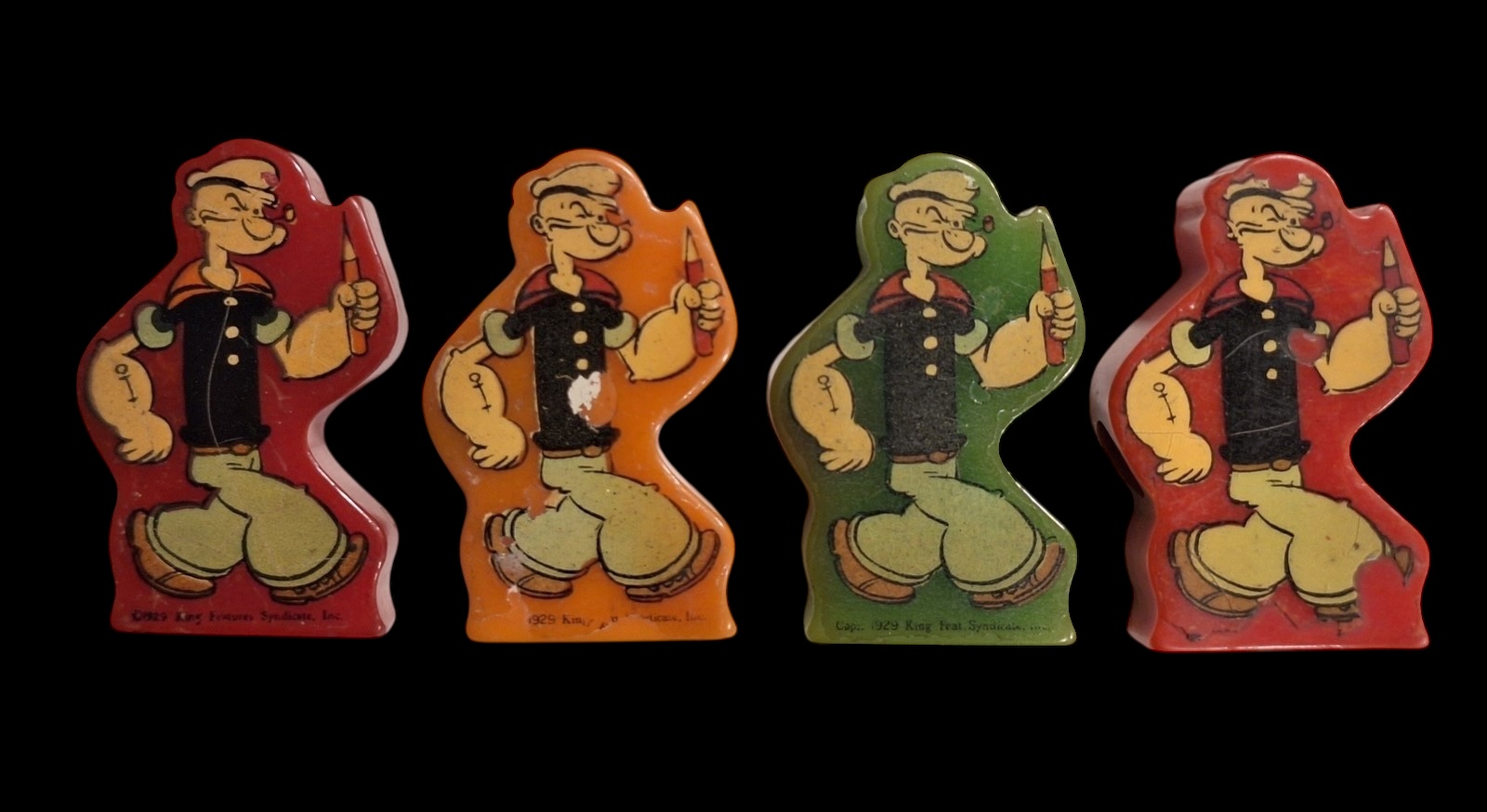
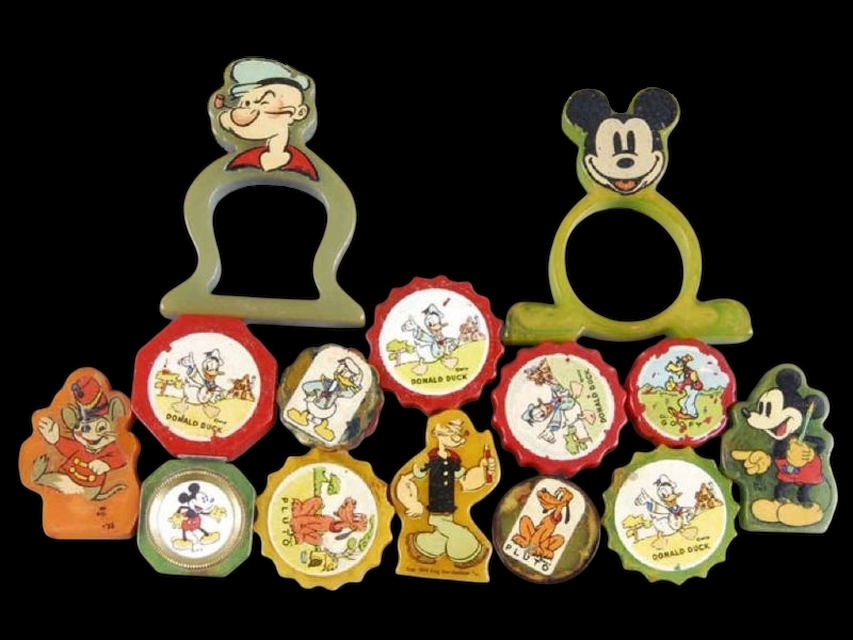
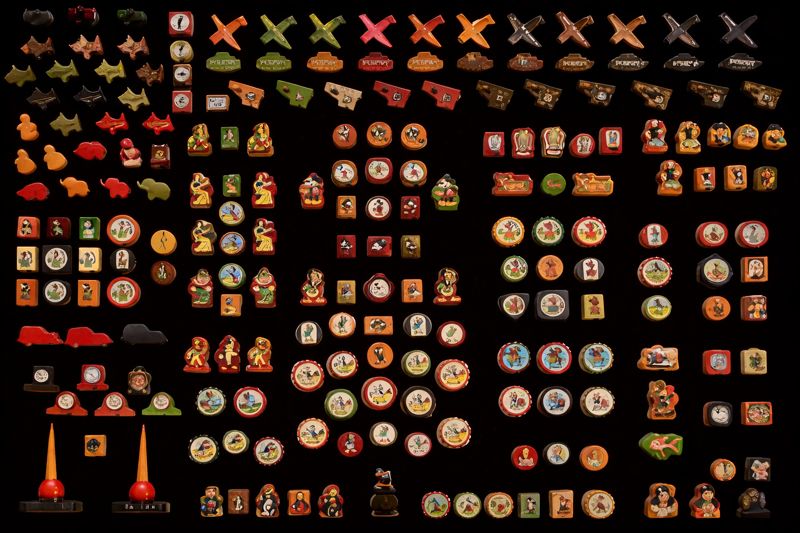
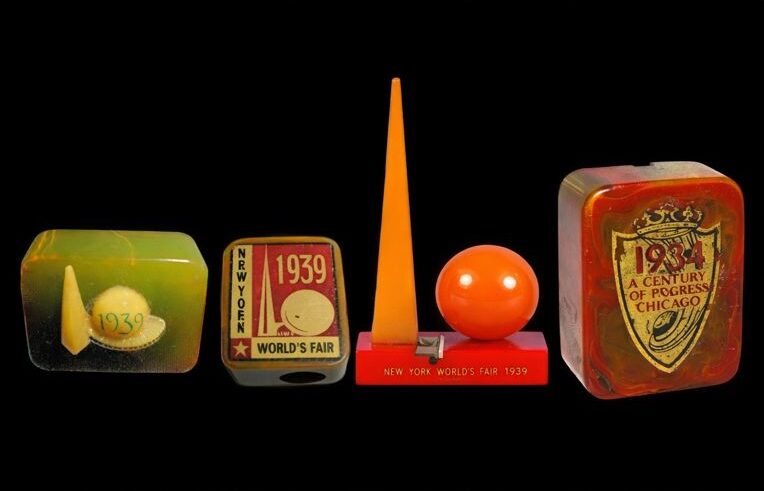
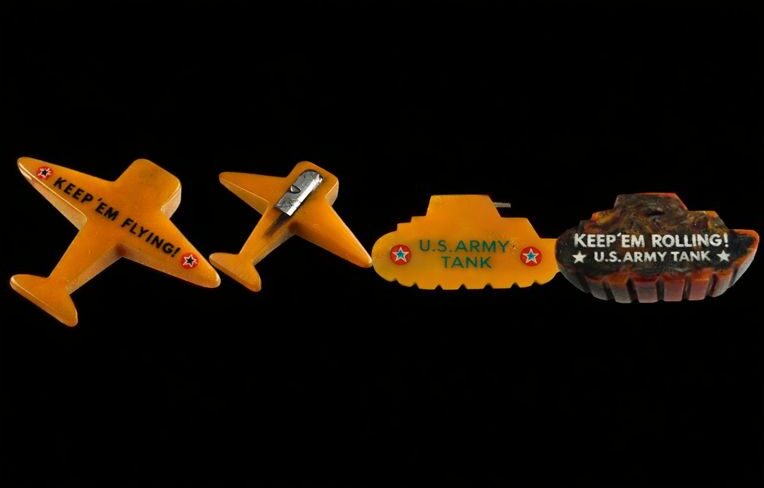
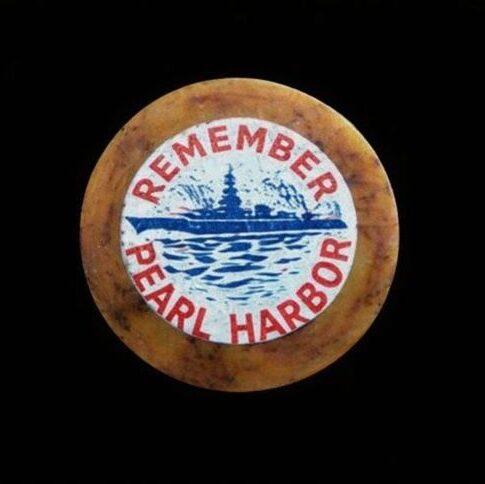
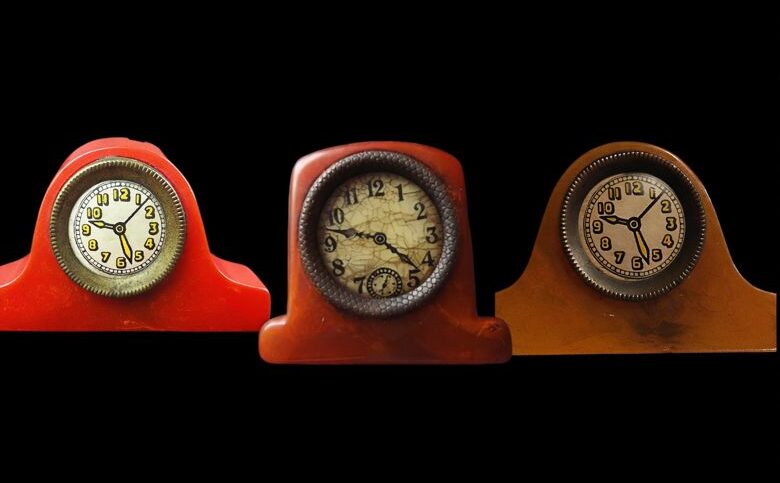
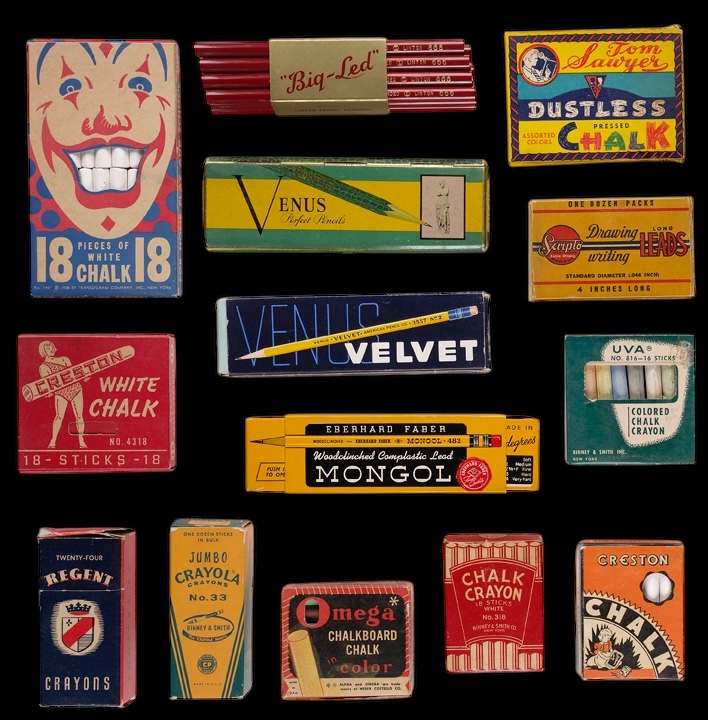
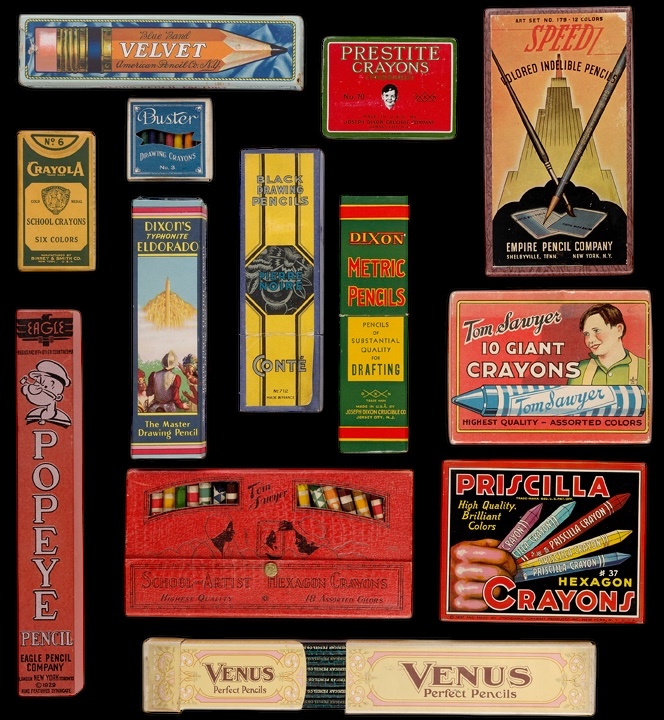
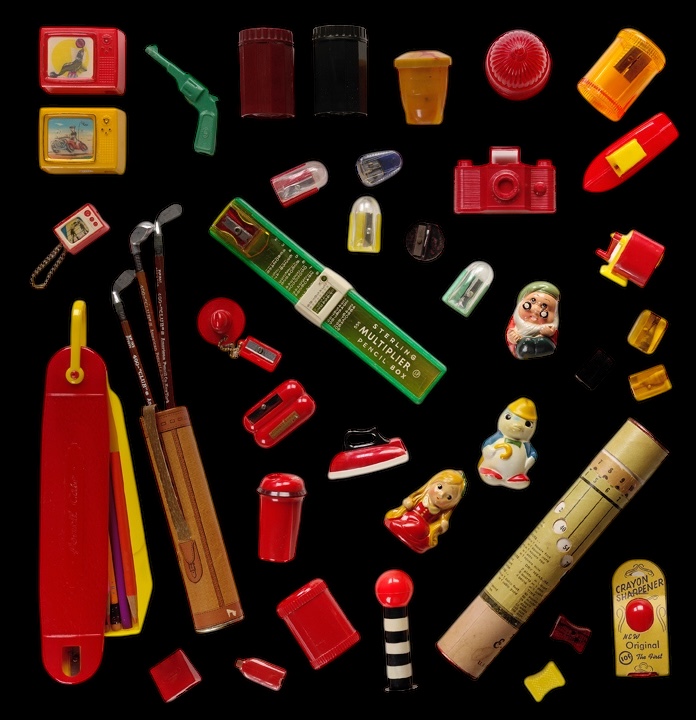
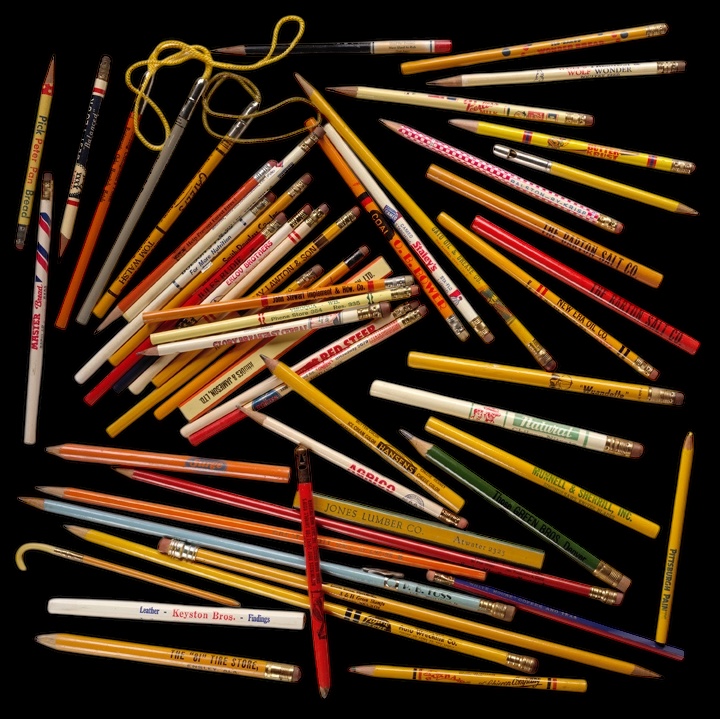
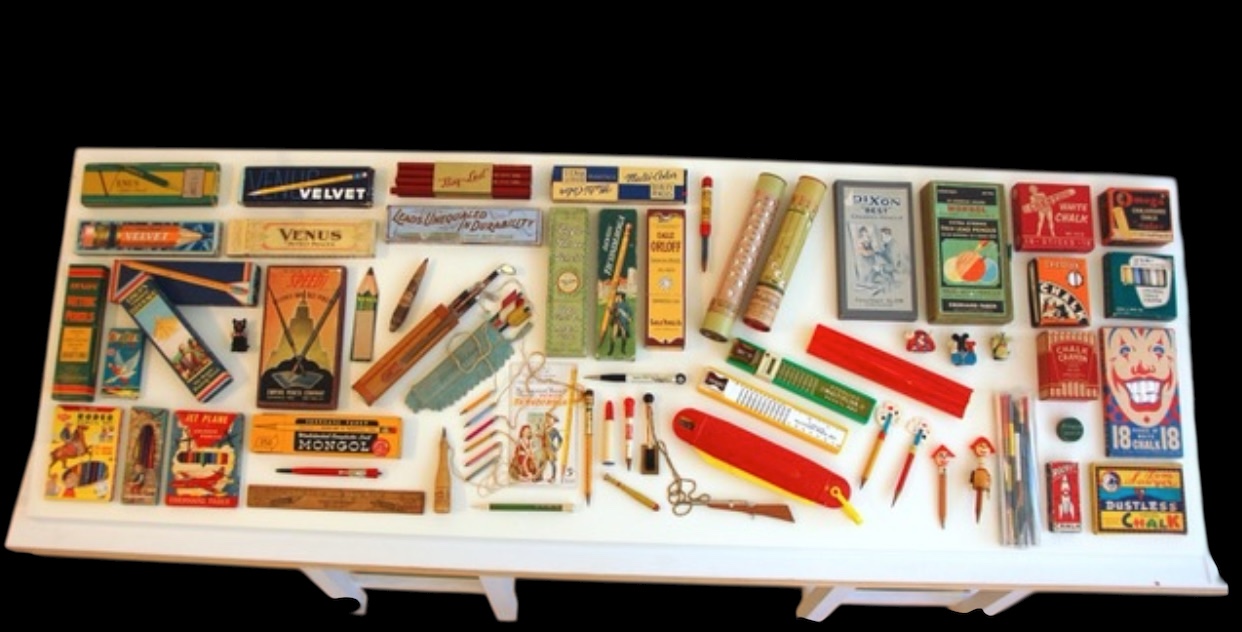
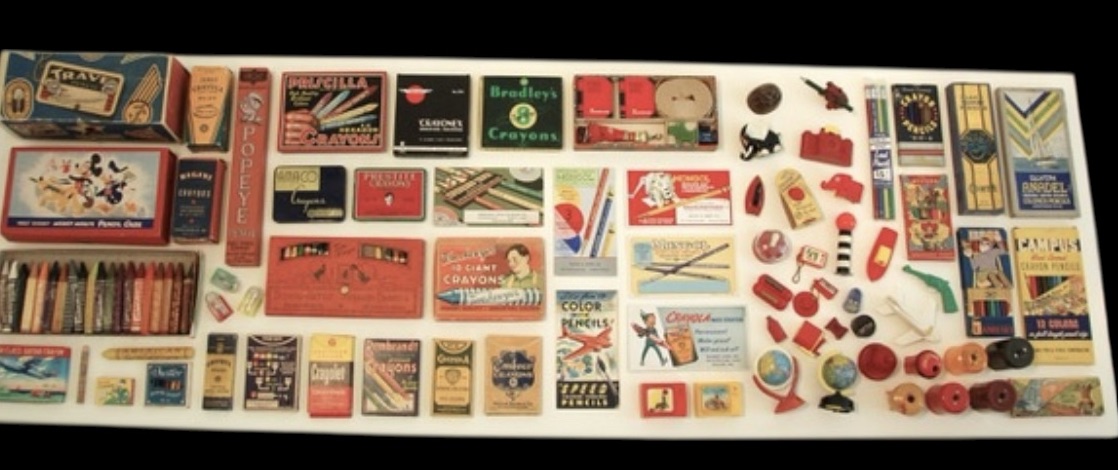
The Bakelite-Catalin (or plastic) pencil sharpeners are where Bob’s obsession first came into focus for me. It was through these small figural objects that I began to understand the depth of his engagement with design and everyday form. They capture a moment when modern design, education, and popular culture converged at a distinctly human scale. The most revealing examples from the 1930s and 1940s were not desktop tools but objects meant to be carried, handled, and used repeatedly. Often no larger than a matchbox, they transformed an ordinary school supply into a personal object shaped by imagination, identity, and the visual language of the period. In doing so, these sharpeners became tiny sculptures, balancing utility with playfulness and a quiet but deliberate design awareness.
Bob, In His Own Words
The Bakelite-Catalin pencil sharpener collection was the beginning of everything. In 1979, while walking through a flea market, I came across a small Bakelite pencil sharpener with a Disney character on it. I liked it, so I bought it, and that single object quietly set everything in motion. I started with one and now have well over three hundred. At some point, it stopped being casual. If I saw one, I felt compelled to buy it; the cost did not matter, I had to have it. Eventually, I carried a handwritten list describing each example I already owned so I would not buy a duplicate, although if I found the same sharpener in better condition, I would buy it anyway. I searched everywhere, flea markets, antique and collector shows, and small shops wherever there was a chance one might appear. When I came home, my wife would ask, “Did you buy any of those stupid pencil sharpeners?” and I would answer, “Only two,” even when I actually had six in my pocket. When I realized I was lying, I understood I had a problem. I was no longer just collecting. I was addicted, and that addiction became part of who I am, part of my DNA.
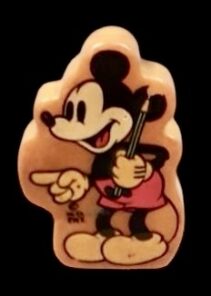
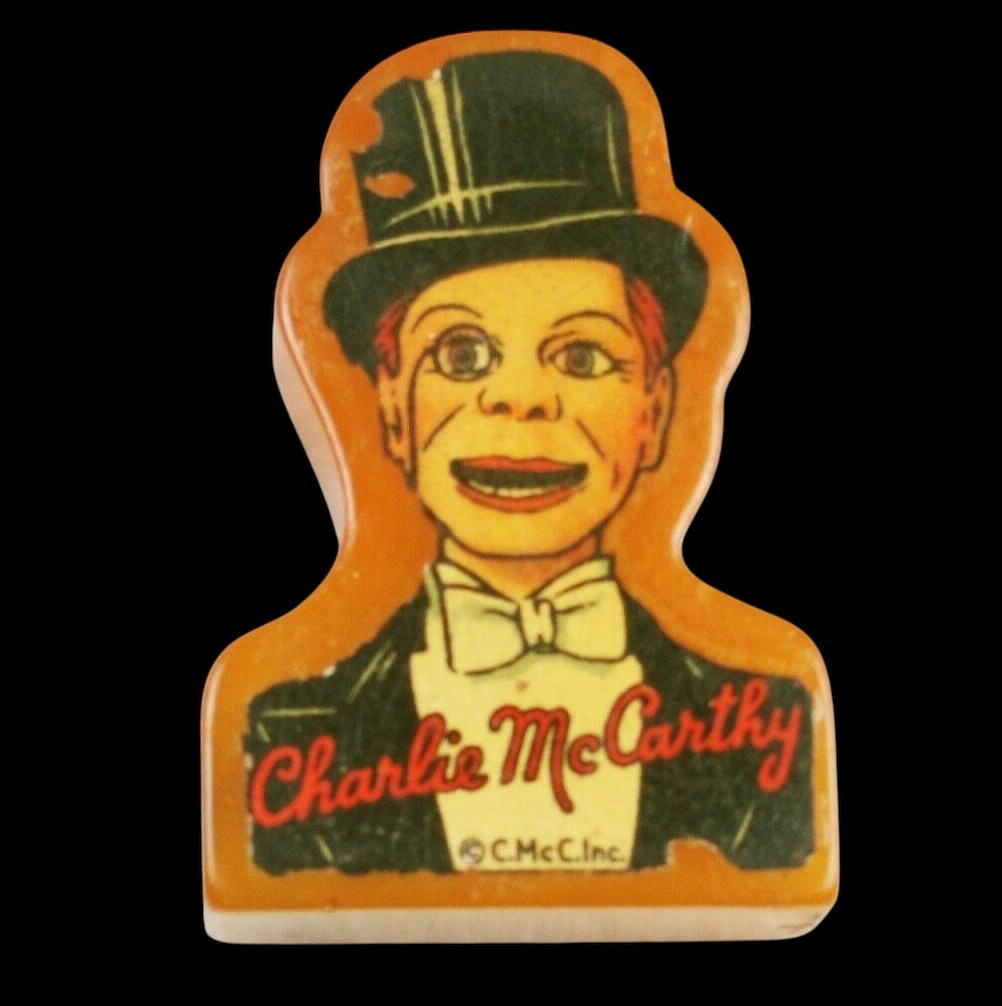
Character-based sharpeners, particularly those licensed by The Walt Disney Company, marked an important shift in how popular culture entered daily life. Mickey Mouse, Minnie, Donald Duck, and Pluto were adapted into simplified, graphic forms that worked within the constraints of small-scale molding and concealed blades. These objects were not toys but functional companions, reinforcing familiarity through daily use. Their significance lies in repetition. Each sharpening connected entertainment, branding, and routine, embedding popular imagery directly into childhood experience.