✕


ART & STATUES
CERAMICS & GLASS
Art Deco Around The World
The Empire State Building, a Race to the Sky Written in Steel
How a zoning law, a rivalry, and eighty-six stories of setbacks became one of the most recognized silhouettes in the world
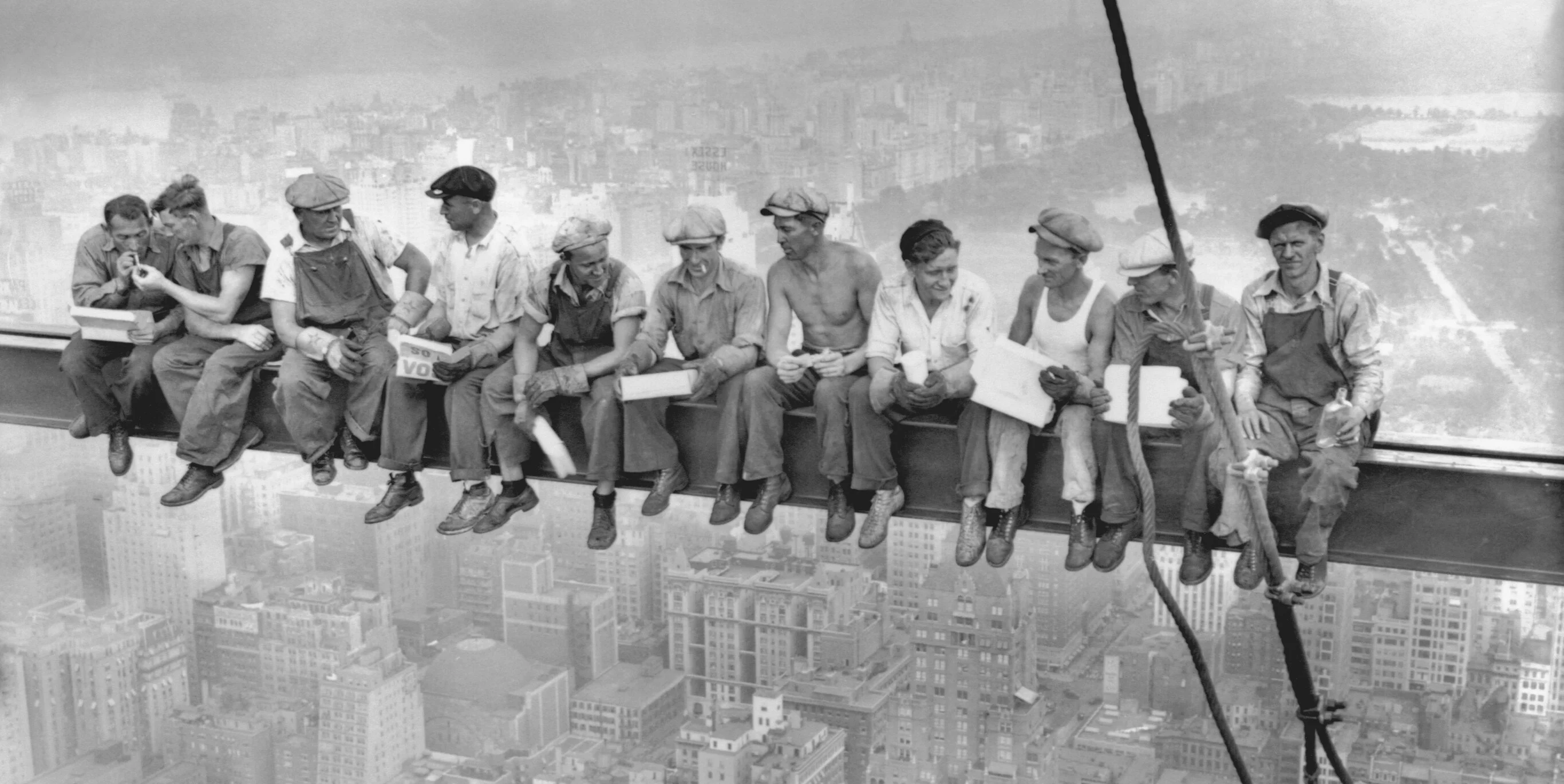
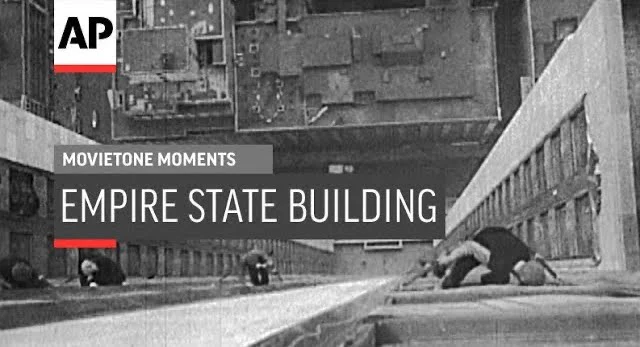
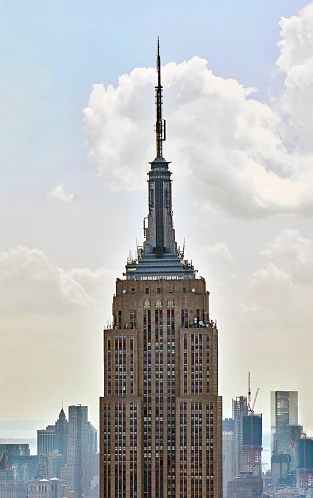 By the time ground broke in March 1930, New York was already deep into what the papers were calling the race to the sky. Walter Chrysler was racing to finish his namesake tower a few blocks away, and Empire State Inc., backed by former New York governor Al Smith and financier John J. Raskob, wanted the record outright. Architects Shreve, Lamb and Harmon revised the design fifteen times before construction even began, chasing a height nobody else could catch. It worked. The building topped out at 1,250 feet, and construction moved at a pace that still sounds implausible today, thirteen and a half months from groundbreaking to opening day, sometimes rising more than four stories a week.
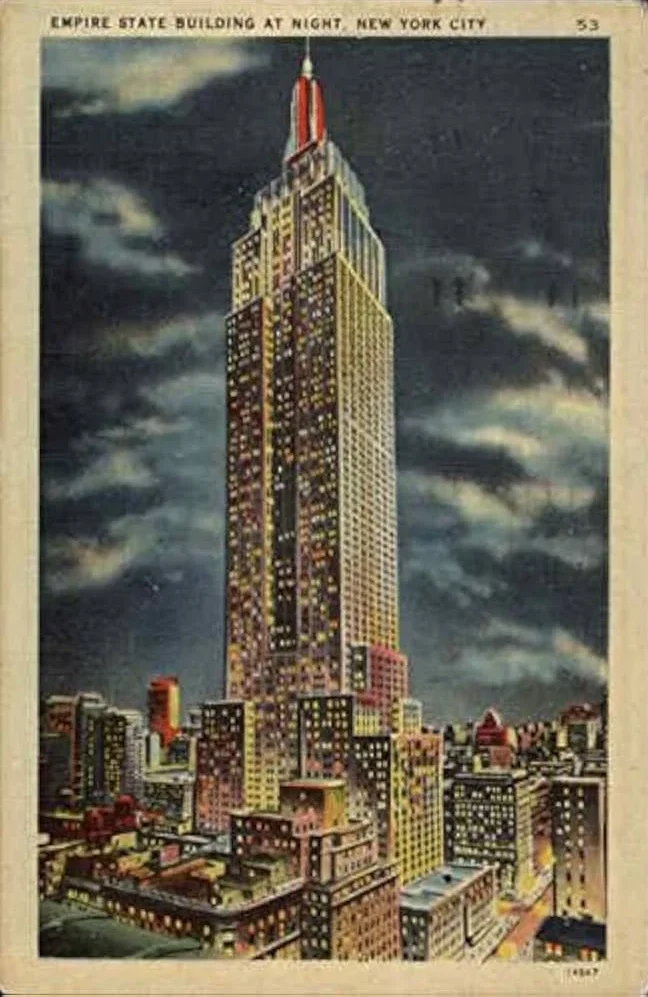
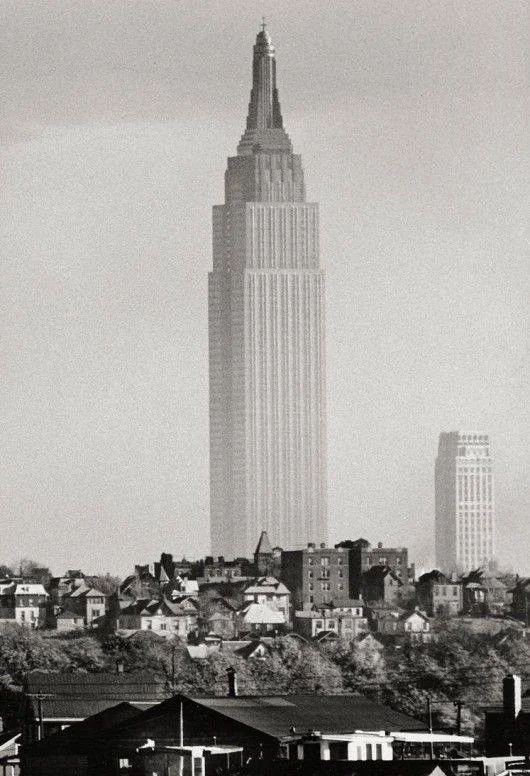
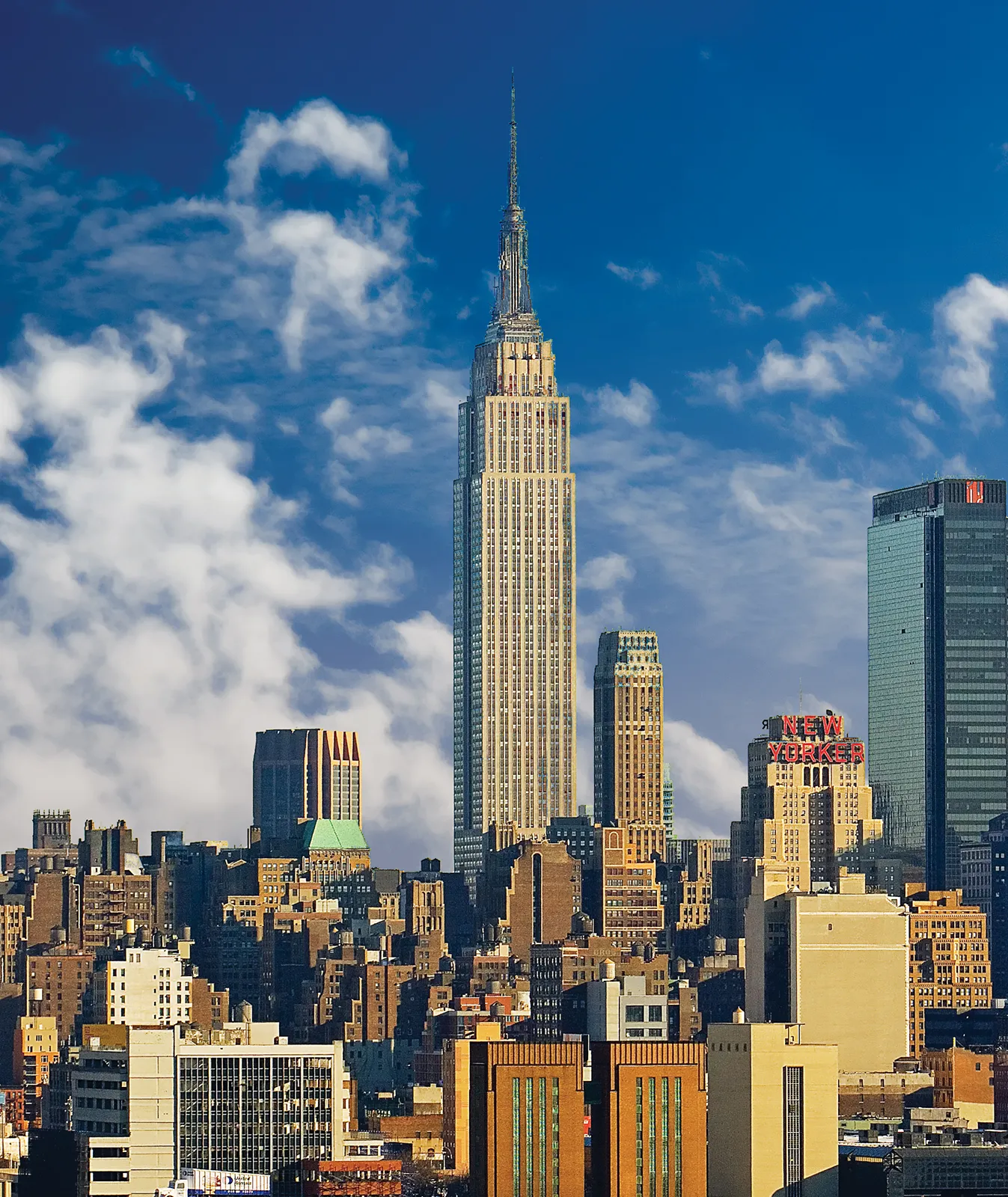
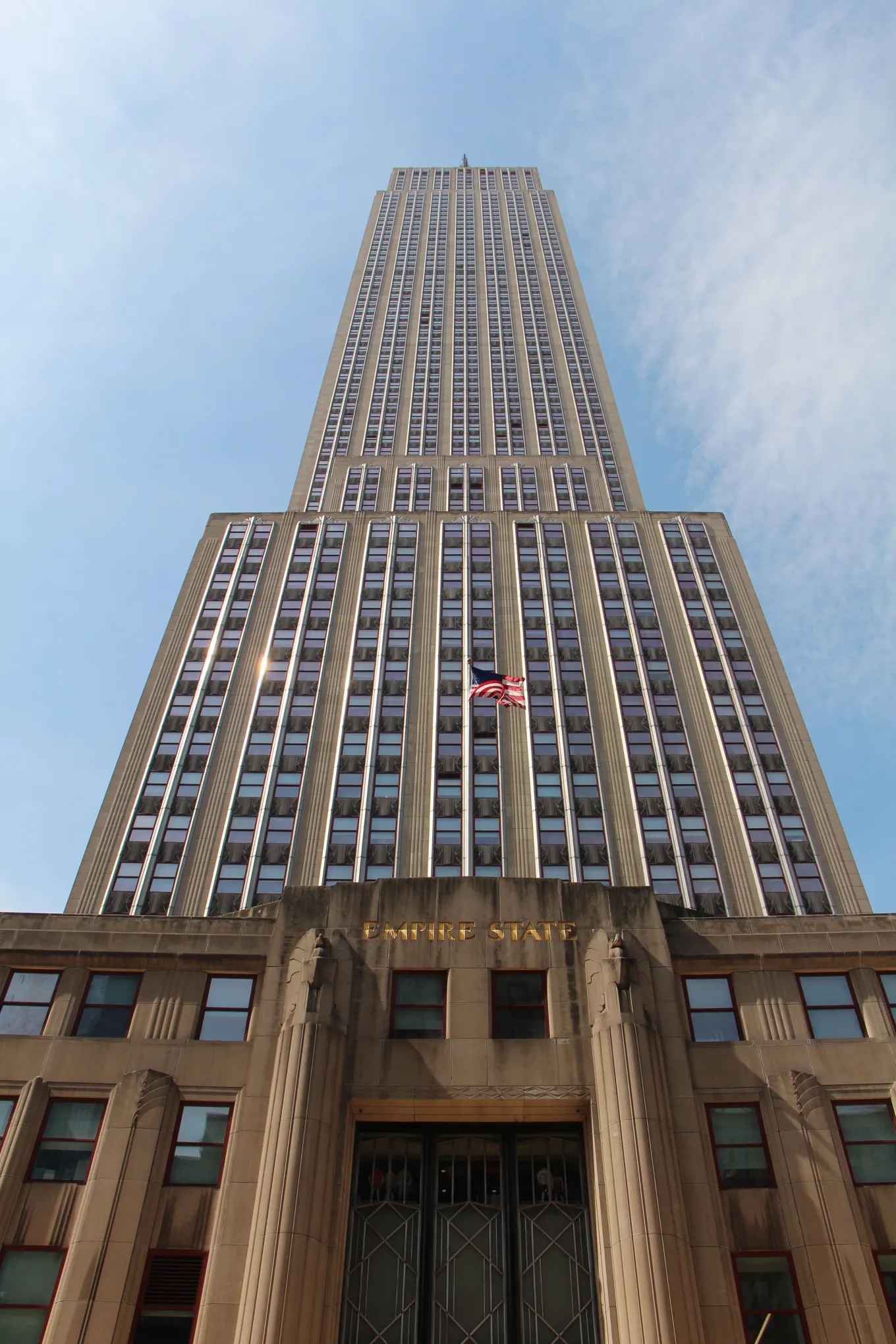
The building’s signature silhouette, the tiered, stepped-back shape that narrows as it climbs, was not purely a style choice. New York’s 1916 zoning law required tall buildings to set back from the street as they rose, to let sunlight reach the sidewalk below. Architect William Lamb turned that legal requirement into the building’s most iconic feature, a wedding-cake profile of setbacks stacked upon setbacks, tapering into a single slender tower for the final stretch. It is one of the more unusual origin stories in Art Deco architecture, a legal constraint reshaped into one of the most recognized skylines in the world.
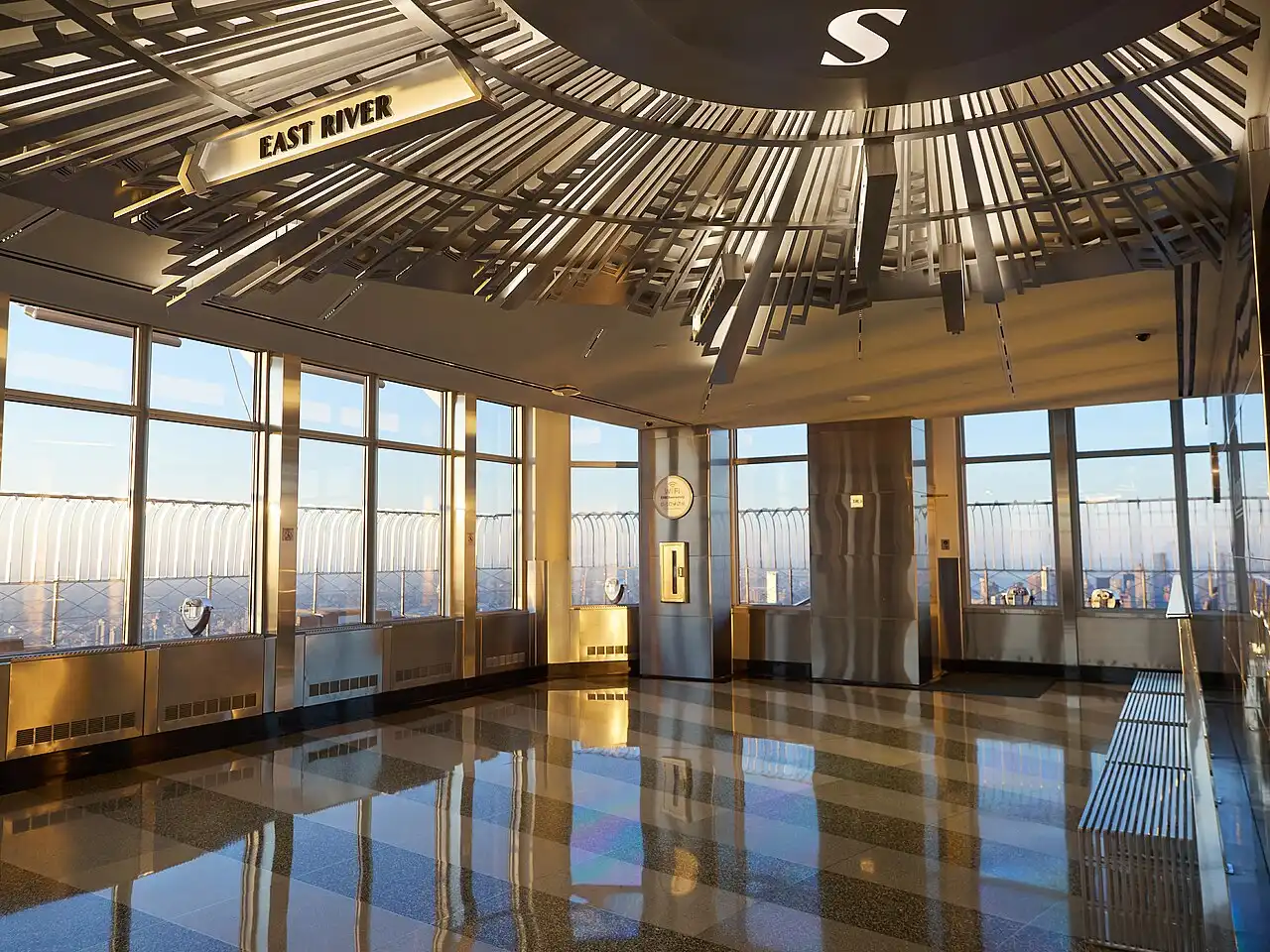
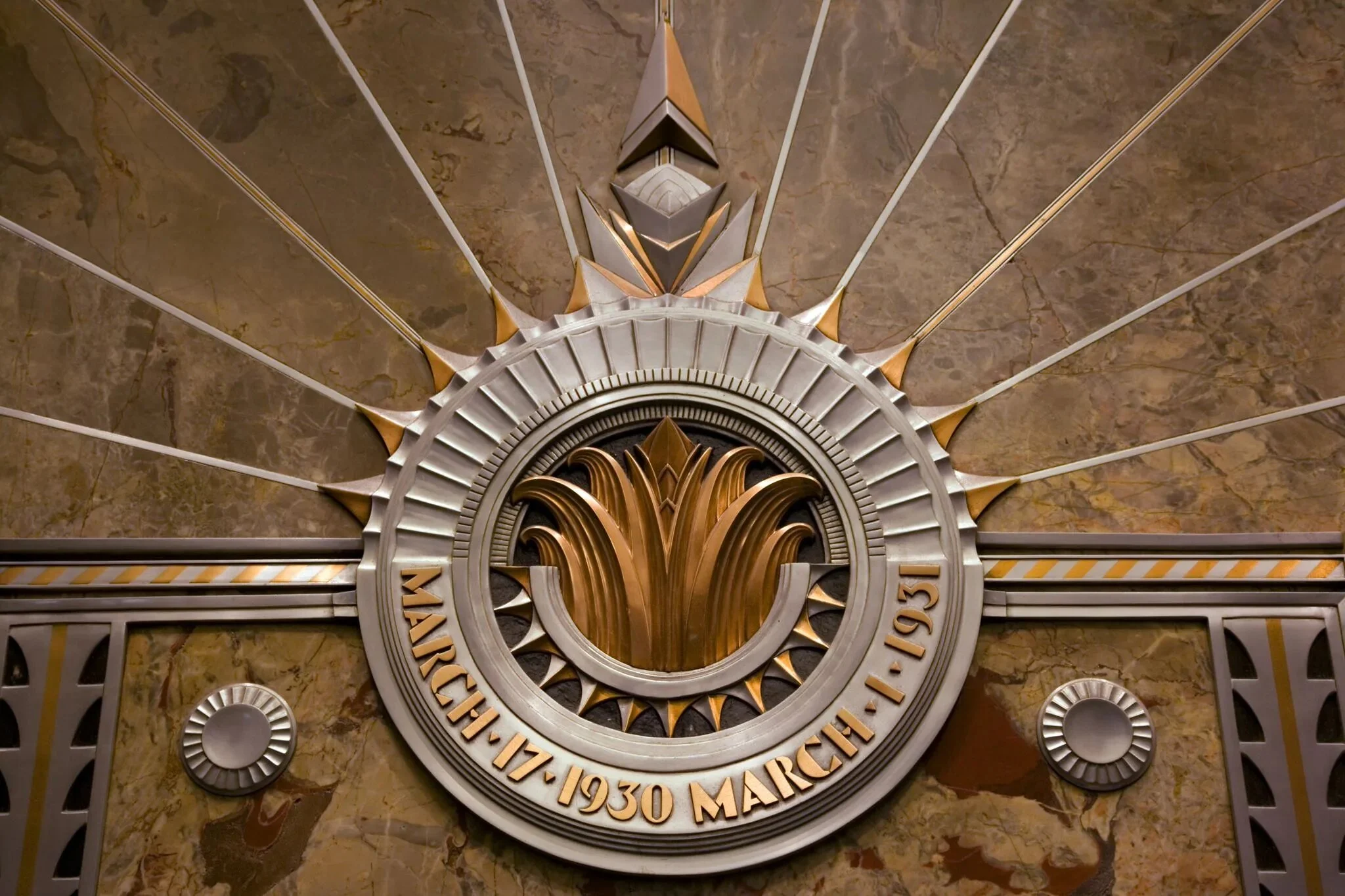
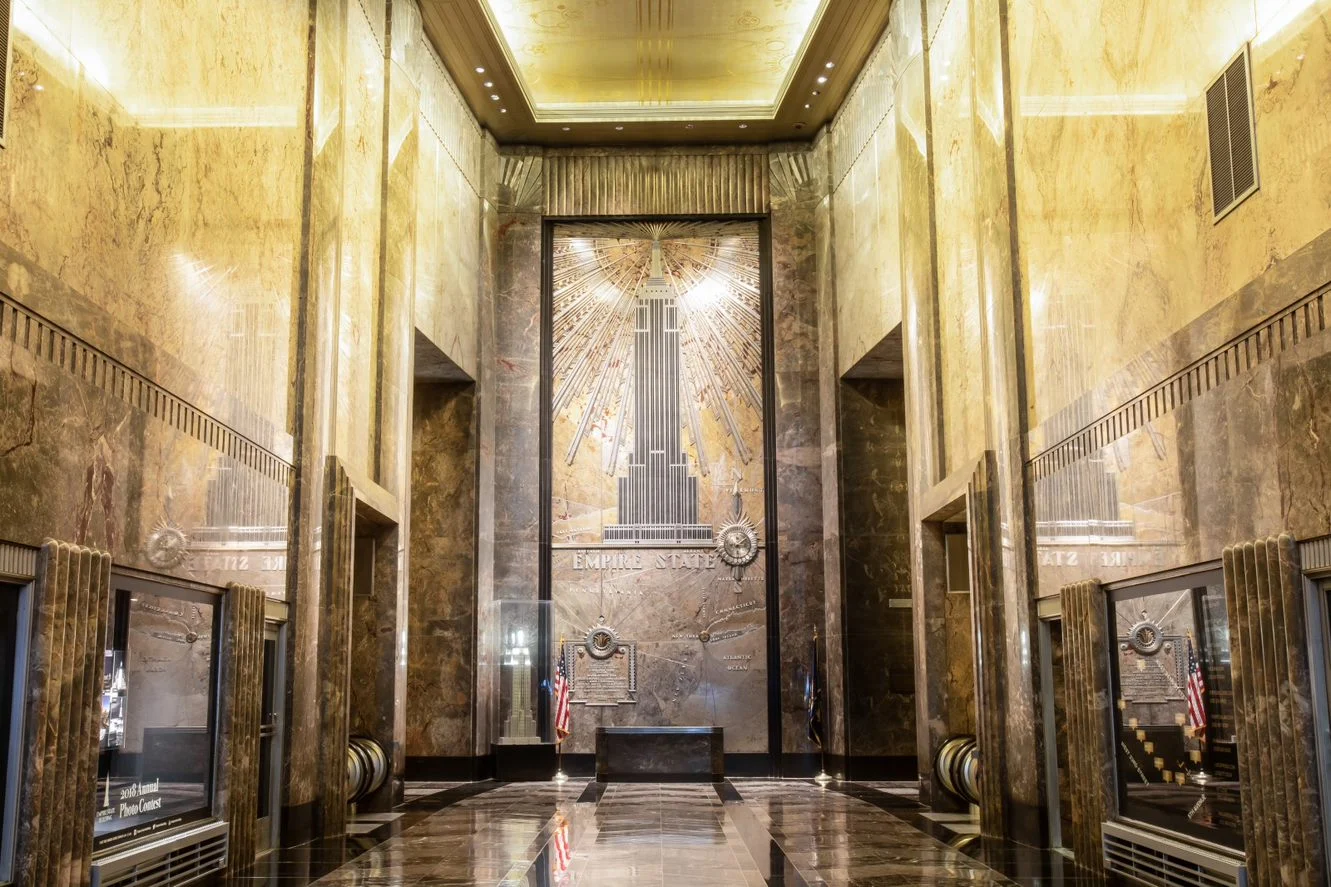
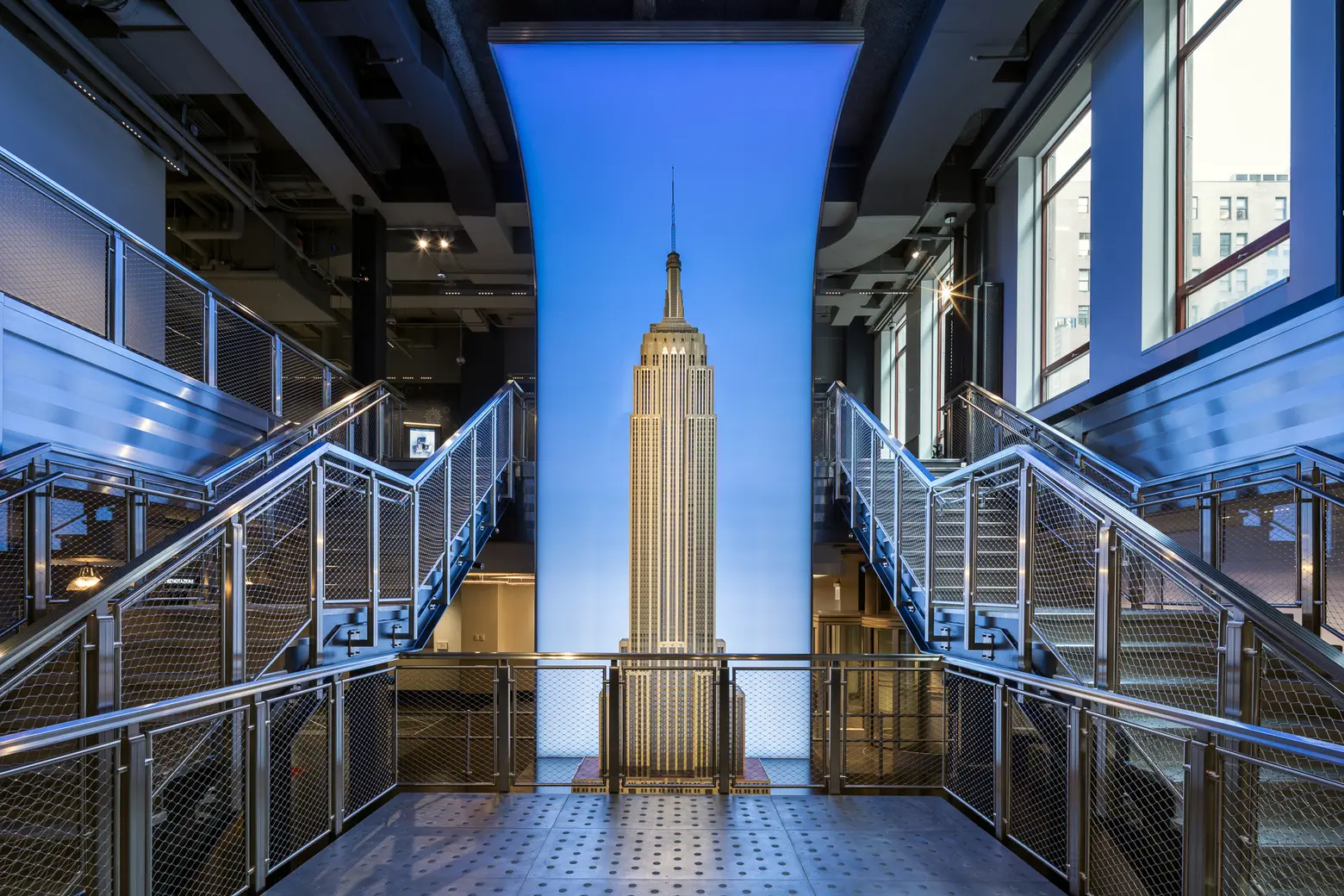
 Where the Empire State Building fully commits to Art Deco is inside. The three-story lobby is built around a mural of fine radiating lines meant to suggest both gears and starlight at once, a nod to the era’s fascination with the machine age laid over a nighttime sky. Behind the front desk, a second mural depicts the building itself, its image worked in aluminum inlaid directly into the stone, with sunburst rays radiating out from the spire above it, the building quite literally illustrating its own myth in its own front hall. Sculptor Oscar Bruno Bach contributed a set of brass medallions above the entrance representing heating, masonry, and electricity, a small tribute to the industries that had just built the thing. The furniture, light fixtures, and display cases throughout carry the same geometric vocabulary, indirect lighting, polished metal, and clean rectilinear lines, that define Art Deco interiors of the period.

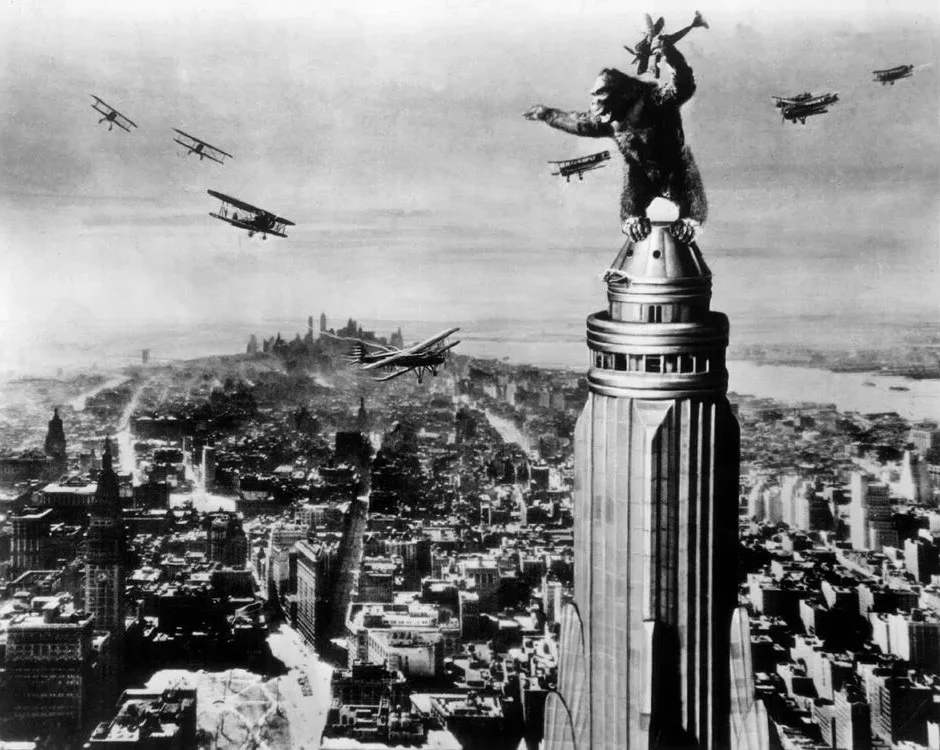
The building’s spire adds one more layer to the story, and it is a stranger one than most people realize. It was designed as a mooring mast for airships, a real plan to let dirigibles dock at the top of the tallest building in the world. Wind conditions at that height made it unworkable almost immediately, and only one airship ever came close, briefly, in 1931. The mast that never quite served its purpose became a radio antenna instead, and later the lighting rig responsible for the building’s famous color-changing crown.
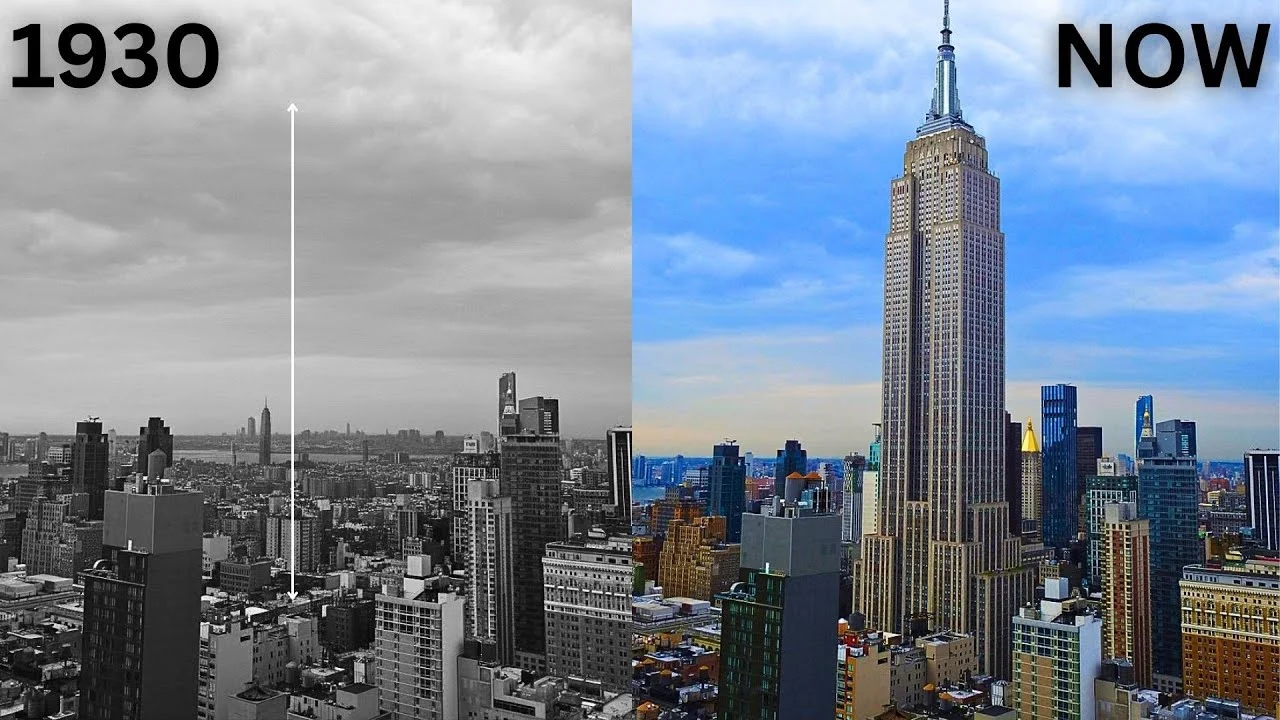
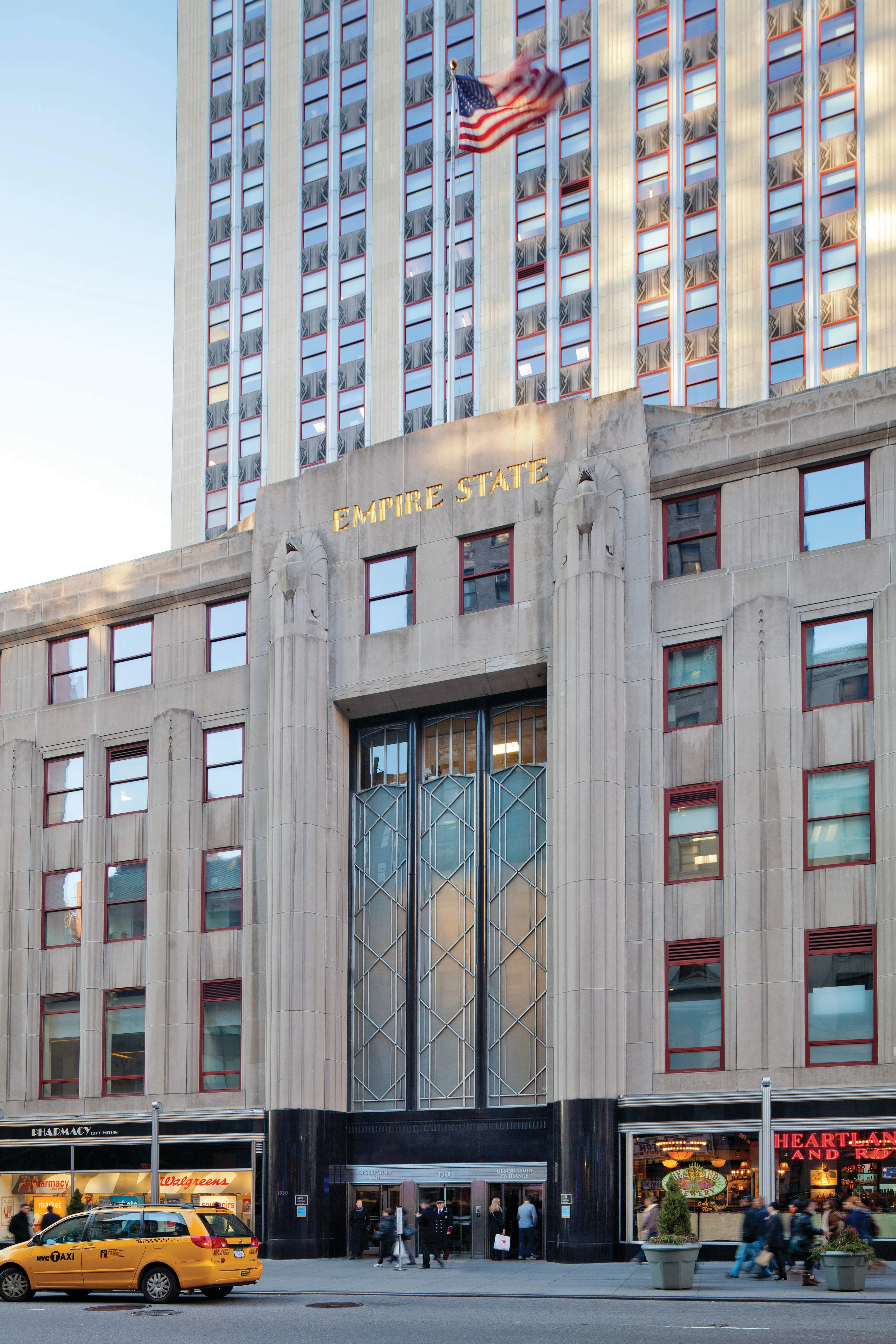
Not every element of the Empire State Building reads as pure Art Deco. Much of its exterior leans closer to the plainer, more functionalist end of the style, all structure and unbroken vertical line, restrained where the Chrysler Building, a few blocks north, goes for ornament and metallic flourish. That restraint is arguably the point. The Empire State Building was built to win a race, not to decorate a skyline, and the fact that it still reads today as one of the defining Art Deco landmarks in the world says something about how completely the style had settled into the architectural instincts of the era, showing up even in a building whose real ambition was simply to be the tallest thing anyone had ever built.

ART & STATUES
CERAMICS & GLASS
© Copyright Art Deco Collection. 2026 All rights reserved. Site Map