✕


ART & STATUES
CERAMICS & GLASS
Art Deco Around The World
Galeries Lafayette, Where a Parisian Icon Traded Curves for Geometry
How the department store famous for its Art Nouveau dome quietly became an Art Deco icon two decades later
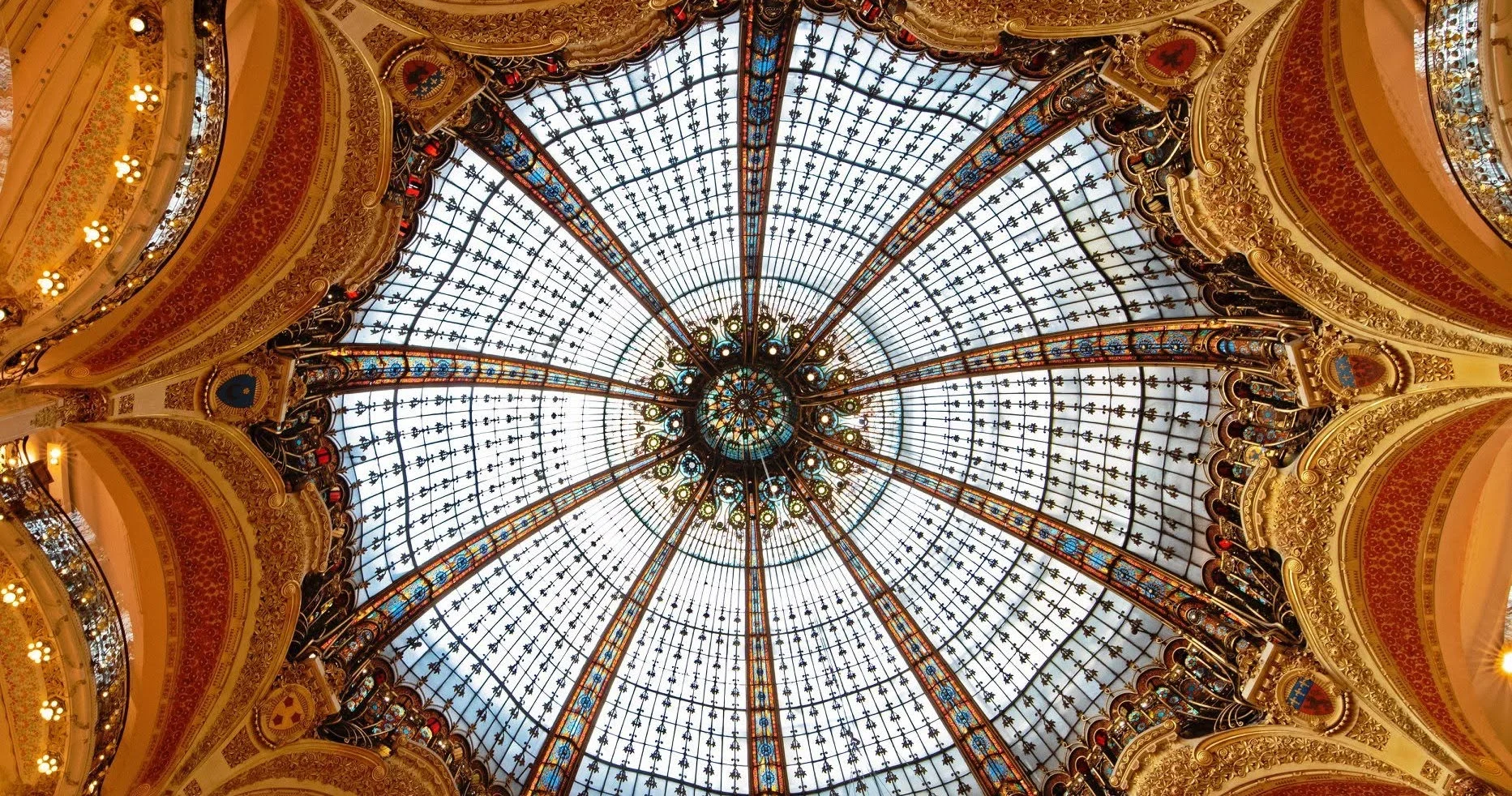
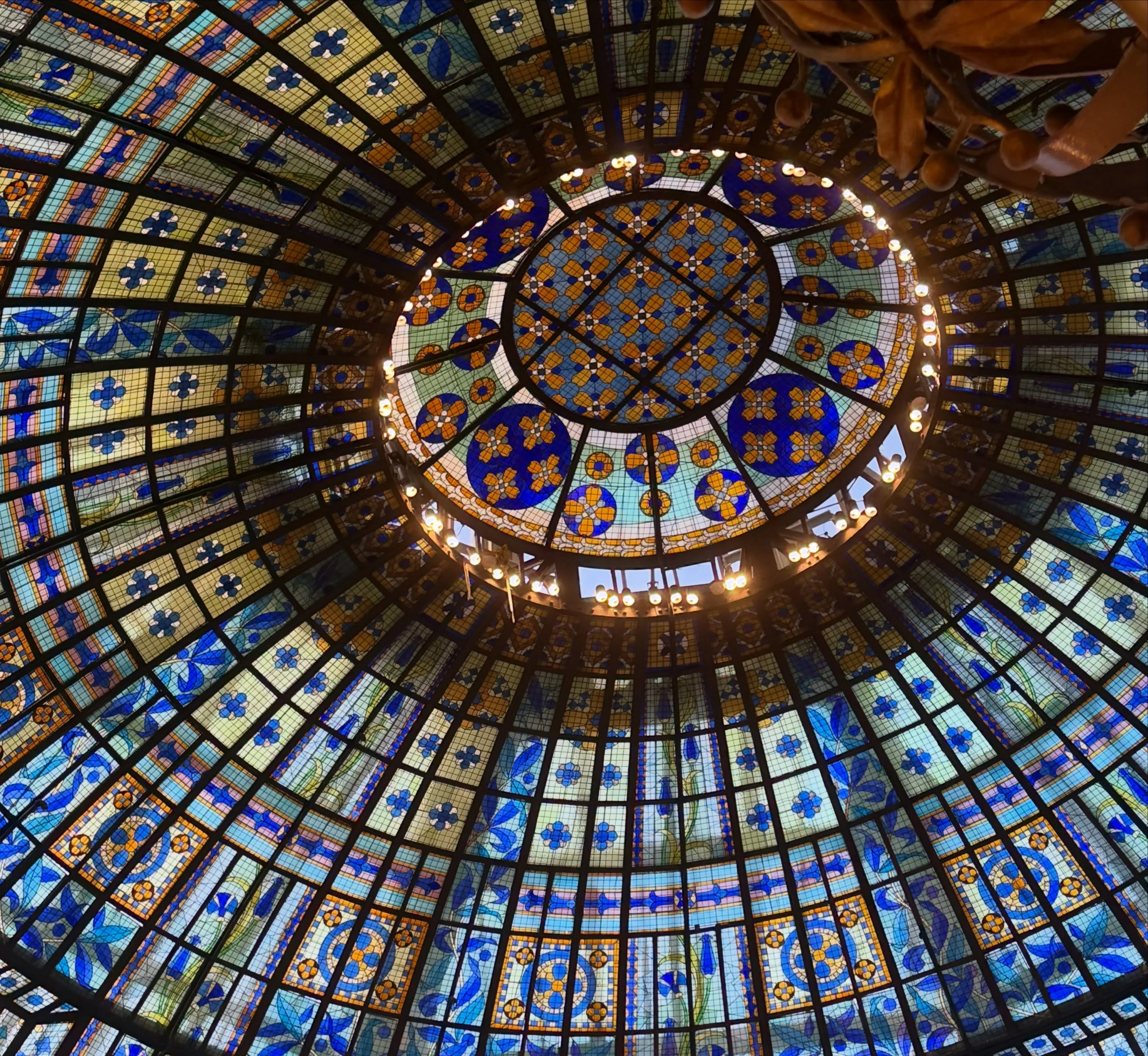
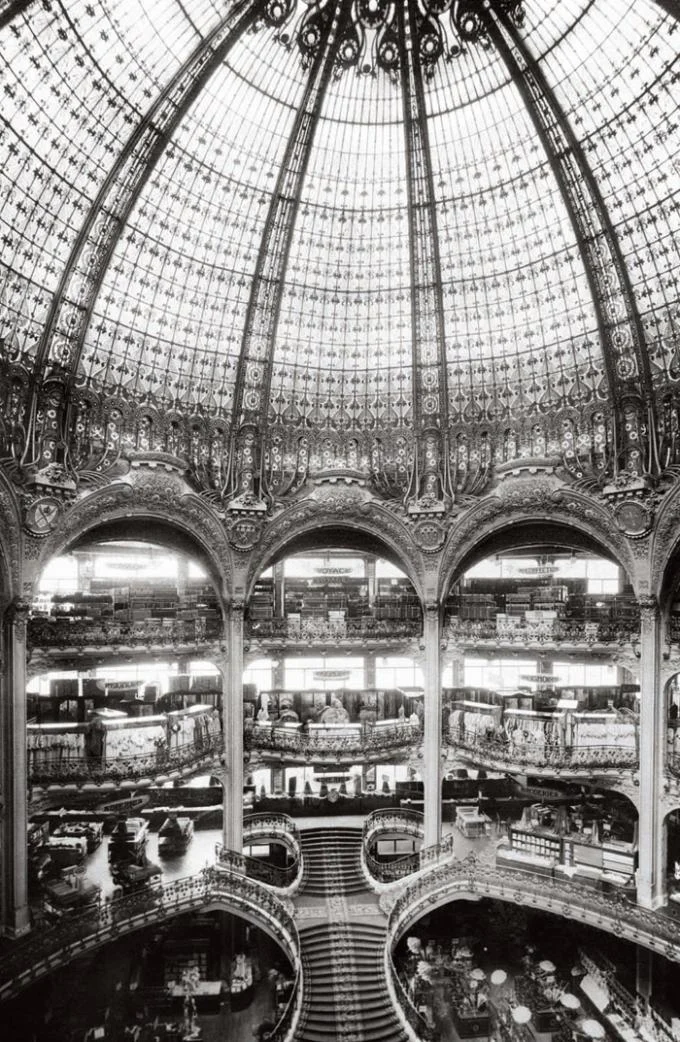
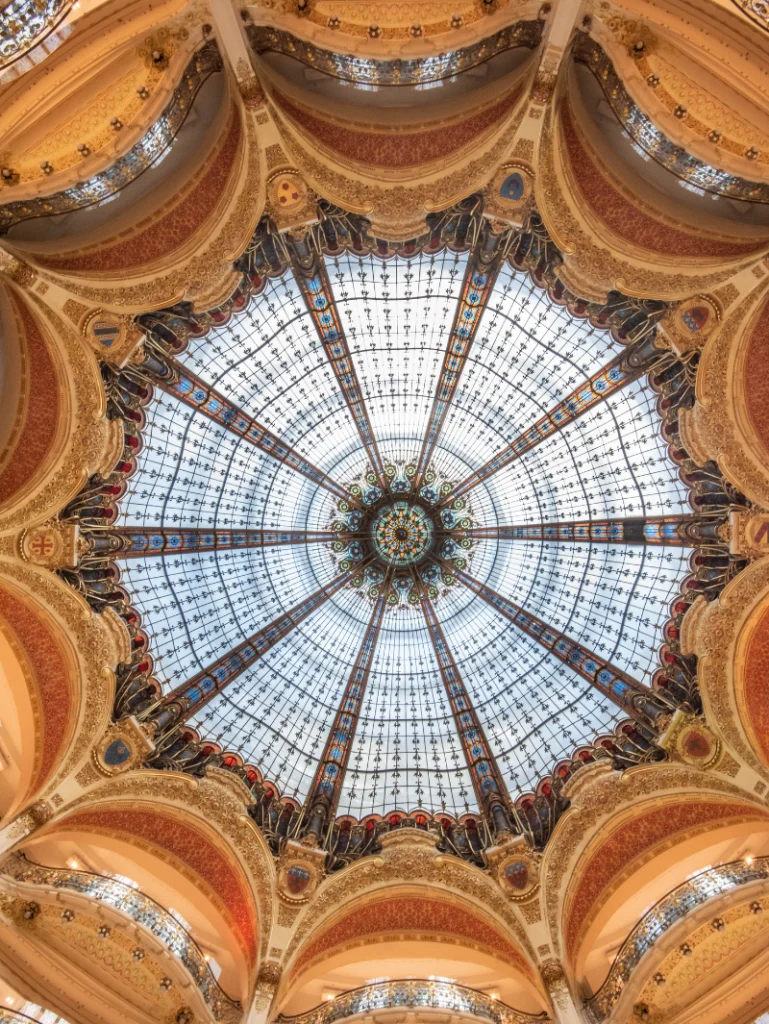
 Ask most visitors what makes Galeries Lafayette famous, and they will point straight up, toward the vast stained glass dome that has crowned the Paris department store since 1912. That dome, and the flowing ironwork balconies beneath it, are genuinely Art Nouveau, designed by architect Ferdinand Chanut and glassworker Jacques Gruber in the sinuous, floral style that defined the Belle Époque. It is a beautiful building, and it predates Art Deco by more than a decade, which makes what happened to the store twenty years later all the more striking. Despite the economic weight of the 1929 crash, Galeries Lafayette pushed ahead with a major expansion along the Boulevard Haussmann, and the architect brought in to lead it had nothing to do with flowers or curves at all.
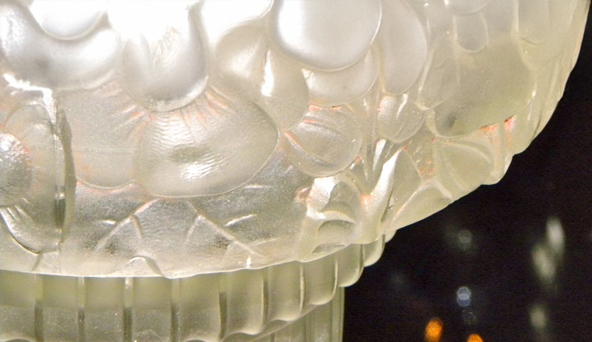
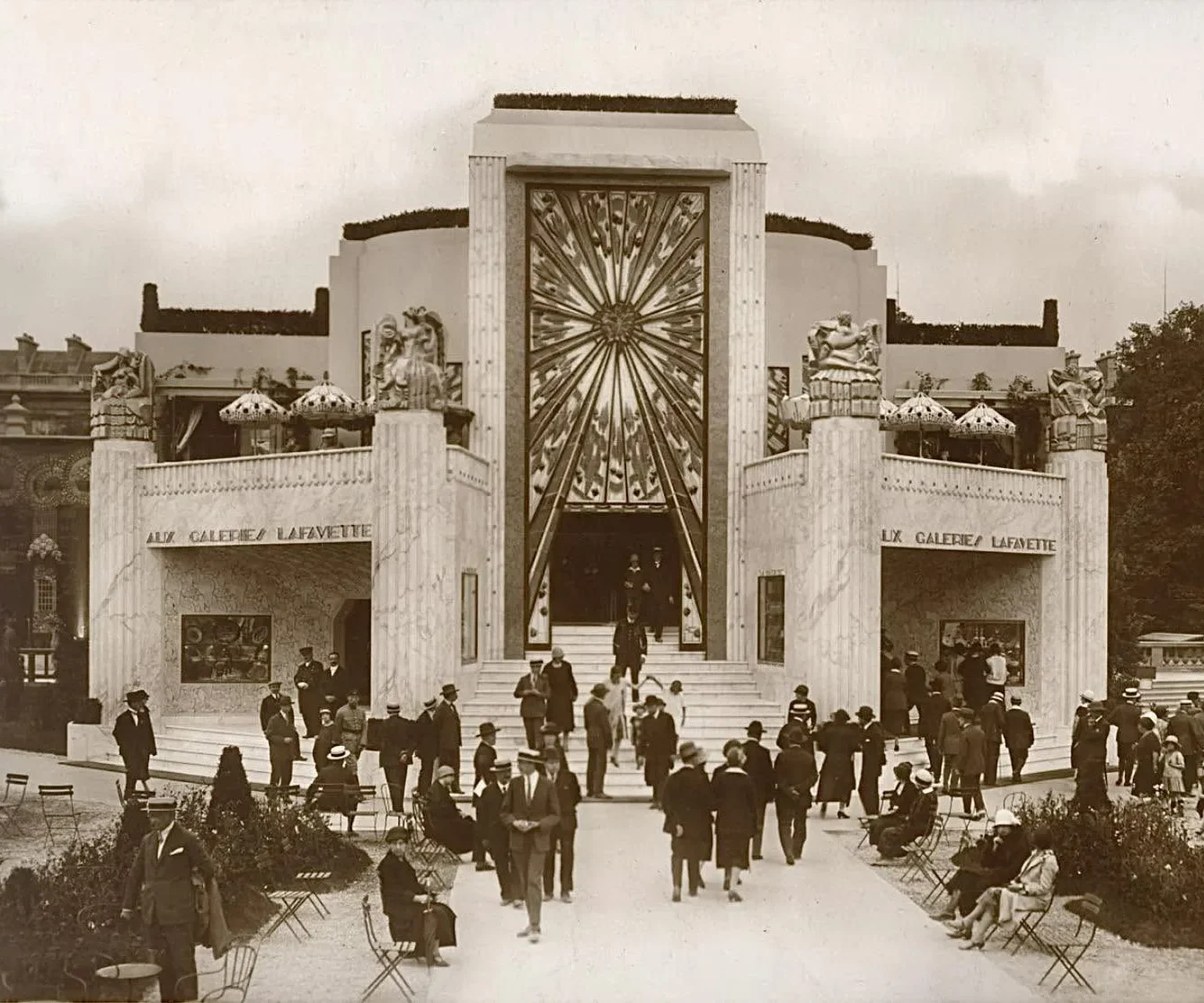
That architect was Pierre Patout, one of the defining figures of French Art Deco and a genuine pioneer of Streamline Moderne, the same man who had designed the main gateway to the 1925 Paris exposition that gave the movement its name and who spent the 1930s designing interiors for French transatlantic ocean liners, including the legendary Normandie. When Patout turned his attention to Galeries Lafayette in 1932, he brought the vocabulary of the ocean liner with him, stripping the new facade of conventional windows almost entirely and replacing them with tall, narrow bow windows crafted by the glassmaking house of René Lalique, openings that ran vertically up the building like the portholes of a ship stacked in a row.
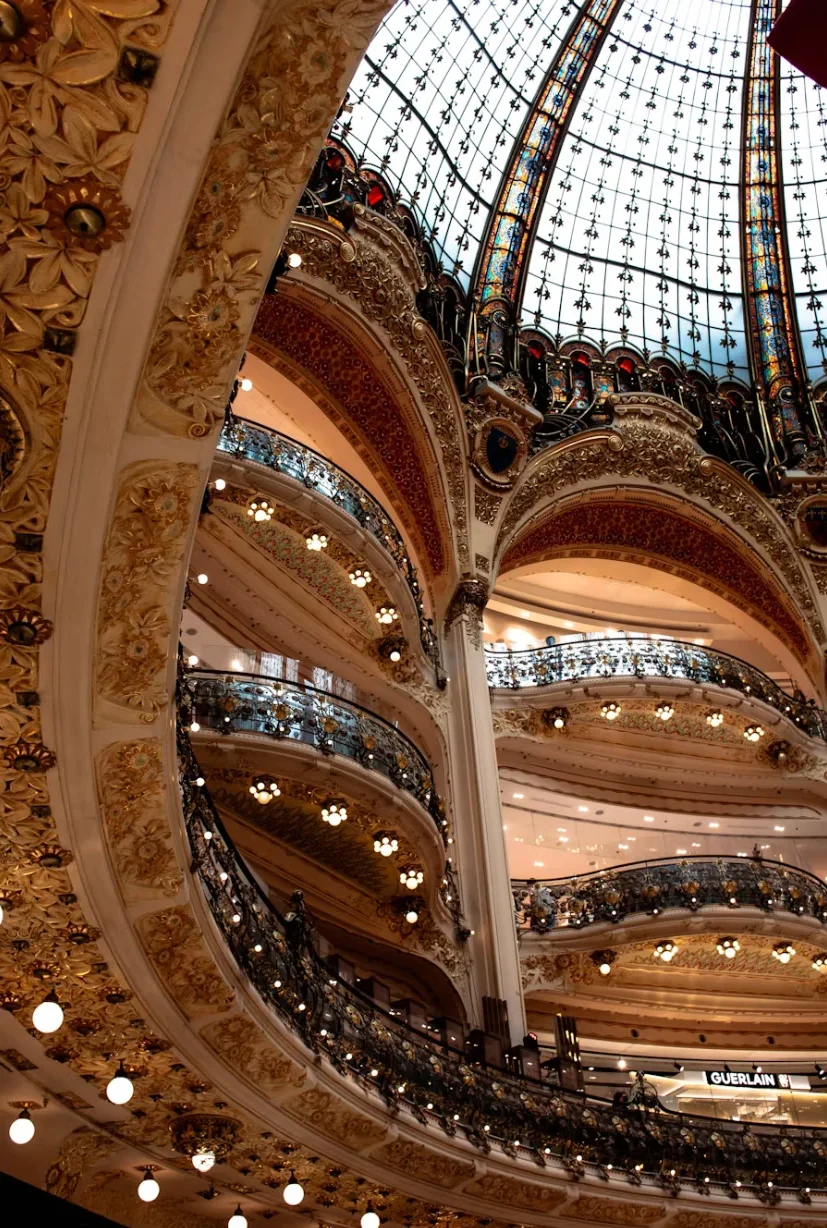
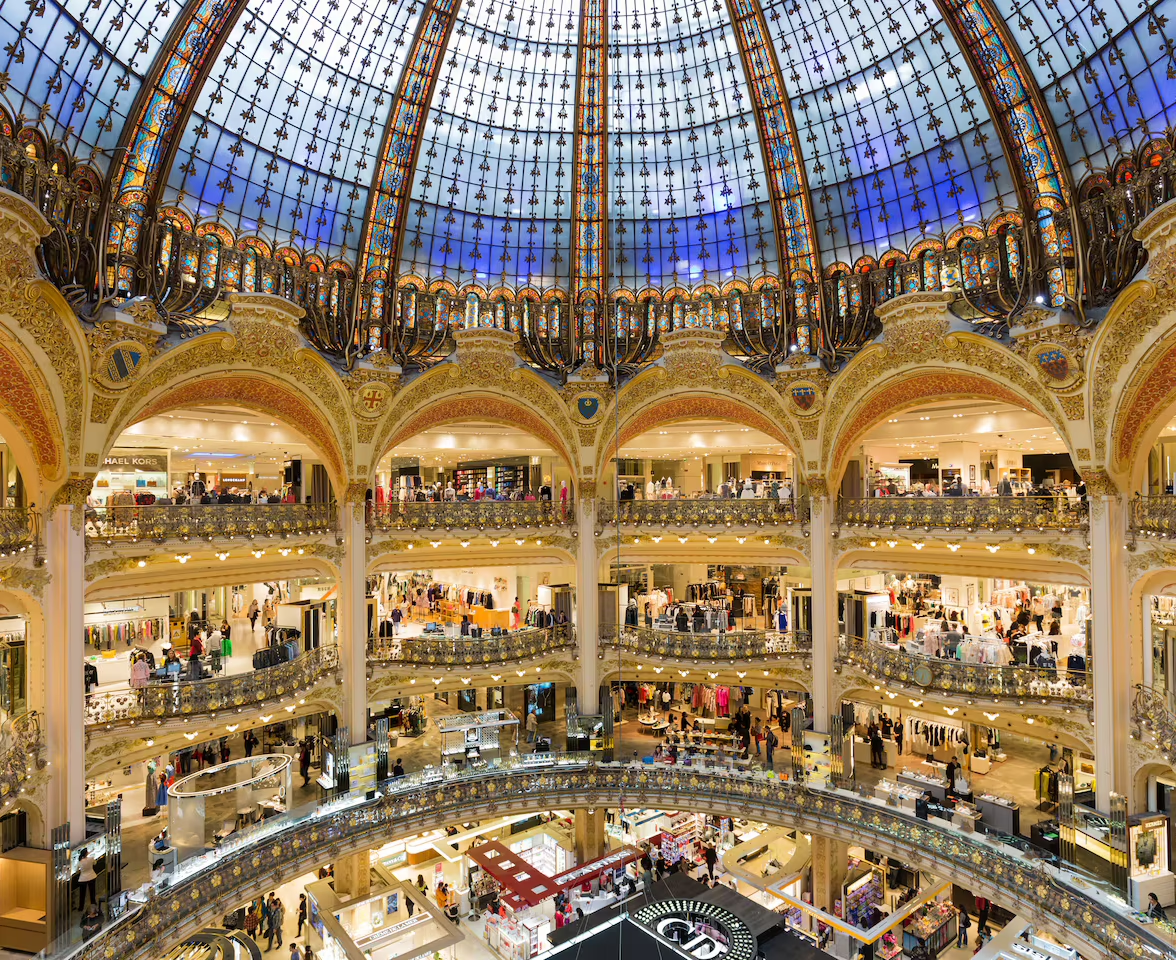
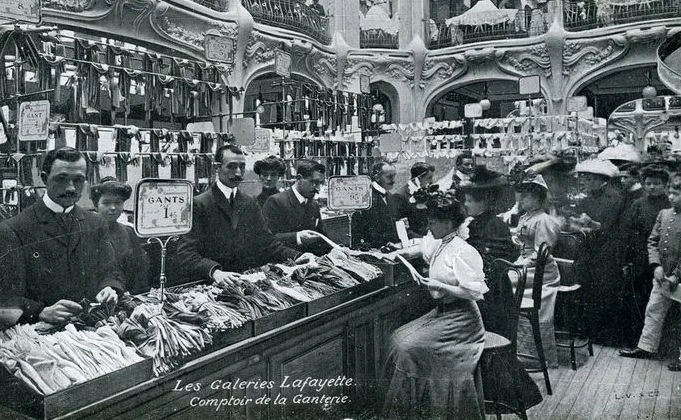
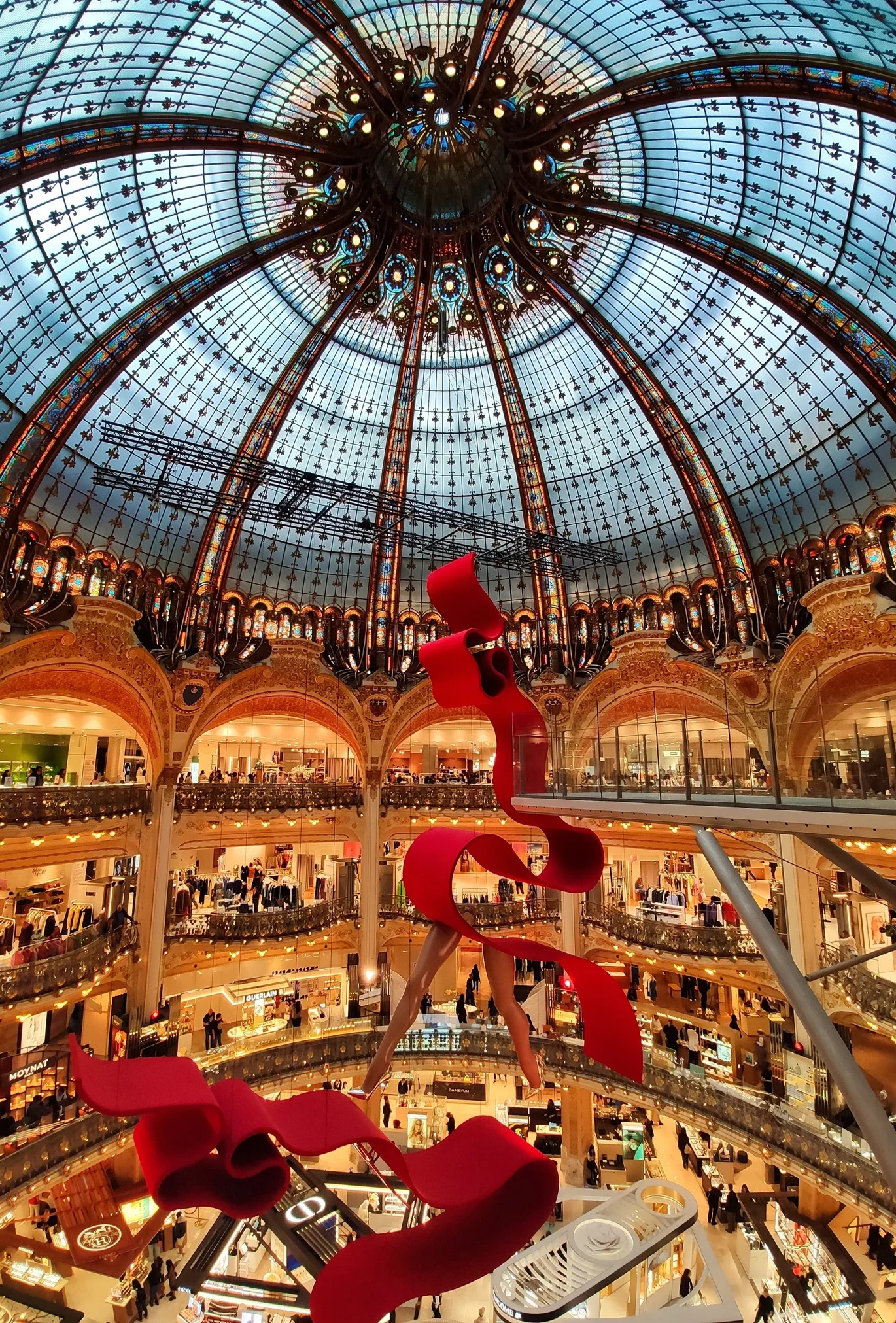 The transformation was deliberate and almost theatrical in its ambition. Patout gave the building a row of tall chimneys along its roofline, and its severe, unbroken vertical lines led the Paris press of the day to nickname it the flagship of Boulevard Haussmann, a building that looked as though it were about to sail off down the street. The effect stood in total contrast to the store’s own dome just decades earlier, trading the earlier building’s floral ironwork and glowing stained glass for the geometric discipline and nautical confidence that Art Deco had come to represent by the 1930s. Inside, the store had already been cultivating its own decorative arts credentials for a decade by that point, having opened an in-house design workshop called La Maîtrise back in 1922 under designer Maurice Dufrêne, whose early collaborators included the twin designers Jean and Jacques Adnet, producing Deco-era furniture, textiles, and housewares meant to bring the new style within reach of ordinary shoppers.
Galeries Lafayette’s history in the years that followed grew far darker before it grew bright again, its founders forced out and the store placed under Vichy administration during the German occupation of Paris from 1941 to 1944, a chapter the store’s own historians do not shy away from acknowledging today. The building recovered along with the rest of the city after the war, and both of its defining architectural moments, the Art Nouveau dome from 1912 and Patout’s Art Deco expansion twenty years later, still stand today within the same complex of buildings on the Boulevard Haussmann, one layered directly on top of the other’s legacy rather than replacing it.
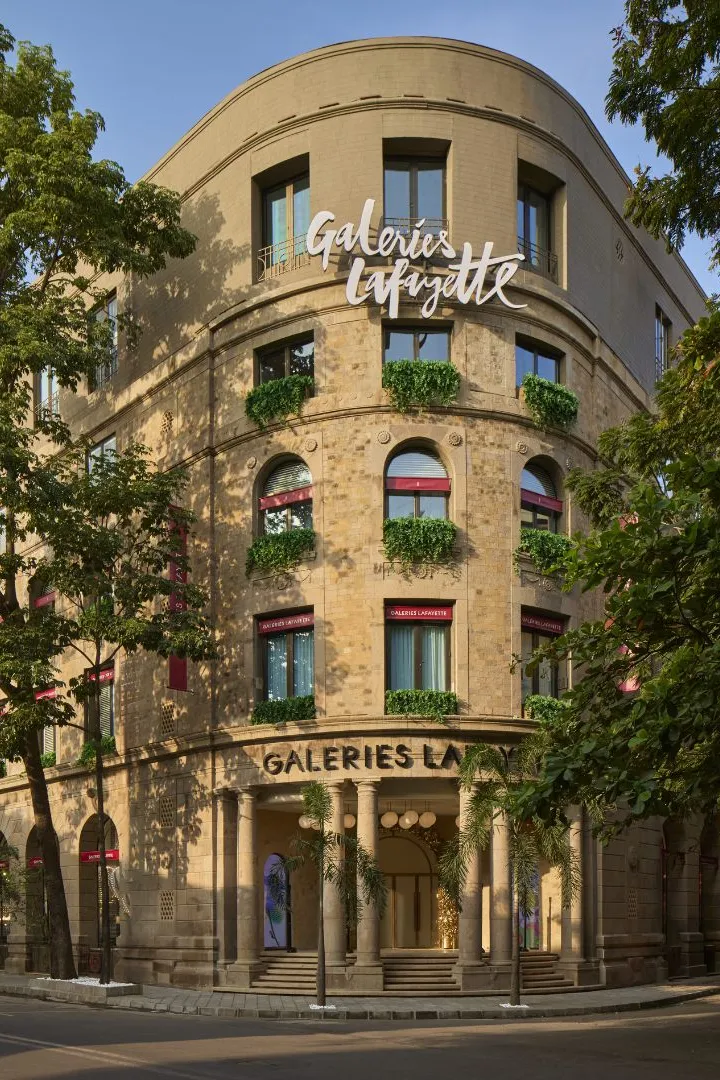
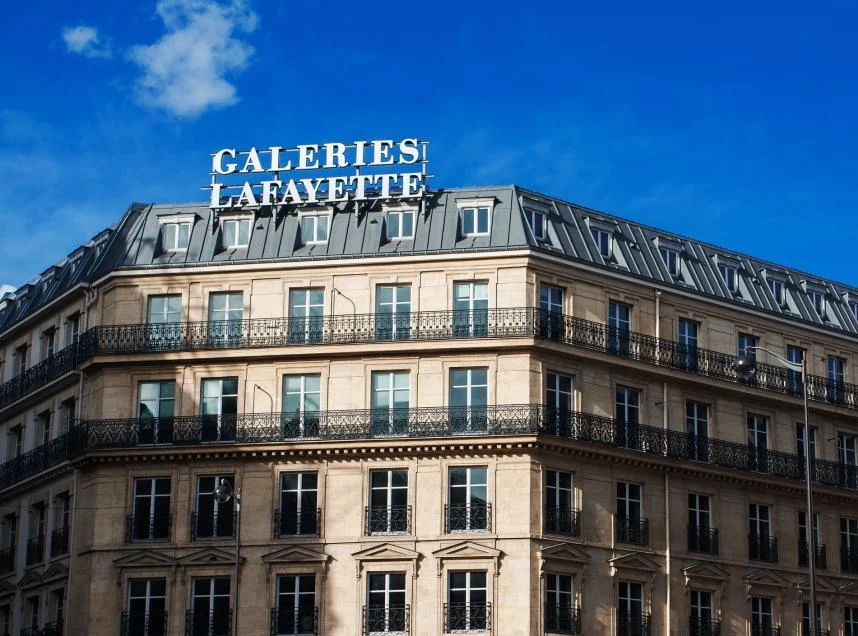
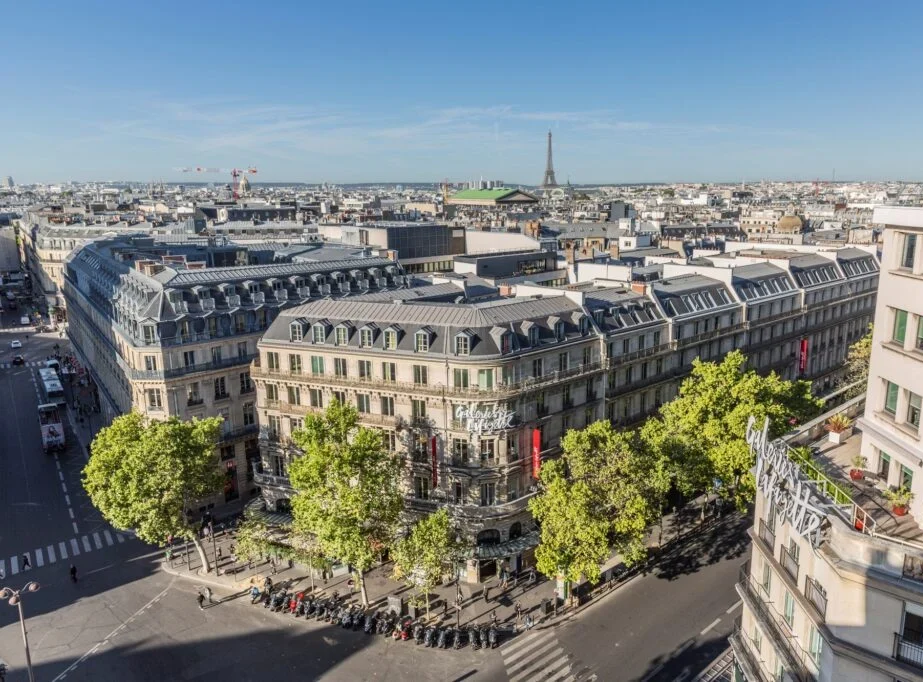
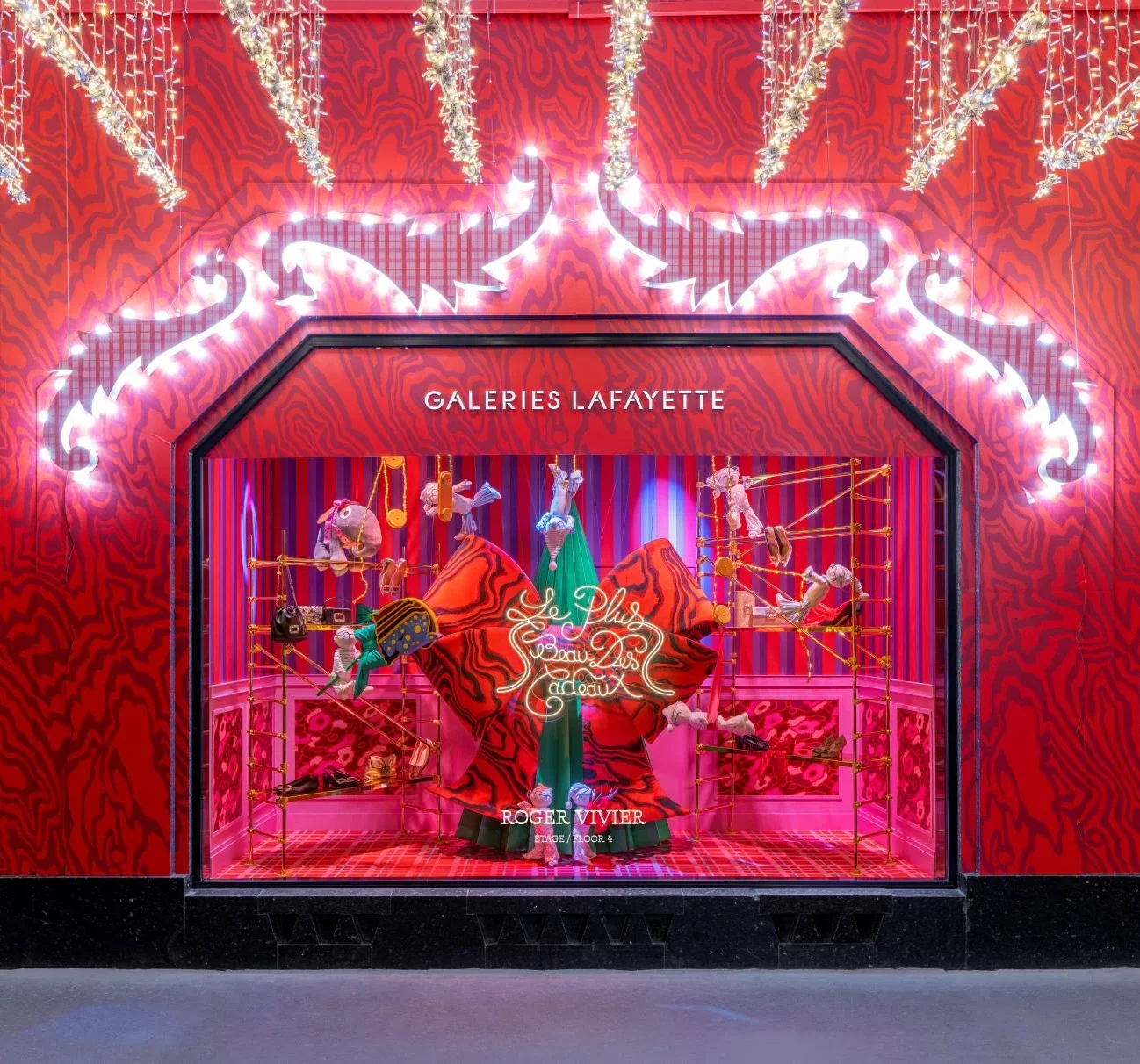
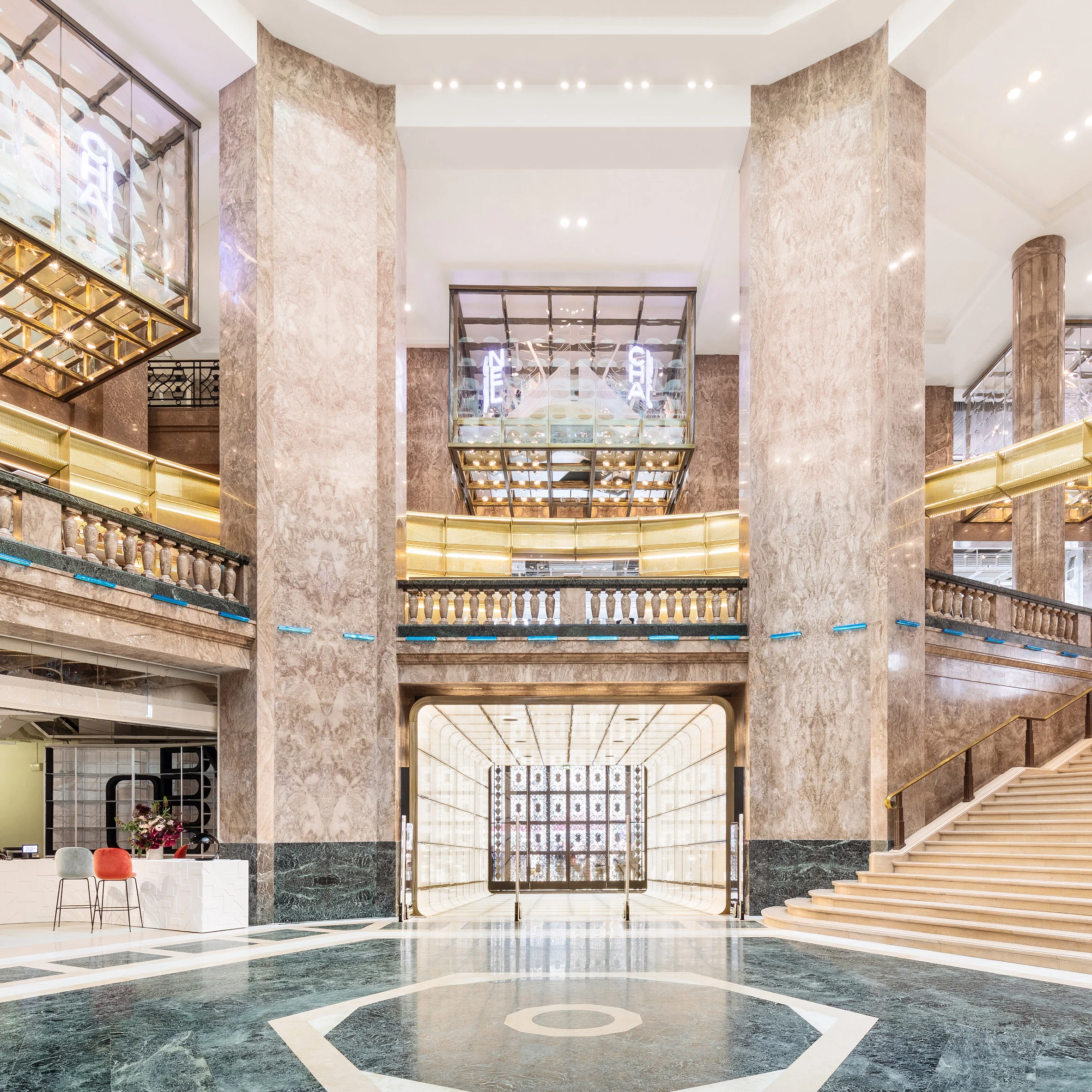
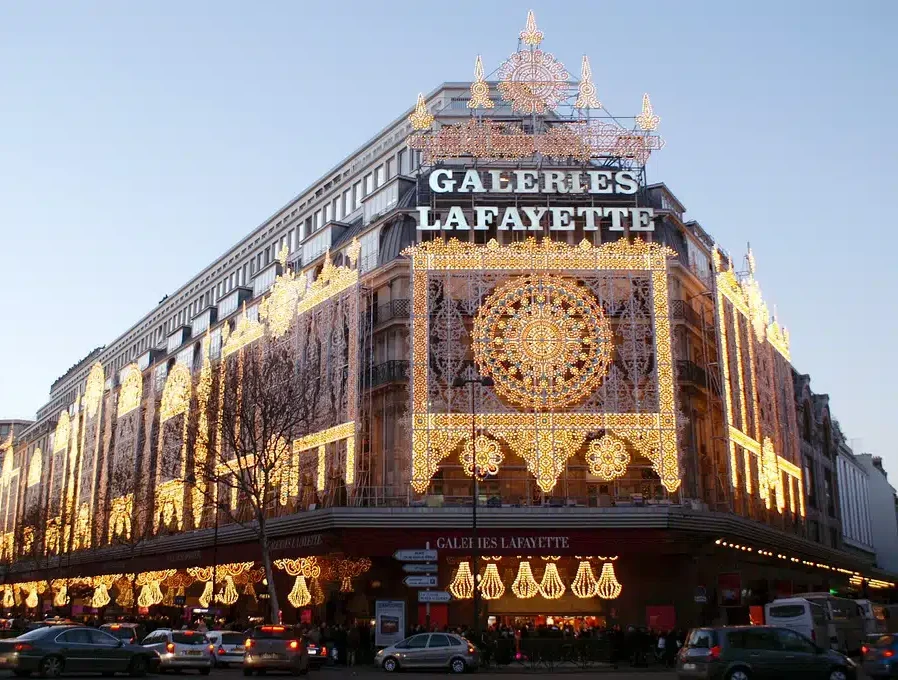
Few buildings in the world contain two competing chapters of design history so plainly within a single address, one soaring upward in stained glass and floral iron, the other running vertically along the street in stone and Lalique glass, built for a different decade entirely. Galeries Lafayette wears both without contradiction, a Belle Époque monument that quietly, deliberately, became an Art Deco one too.


ART & STATUES
CERAMICS & GLASS
© Copyright Art Deco Collection. 2026 All rights reserved. Site Map