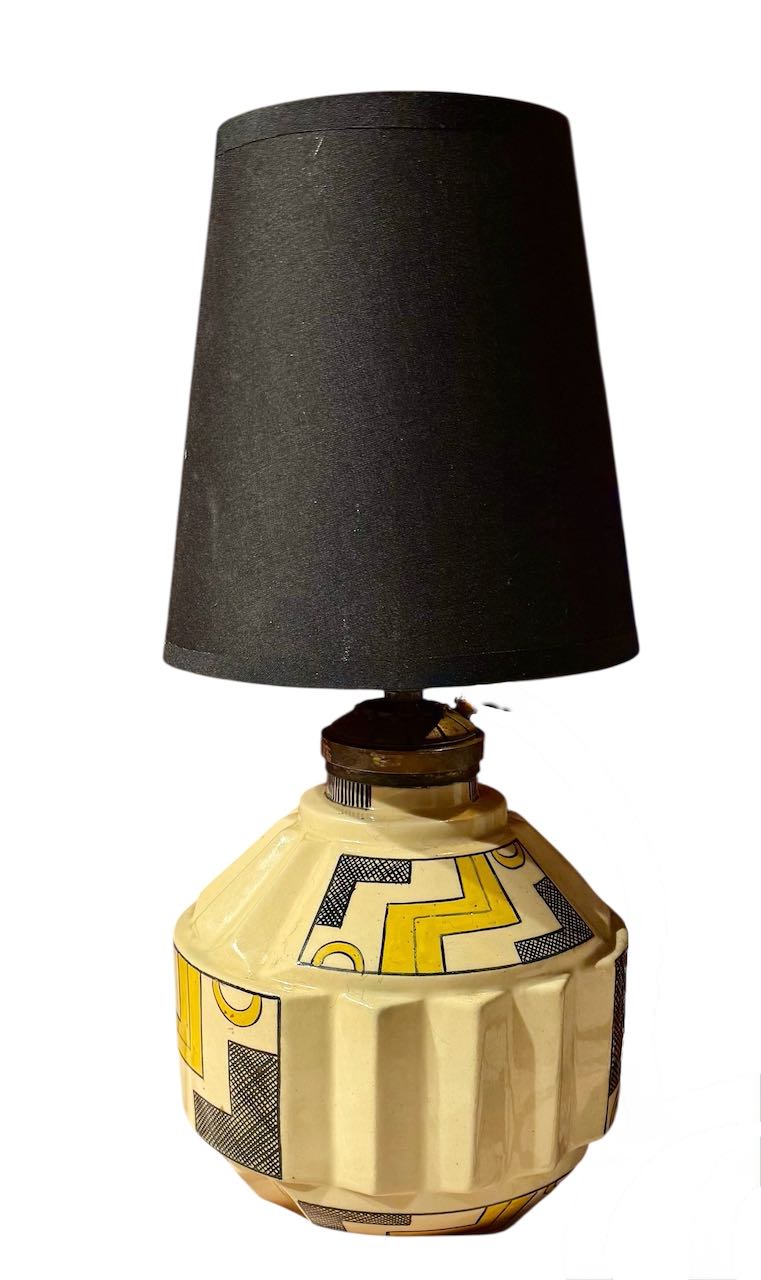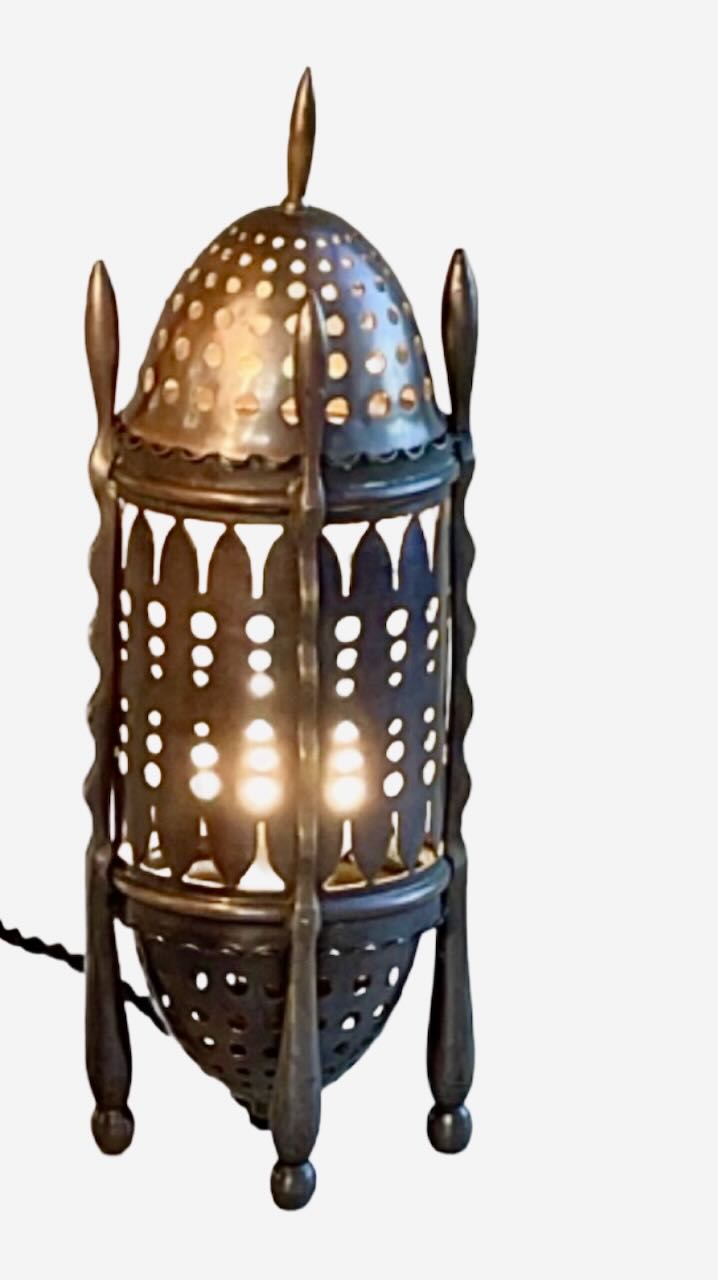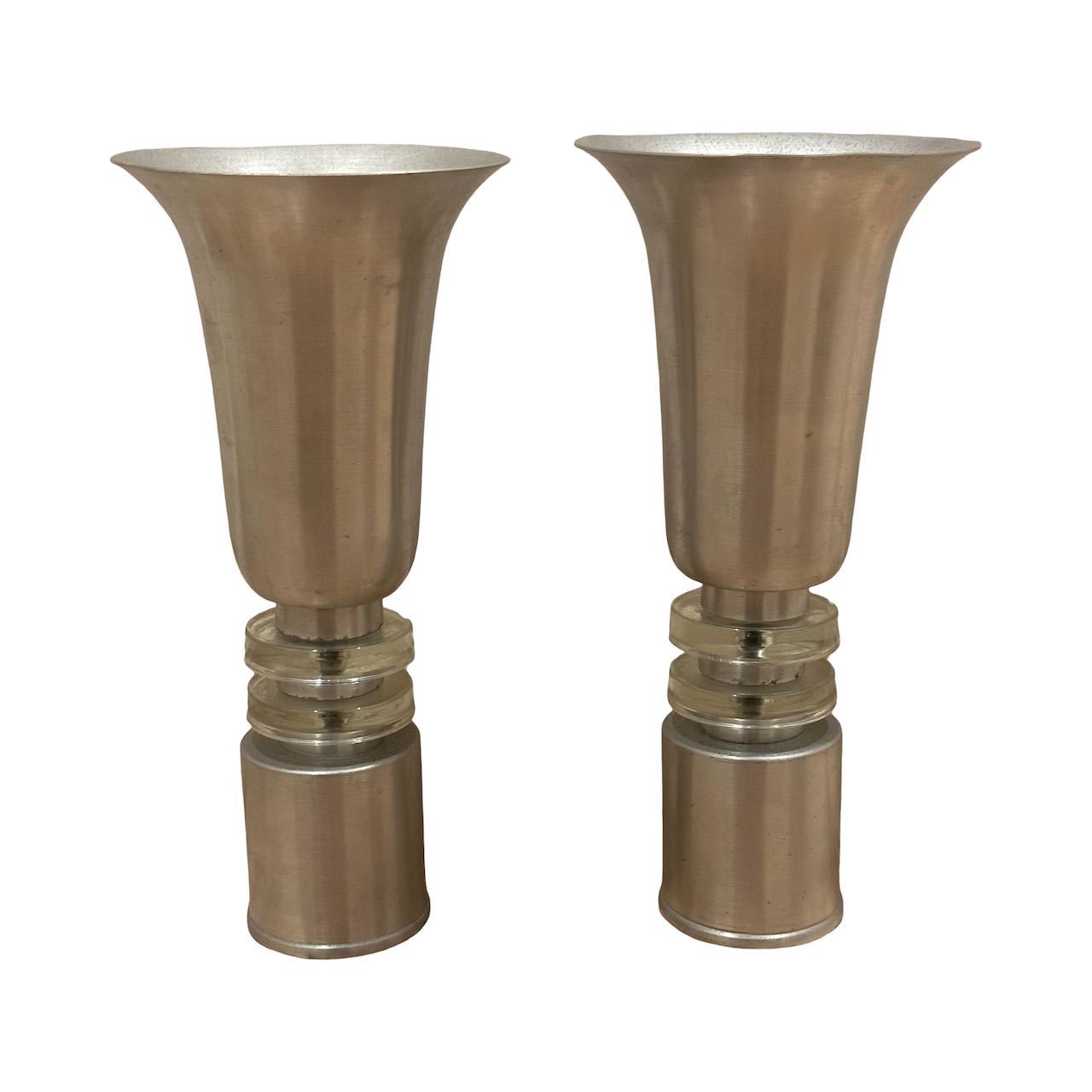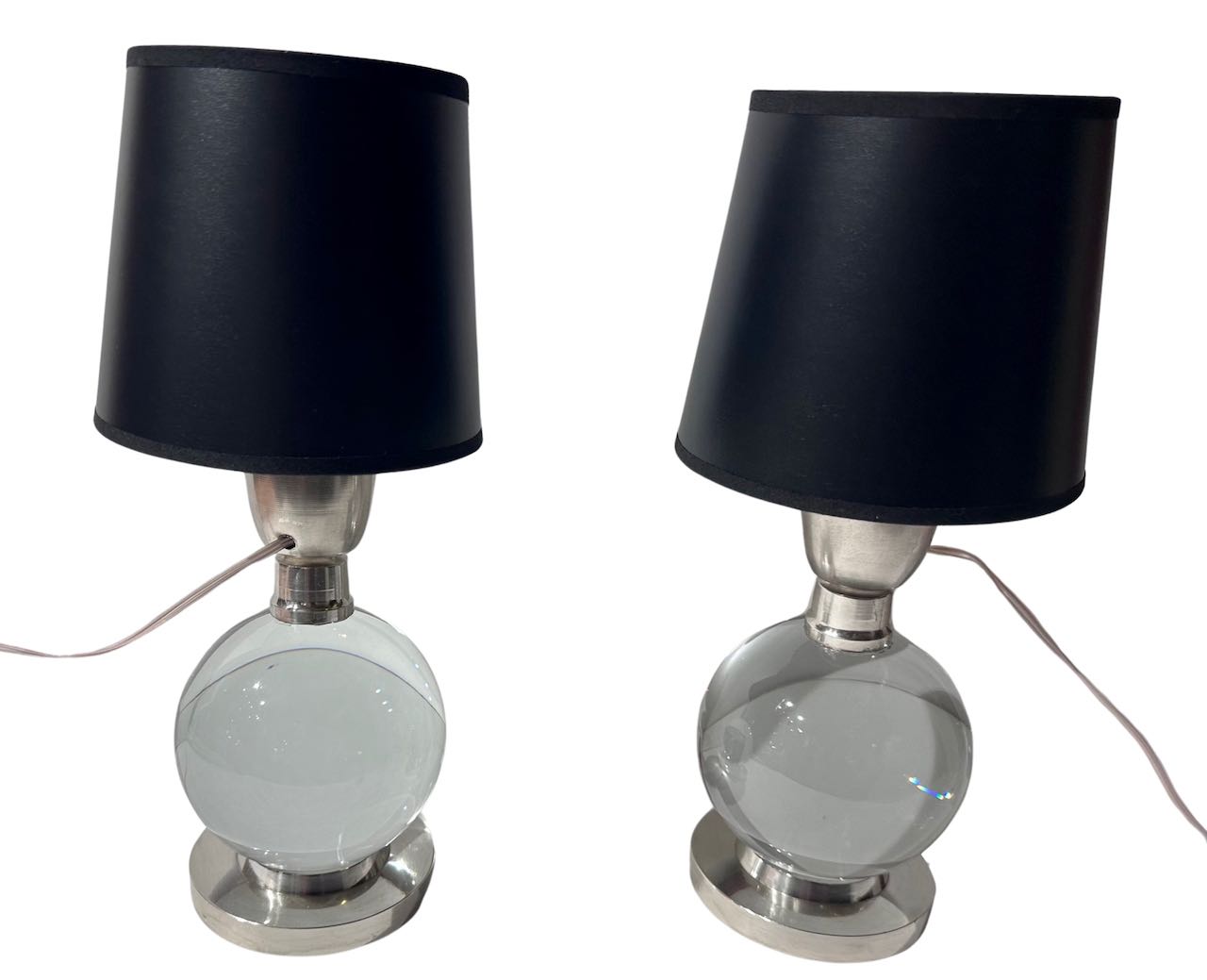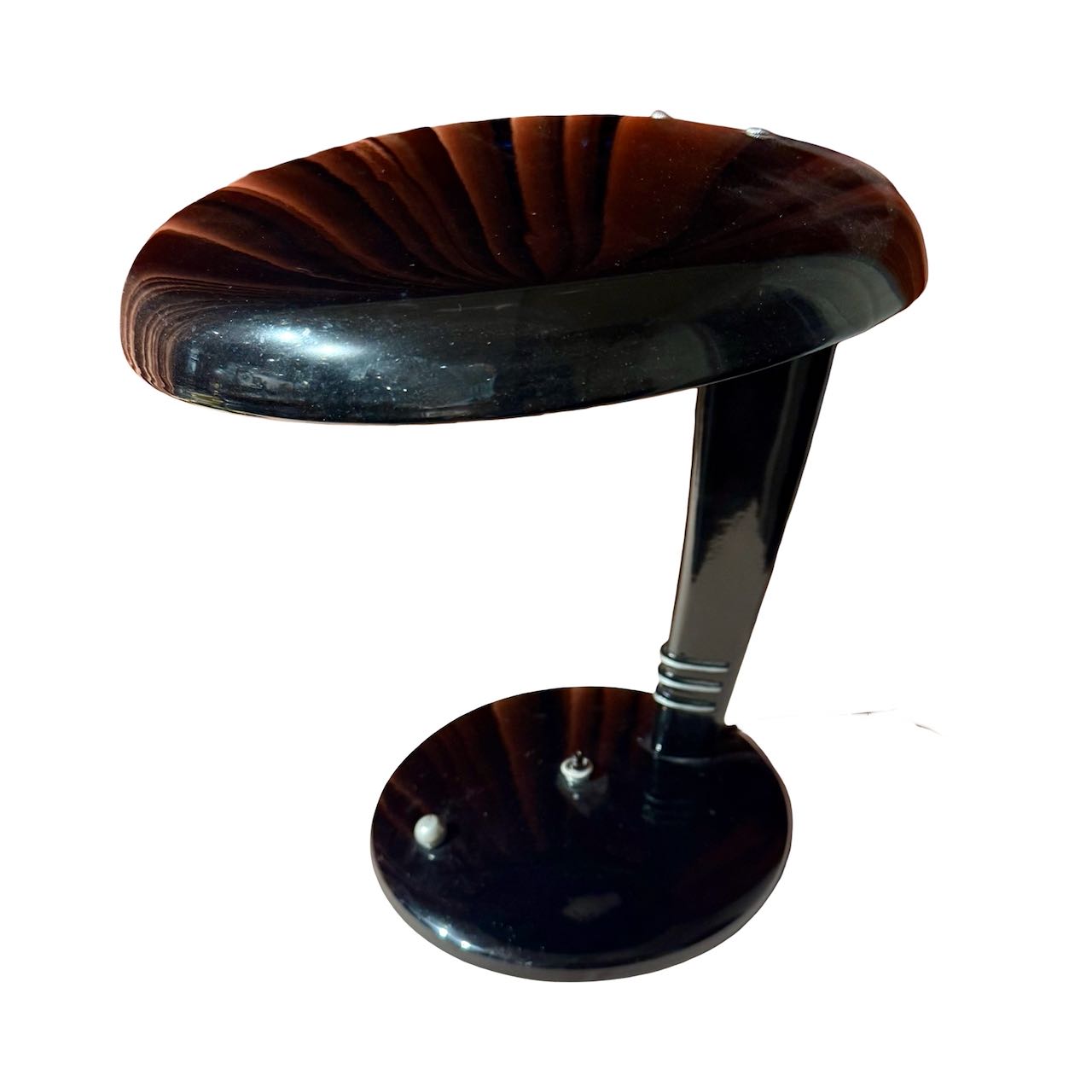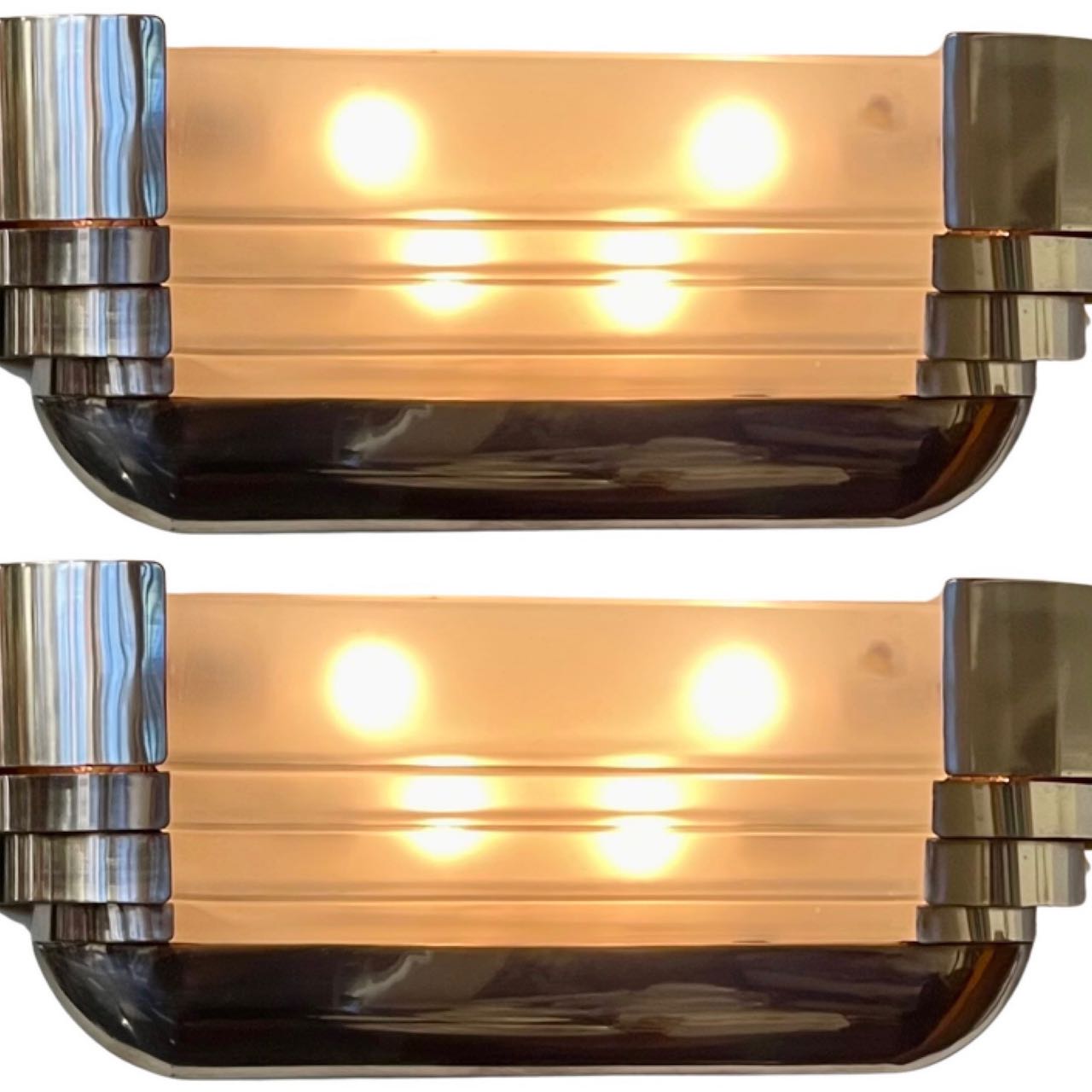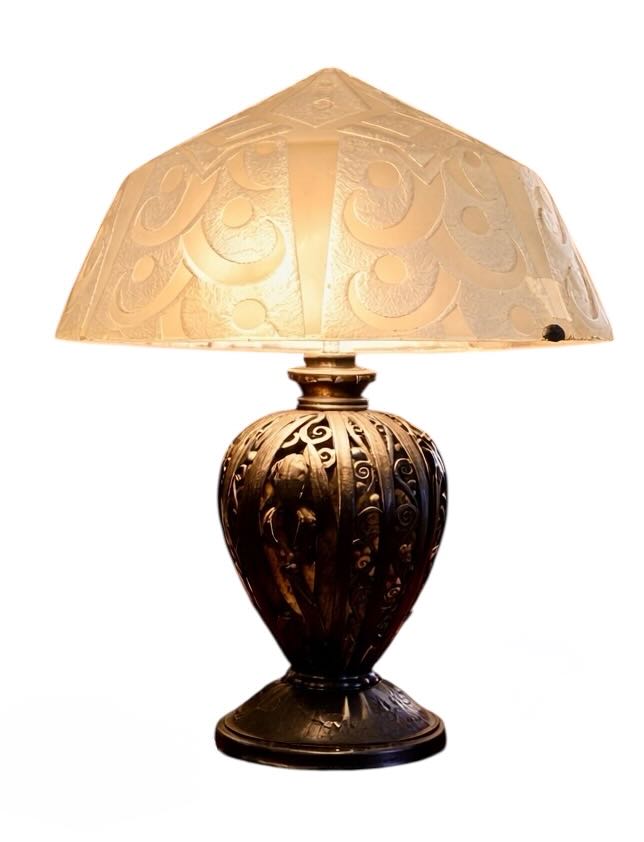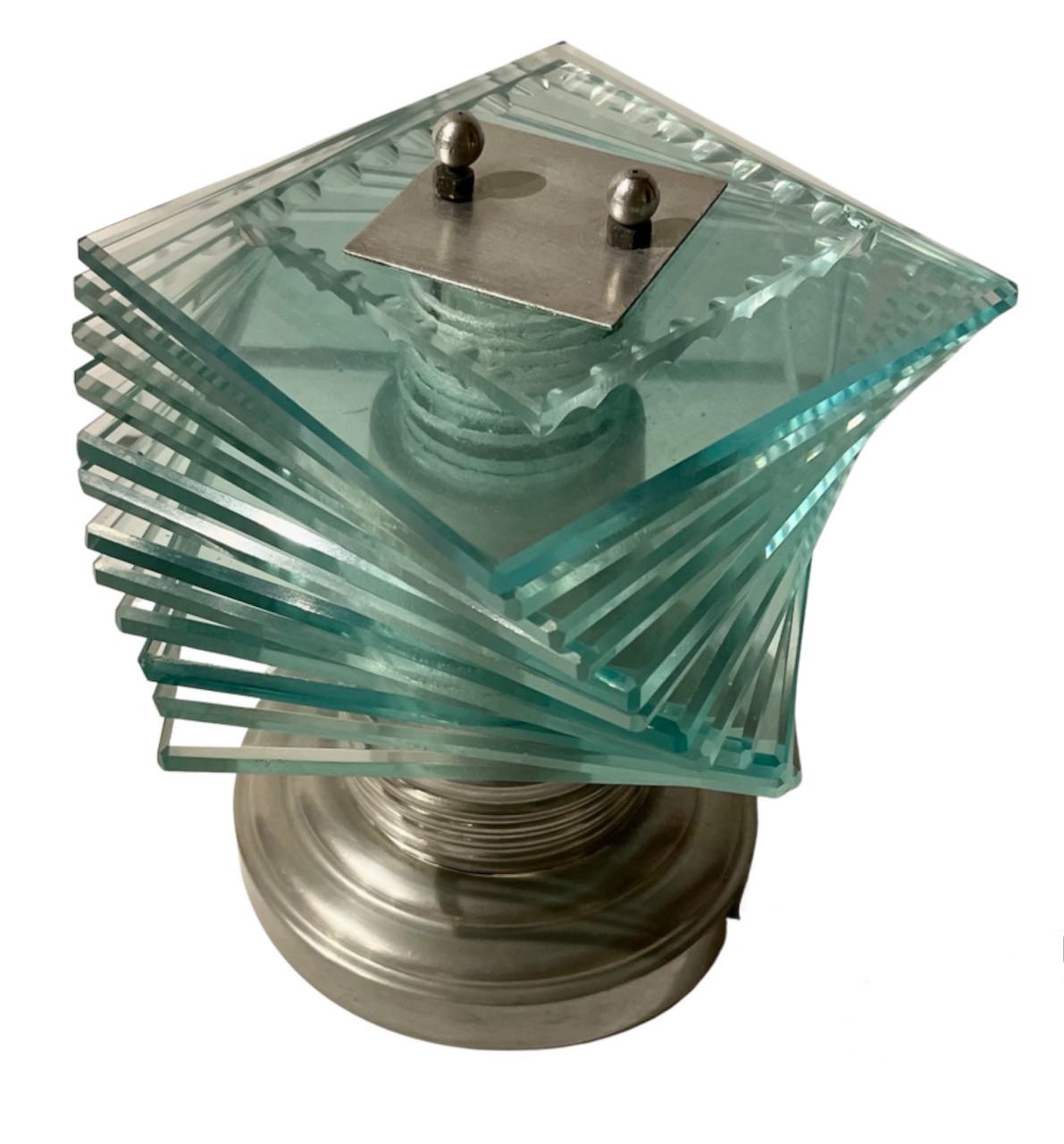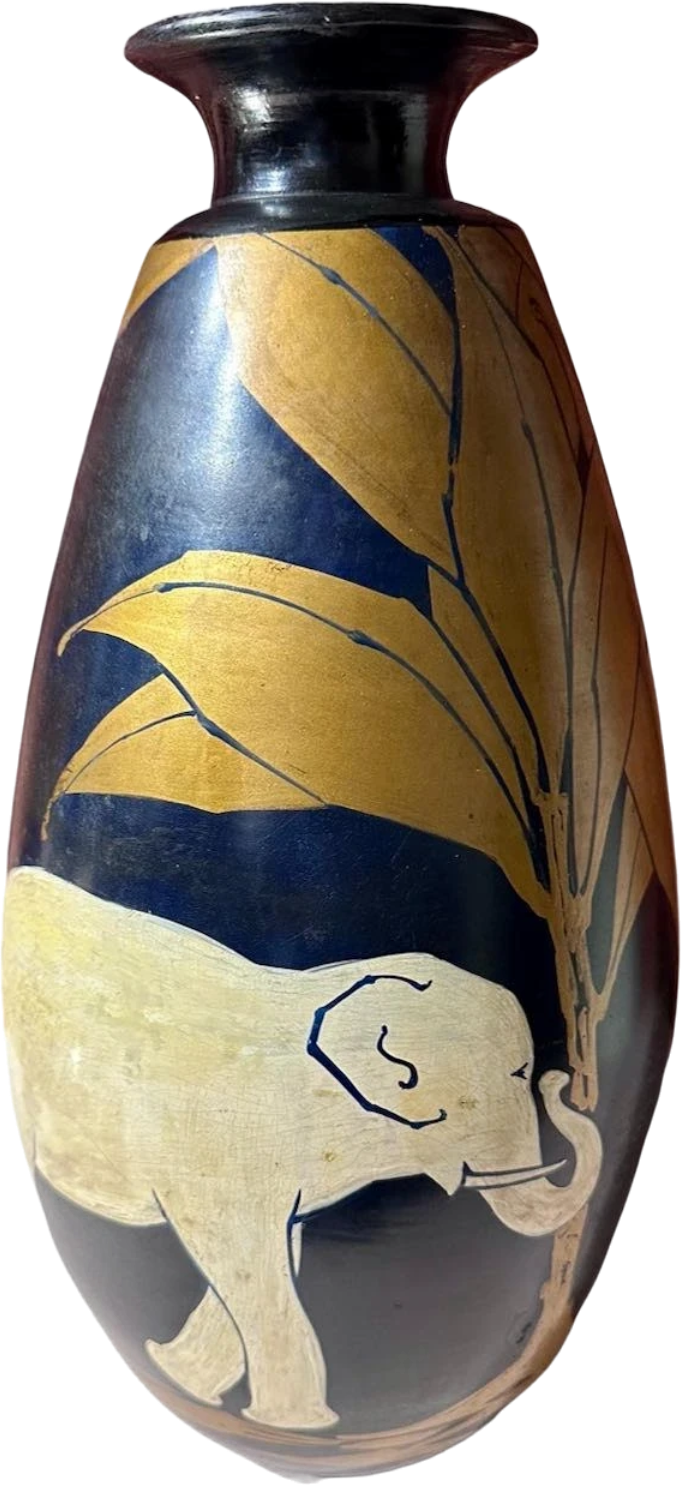

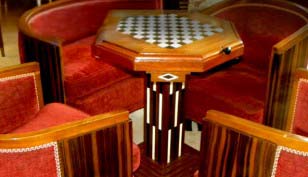
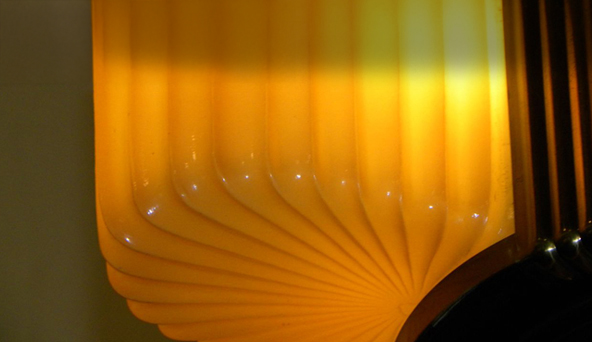
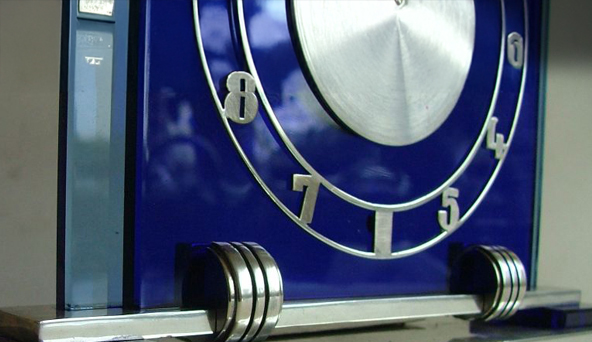
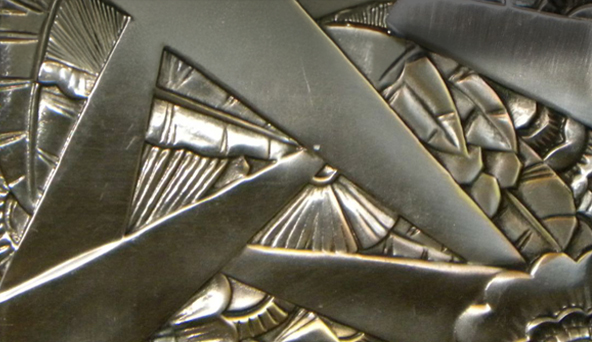
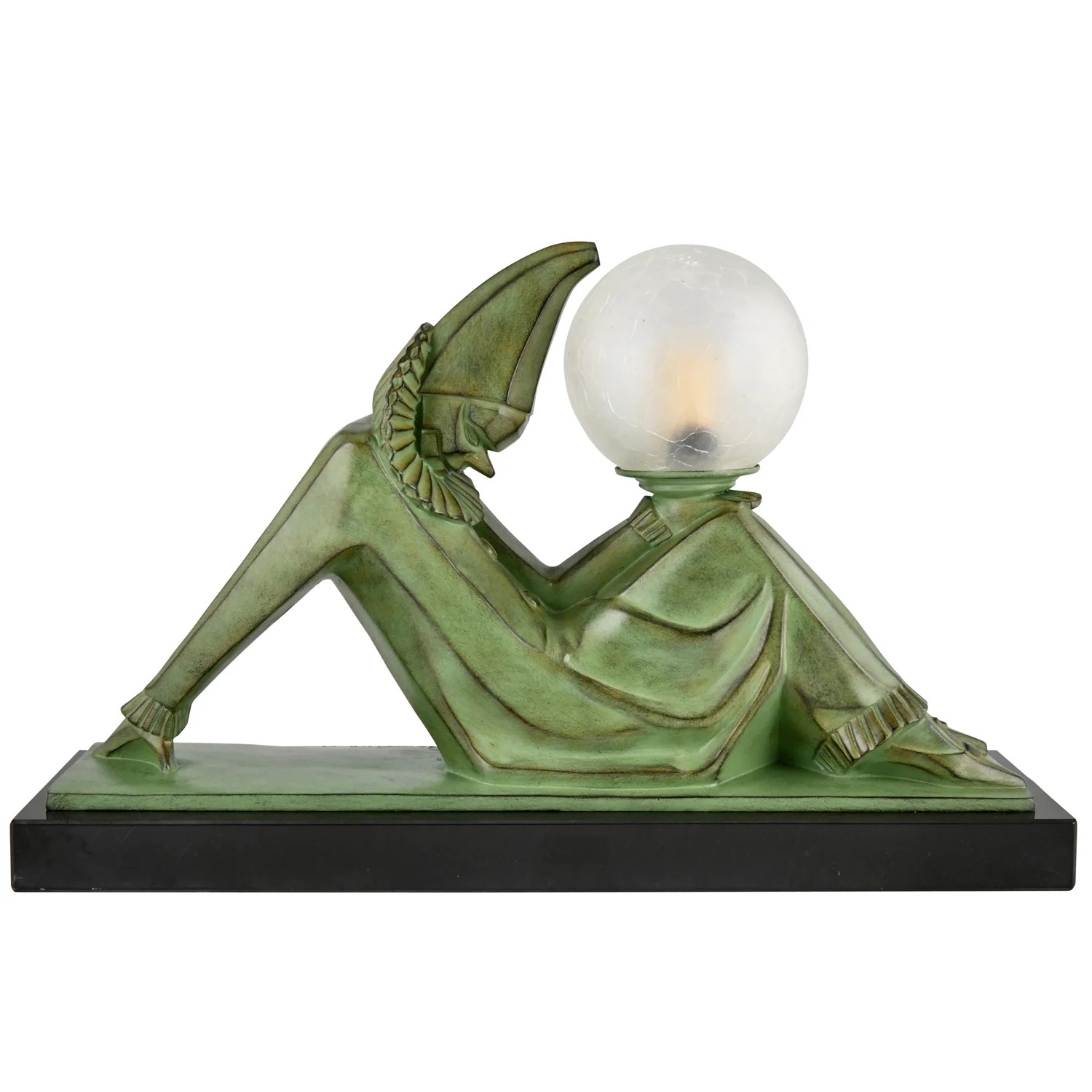
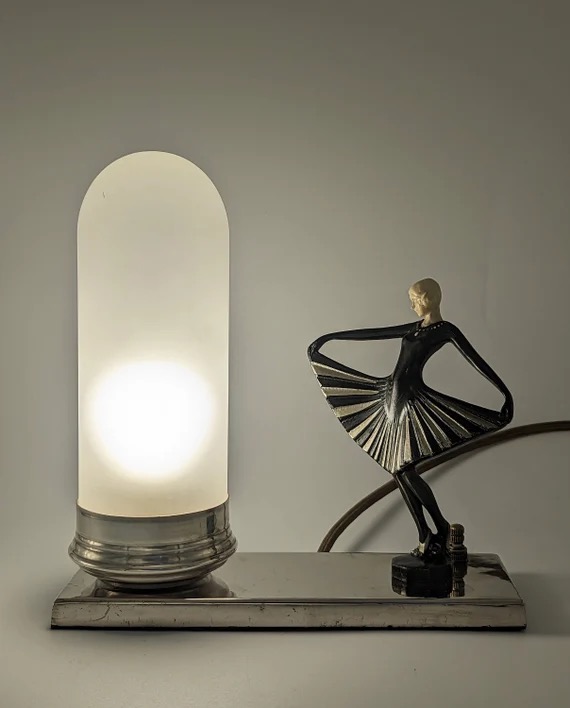
Vintage Art Deco table lamps capture the elegance and modern spirit that defined the finest design of the early twentieth century. Crafted in materials such as bronze, chrome, glass, marble, and finely worked bakelite, these lamps were far more than simple lighting, they were statement pieces that brought sophistication and atmosphere into the home. High quality examples often feature geometric forms, stepped bases, sculptural silhouettes, and rich decorative details that reflect the era’s fascination with glamour, balance, and innovation. Whether placed in a living room, bedroom, library, or atop a refined desk, an original Art Deco table lamp adds warmth, character, and a strong sense of period style. Today, these vintage lamps remain highly admired for their craftsmanship, their lasting beauty, and the way they continue to illuminate interiors with unmistakable Deco charm.
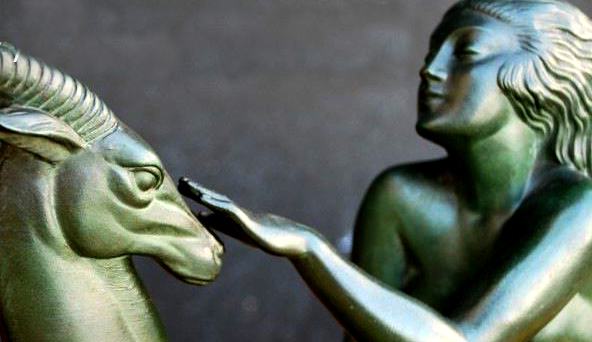
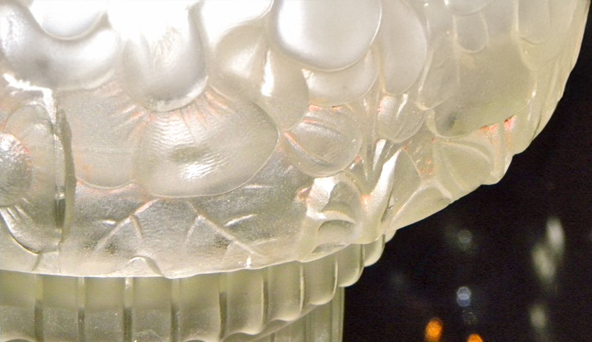
Art Deco Era Lamps
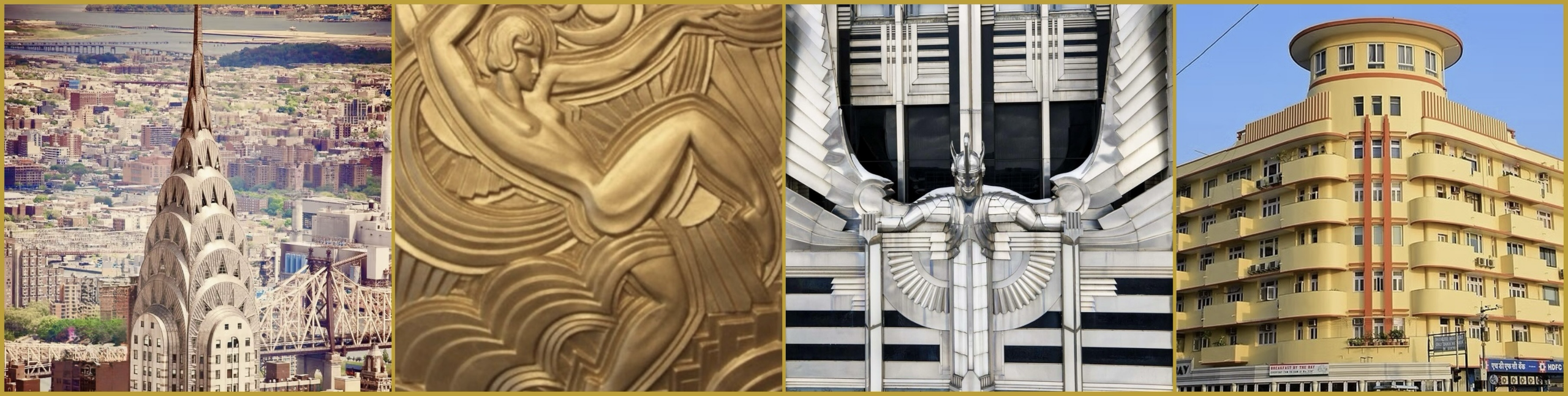
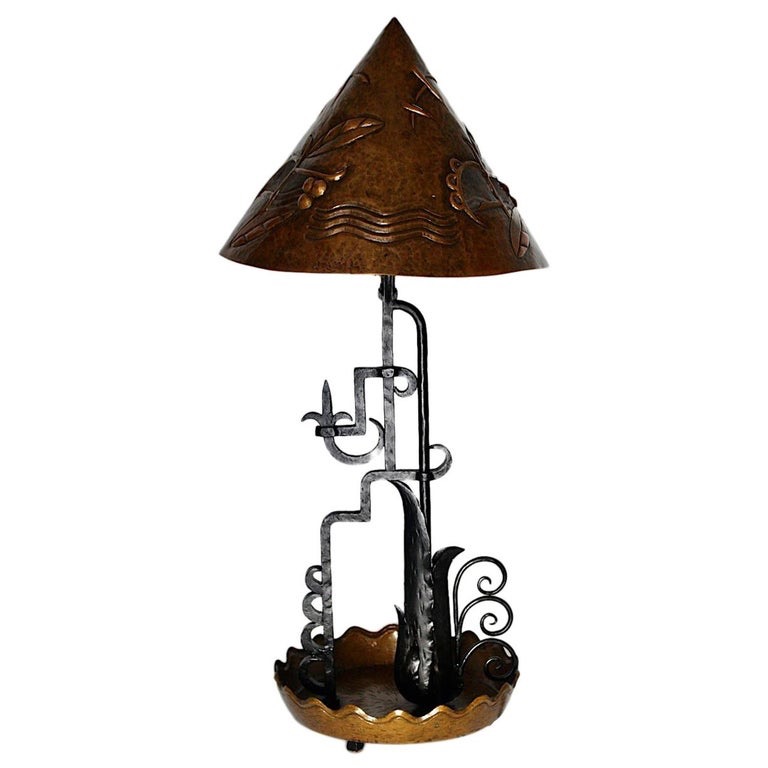
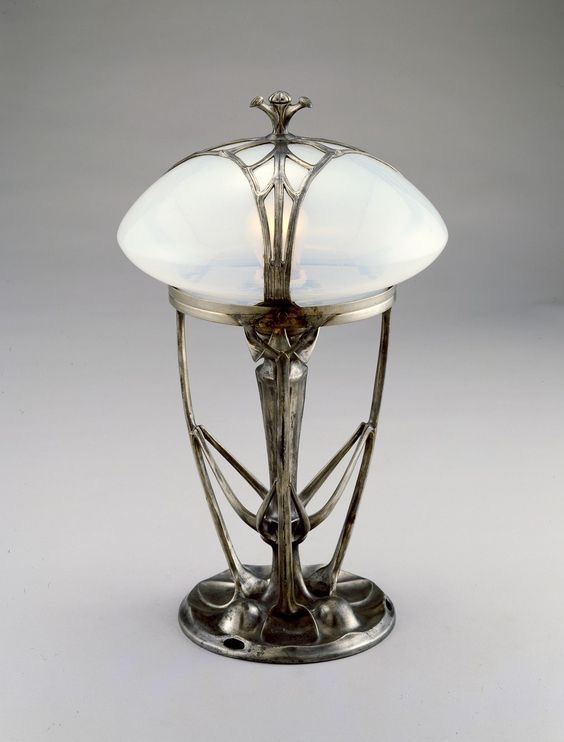
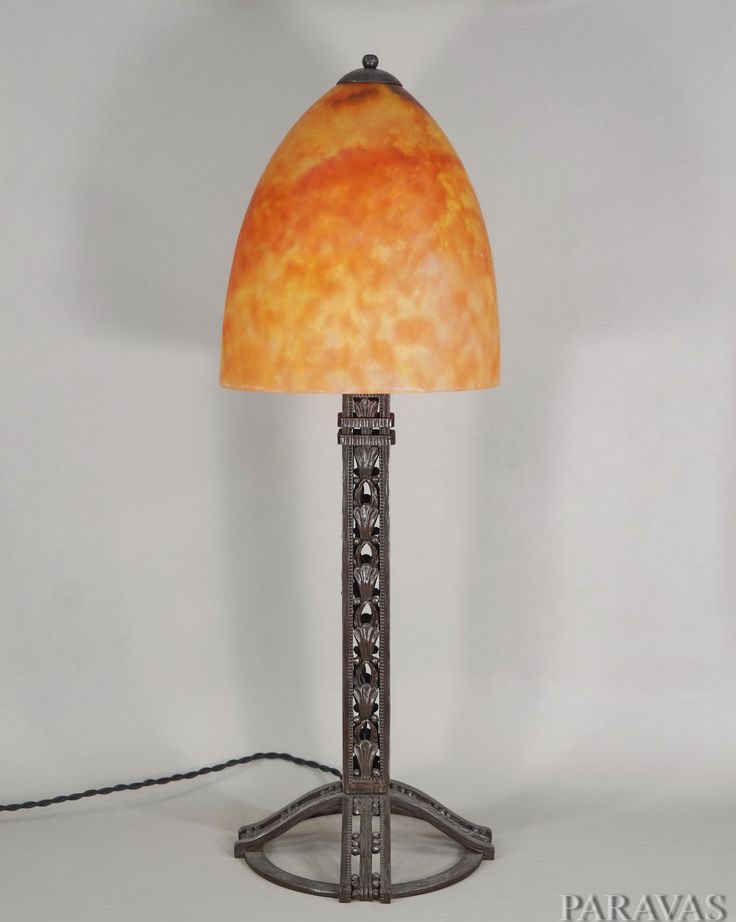
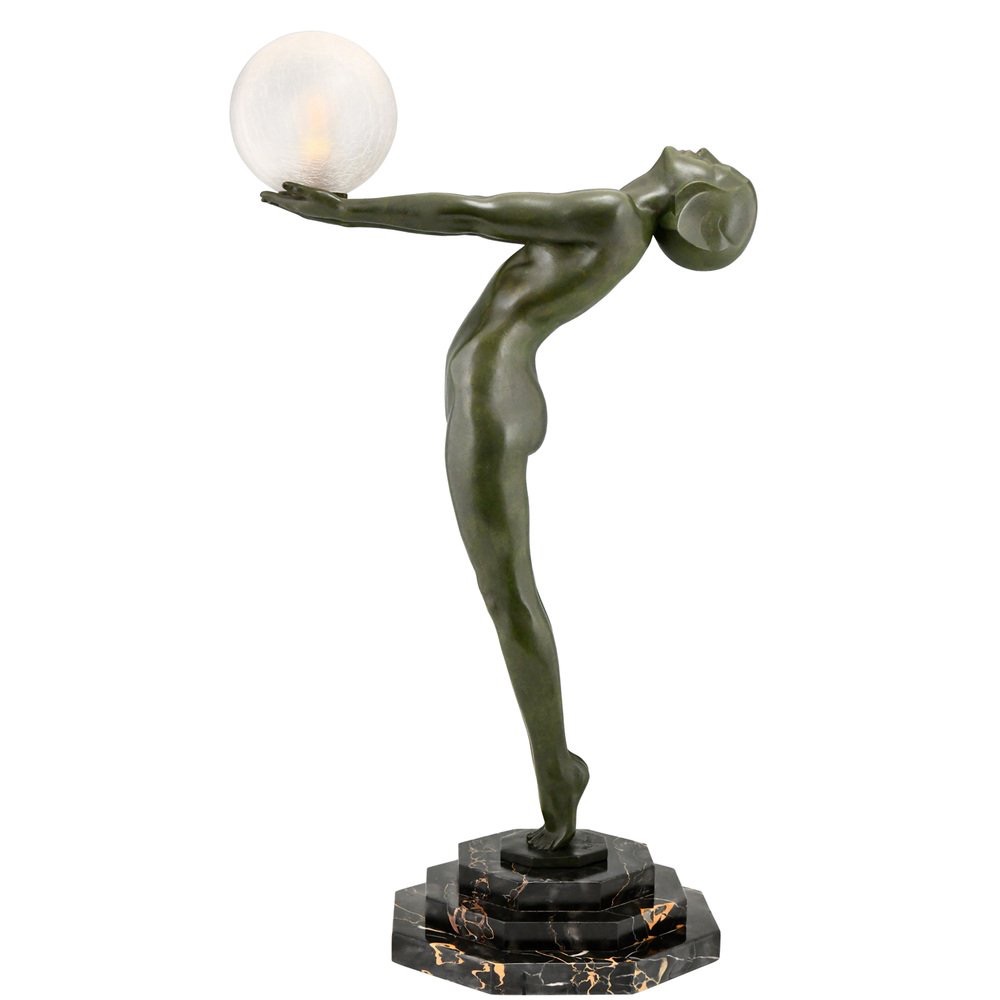
Art Deco brought geometry, elegance, and a new sense of modern style into everyday life. From cars and architecture to furniture and fashion, it reshaped ordinary objects into statements of taste and sophistication. Though often spoken of as a single style, Art Deco is better understood as a design era, one that began in Paris and grew through the influence of several important movements, including Art Nouveau, Egyptian Revival, Streamline, and Bauhaus. Together, these ideas helped define the look of the first half of the twentieth century. To better understand how deeply this design era touched daily life, it is fascinating to focus on one familiar object and explore its many forms. Lamps are a perfect choice, since they combine function with beauty and reveal how designers brought sculptural form, decorative pattern, and modern materials into the home between 1900 and 1945.
Rather than representing one single look, the Art Deco era includes several overlapping design movements, each with its own character and visual language. Some emphasized flowing ornament, others favored machine age simplicity, while still others drew inspiration from ancient cultures, bold geometry, or sleek modern speed. These movements did not exist in isolation. They reacted to one another, built upon earlier ideas, and helped shape the evolving taste of the period. That is why lamps from this era can vary so dramatically while still feeling connected to the same larger world of design. Some historians prefer to separate these movements into distinct categories, while others use a broader definition of Art Deco that embraces the full range of styles seen during these years. For this overview, that wider interpretation is the most useful, especially when looking at the remarkable variety of lamp designs created during this period.

Related Products