
Vally Wieselthier
Vally Wieselthier was born Valerie Wieselthier in 1895 in Vienna, Austria, into a Jewish family, the daughter of lawyer Wilhelm Wieselthier. She attended the Wiener Frauenakademie from 1912 to 1914 before enrolling at the Vienna School of Applied Arts, where she studied under Koloman Moser, Josef Hoffmann, and ceramicist Michael Powolny from 1914 to 1920. She also served as an auxiliary nurse during World War I. In 1917, while still a student, Hoffmann invited her to work at the Wiener Werkstätte’s newly established artists’ workshops, where young artists, many of them women filling vacancies left by men lost to the war, were given studio space and materials. She recalled her time there as a paradise of creative freedom. In 1922, she left to found her own ceramic workshop in Vienna, collaborating with the Augarten porcelain factory, Friedrich Goldscheider, Gmundner Keramik, and J. & L. Lobmeyr. In 1927, the Werkstätte bought her workshop and put her in charge of the ceramics division. She relocated permanently to New York in 1932, where she opened her own studio and worked with the Sebring Pottery Company and the Cowan Pottery in Cleveland before her death from stomach cancer on September 1, 1945.
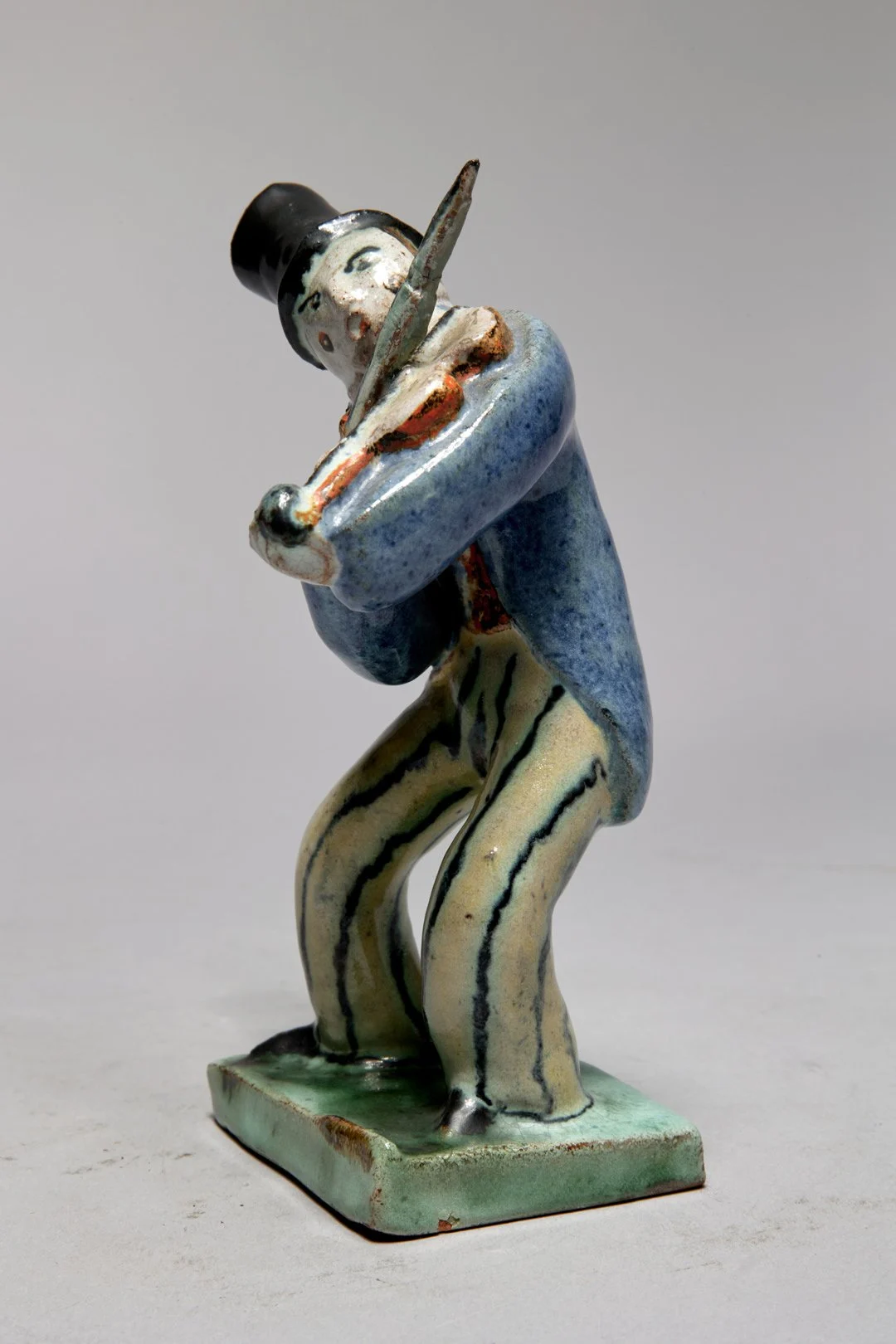
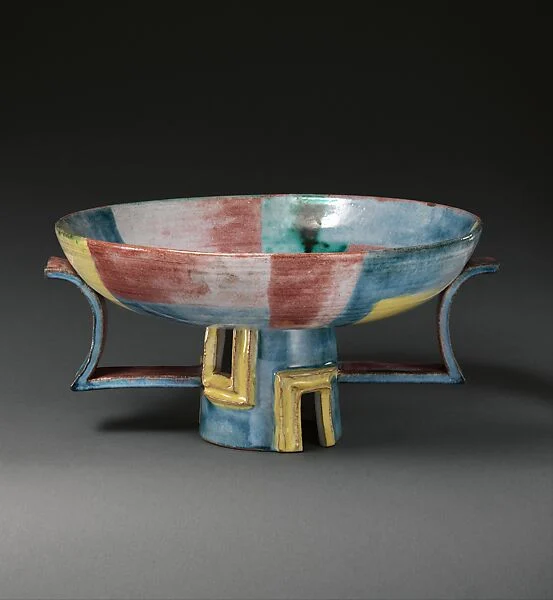
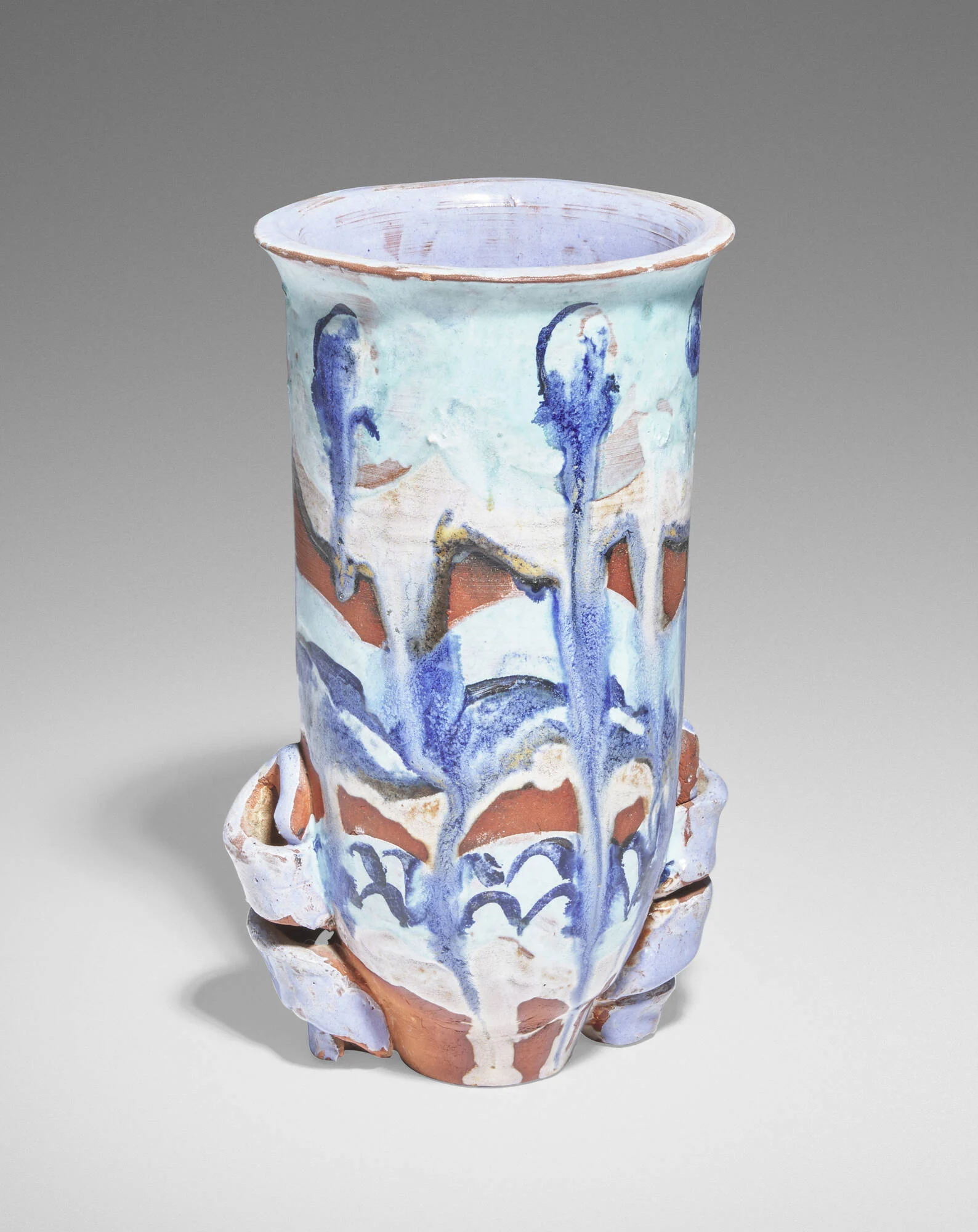
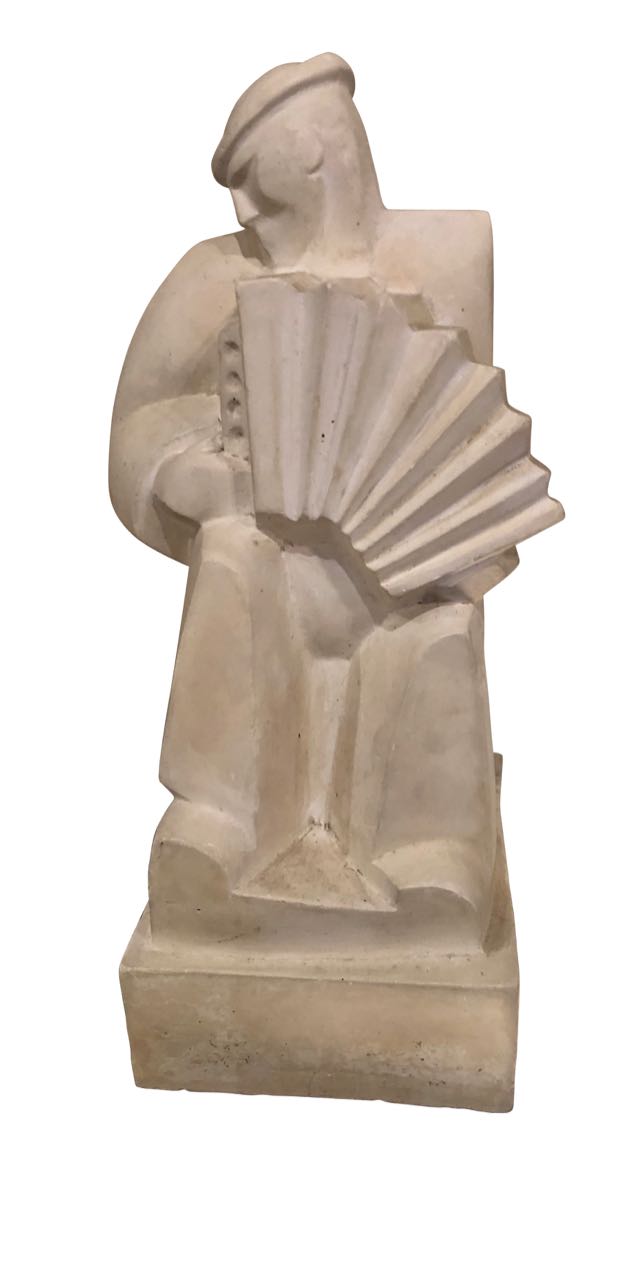
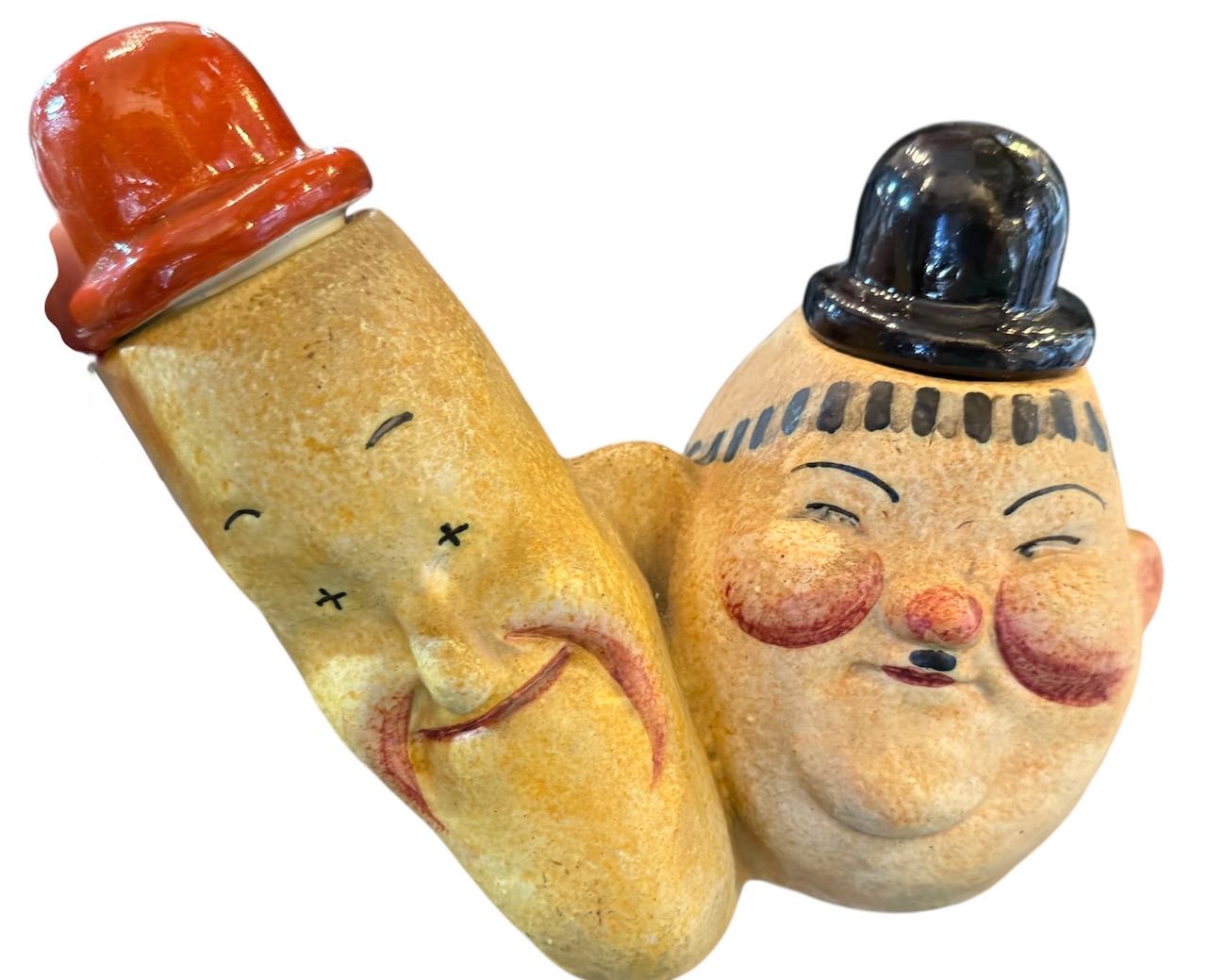
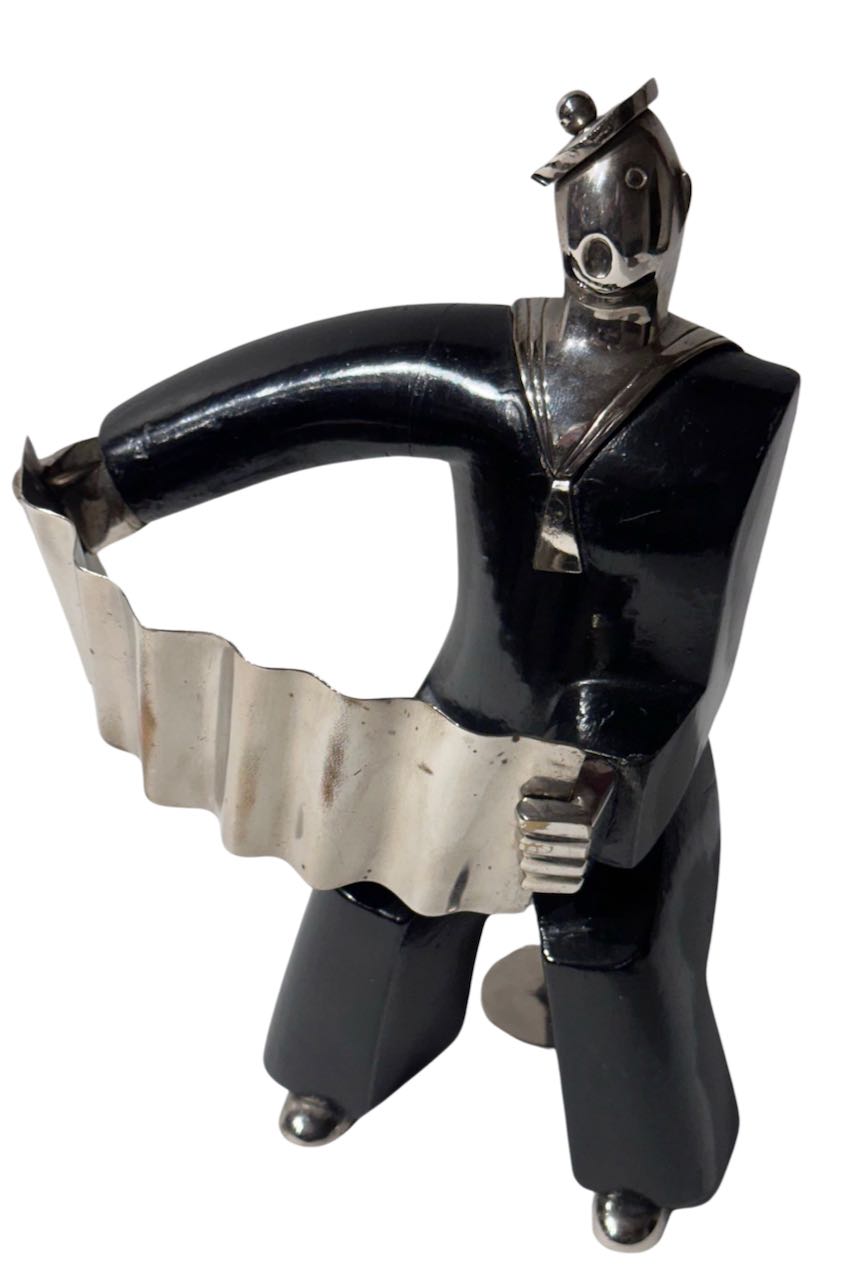
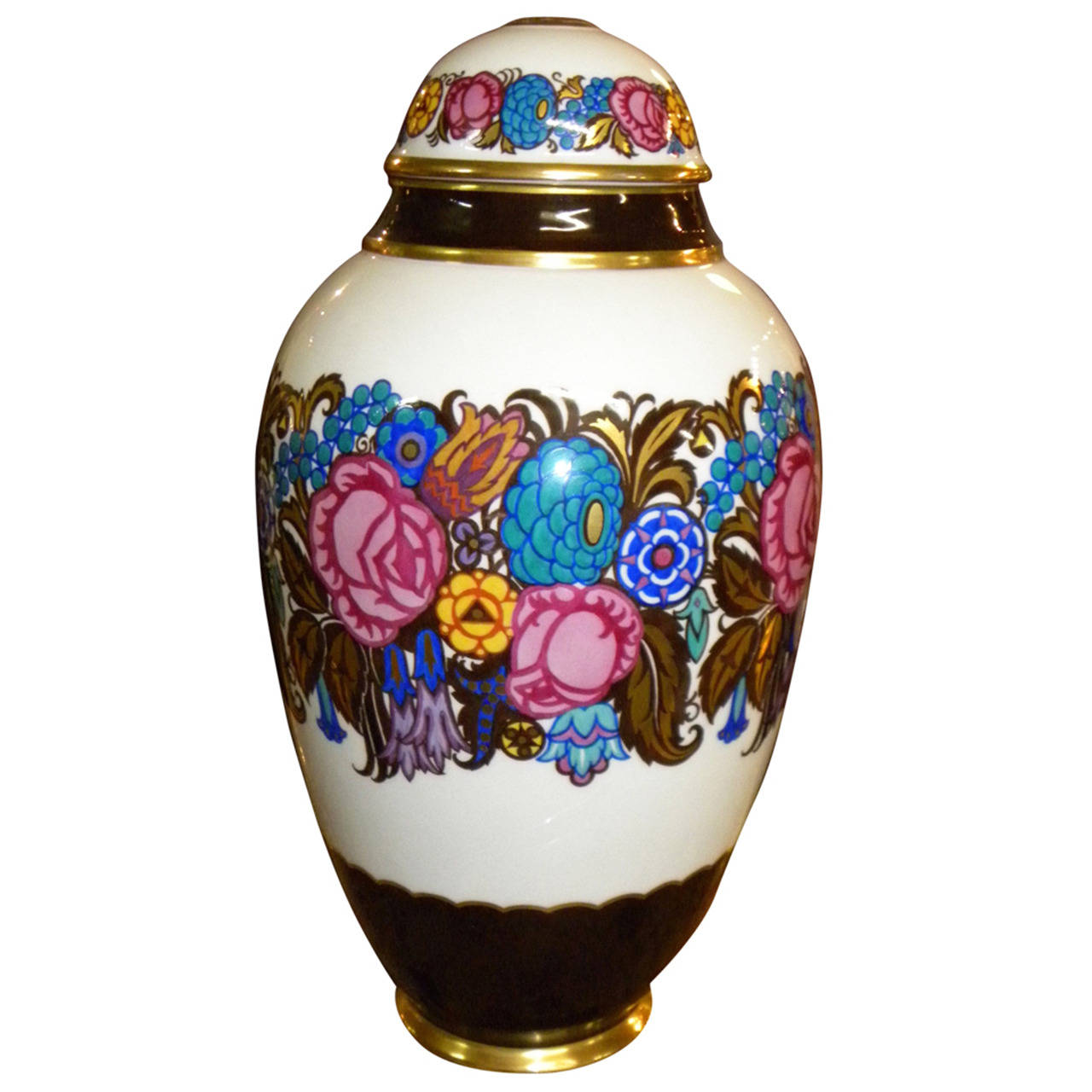
Wieselthier’s expressive and humorous ceramic figures attracted international attention at the 1925 Exposition Internationale des Arts Décoratifs et Industriels Modernes in Paris and are considered defining examples of the Art Deco style. In 1928, the Metropolitan Museum of Art included her work in its International Exhibition of Ceramic Art in New York, an event that opened her eyes to the American market. For the Wiener Werkstätte’s 25th anniversary that same year, she designed the sculptural cover of its commemorative publication together with Gudrun Baudisch. Her output at the Werkstätte ranged from everyday pottery to unique figurines and decorative pieces that contrasted sharply with the cleaner, more functional aesthetic of the Werkstätte’s earlier years. In America, she worked as a designer for the Contempora Group and General Ceramics in addition to her pottery collaborations. Her work is held by the Metropolitan Museum of Art, the Cooper Hewitt Smithsonian Design Museum, the Museum of Applied Arts in Vienna, the Minneapolis Institute of Art, the Wolfsonian-FIU, and the Fashion Institute of Technology, among other collections. A major retrospective, Vally Wieselthier: Ceramic Sculptor, opened at the MAK Vienna in April 2026.
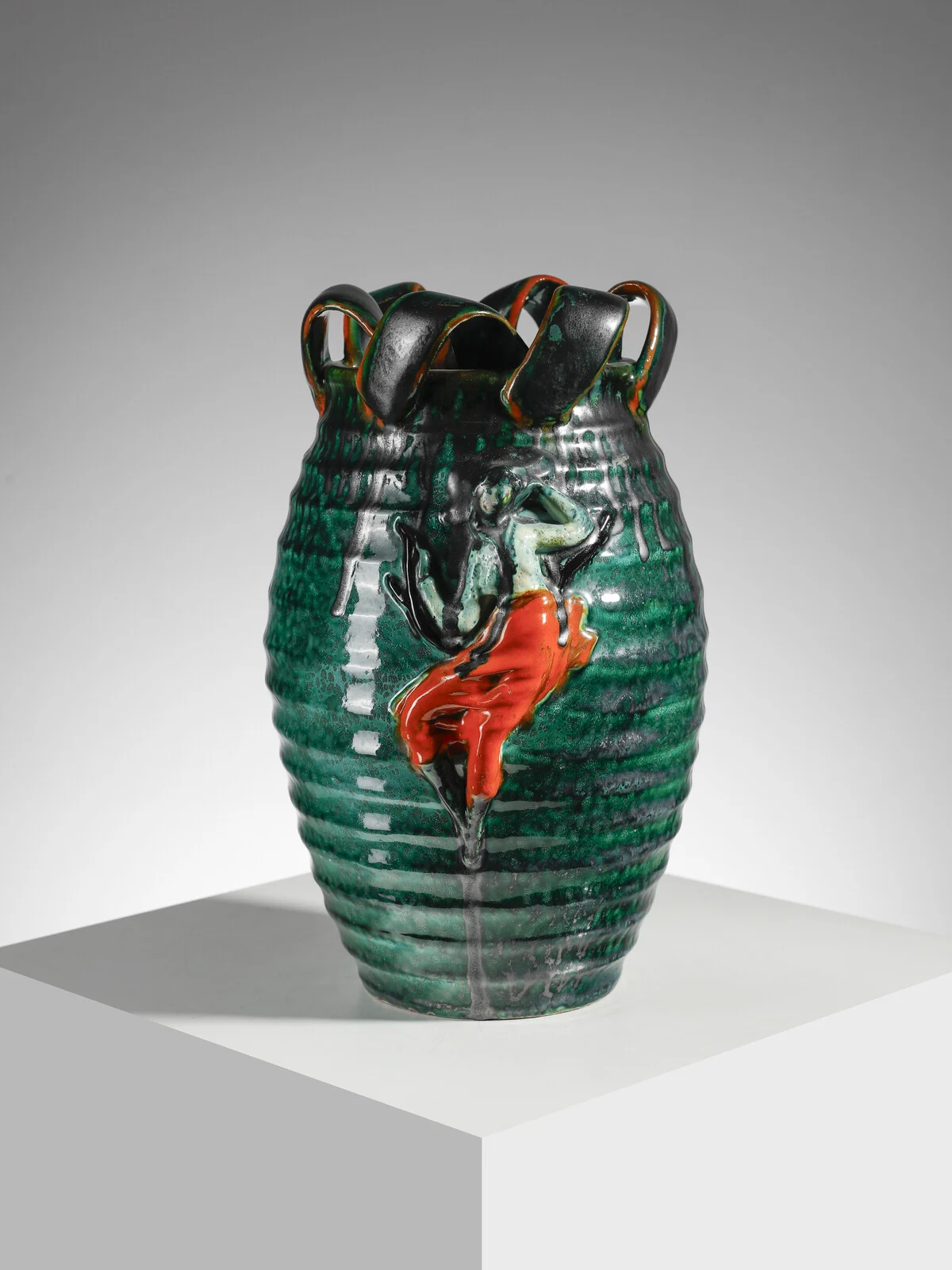
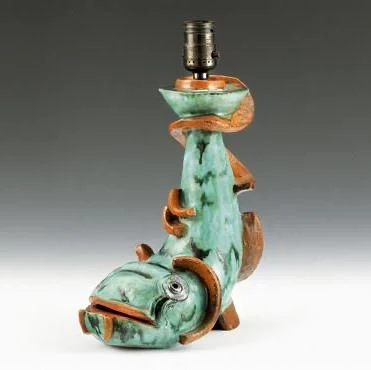
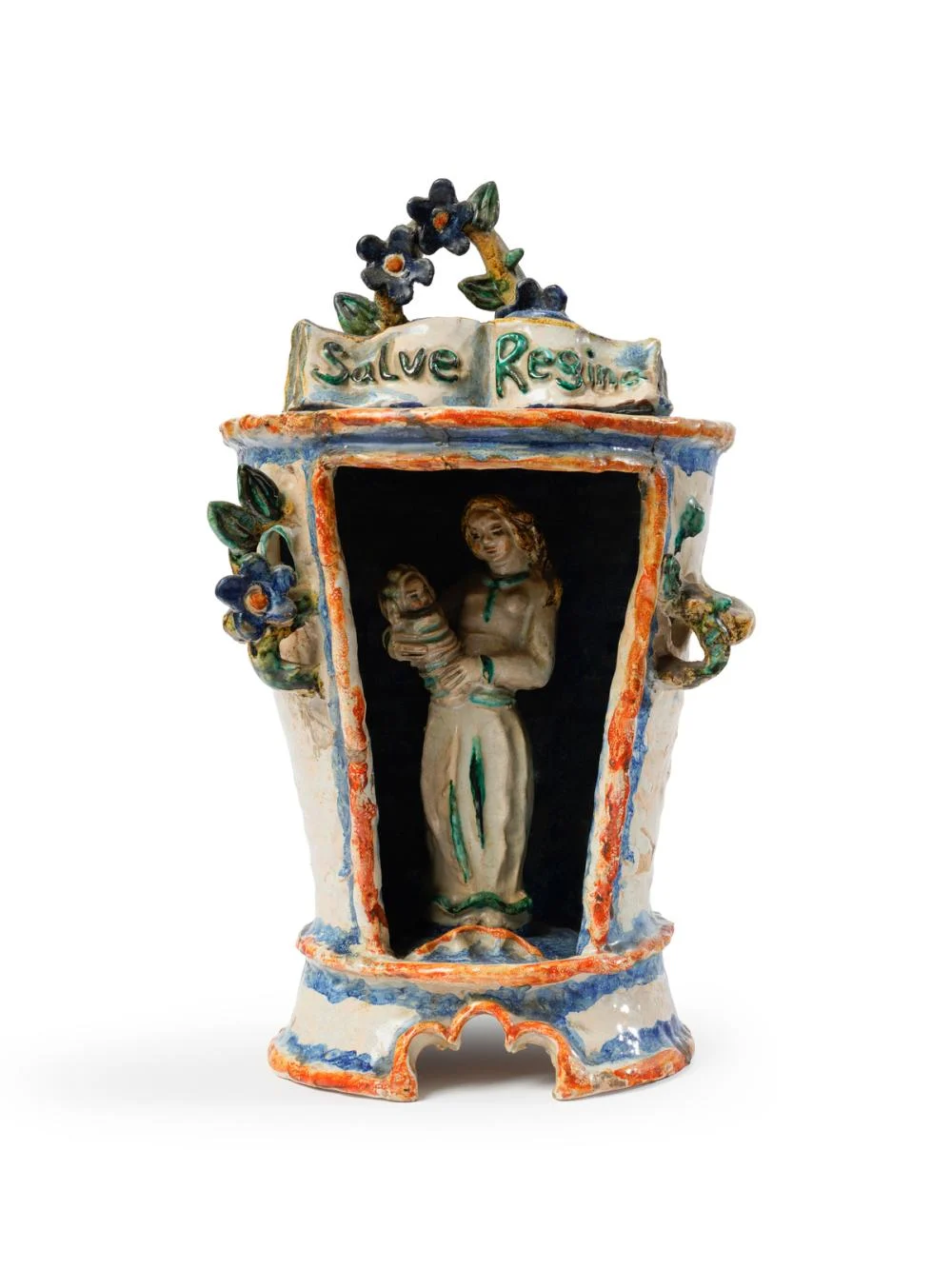
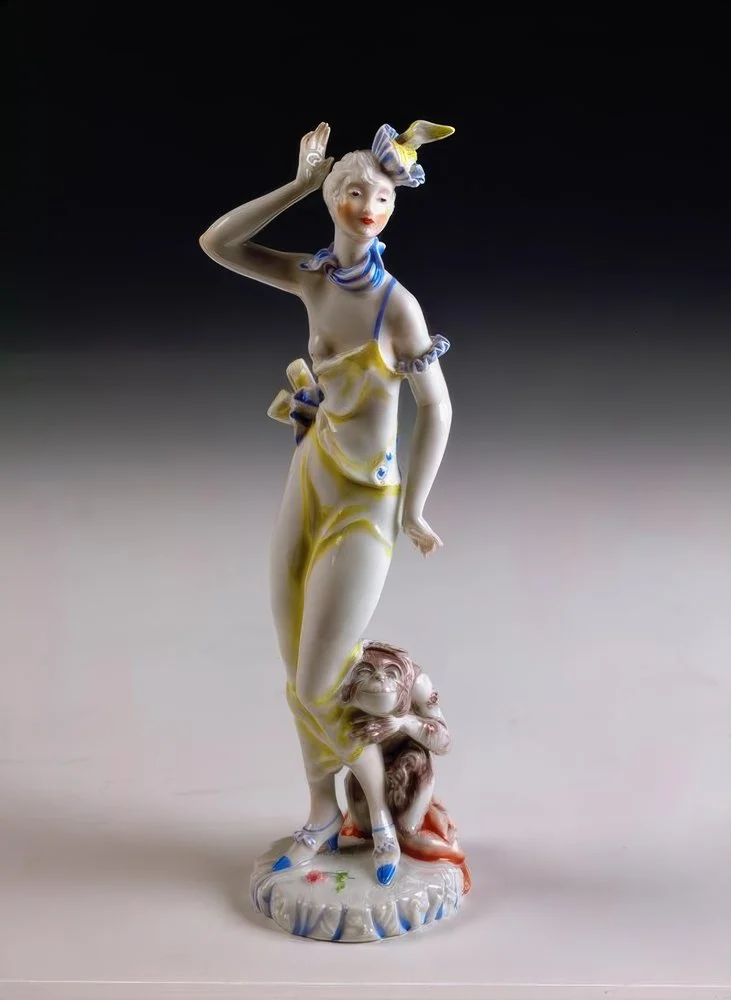
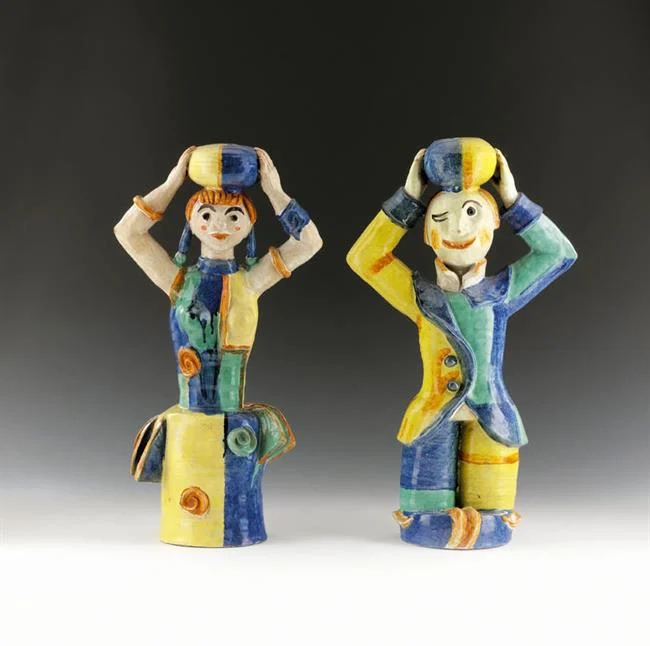
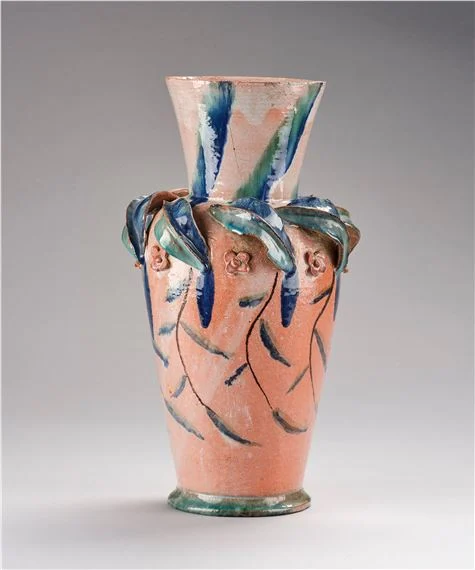


Wieselthier’s work is characterized by an informal handling of material, expressive color, and free adaptation of traditional forms and subjects, producing pieces that feel simultaneously playful and artistically serious. Her figurines and decorative ceramics moved away from the precise geometry associated with the Werkstätte’s early period toward a looser, more gestural expressionism that gave each piece a sense of individual personality. This combination of humor, warmth, and formal invention made her one of the most distinctive ceramic voices of the 1920s and 1930s on both sides of the Atlantic.
Key Influences
- Wiener Werkstätte: Her years at the Werkstätte immersed her in the Gesamtkunstwerk philosophy and gave her the technical foundation and creative freedom that defined her mature work.
- Women in Design: Her career coincided with and helped advance the expanded role of women at the Werkstätte, making her a significant figure in the history of women’s contribution to the decorative arts.
- American Ceramics: Her influence on the Sebring Pottery and Cowan Pottery introduced Viennese expressionist sensibilities to the American ceramics tradition.
- Art Deco Figural Ceramics: Her Paris 1925 figures helped define the humorous, expressive strand of Art Deco ceramic sculpture that distinguished Central European work from its French counterparts.
- Émigré Design: Her transatlantic career embodied the transfer of Viennese modernist ideas to American design culture that characterized the broader emigration of Central European artists in the interwar period.
If you are interested in further stories of the artists who shaped Art Deco, return to our artists page to browse the full directory.

Related Products from ArtDecoCollection.com