
Timothy L. Pflueger
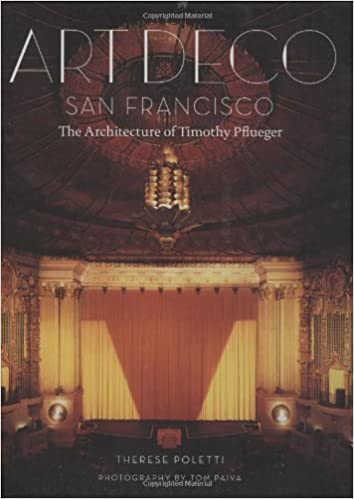
Timothy Ludwig Pflueger was born on September 26, 1892, in the Potrero Hill neighborhood of San Francisco to German immigrant parents. He grew up in the Mission District, a melting pot neighborhood of blue-collar workers, and took his first job at age 11 working for a picture-framing firm. After the 1906 earthquake, Pflueger continued his education and by 1907, was working as a draftsman at the architectural firm Miller and Colmesnil under the guidance of James Rupert Miller. He never attended college, instead training through the San Francisco Architectural Club’s informal Atelier Method, where older experts taught the practical side of architecture to students who had no hope or wish to study Beaux-Arts abroad. He passed his architecture licensing exams in June 1920 and became Miller’s junior partner in 1923, at which point the firm conducted business as Miller and Pflueger. Pflueger’s social connections spanned the city, including memberships in the Bohemian Club, the Olympic Club, and The Family. He served as a board member of the San Francisco Art Association beginning in 1930 and helped the organization found the San Francisco Museum of Modern Art. Pflueger died suddenly at the age of 54 on November 20, 1946, of a heart attack outside the Olympic Club after taking his usual evening swim.
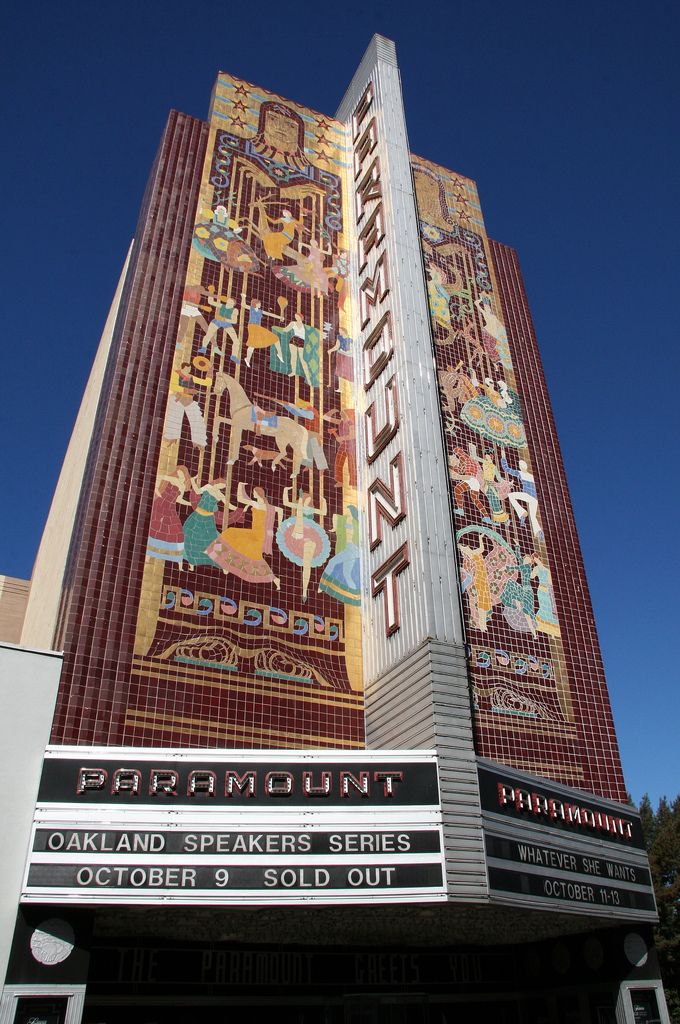
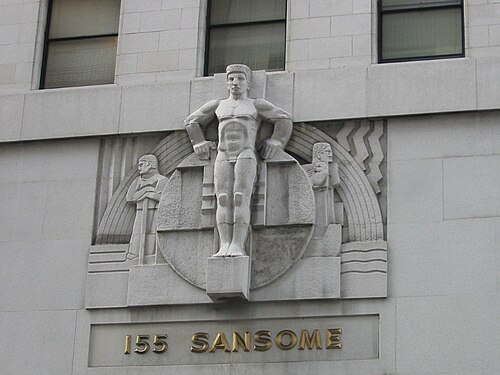
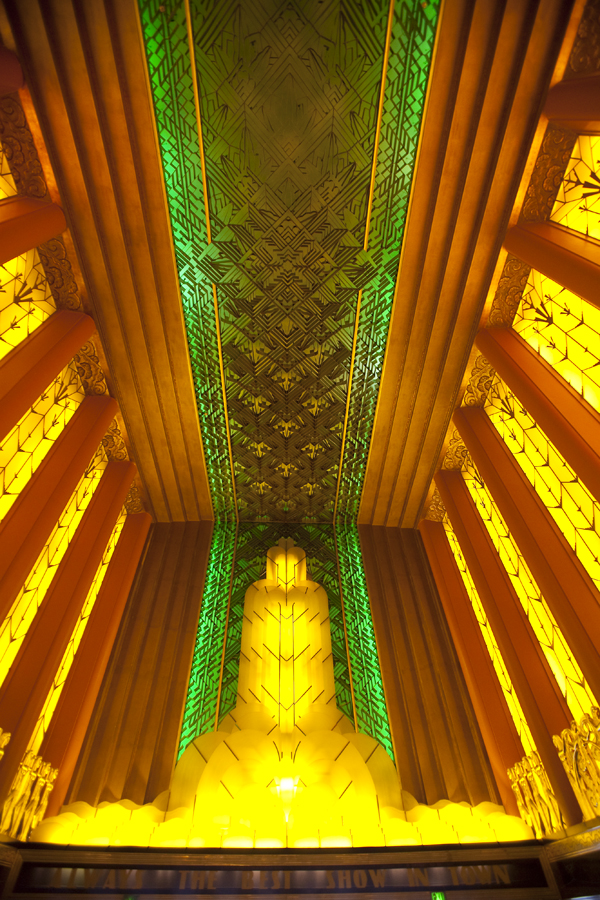
Left: Paramount Theatre, Oakland, Middle: Pacific Stock Exchange, Sansome Street entrance with “Progress” figures carved in Yosemite granite, 1929–1930, Right: Paramount Theatre lobby, Oakland
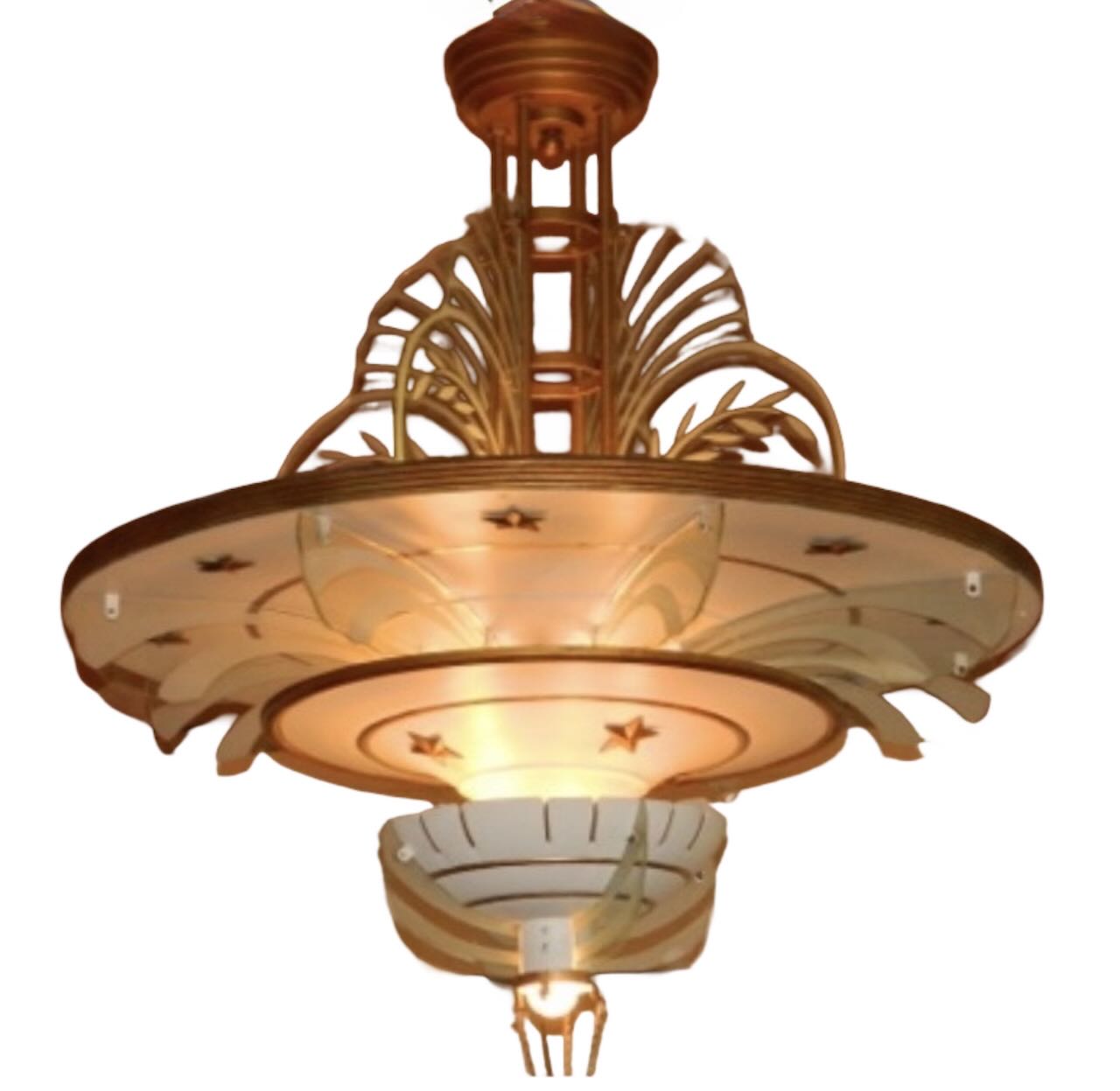
Pflueger’s earliest independent project was Our Lady of the Wayside Church in Portola Valley, completed in 1912 in a Spanish Mission Revival style, later declared California Historical Landmark number 909. In 1925, he completed the Pacific Telephone and Telegraph Company Building, a 26-story skyscraper that became the tallest building in San Francisco for the next 40 years. He went on to design 450 Sutter Street, completed in 1929, featuring triangular thrust window bays decorated with stylized Mayan designs in terra cotta, metals, marble, and glass. Pflueger was equally celebrated for his movie palaces, including the Castro Theatre in 1922, the Alhambra Theatre in 1926, and the 3,200-seat Paramount Theatre in Oakland in 1931, each drawing from a different well of historical and global influences. His firm’s last theatre project was the 1941 Art Deco remodel of the Metropolitan Theatre in Cow Hollow, which introduced streamlined chandeliers and murals by the Heinsbergen Decorating Company. His work extended to luxurious cocktail lounges such as the Top of the Mark at the Mark Hopkins Hotel, the Patent Leather Bar at the St. Francis Hotel, and the Cirque Room at the Fairmont. He chaired the committee of consulting architects on the San Francisco-Oakland Bay Bridge project and served on the committee responsible for the design of the Golden Gate International Exposition in 1939. For the Exposition’s second year, he organized the Art in Action exhibit and brought Diego Rivera to San Francisco to paint the monumental Pan American Unity mural. His final major work was the radical transformation of the I. Magnin flagship store at Union Square into a sleek International style design, completed posthumously in 1948.
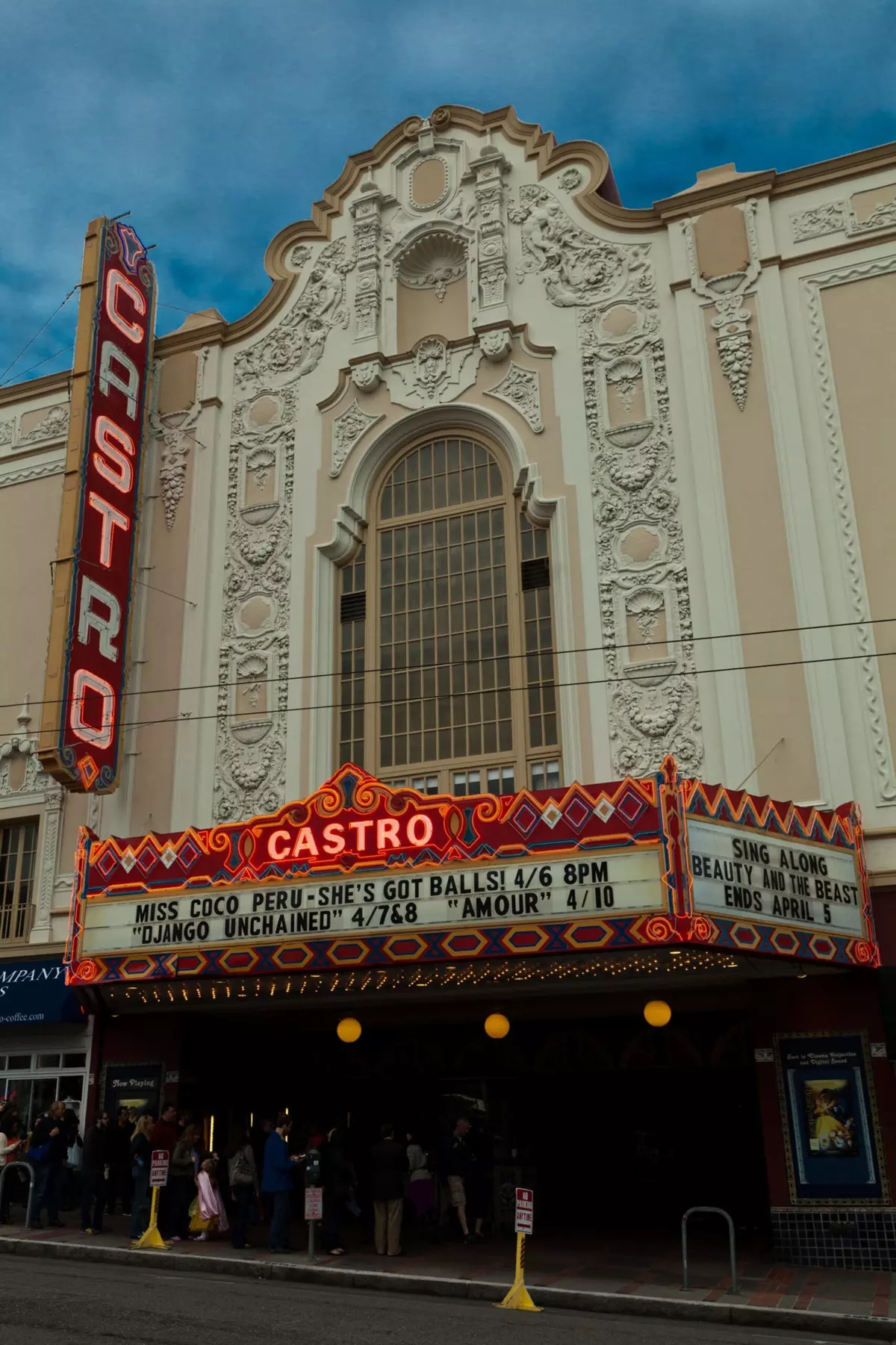
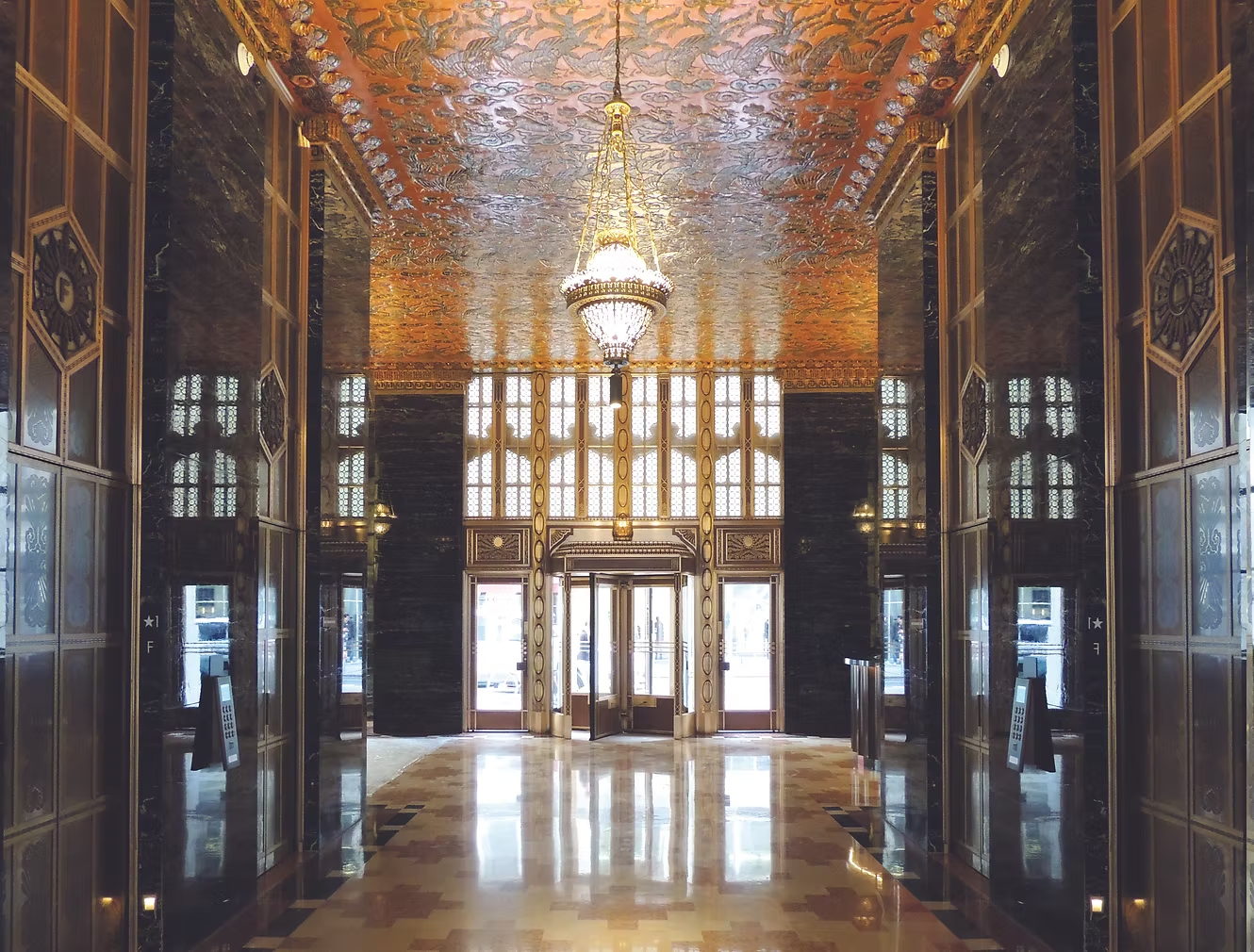
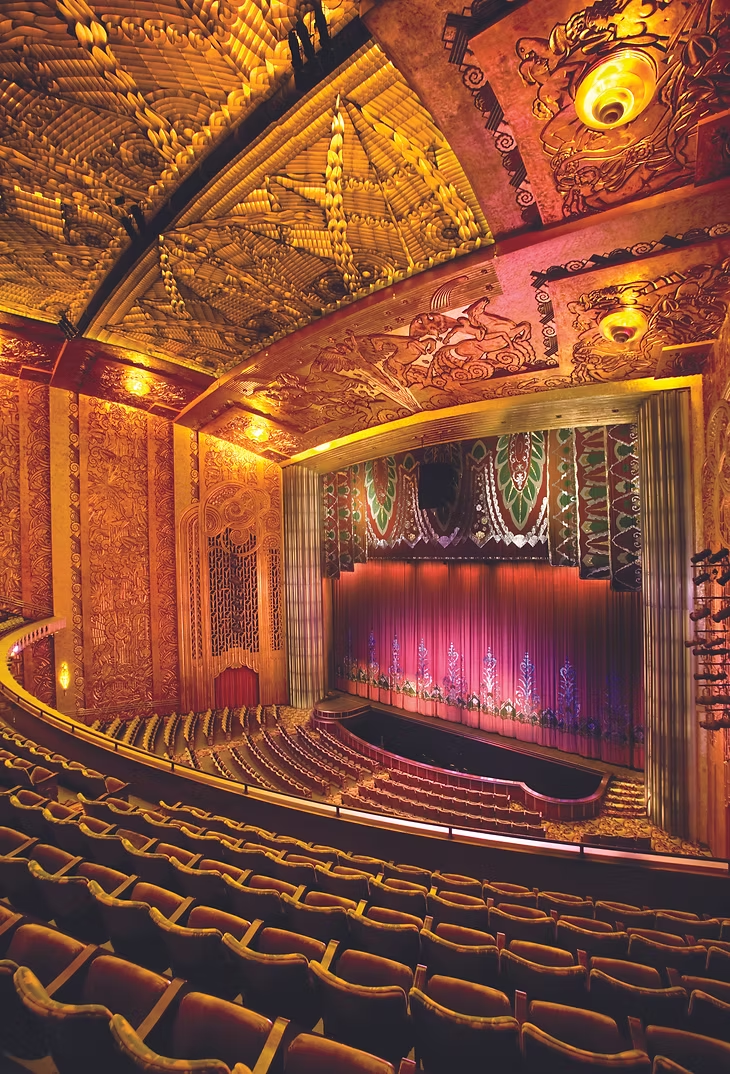
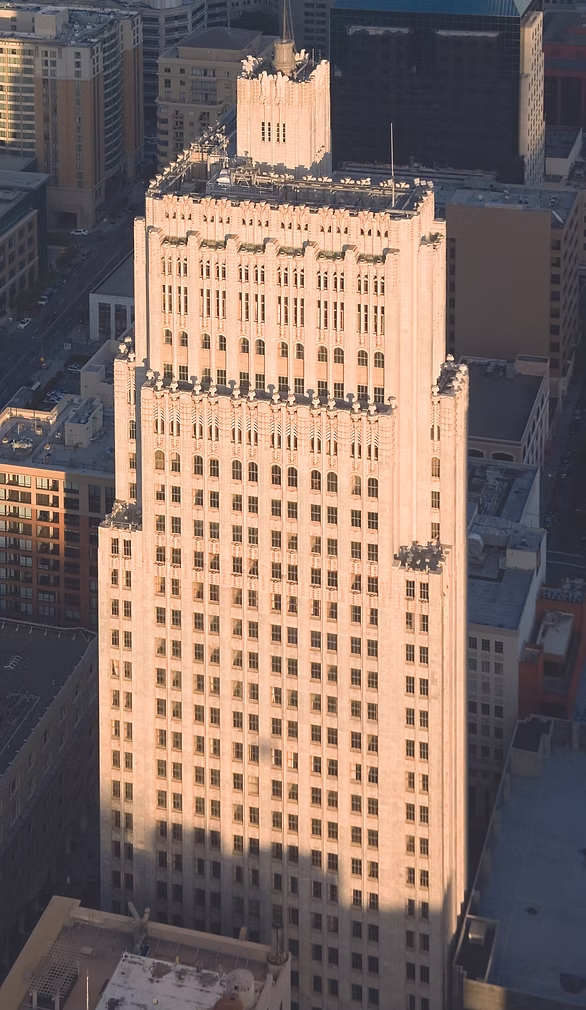
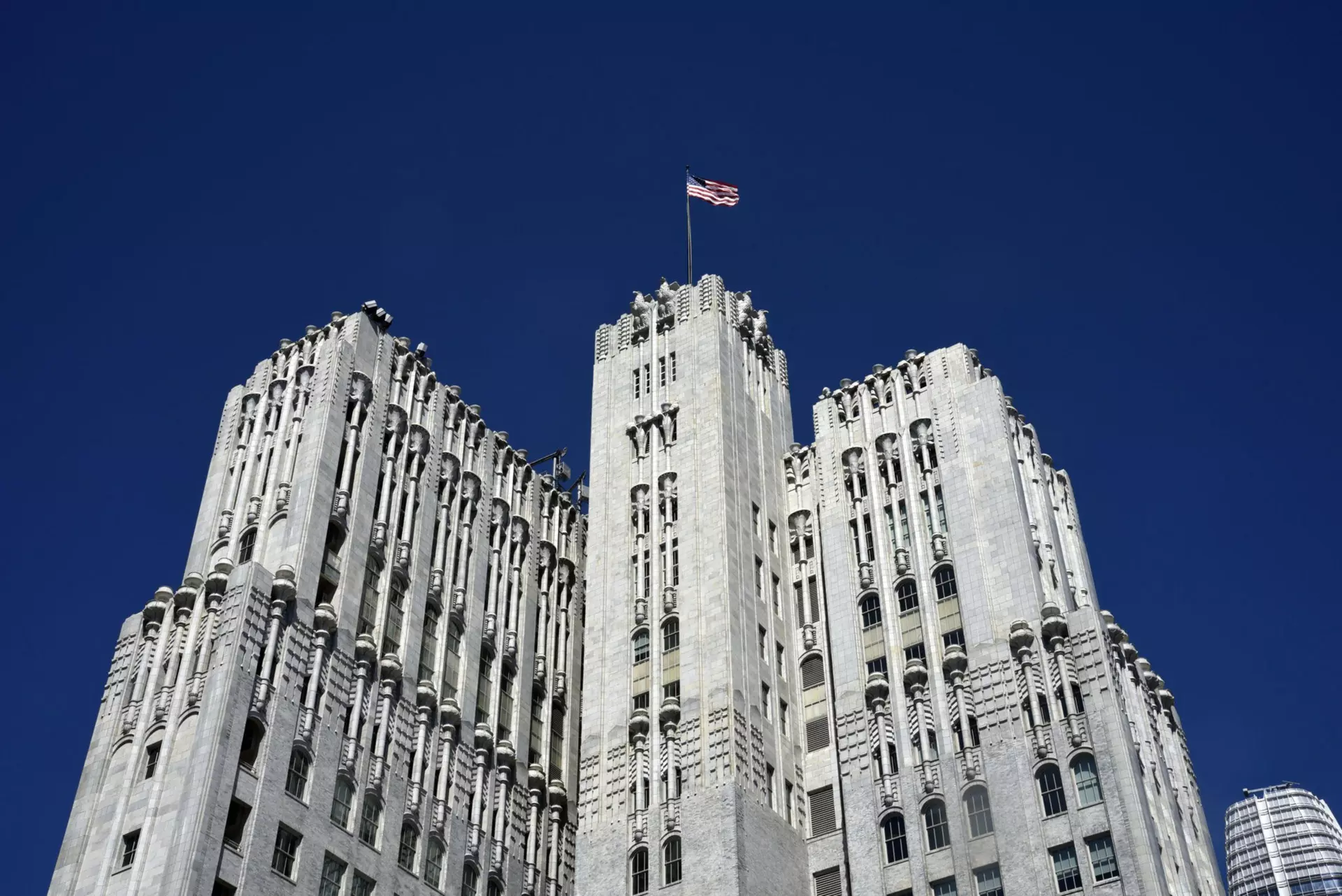
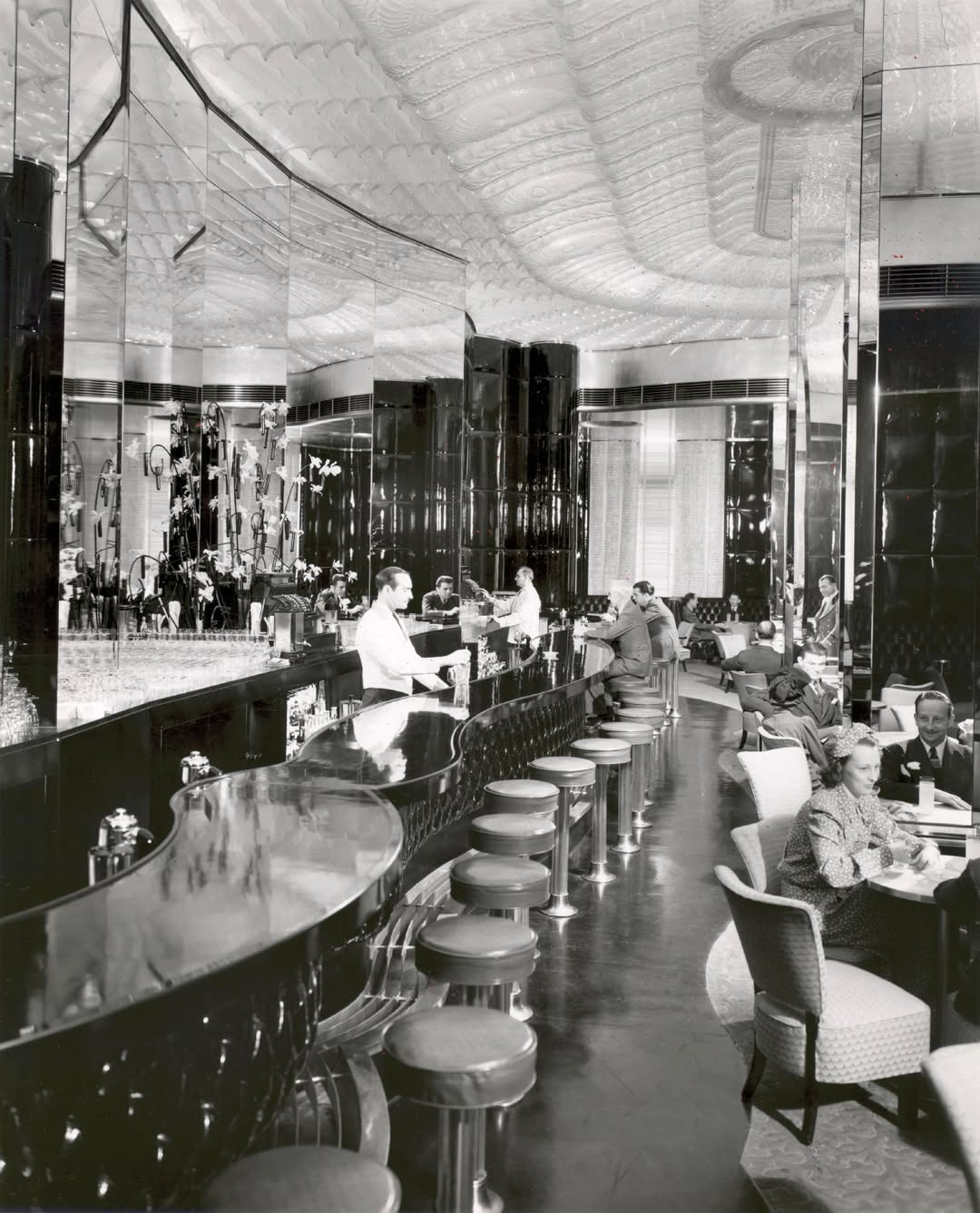
Top: Left: Castro Theatre, San Francisco, Middle: Lobby, 140 New Montgomery, San Francisco, Right: Paramount Theatre auditorium, Oakland. Bottom: Left: 140 New Montgomery, aerial view, Middle: 140 New Montgomery, Pacific Telephone & Telegraph Company Building, 1925, San Francisco, Right: Patent Leather Bar and Orchid Room at the St. Francis Hotel in San Francisco
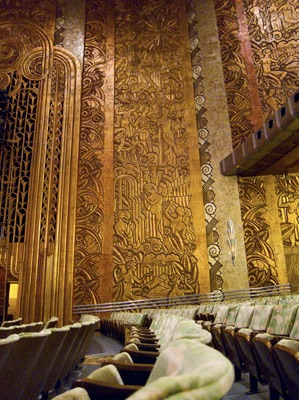
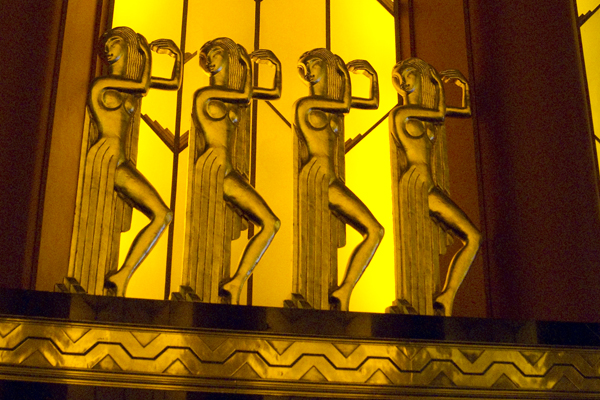
Rather than breaking new ground with wholly original forms, Pflueger captured the spirit of the times and refined it, adding a distinct personal flair. He demonstrated facility across many styles, including Art Deco, Streamline Moderne, neo-Mayan, Beaux-Arts, Mission Revival, Neoclassical, and International. His movie palaces were eclectic assemblages that drew freely from Moorish, Egyptian, Aztec, and Spanish Baroque traditions, often combining several within a single building. He was also a pioneer in architectural lighting design, receiving two patents in 1934 for his indirect ceiling grid and thin metal panel techniques.
Key Influences
- Art Deco in California: His skyscrapers and commercial buildings established Art Deco as a defining architectural language for San Francisco’s built environment.
- Movie Palace Design: His theaters, from the Castro to the Paramount, set a standard for cinematic architecture that blended global decorative traditions with modern construction techniques.
- Architectural Lighting Innovation: His patented indirect lighting systems influenced how architects approached the integration of light and spatial design in public interiors.
- Artist-Architect Collaboration: His practice of involving fine artists from the earliest stages of a project created a model for interdisciplinary collaboration in American architecture.
- Urban Infrastructure as Design: His consulting work on the Bay Bridge and the Golden Gate International Exposition expanded the architect’s role into large-scale civic planning and public experience.
If you are interested in further stories of the artists who shaped Art Deco, return to our artists page to browse the full directory.
Related Products