
Art & Statues
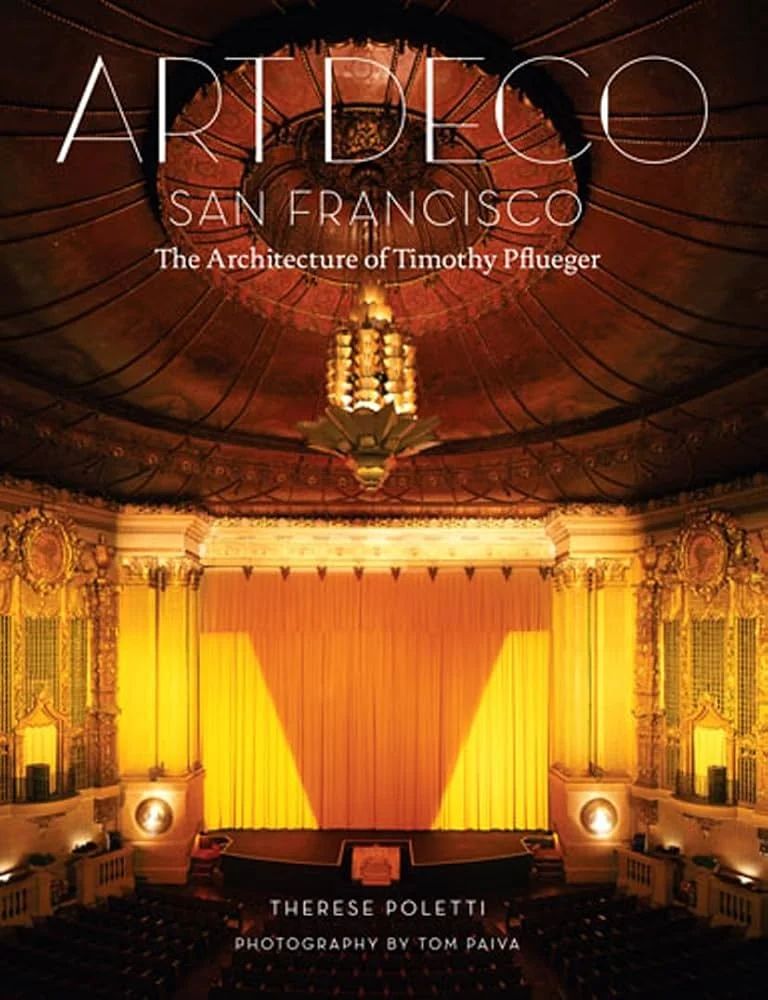


Art Deco San Francisco- the work of Timothy Pflueger
Art Deco San Francisco- the work of Timothy Pflueger
by Therese Poletti
240 pages in color and black and white
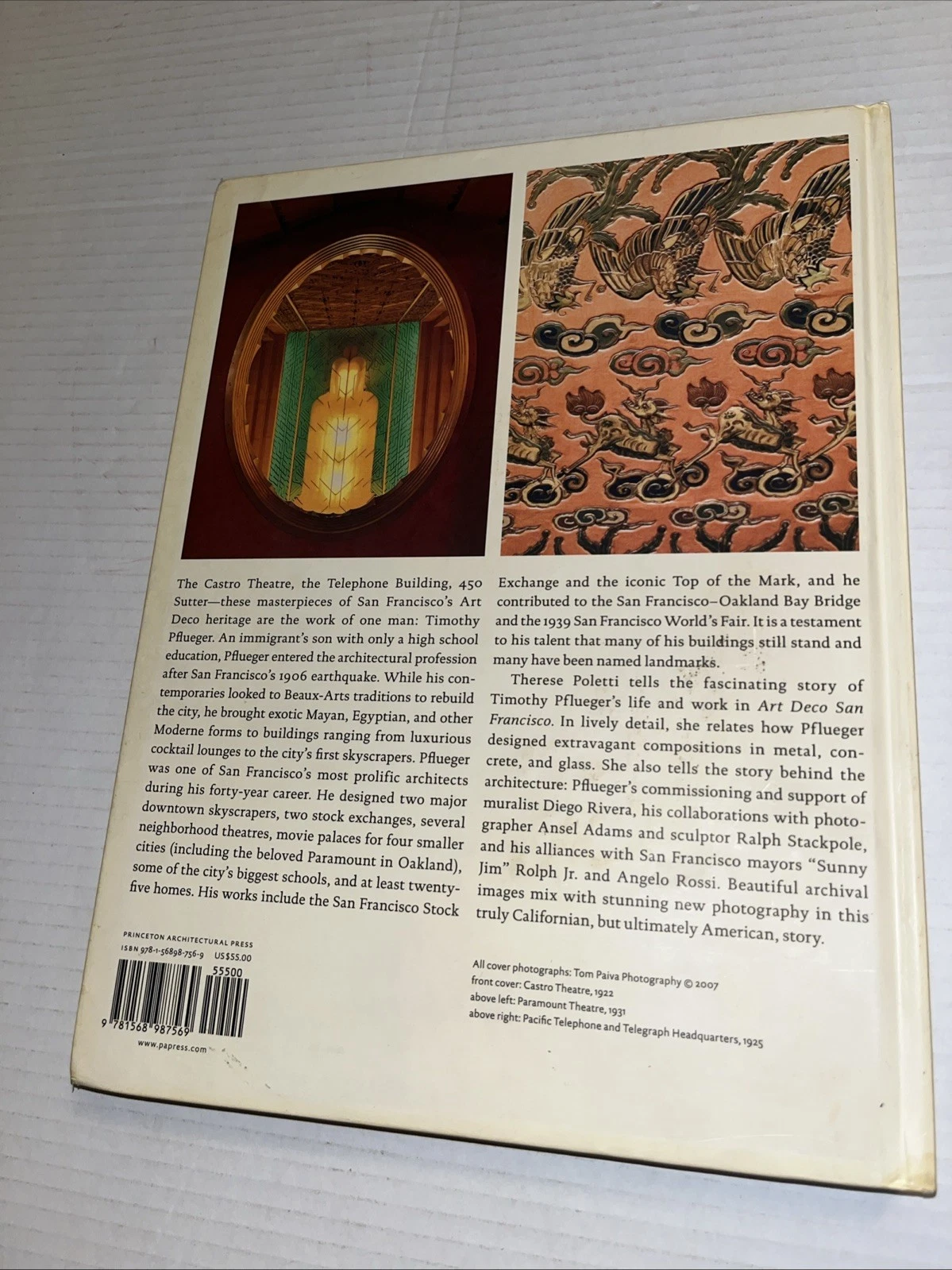
Timothy Pflüger designed some of the most spectacular Art Deco Buildings in the world, and all of them are in San Francisco/Oakland.
His most famous are the Paramount Theater in Oakland, The 450 Sutter Building in San Francisco, the Bell Telephone Building.
A wonderful book we highly recommend
Therese Poletti is the Preservation Director for the Art Deco Society of California
Written by Therese Poletti with photography by Tom Paiva, this book documents the career of Timothy Pflueger, the architect behind some of San Francisco's most recognizable Art Deco buildings. Published by Princeton Architectural Press in 2008, it covers landmarks including the Castro Theatre, the Pacific Telephone Building, and the Paramount Theatre in Oakland, pairing Poletti's research with Paiva's detailed photography of interiors and exteriors alike. The book positions Pflueger as one of the defining architects of Art Deco on the West Coast.
Timothy Pflueger left an outsized mark on the San Francisco Bay Area's skyline during the 1920s and 1930s, designing theaters, office towers, and civic buildings that brought the full vocabulary of Art Deco to the West Coast. Poletti traces his career from early commissions through his most celebrated works, showing how he adapted the style's geometric ornament and dramatic massing to buildings that ranged from movie palaces to corporate headquarters. The book gives particular attention to the Castro Theatre, whose ornate interior appears on the cover, as an example of how thoroughly Pflueger integrated architecture, decoration, and theatrical spectacle.
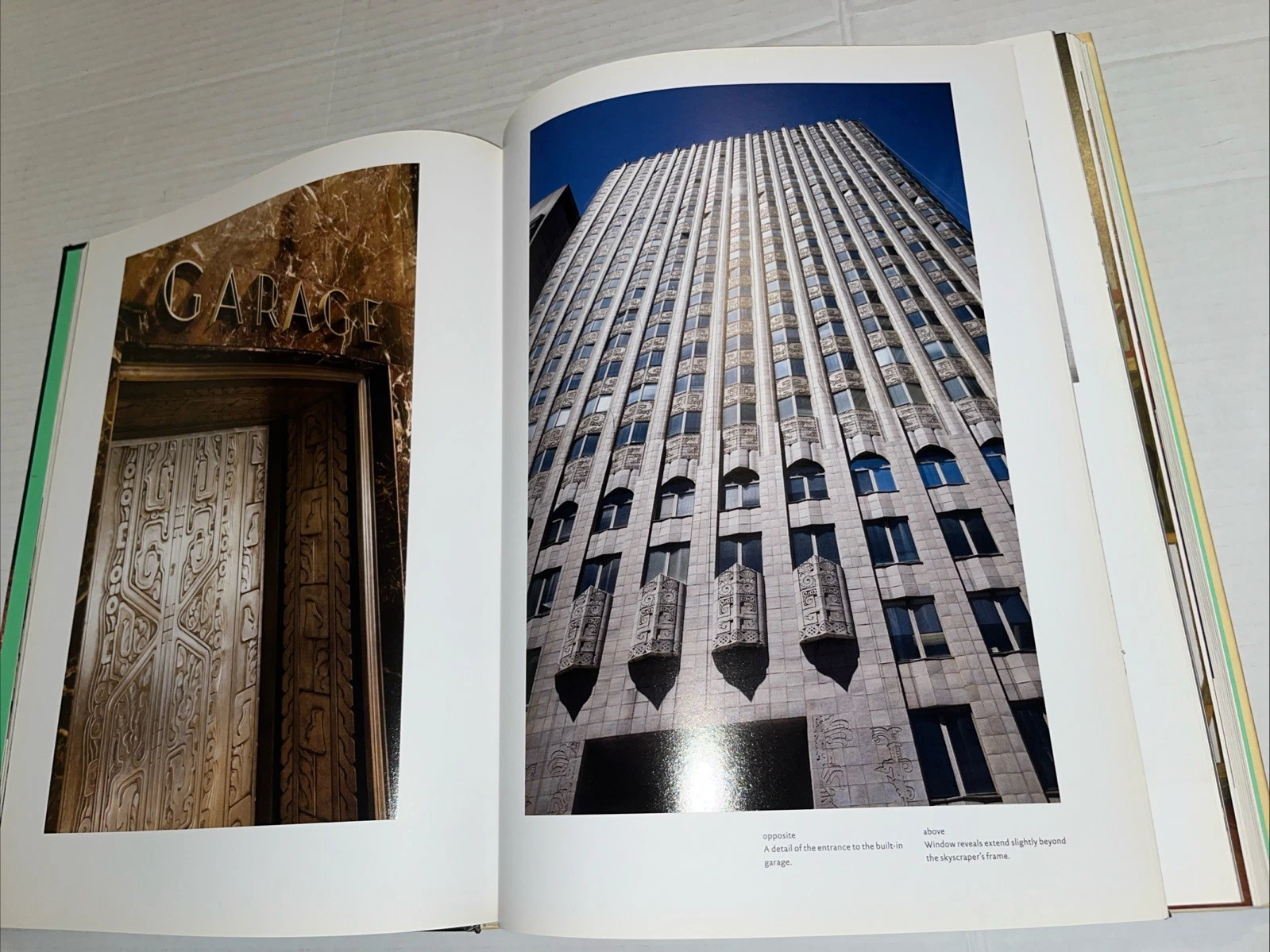
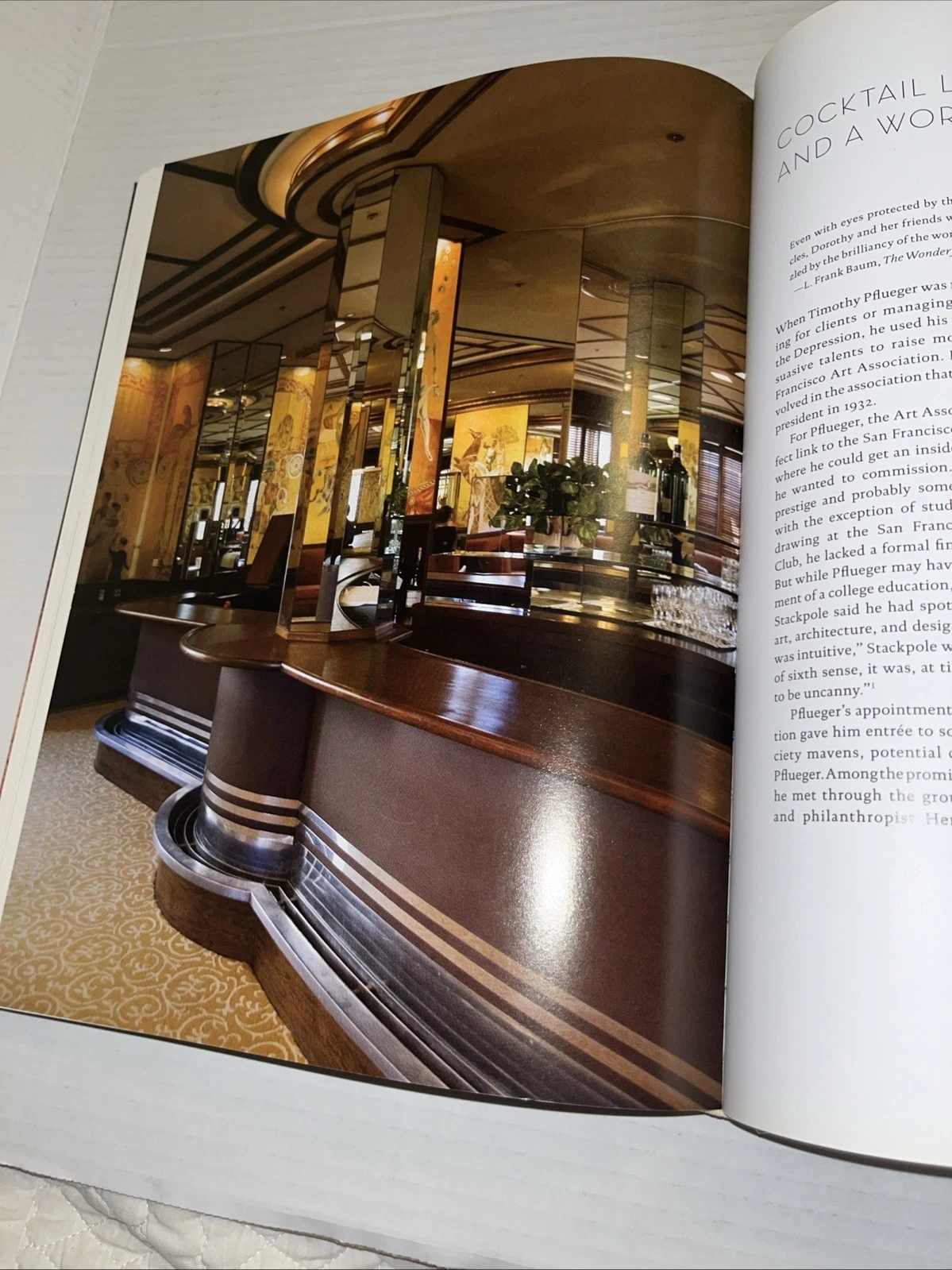
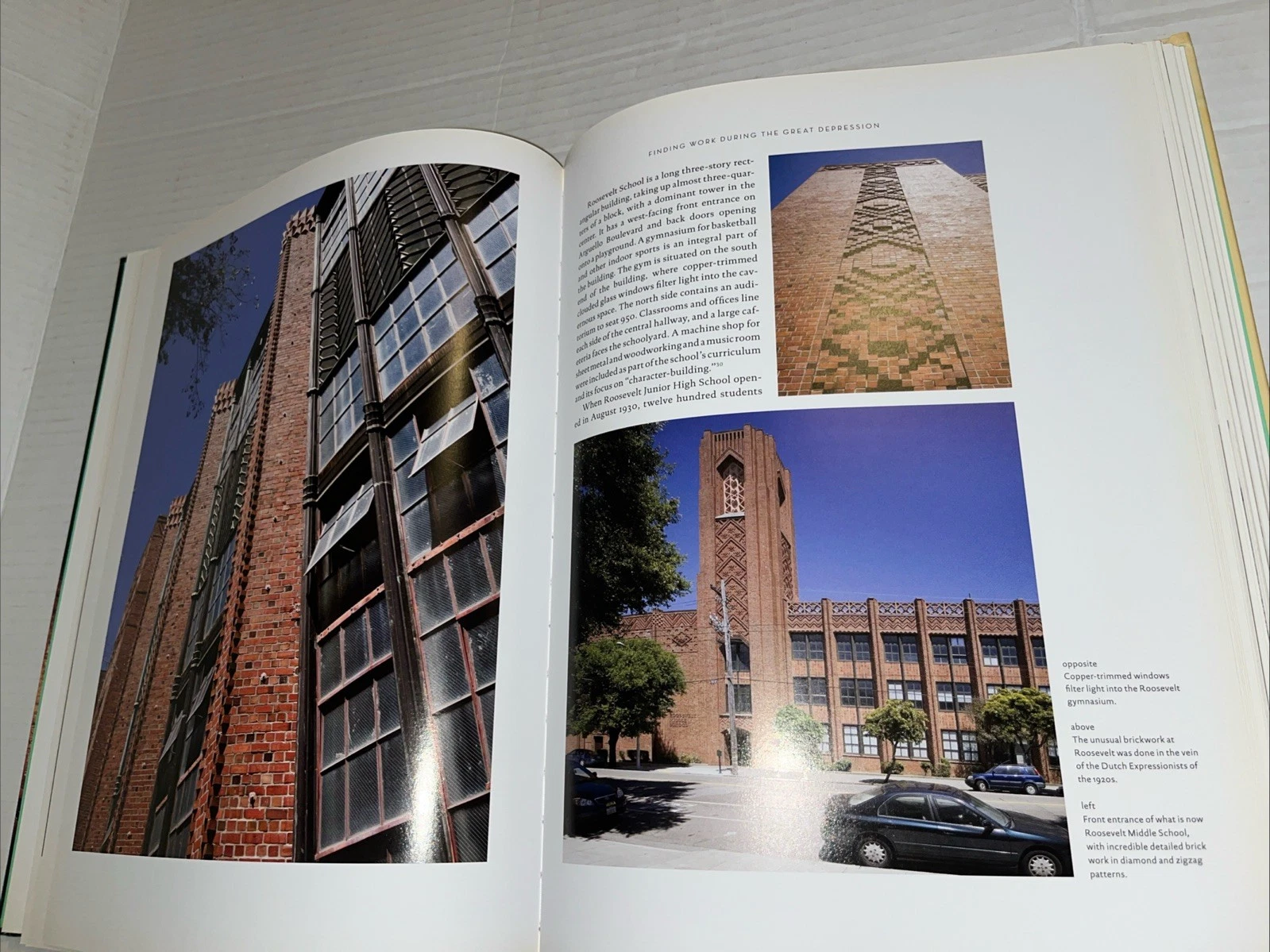
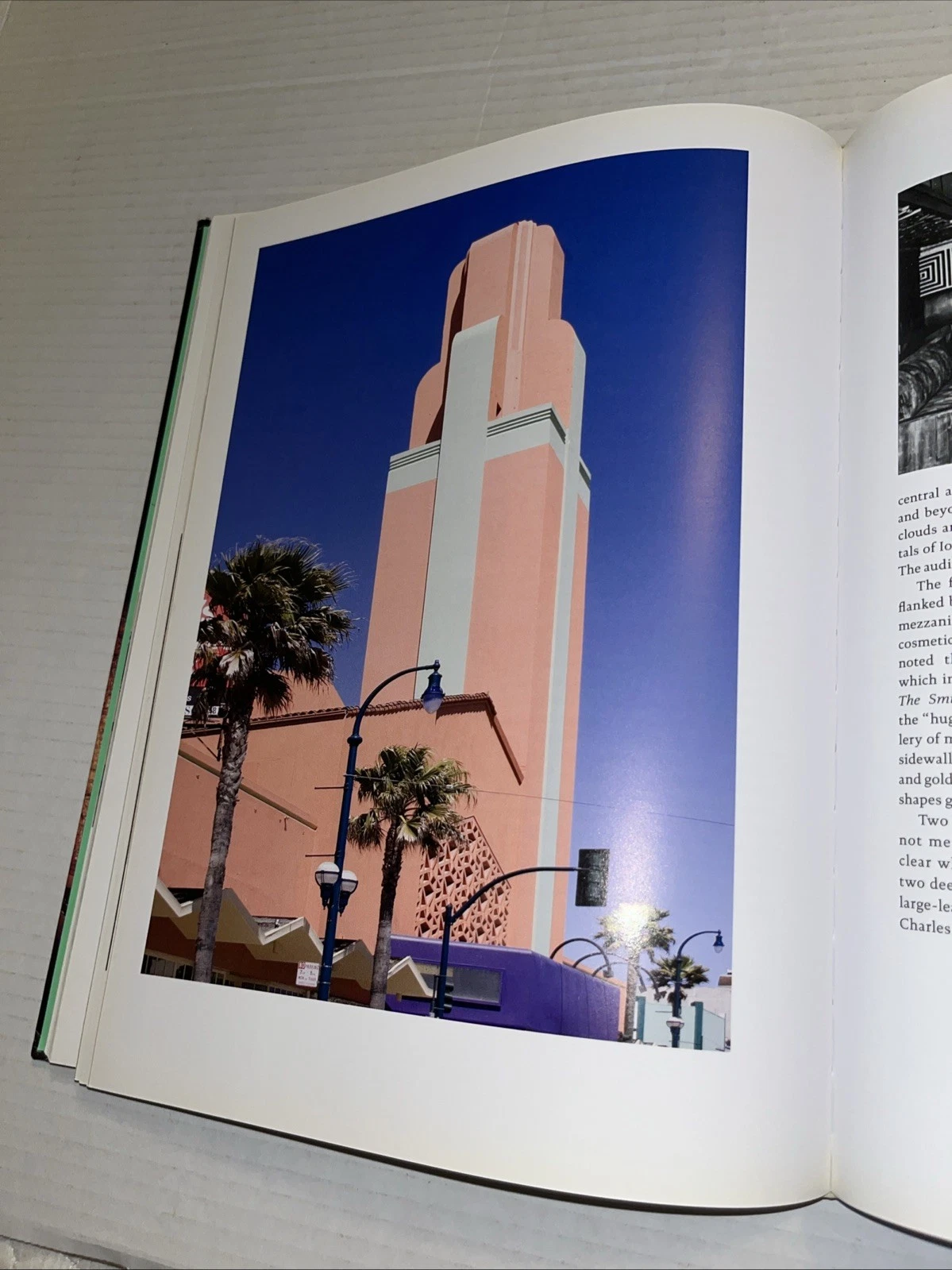
Tom Paiva's photography captures both grand public spaces and the smaller decorative details that define Pflueger's work, from elaborate plasterwork ceilings to the streamlined exteriors of his commercial buildings. The Pacific Telephone Building, one of San Francisco's earliest Art Deco skyscrapers, receives extended coverage, alongside the Paramount Theatre in Oakland, a movie palace whose scale and ornament rival any Art Deco theater built during the period. Together the images and text show how Pflueger's buildings functioned within the broader context of the growing Bay Area during these decades.
For readers interested in regional architectural history, this book fills an important gap, since much writing on American Art Deco architecture centers on New York and other East Coast cities. Poletti's research situates Pflueger within a specifically San Francisco context, tracing how local politics, geography, and economic growth shaped the commissions he received. The result is both a study of one architect's body of work and a portrait of a city's architectural identity during the Art Deco era.

info@artdecocollection.com