


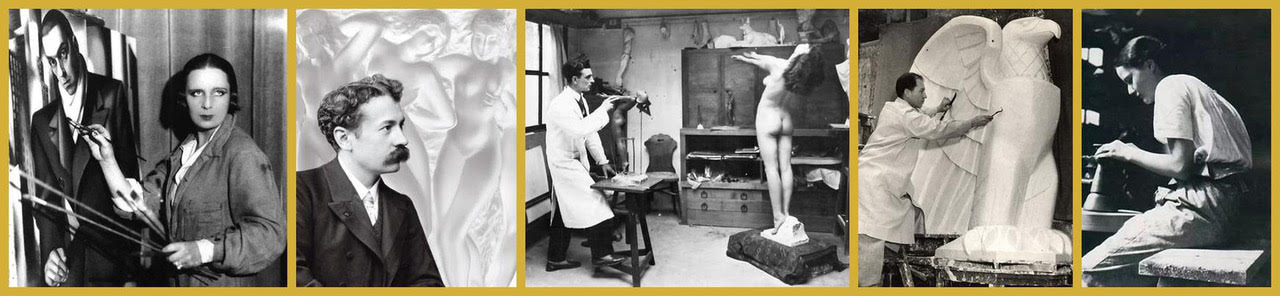
Serge Chermayeff
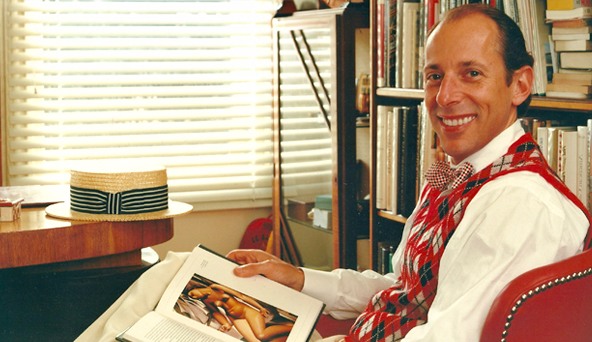
Serge Ivan Chermayeff was born Sergei Ivanovich Issakovich on October 8, 1900, in Grozny, in the Russian Empire, into a wealthy Jewish family. He emigrated with his family to Great Britain around 1910 and was educated at Harrow School before his family lost their fortune during the Russian Revolution. Between about 1922 and 1925 he studied art and architecture across Germany, Austria, France, and the Netherlands, and worked in Argentina before returning to London. He changed his name to Serge Chermayeff in 1924, following his father’s death, and became a British citizen in 1928. He began his career as an interior designer for the London firm of Waring and Gillow, where the French designer Paul Follot also worked. He became a naturalized American citizen in 1946. His son Ivan Chermayeff became a prominent graphic designer and co-founder of Chermayeff and Geismar, while his son Peter Chermayeff established an acclaimed architectural practice specializing in aquarium design. Serge Chermayeff died on May 8, 1996, in Wellfleet, Massachusetts, at the age of 95.
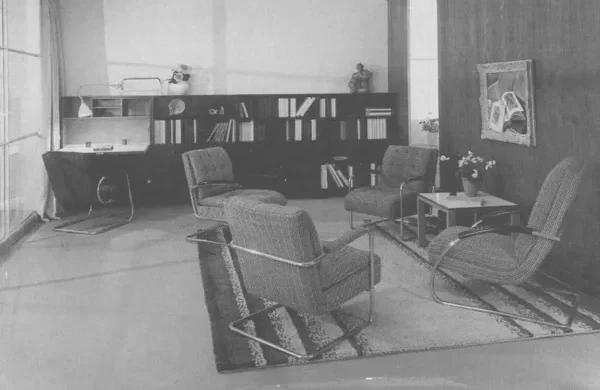
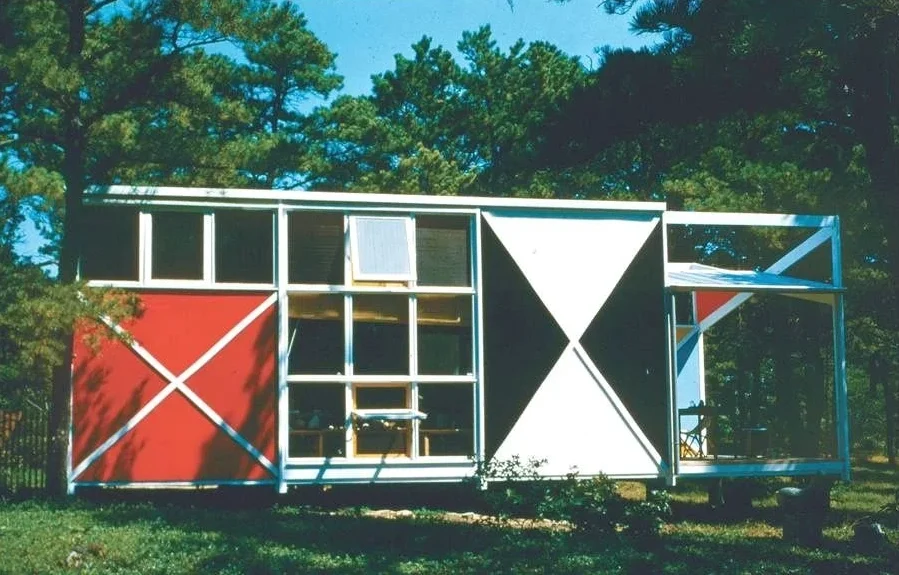
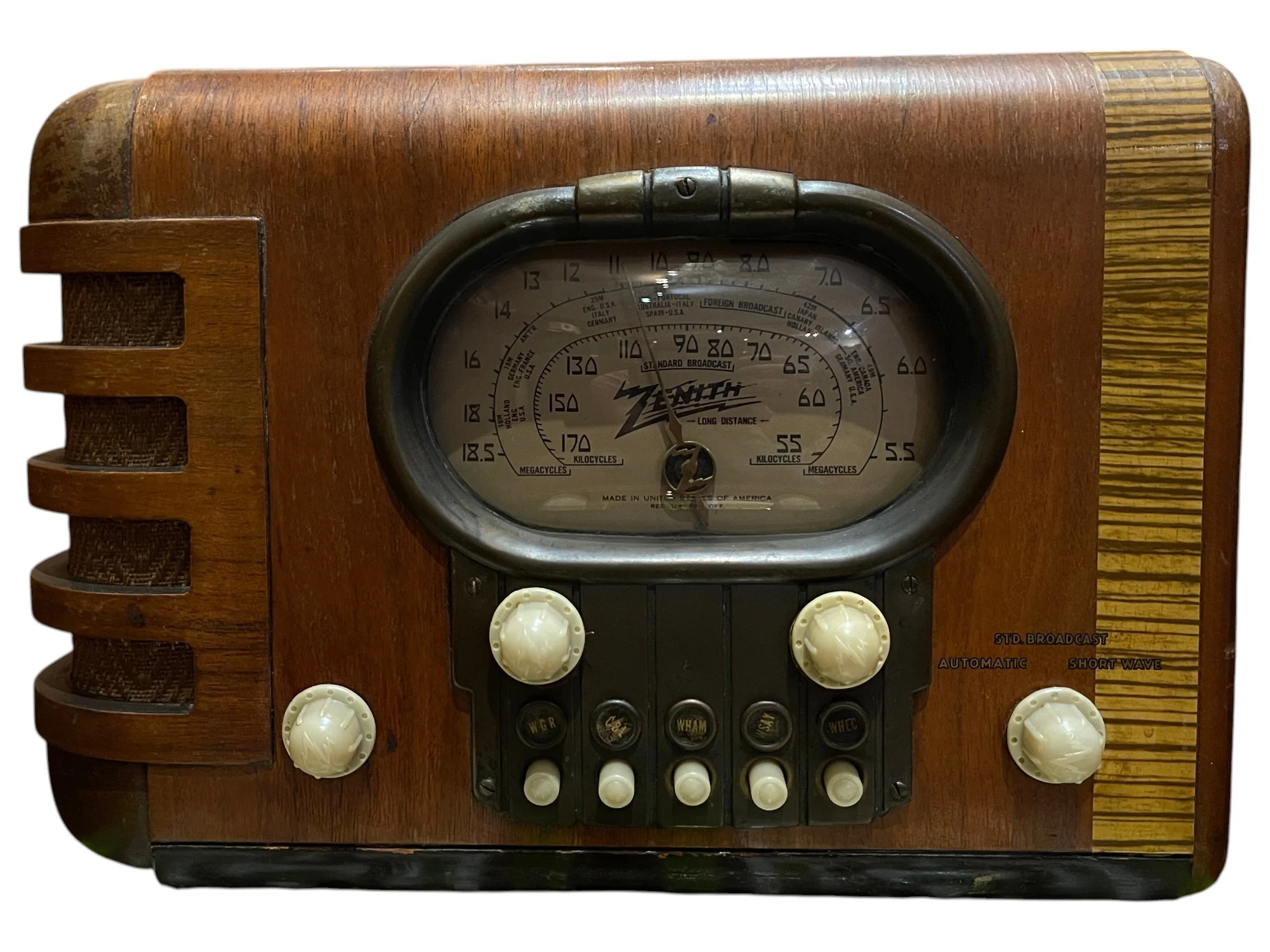
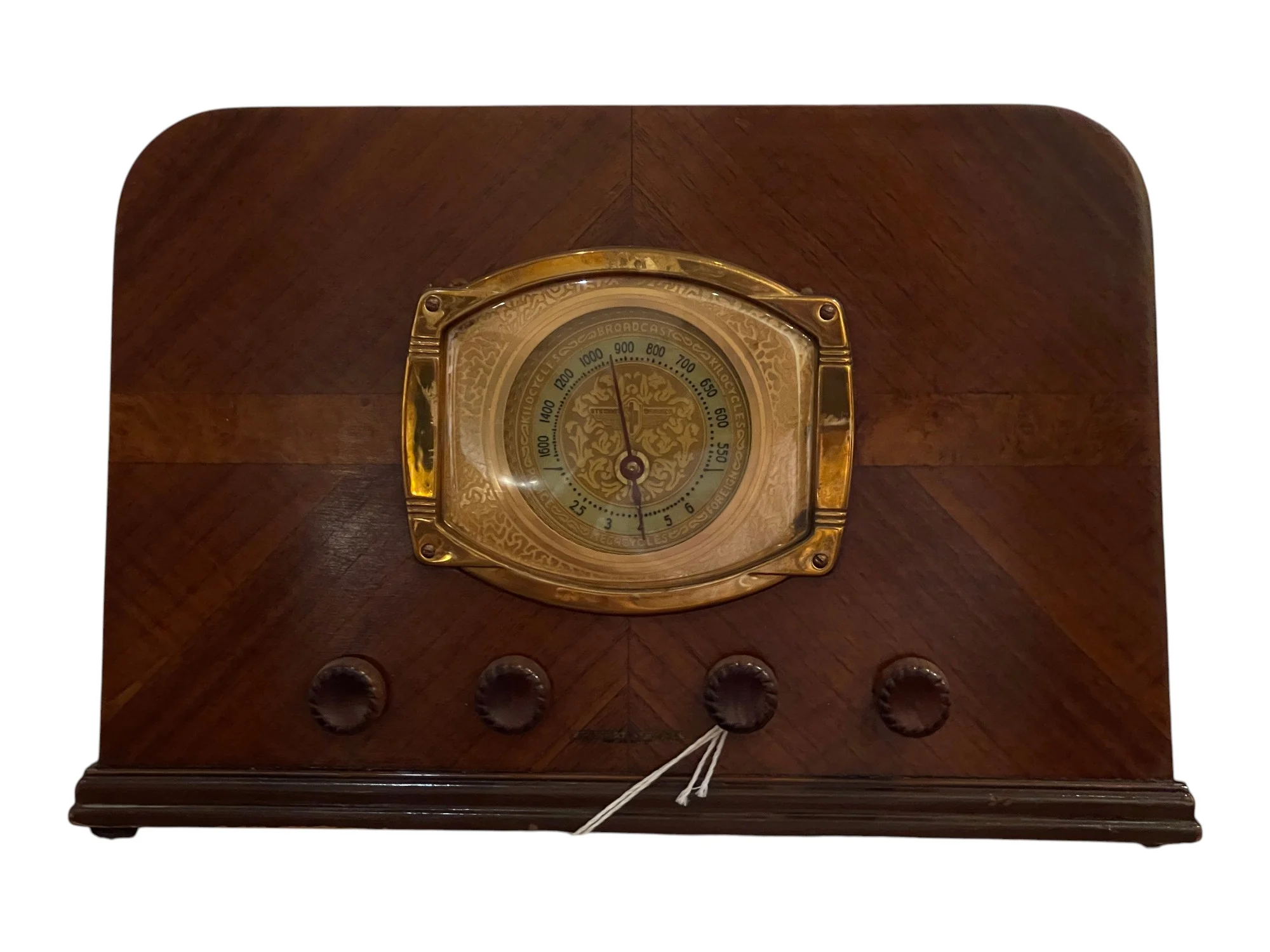
Chermayeff served as chief designer at the London decorating firm E. Williams from 1924 to 1927, then headed the Modern Art Studio at Waring and Gillow from 1928 to 1931, where he pioneered the acceptance of tubular steel furniture in England and organized a landmark 1928 exhibition of French and English furniture. He qualified as an architect in 1928 or 1929 and in 1932 founded the furniture retailer Plan, working closely with German manufacturers Walter Knoll and Franz Schuster before selling the company in 1936. From 1933 to 1936 he partnered with the German émigré architect Erich Mendelsohn, and their collaboration produced some of the most important works of the British Modern Movement, most notably the De La Warr Pavilion in Bexhill-on-Sea, a celebrated seaside cultural building that remains one of the era’s defining structures. Other significant projects included Gilbey House in Camden, Nimmo House in Chalfont St. Giles, and his own residence at Bentley Wood, which was featured in Country Life in 1940. He designed a wide range of industrial products including radios for Ecko, clocks, and carpets. He moved to the United States in 1939 and in 1946, following László Moholy-Nagy’s death, became director of the Institute of Design in Chicago, stepping down in 1951 when the institute merged with the Illinois Institute of Technology. He subsequently taught at Harvard, Yale, and MIT until his retirement in 1970, and authored several influential books including Community and Privacy with Christopher Alexander in 1962.

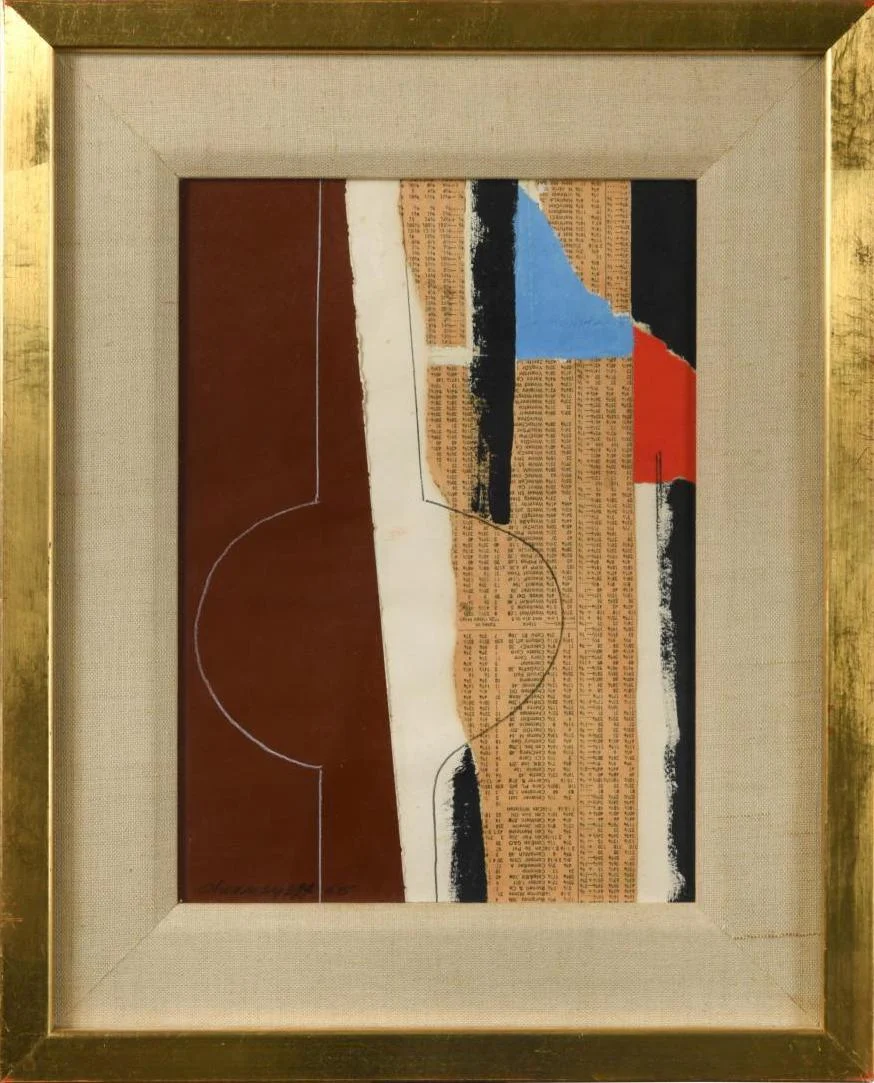

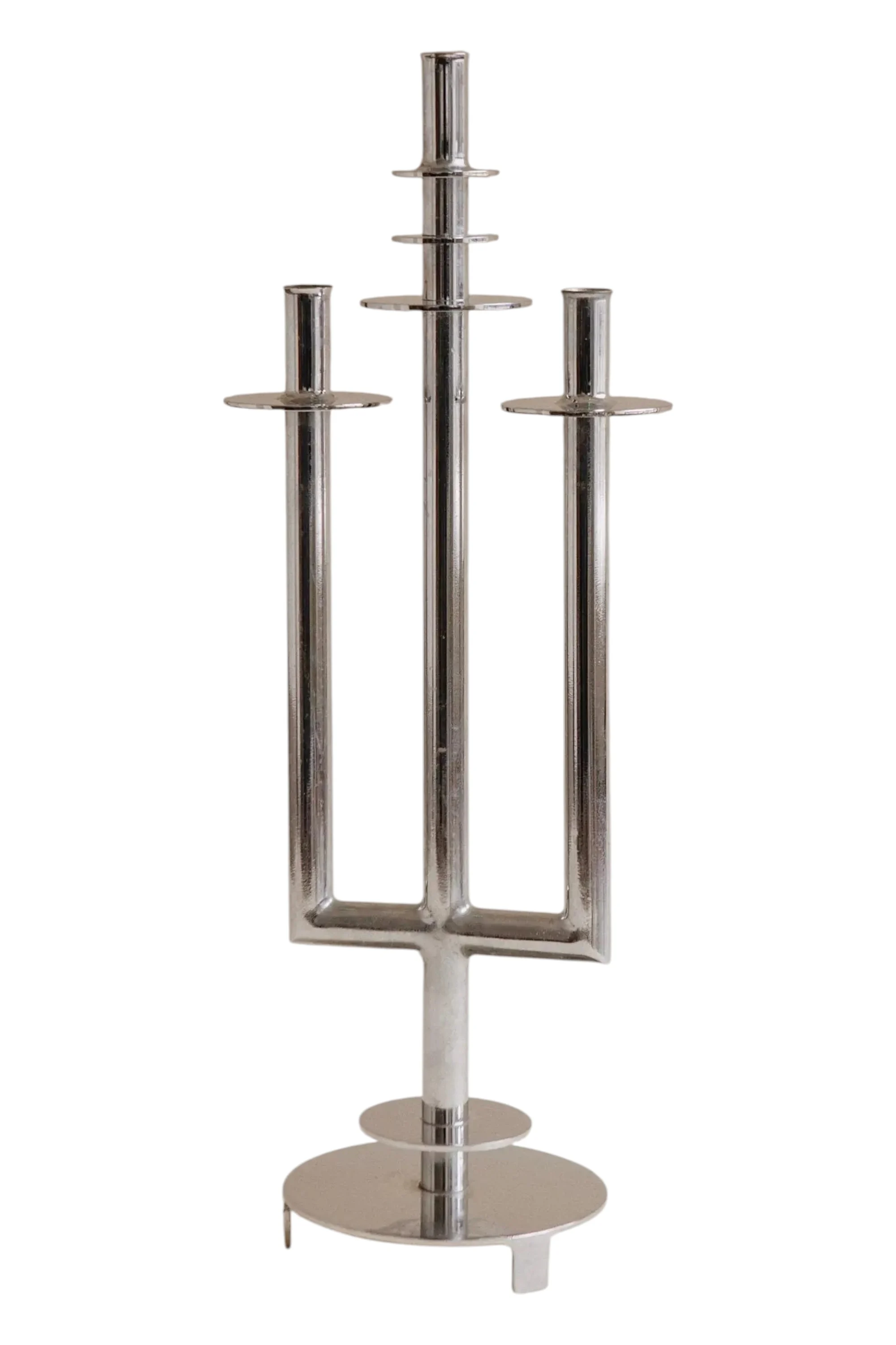

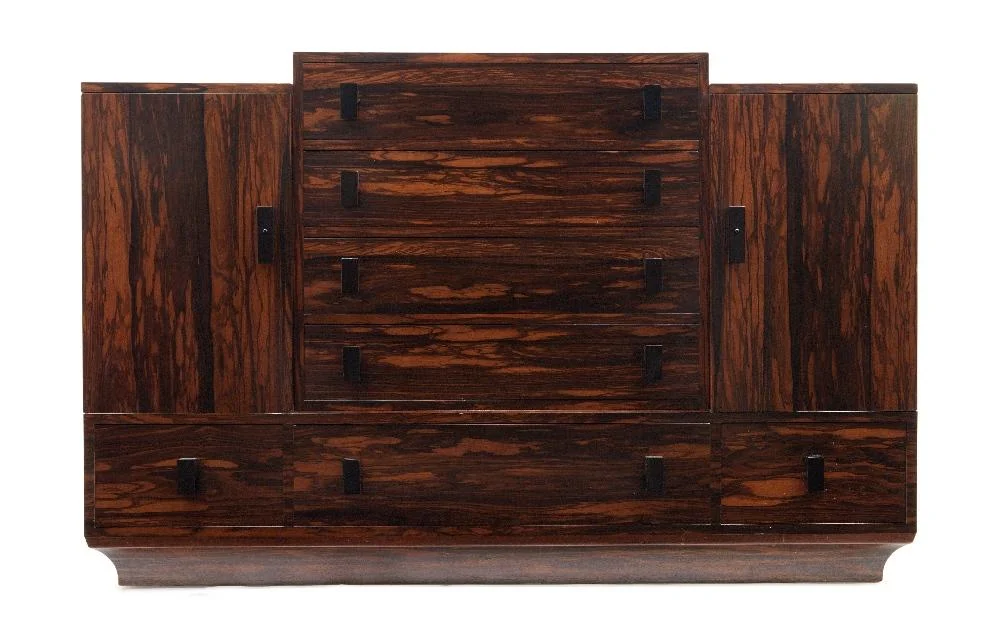
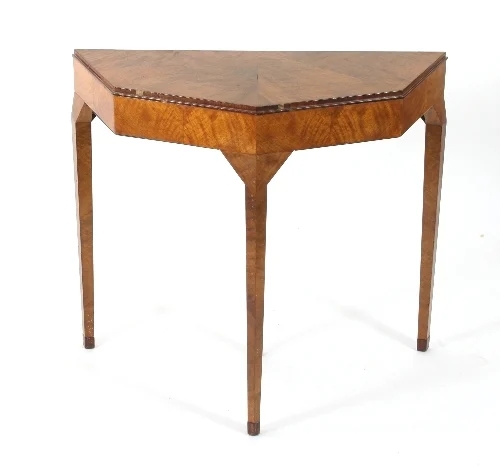
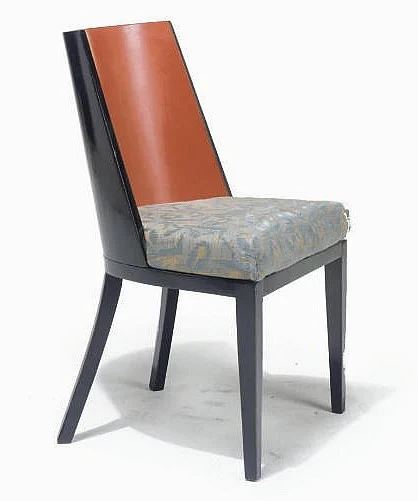
Chermayeff was an early exponent of the International Modern style in Britain, bringing a rigorous geometric sensibility to interiors, furniture, and architecture that broke decisively with prevailing English decorative traditions. His designs of the late 1920s and early 1930s, from tubular steel furniture to all-metal and mirrored bathrooms with lacquered aluminum fixtures, embraced industrial materials with a clarity that anticipated his transition from interior and product design into architecture proper. His partnership with Mendelsohn produced buildings distinguished by sweeping curved forms and structural clarity, epitomized by the De La Warr Pavilion’s dramatic glazed staircase tower.
Key Influences
- De La Warr Pavilion: His collaboration with Erich Mendelsohn on this landmark seaside building remains one of the defining works of British Modernist architecture.
- Tubular Steel Furniture: His work at Waring and Gillow helped introduce industrial materials into mainstream British furniture design at a formative moment for the discipline.
- Institute of Design Chicago: His directorship carried forward the Bauhaus-derived design pedagogy established by Moholy-Nagy, shaping American design education in the postwar decades.
- Design Writing: His books on architecture, community, and privacy influenced how postwar architects and planners thought about the relationship between design and human behavior.
- Transatlantic Modernism: His career bridging Britain and the United States helped transmit European modernist principles to American architectural education and practice.
If you are interested in further stories of the artists who shaped Art Deco, return to our artists page to browse the full directory.

Related Products from ArtDecoCollection.com