
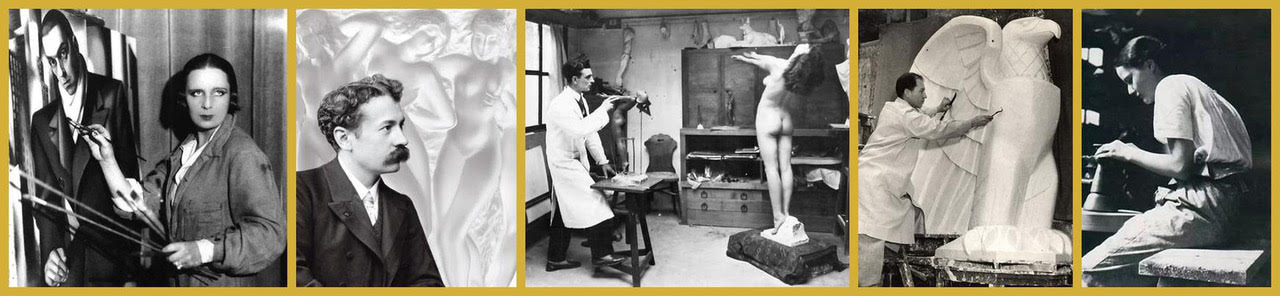
René Buthaud
René Buthaud was born in Saintes on December 14, 1886, and trained first in Bordeaux before continuing his studies in Paris at the École Nationale des Arts Décoratifs and the École des Beaux Arts from 1909 to 1914. His early formation was rooted in painting and intaglio engraving, disciplines that shaped his later sensitivity to line, surface, and tonal control. In 1914, he earned the second Grand Prix de Rome in engraving, a recognition that placed him within the classical French fine arts tradition at the very moment Europe entered war. Mobilized from 1914 to 1918, he returned with a widened sense of purpose and turned increasingly toward the decorative arts. After the war, he shifted his attention to ceramics and began a long period of technical research that would define his career. He exhibited at major Paris Salons, including the Salon d’Automne and the Salon des Artistes Décorateurs, building a reputation that bridged fine art credibility and applied design. In 1920, he received the Blumenthal Prize, confirming his standing among the leading decorative artists of the early interwar period.
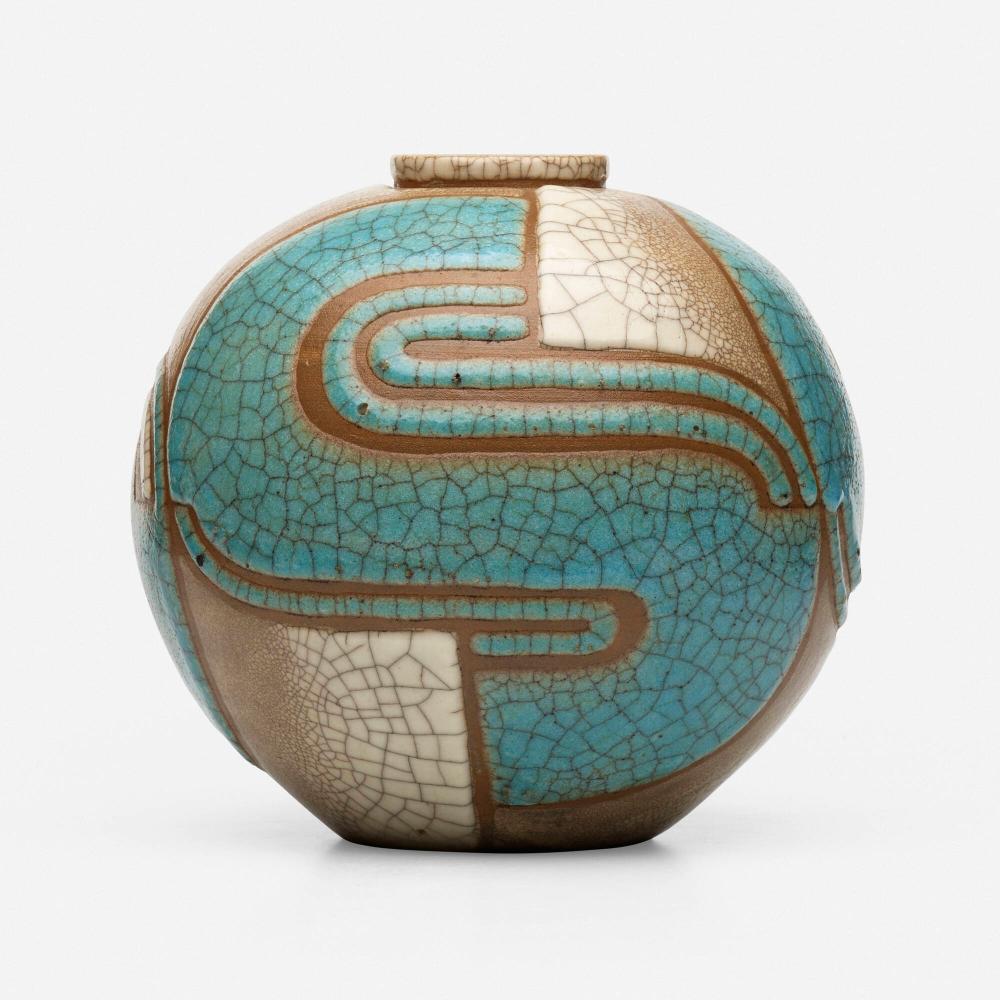
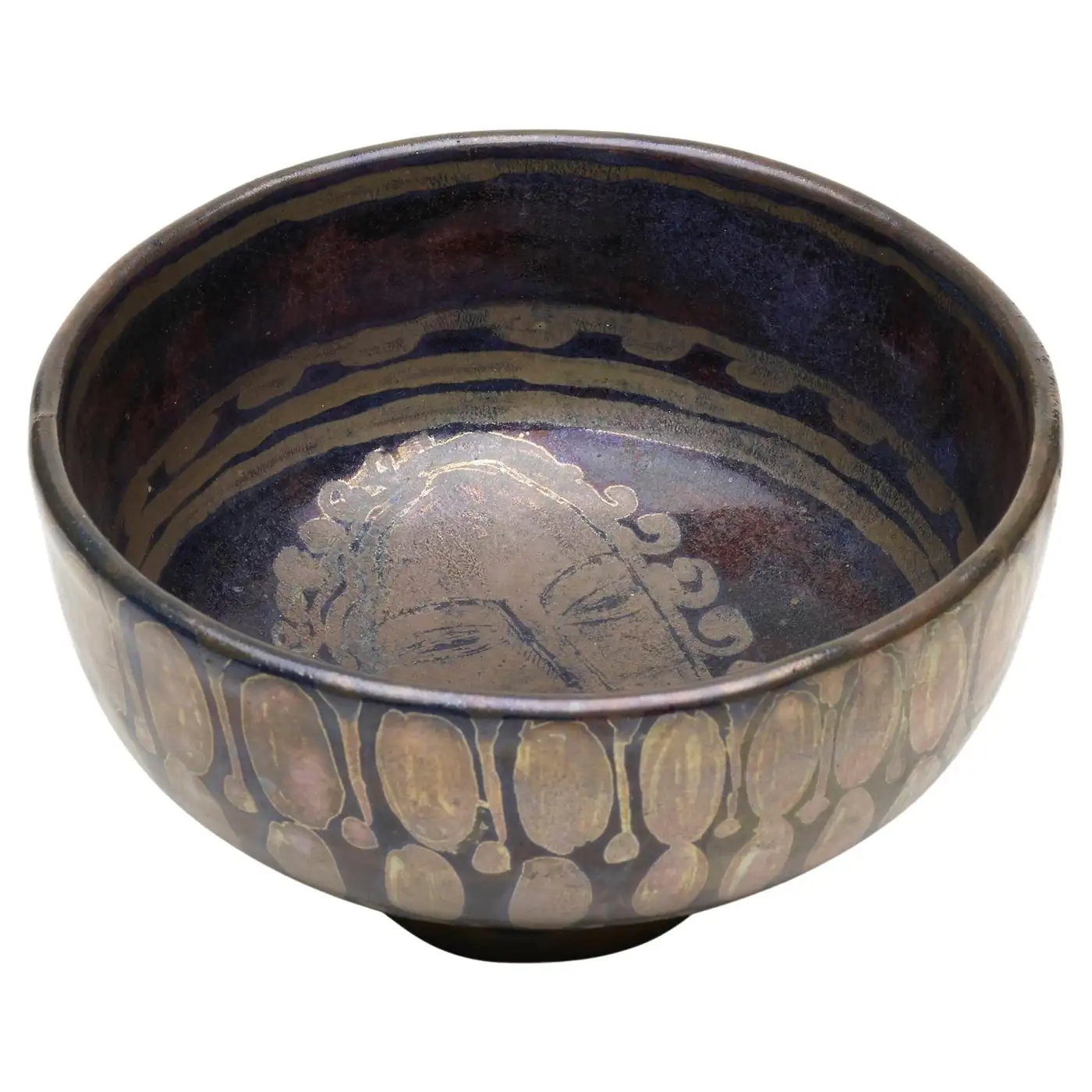
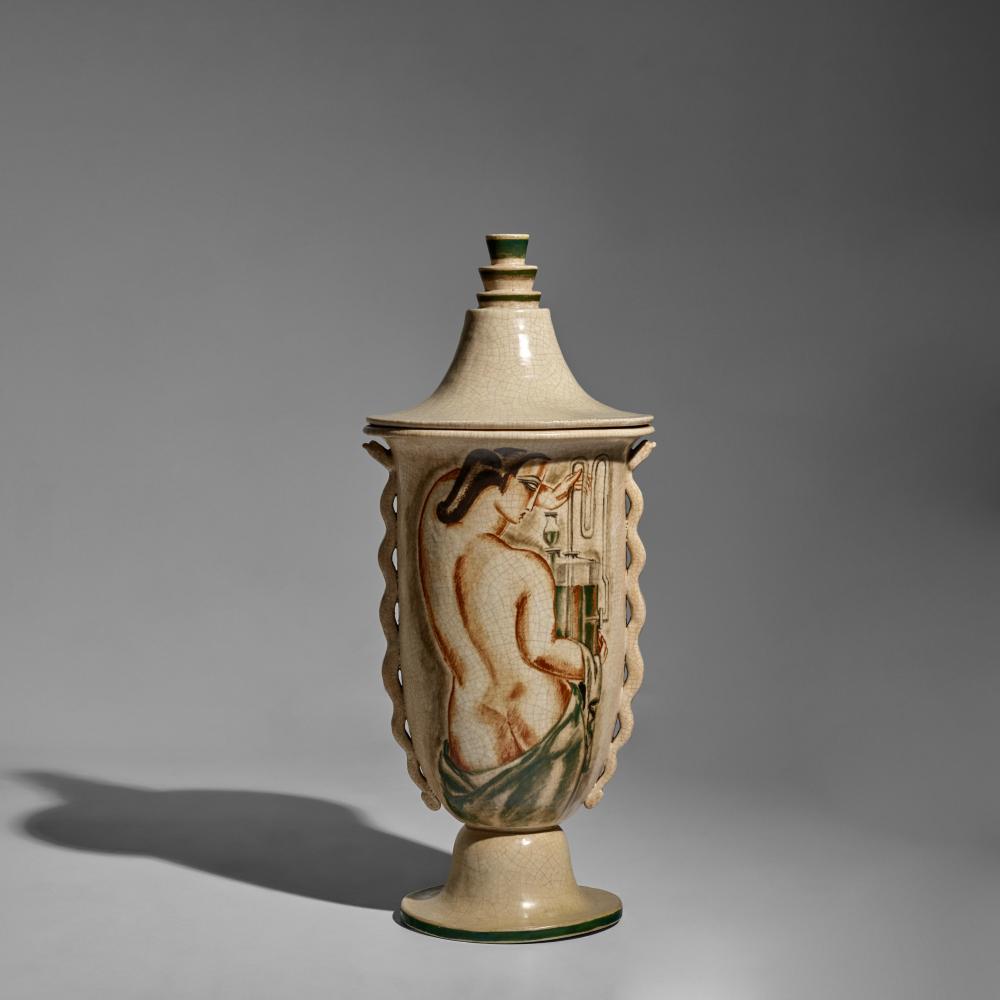
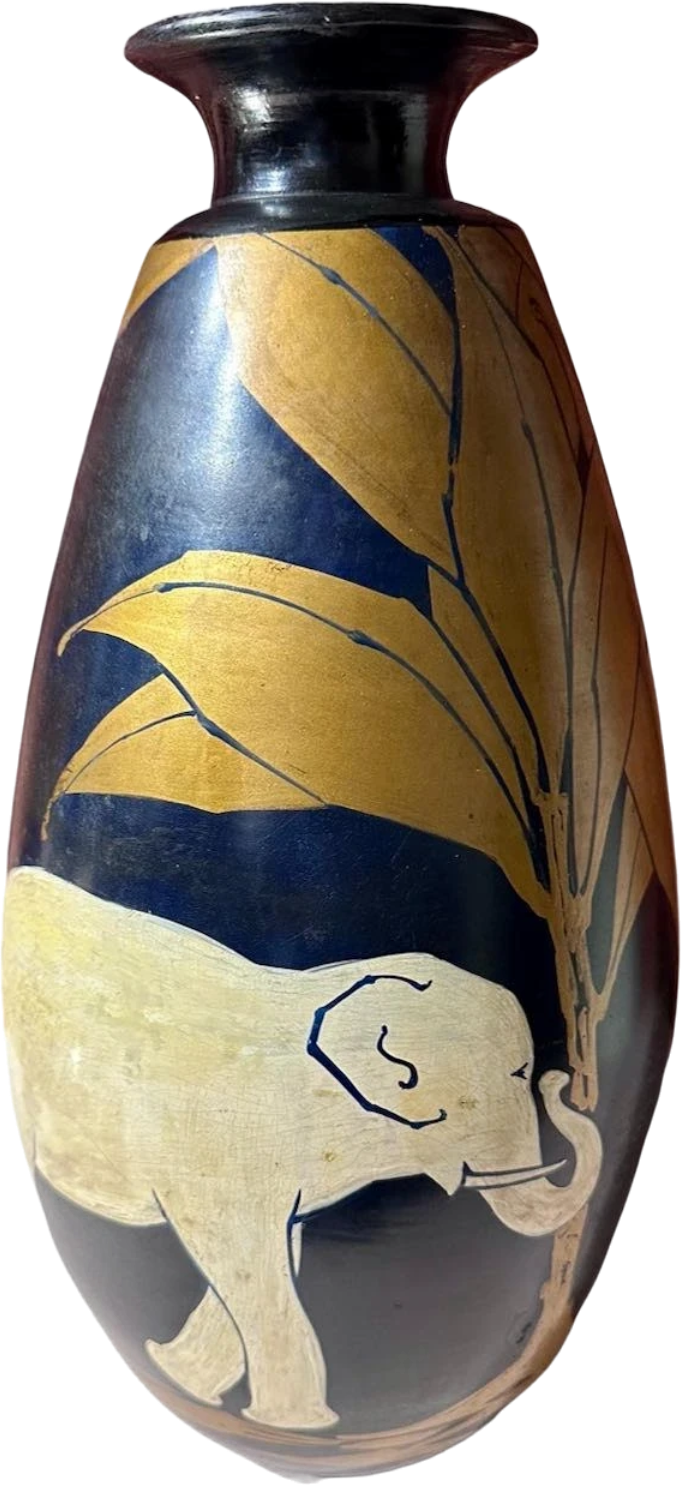
Buthaud’s Art Deco identity emerged through ceramics that treat the vase as a sculptural volume and as a painted surface at once. He developed a distinctive approach in which figures, mythic scenes, and patterned compositions wrap around ovoid and bulbous forms with a strong sense of rhythm and balance. While he admired older Chinese ceramics and valued the freshness of folk traditions, he also drew energy from modern graphic simplification and the era’s fascination with the female figure. From 1924 to 1926, he directed the ceramics factory for Atelier Primavera in Touraine, helping shape a refined yet modern production language. In 1925, he participated in the International Exhibition of Decorative Arts outside the competition and served on the jury, a sign of his authority within the field. Beginning in 1928, his work was shown in an ongoing way at the Rouard Gallery, keeping his ceramics visible in the Paris market for decades. He also executed major civic commissions in Bordeaux, including monumental mosaic vases for the municipal stadium and decorative elements for public buildings, proving his range beyond studio pottery. His works entered important museum collections in France and abroad, and he was named a Knight of the Legion of Honor in 1937.
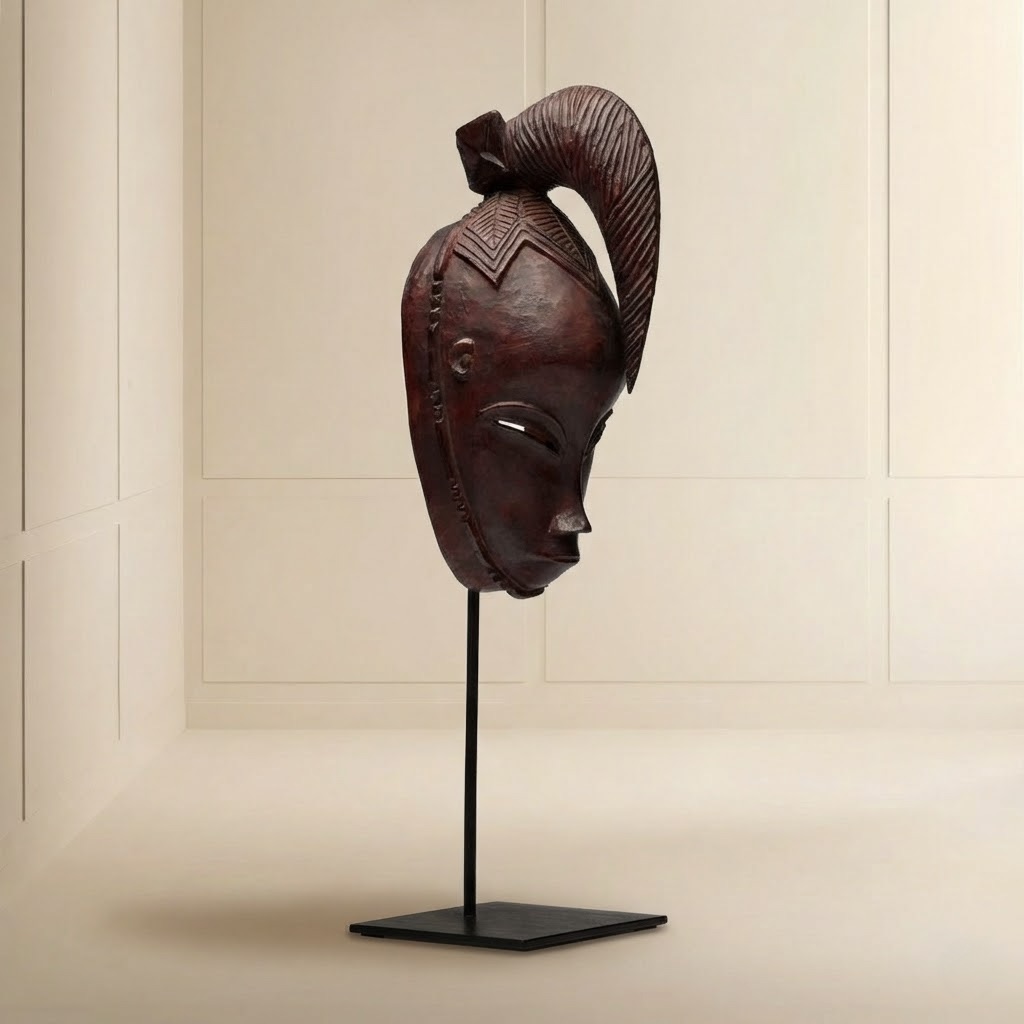
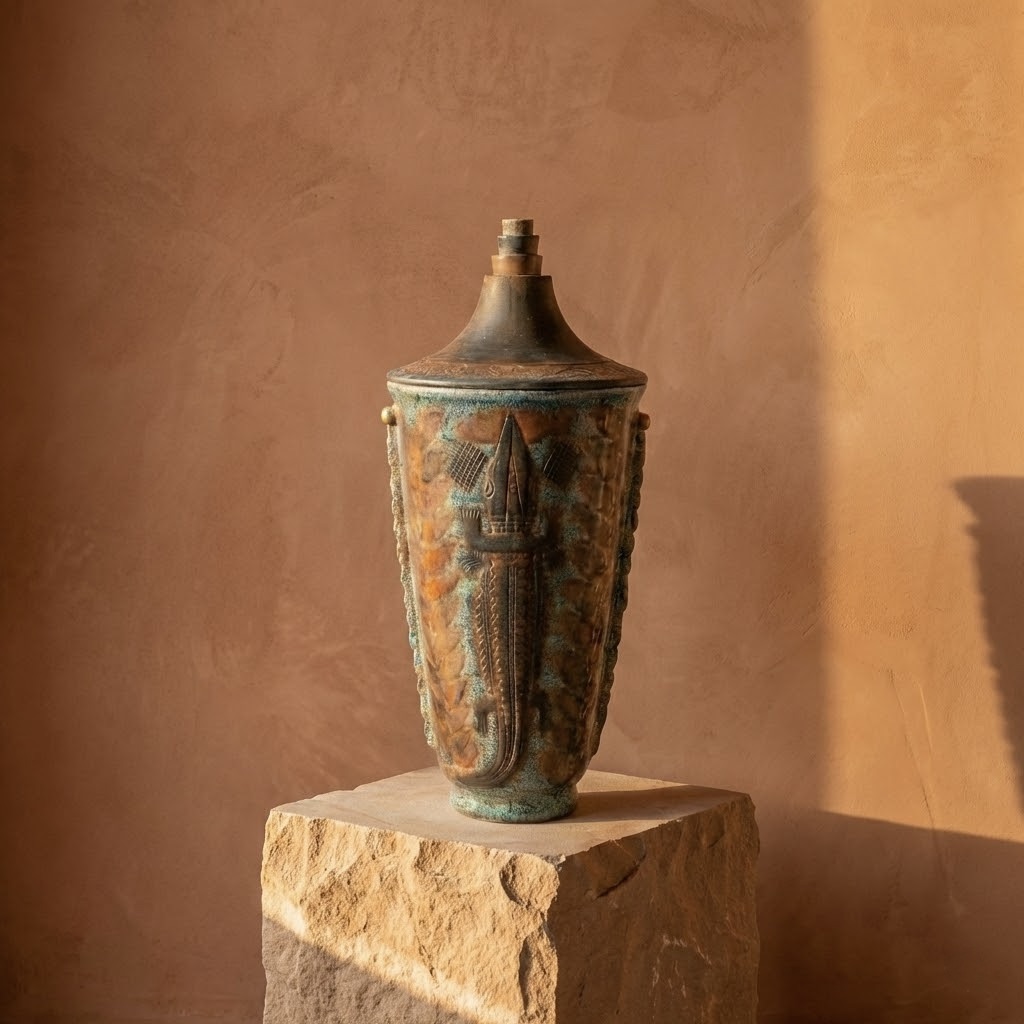
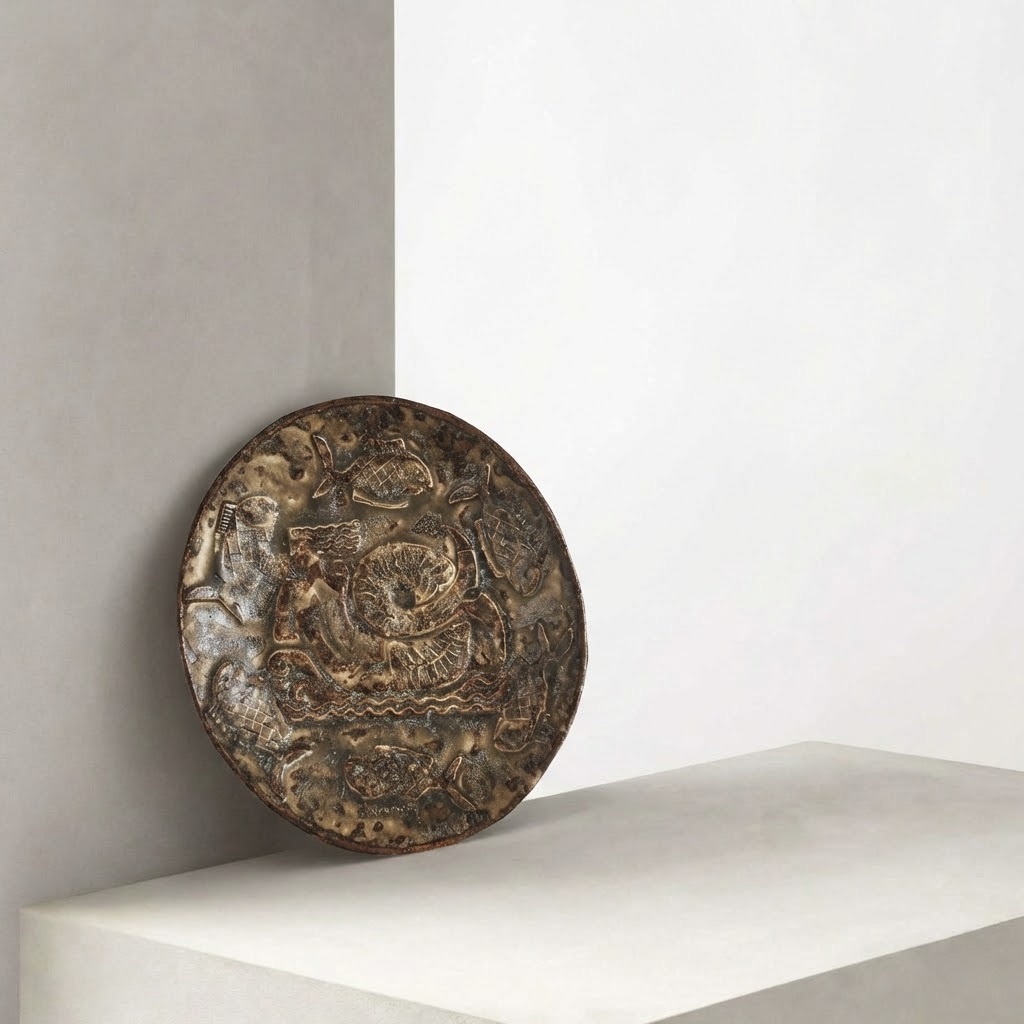
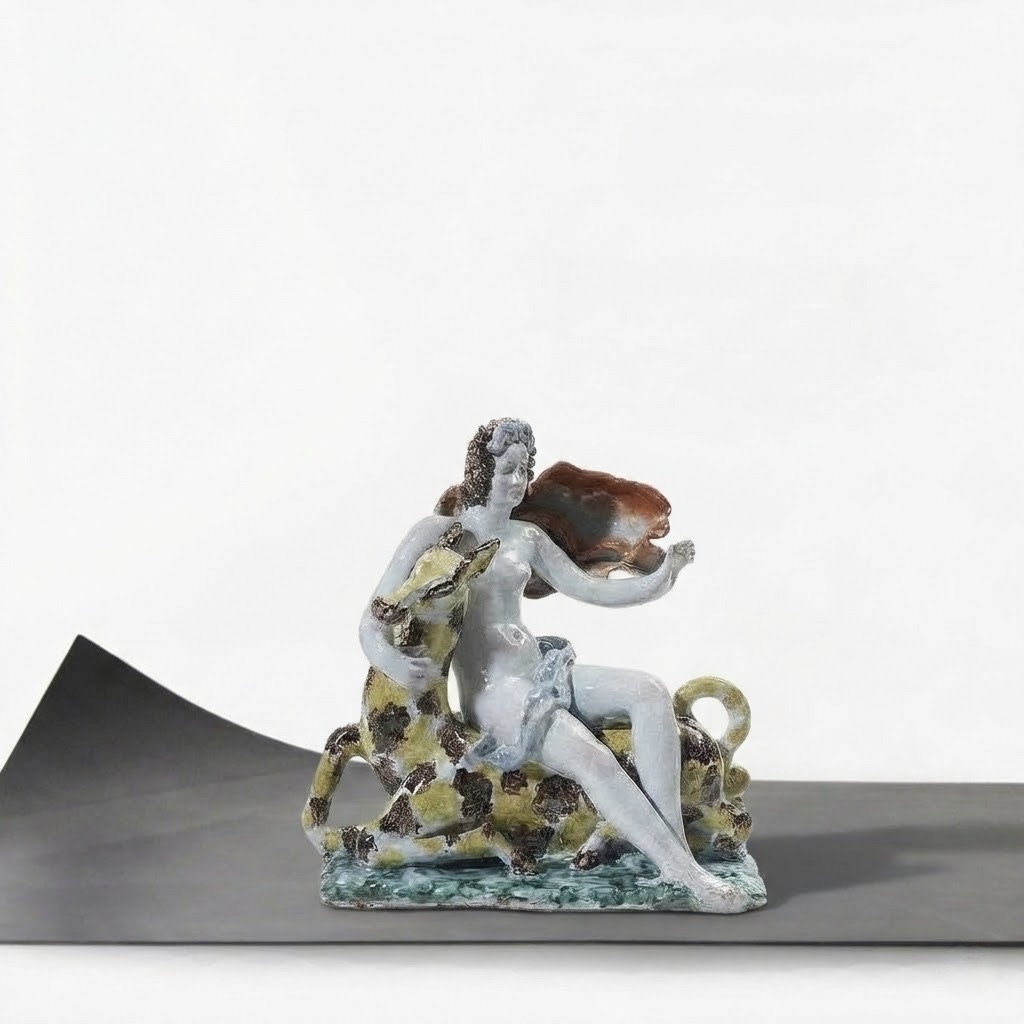
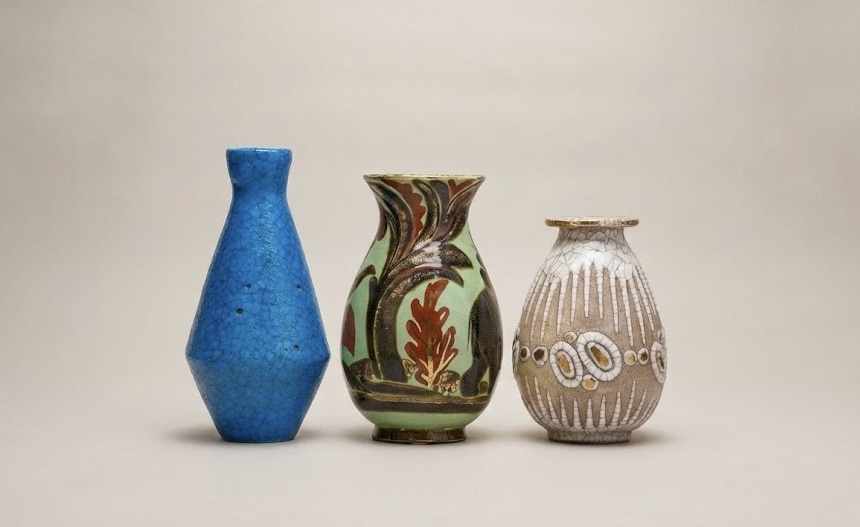
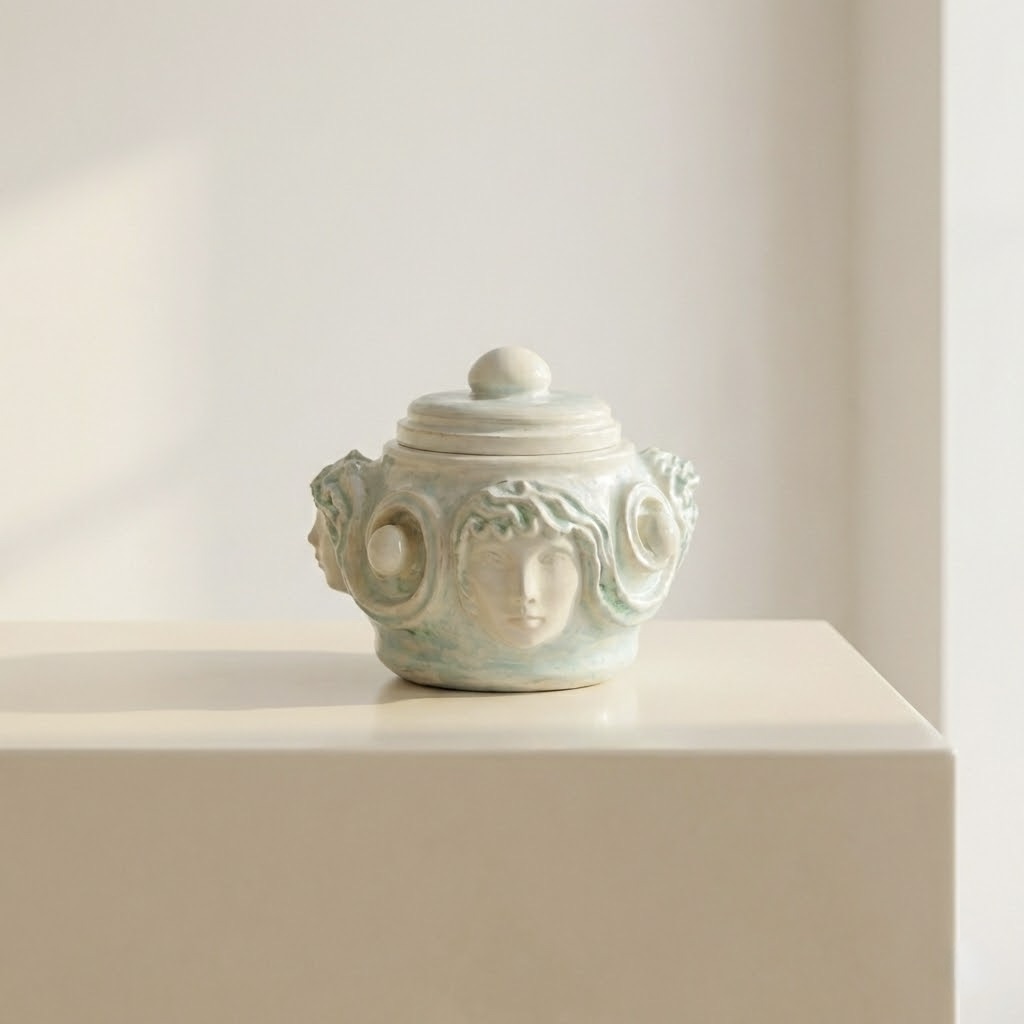
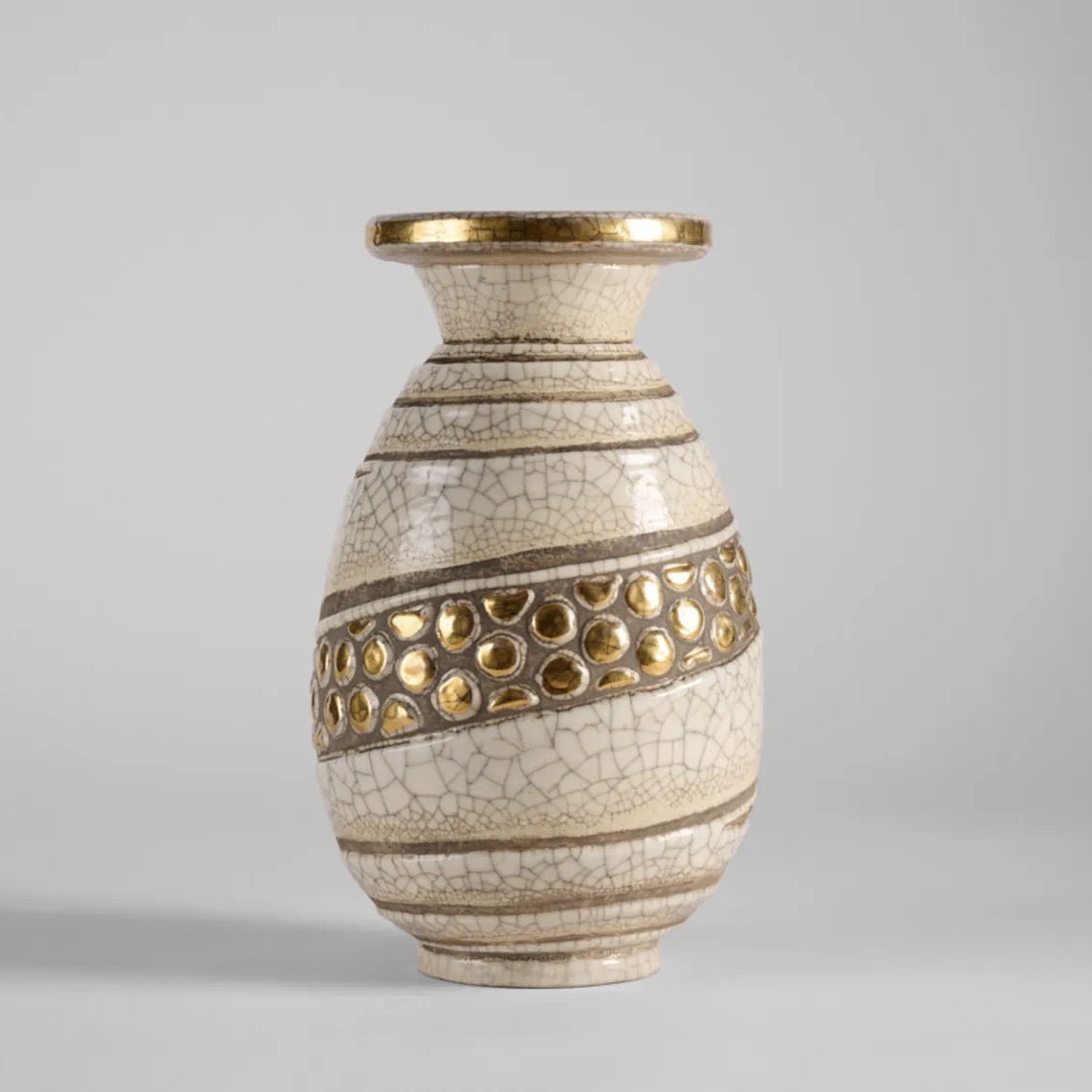
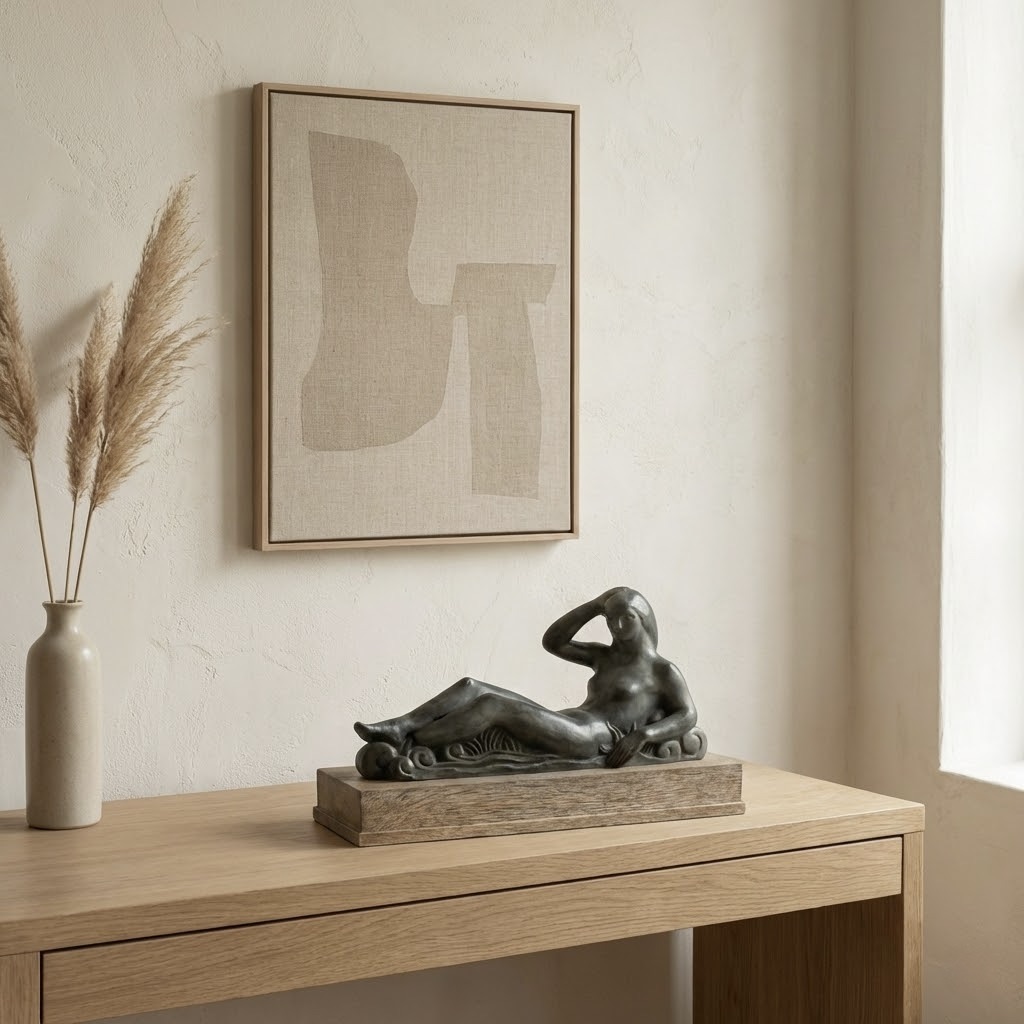
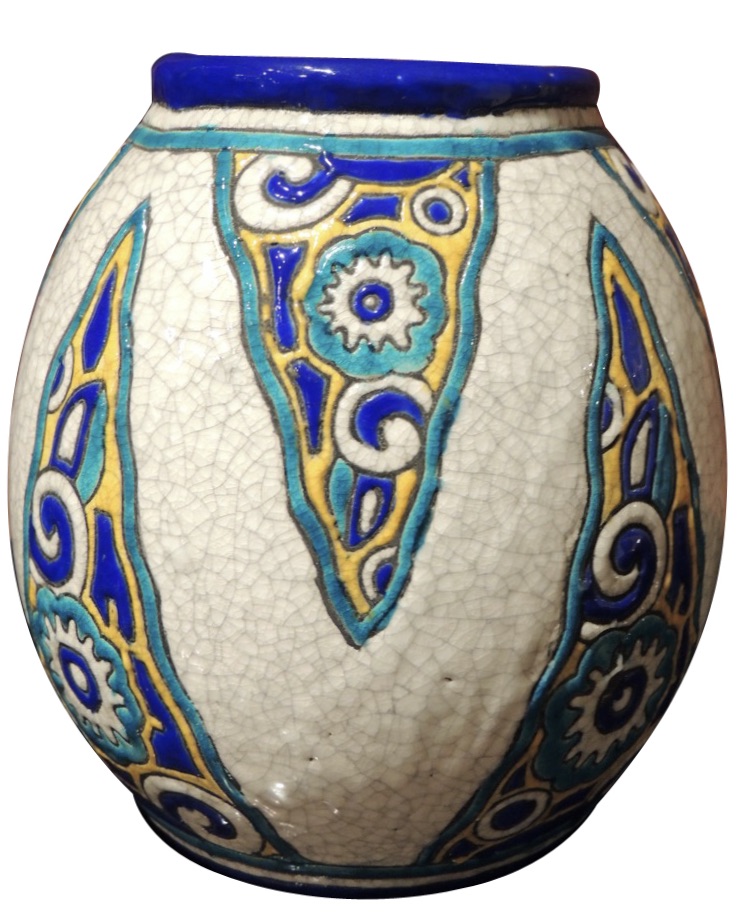
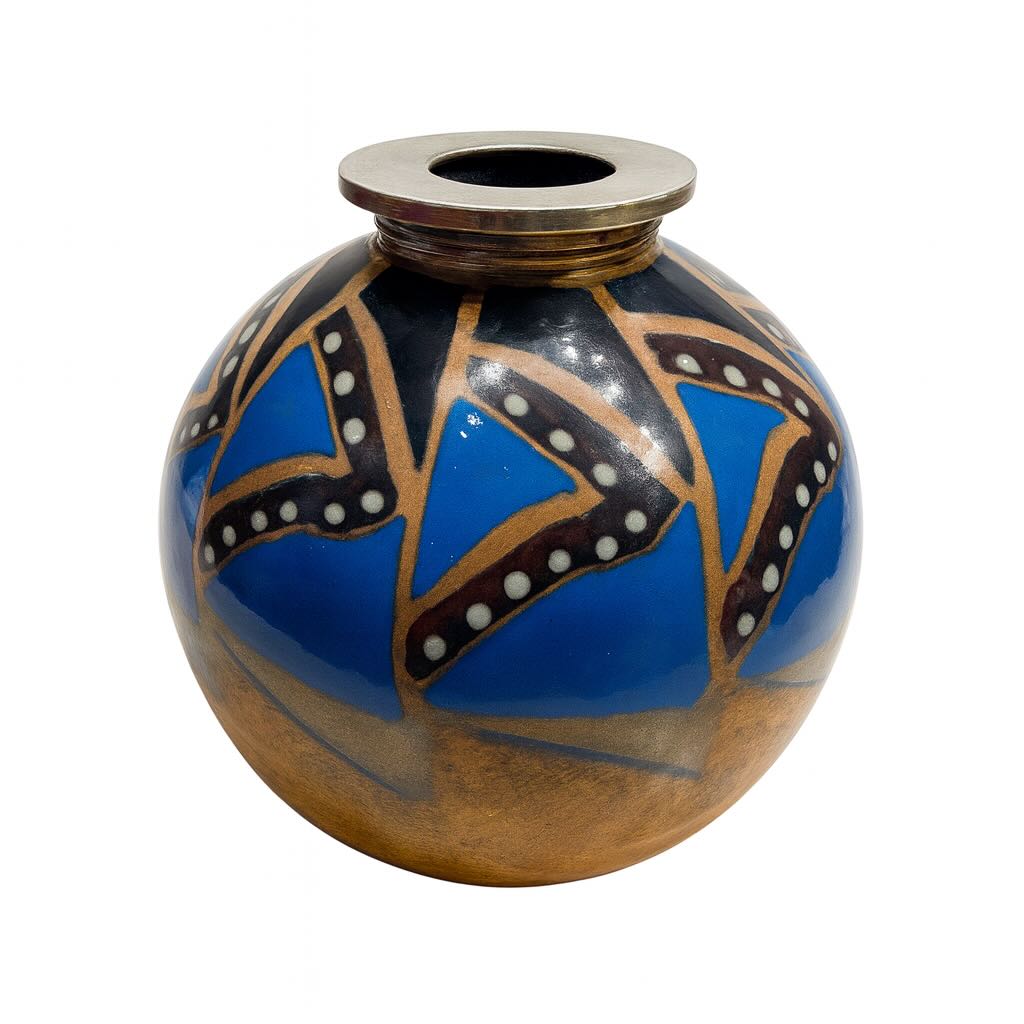
Buthaud’s ceramics translate painterly technique into objects that feel like canvases in the round. His forms are typically full and architectural, designed to carry imagery with clarity rather than clutter. Decoration is integrated into the curvature of the vessel, so figures and patterns appear composed for the object rather than applied onto it. His palette tends toward refined, distinguished color harmonies that suit the restrained luxury of Art Deco. The overall effect is poetic and cultivated, combining classical discipline with modern graphic freshness.
Key Influences
- Academic Training in Painting and Engraving: Draftsmanship and tonal control shaped his line work and surface design.
- Far Eastern Ceramics: Admiration for Chinese potters encouraged disciplined form and refined glaze sensibilities.
- Folk Art Vitality: Interest in vernacular craft supported spontaneity, narrative charm, and direct motif making.
- Interwar Art Deco Figuration: Stylized female figures and mythic scenes aligned his ceramics with modern Paris taste.
- Civic Decorative Programs: Public commissions in mosaics and architectural ornament reinforced scale, rhythm, and clarity.
If you are interested in further stories of the artists who shaped Art Deco, return to our artists page to browse the full directory.
Related Products from ArtDecoCollection.com