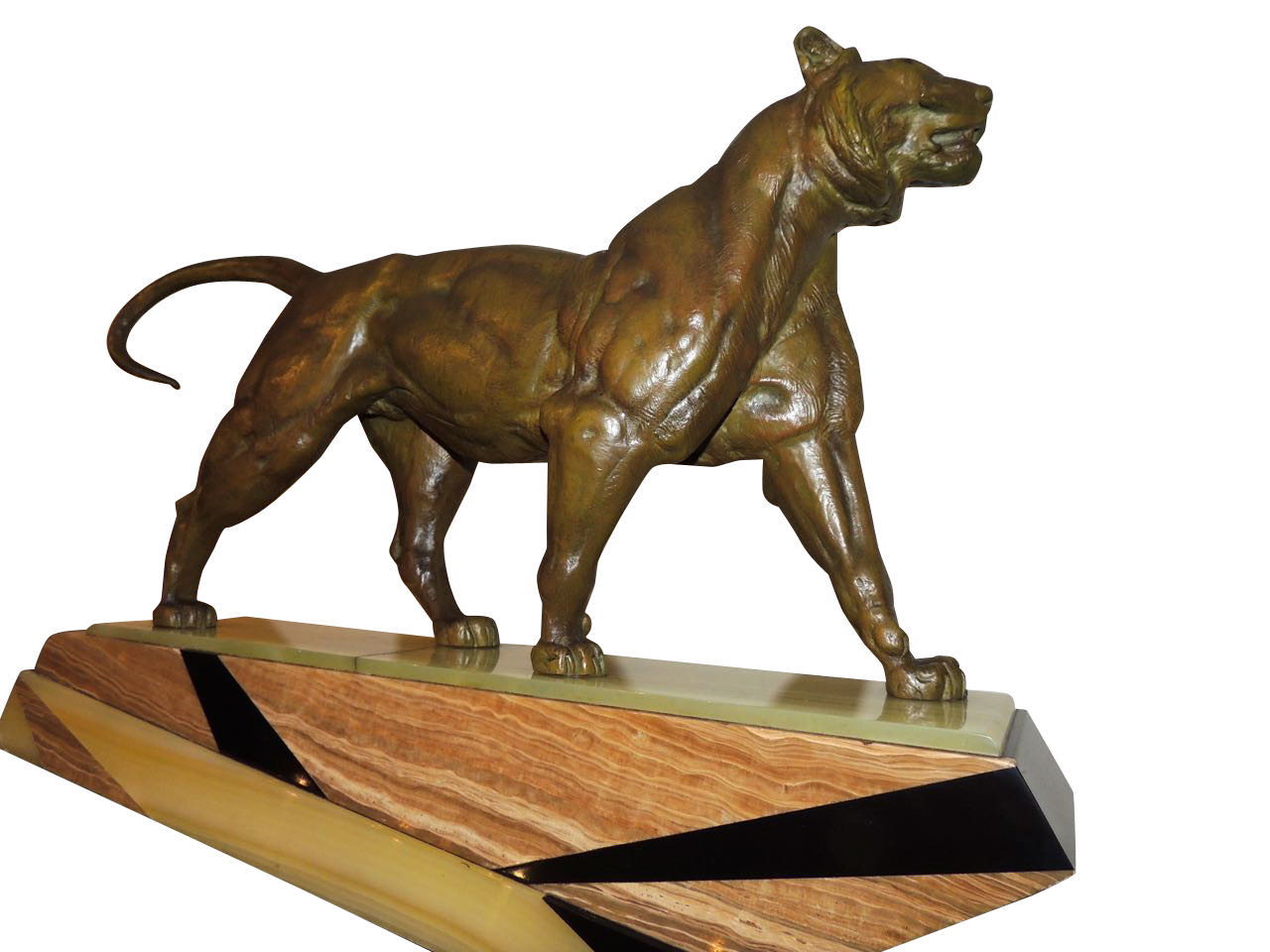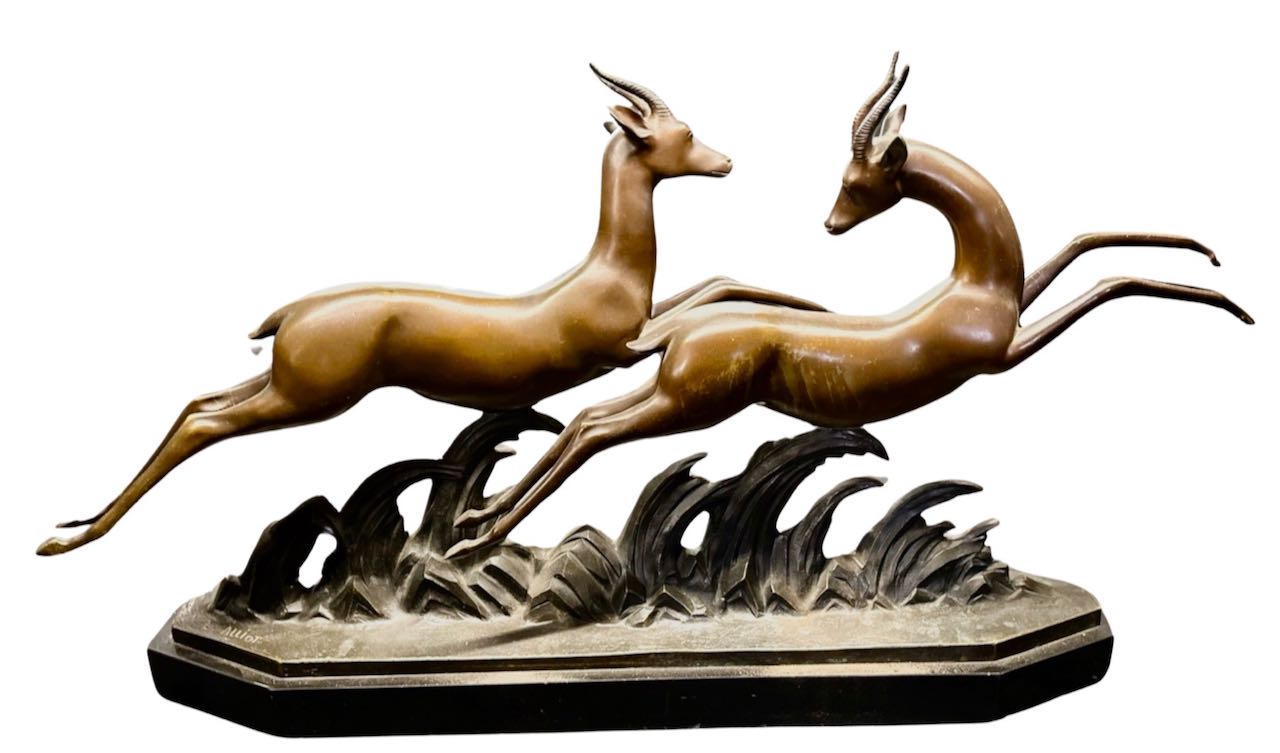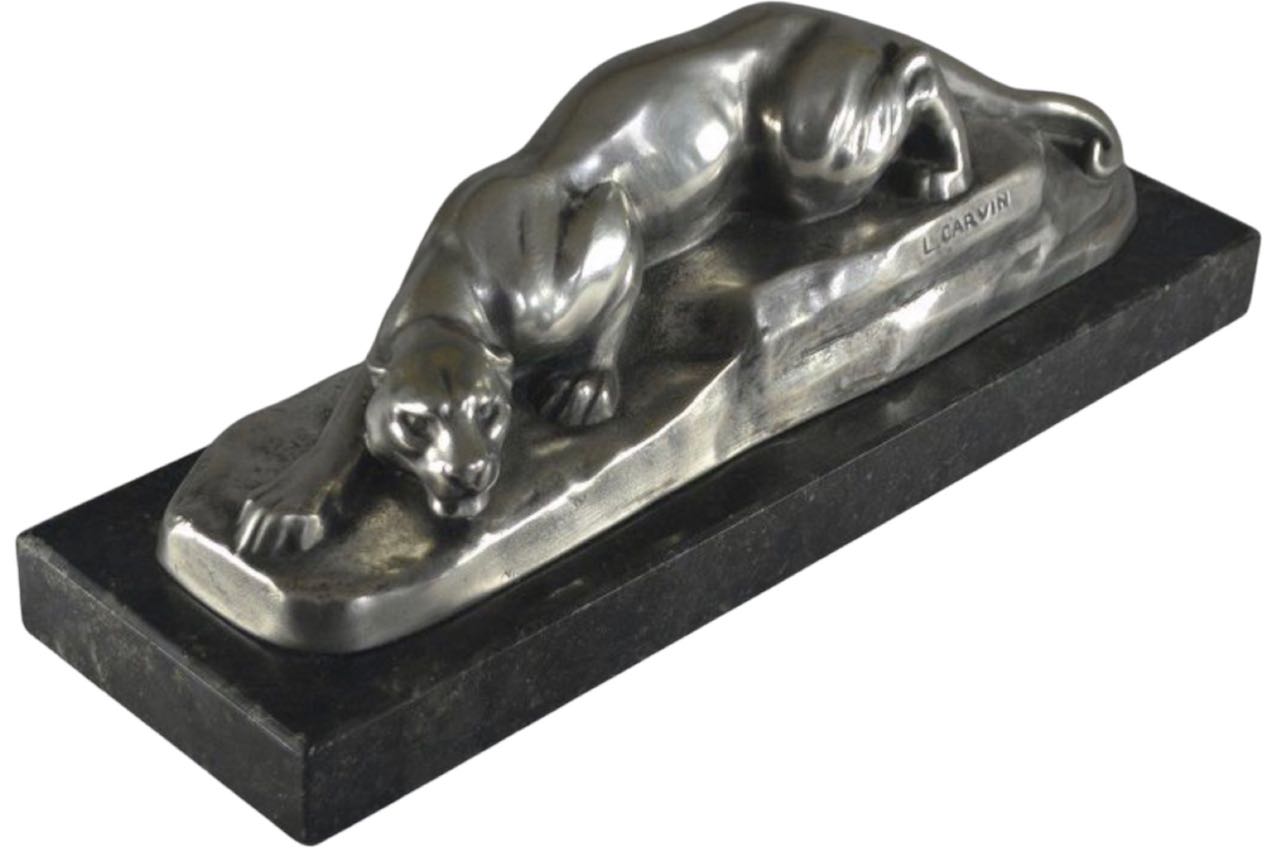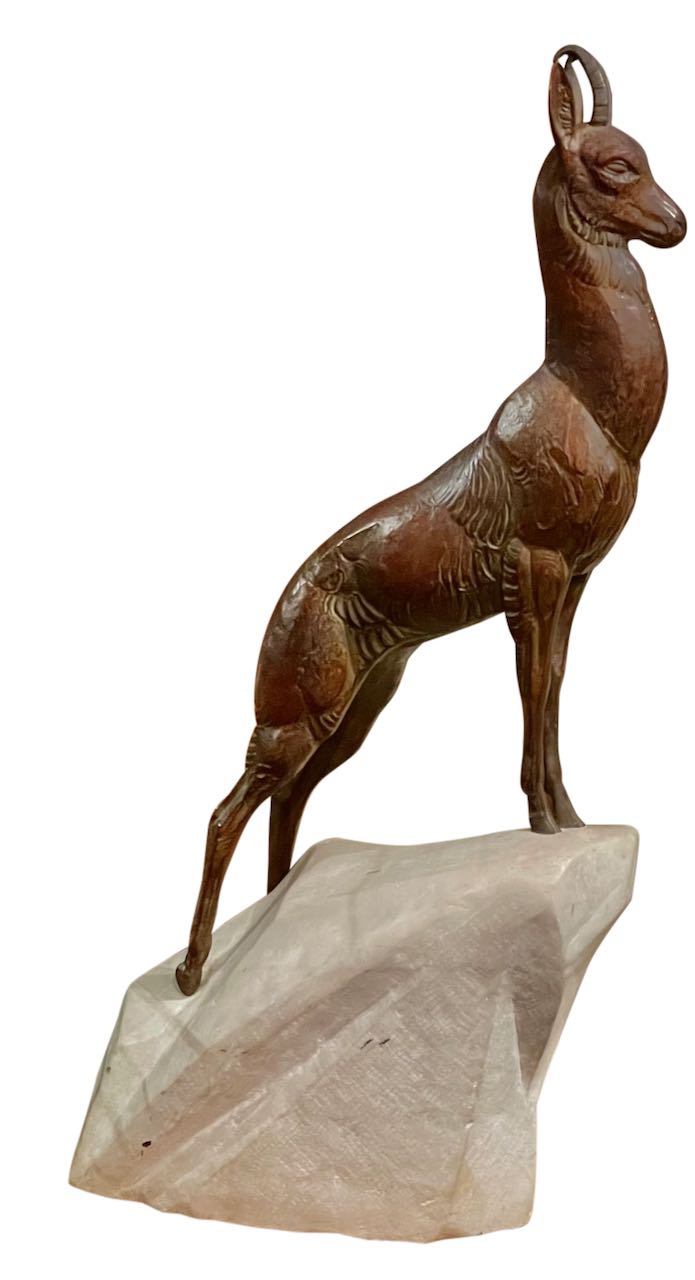

Rembrandt Bugatti
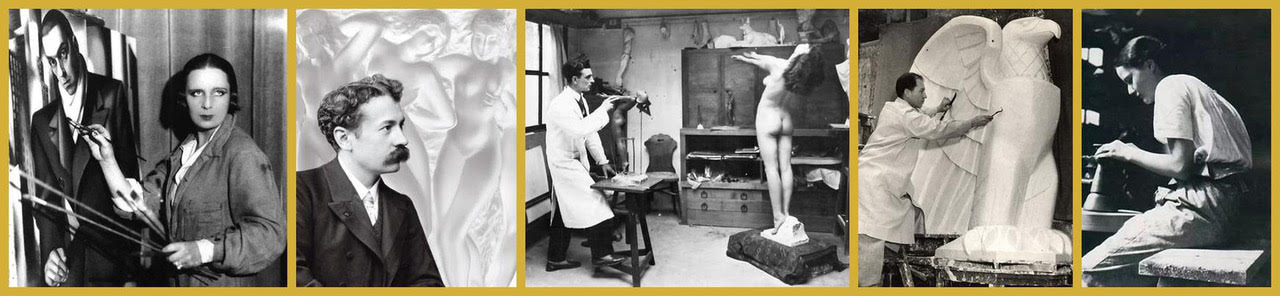
Rembrandt Bugatti was born in Milan in 1884 into an exceptionally artistic family. His father, Carlo Bugatti, was a celebrated designer working in furniture, jewelry, textiles, ceramics, and metalwork. His older brother, Ettore Bugatti, would later become one of the most famous automobile makers in the world. From childhood, Rembrandt grew up surrounded by artists, makers, and collectors, which made art feel like a natural part of daily life. A family friend, the sculptor Prince Paolo Troubetzkoy, encouraged him early on to model in clay and helped guide his first serious attempts at sculpture. The family moved to Paris in 1902, placing Bugatti at the center of a vibrant artistic culture just as modernism was beginning to reshape European art. Although he was shy and somewhat withdrawn by nature, he showed an unusual gift for observing living creatures with patience and intensity. He was especially drawn to animals, preferring their company and studying them with far more interest than fashionable artistic circles. His early environment gave him both technical encouragement and a strong sensitivity to beauty, movement, and character. That combination would make him one of the most original animal sculptors of the early twentieth century. Even in his short life, he developed a vision that felt both deeply personal and unmistakably modern.
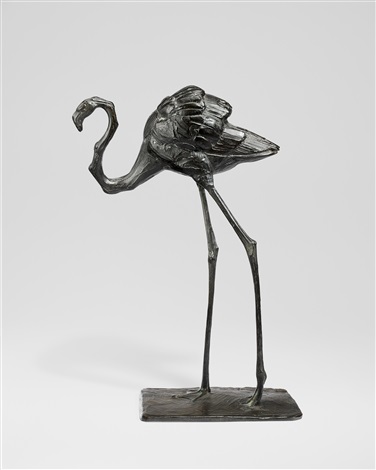
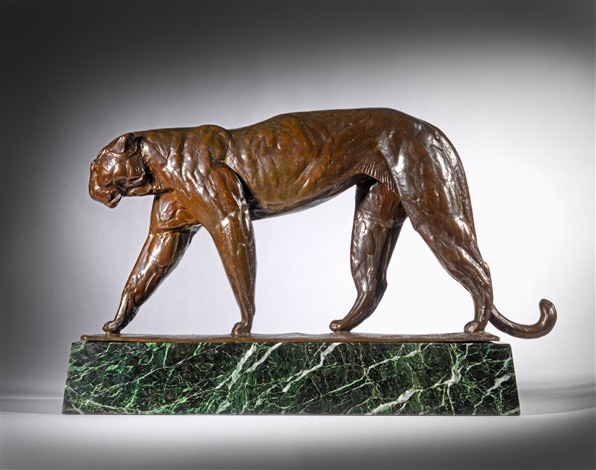
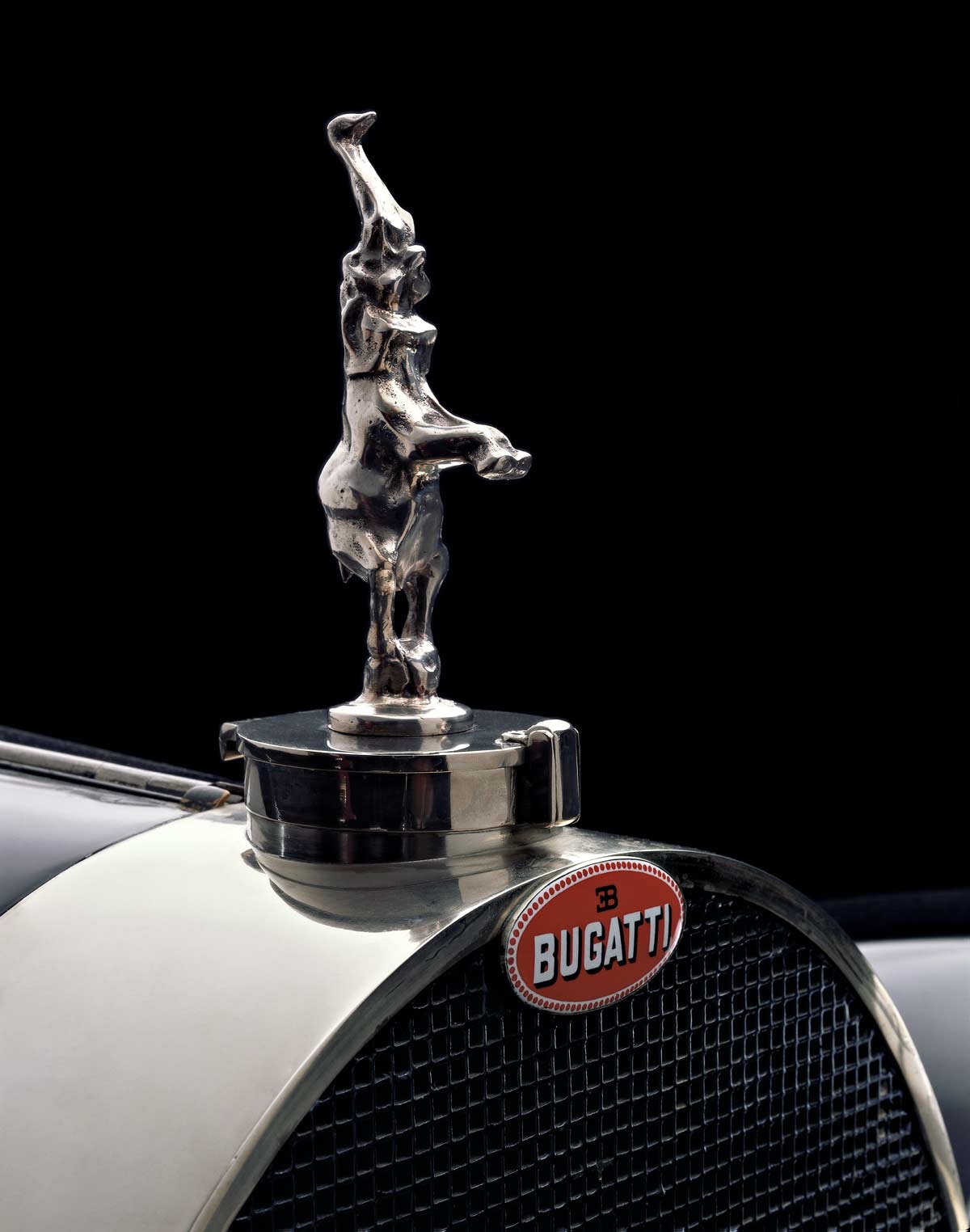
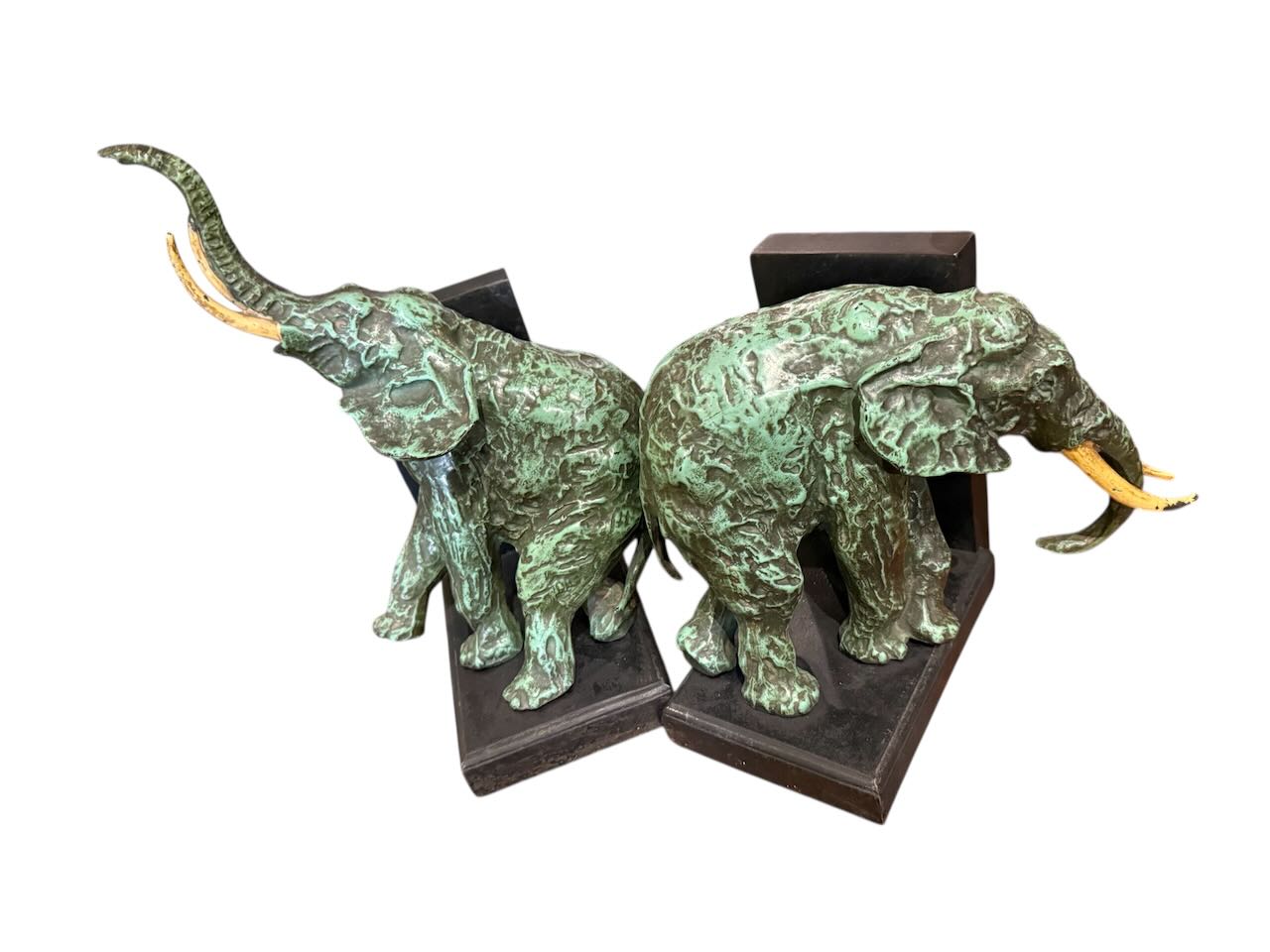
Bugatti began exhibiting bronzes while still very young and soon started working with the influential founder and dealer Adrien Hébrard, who cast, exhibited, and promoted his sculptures. Rather than relying on studio formulas, he spent long hours at the Jardin des Plantes in Paris and later at the Antwerp Zoo, studying animals directly from life. He became known for sculptures of elephants, lions, panthers, baboons, deer, and other creatures, all observed with remarkable sensitivity. His work did not aim at strict realism alone, but at capturing the inner presence and posture of each individual animal. This gave his bronzes a freshness and intensity that set them apart from older nineteenth century animalier sculpture. As his style matured, his forms became more simplified and expressive, moving toward a modern language without losing their connection to nature. Antwerp proved especially important because its zoo gave him access to a wide range of exotic animals arriving from Africa and Asia. During the First World War, he volunteered for medical service at a military hospital in Antwerp, and the combination of war trauma, illness, financial strain, and the destruction of zoo animals deeply affected him. He died by suicide in Paris in 1916 at the age of thirty one, cutting short a career of extraordinary promise. After his death, his work continued to grow in stature, and his sculpture of a rearing elephant became famous through its later use as the mascot for the Bugatti Royale. Today he is recognized as one of the great sculptors of animals and a crucial bridge between naturalistic animal sculpture and modern form.
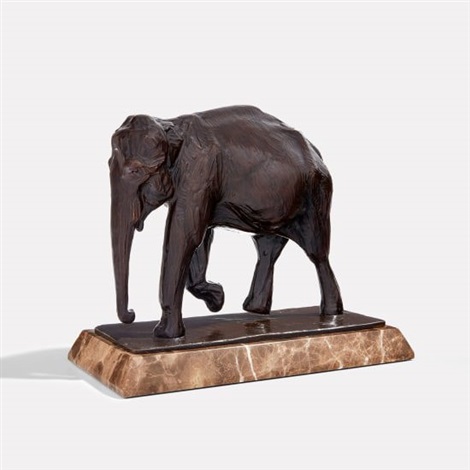

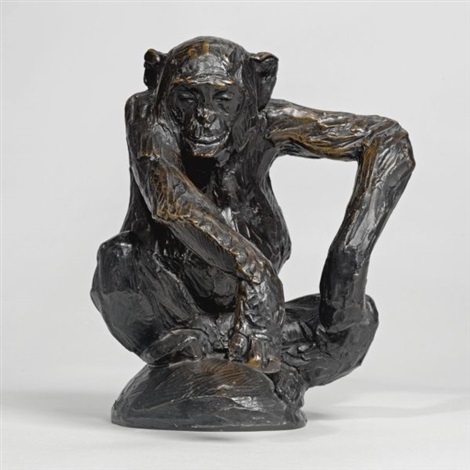
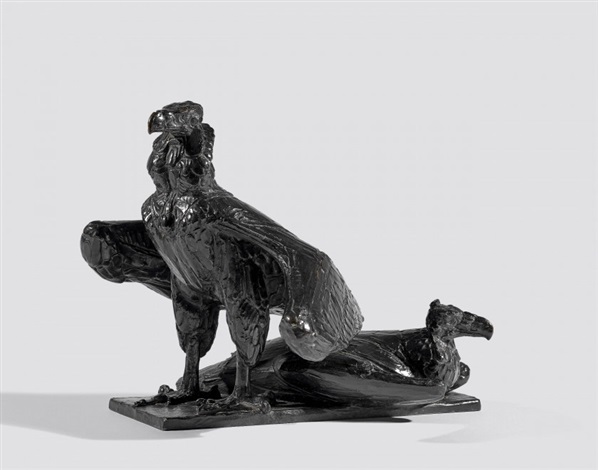
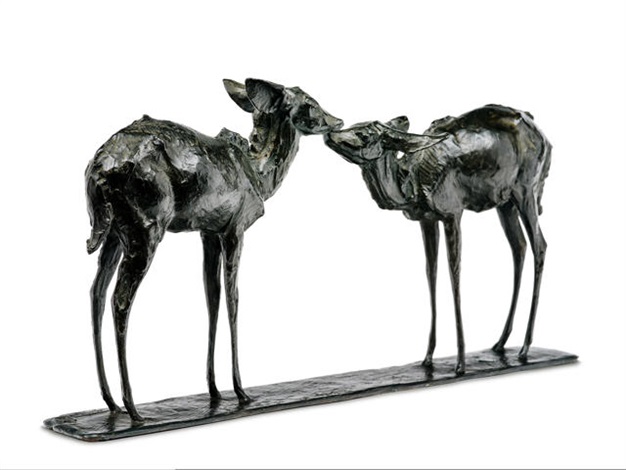
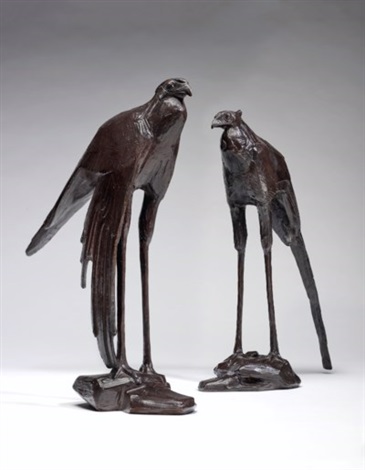
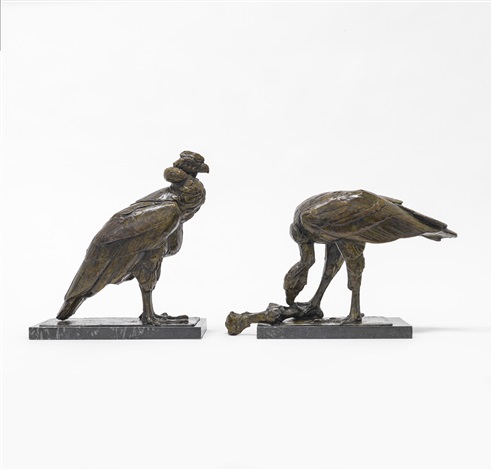

Rembrandt Bugatti’s style is defined by direct observation, emotional sensitivity, and a strong feeling for movement. His animals are modeled with enough anatomical truth to feel alive, but the forms are often simplified to emphasize attitude and character. He was less interested in surface detail than in the overall rhythm of the body and the way an animal occupies space. This gave his sculpture a modern quality that aligned naturally with early twentieth-century design. His best work feels immediate, elegant, and full of life without ever becoming decorative in a superficial way.
Key Influences
- Artistic Family Background: Growing up in a household devoted to design and making gave him an early comfort with form, craft, and originality.
- Direct Study of Zoo Animals: Constant observation at the Jardin des Plantes and Antwerp Zoo shaped the truthfulness and individuality of his subjects.
- Prince Paolo Troubetzkoy: Early encouragement from the sculptor helped develop his confidence and his instinct for lively modeling.
- Modern European Sculpture: His gradual simplification of form reflects the broader move away from academic realism toward modern expression.
- Emotional Bond with Animals: His deep empathy for animals gave his bronzes a psychological presence that set them apart from more conventional animaliers.
If you are interested in further stories of the artists who shaped Art Deco, return to our artists page to browse the full directory.
Related Products