
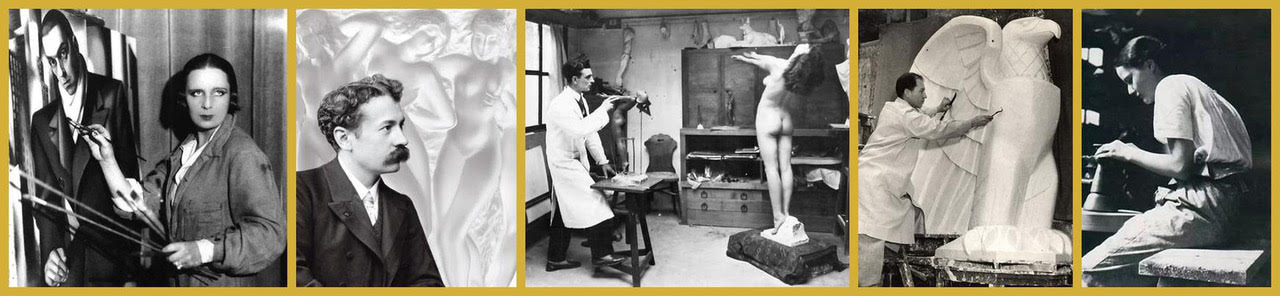
Poul Henningsen
Poul Henningsen was born on September 9, 1894, in Ordrup, Denmark, the illegitimate son of Agnes Henningsen, a prominent Danish writer and feminist activist. He grew up in a progressive, unconventional household during the age of the petroleum lamp, and when electric lighting emerged in the early 1920s he found its harsh, glaring quality deeply troubling. He trained as an architect at the Copenhagen College of Technology and in Frederiksberg, and after graduating freelanced as both an architect and a journalist, quickly developing a reputation as a sharp, outspoken critic of conservative Danish politics, society, and architecture. He went on to edit the left-wing newspaper Kritisk Revy, using it as a platform for his cultural criticism. After openly criticizing the Nazis during the German occupation of Denmark, Henningsen was forced to flee in a rowing boat to Sweden in October 1943, traveling alongside fellow designer Arne Jacobsen, and he continued writing and designing from exile until his return to Denmark in 1945. In the postwar years he became a revered figure among a younger generation of progressive Danes. He died on January 31, 1967, in Hillerød, Denmark, having donated his body to science, where it remains available for study by medical students at Copenhagen’s Panum Institute to this day.

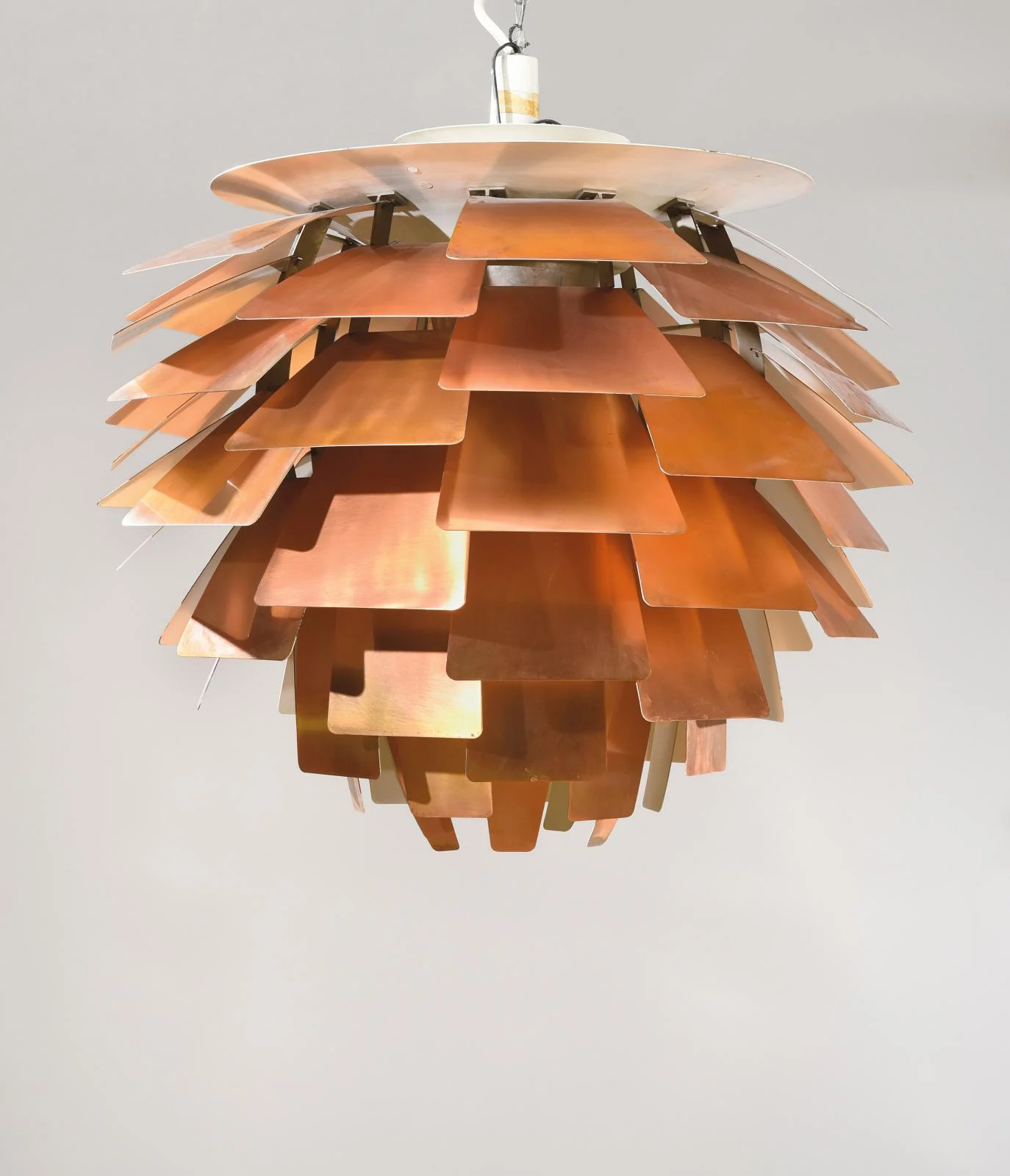
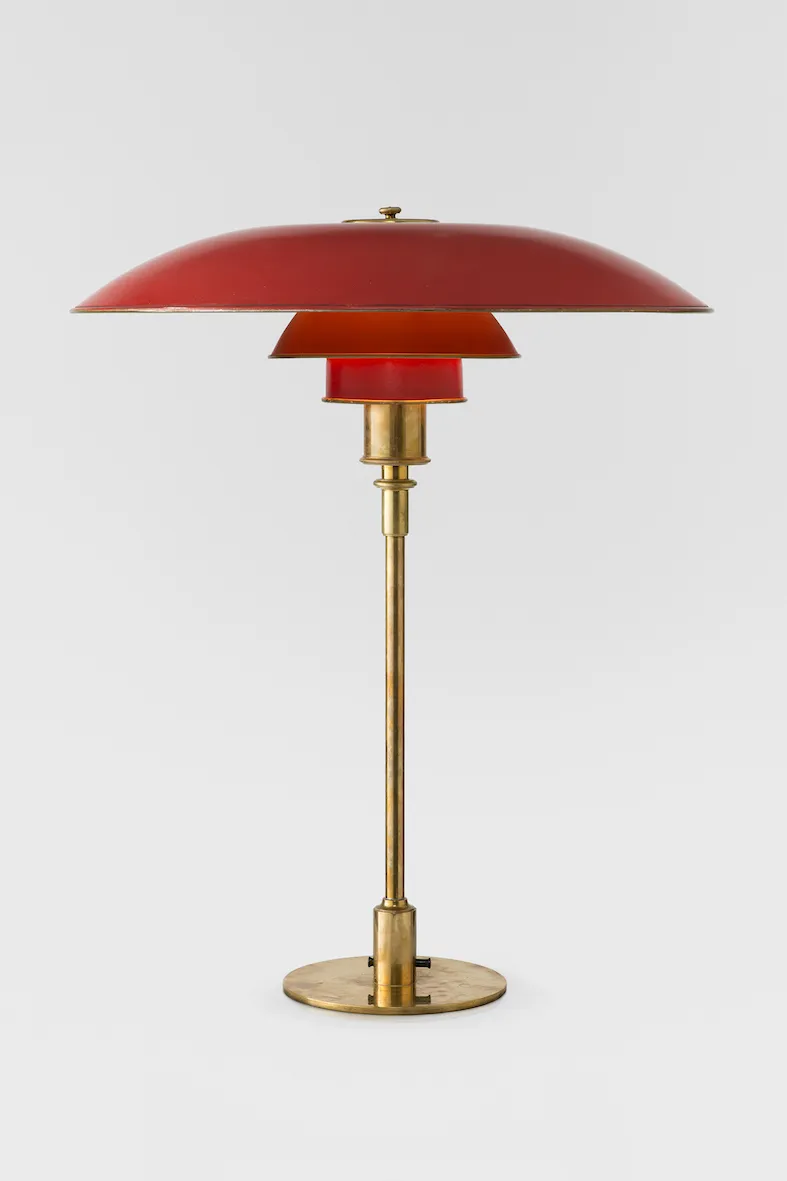
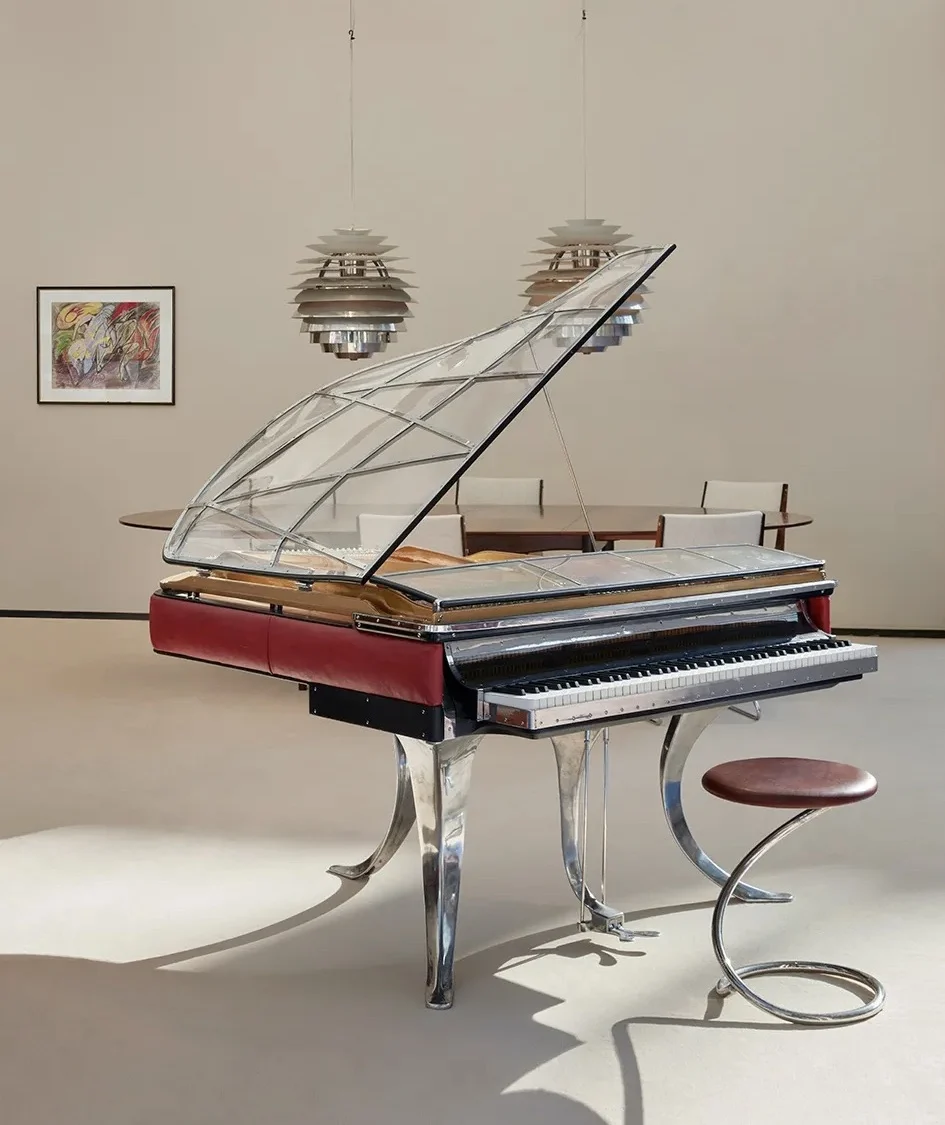
Henningsen began his lifelong collaboration with the Danish lighting manufacturer Louis Poulsen in 1924, the same year he designed his first multi-shade lamp, which would soon become known simply as the PH lamp. According to design lore, the inspiration partly traced back to his mother’s complaint that harsh electric light made her look wrinkled, prompting Henningsen to develop a three-screen system that filtered and softened the glow. The PH lamp series was introduced to the public in 1926 and won first prize for modern lighting at the 1925 Exposition Internationale des Arts Décoratifs et Industriels Modernes in Paris, instantly establishing Henningsen’s international reputation, and the lamps went on to be used in settings as significant as the Bauhaus building in Dessau. His most celebrated individual design, the PH5 pendant, was introduced in 1958 in direct response to light bulb manufacturers’ habit of frequently changing bulb sizes and dimensions. That same year he also designed the dramatic PH Artichoke lamp, known in Danish as Koglen. Beyond lighting, Henningsen worked as an independent architect in Copenhagen, designing houses, a factory, portions of the Tivoli amusement park, and the interiors of two theaters, as well as the striking PH Grand Piano in 1930, distinguished by its transparent glass lid, leather rim, and steel legs. He left behind more than 100 unrealized lamp sketches at his death, a number of which Louis Poulsen has since brought into production.
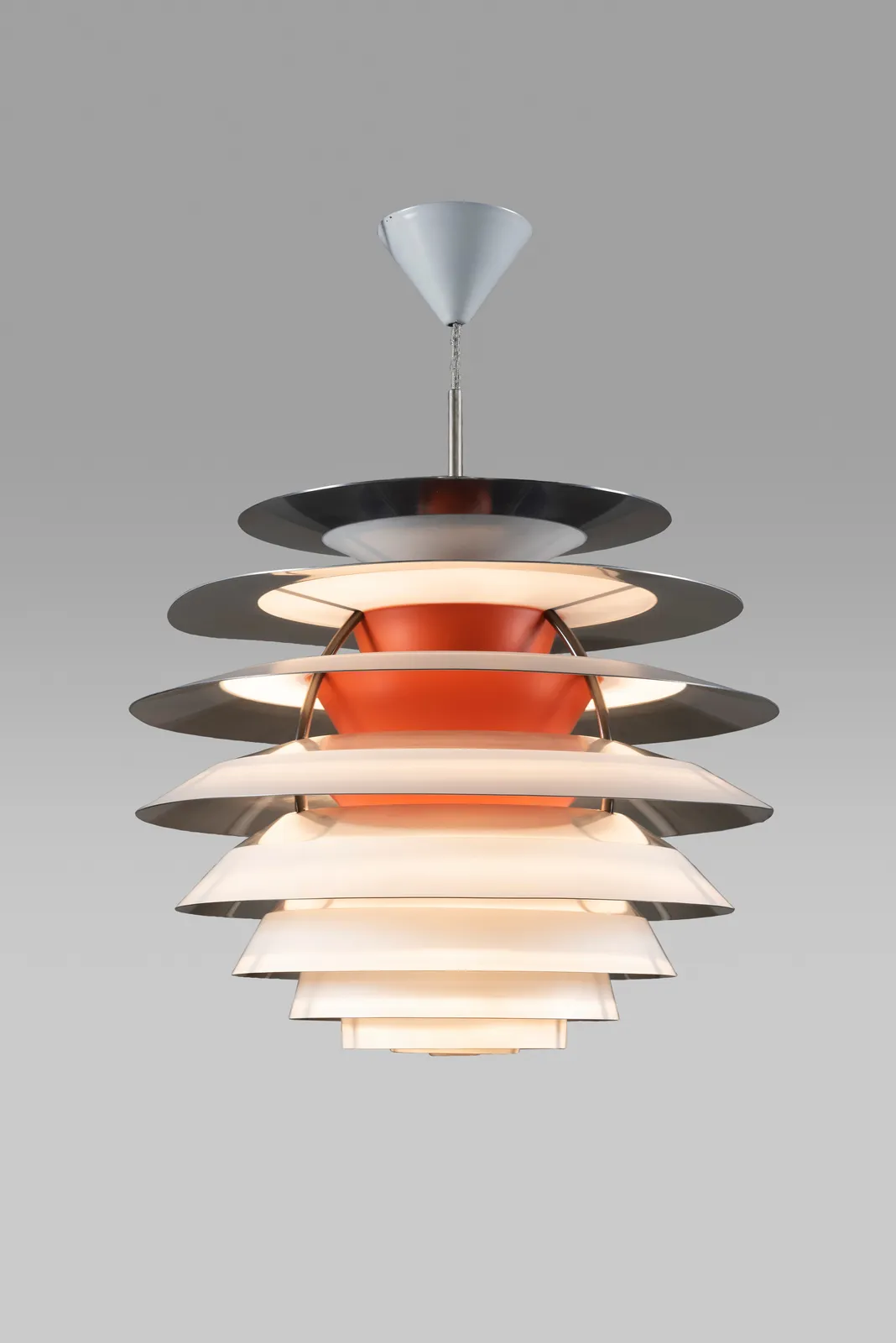
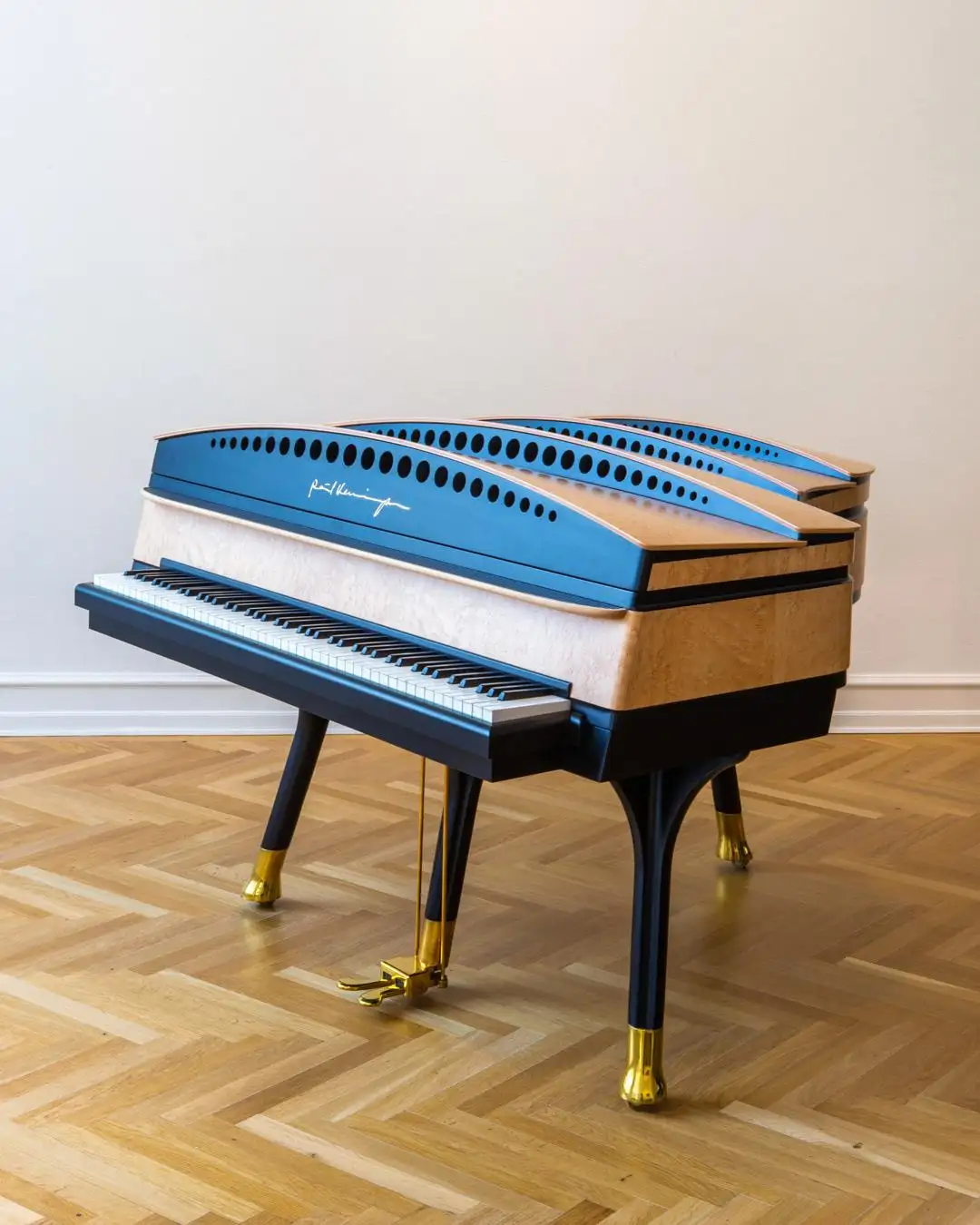
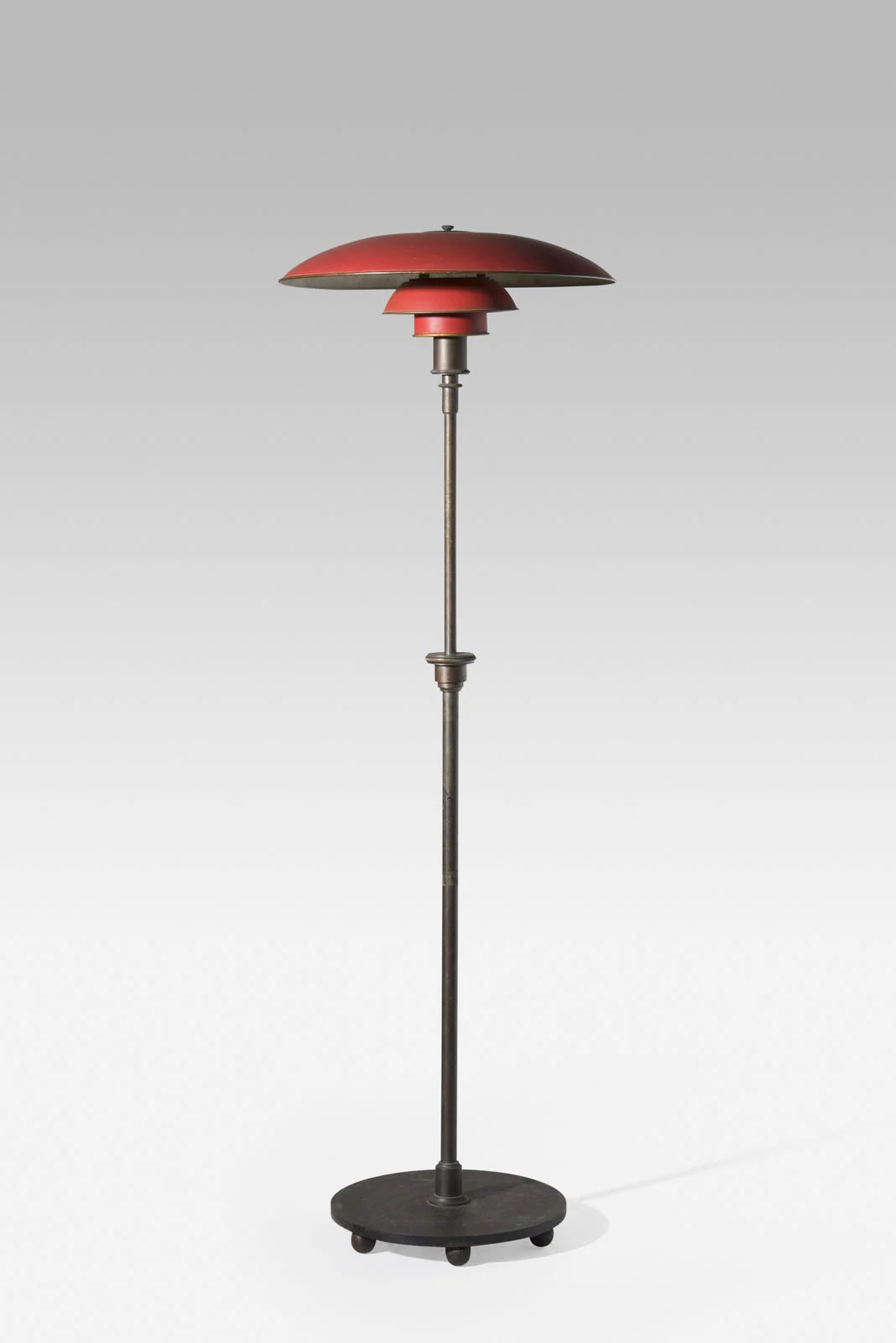
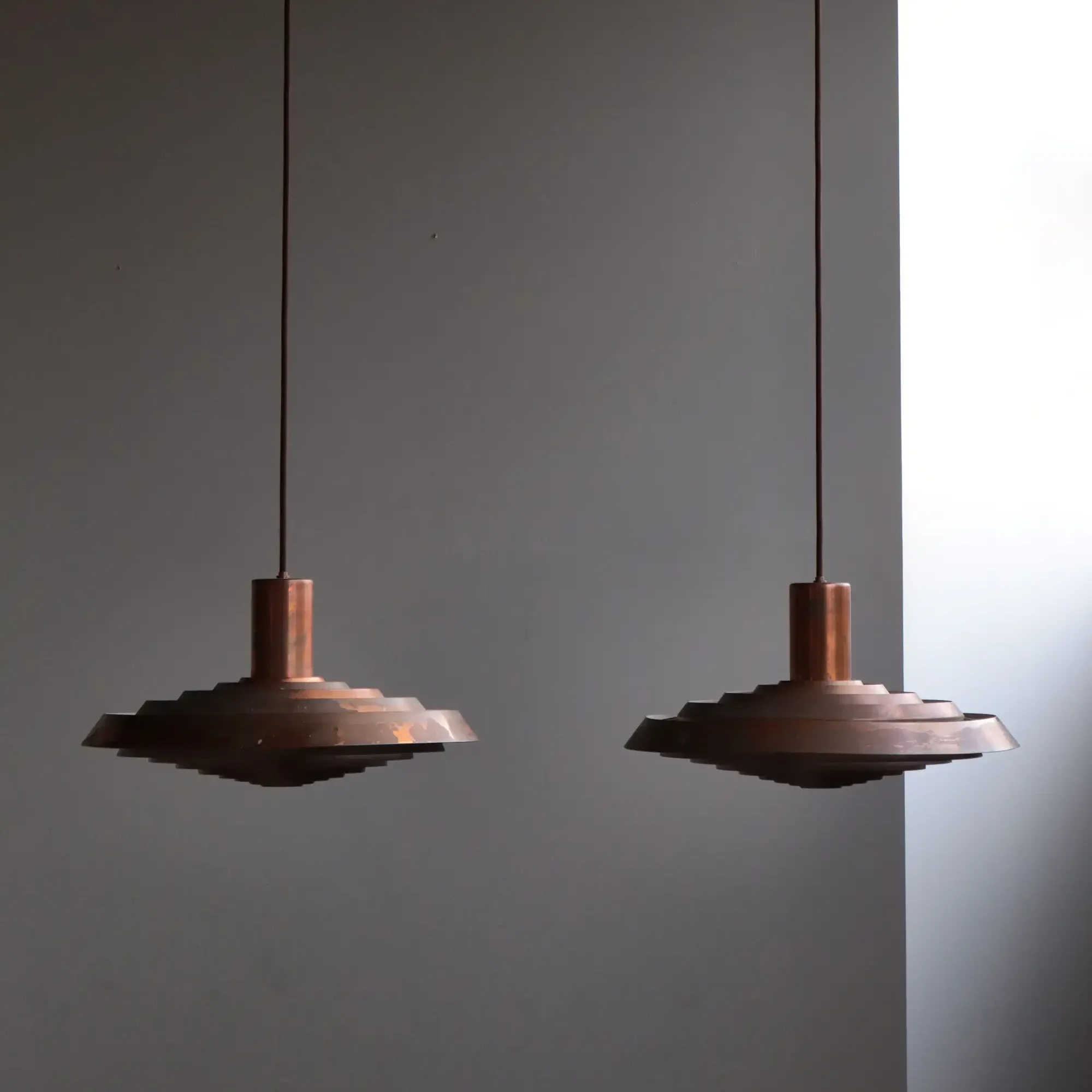
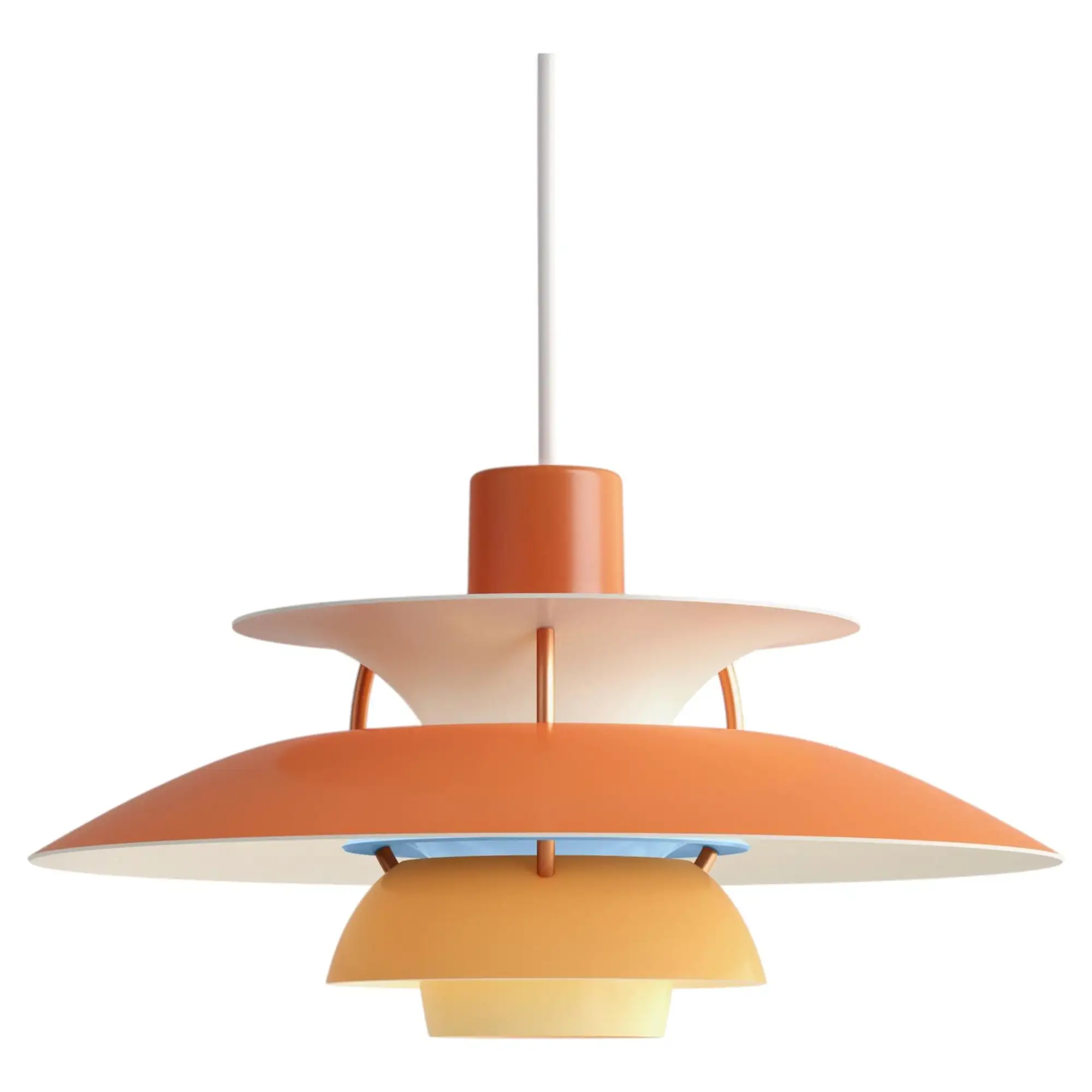
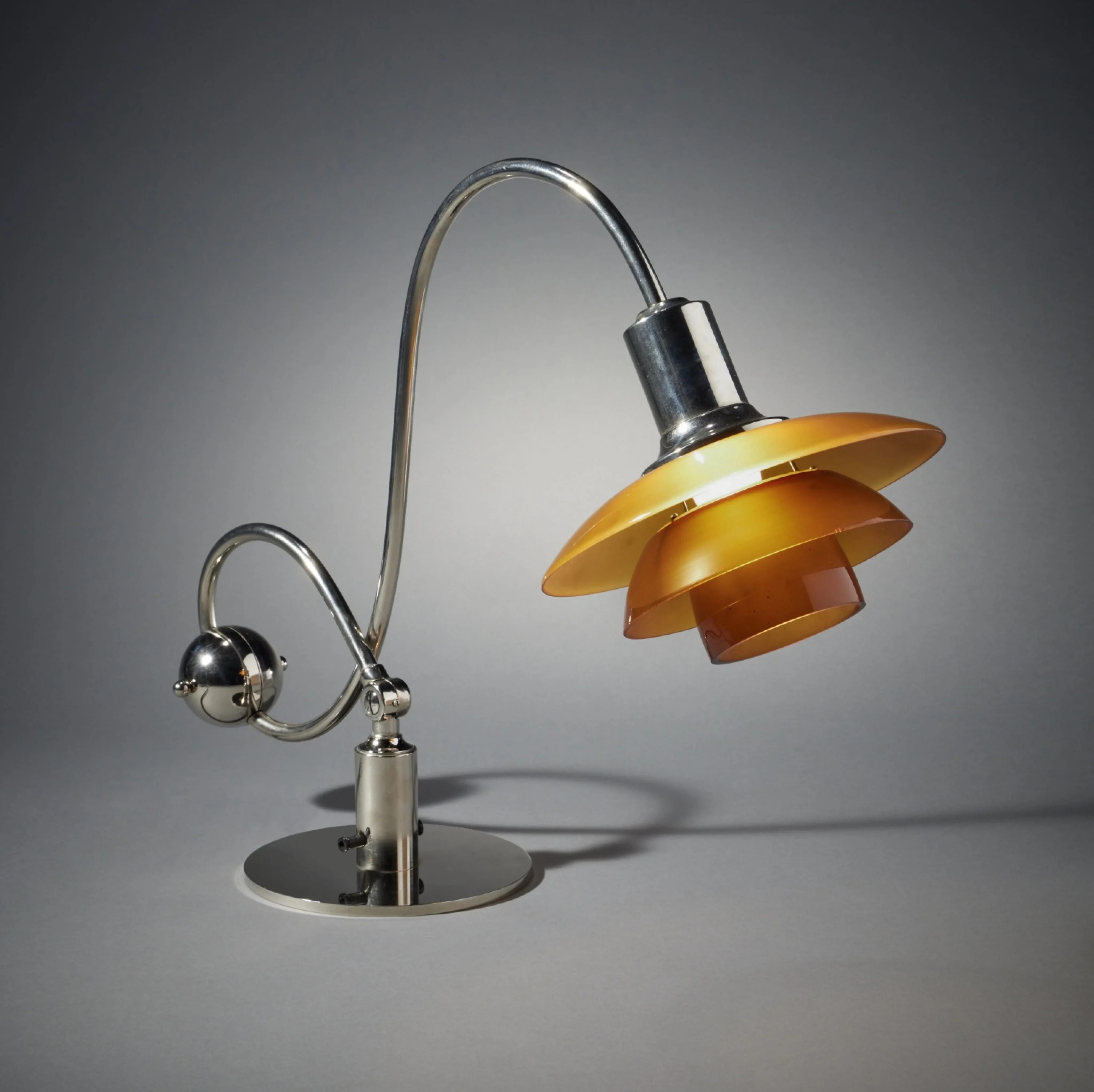
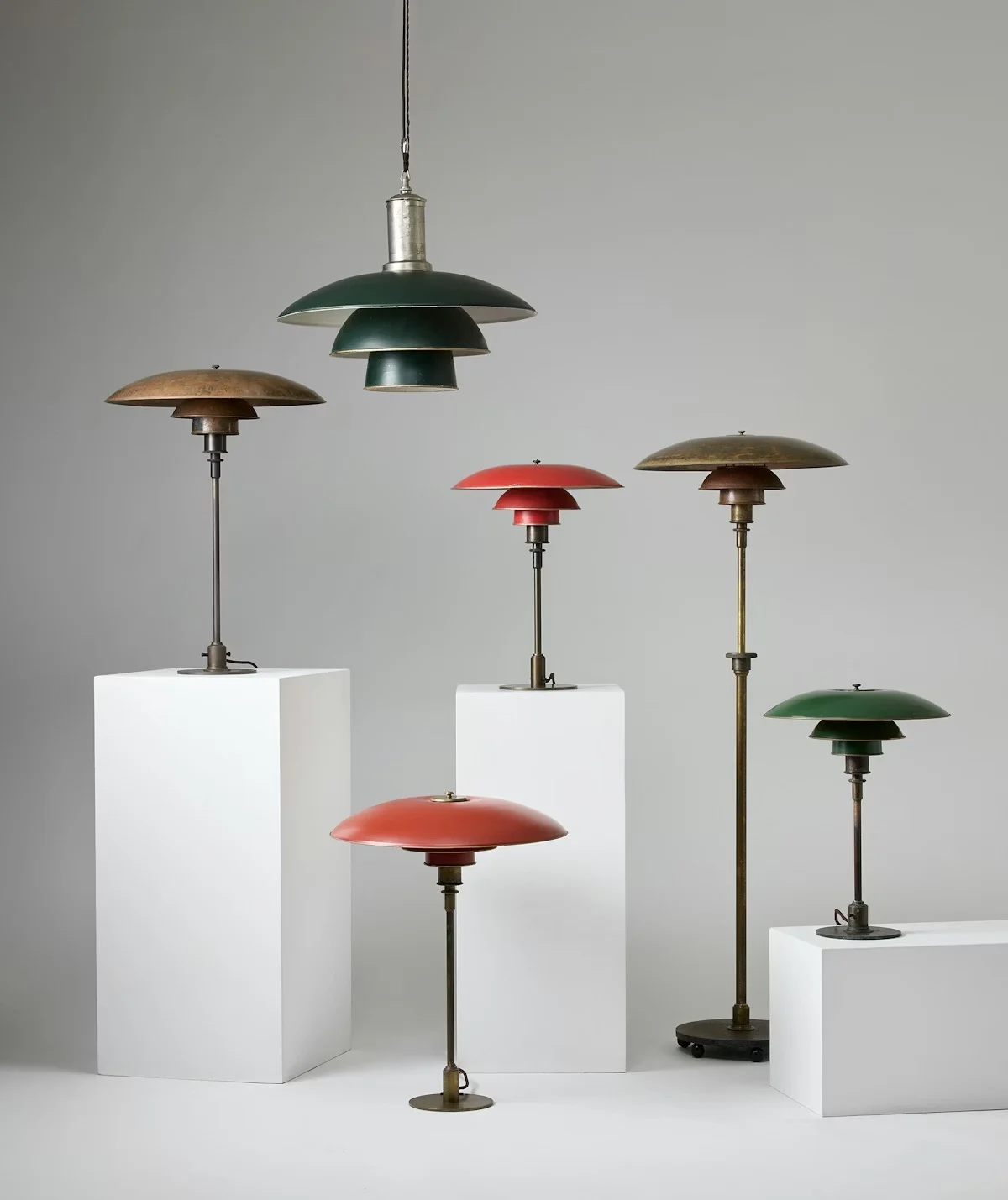
Henningsen’s defining technical achievement was his logarithmic spiral three-shade system, which used carefully calculated reflection and baffling of light rays from the bulb to eliminate glare entirely while still distributing warm, even illumination throughout a room. He believed the positioning and quality of light mattered more than any other element of interior design, famously holding that furniture, carpets, and decoration were secondary to how a space was lit. His approach fused rigorous technical analysis with genuine aesthetic sensitivity, embodied in his own axiom that the technician should never forget he is an artist, and the artist should never forget he is a technician.
Key Influences
- The PH Lamp System: His three-shade glare-free lighting principle became one of the most recognized and continuously influential innovations in twentieth-century lighting design.
- Danish Modernism: His PH lamps, prized for their functionality, affordability, and refined elegance, became defining symbols of the broader Danish Modern design movement.
- Lighting as Social Reform: His conviction that electric light could improve the health and well-being of ordinary people linked his design work directly to his progressive political beliefs.
- The PH5 and Artichoke Lamps: These two designs remain among the most recognizable and commercially successful lighting fixtures ever produced, still manufactured by Louis Poulsen today.
- Cultural Criticism: His decades of sharp public commentary on architecture, society, and politics made him one of the most influential cultural voices in Danish public life during the 1930s.
If you are interested in further stories of the artists who shaped Art Deco, return to our artists page to browse the full directory.

Related Products from ArtDecoCollection.com