
Paul Jouve
Paul Jouve was born in 1878 in Bourron Marlotte in the department of Seine-et-Marne, France. His father, Auguste Jouve, was a painter, ceramist, and photographer who introduced him early to both art and observation. The family moved to Paris when Paul was still a child, placing him close to museums, studios, and the Jardin des Plantes. From a young age, he showed a strong instinct for drawing, especially animals, and his father encouraged that interest. He spent countless hours sketching cats, horses, wild animals, and anatomical specimens, preferring direct study from life to academic routine. Although he briefly attended the School of Decorative Arts and followed courses at the Beaux Arts School, he remained most committed to independent observation. He also learned lithography early, developing a lifelong respect for printmaking and for the precision of Flemish engravers. His artistic formation was therefore built as much on self-discipline and looking as on classroom instruction. By his teens, he was already exhibiting publicly, and his talent was quickly noticed. Travel, photography, and close study of animals would remain central to his artistic identity throughout his life. These early experiences shaped him into one of the great animal painters and sculptors of the Art Deco period.
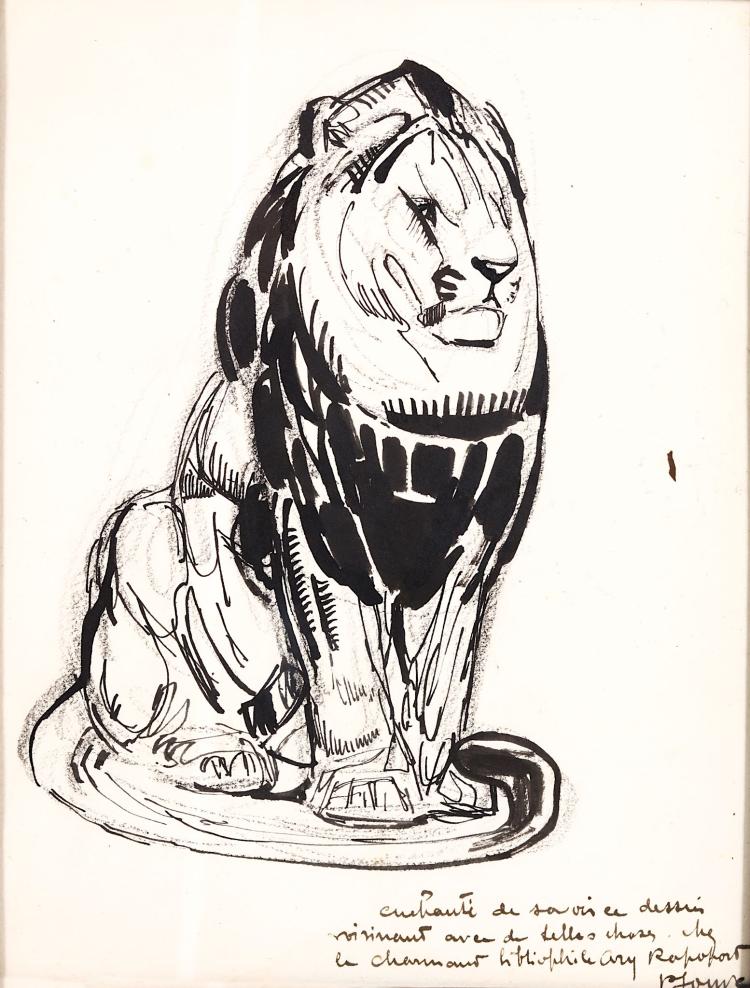
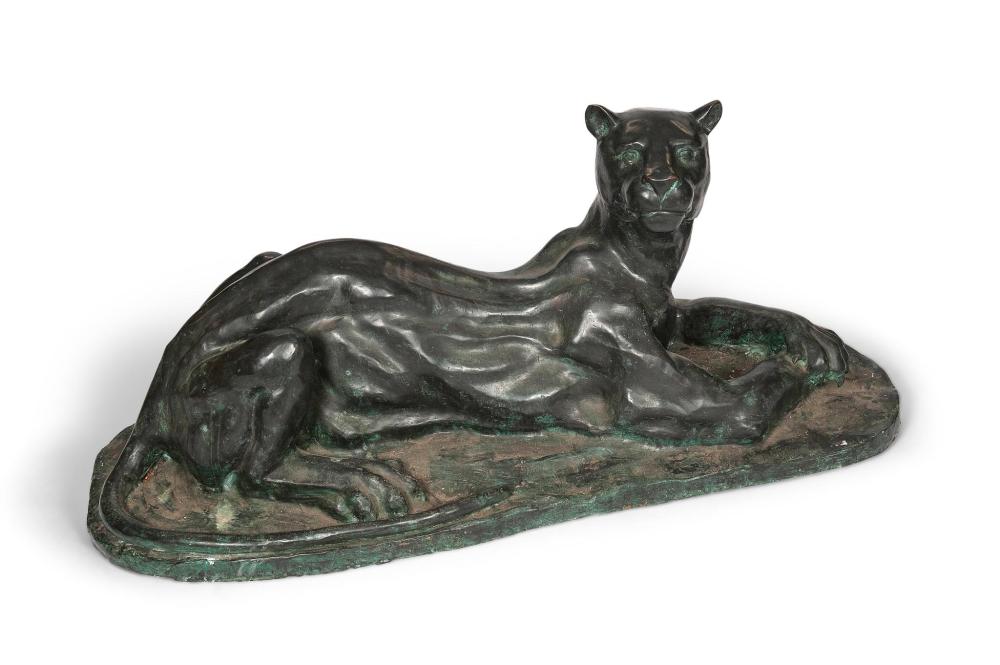
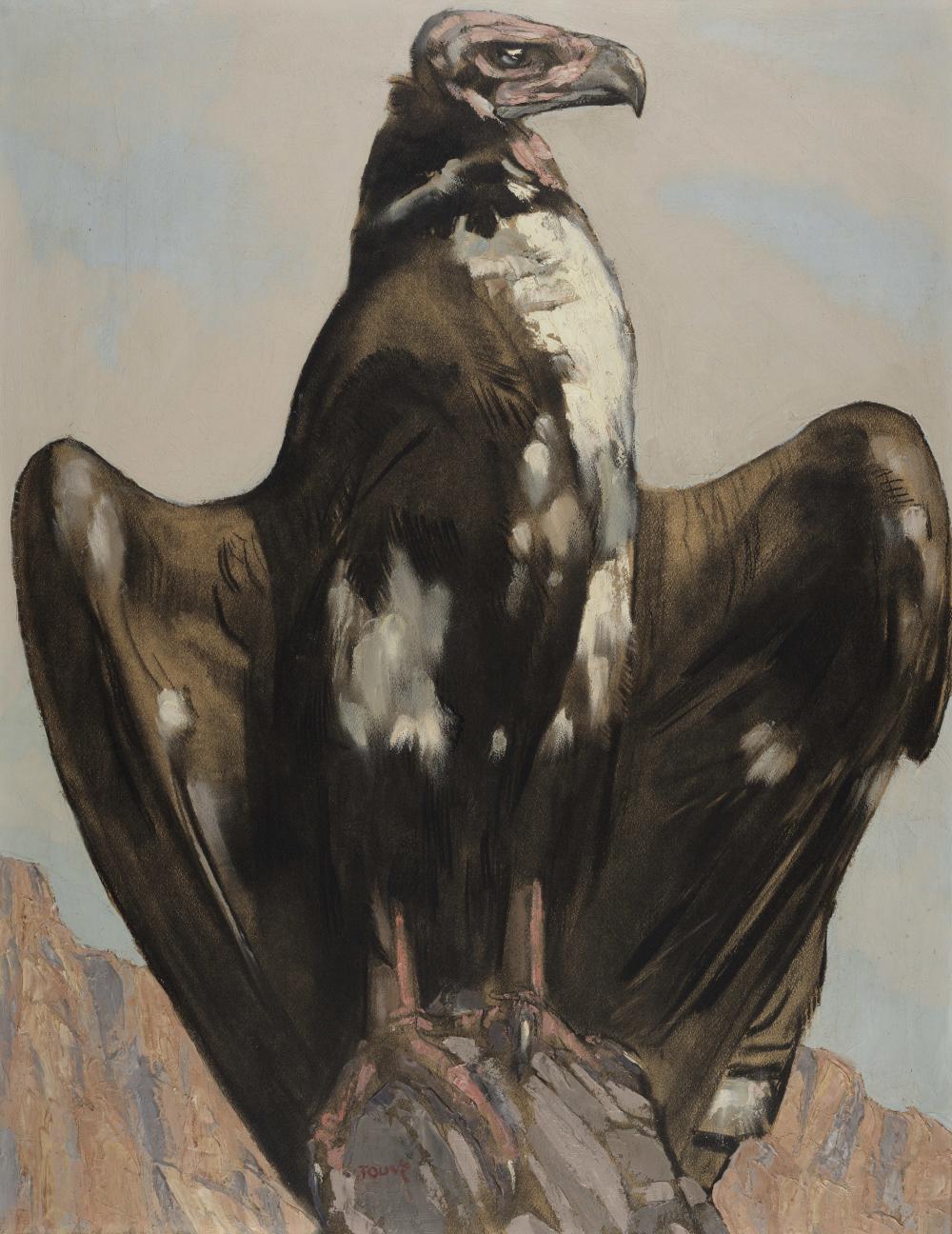
Jouve’s professional breakthrough came early when he contributed major decorative work to the 1900 Exposition Universelle, creating animal friezes and monumental sculptural forms that brought him public attention. In the years that followed, he exhibited regularly at the major Paris salons and gained support from the dealer Samuel Bing, who helped introduce his drawings, bronzes, ceramics, and decorative objects to a wider audience. His success also allowed him to travel extensively to zoos and later to North Africa, where new landscapes and animals expanded his visual vocabulary. After serving in the First World War, including traumatic time at the front and later work in the Army of the Orient, he returned to France with a renewed clarity and force. The delayed publication of his illustrations for Kipling’s Jungle Book greatly increased his reputation and brought him an international audience. A government travel grant then took him through Indochina, China, Ceylon, and India, and the studies he brought back deeply marked his mature work. In the 1920s and 1930s he produced some of his most celebrated paintings, prints, and decorative commissions, all distinguished by a purified line and a more controlled palette. He was awarded a Gold Medal at the 1925 International Exposition of Decorative Arts, confirming his place within the highest tier of French Art Deco. Major state and commercial commissions followed, including large paintings for the ocean liner Normandie, monumental works for the 1937 Paris exposition, and decorative projects for public buildings. Alongside these commissions, he continued to illustrate major literary texts and to exhibit constantly in France and abroad. By the middle of the twentieth century, Paul Jouve was recognized not just as an animal painter, but as one of the defining artists of Art Deco elegance and exotic modernity.
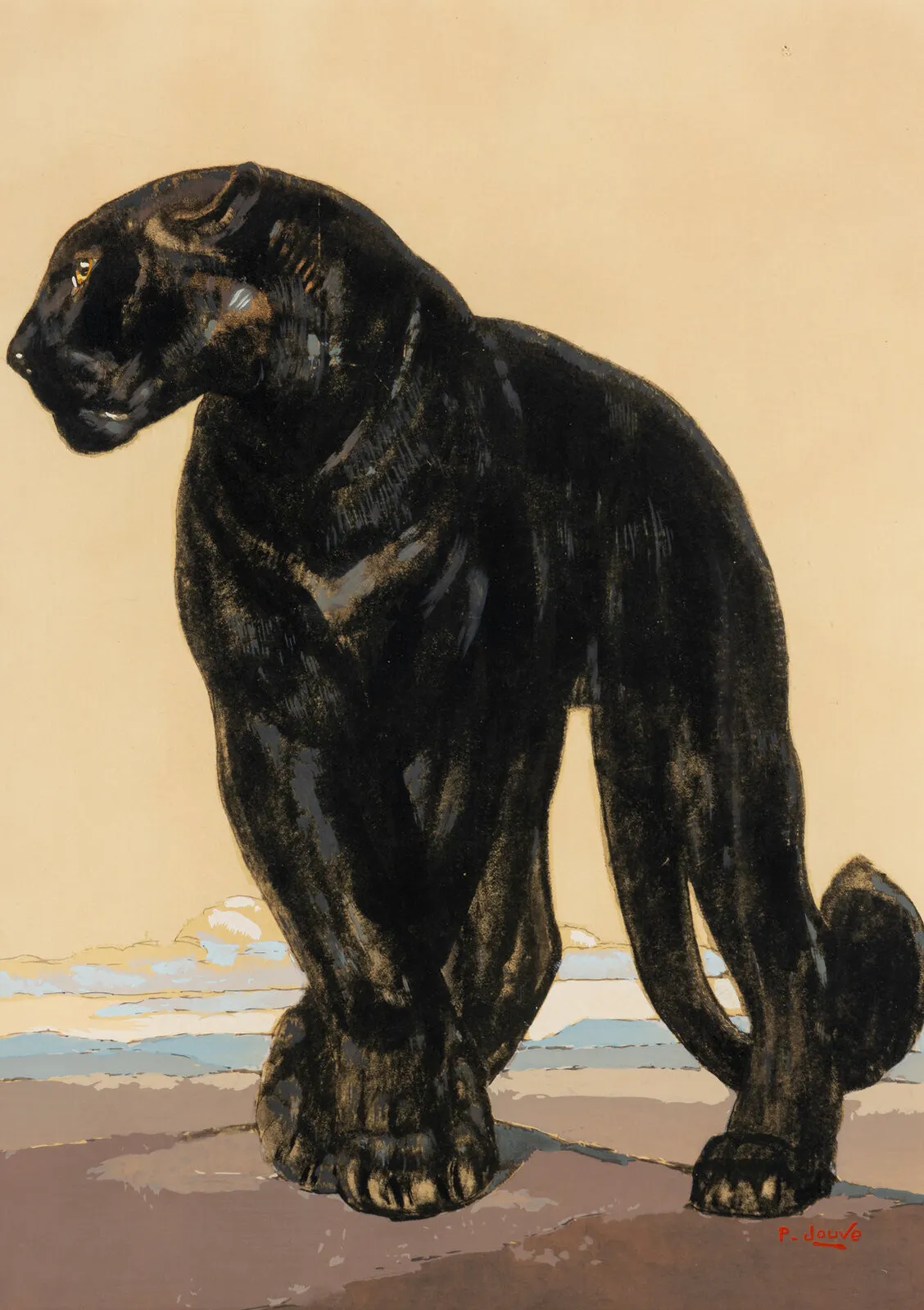
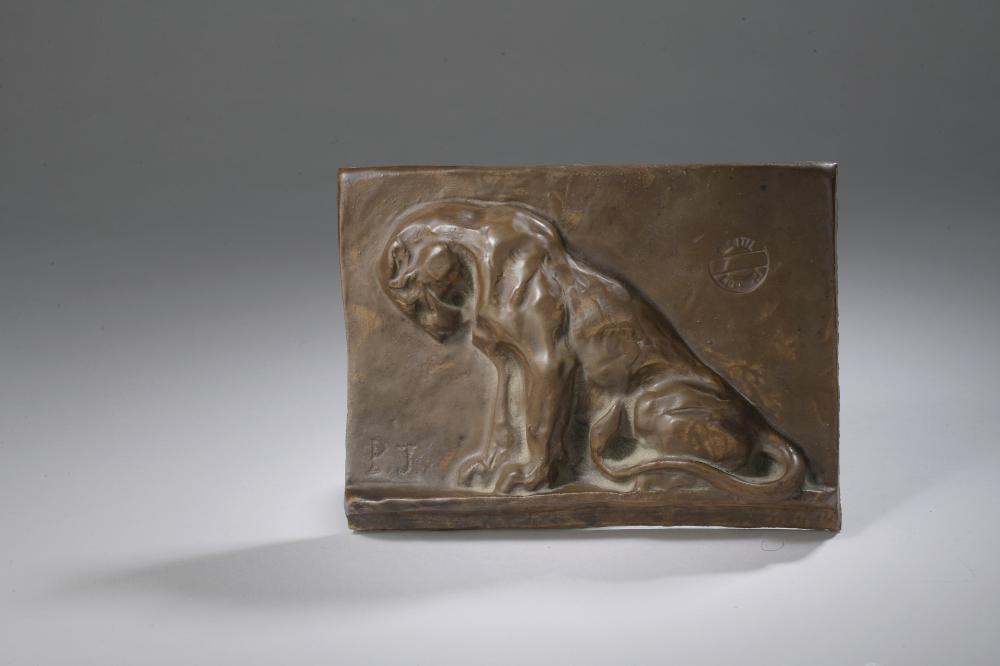
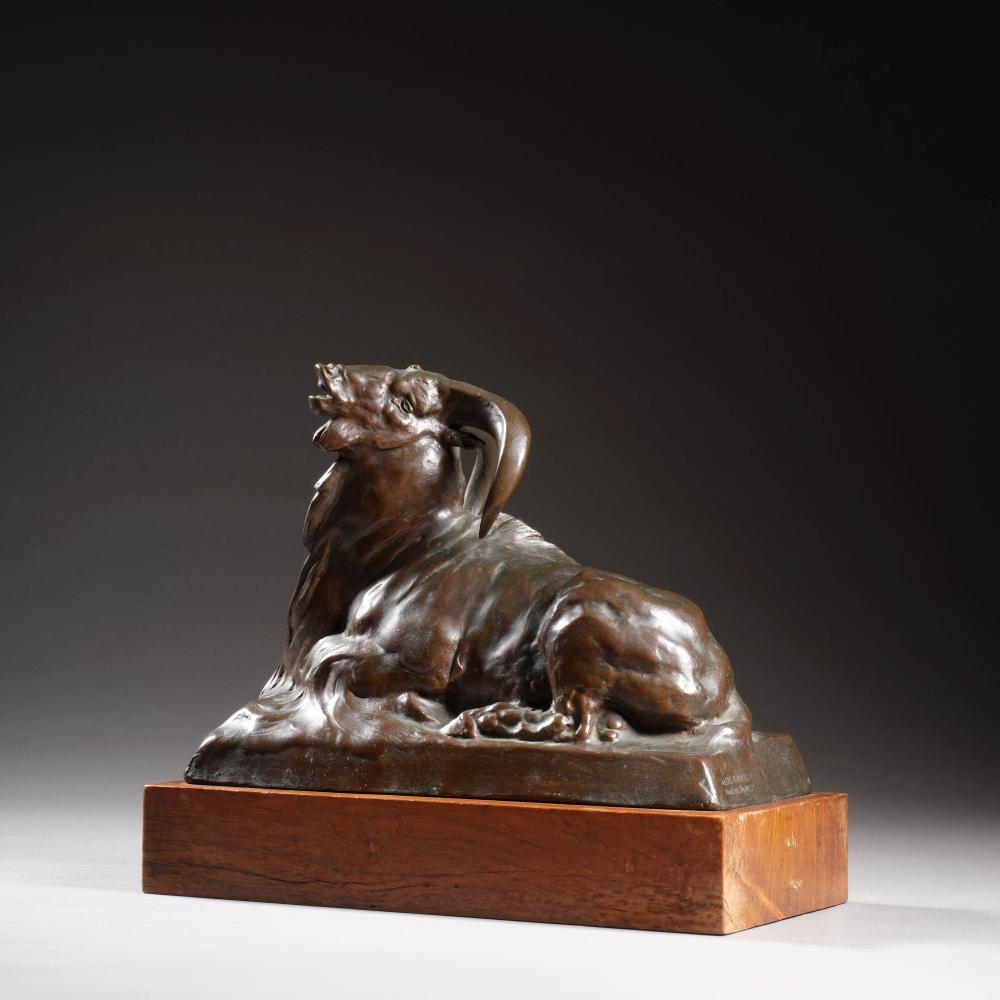
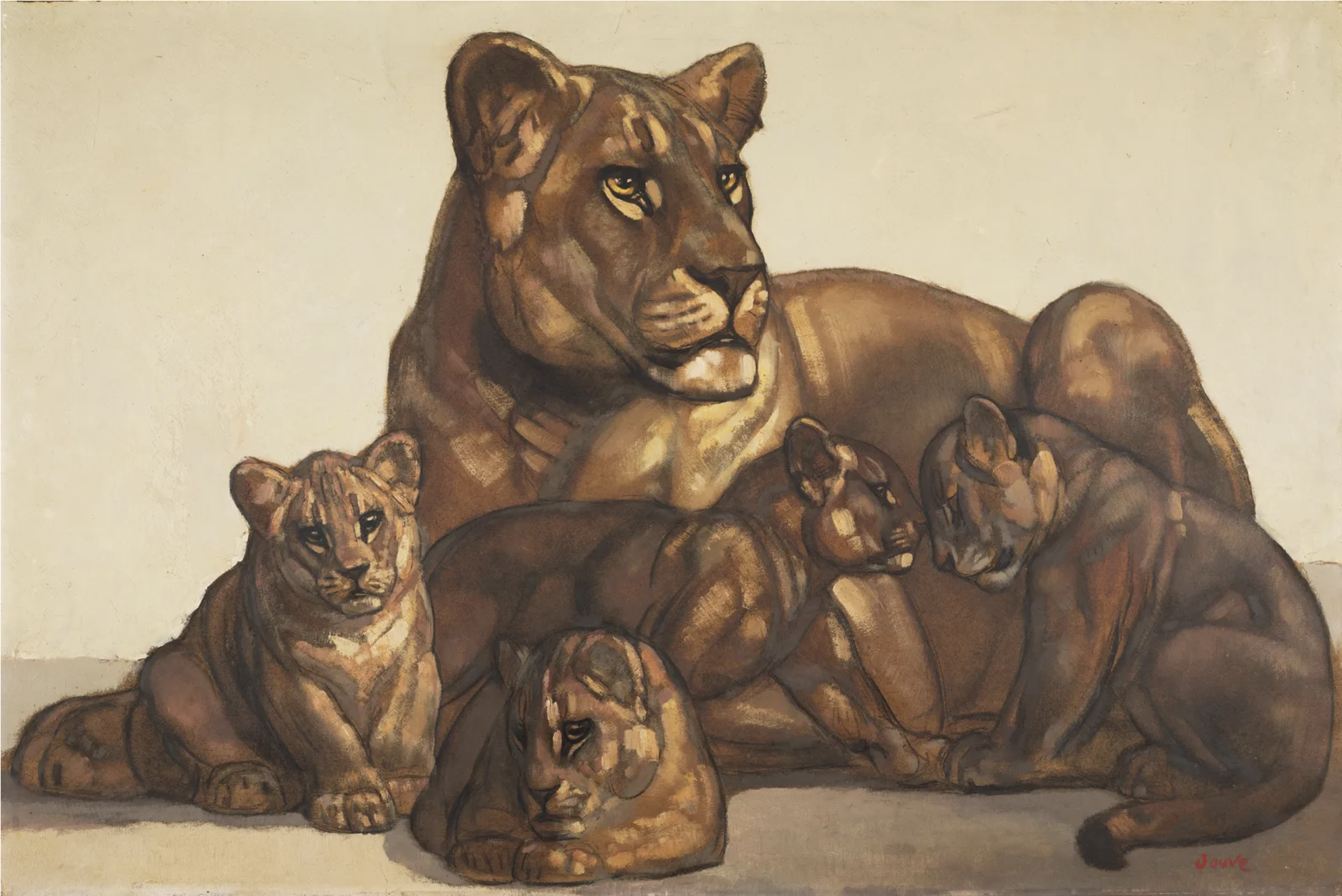
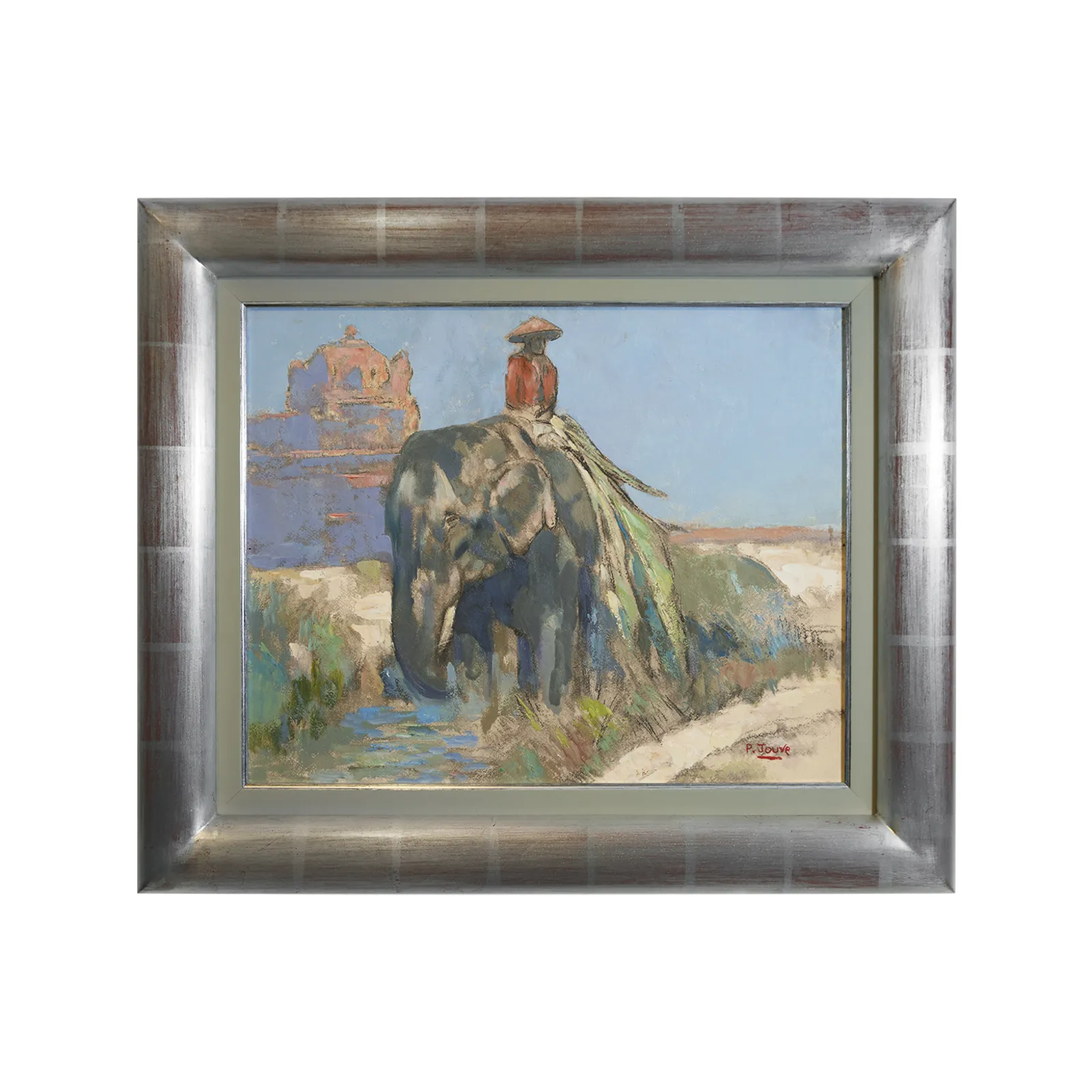
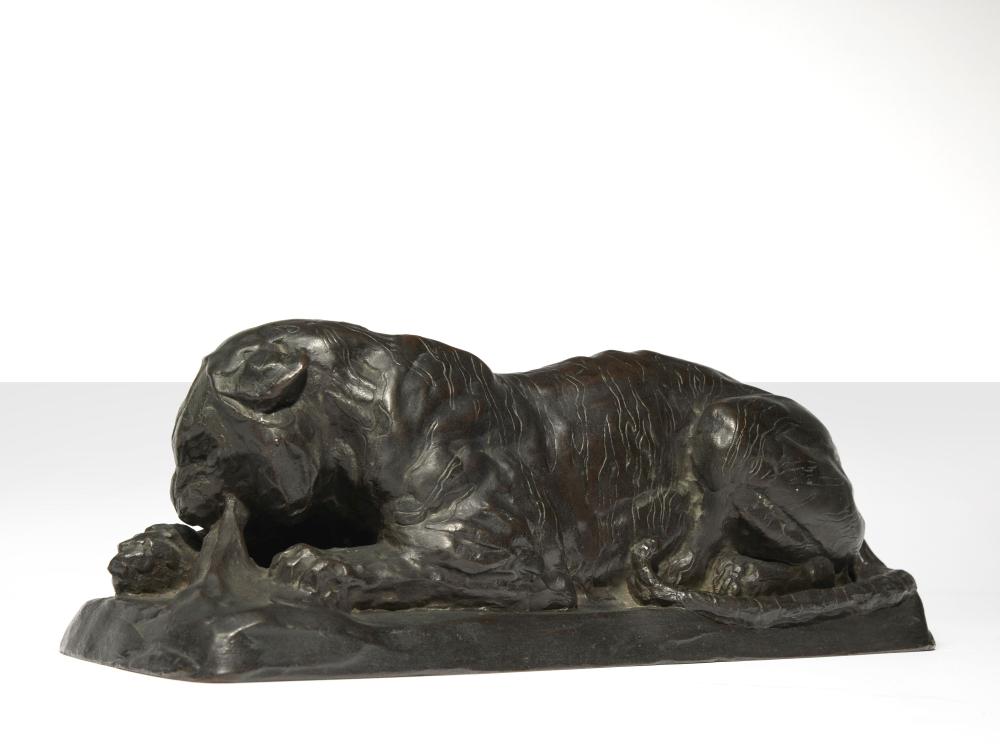
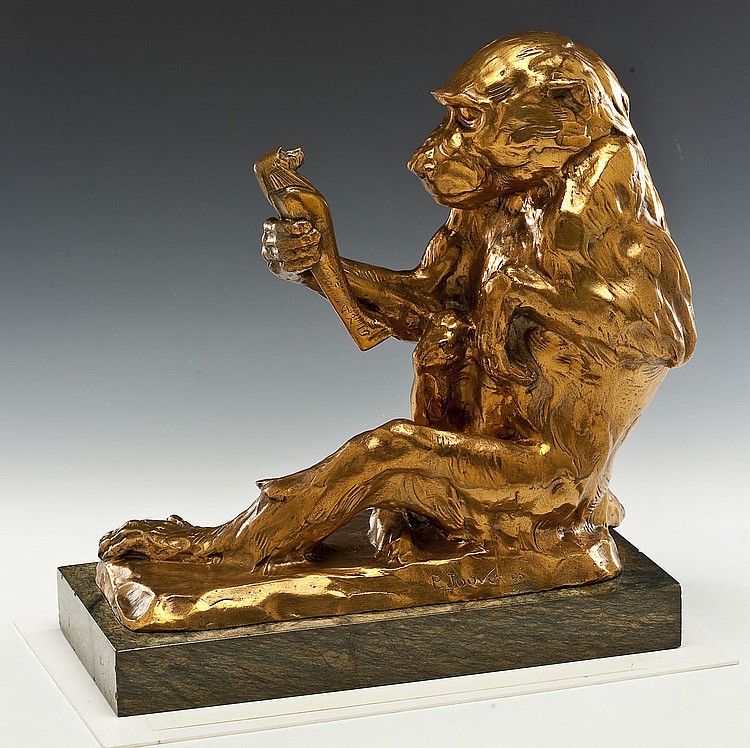
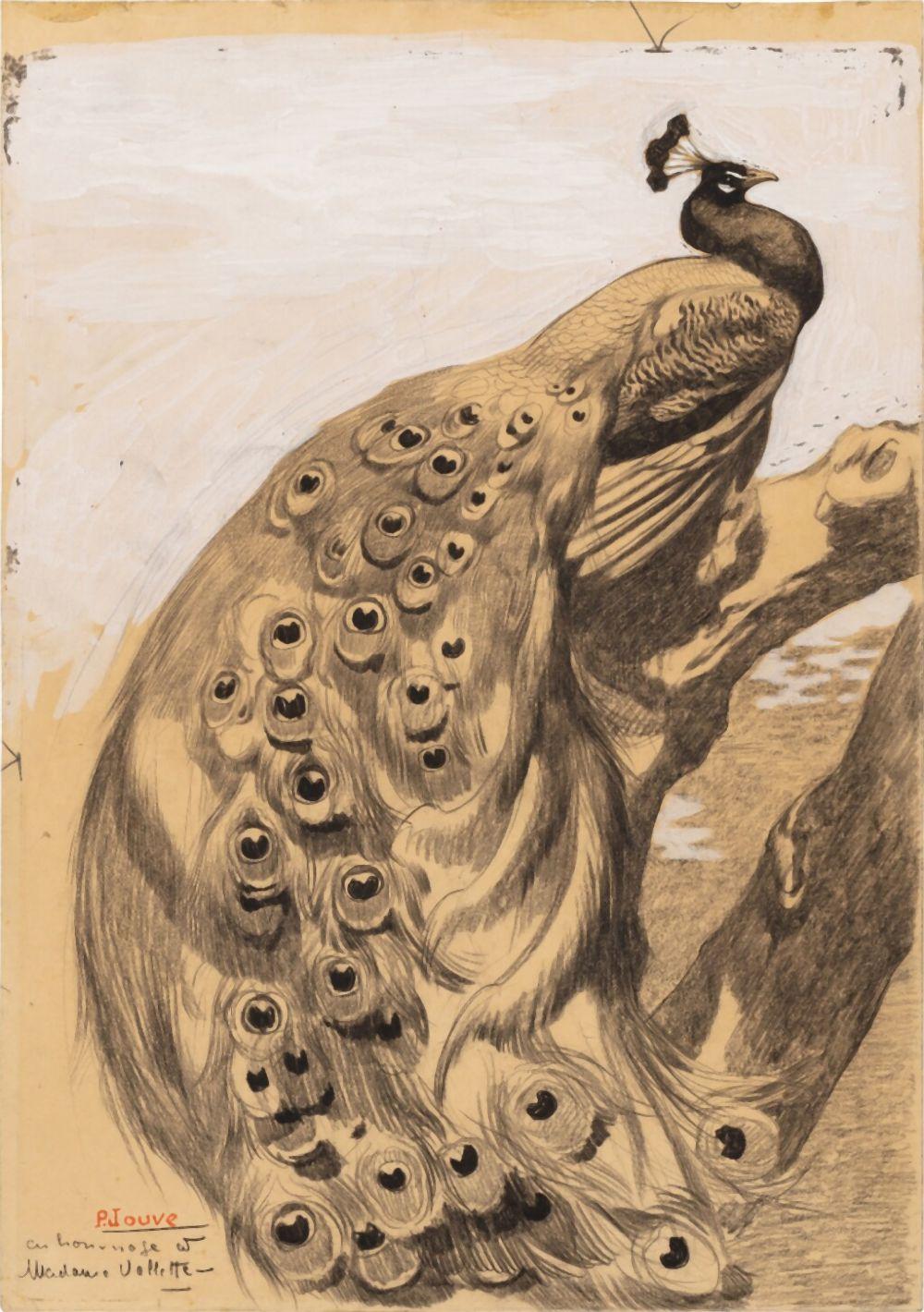
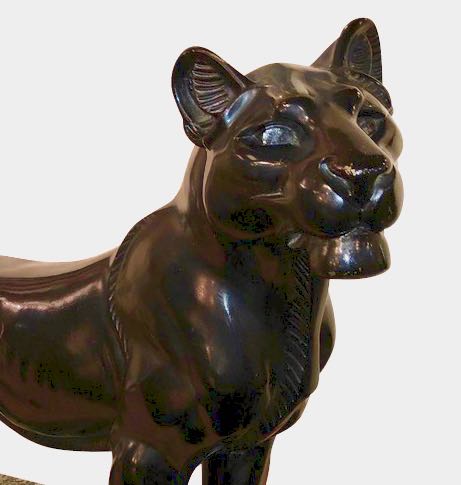
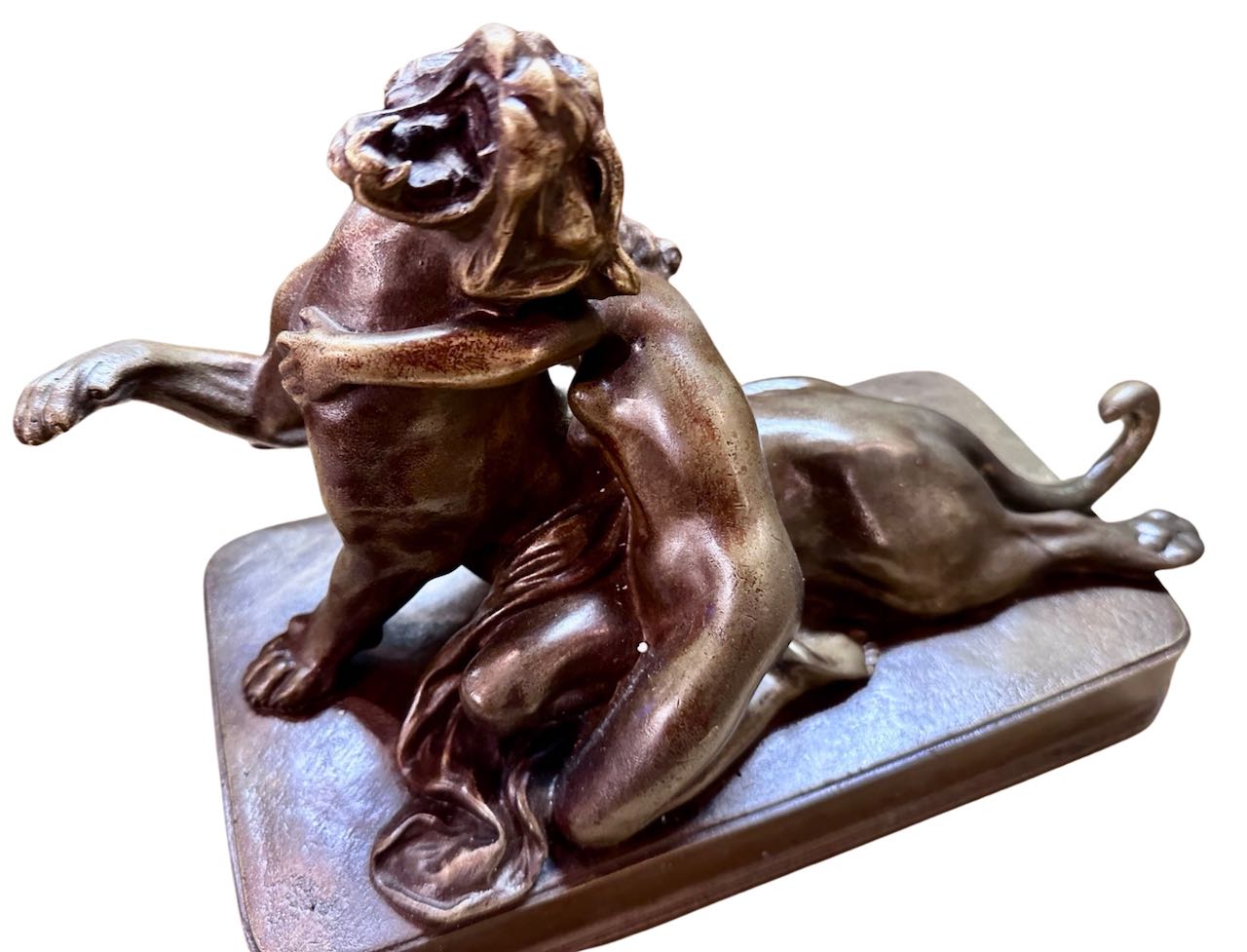
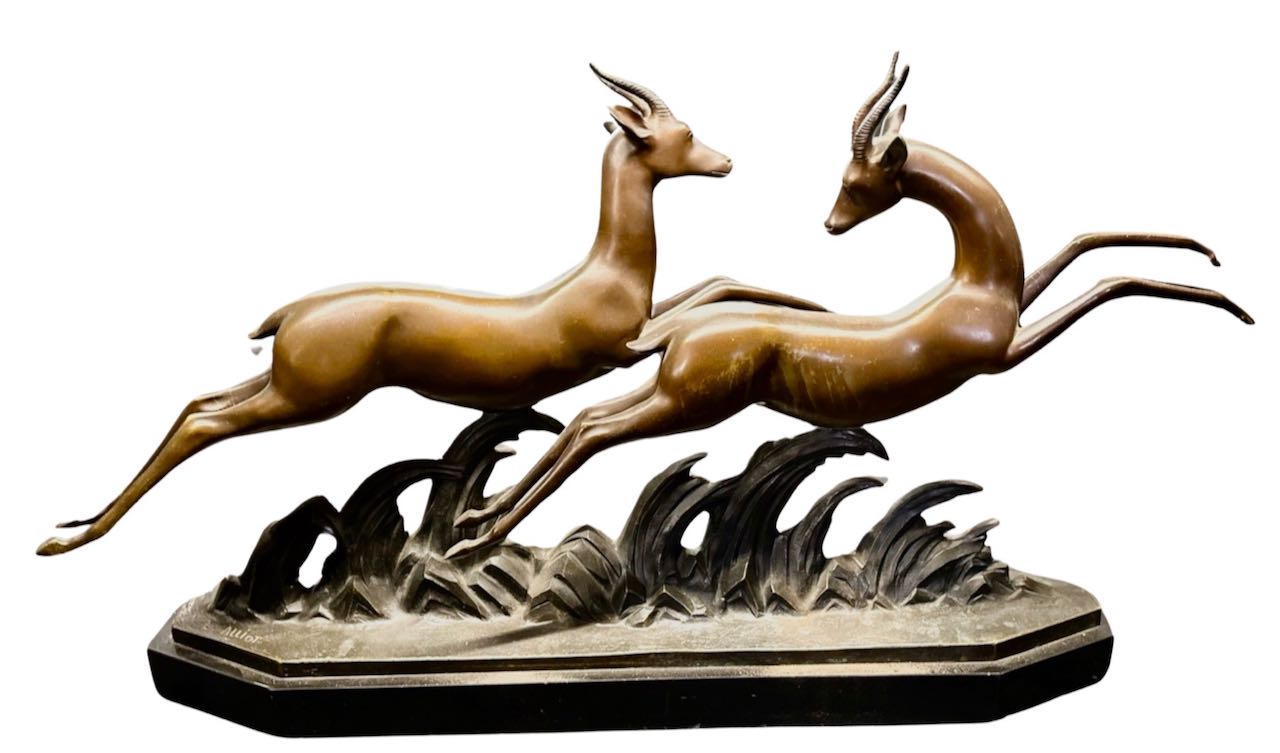
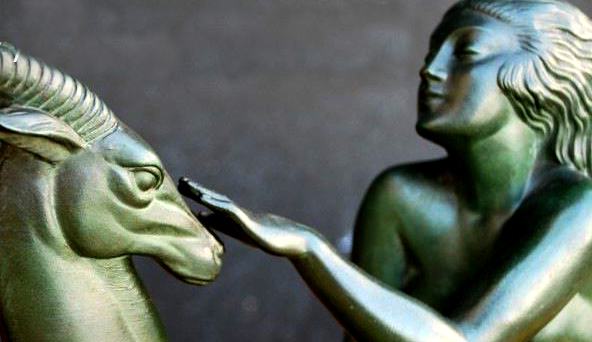
Paul Jouve’s style combines close anatomical observation with an elegant simplification of line that feels unmistakably Art Deco. His animals are precise but never overworked, with strong silhouettes and carefully controlled movement. As his career matured, his palette became calmer and his compositions more distilled, giving many works a sense of monumentality and quiet power. He often gave animals a psychological presence, making them feel alert, noble, or contemplative rather than merely descriptive. This ability to unite realism, stylization, and decorative rhythm is what gives his work its lasting appeal.
Key Influences
- Direct Study of Animals: Constant drawing at zoos, markets, and natural history collections gave his work anatomical strength and convincing movement.
- Travel and Exotic Landscapes: Journeys through North Africa, the Near East, and Asia expanded both his subject matter and his decorative imagination.
- Printmaking and Graphic Discipline: Early training in lithography and admiration for engravers sharpened his line and compositional control.
- Art Deco Decorative Programs: International expositions, luxury interiors, and liner commissions encouraged a more monumental and stylized visual language.
- Literary Illustration: Work for authors such as Kipling and La Fontaine deepened the narrative and symbolic dimension of his animal imagery.
If you are interested in further stories of the artists who shaped Art Deco, return to our artists page to browse the full directory.
Related Products