
Karl Hagenauer
Karl Hagenauer (1898–1956) was one of the defining designers of twentieth-century Vienna and the creative force who carried his family’s workshop into the modern era. He grew up immersed in the world his father, Carl Hagenauer, established in 1898 when he founded the Werkstätte Hagenauer Wien, a metalworking studio grounded in handcraft, innovation, and Viennese design culture. Carl, a trained goldsmith and the company’s original guiding hand, instilled in his children a respect for material precision and the unity of art and function. Karl entered the Vienna School of Applied Arts at the age of eleven, studying under Josef Hoffmann and Oskar Strnad, where he absorbed the ideals of the Vienna Secession and the Wiener Werkstätte. After serving in the infantry during the First World War, he returned to complete his training and qualified as an architect, a discipline that informed his strong sense of proportion and structure. When he joined the family workshop in 1919, he did so as part of a growing Hagenauer family enterprise, working alongside his father and, later, his younger brother Franz, each contributing a distinct creative voice. When Carl died in 1928, Karl assumed leadership of the business and guided it through both its most creative and most challenging years, establishing himself and the entire Hagenauer family as central figures in Viennese modern design.
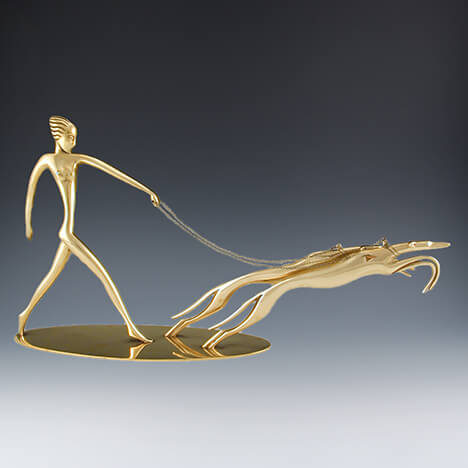
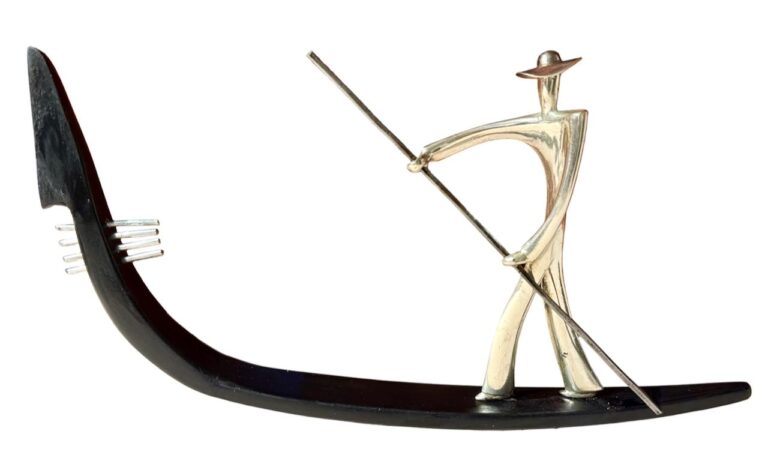
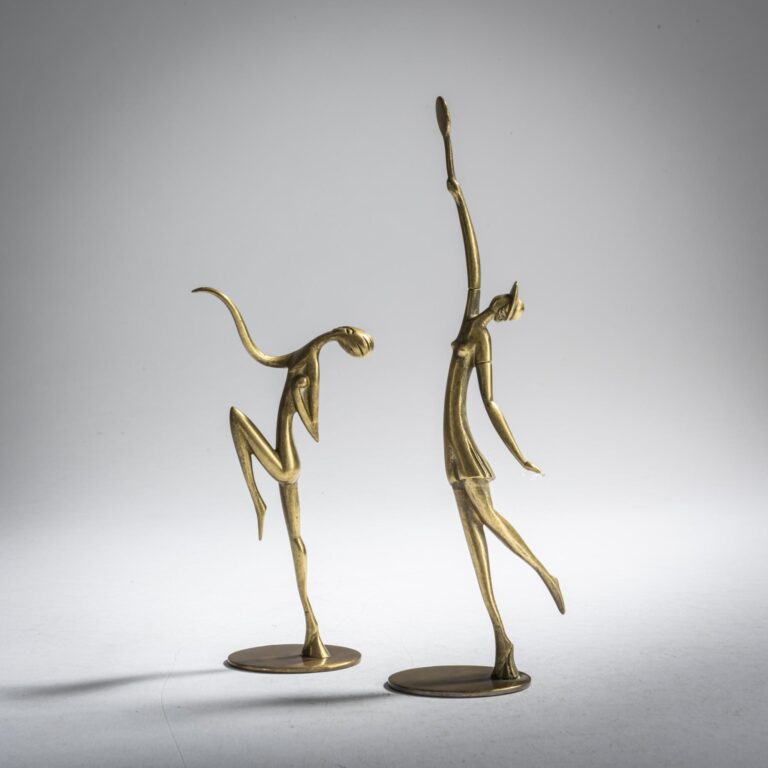
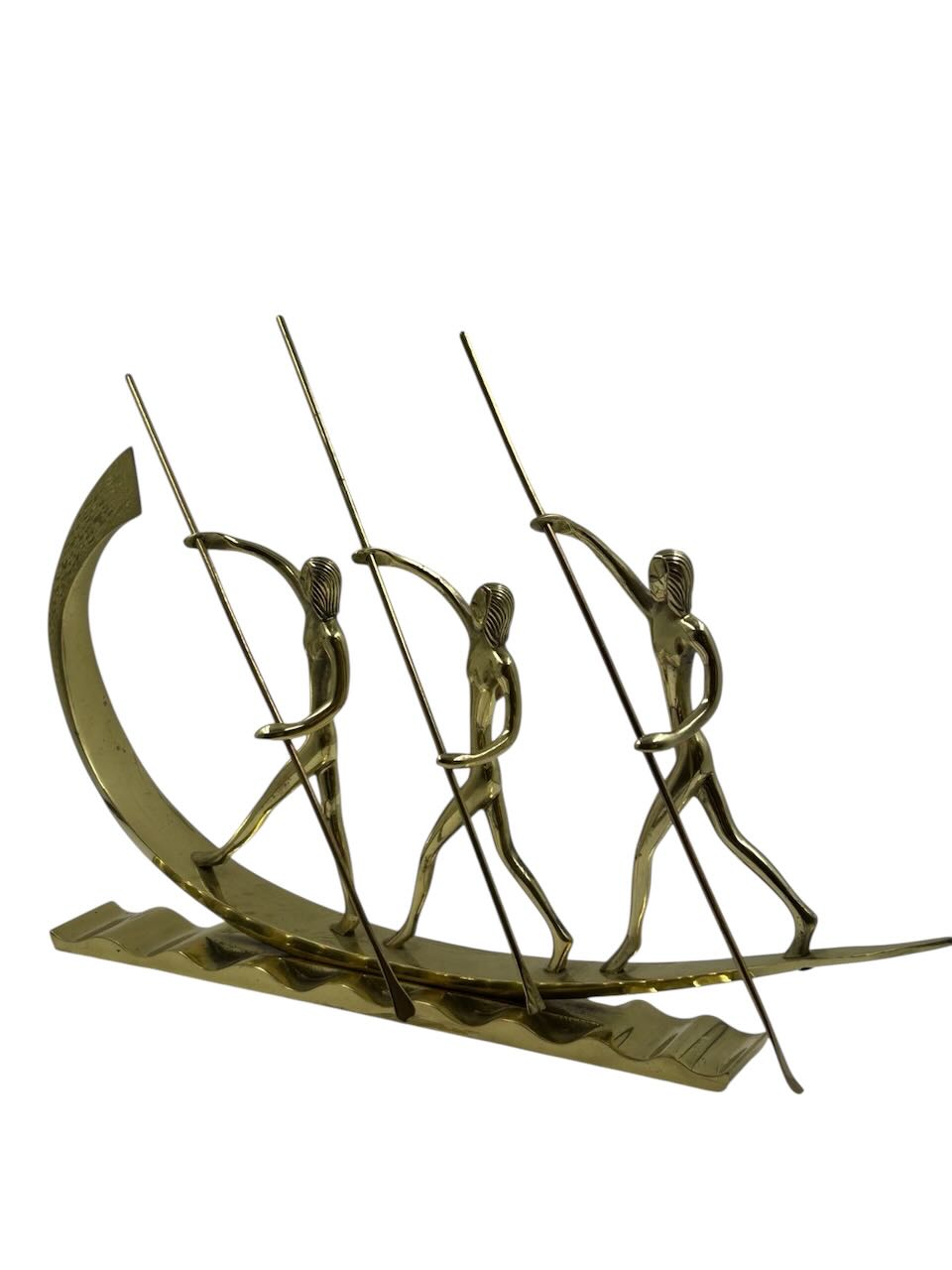
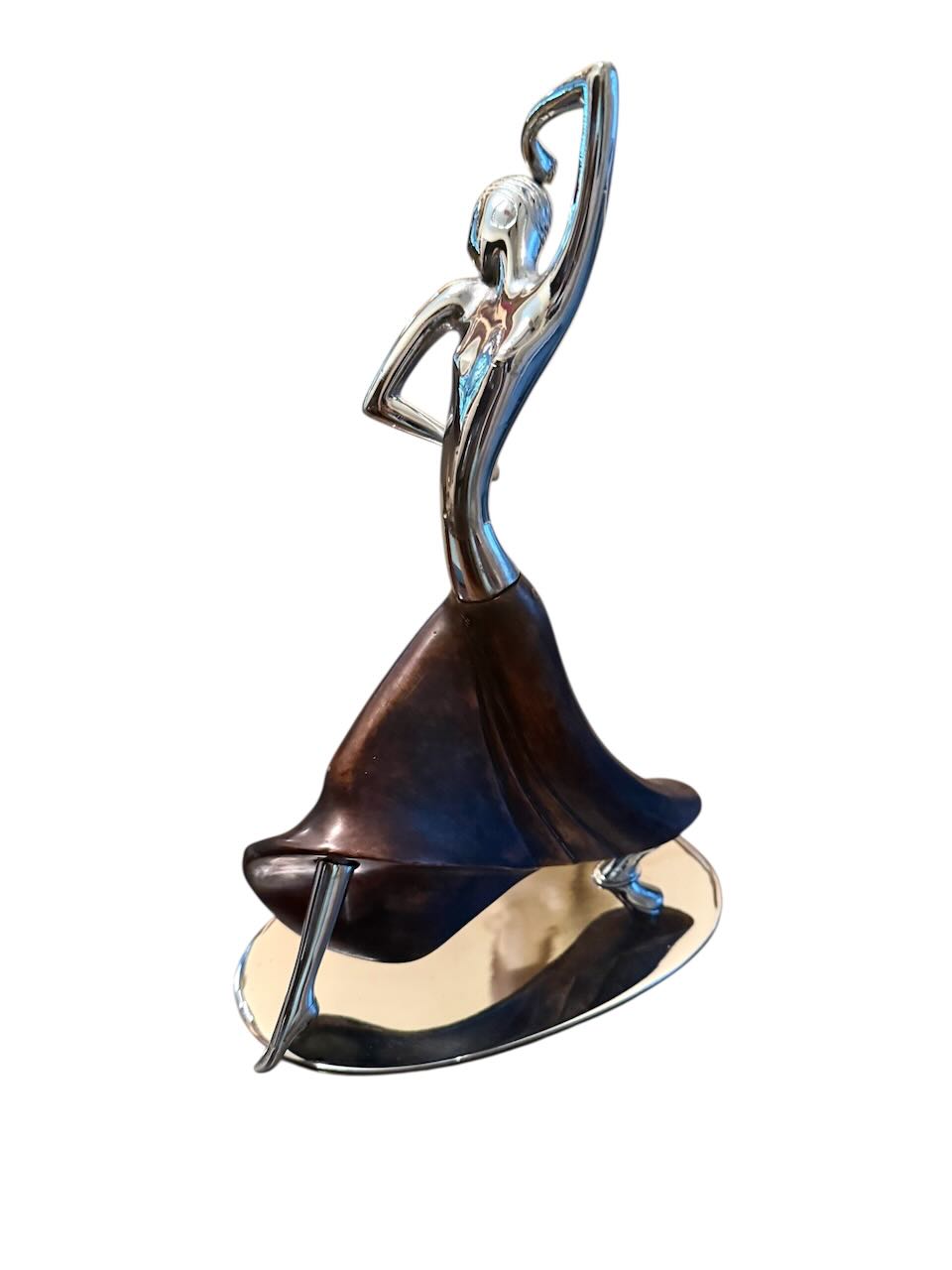
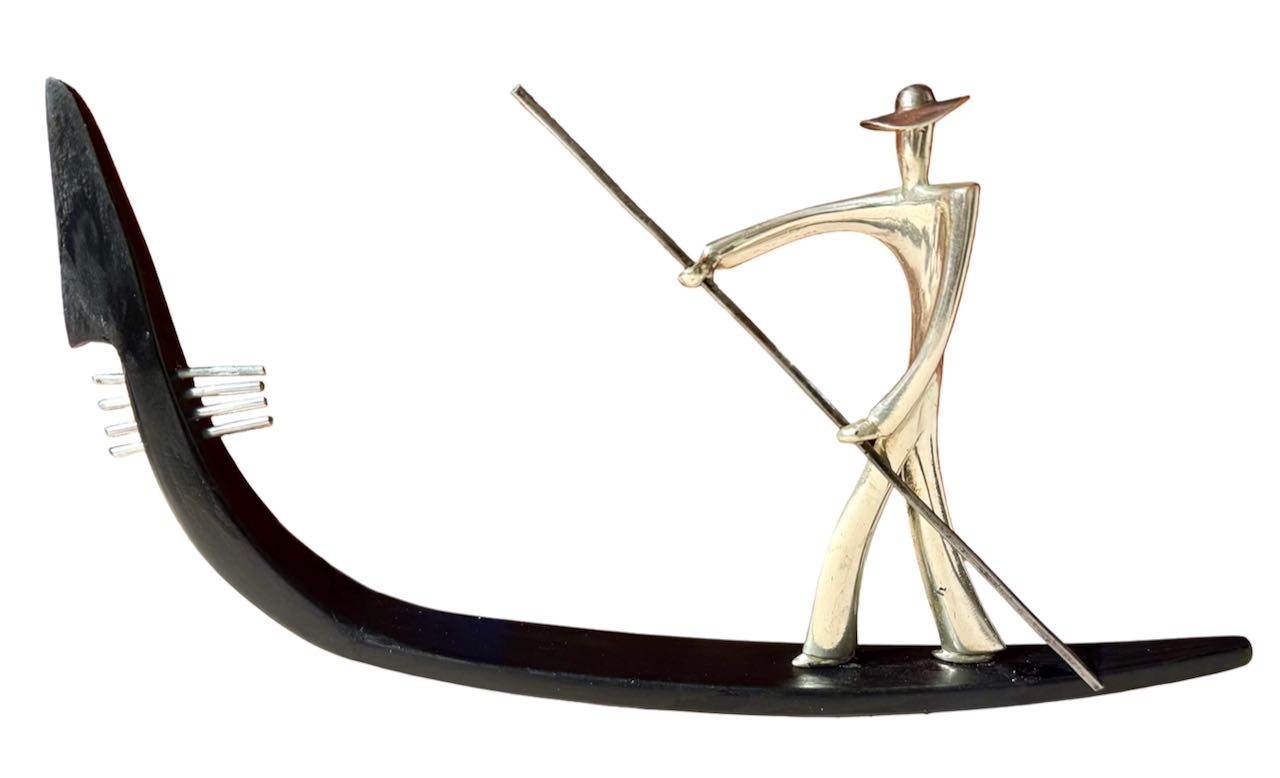
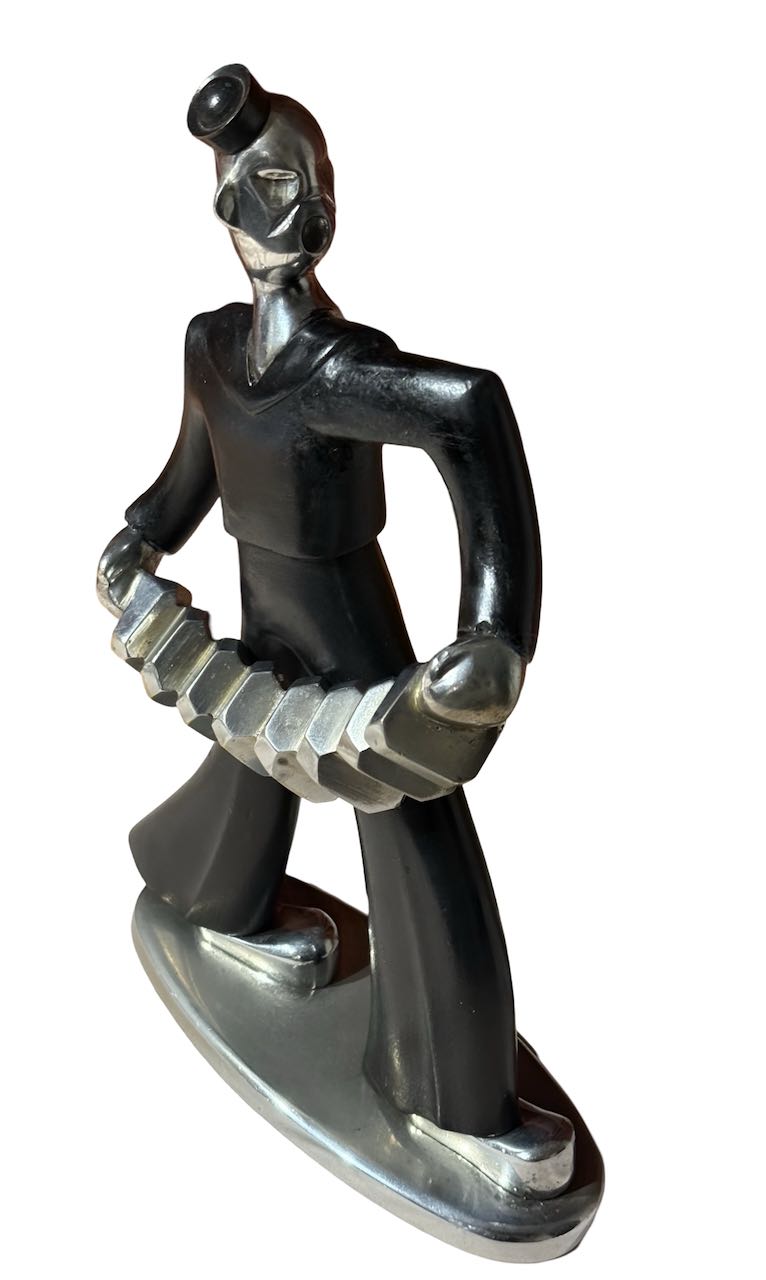
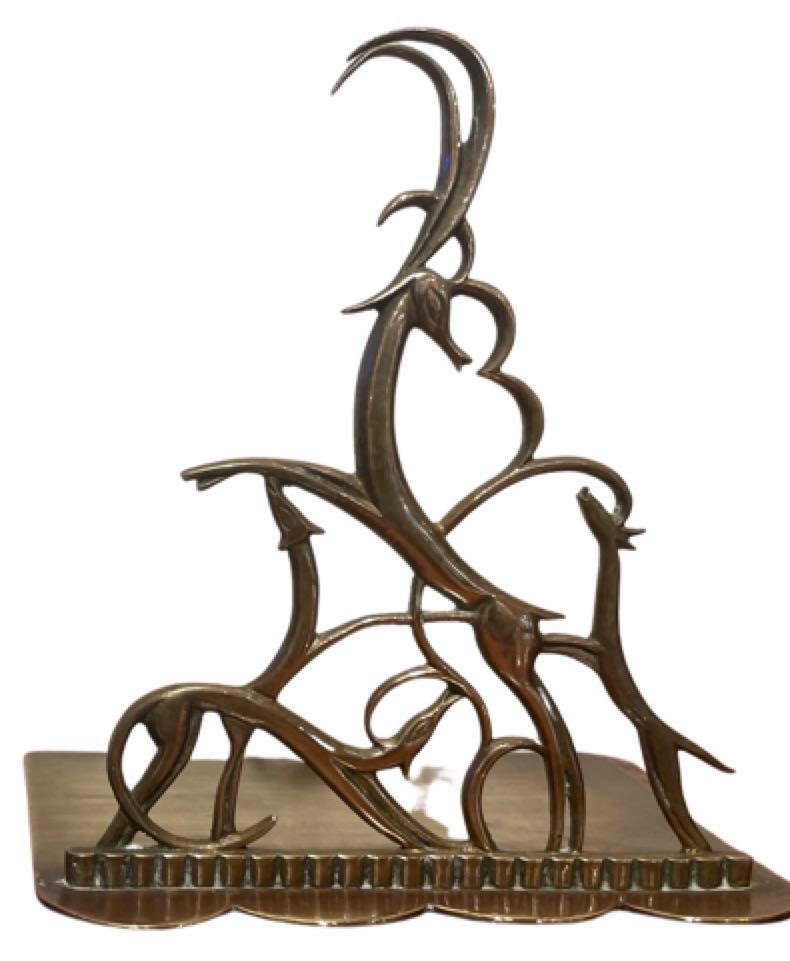
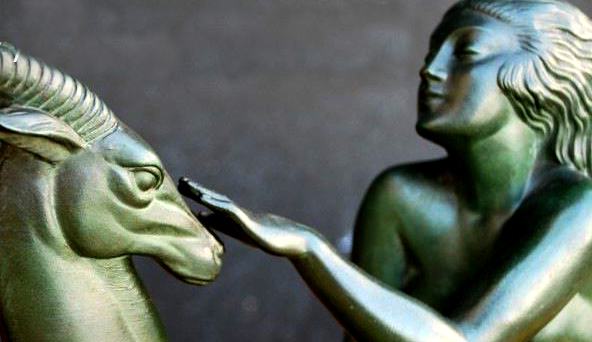
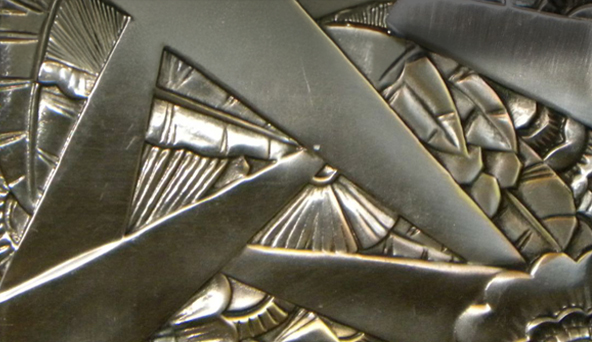
Karl’s designs reflected both his architectural eye and his ability to animate simple materials with personality and grace. He worked mainly in brass, nickel-plated metal, and wood, creating stylized animals, sleek athletes, expressive caricatures, and refined human figures that found eager audiences in Europe and the United States. His functional objects, such as ashtrays, mirrors, corkscrews, and bookends, were conceived as miniature sculptures rather than utilitarian items. Yet the evolution of the Werkstätte Hagenauer was never Karl’s story alone. Carl’s founding principles of craftsmanship and proportion set the template for the workshop, shaping its hybrid identity between Viennese tradition and modernist clarity. Equally important was Franz Hagenauer, whose entry into the workshop expanded its sculptural vocabulary; his experiments with sheet metal, hammered surfaces, and abstracted facial forms introduced a new aesthetic that complemented and extended Karl’s approach. Together, the Hagenauer family, with Carl as founder, Karl as creative leader, and Franz as sculptural innovator, transformed the studio into one of Vienna’s most recognizable artistic voices. Through war, scarcity, and shifting artistic trends, Karl maintained a commitment to refinement and clarity that kept the Hagenauer name at the center of Viennese design, while the contributions of his father and brother ensured the workshop’s breadth, adaptability, and lasting legacy.
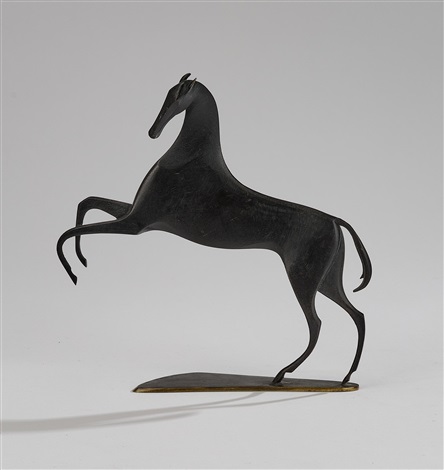

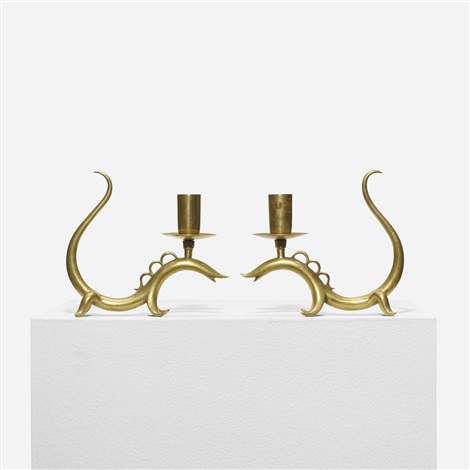
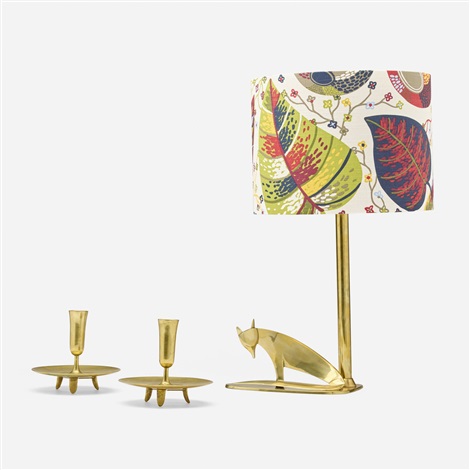

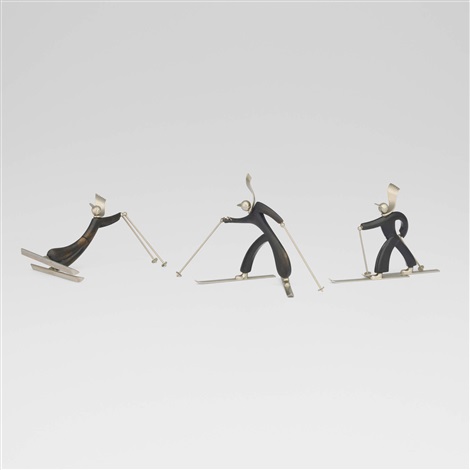

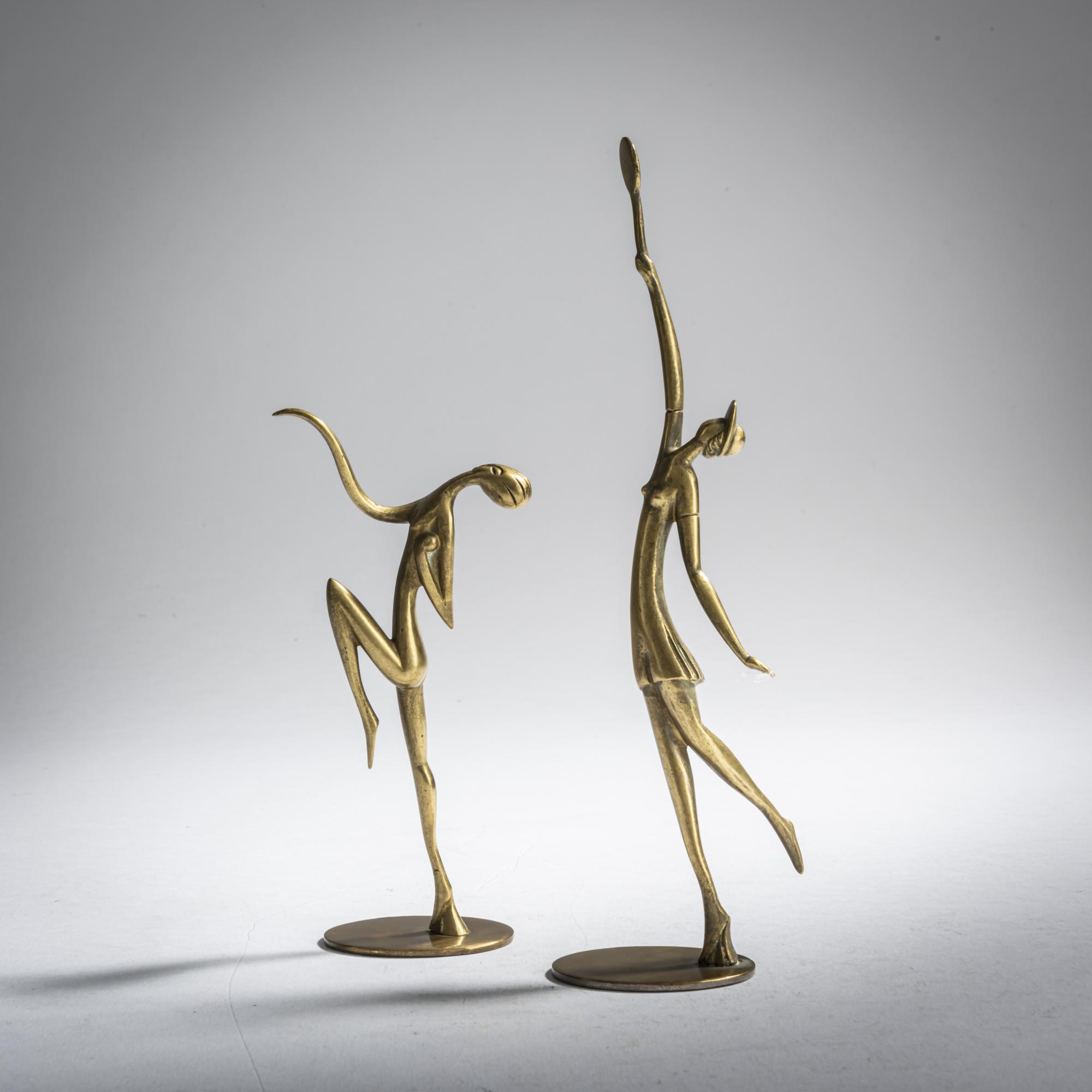
Hagenauers style combined the sensuous curves of Jugendstil with the clean, disciplined geometry of Art Deco. His figures often featured elongated proportions, smooth contours, and a polished metallic sheen that emphasized motion and form. Whether crafting functional household items or purely decorative sculptures, he favored balance, wit, and simplicity over ornament. His designs often hinted at character or emotion through minimal gesture, giving life to brass and wood. Every piece reflected the Viennese belief that art should inhabit daily life with beauty and purpose.
Key Influences:
Vienna Secession and Wiener Werkstatte: Hoffmanns teachings shaped his commitment to uniting craft, design, and architecture into a holistic art form.
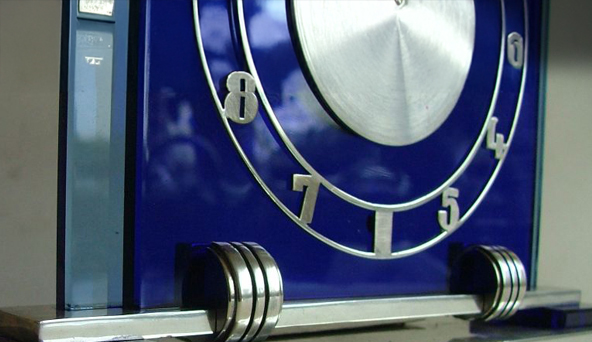
Art Deco Modernism: Streamlined surfaces and stylized figures reflected the global fascination with speed, luxury, and precision.
Material Experimentation: His mastery of brass, nickel, and wood allowed him to merge fine art with functional design.
International Exhibitions: Recognition in Paris, Milan, and Philadelphia positioned him as a leading voice in modern decorative arts.
American Market and Modern Taste: His success with collectors and retailers abroad helped define the export identity of Viennese design in the early twentieth century.