







Julia Morgan
Julia Morgan was born in 1872 in San Francisco and became one of the most prolific architects in American history. She was trained as both an engineer and an architect, earning her civil engineering degree from the University of California, Berkeley. Morgan was the first woman admitted to the architecture program at the École des Beaux Arts in Paris. She was also the first woman licensed to practice architecture in California. Her education combined rigorous structural training with classical design principles. Morgan established her own practice in San Francisco in the early twentieth century. She maintained a deliberately low public profile despite widespread professional respect. Over the course of her career, she designed more than 700 buildings. She died in 1957, leaving a legacy defined by durability, clarity, and service.
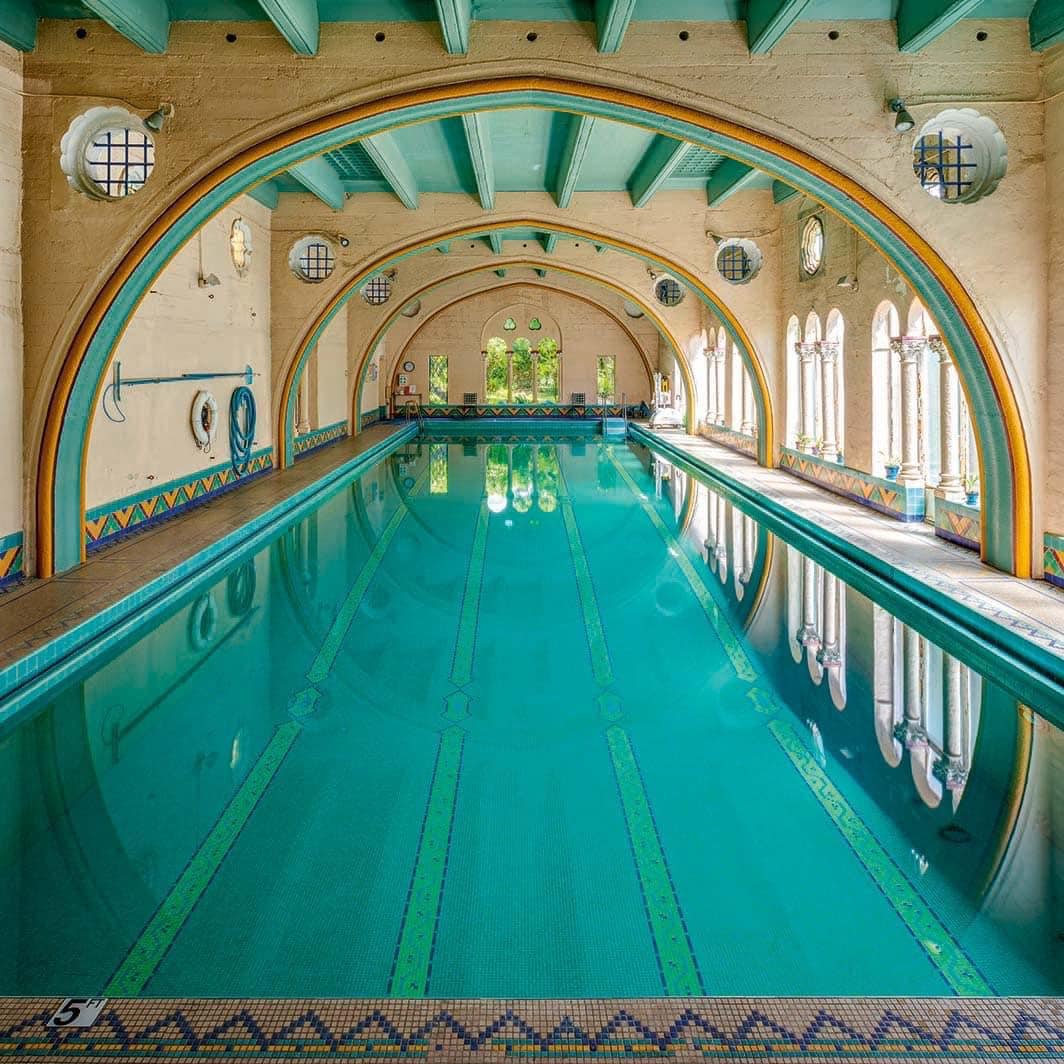

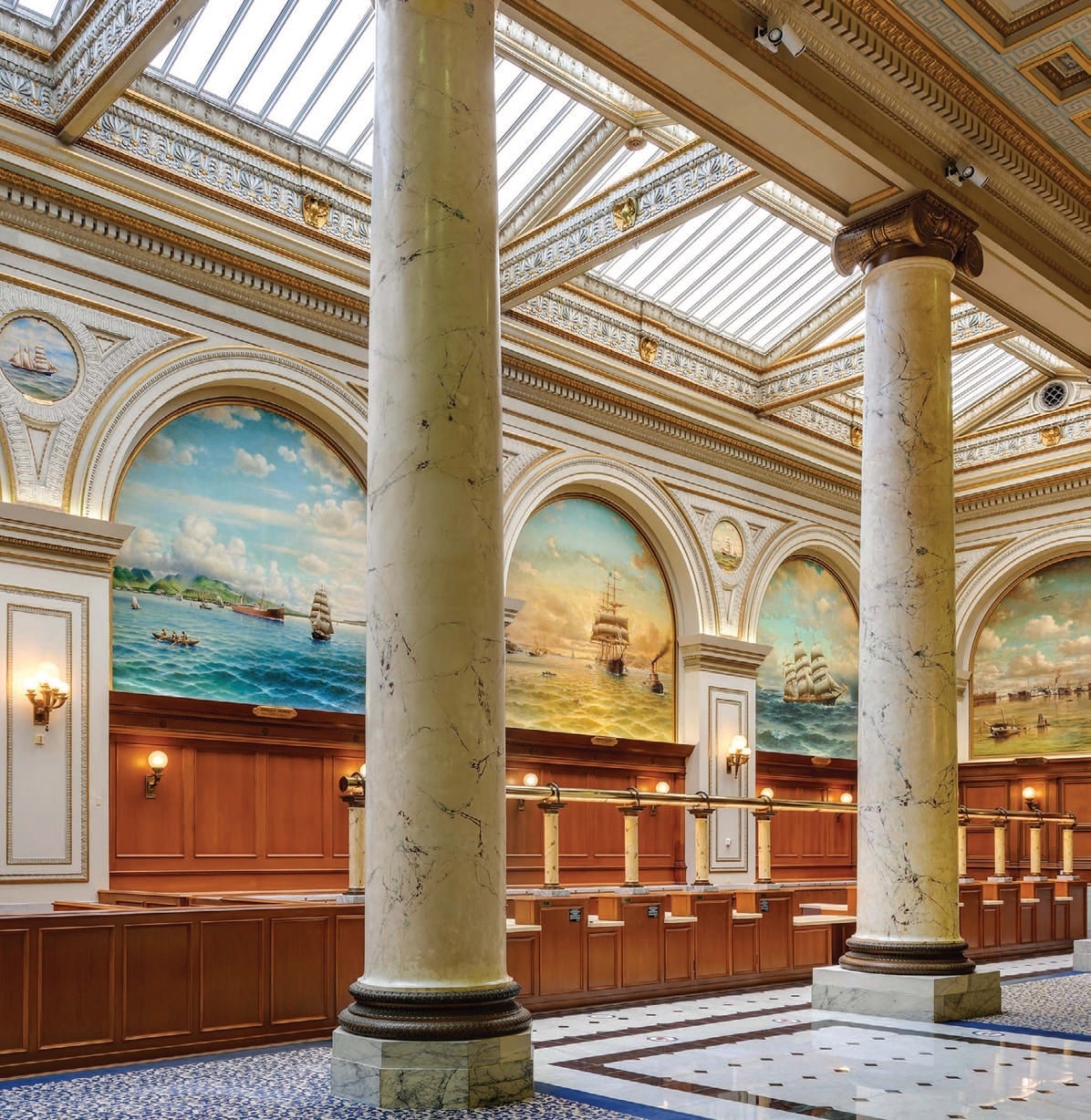
Morgan’s early career was shaped by her mastery of reinforced concrete, which proved critical after the 1906 San Francisco earthquake. Her reputation grew rapidly as many of her buildings survived seismic events with little damage. She worked extensively for institutions serving women, including YWCA buildings and college campuses. One of her most celebrated commissions was Hearst Castle in San Simeon, a decades-long collaboration with William Randolph Hearst. The project combined classical, Mediterranean, and historic European influences at monumental scale. In addition to large estates, she designed churches, schools, hospitals, and private residences throughout California. In Berkeley, she designed the Berkeley Women’s City Club, including its celebrated indoor swimming pool. The pool is often noted for its light-filled arcades, Art Deco tilework, and serene architectural balance. Her practice remained active until her retirement in 1950.
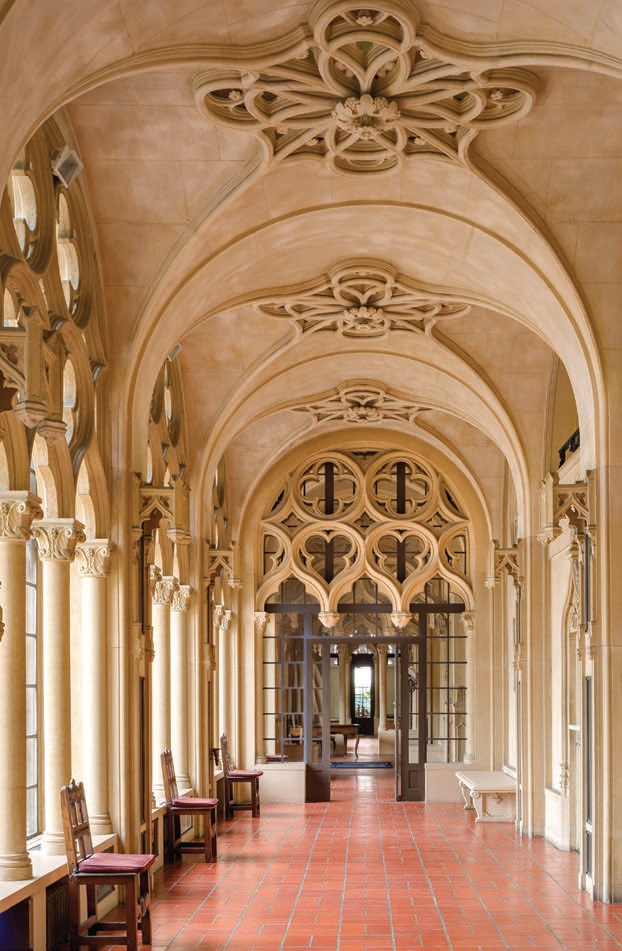

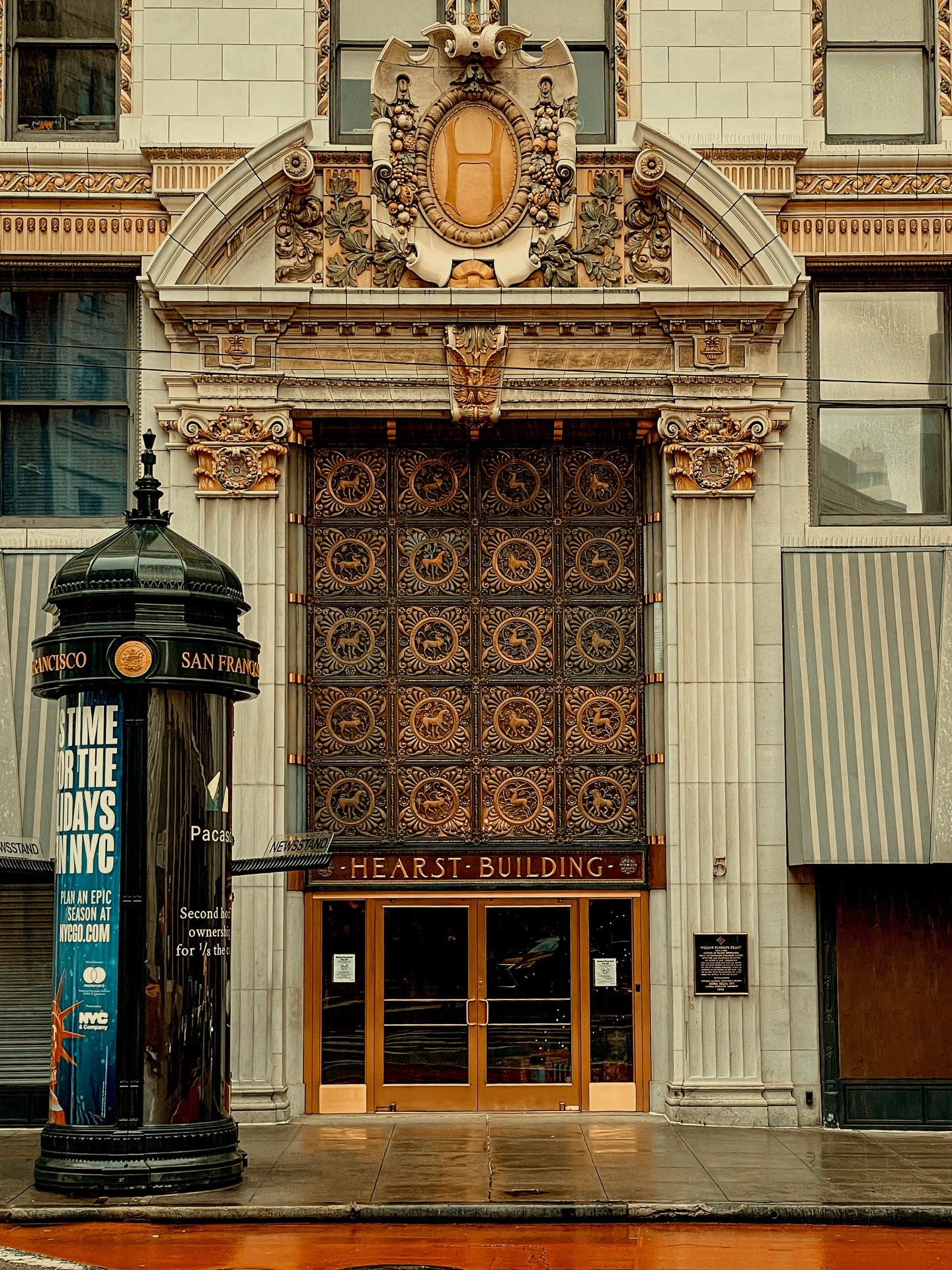
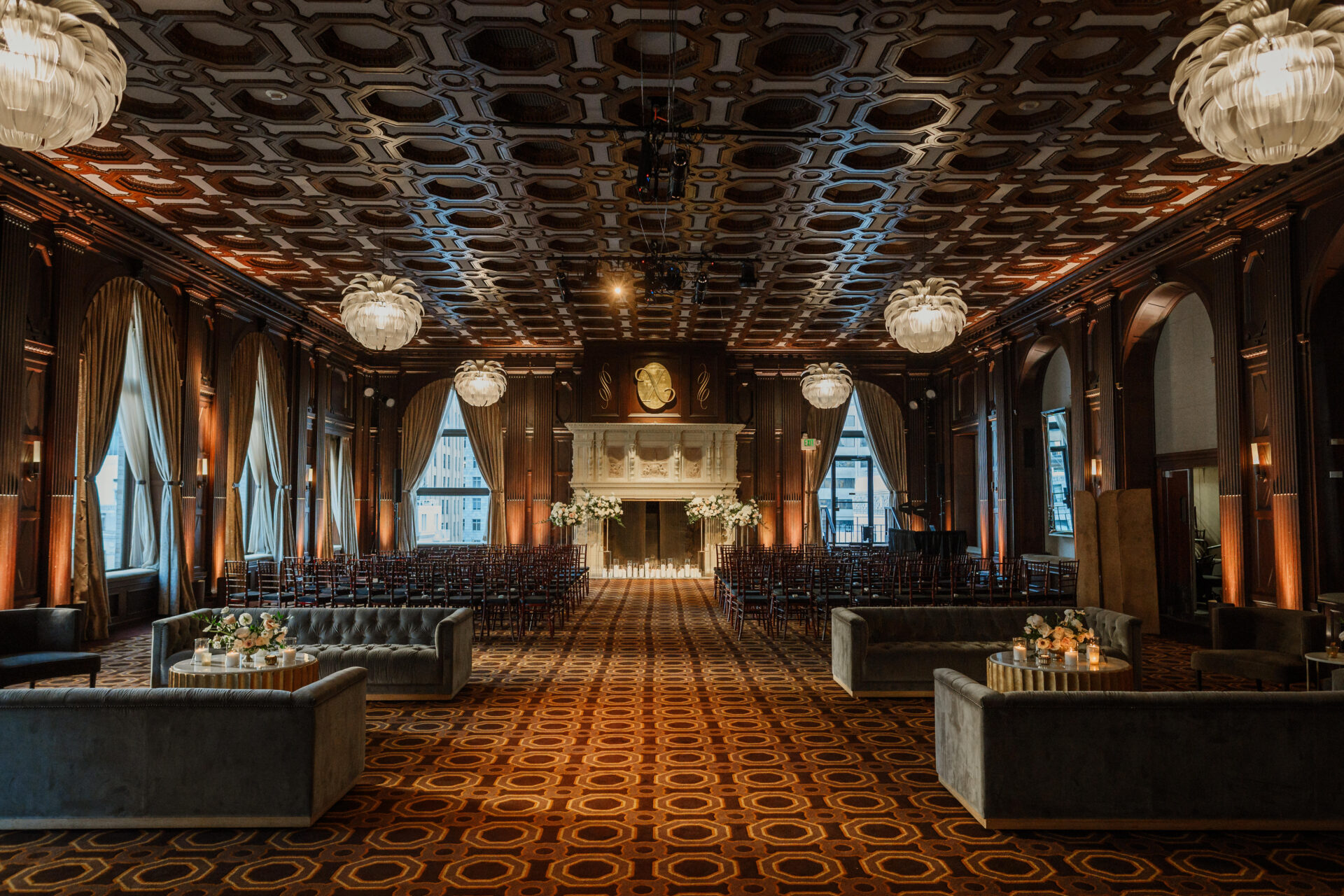
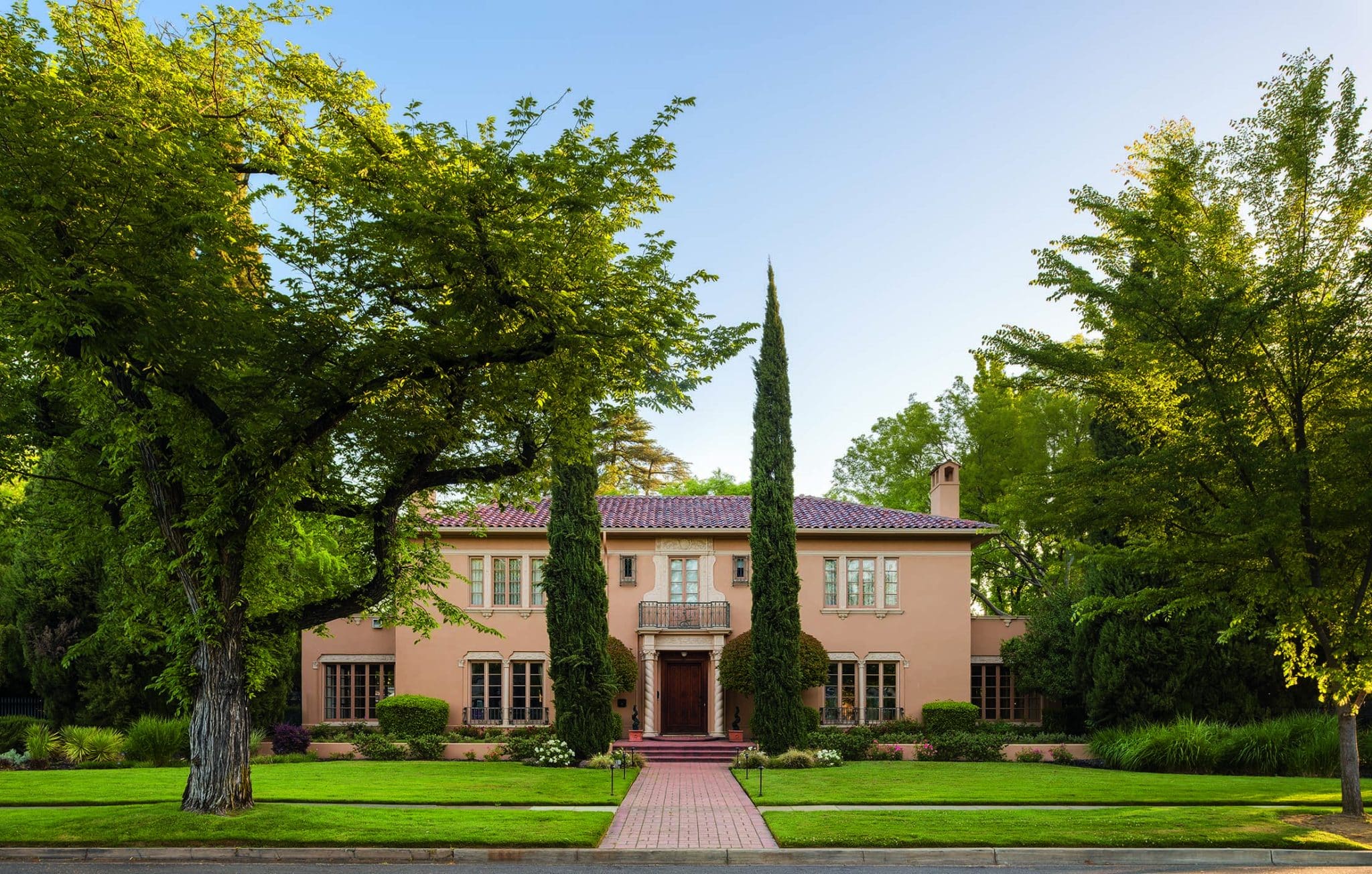
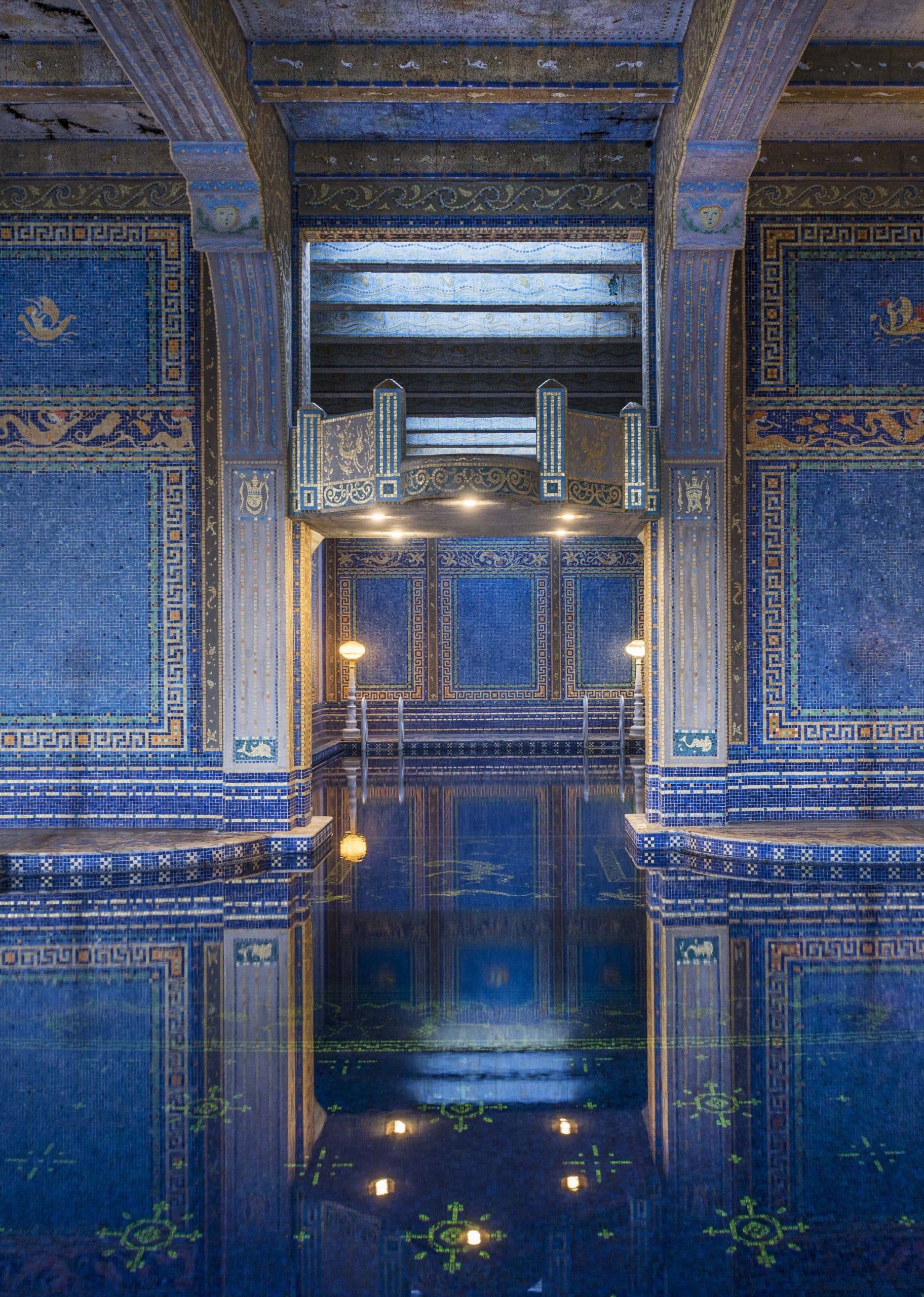

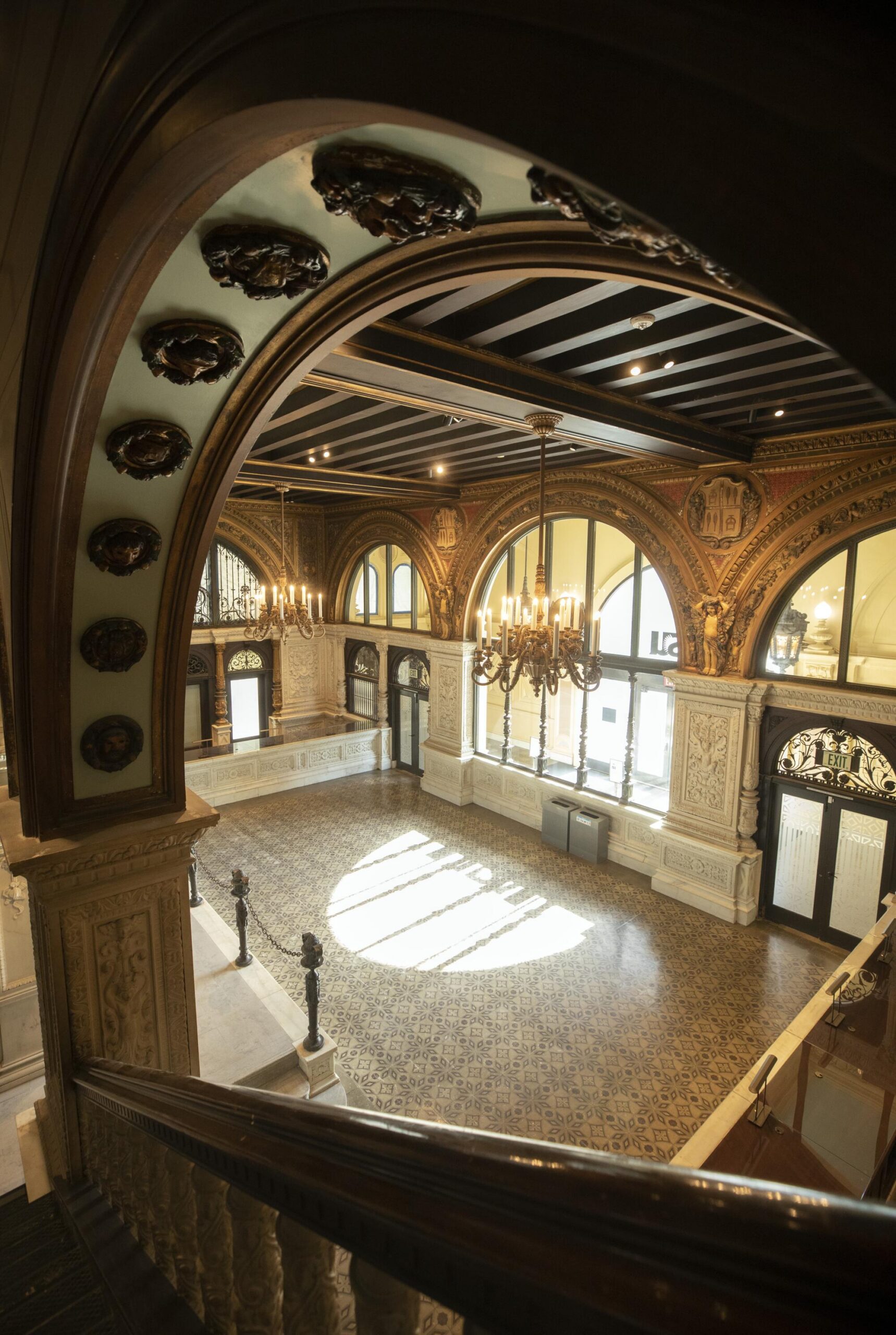
Julia Morgan’s work blends structural rationality with refined historic references. She frequently employed Mission Revival, Gothic, Moorish, and classical influences adapted to local contexts. Her buildings emphasize proportion, craftsmanship, and material honesty. Reinforced concrete was used not only for strength but also for aesthetic clarity. Interior spaces often balance monumentality with warmth and human scale.
Key Influences
- Beaux Arts Training: Classical composition and disciplined planning shaped her architectural foundations.
- Engineering Education: Structural logic informed her innovative use of reinforced concrete.
- California Mission Traditions: Regional forms influenced her approach to materials and massing.
- Women-led institutions: Social commitment guided many of her commissions and design priorities.
- Natural Landscape: Sites and topography played an integral role in her architectural solutions.
If you are interested in further stories of the artists who shaped Art Deco, return to our artists page to browse the full directory.