
Jean Puiforcat
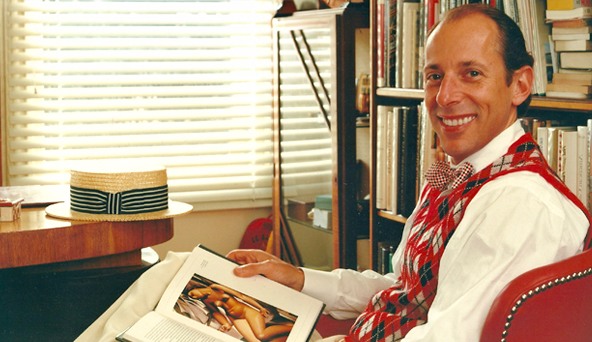
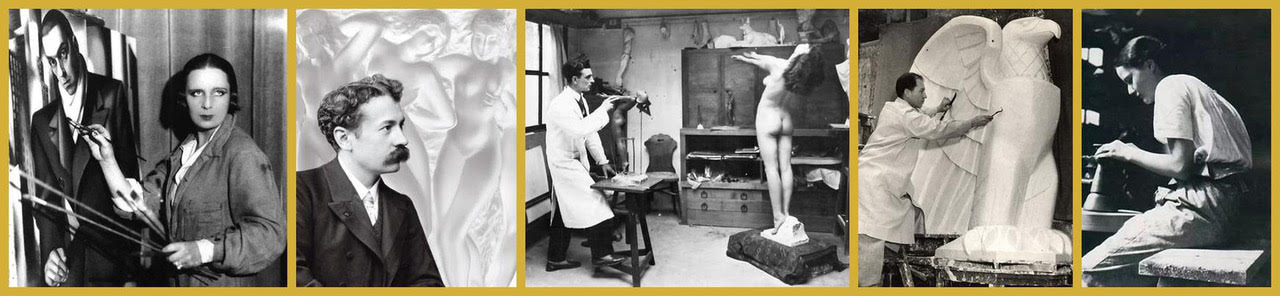
Jean Puiforcat was born in Paris in 1897 into a distinguished family of silversmiths whose firm dated back to the early nineteenth century. After serving in the First World War, he returned to Paris and learned the craft in his family’s workshop, grounding himself in traditional metalworking techniques. He further refined his approach through studies with the sculptor Louis Aimé Lejeune, which sharpened his sense of volume and form. This sculptural training proved essential to his later design language. Rather than continuing historicist traditions, Puiforcat was drawn toward abstraction and structural clarity. His early career unfolded during a period of radical reassessment in the decorative arts. Exposure to modernist ideas encouraged him to rethink luxury through restraint rather than ornament. By the early 1920s, he had begun to emerge as a leading voice in modern French silver.

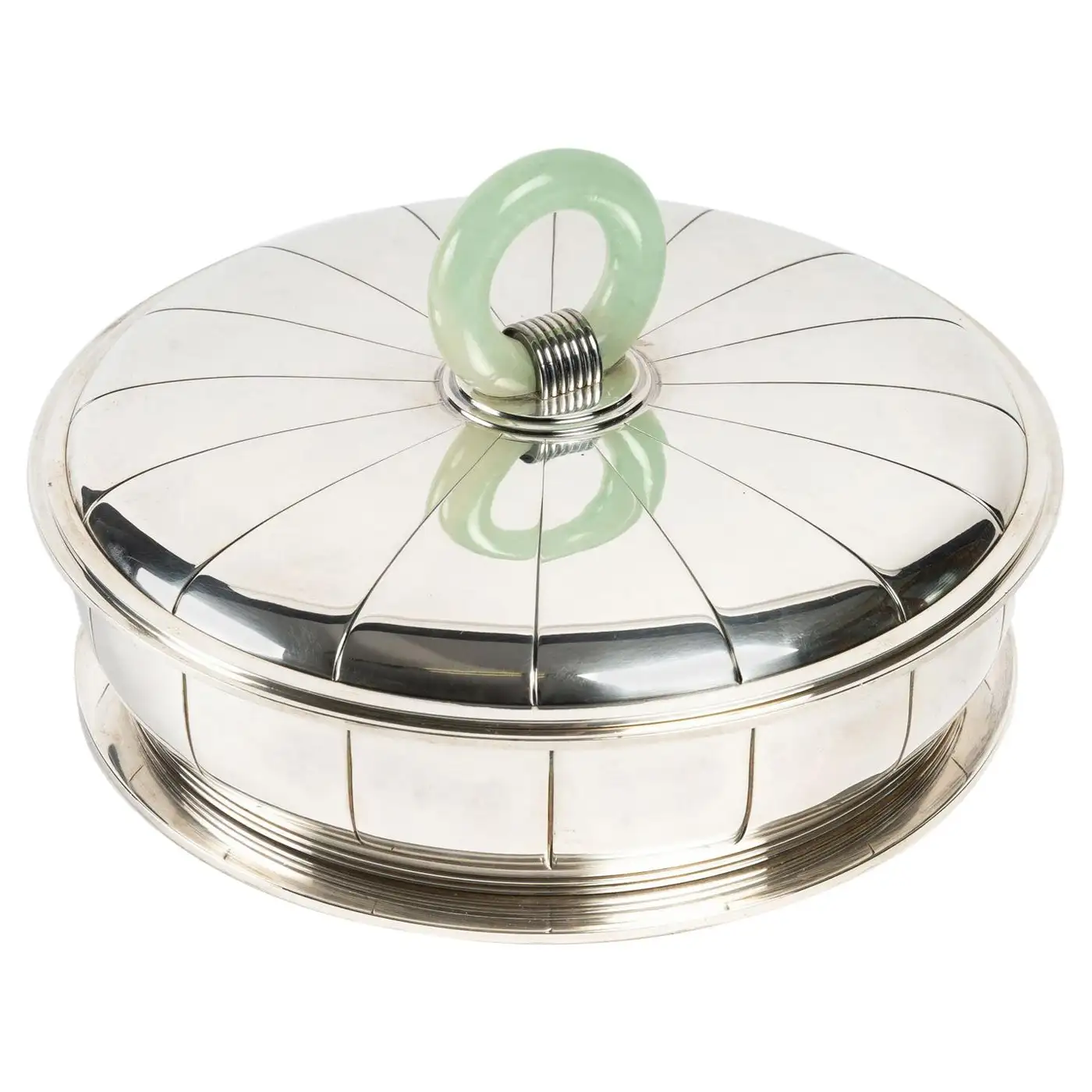

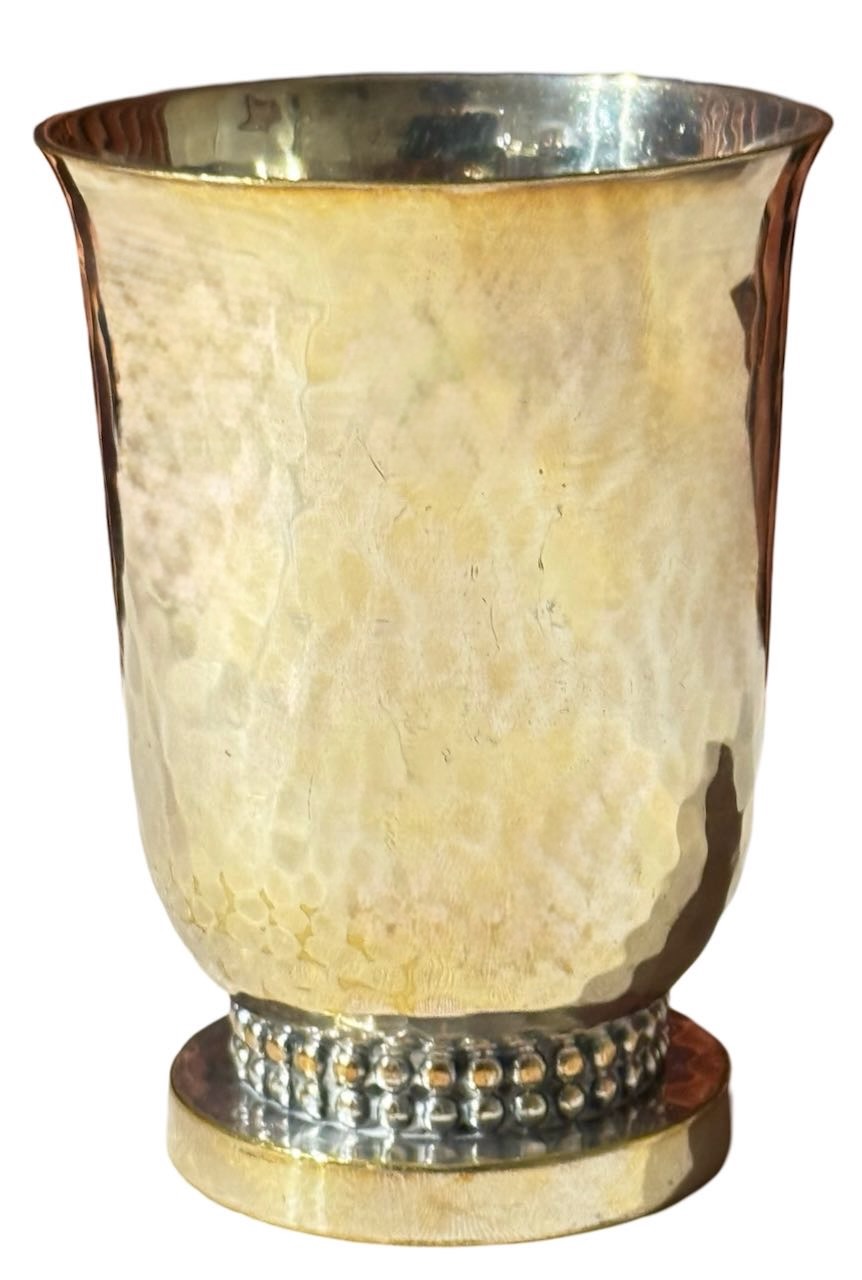
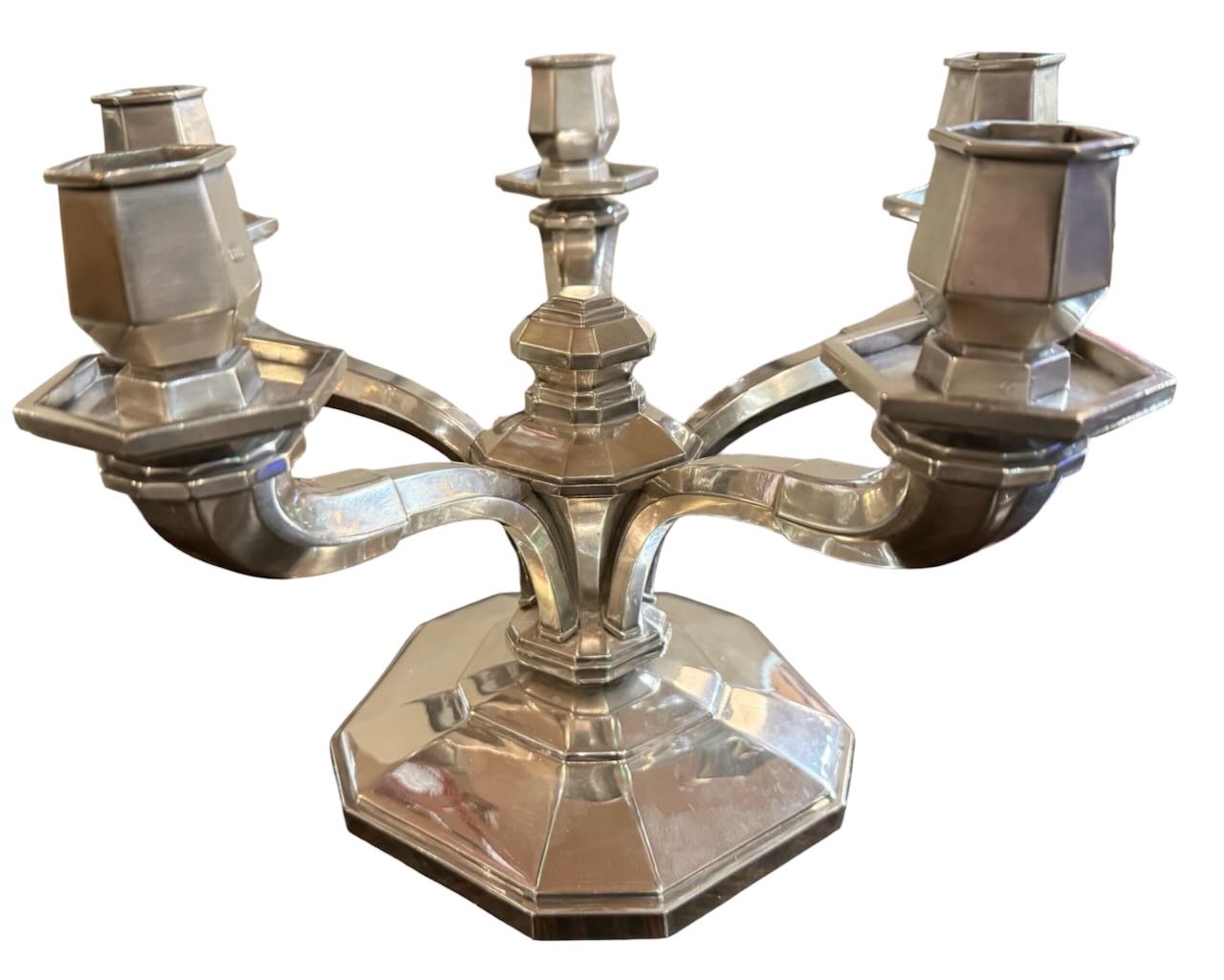
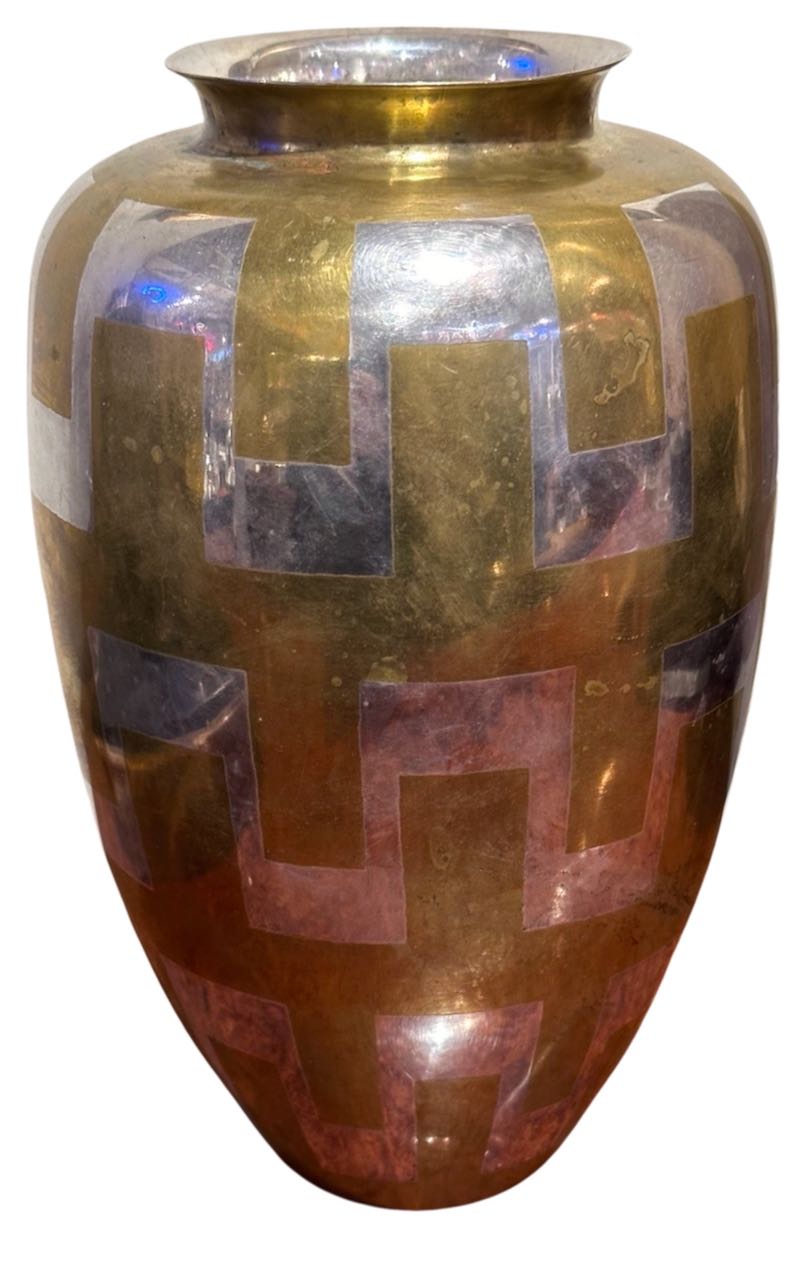
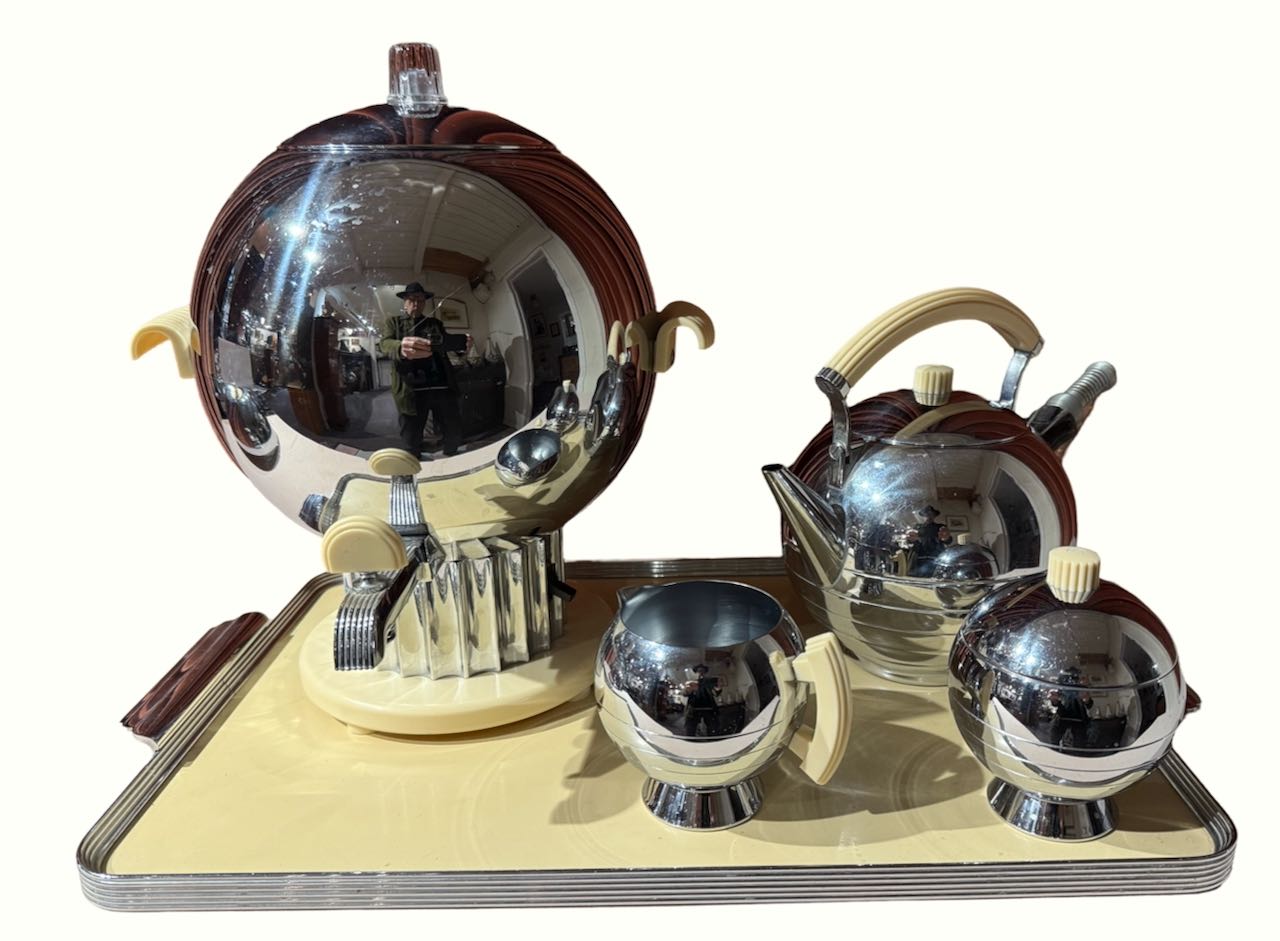
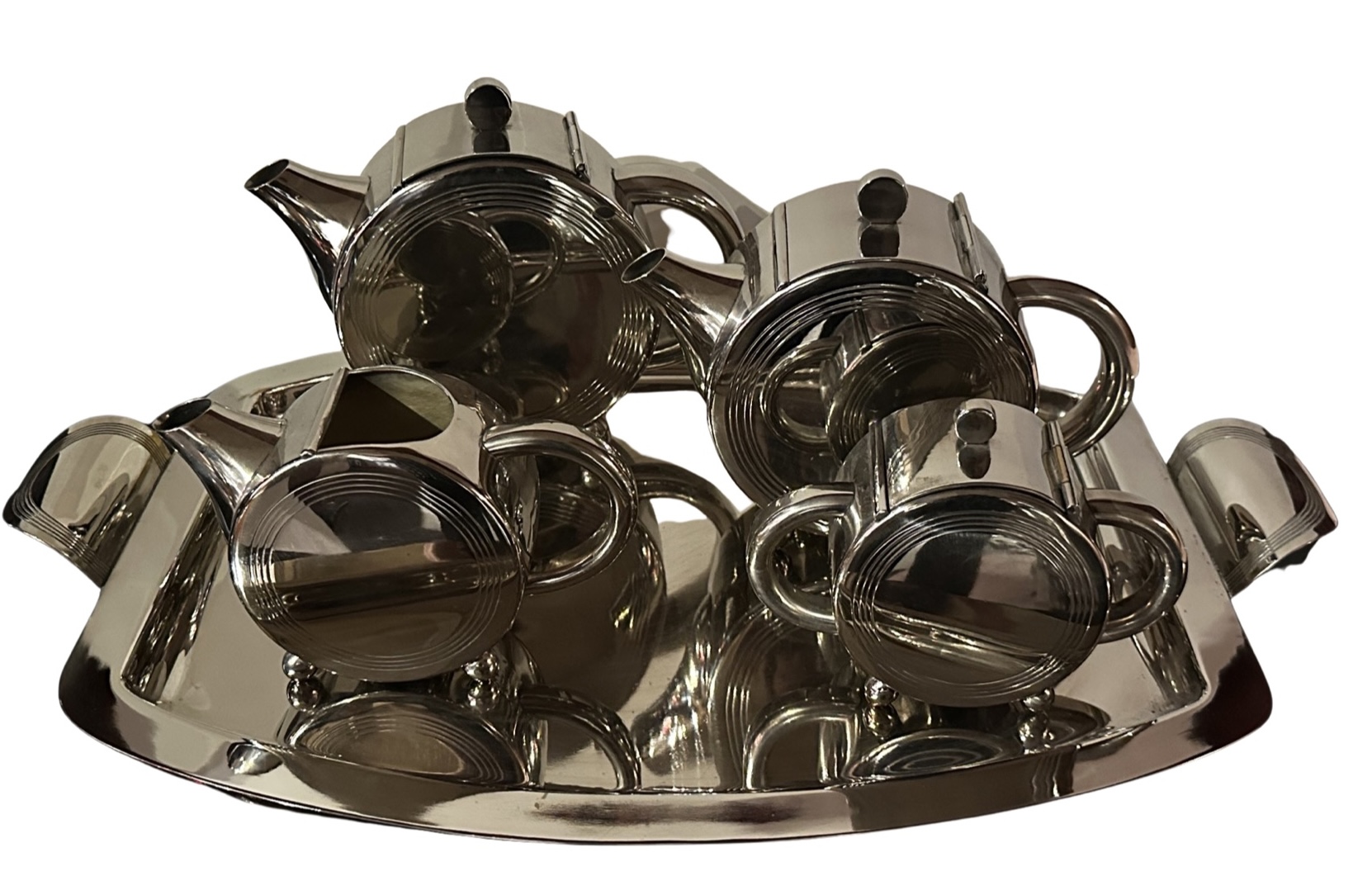
Puiforcat’s work is defined by a decisive break from eighteenth century revival styles that had long dominated French silver. He developed objects based on pure geometric forms such as spheres, cones, and cylinders, eliminating applied decoration in favor of proportion and surface. Smooth planes of silver were often accented with carefully chosen materials, including ivory, exotic woods, and hardstones, used sparingly for contrast. This approach aligned him closely with the ideals of Art Deco and modern functionalism. He became one of the founding members of the Union des Artistes Modernes, advocating for a synthesis of craftsmanship and modern design. His practice expanded beyond tableware to include liturgical objects and sculptural commissions. In the late 1920s and 1930s, his reputation extended internationally, with periods spent working outside France. Despite his early death in 1945, his output permanently reshaped the language of modern luxury silver.


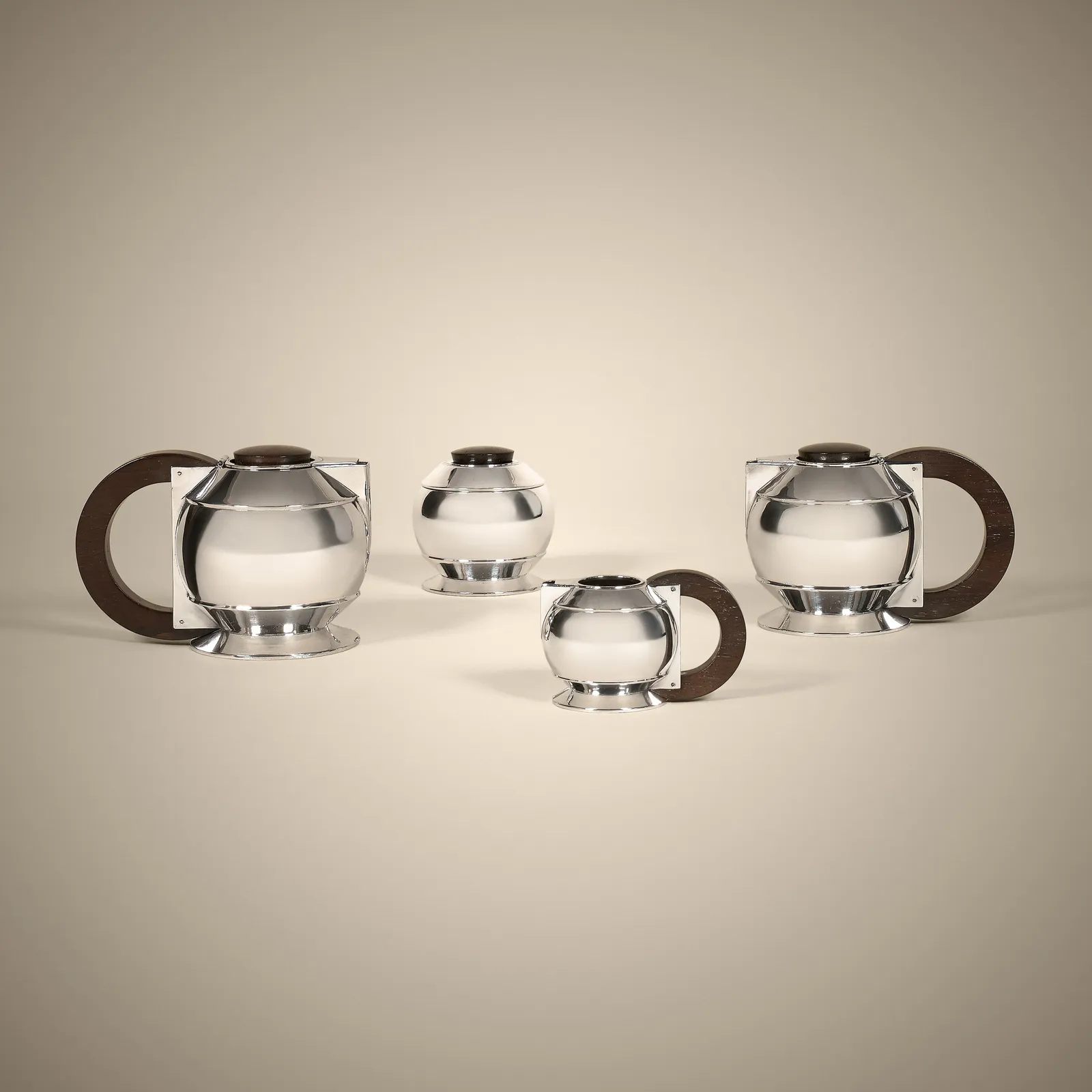
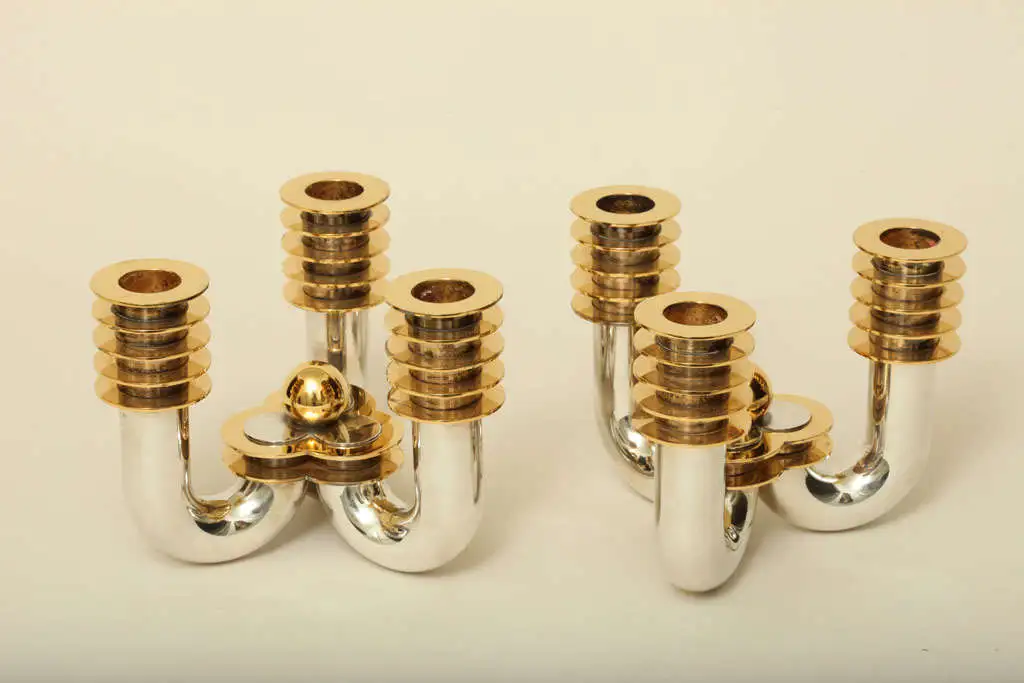
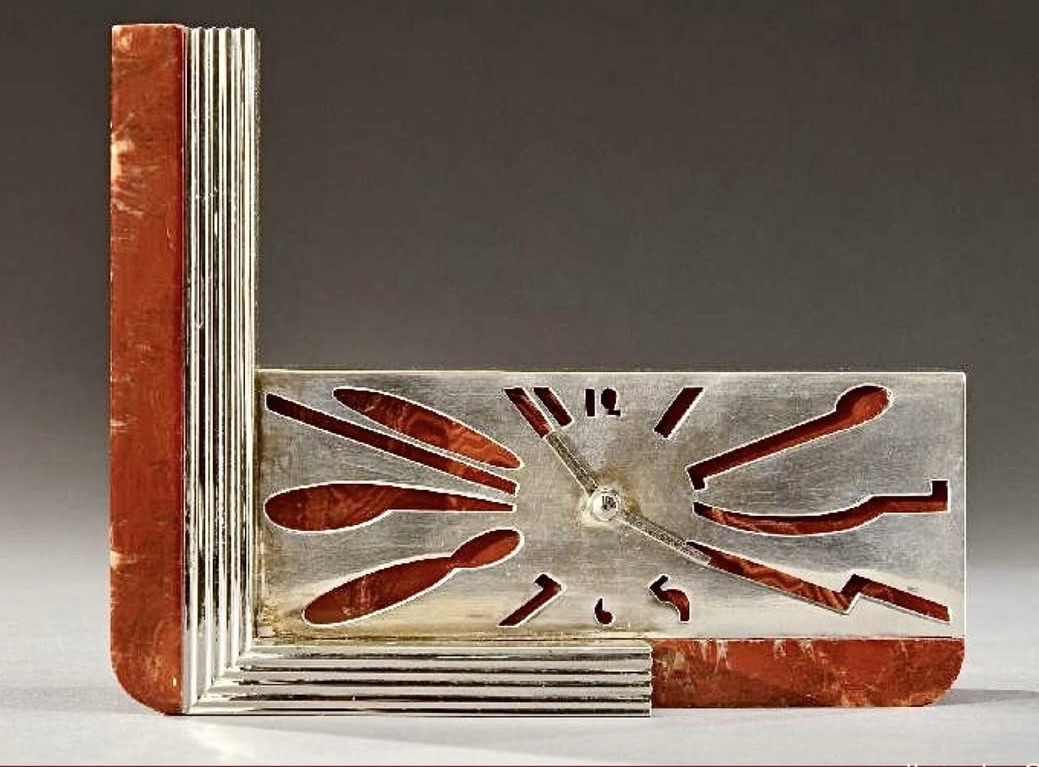
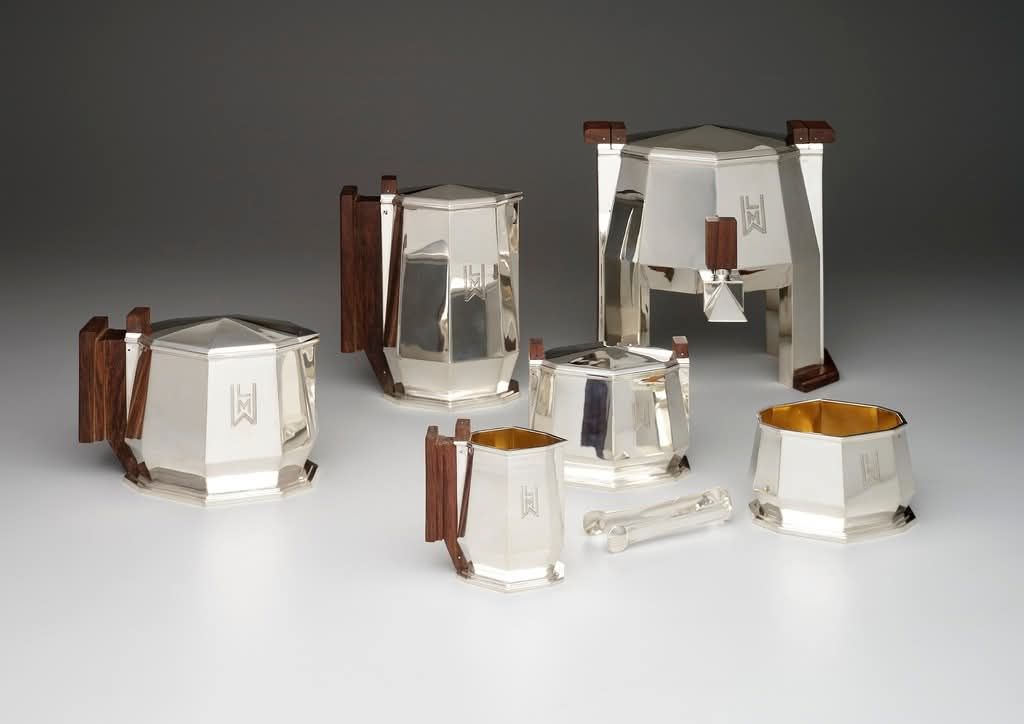
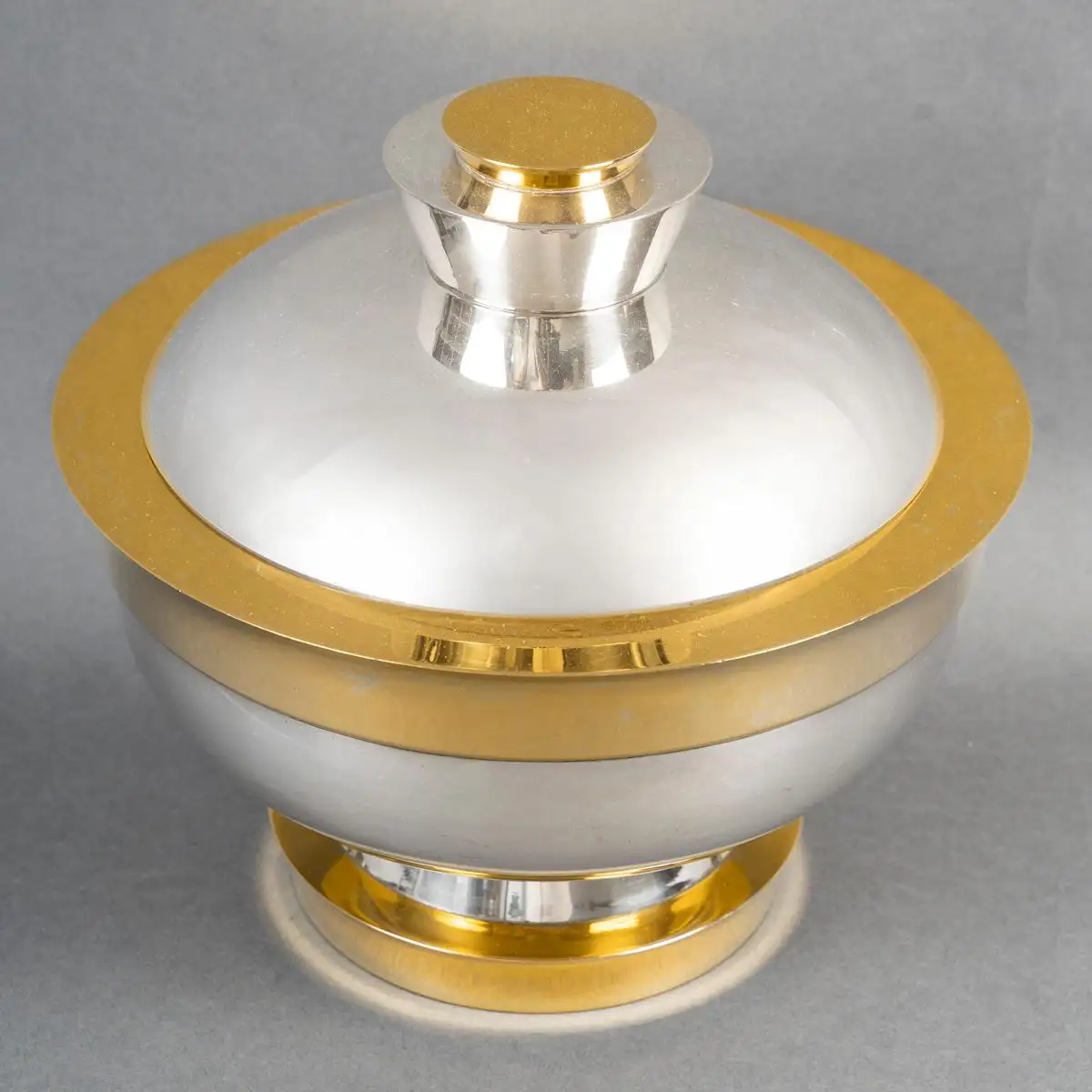
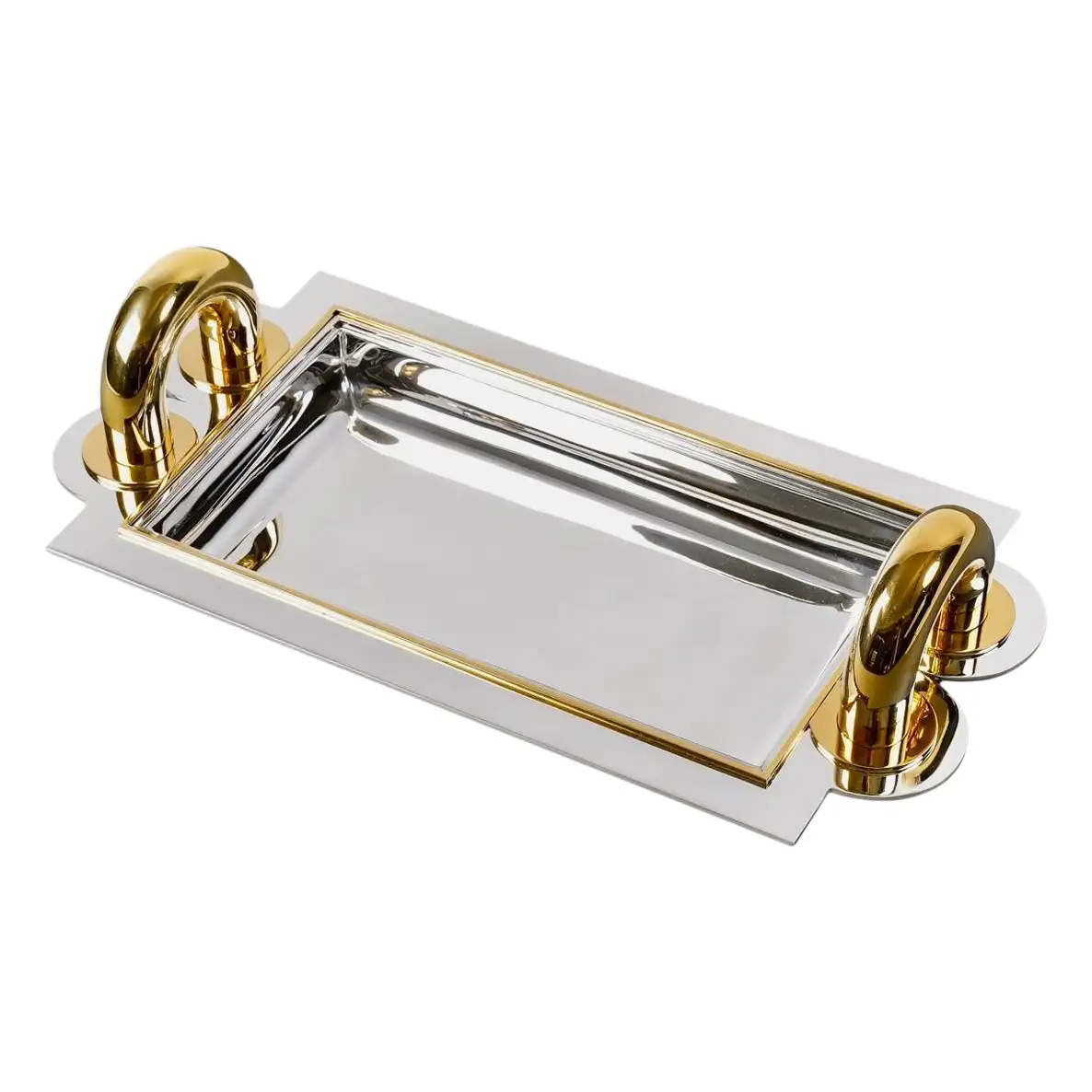
Puiforcat’s style is characterized by architectural clarity and mathematical balance. Ornament is rejected in favor of form derived directly from function. Surfaces are smooth, taut, and precise, allowing light to define the object. Materials are combined with restraint, emphasizing contrast rather than opulence. His work embodies a modern vision of luxury grounded in discipline and proportion.
Key Influences
- Family Silversmithing Tradition: Generations of technical expertise provided a foundation for innovation rather than imitation.
- Sculptural Training: Study with Louis Aimé Lejeune shaped his understanding of volume, mass, and spatial balance.
- Geometric Modernism: Circles, cylinders, and cones became the structural basis of his designs.
- Union des Artistes Modernes: Collaboration with progressive designers reinforced his commitment to functional modern luxury.
- Art Deco Ideals: The movement’s emphasis on clarity, refinement, and modern materials defined his lasting legacy.
If you are interested in further stories of the artists who shaped Art Deco, return to our artists page to browse the full directory.
Related Products from ArtDecoCollection.com