
Jacques Lipchitz
Jacques Lipchitz was born Chaim Jacob Lipschitz on August 22, 1891, in Druskininkai, Lithuania, then within the Russian Empire, into a Litvak family as the son of a building contractor. He studied at Vilnius grammar school and Vilnius Art School, and under the influence of his father pursued engineering from 1906 to 1909. Supported by his mother, he moved to Paris in 1909 to study sculpture at the École des Beaux-Arts and the Académie Julian. In the artistic communities of Montmartre and Montparnasse, he joined a circle that included Juan Gris, Pablo Picasso, Amedeo Modigliani, and Guillaume Apollinaire, and in 1913, the Mexican muralist Diego Rivera introduced him to Picasso. He became a French citizen through naturalization in 1924 and married Berthe Kitrosser. With the German occupation of France during World War II, Lipchitz was forced to flee, escaping with the assistance of the American journalist Varian Fry in Marseille and settling in the United States, eventually making his home in Hastings-on-Hudson, New York. Coco Chanel and Dr. Albert C. Barnes were among his early patrons and contributed significantly to his popularity in both France and the United States. Lipchitz died on May 26, 1973, in Capri, Italy, and was buried in Jerusalem.
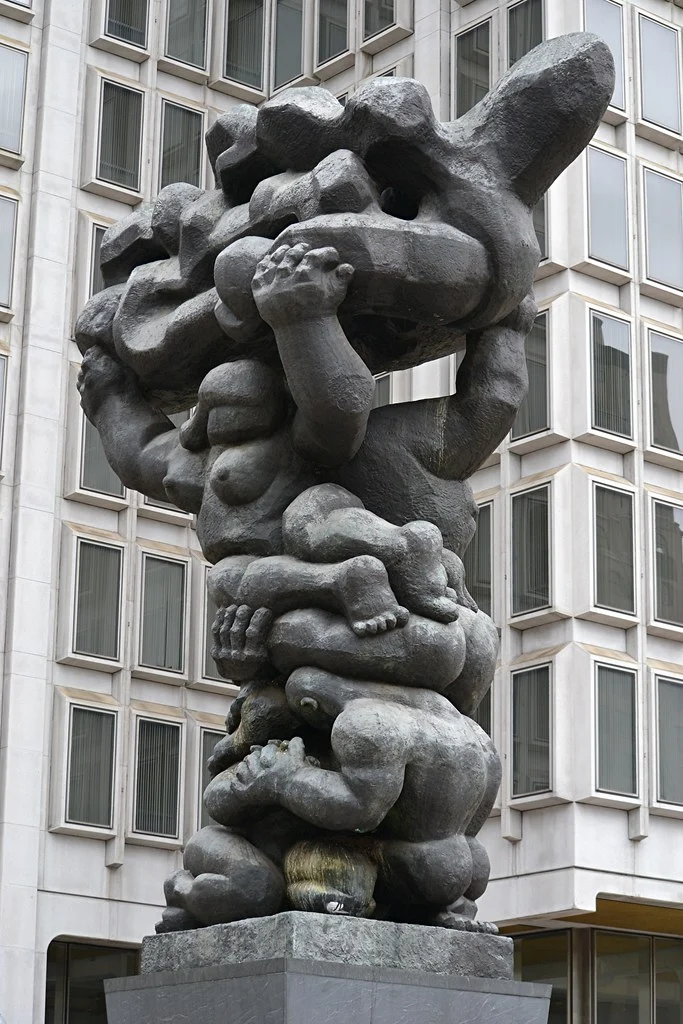
Lipchitz began exhibiting in 1912 at the Salon de la Société Nationale des Beaux-Arts and the Salon d’Automne, and held his first solo exhibition in 1920 at Léonce Rosenberg’s Galerie L’Effort Moderne in Paris. That same year, the French art critic Maurice Raynal published the first monograph on his work. In 1922, he was commissioned by the Barnes Foundation in Merion, Pennsylvania, to execute seven bas-reliefs and two sculptures, and he and fellow sculptor Oscar Miestchaninoff commissioned a double house and studio from Le Corbusier in Boulogne-sur-Seine. He was also friendly with architects Pierre Chareau and Robert Mallet-Stevens. After immigrating to the United States in 1941, he signed a contract with dealer Curt Valentin and exhibited at the Buchholz Gallery until Valentin’s death in 1954, the same year the Museum of Modern Art held a large retrospective of his sculpture. His monumental outdoor works became among his most celebrated achievements, including The Song of the Vowels, installed at multiple universities and museums, and Bellerophon Taming Pegasus, begun in 1966 and installed at Columbia University in 1977. He assembled a significant collection of African art, eighty items of which were exhibited at the Museum of Primitive Art in New York in 1960. In 1972, his autobiography, co-authored with H. Harvard Arnason, was published on the occasion of an exhibition at the Metropolitan Museum of Art.
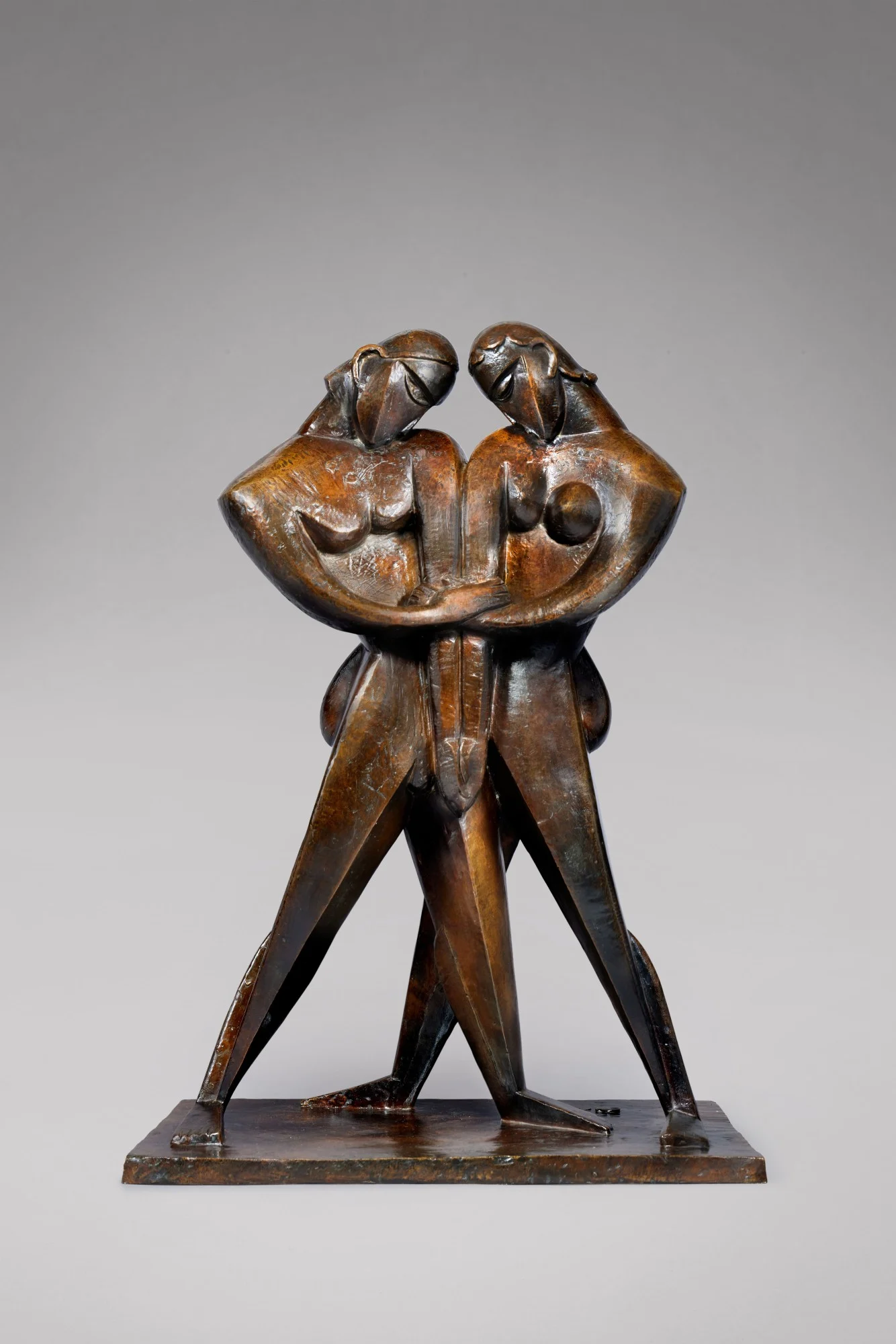
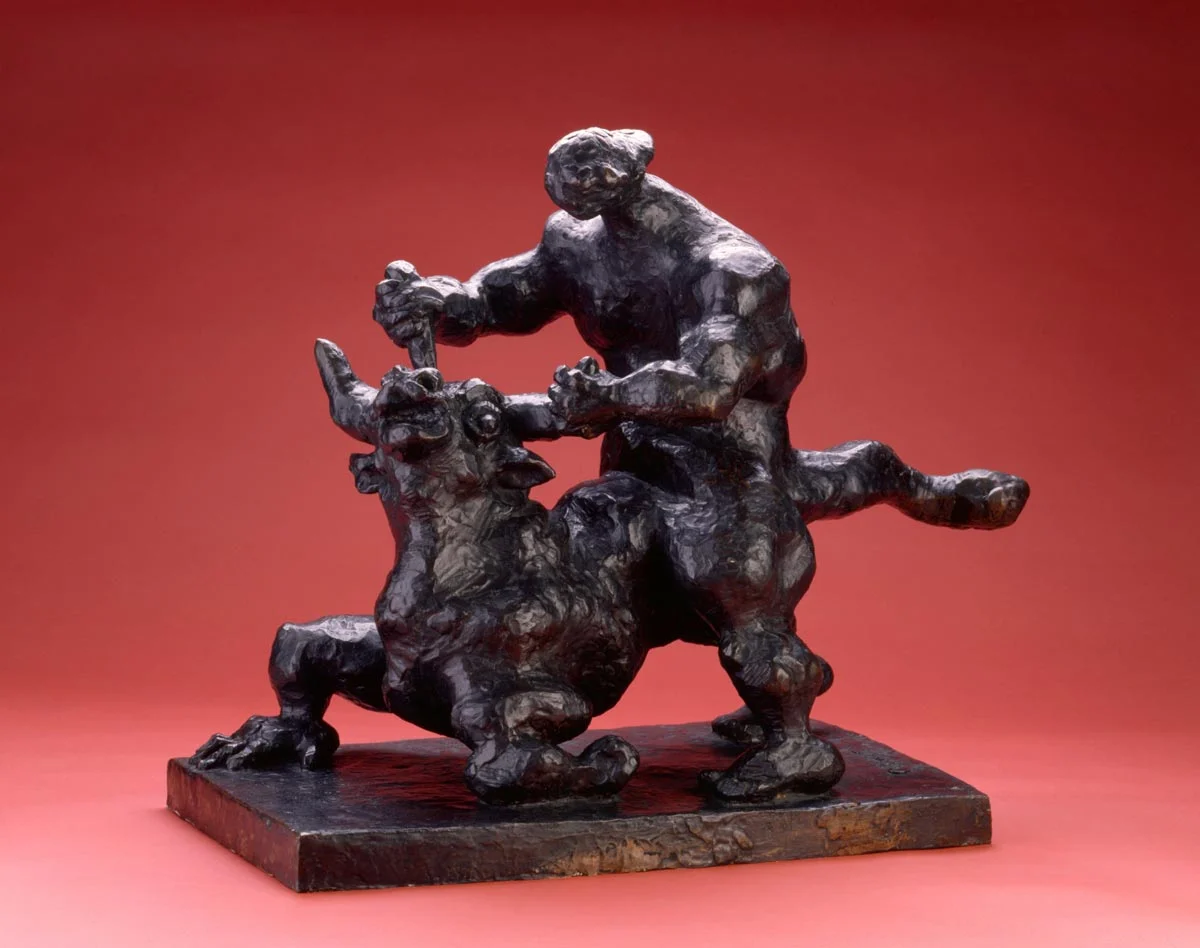

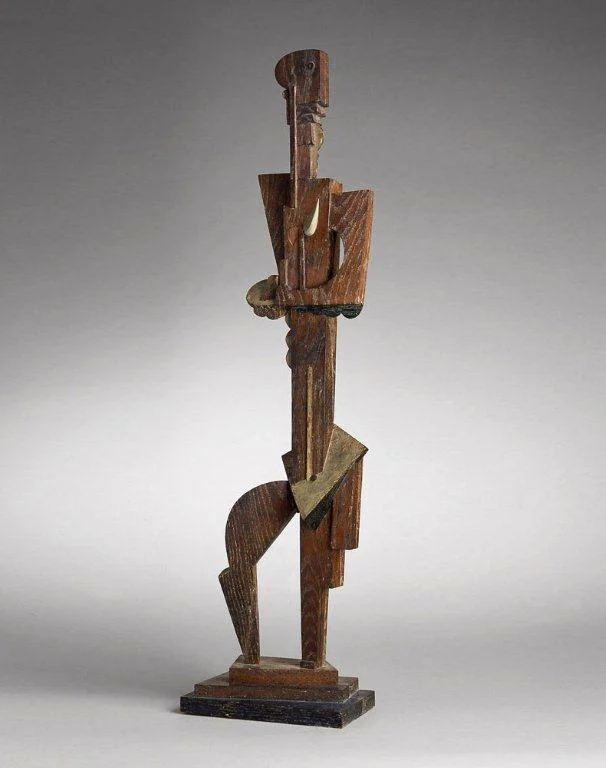
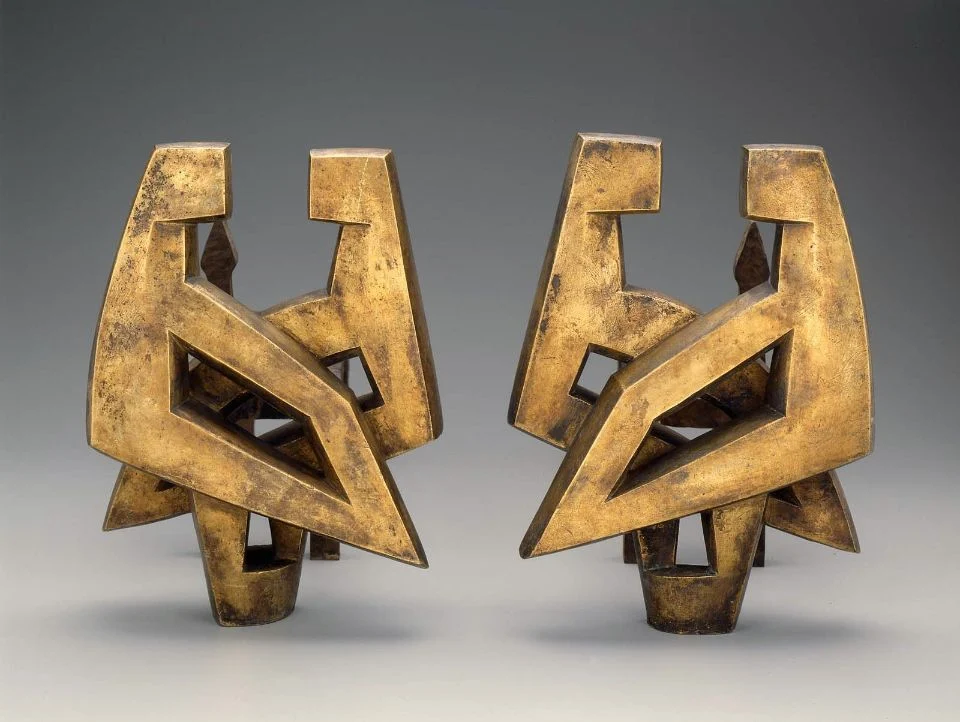
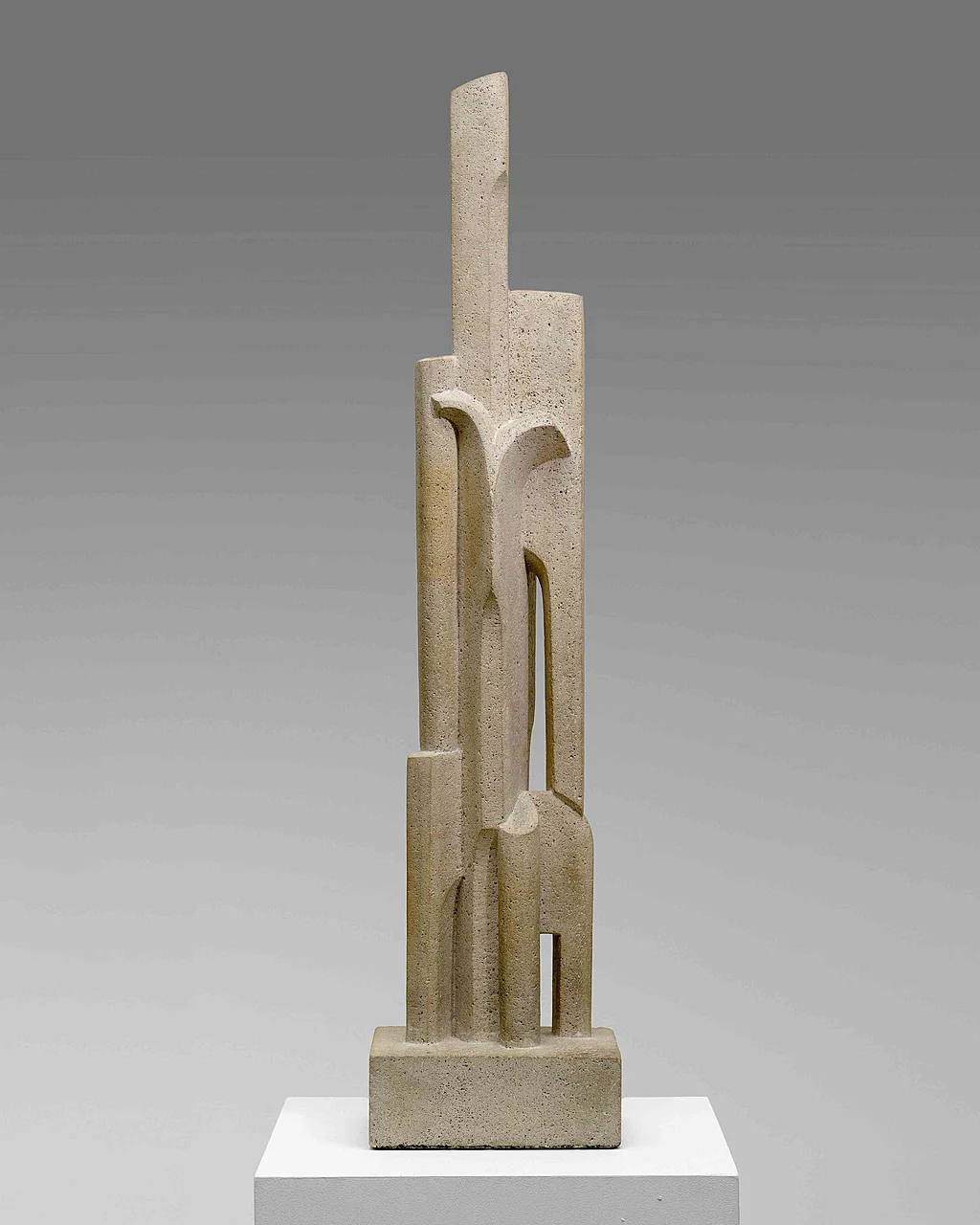
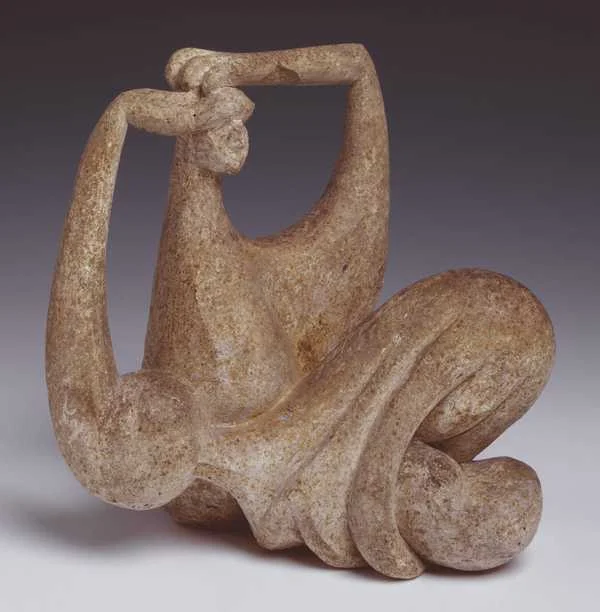

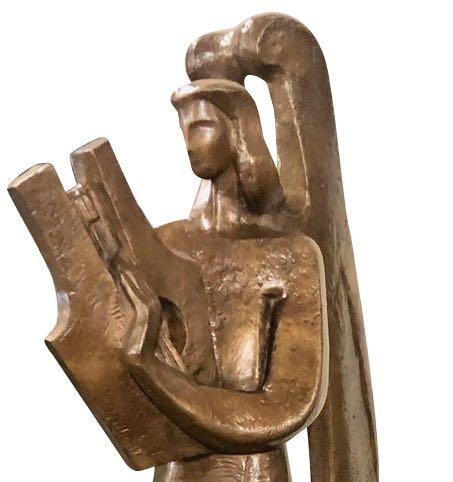
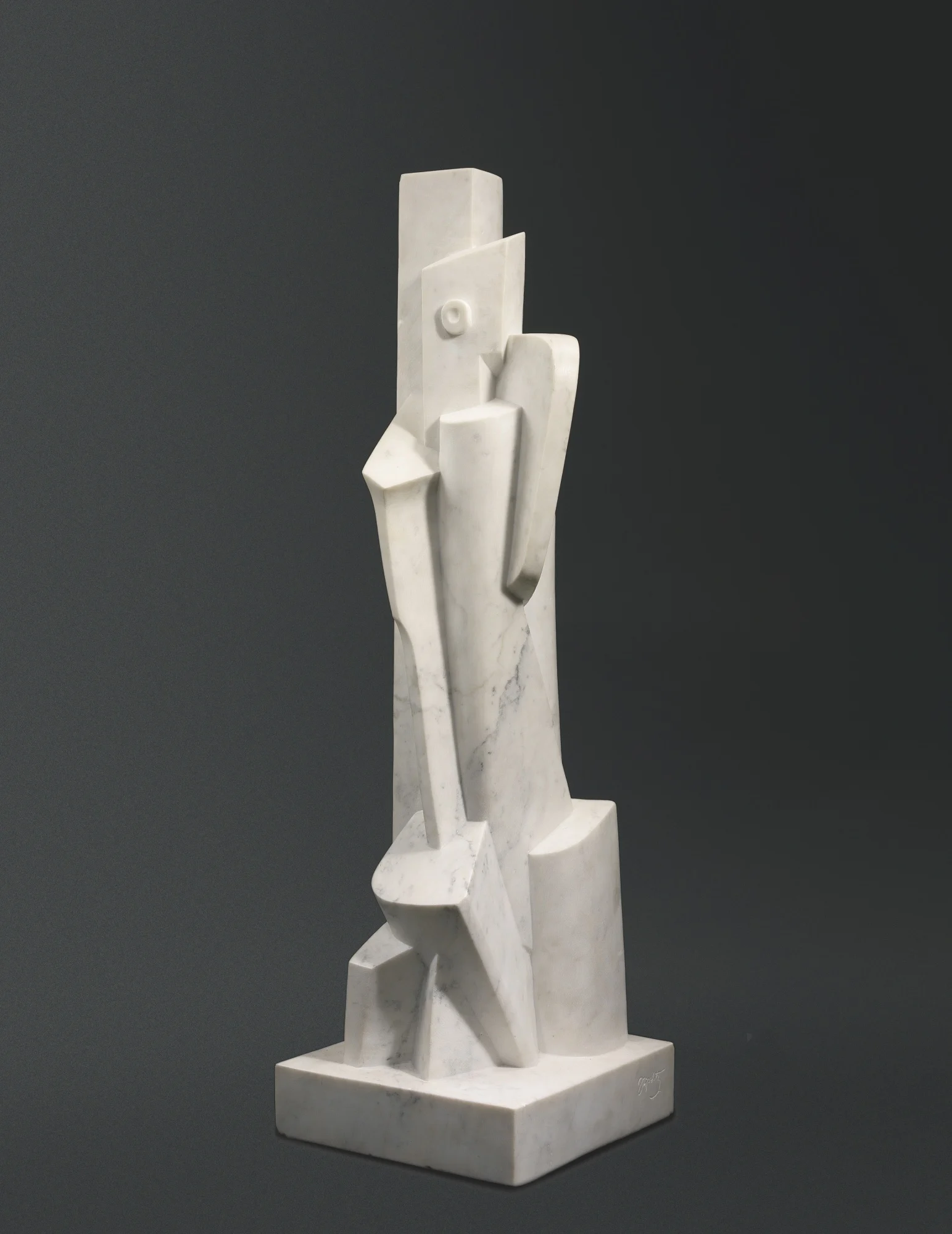
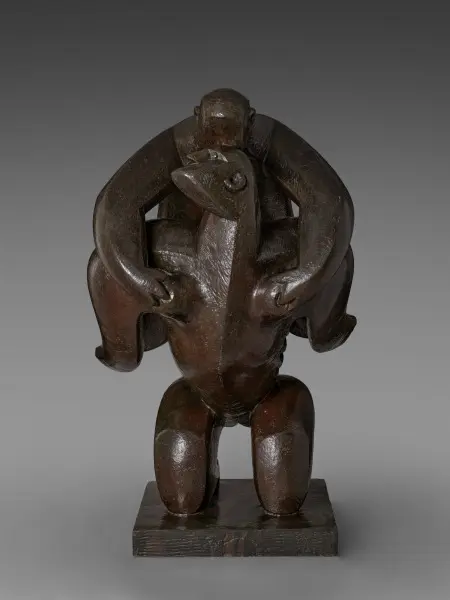
Lipchitz was a pioneer of Cubist sculpture who translated the pictorial experiments of Cubist painters into three-dimensional form, working in solid blocks of material and low-relief compositions to simulate the polychromatic prisms of Cubist painting. Around 1925, he began producing his celebrated “transparents,” curvilinear bronzes that incorporated open space into the design by integrating solid with void, many cast from small, fragile cardboard-and-wax constructions. In his later years, a revived interest in spiritual questions coincided with a desire to give his pieces renewed solidity, resulting in massive, emotionally charged works such as The Prayer and Prometheus Strangling the Vulture.
Key Influences
- Cubist Sculpture: He was among the first artists to translate the formal language of Cubism from painting into three-dimensional sculpture, establishing a vocabulary that shaped the direction of modern sculptural practice.
- Transparent Sculptures: His integration of open space and void into sculptural mass in the 1920s expanded the possibilities of bronze casting and influenced how subsequent sculptors conceived the relationship between form and emptiness.
- Le Corbusier Collaboration: His commission of a house and studio from Le Corbusier reflected the fertile exchange between sculpture and architecture in interwar Paris and contributed to the architect’s early residential portfolio.
- Monumental Public Art: Works such as Bellerophon Taming Pegasus and The Song of the Vowels established a model for large-scale Cubist-inspired sculpture in American civic and university settings.
- African Art and Modernism: His extensive collection and deep engagement with African art helped articulate the dialogue between non-Western traditions and European modernism that was central to the School of Paris.
If you are interested in further stories of the artists who shaped Art Deco, return to our artists page to browse the full directory.

Related Products from ArtDecoCollection.com