Harriet Whitney Frishmuth
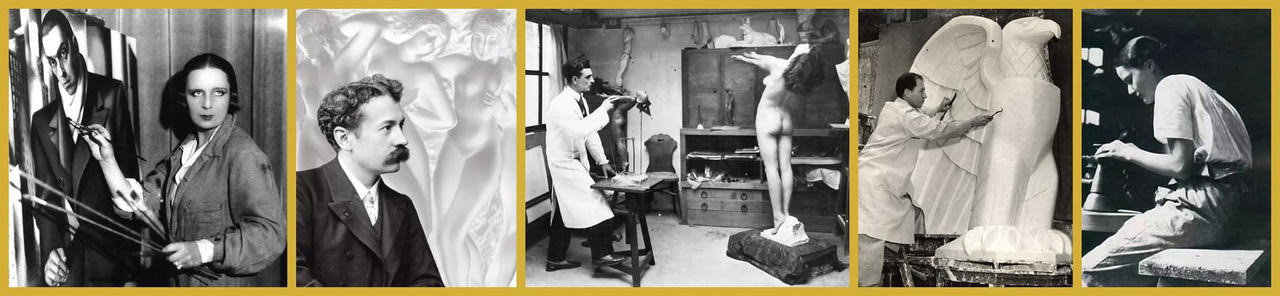
Harriet Whitney Frishmuth was born on September 17, 1880, in Philadelphia, into an upper-middle-class family, and her father was a physician. After her parents divorced in her teens, she moved to Europe with her mother and sisters and spent eight years there, attending school in Paris and spending summers in Switzerland. In Switzerland an American woman sculptor gave her first modeling lessons, and at nineteen she enrolled in Auguste Rodin’s class in Paris, chosen by her mother because it had a separate class for women. Rodin visited the class to critique student work, and she later studied with Jean-Antoine Injalbert and at the Académie Colarossi. She made her debut at the 1903 Paris Salon with a portrait bust of a woman and then spent two years in Berlin as an assistant to the sculptor Cuno von Uechtritz-Steinkirch. Settling in New York, she studied at the Art Students League under Hermon Atkins MacNeil and Gutzon Borglum. She learned anatomy through dissections at the College of Physicians and Surgeons and worked as an assistant to Karl Bitter. In 1910 she won the Saint-Gaudens Medal while still a student, and in 1913 she moved into a converted stable at Sniffen Court that served as her studio. During the Great Depression she closed her New York studio and returned to Philadelphia, and she died on January 1, 1980, in Waterbury, Connecticut, at the age of 99.
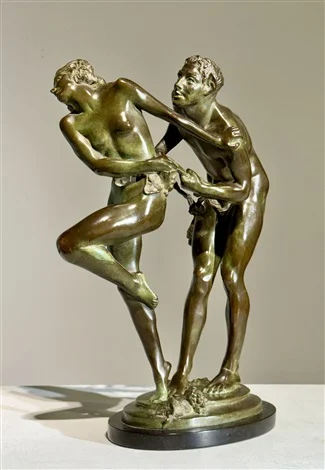
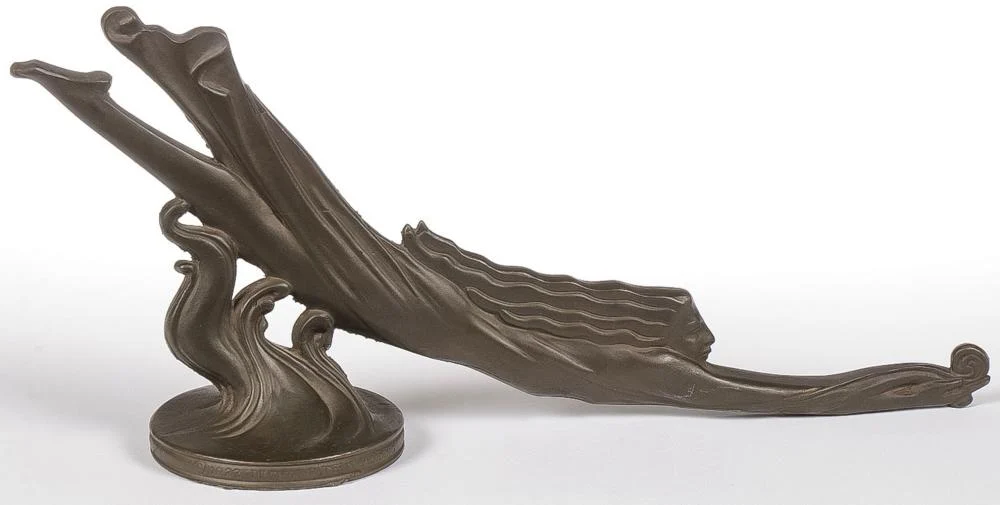
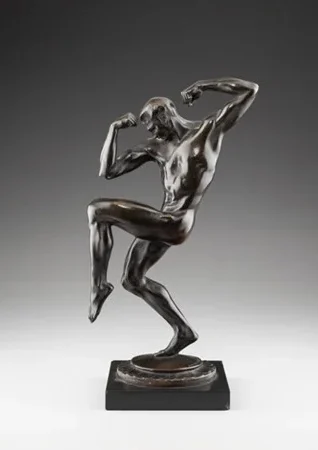
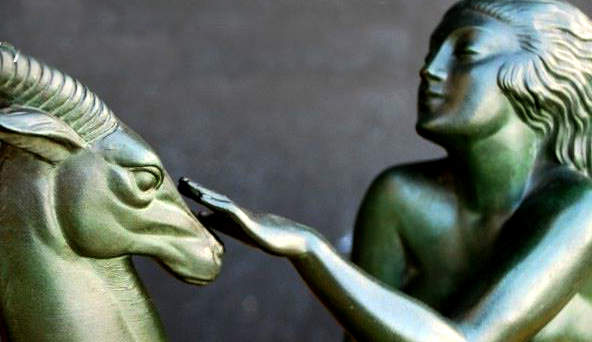
Her sculptures of graceful young women, often modeled by dancers such as Desha Delteil, a Yugoslav-born dancer she met in 1916, were meant, in her words, to express the joy of living. Her method was to ask the model what she would do in a given situation, and for Joy of the Waters she asked Delteil what she would do if cold water were thrown on her, then captured the pose she struck. Joy of the Waters, first made in 1917 and remodeled in 1920, became her best-known fountain figure. The Vine of 1921 shows a nude dancer on tiptoe in a daring backbend, a grapevine stretched between her hands. The small bronze was so popular that 396 casts were made, and the life-size version stands in the Metropolitan Museum of Art. Other major works include the Art Deco Speed of 1922 and Crest of the Wave of 1925, which she enlarged after the success of The Vine. She also made portraits, including a marble bust of Woodrow Wilson for the Virginia State Capitol in 1924. She was elected an associate of the National Academy of Design in 1925 and a full academician in 1929, and her first solo exhibition was held at the Grand Central Art Galleries in 1928. From the 1930s she turned toward more introspective works such as Reflections and Daydreams, and her work remains in the Metropolitan Museum of Art and the Smithsonian American Art Museum, with her auction record reset most recently in 2026.
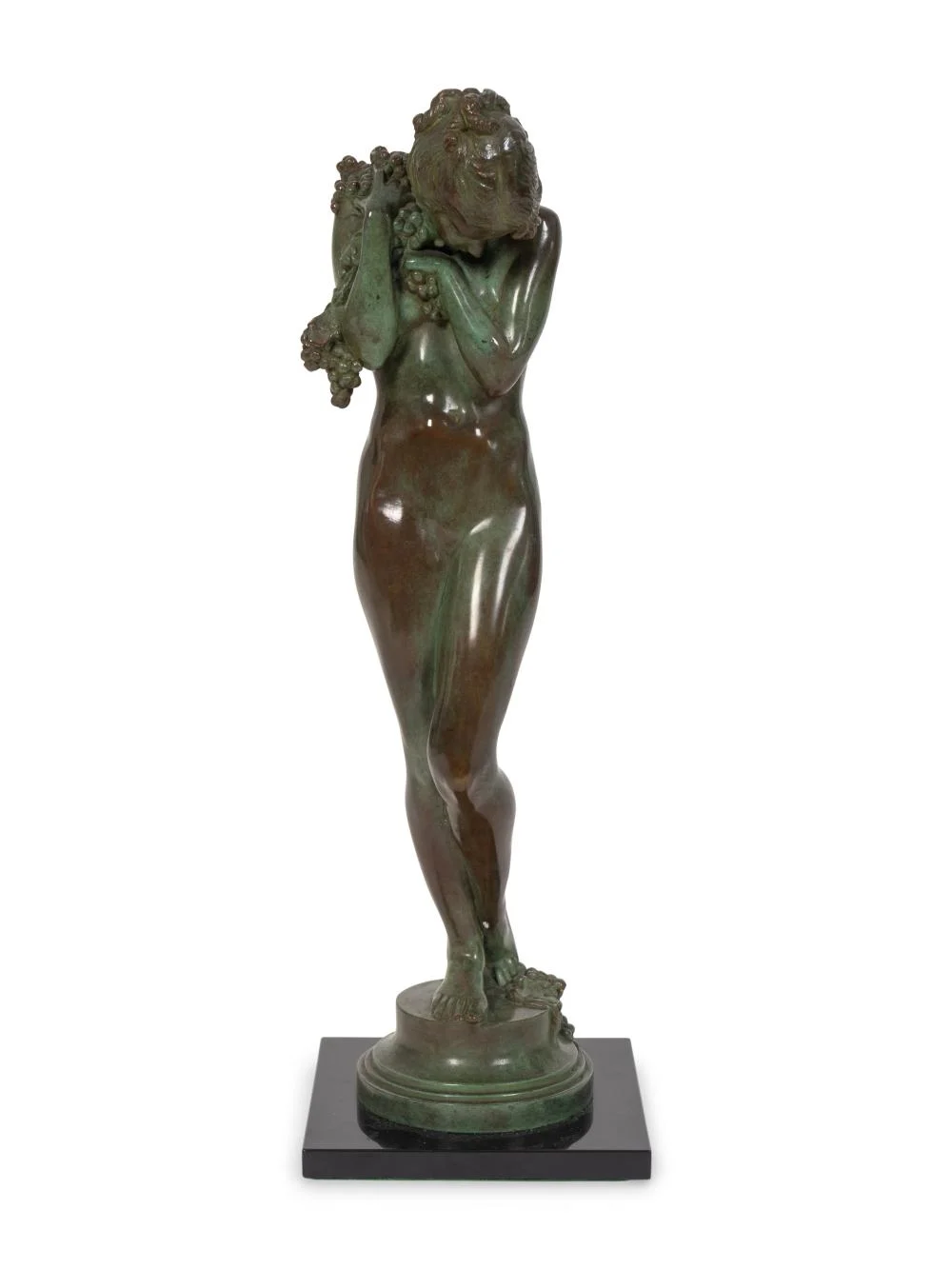
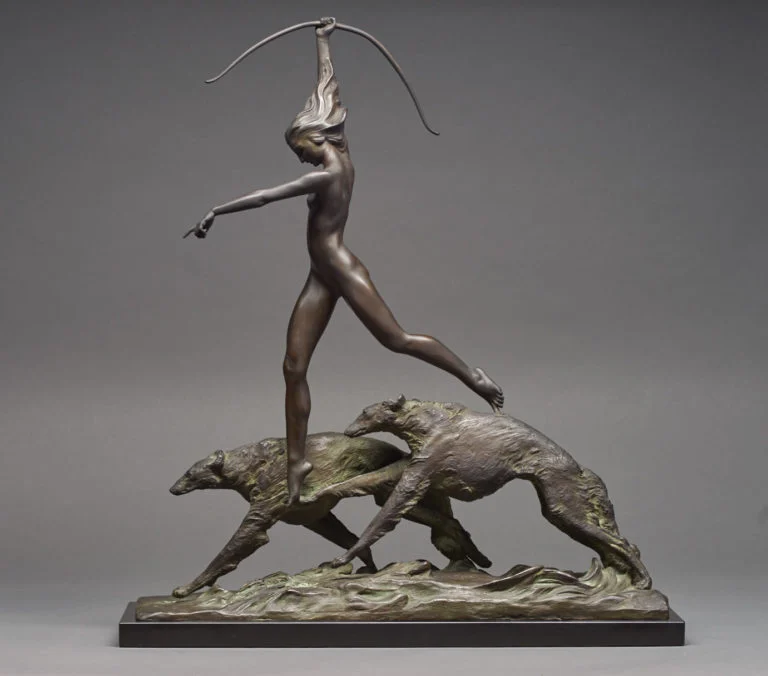
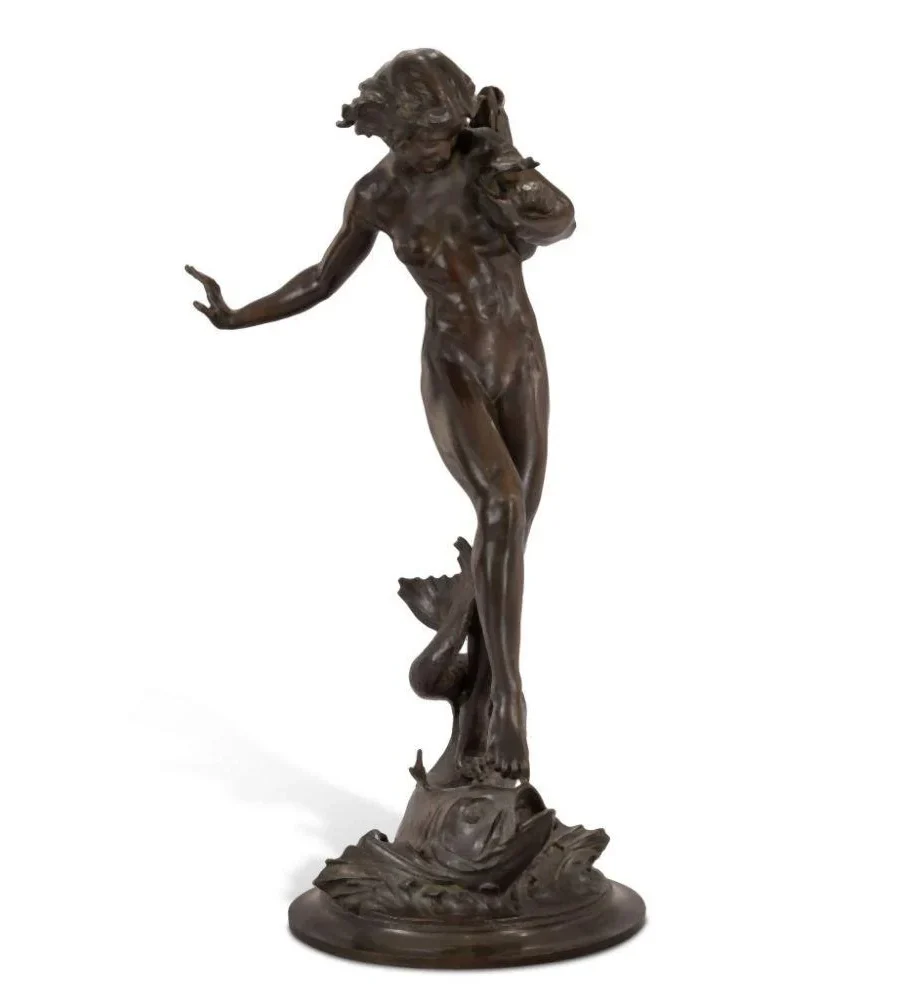
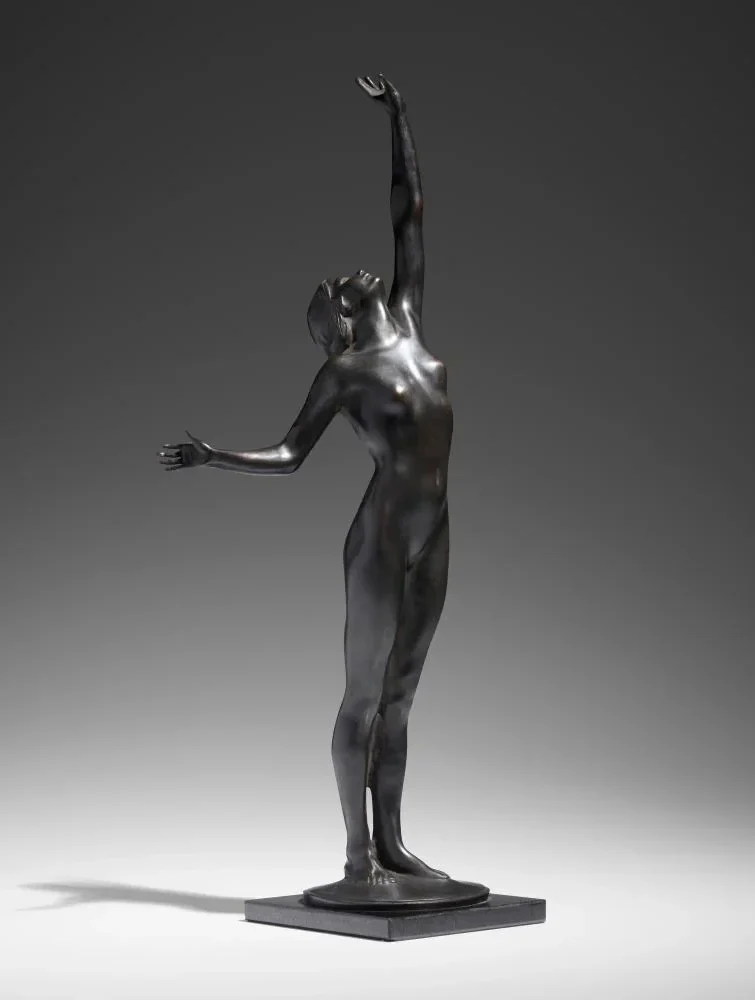
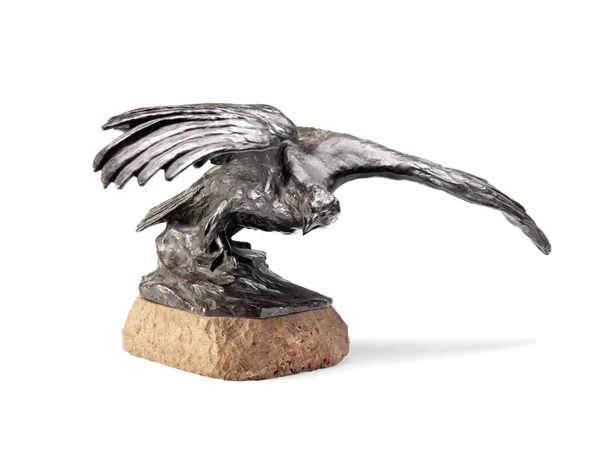
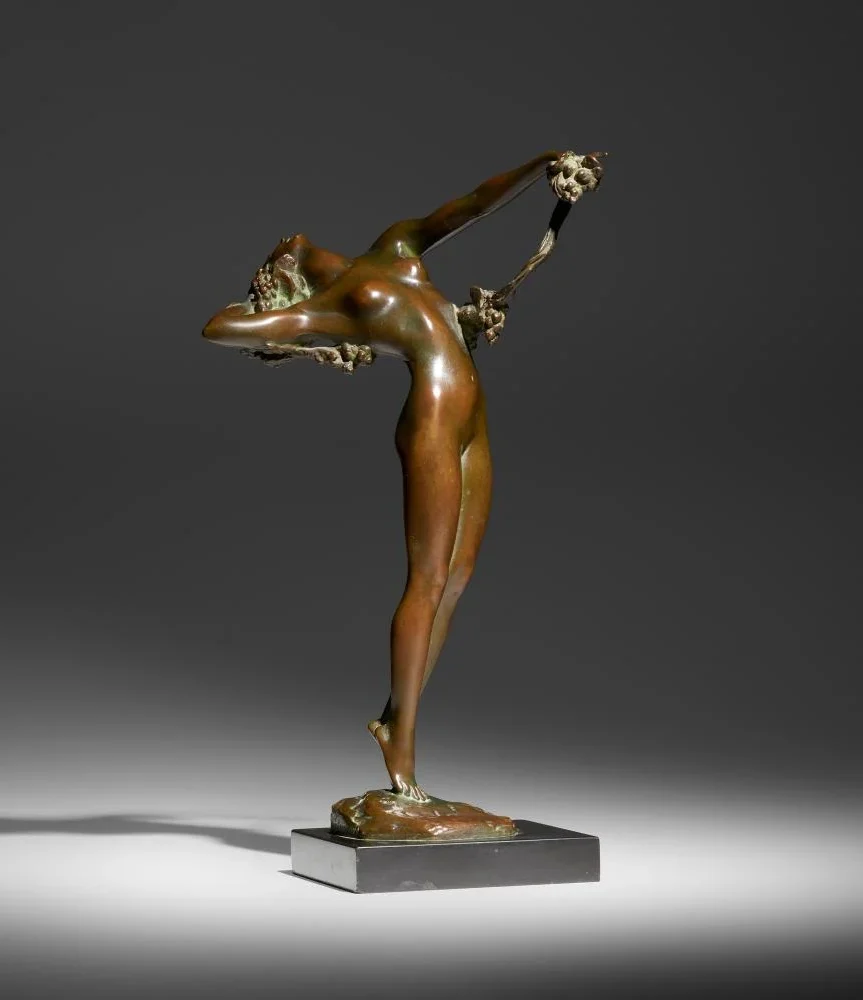
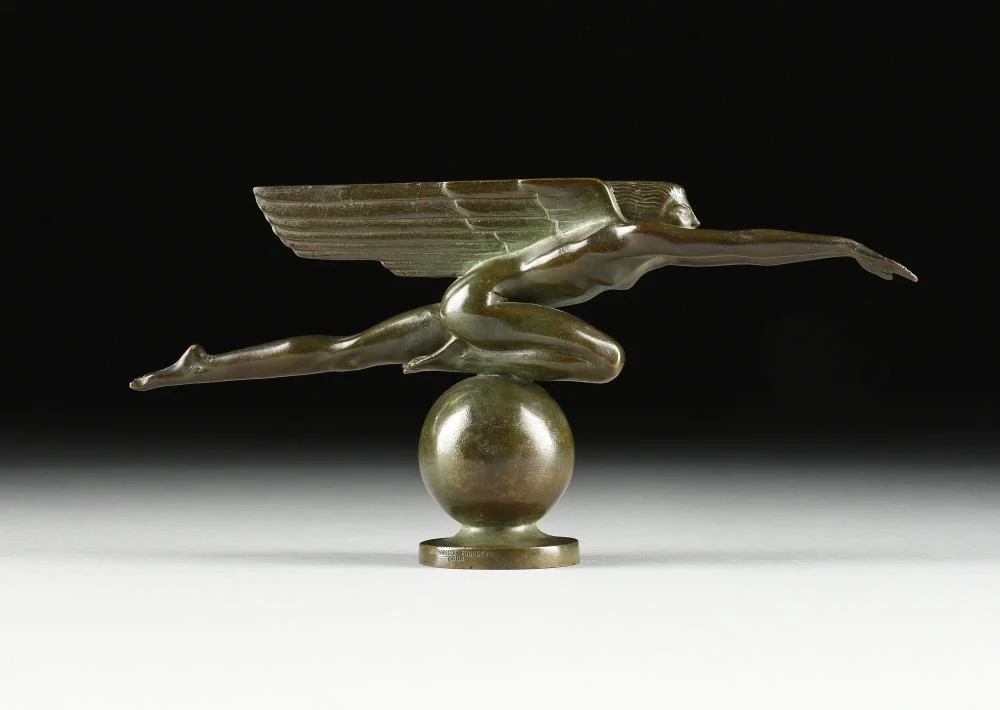
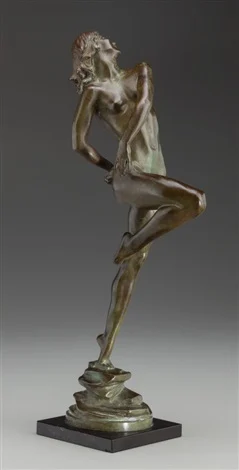
Frishmuth modeled the female figure in motion, in bronzes of supple, athletic young women that capture a moment of joyful release. Her figures combine the dynamic modeling and lyrical line she absorbed from Rodin with the streamlined elegance of the Art Deco years, especially in Speed. She was critical of modern art and remained devoted to the Beaux-Arts tradition of the idealized nude.
Key Influences
- The Vine: Her most famous bronze, cast 396 times in its small version, brought the female nude in motion into American homes and museums.
- Joy of the Waters: Her fountain figure set a model for joyful garden sculpture in the American Art Deco years.
- The Dancer as Model: Her practice of working from dancers shaped a new, active vocabulary for the sculpted female figure.
- Small Bronzes for Collectors: Her editions of small bronzes helped bring sculpture to a wider public of collectors.
- Women Sculptors: Her membership in groups such as the National Association of Women Painters and Sculptors and the Philadelphia Ten placed her among the leading women artists of her era.
If you are interested in further stories of the artists who shaped Art Deco, return to our artists page to browse the full directory.

Related Products from ArtDecoCollection.com