
François Pompon
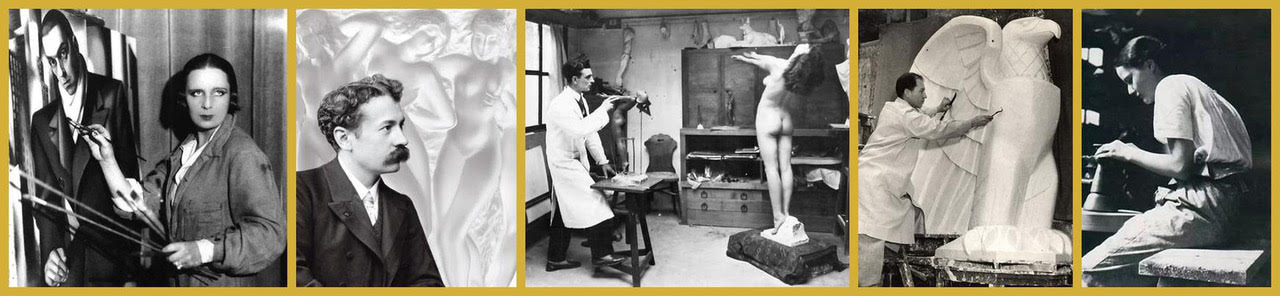
François Pompon was born in 1855 in Saulieu in the Burgundy region of France. He was the son of a cabinet maker and grew up in an environment closely connected to craftsmanship and woodworking. At the age of fifteen, he began working as an apprentice marble carver for a monument company in Dijon. This early training gave him a strong technical foundation in stone carving and sculptural technique. He later attended the École des Beaux Arts in Dijon, where he expanded his artistic education. In 1873, his family moved to Paris, where the city was rebuilding after the Franco-Prussian War. Pompon initially supported himself by producing architectural ornament for reconstruction projects. These early experiences exposed him to large-scale decorative work and the practical realities of professional sculpture. Although he showed promise as an artist, recognition would come very slowly. For many years, he worked primarily as a studio assistant and craftsman for more established sculptors. Pompon ultimately became one of the most important innovators in modern animalier sculpture.
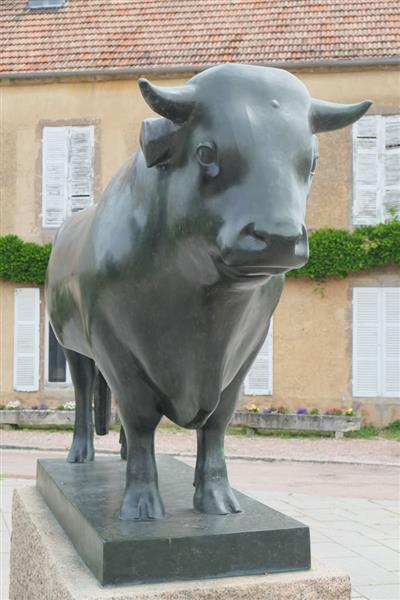
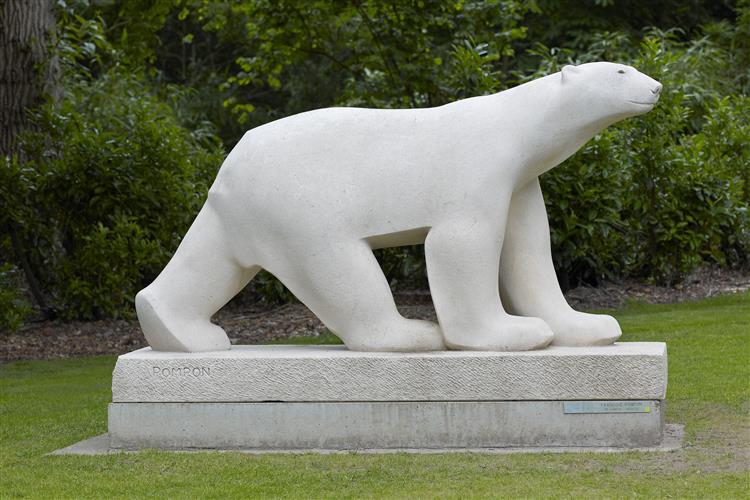
Pompon studied animal sculpture under Pierre Louis Rouillard at the École nationale supérieure des arts décoratifs. To earn a living, he worked as a skilled assistant for major sculptors, including Antonin Mercié, Alexandre Falguière, and René de Saint-Marceaux. For several years, he also worked in the studio of Auguste Rodin, gaining valuable experience in professional sculptural practice. Pompon first exhibited at the Paris Salon in 1879 with a sculpture of Cosette from Victor Hugo’s Les Misérables. Despite regular Salon participation, his work received only modest attention for decades. Around the early twentieth century, he began concentrating almost entirely on animal sculpture. He studied animals closely at the Jardin des Plantes in Paris, observing their anatomy and movement. Recognition finally came in 1922 when he exhibited Ours blanc at the Salon d’Automne. The sculpture’s powerful simplicity attracted widespread acclaim and established his reputation at the age of sixty-seven. After this breakthrough, Pompon produced several major works, including Grand Cerf and Taureau. Near the end of his life, he donated nearly three hundred works to the museum in Dijon.
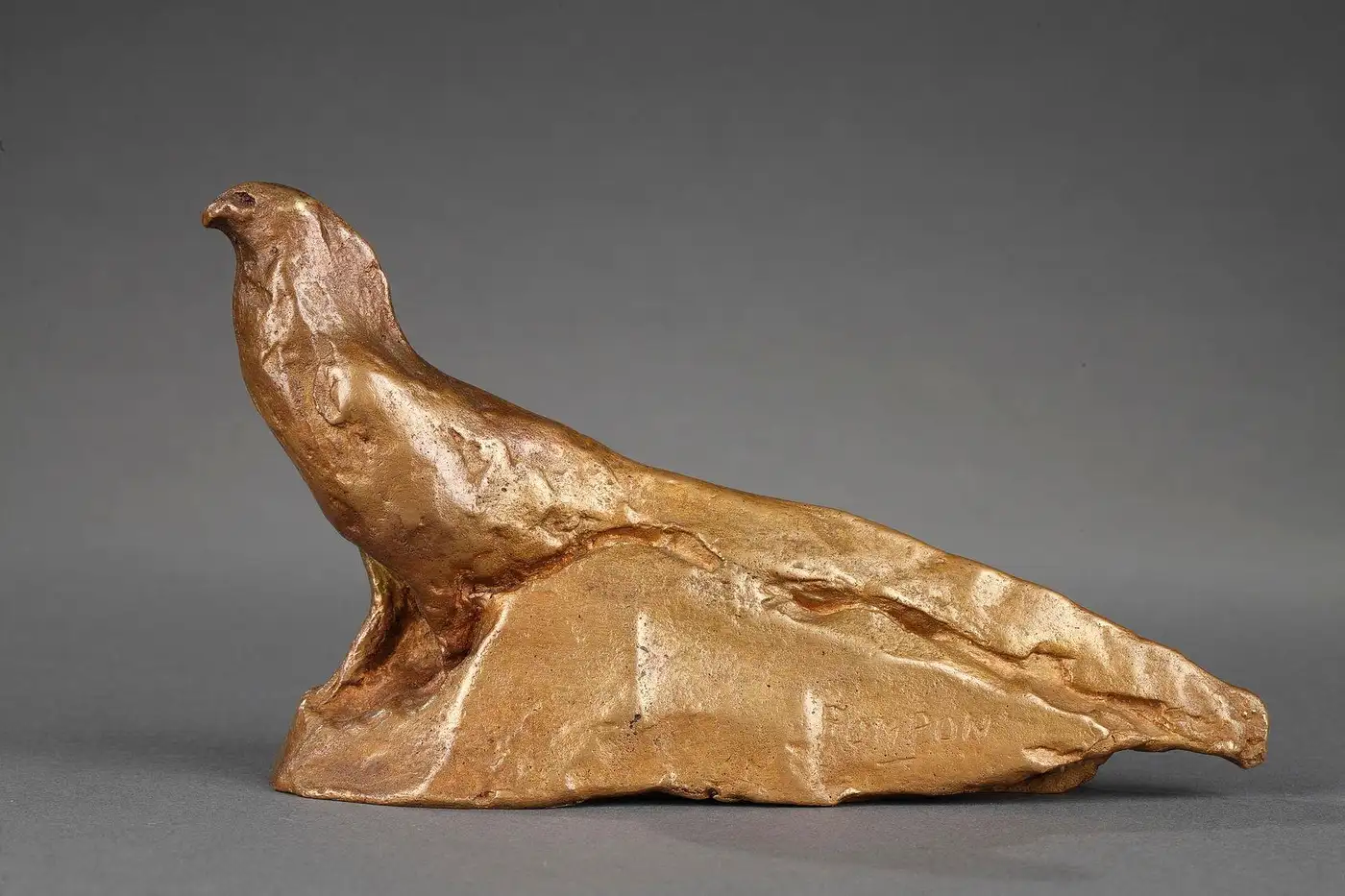
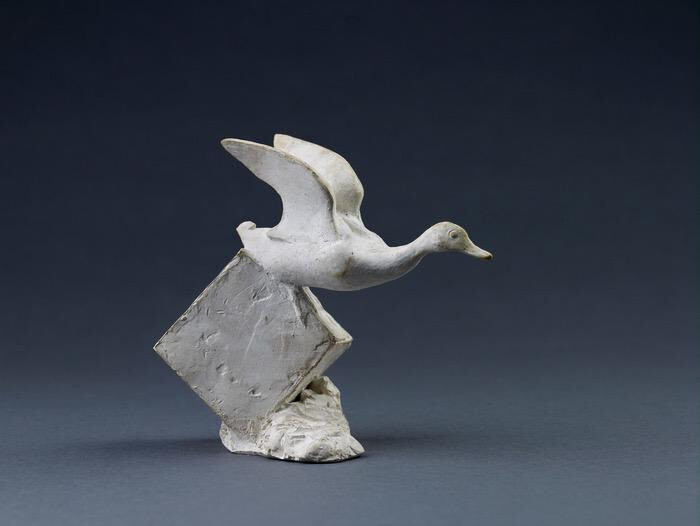
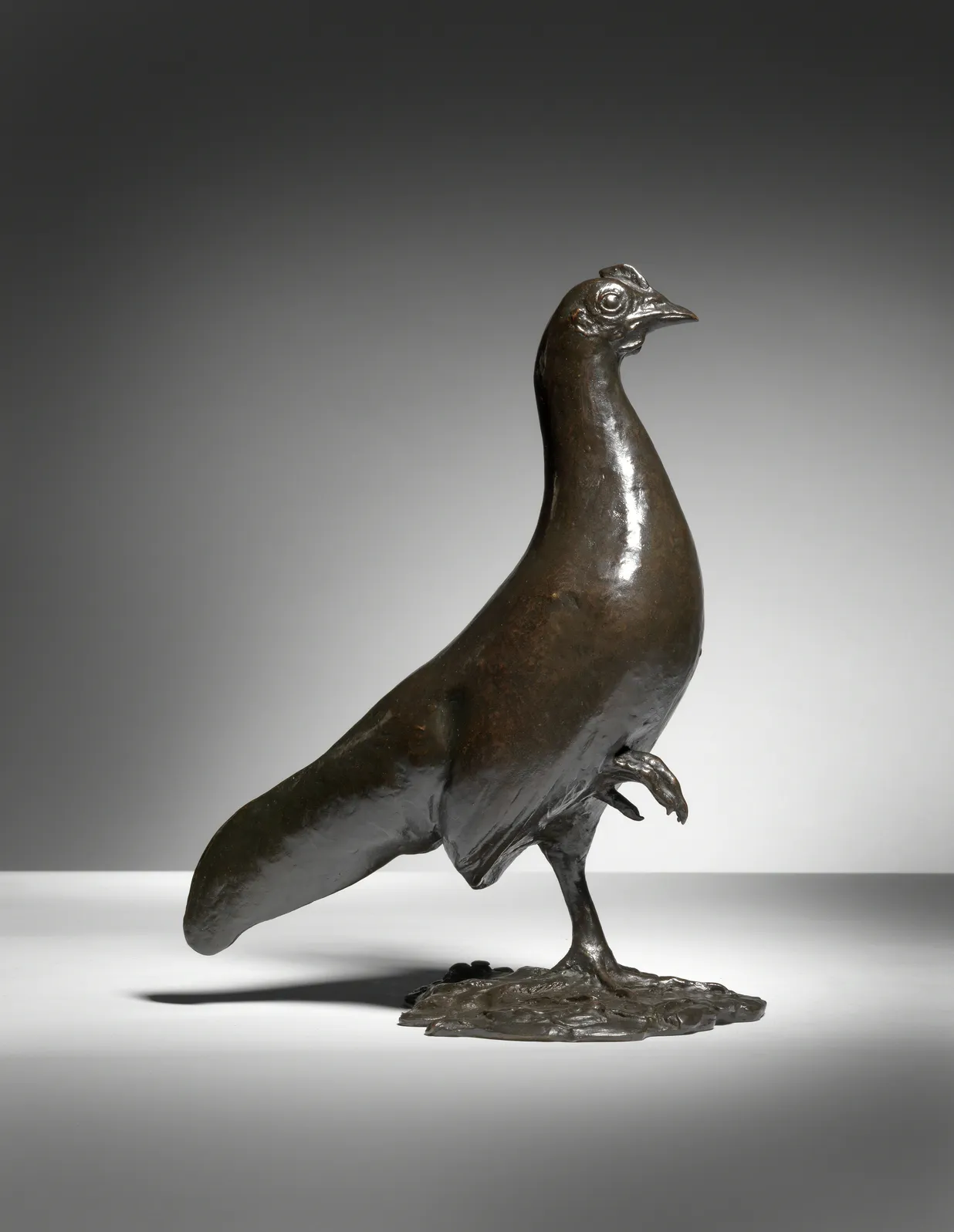
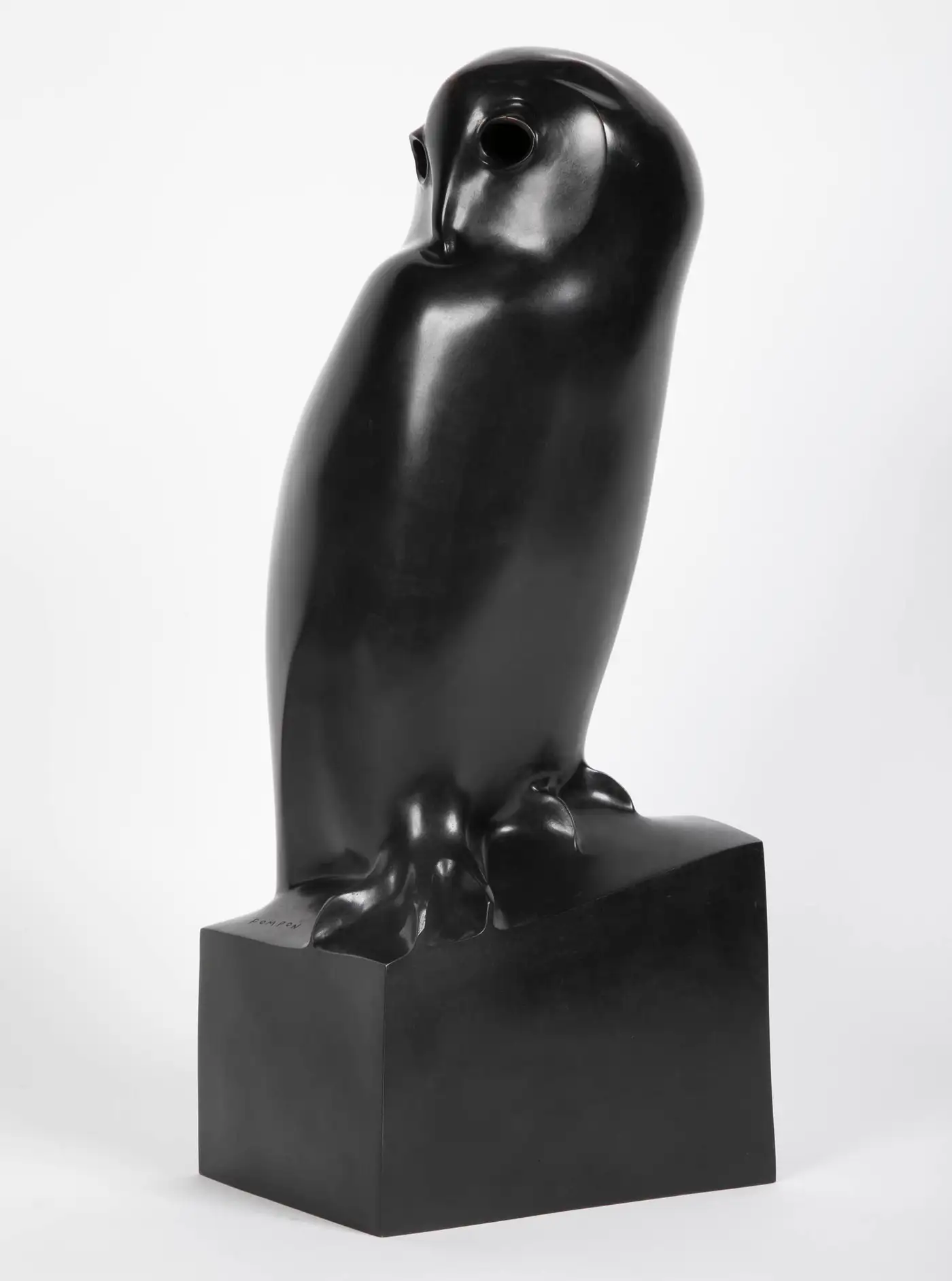

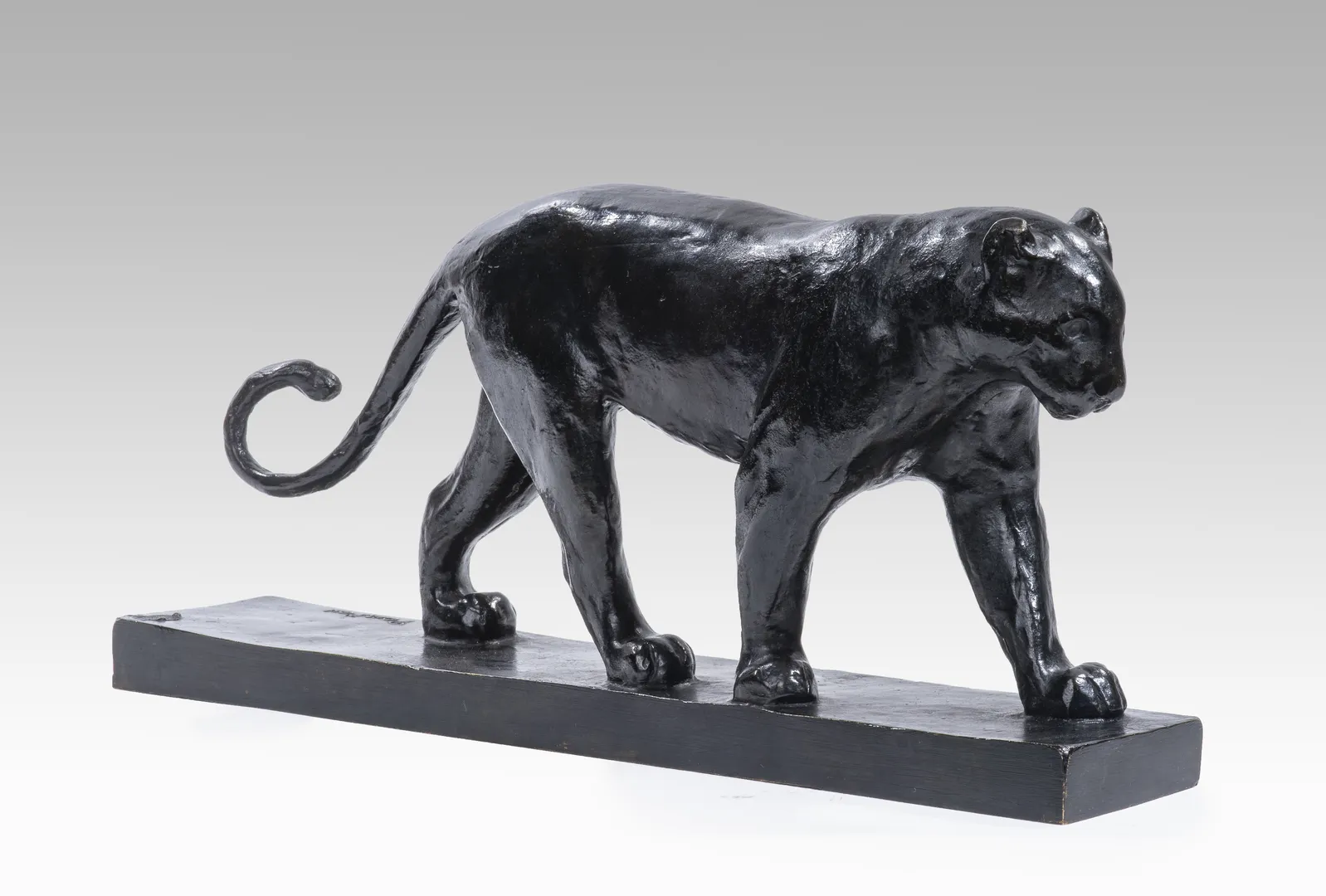
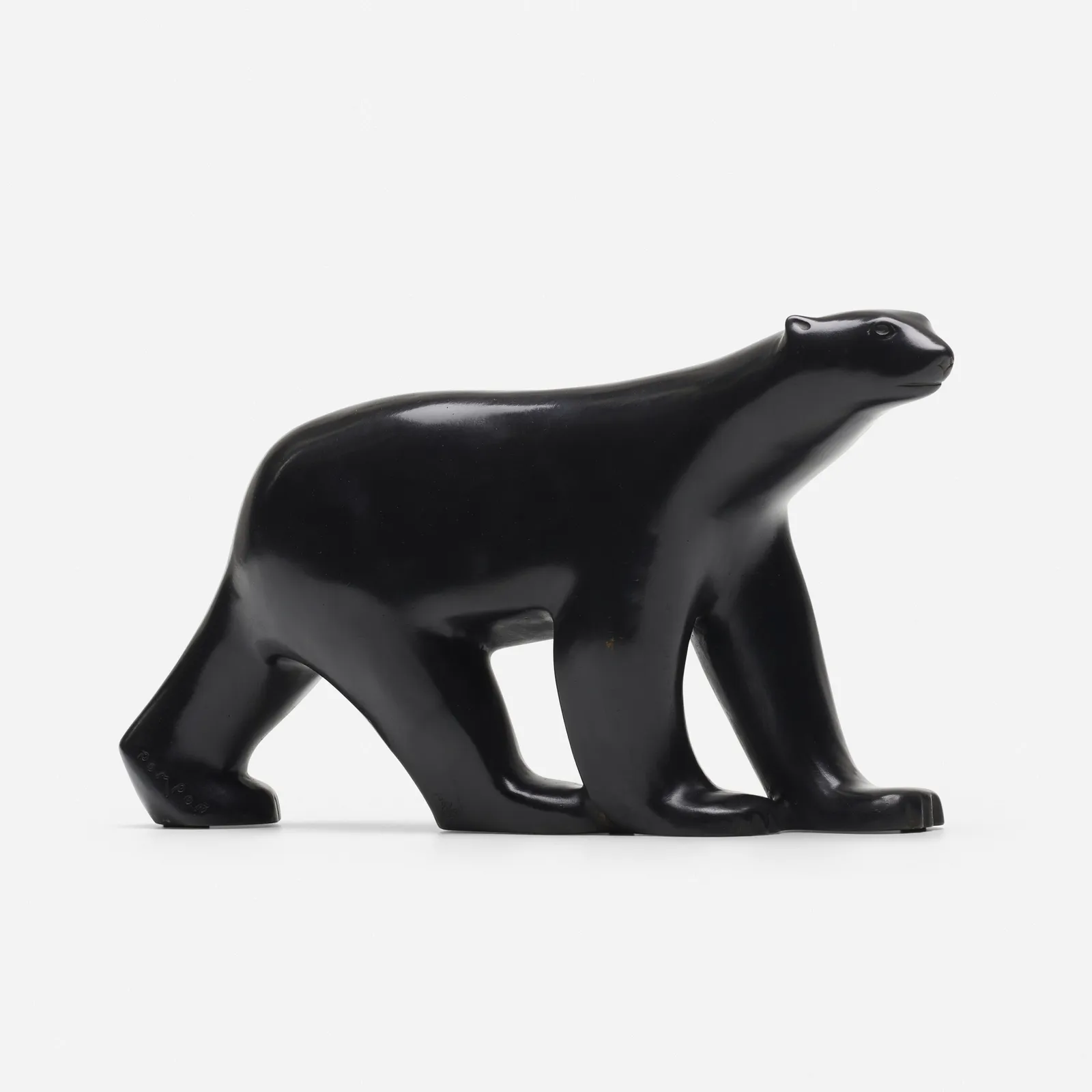
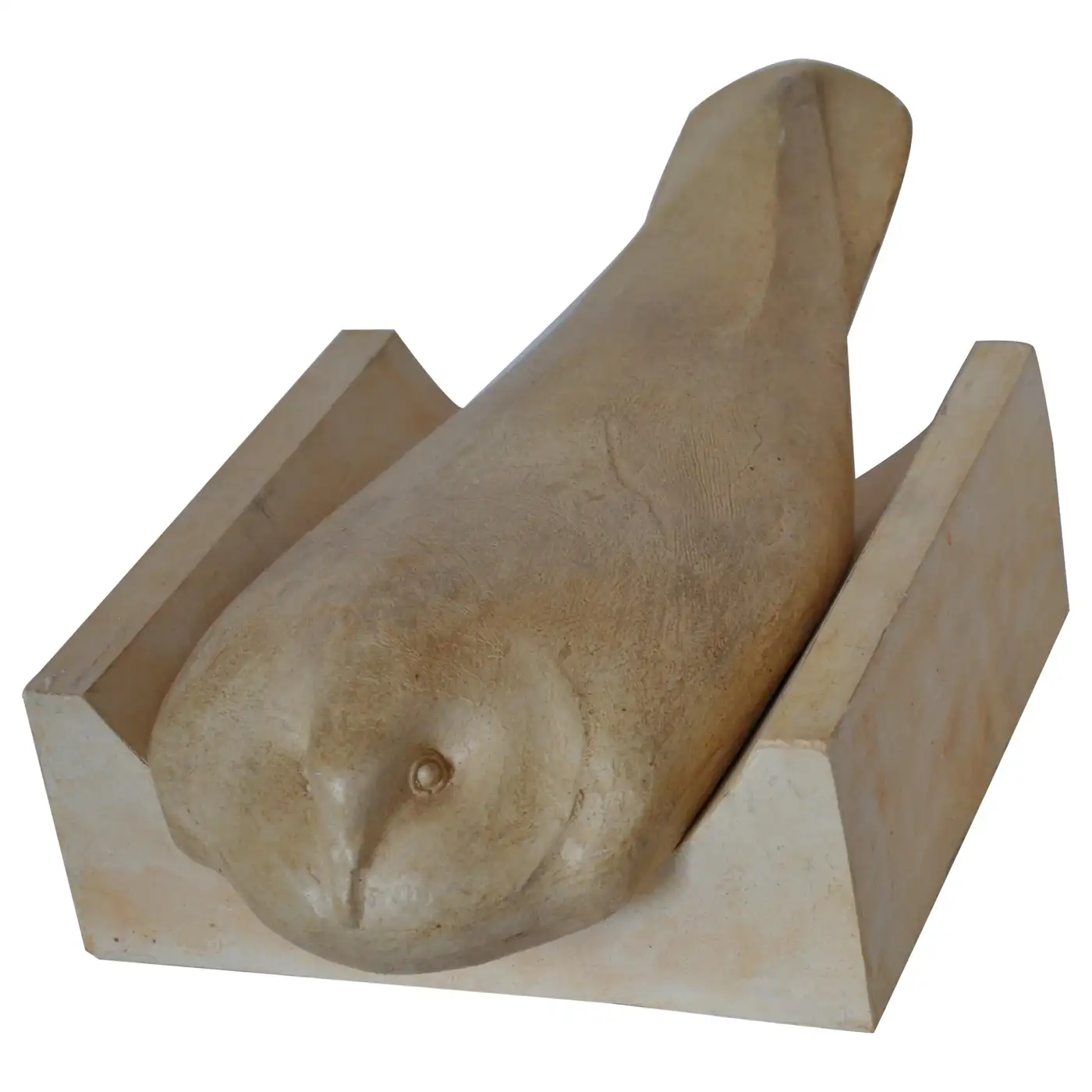
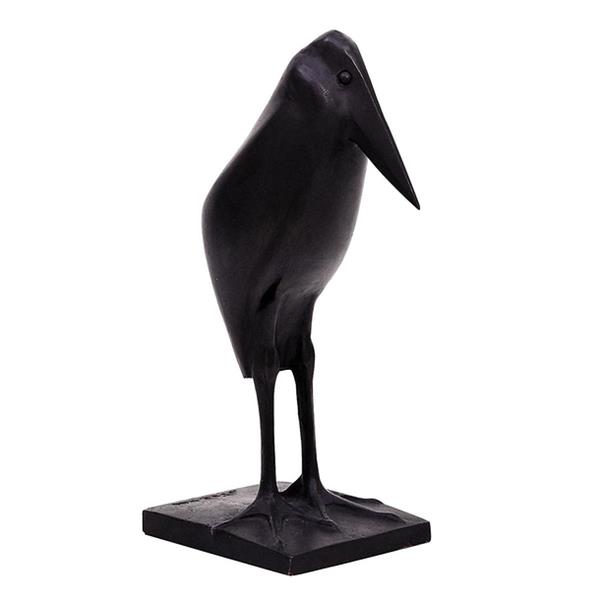
Pompon’s sculpture is known for its radical simplification of form. Instead of detailed naturalistic textures, he emphasized smooth surfaces and strong volumes. His animals are reduced to essential shapes that convey movement and character. This stylization gave his work a distinctly modern appearance compared with nineteenth century animal sculpture. The balance between realism and abstraction became one of his defining achievements.
Key Influences
- Animalier Tradition: Earlier nineteenth-century animal sculptors established the subject matter he later transformed.
- Direct Study of Animals: Observations at the Jardin des Plantes shaped his understanding of anatomy and motion.
- Studio Apprenticeships: Work with leading sculptors provided technical mastery and professional discipline.
- Modernist Simplification: Reducing form to essential shapes connected his work with emerging modern sculpture.
- Natural Movement: His sculptures often capture animals in quiet motion rather than dramatic action.
If you are interested in further stories of the artists who shaped Art Deco, return to our artists page to browse the full directory.
Related Products