



Francis Jourdain
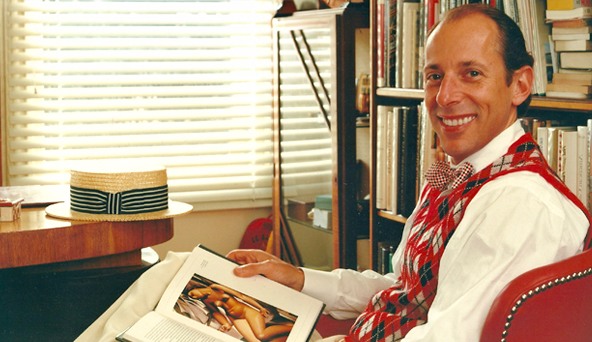
Francis Jourdain was born in Paris in 1876 into an intellectually rich environment shaped by his father, Frantz Jourdain, an architect and founder of the Salon d’Automne. From an early age, he was surrounded by writers, artists, and critics, an atmosphere that encouraged independent thinking but also provoked his skepticism toward bourgeois liberal ideals. He initially trained as a painter and decorative artist, studying drawing, engraving, glassmaking, and ornament. His early career aligned with Art Nouveau, and he achieved public recognition at the 1900 Exposition Universelle for decorative panels and stained glass work. Despite this success, Jourdain grew dissatisfied with ornament and visual excess. Influenced strongly by Adolf Loos, he began questioning luxury as a cultural value. This intellectual shift marked a decisive break from the decorative traditions of his upbringing. By the early 1910s, he was actively seeking a new moral and social direction for design.
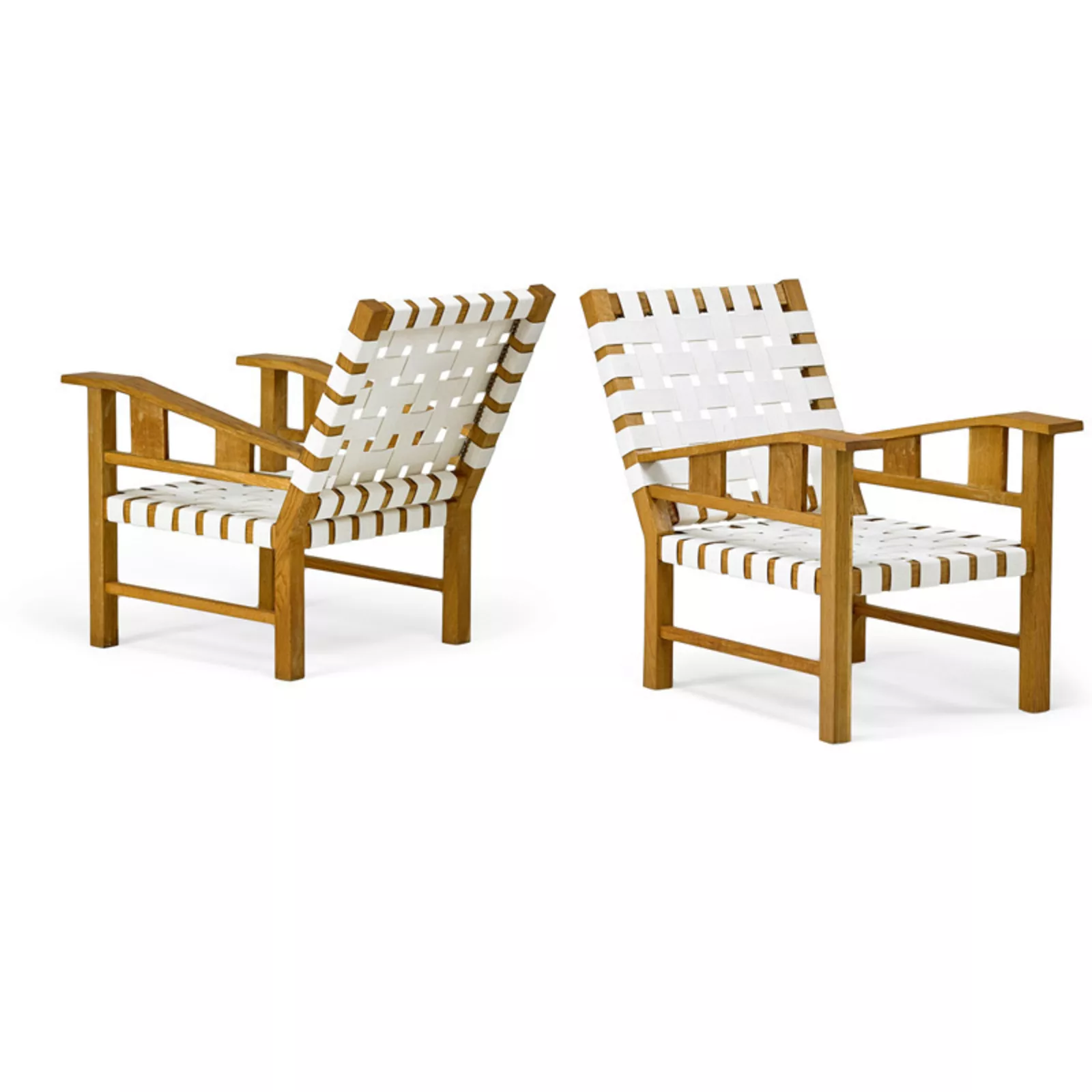

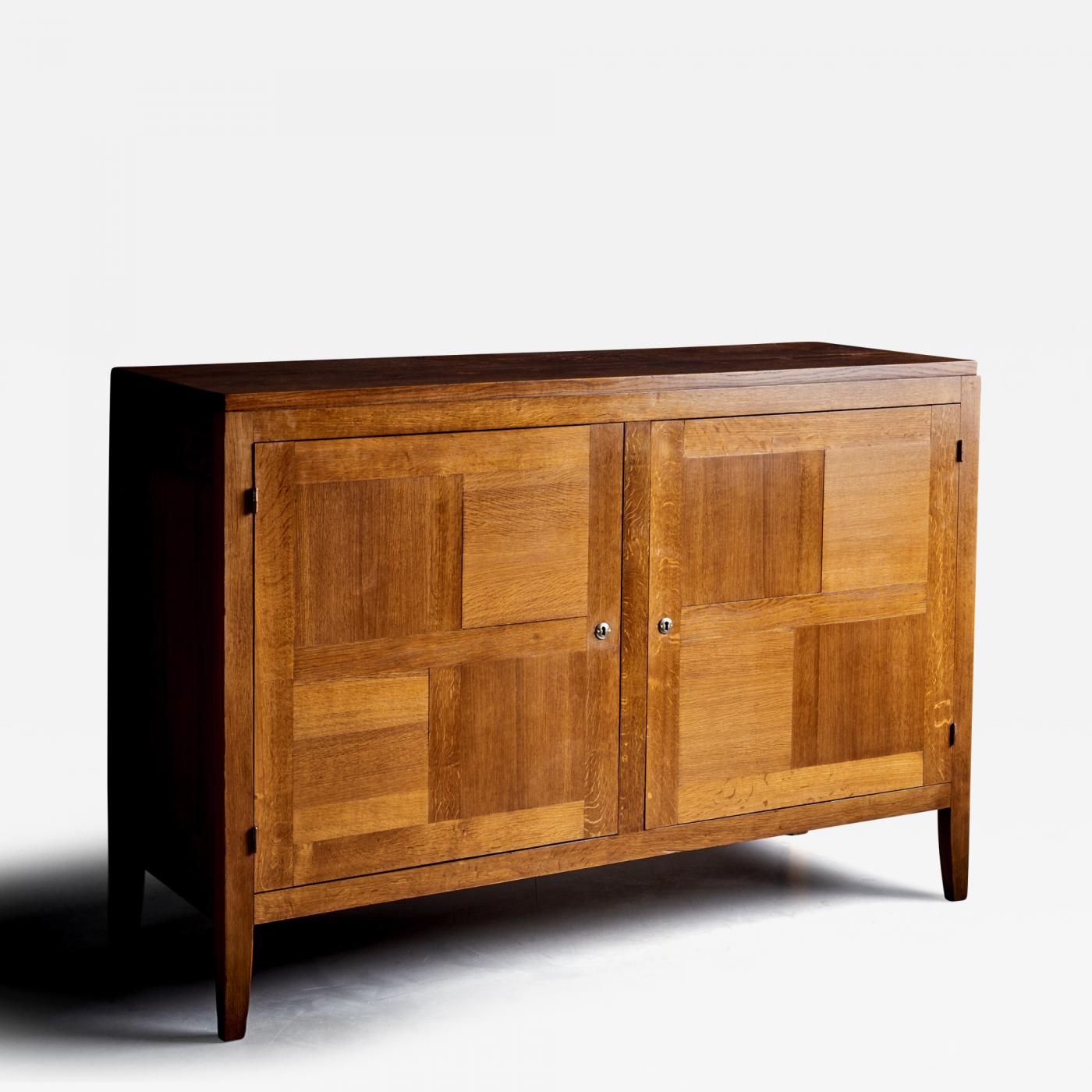
Jourdain turned decisively toward furniture and interior design around 1911, favoring clarity, function, and economy of means. In 1912, he founded Les Ateliers Modernes, a furniture workshop dedicated to producing simple, affordable, and modular furnishings. His designs were intended for everyday use and were often marketed through catalogs rather than elite galleries. He rejected luxury materials in favor of honest construction and standardized forms. Throughout the 1920s, he exhibited regularly at the Salon d’Automne and the Société des Artistes Décorateurs. His interiors emphasized built-in storage, interchangeable elements, and efficient use of space. At the 1925 International Exhibition of Decorative Arts, his installation stood apart for its absence of ornament and its emphasis on plain wood paneling. Jourdain’s collaboration with architects such as Robert Mallet Stevens reinforced his position at the forefront of socially minded modern design.


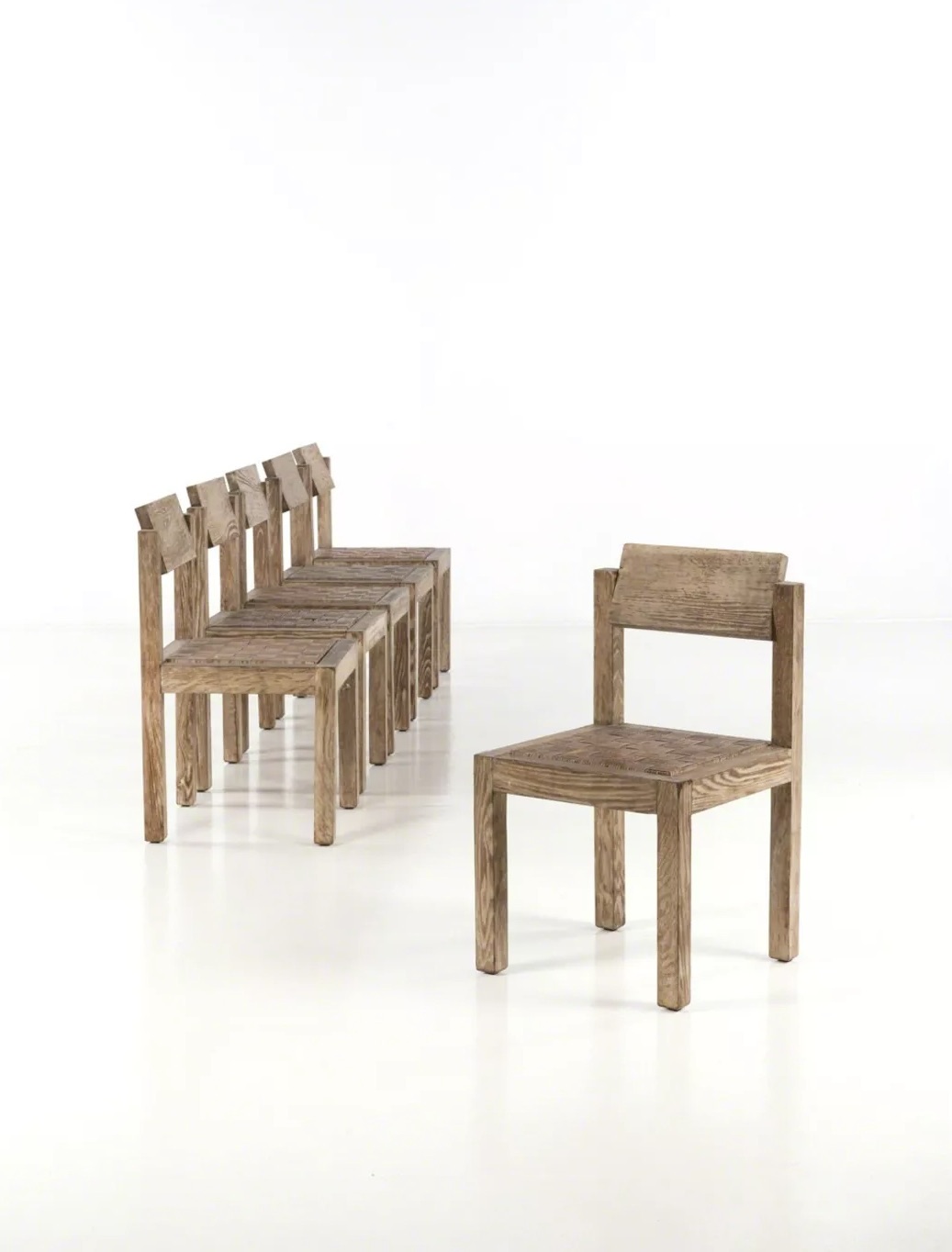


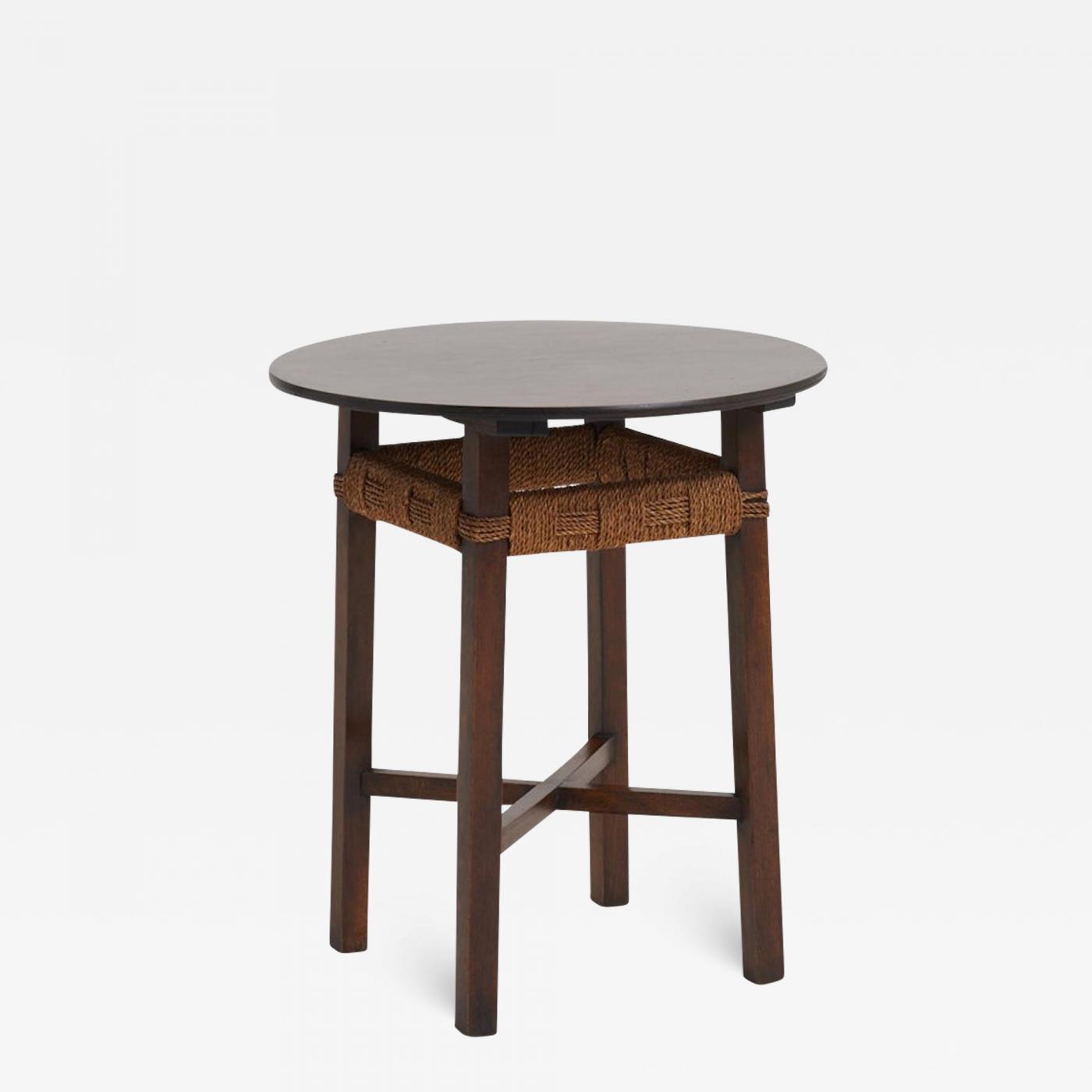
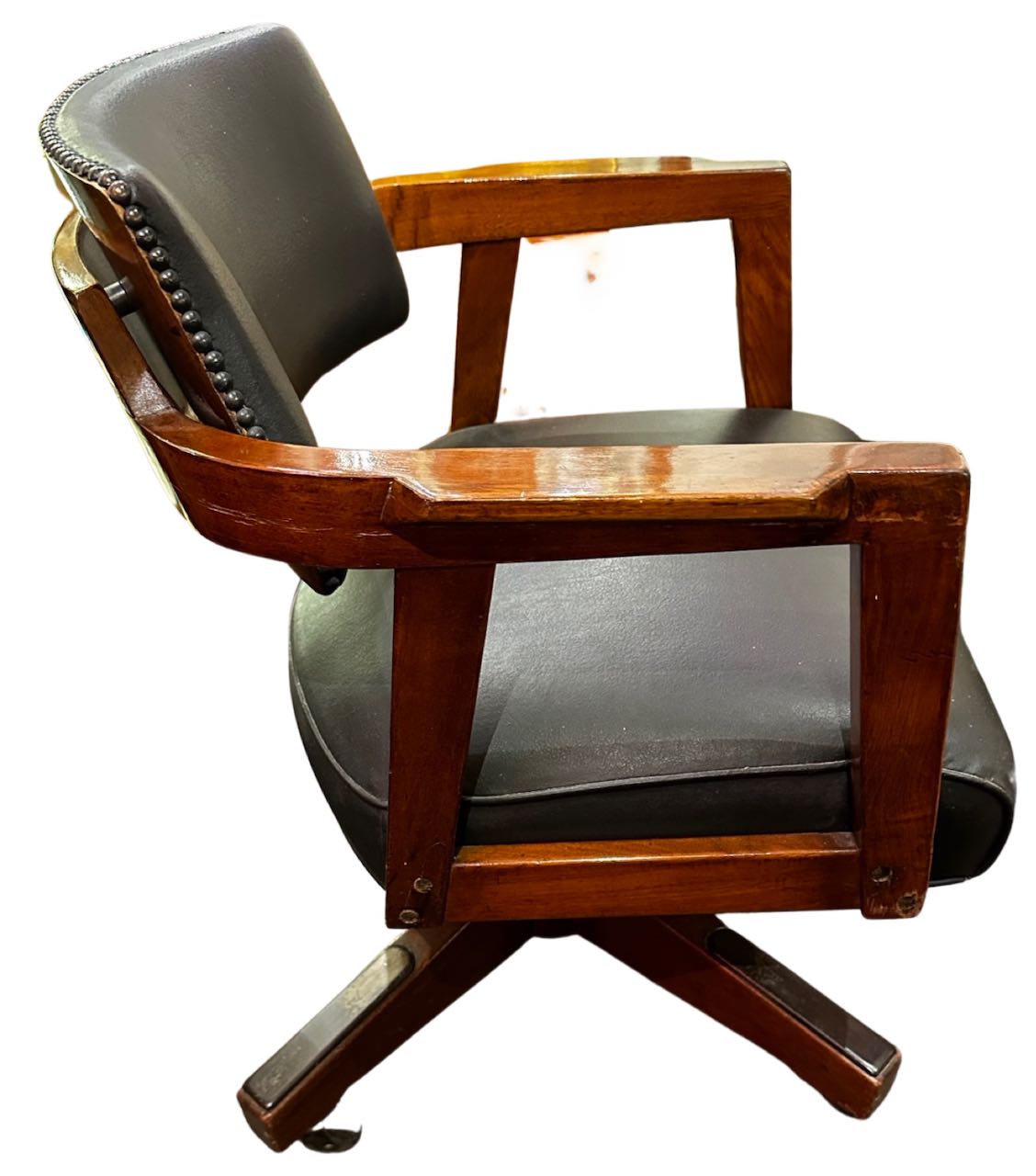
Francis Jourdain’s style is defined by restraint, clarity, and social purpose. His furniture favors straight lines, exposed construction, and modular systems over decorative effects. Materials were chosen for practicality rather than prestige, aligning design with everyday life. Within the context of Art Deco, his work represents its most austere and ethical expression. Jourdain’s approach helped bridge decorative arts and early functional modernism.
Key Influences
- Adolf Loos and Anti-Ornament Thought: Loos’s rejection of decoration shaped Jourdain’s move toward functional simplicity.
- Social Reform and Leftist Politics: His commitment to accessible design reflected broader concerns about class and labor.
- Industrial Production Methods: Standardization and modularity informed his approach to furniture for wider audiences.
- Early Modern Architecture: Collaboration with figures like Robert Mallet Stevens reinforced spatial efficiency and integration.
- Reaction Against Luxury Art Deco: Jourdain positioned his work as a moral counterpoint to decorative excess.
If you are interested in further stories of the artists who shaped Art Deco, return to our artists page to browse the full directory.

Related Products from ArtDecoCollection.com