


Eva Zeisel
Born in Budapest in 1906, Eva Zeisel entered the Royal Academy of Fine Arts with the intention of becoming a painter, but her mother urged her to learn a trade that could support her. She apprenticed to a traditional potter and became the first woman in the Hungarian guild system to earn the title of journeyman potter, mastering every phase of ceramic production. In the 1920s and 1930s, she worked in Budapest and later at the Schramberg factory in Germany, where she learned to merge handcraft with industrial methods and modernist design. As a Hungarian Jew, she fled the rise of Nazism and took refuge in the Soviet Union, where she was unjustly imprisoned for sixteen months before being released and eventually emigrating to the United States. In America, she established herself as one of the century’s leading industrial designers, producing ceramics, tableware, and glassware for major companies and teaching at the Pratt Institute. Her career was marked by a deep belief that beauty should be part of daily life, and that design could bring warmth to modern living. Zeisel continued to create new work into her later years, remaining active until her passing in 2011 at the age of 105.
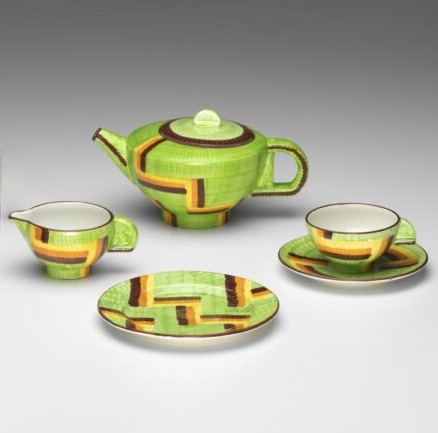
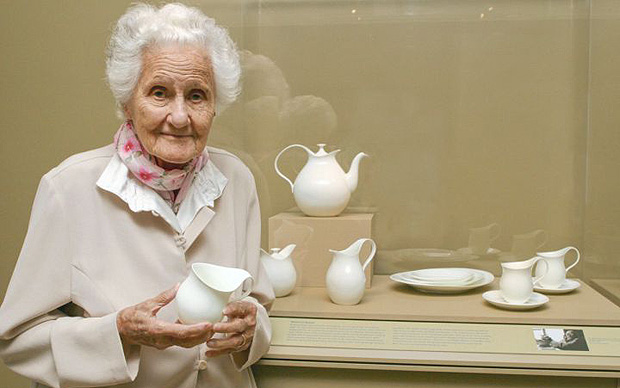
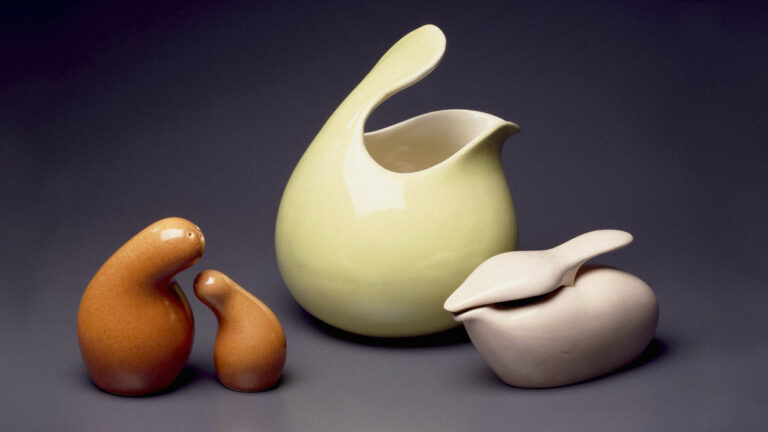
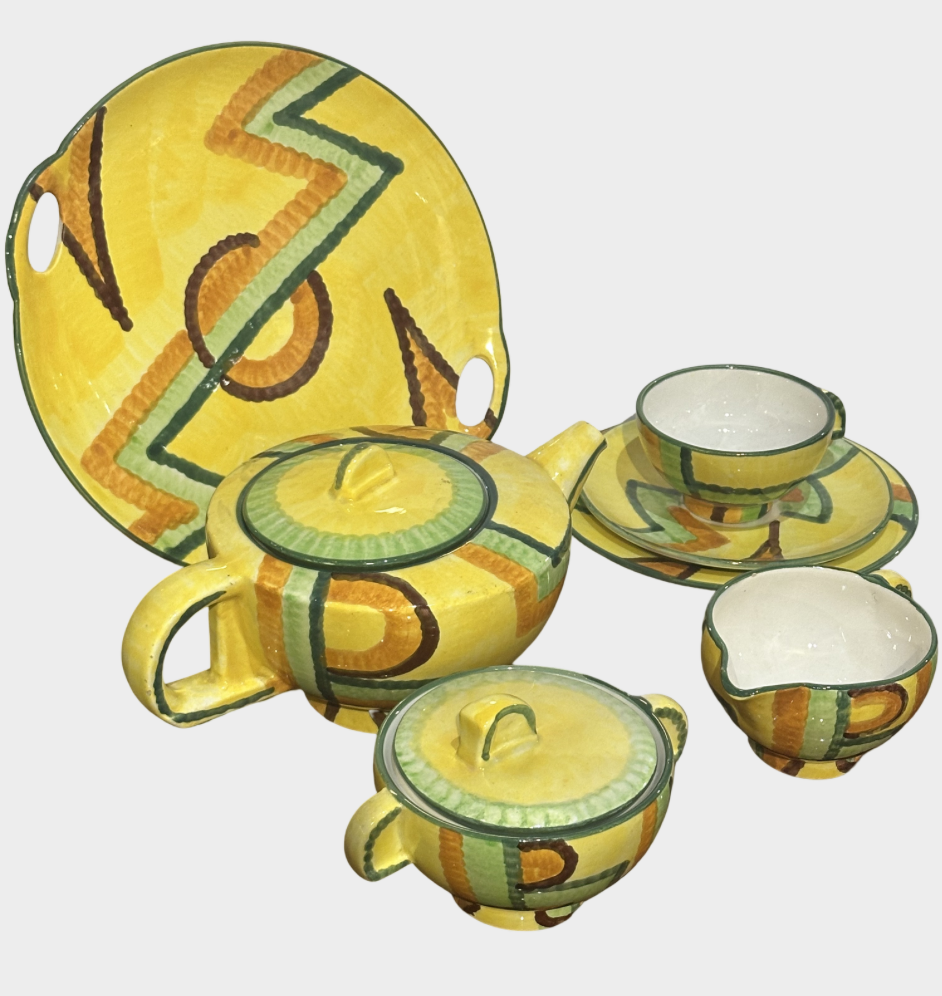
Zeisel’s art is distinguished by its union of form and feeling. She rejected strict functionalism in favor of designs that were elegant, tactile, and full of personality, believing that even the most ordinary household objects should delight the senses. Her signature style features curving silhouettes, interlocking shapes, and smooth surfaces that encourage touch and visual harmony. These organic forms reflect her conviction that design should mirror the rhythms of nature and the human body rather than machinery. She often described her work as “a playful search for beauty,” and this philosophy guided her throughout her decades-long career. Zeisel’s approach influenced generations of designers, shaping the language of mid-century modernism and redefining how people interact with the objects they use every day. Her legacy endures as a testament to the power of design to elevate both utility and emotion in everyday life.
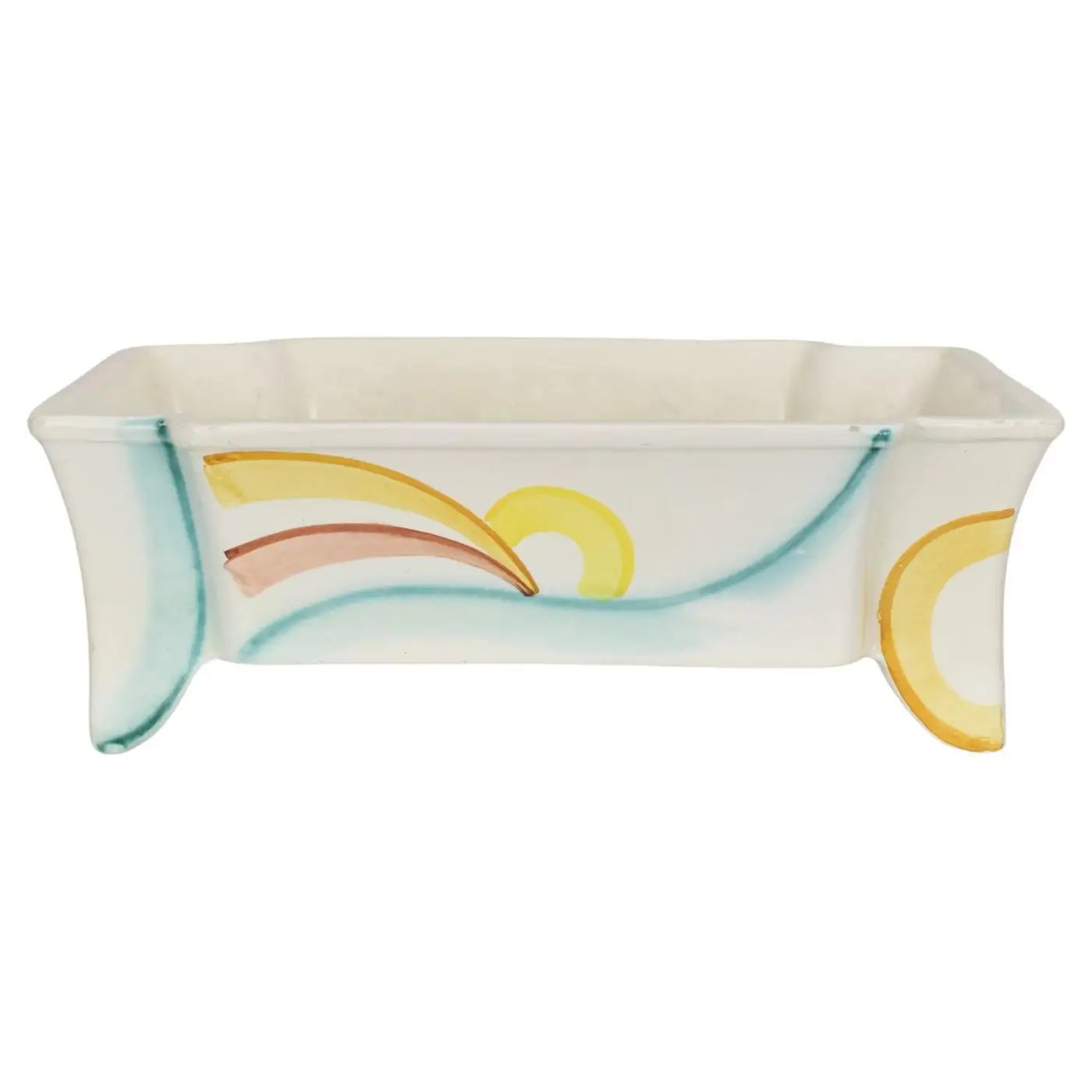
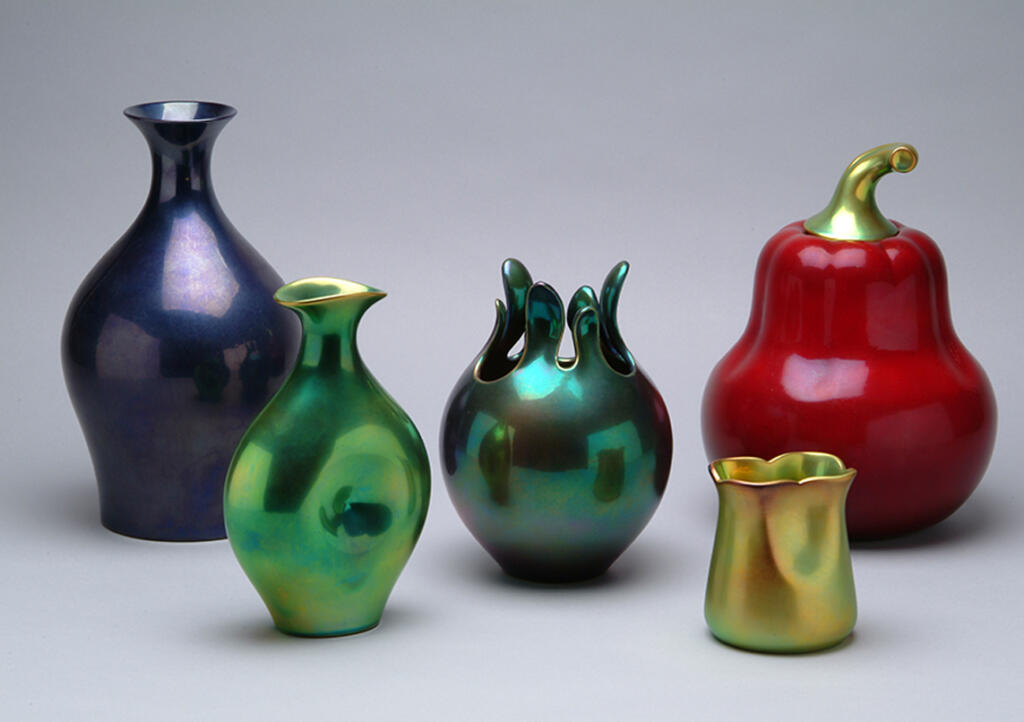
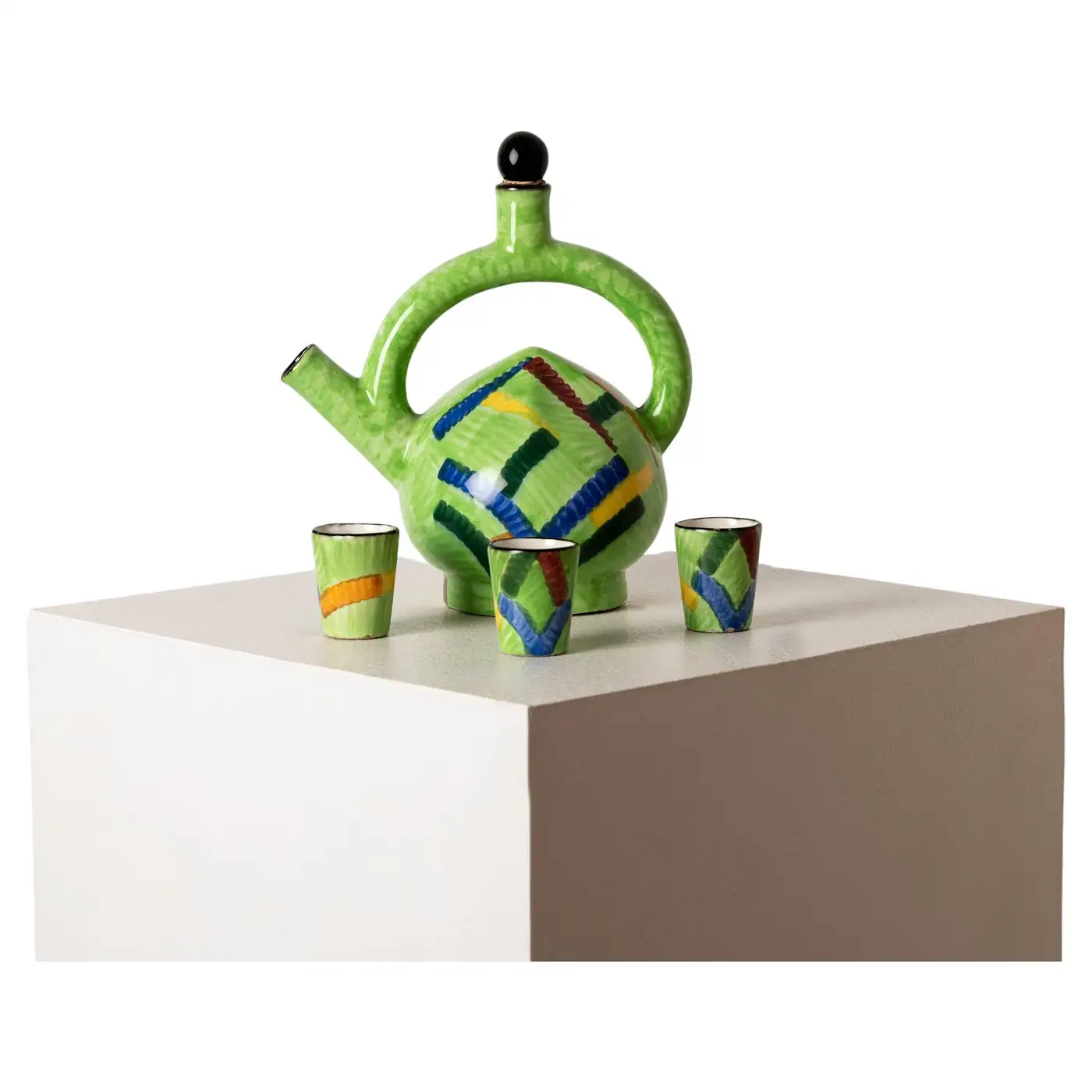
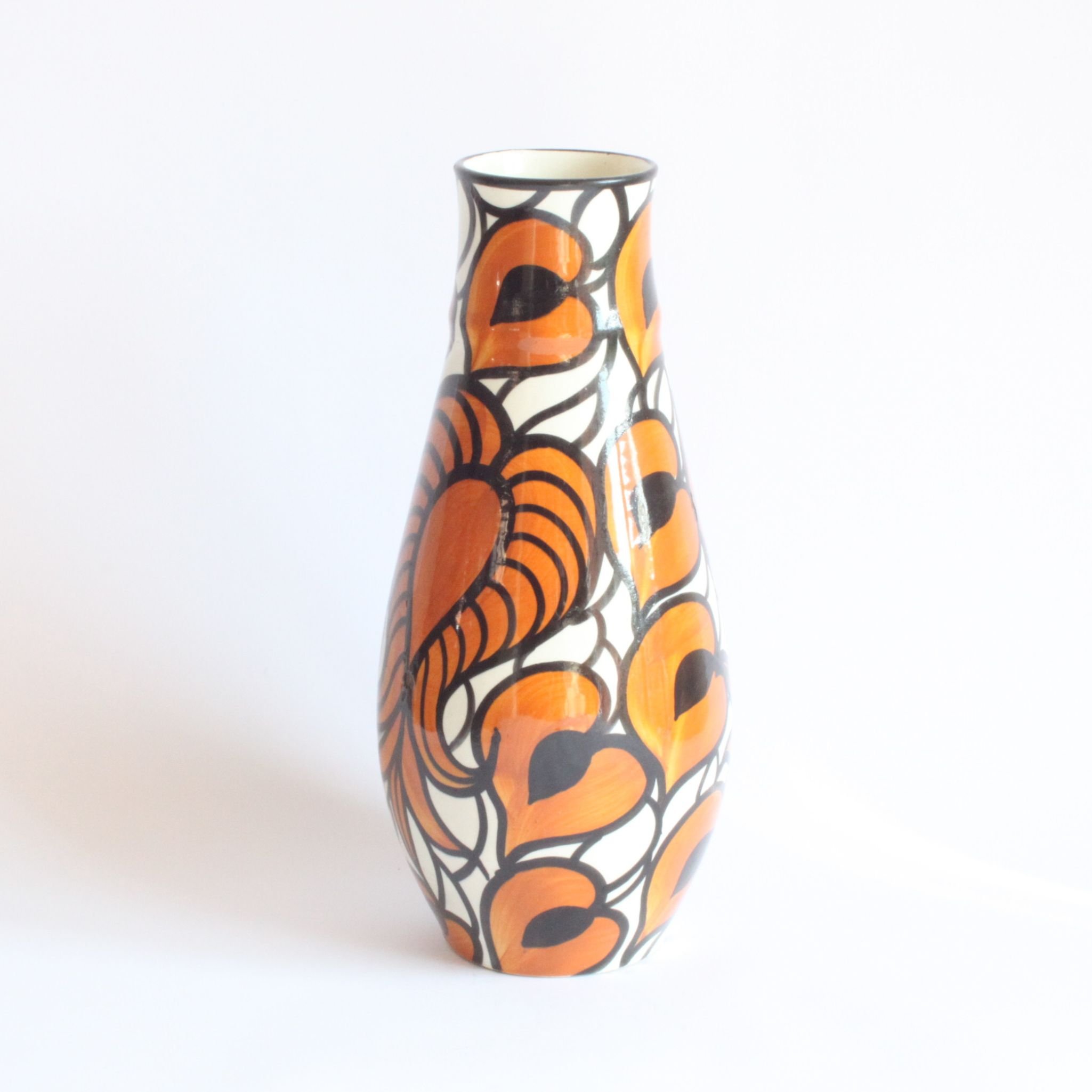
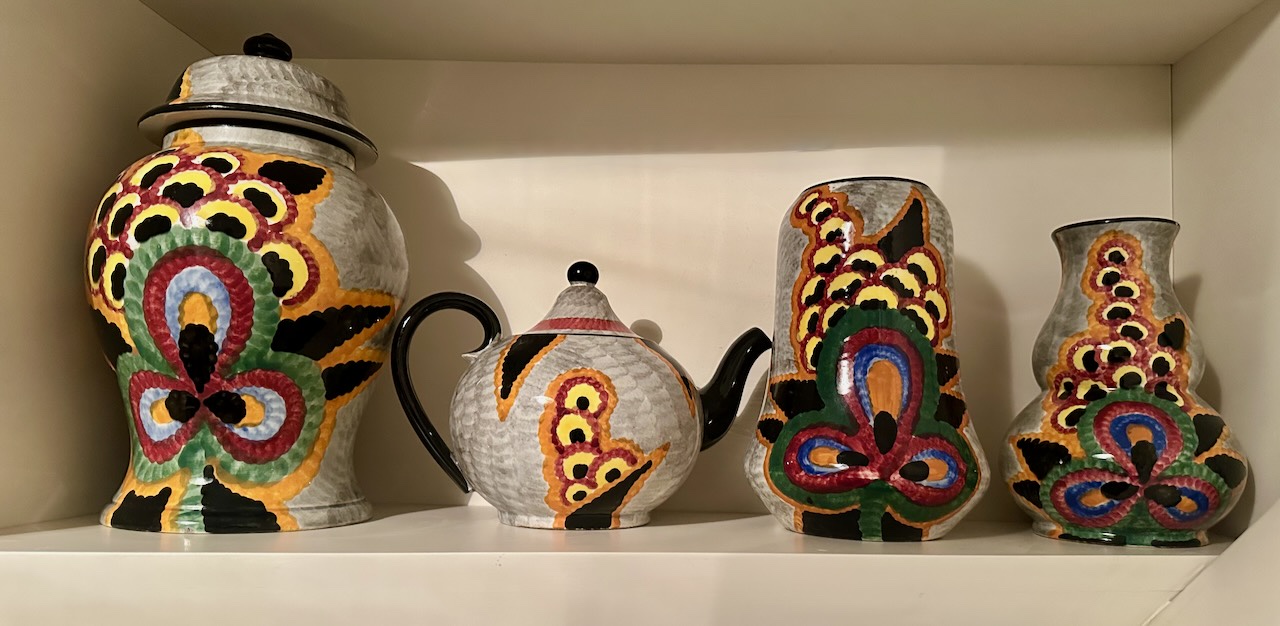
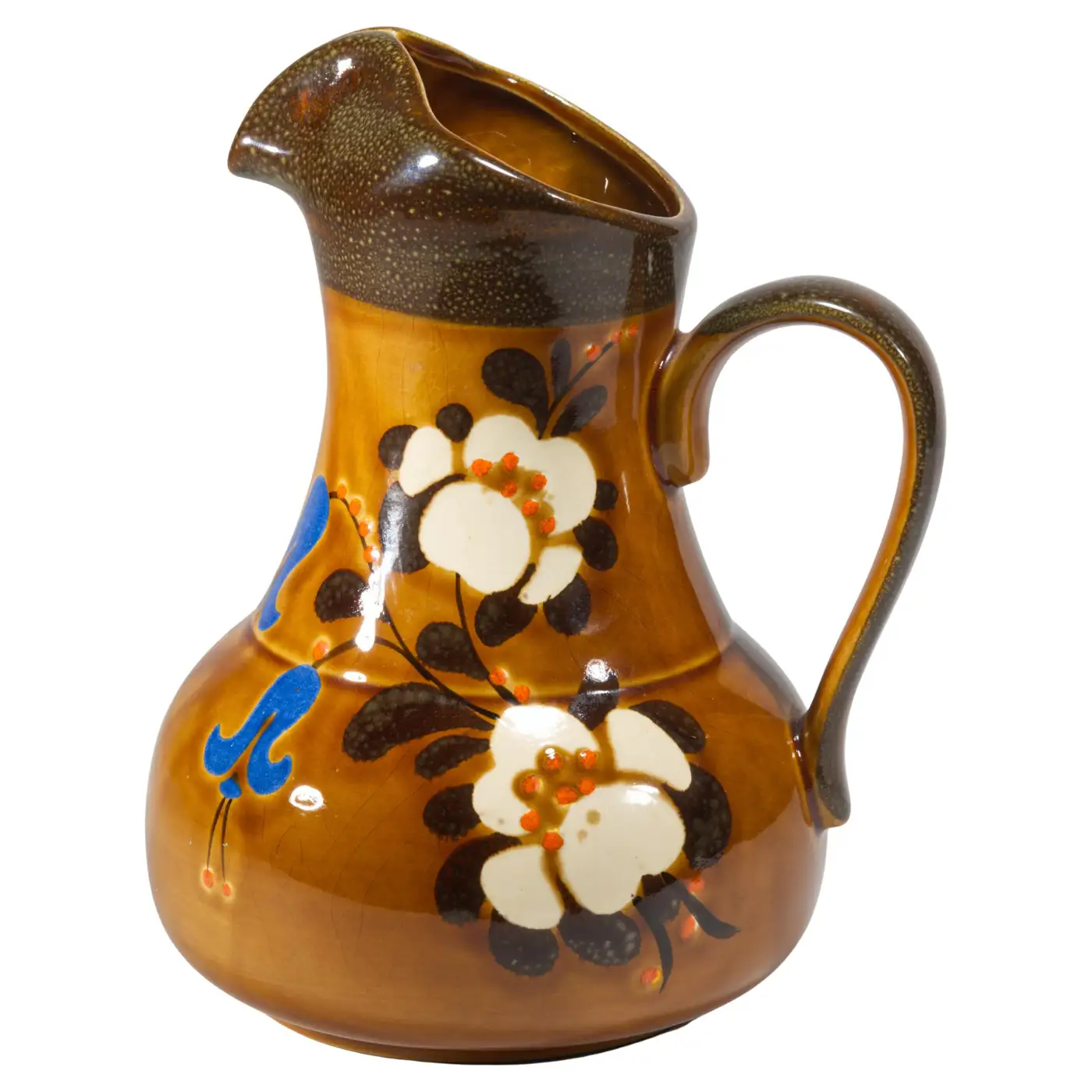
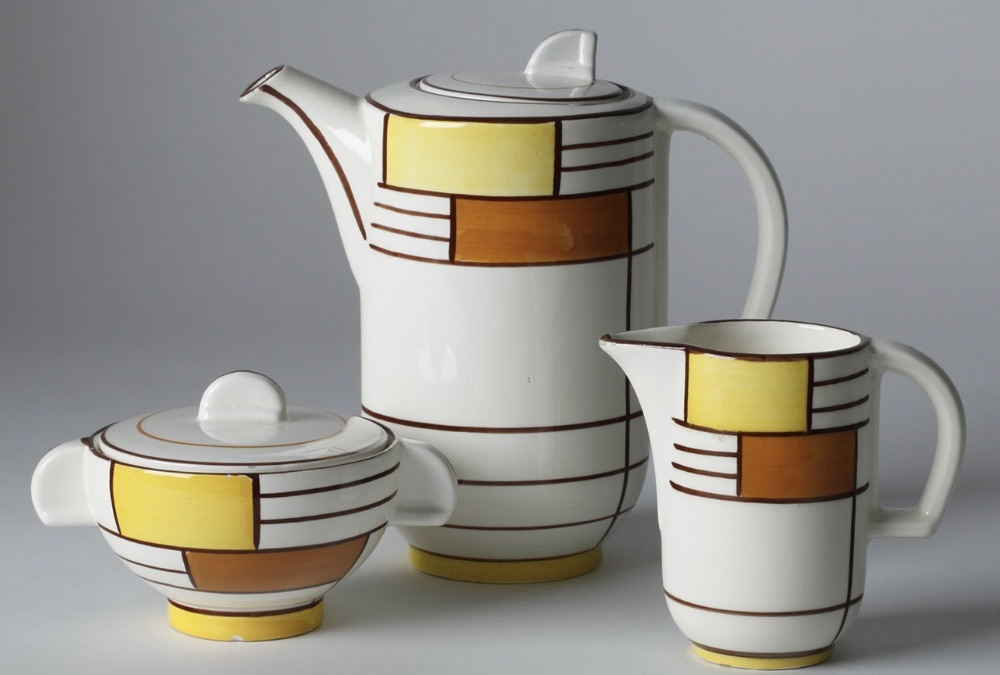
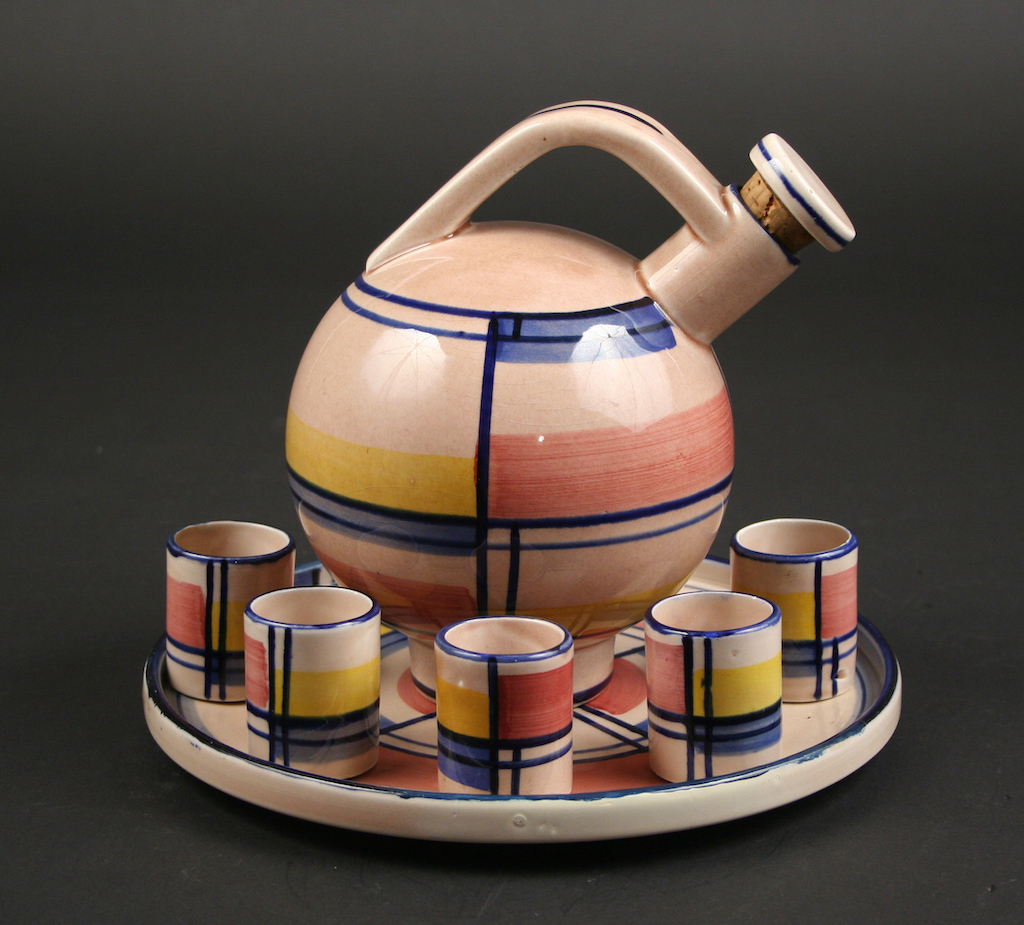
Zeisels style is defined by gentle curves, organic geometry, and a sense of movement that makes each object feel alive. She designed in families of forms that relate to one another through shape, scale, and proportion, allowing her collections to convey unity without repetition. Even in industrial production, she insisted on a human touch her designs invite warmth, conversation, and connection rather than austerity. Her surfaces are often fluid and continuous, echoing the human figure and the natural world. Above all, her style reflects her belief that beauty and function are inseparable parts of a joyful, civilized life.
Key Influences:
Hungarian folk art and craft: Early exposure to handmade pottery and natural motifs inspired her lifelong preference for organic form and rhythm.
Modern industrial design: Her experience in German factories taught her to balance artistry with reproducibility and efficiency.
Human-centered philosophy: Zeisel believed that design should be personal, sensuous, and emotionally engaging rather than purely functional.
Mid-century sculptural modernism: The biomorphic abstraction of artists like Henry Moore and Jean Arp informed her own curving, fluid compositions.
Cross-cultural experience: Living and working across Hungary, Germany, Russia, and the United States gave her a unique ability to blend European refinement with American optimism.
If you are interested in further stories of the artists who shaped Art Deco, return to our artists page to browse the full directory.
Related Products