
Edward Steichen
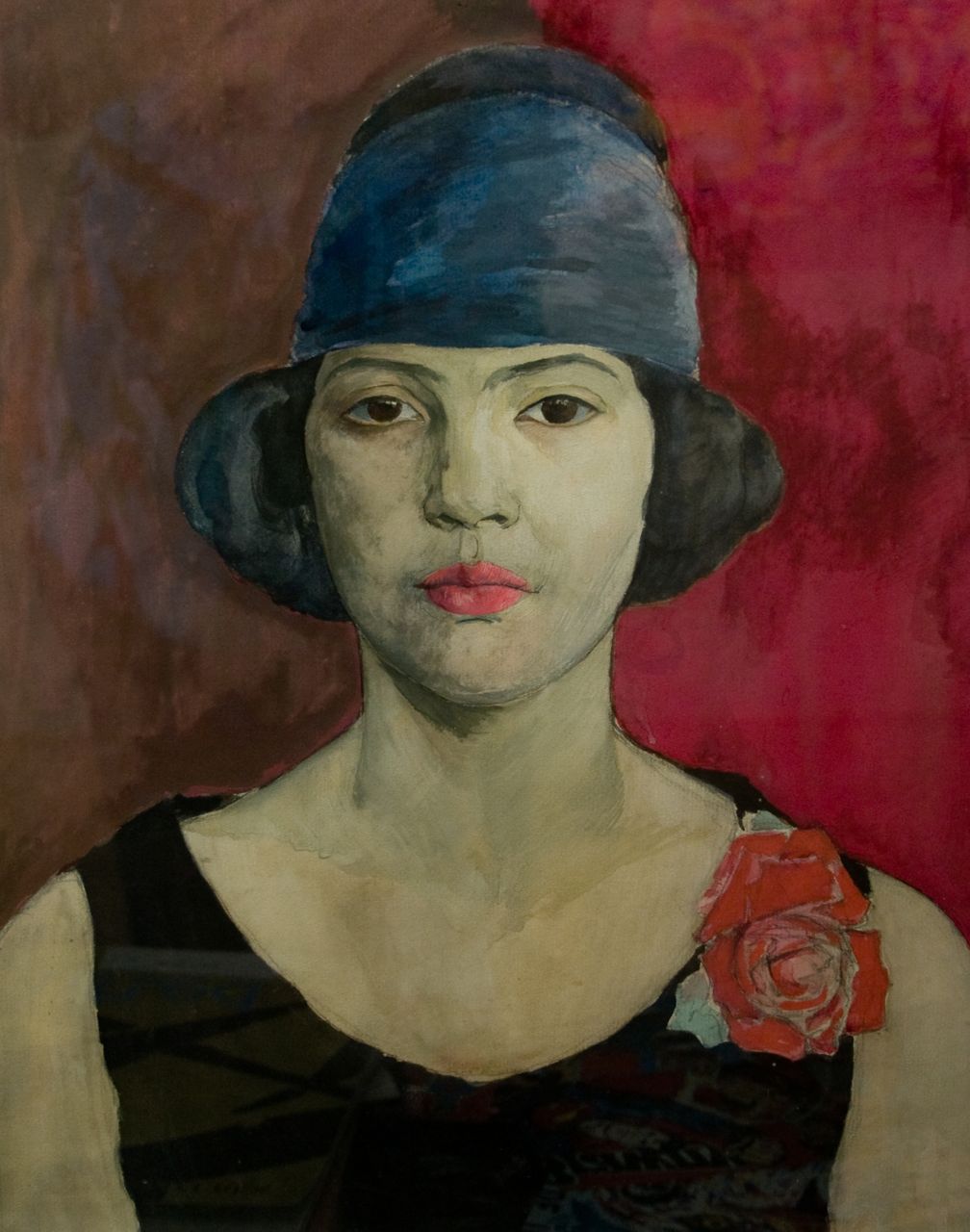
Edward Steichen was born in Luxembourg in 1879 and came to the United States as an infant when his family emigrated. He grew up in Milwaukee, where he learned German and English while still speaking Luxembourgish at home. His artistic interests appeared early, first through drawing and painting and then through photography. As a teenager, he left school to begin a lithography apprenticeship, which gave him disciplined training in line, tone, and composition. Around the same time, he bought his first camera and started making photographs with friends who shared his interest in art. These early experiences gave him a rare combination of technical skill, painterly ambition, and visual curiosity. He soon moved between Milwaukee, New York, and Paris, building connections that placed him near the center of modern art. His friendship and collaboration with Alfred Stieglitz helped establish him as one of the leading figures of early photographic modernism. Unlike many photographers of his generation, Steichen moved easily between photography, painting, design, and later curatorial work. He also had a gift for reinvention, repeatedly reshaping his practice as culture, technology, and publishing changed. That adaptability helped him remain influential across several distinct eras of twentieth century visual culture.
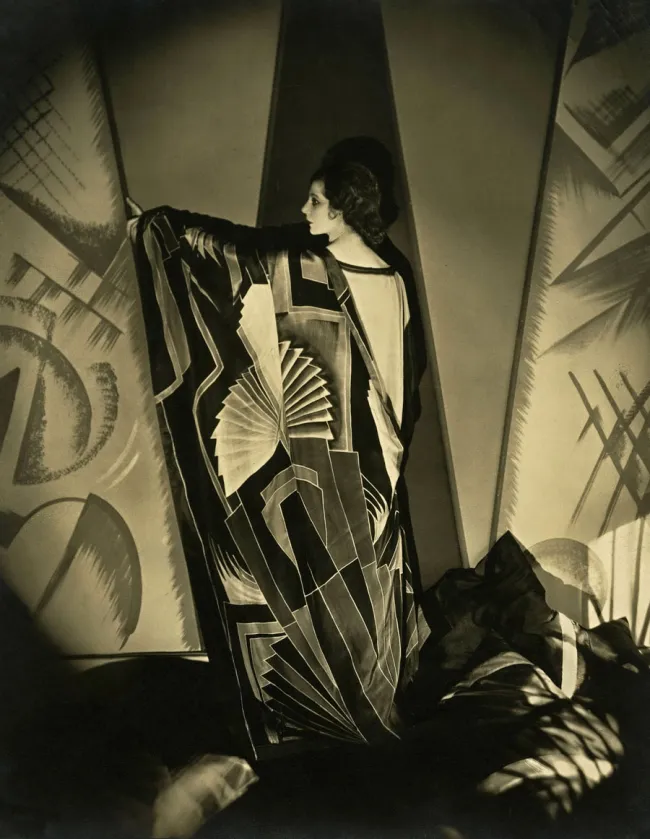

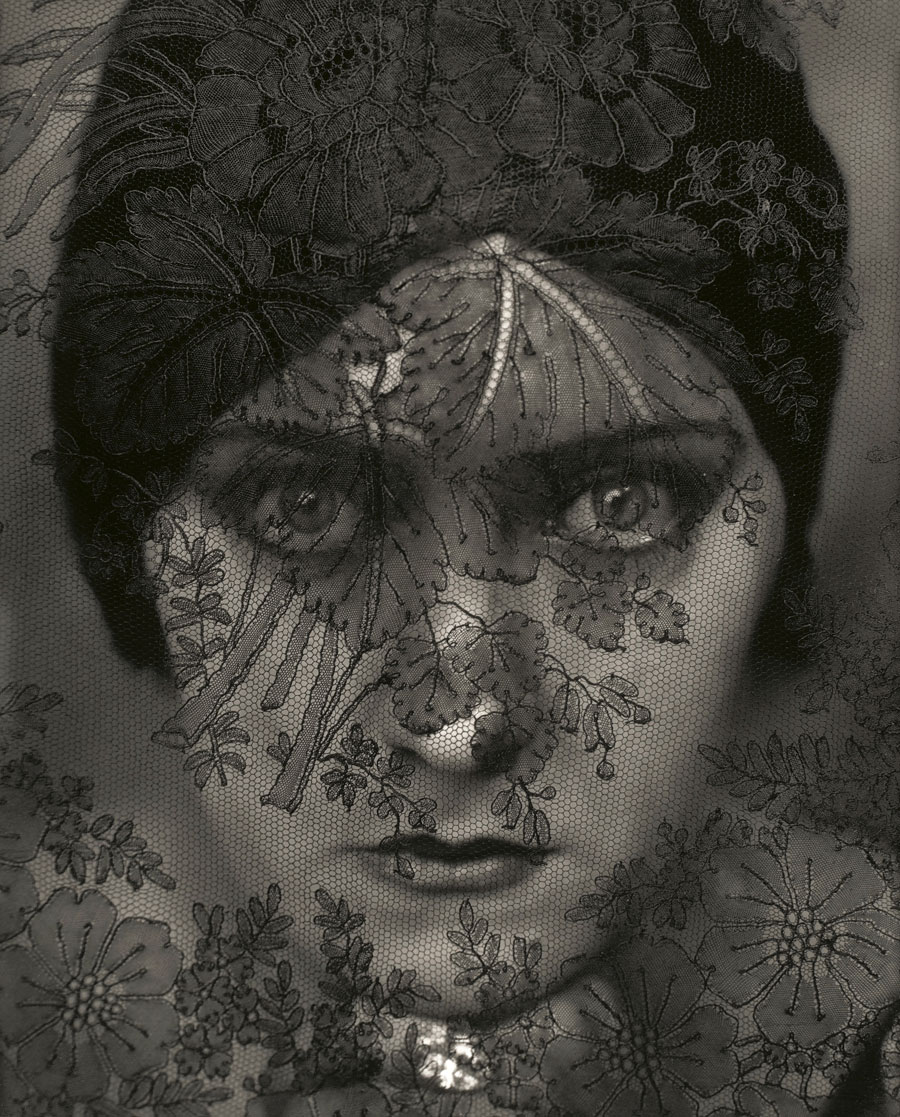
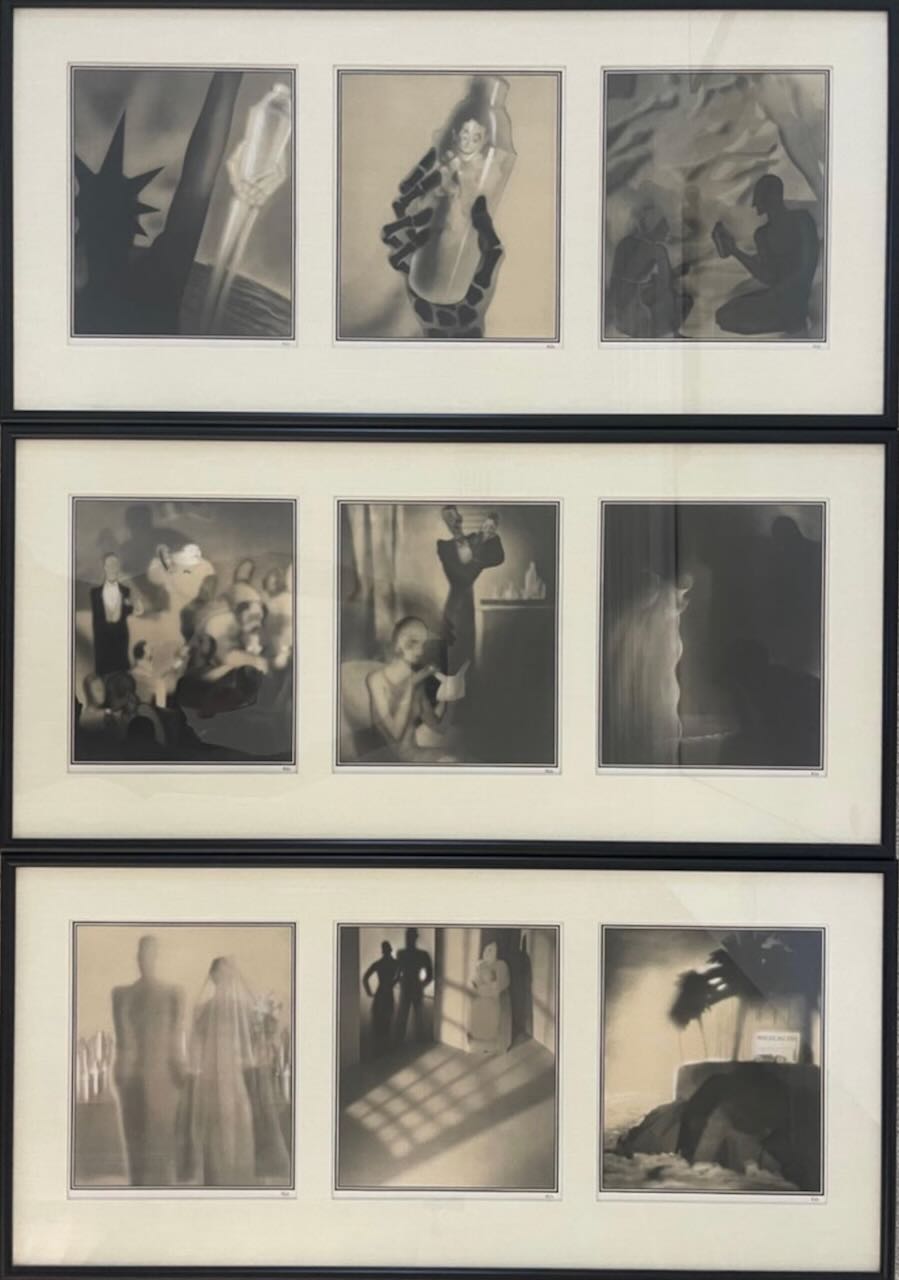
Steichen first gained recognition through his pictorialist photographs and his role in the Photo-Secession, helping argue that photography belonged among the fine arts. With Alfred Stieglitz he co-founded the Little Galleries of the Photo-Secession, later known as 291, which introduced American audiences to major modern artists as well as new photographic ideas. In 1911, his photographs of Paul Poiret gowns for Art et Décoration helped establish a new visual language for fashion photography. These images treated clothing not as mere merchandise, but as part of a modern artistic composition. During the 1920s and 1930s, Steichen became the chief photographer for Vogue and Vanity Fair, producing portraits, fashion studies, and advertising images of extraordinary polish and influence. In those years he was widely regarded as the most famous and highest paid photographer in the world. His magazine work helped define the sleek elegance associated with interwar glamour and Art Deco style. After serving in both world wars, including major photographic work for the United States Navy in the Second World War, he shifted increasingly toward curatorial leadership. As director of photography at the Museum of Modern Art, he shaped public understanding of the medium on an international scale. His exhibition The Family of Man became one of the most widely seen photography exhibitions ever assembled. Through this combination of artistic practice, editorial innovation, wartime service, and museum leadership, Steichen became one of the central image makers of the twentieth century.
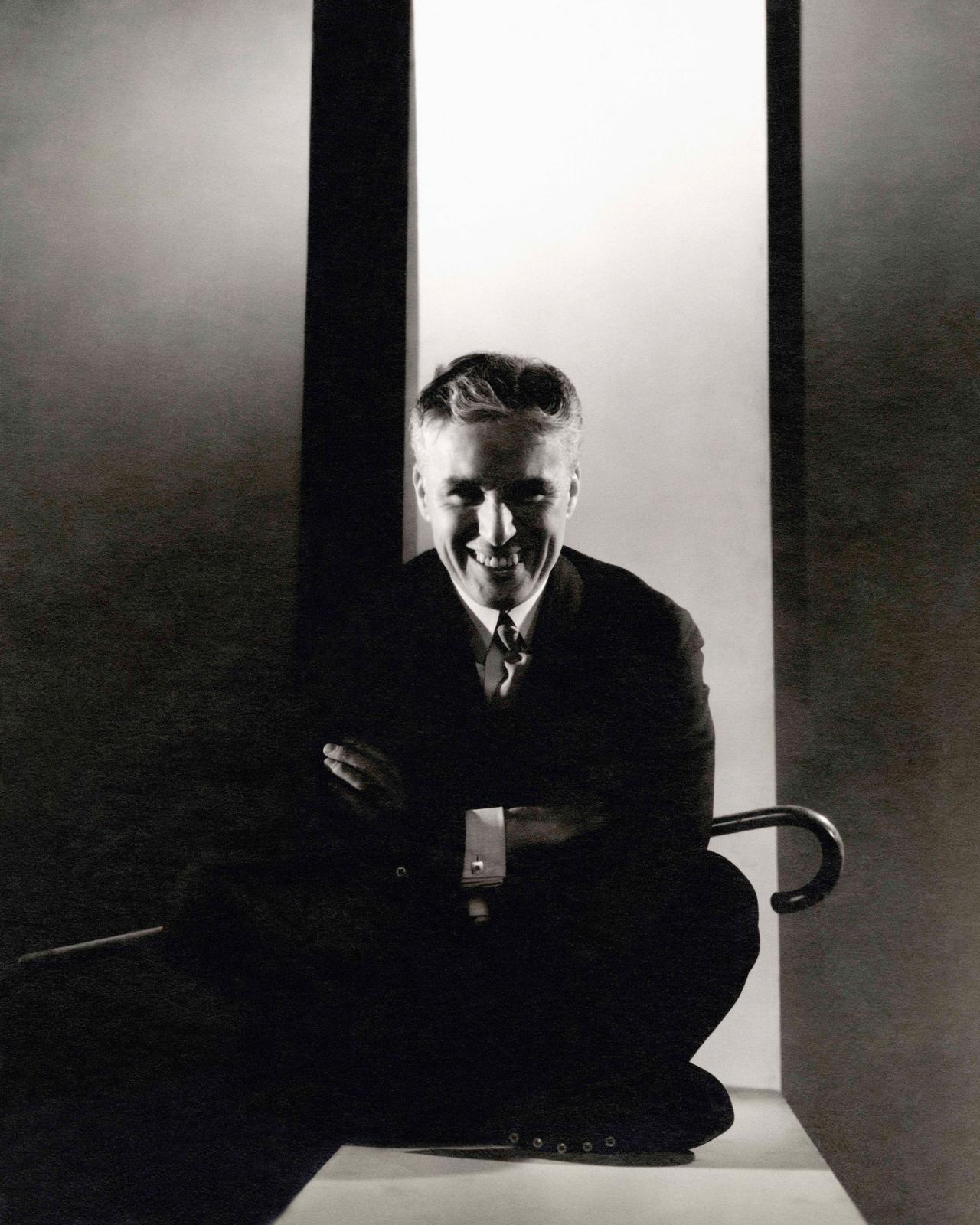
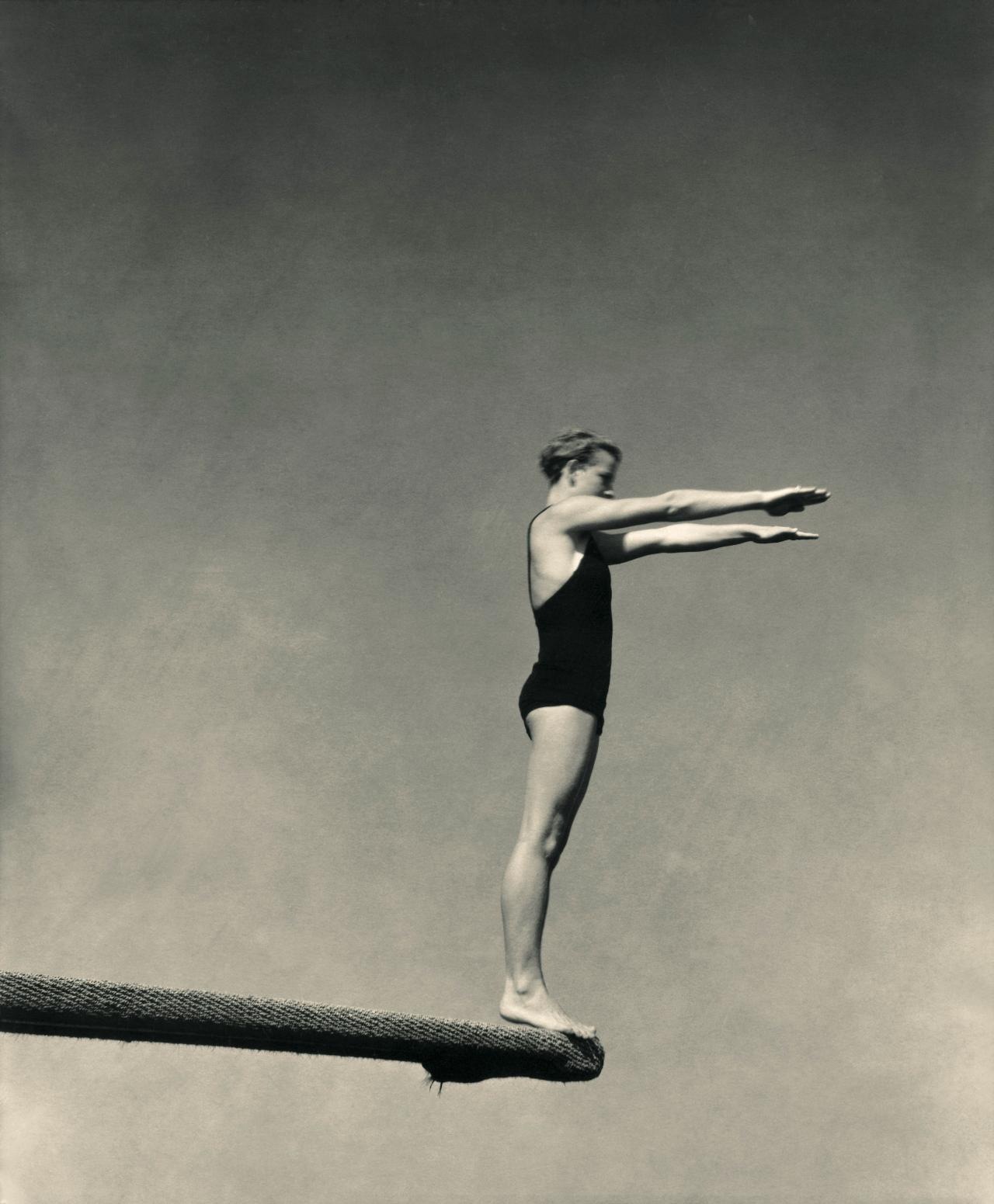
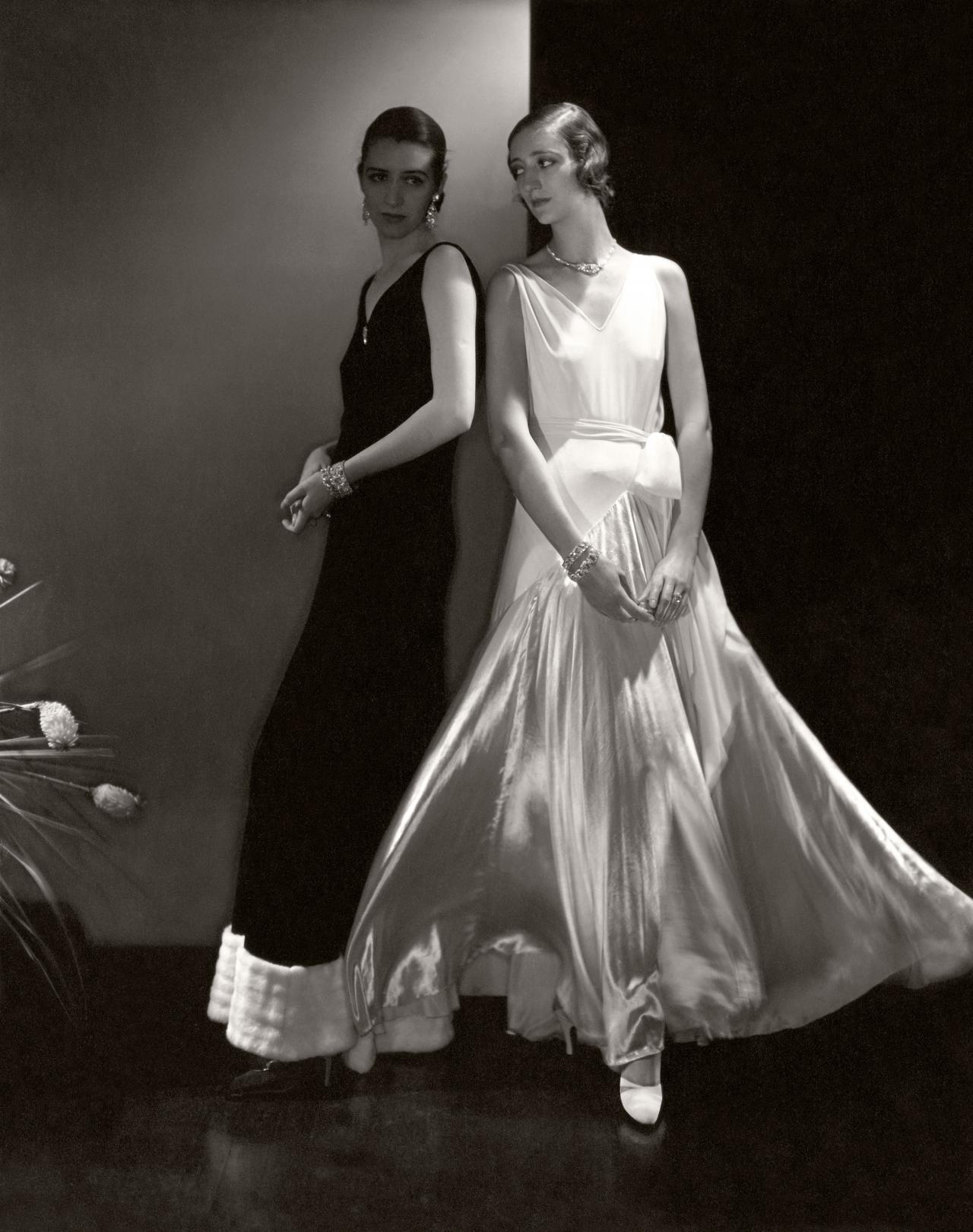
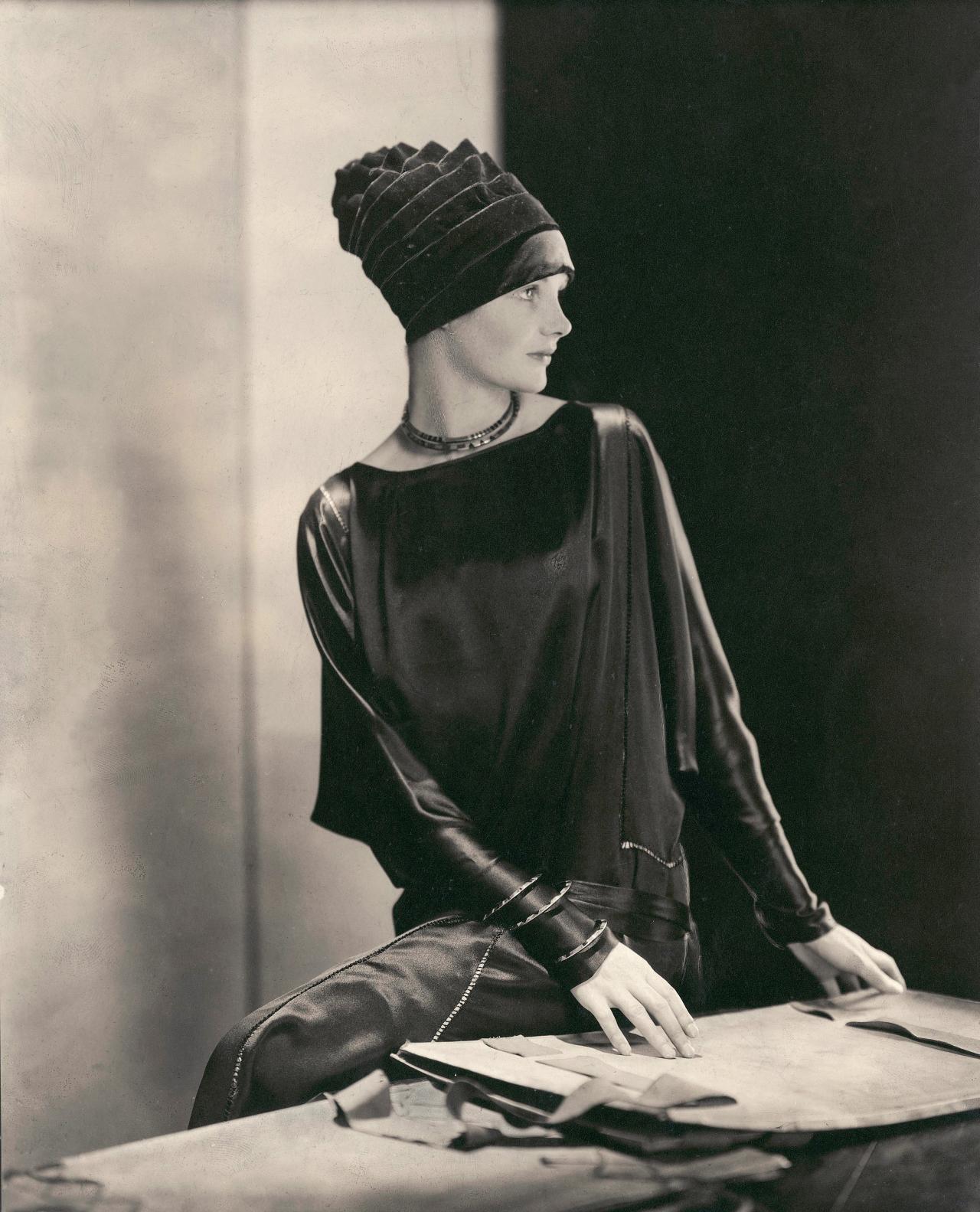
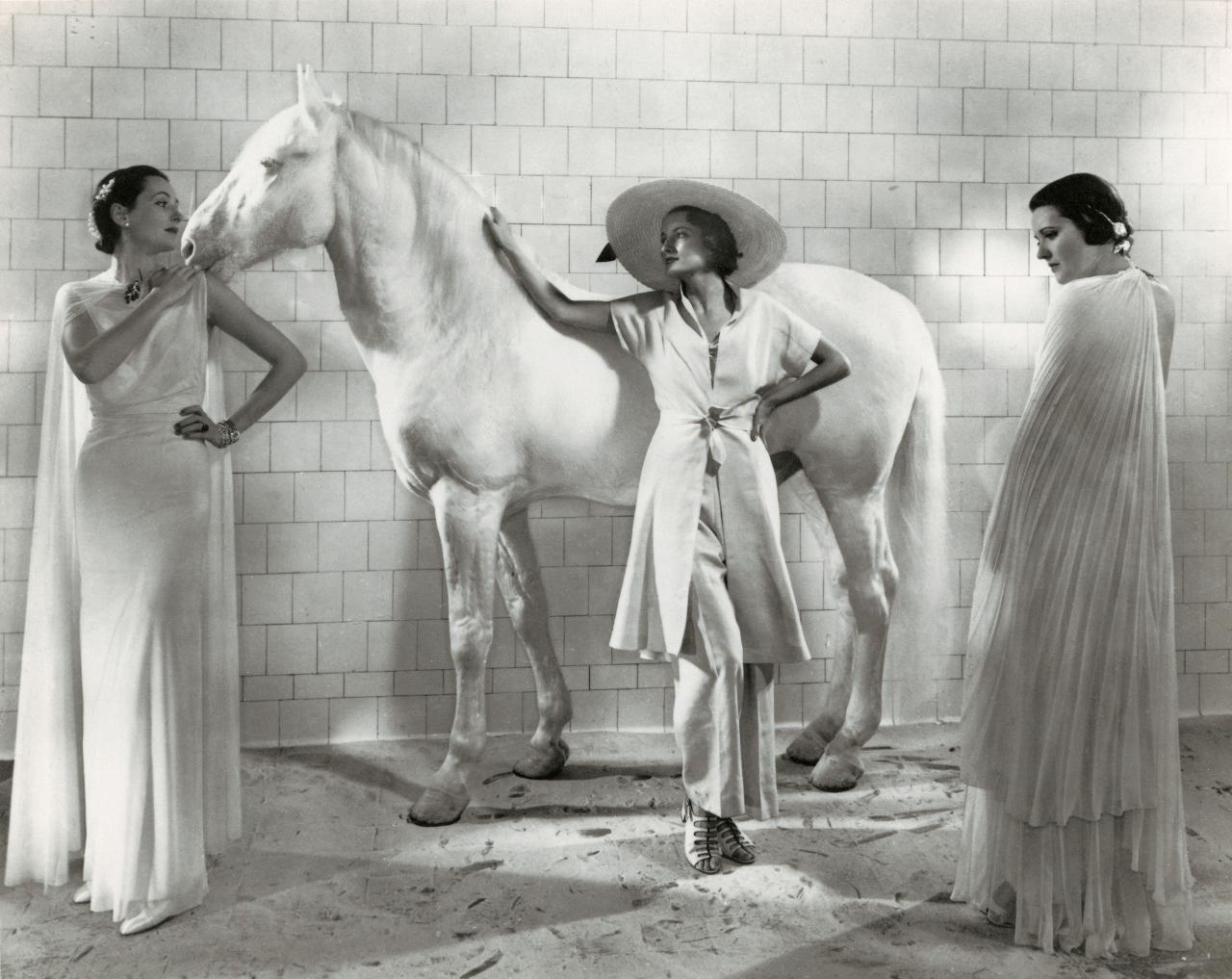
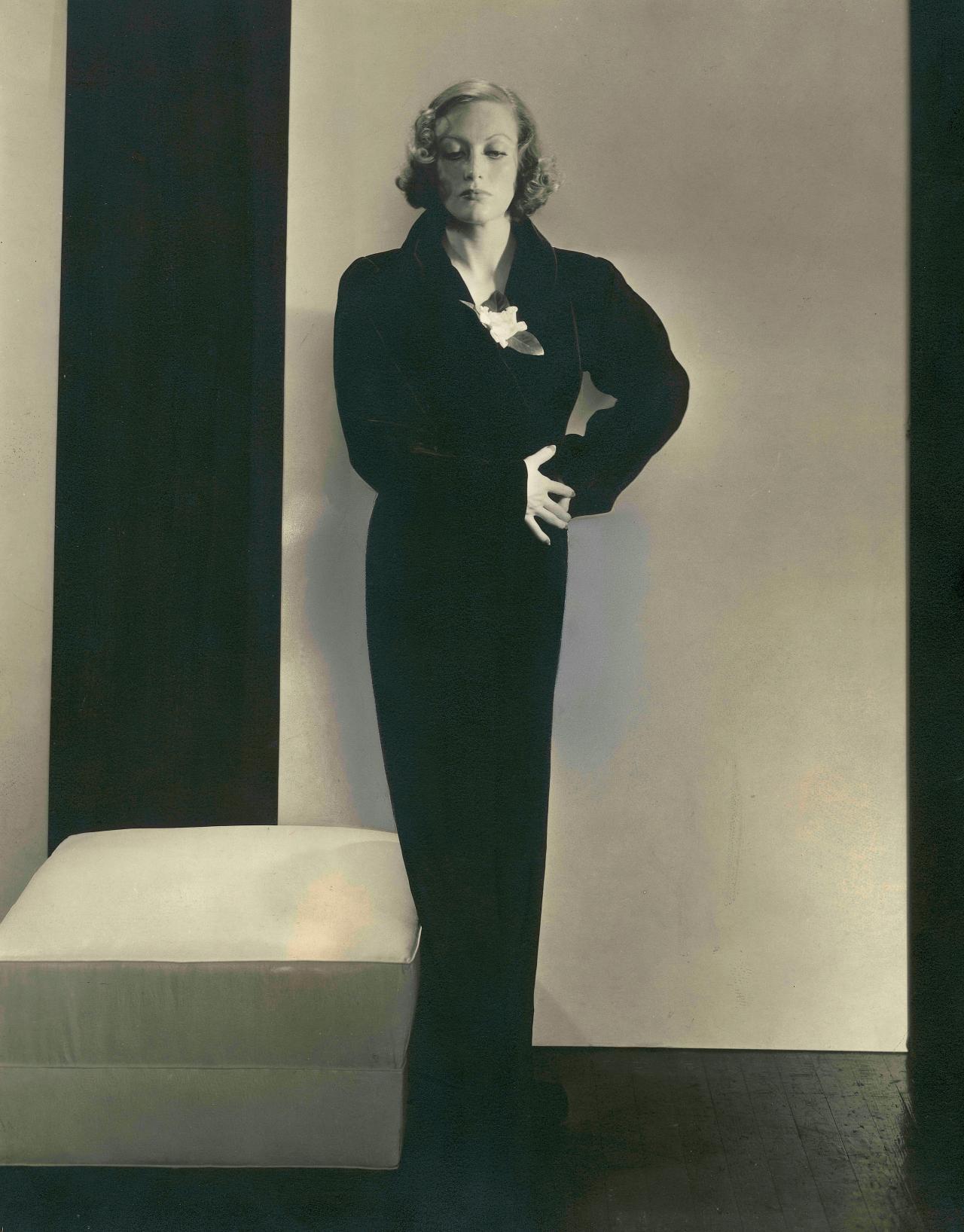
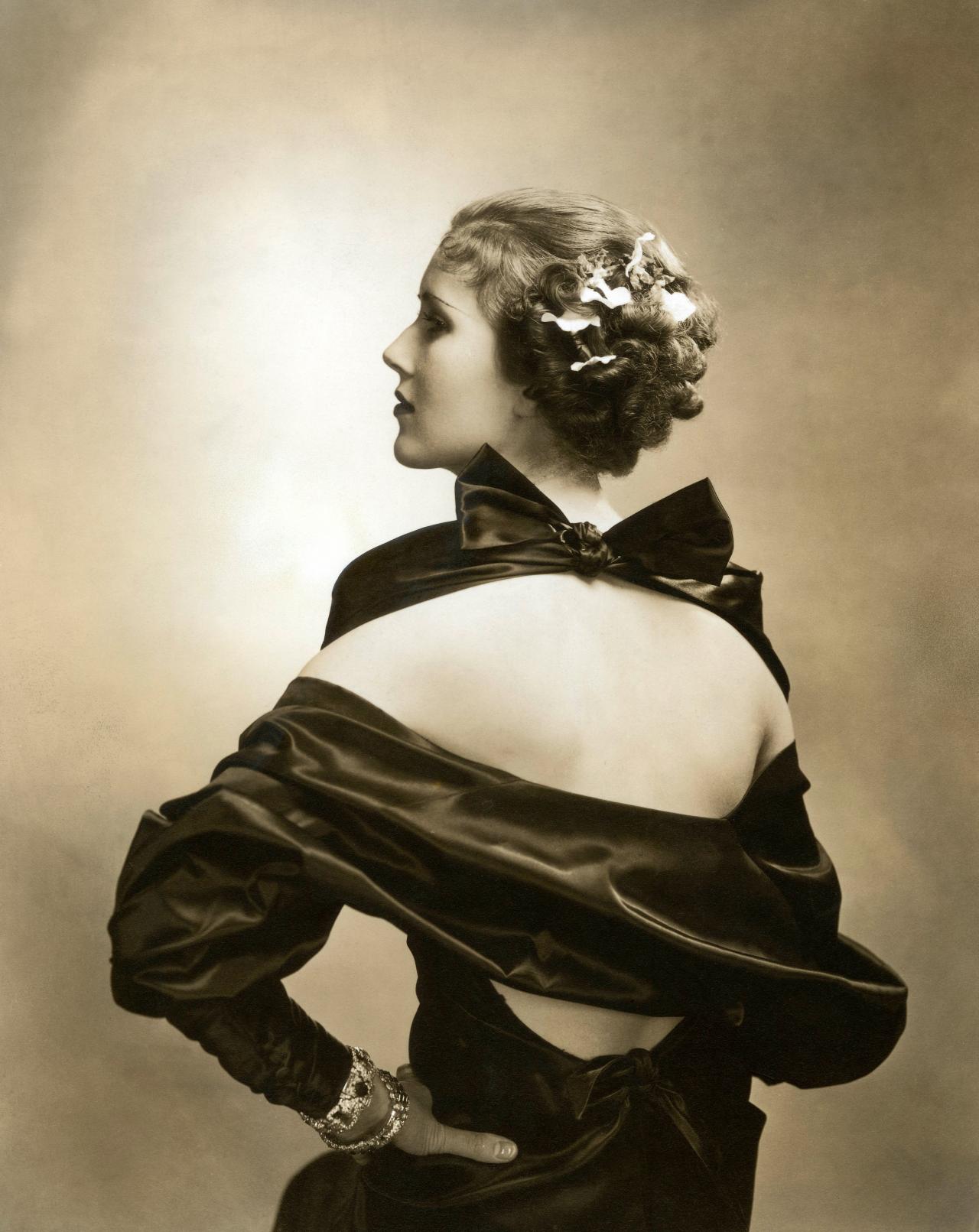
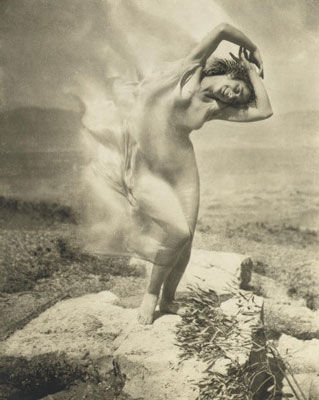
Steichen’s style changed over time, but it was always marked by visual sophistication and control. His early photographs often used soft focus and tonal atmosphere, while his later work embraced sharper form and modern clarity. In fashion and portrait photography, he brought elegance, mood, and structure together with unusual confidence. He understood how light could shape fabric, skin, and space into something both glamorous and modern. That ability made his work especially important to the visual culture of the Art Deco period.
Key Influences
- Pictorialist Photography: Early work in soft focus and tonal composition helped him establish photography as a serious art form.
- Modern Fashion Publishing: Work for Vogue and Vanity Fair shaped the visual language of elegance, glamour, and modern style.
- Transatlantic Art Circles: Constant movement between Europe and America kept him closely connected to new artistic developments.
- Technical Experimentation: His interest in color, printing processes, and photographic control pushed the medium forward.
- Museum and Editorial Leadership: His later curatorial work expanded photography’s place in modern culture and public life.
If you are interested in further stories of the artists who shaped Art Deco, return to our artists page to browse the full directory.
Related Products