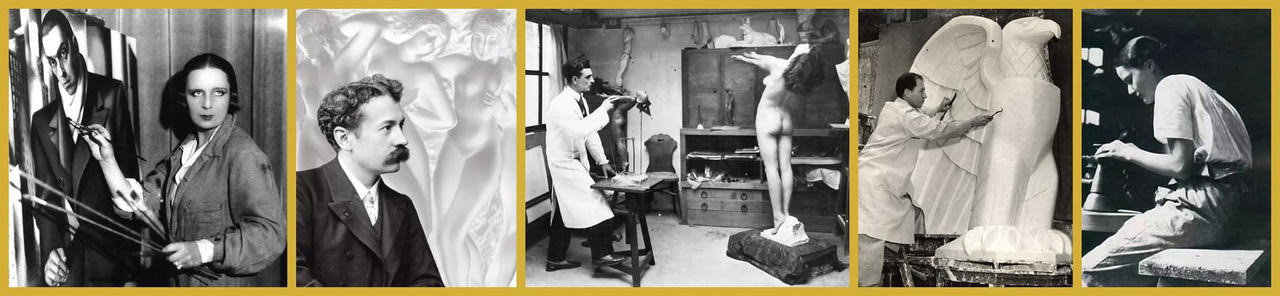
Edward Hald
Edward Hald, also spelled Edvard, was born on September 17, 1883, in Stockholm. He first wanted to become an architect and studied business at the commercial college in Leipzig from 1903, then took up architecture in Dresden. In 1907 he decided to become an artist, studied at art schools in Copenhagen and Stockholm, and arrived in Paris in 1908 to become a pupil of Henri Matisse, alongside the Swedish painters Isaac Grünewald and Sigrid Hjertén. Back in Sweden he joined the modernist group De Unga, or “The Young,” and exhibited with them from Stockholm to Berlin’s Galerie Der Sturm in 1915. In 1910 and 1911 he traveled to the Lofoten Islands and Italy, and from 1912 to 1917 he painted landscapes and made woodcuts in a modernist spirit. He began his working life designing tableware for the Rörstrand and Karlskrona porcelain factories before joining the Orrefors glassworks in 1917. He served as managing director of Orrefors from 1933 to 1944 and as its artistic director afterward, and he was awarded the title of professor in 1954. His work was entered in the sculpture art competitions at the 1932 and 1936 Olympic Games, and in 1946 he made a bridal crown of glass and silver for his daughter’s wedding. Hald died on July 4, 1980, in Stockholm at the age of 96.
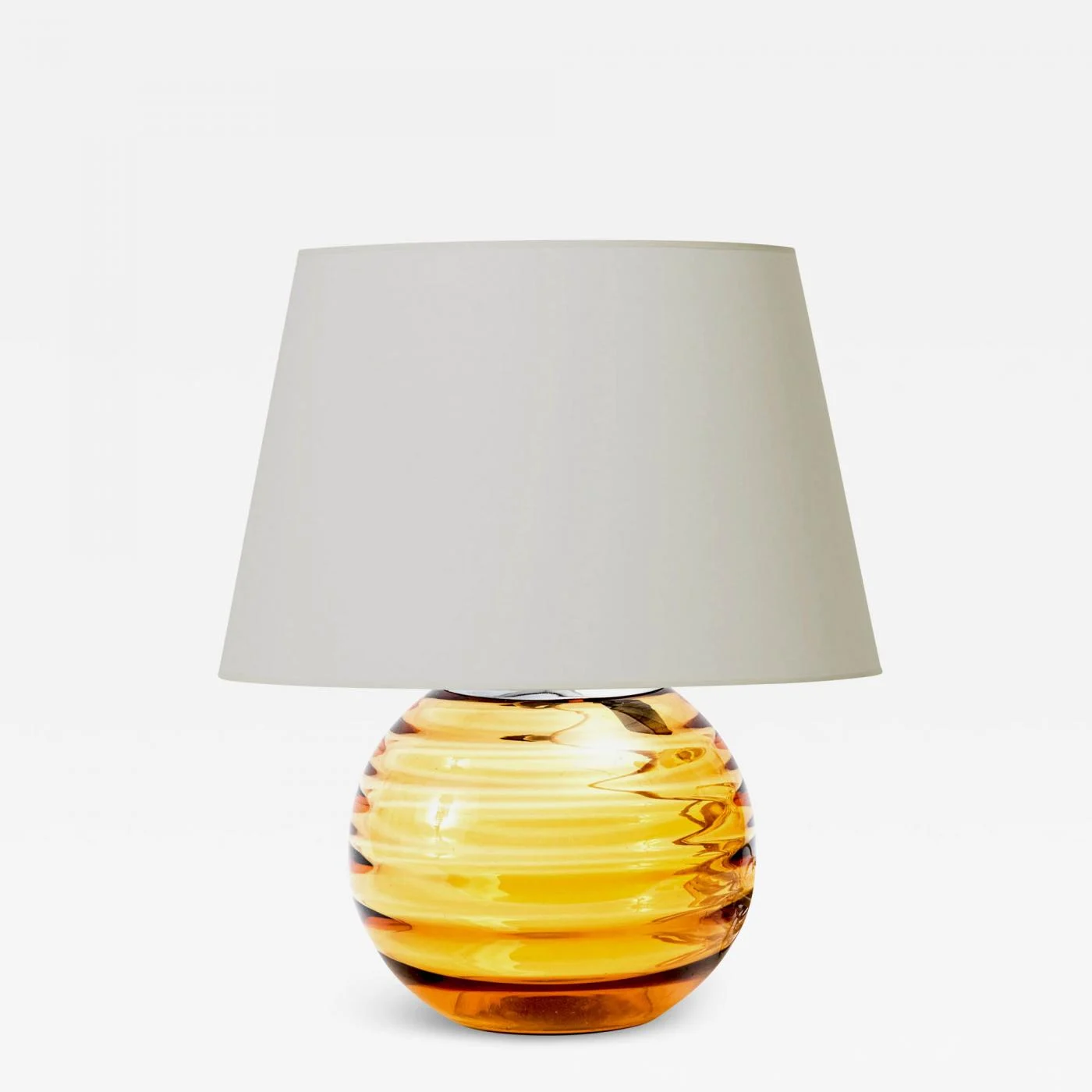
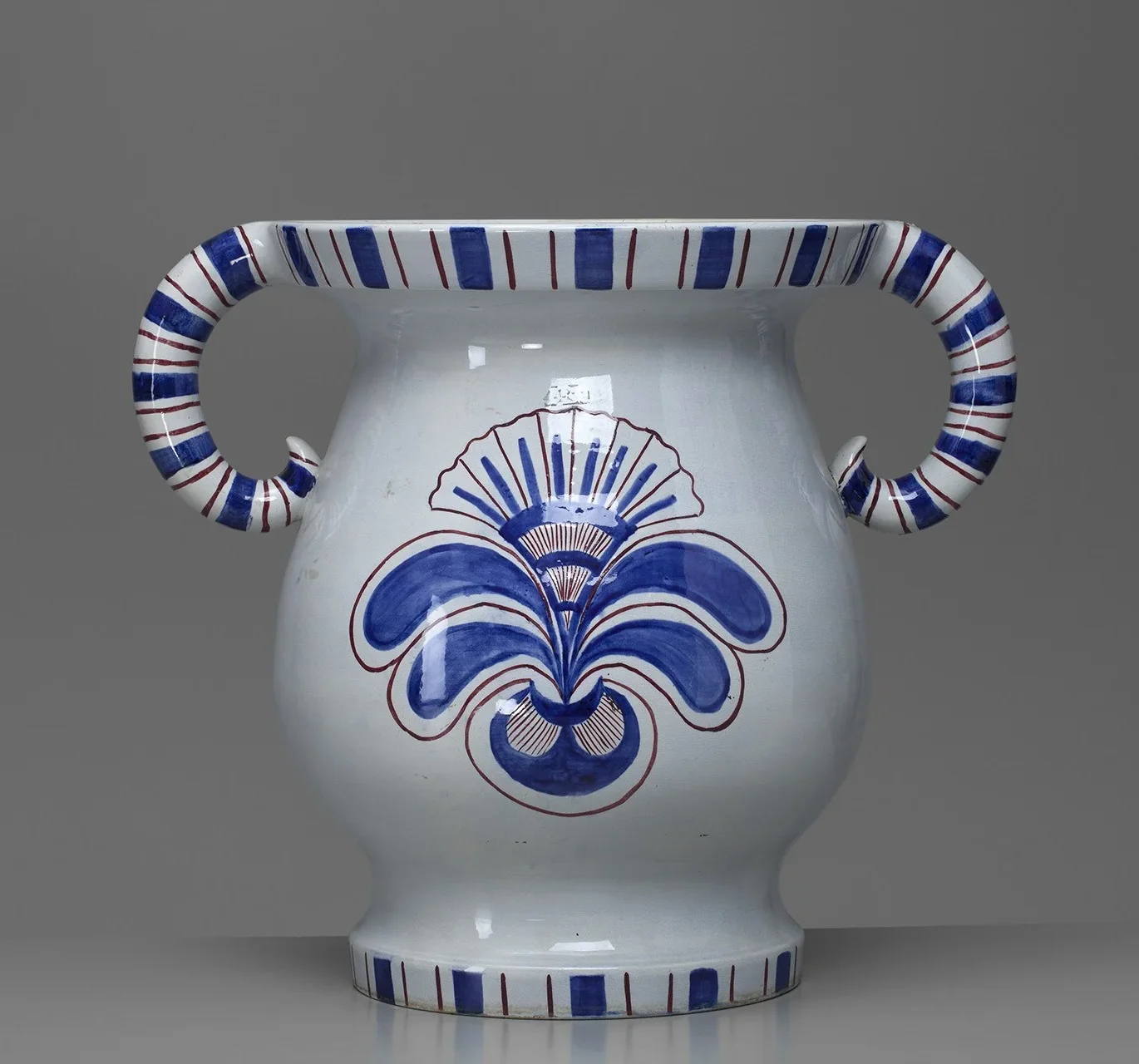
At Rörstrand he designed table services such as Turbin and Sommar and helped the company succeed at the 1917 Home Exhibition in Stockholm. At Orrefors, where Simon Gate hired him in 1917, the two artists, neither with prior experience in glass, set out to redefine Swedish art glass. Together with Gate and the master glassblower Knut Bergqvist he developed Graal glass, in which colored glass is layered, decoration is cut into the layers, and the piece is covered with clear crystal so the design appears sealed inside. In the 1930s he developed the Fish Graal series, whose fish and plant motifs gain depth from multiple layers of glass. He also designed engraved clear crystal, with copper wheel engravers such as Gustaf Abels translating his drawings into glass, and his figural designs, including nudes, marked a radical departure from the fashionable nature motifs of the day. At the 1925 Paris Exposition, Orrefors created a sensation with engraved ornaments and drinking glasses designed by Hald and Gate, and both men won Grand Prix awards. Works from these years such as the Fireworks bowl of 1921 and the lidded Bathing Time vase of 1928 show his humor and Matisse-inspired line. His masterwork, the celestial globe made for the 1930 Stockholm Exhibition, is a glass globe engraved with constellations and now belongs to the Nationalmuseum. During the Depression and the Second World War he ran Orrefors as managing director, forced into a balancing act between economics and art, and in the 1970s he trained Eva Englund in Graal as the technique enjoyed a revival.
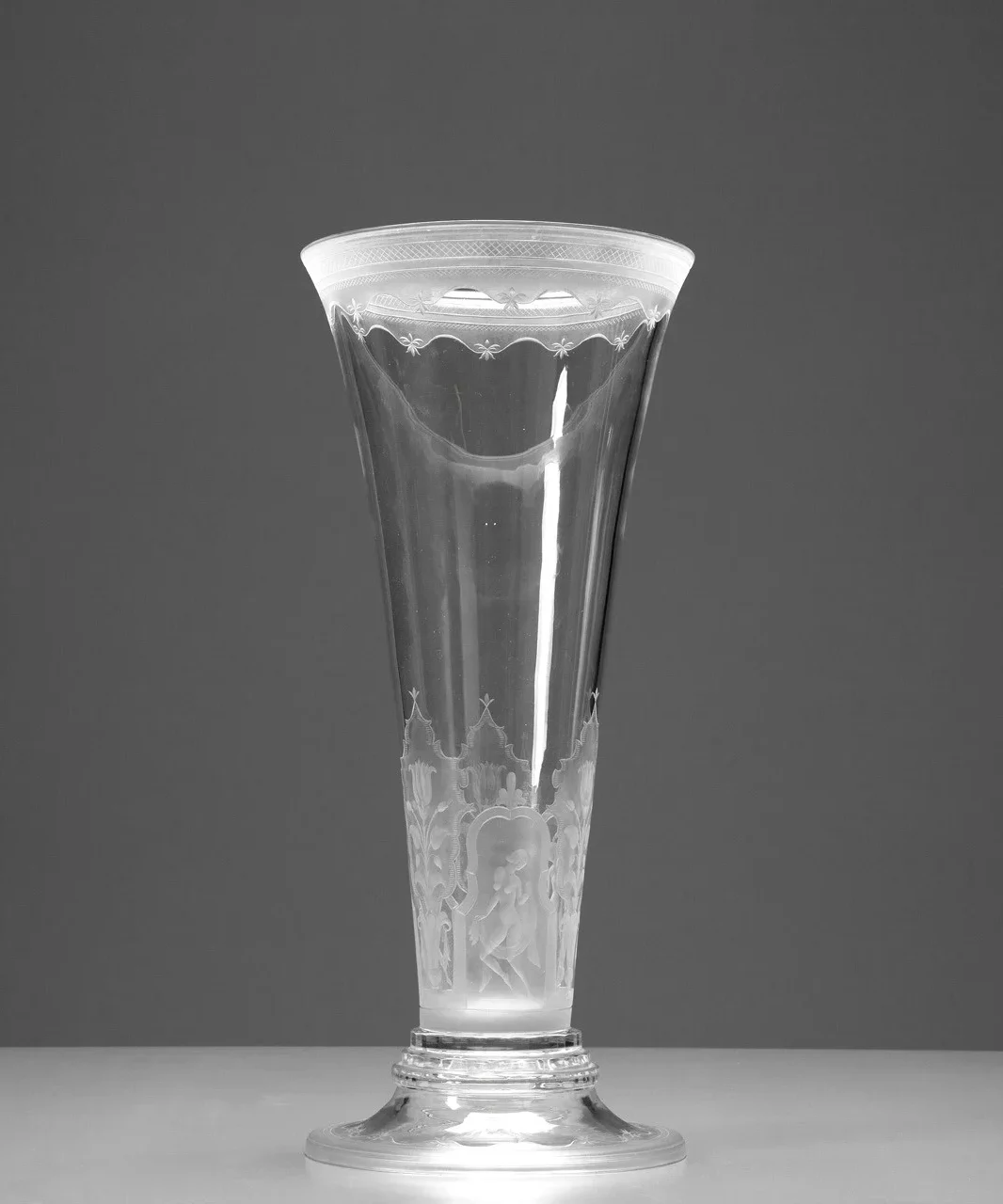
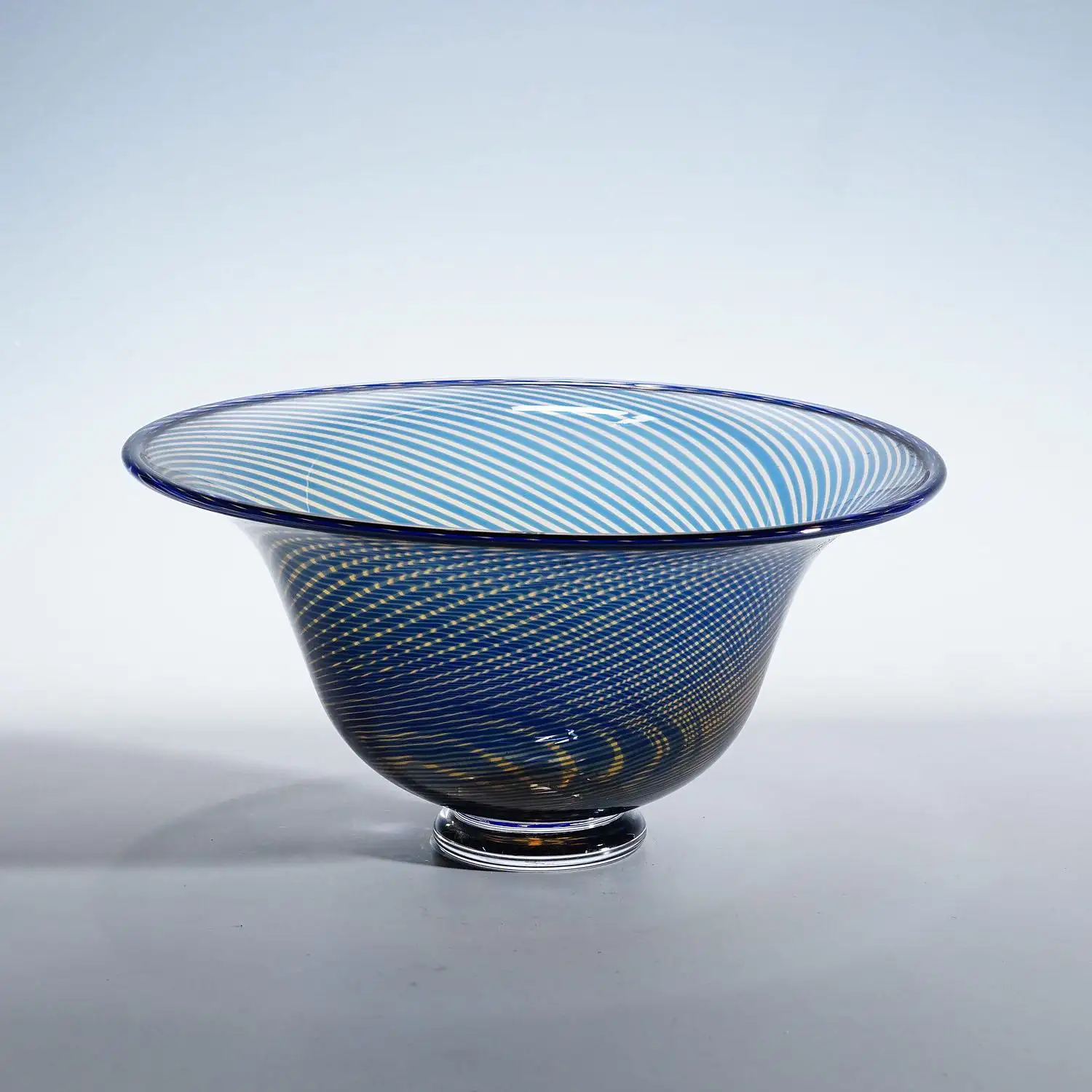
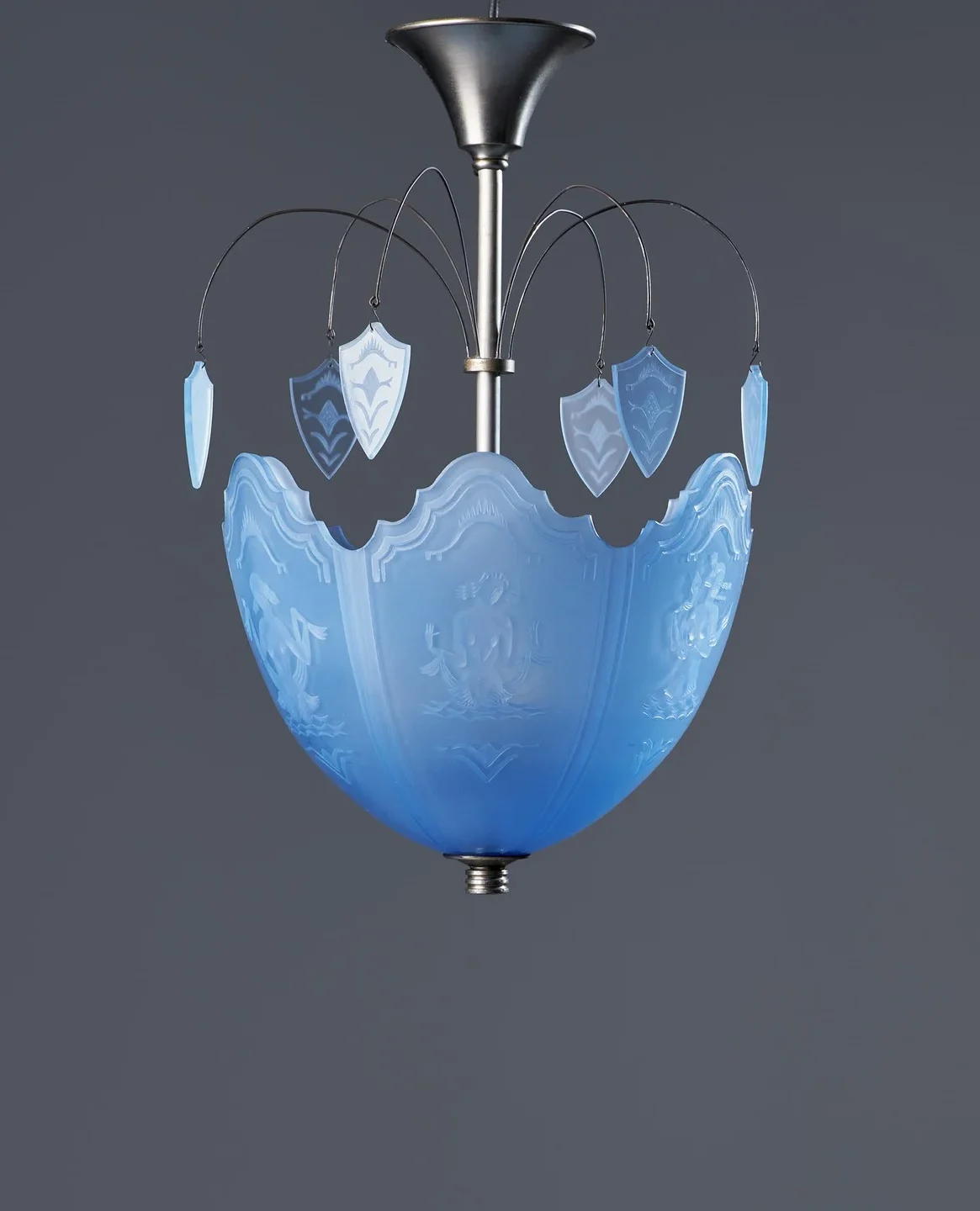
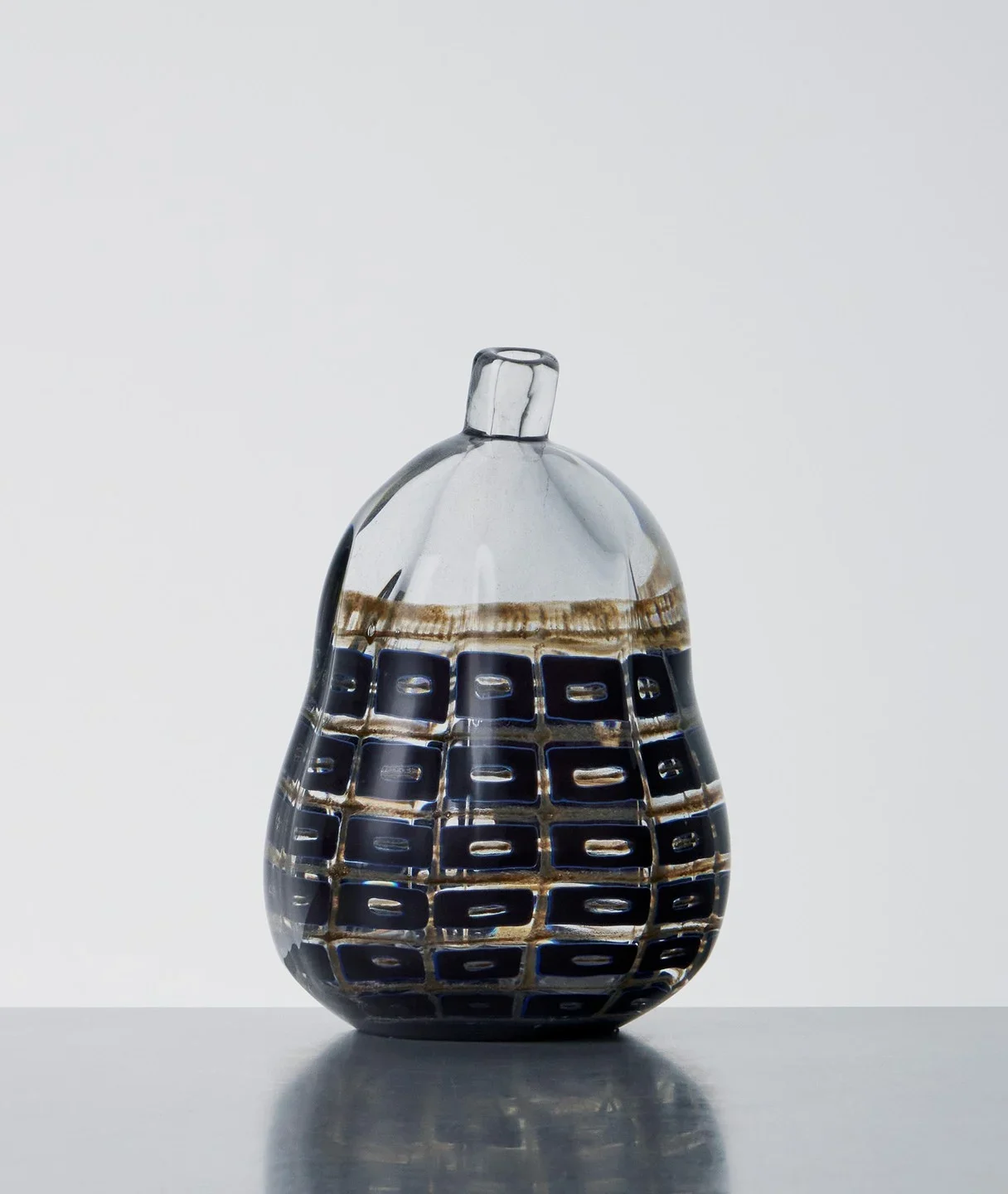
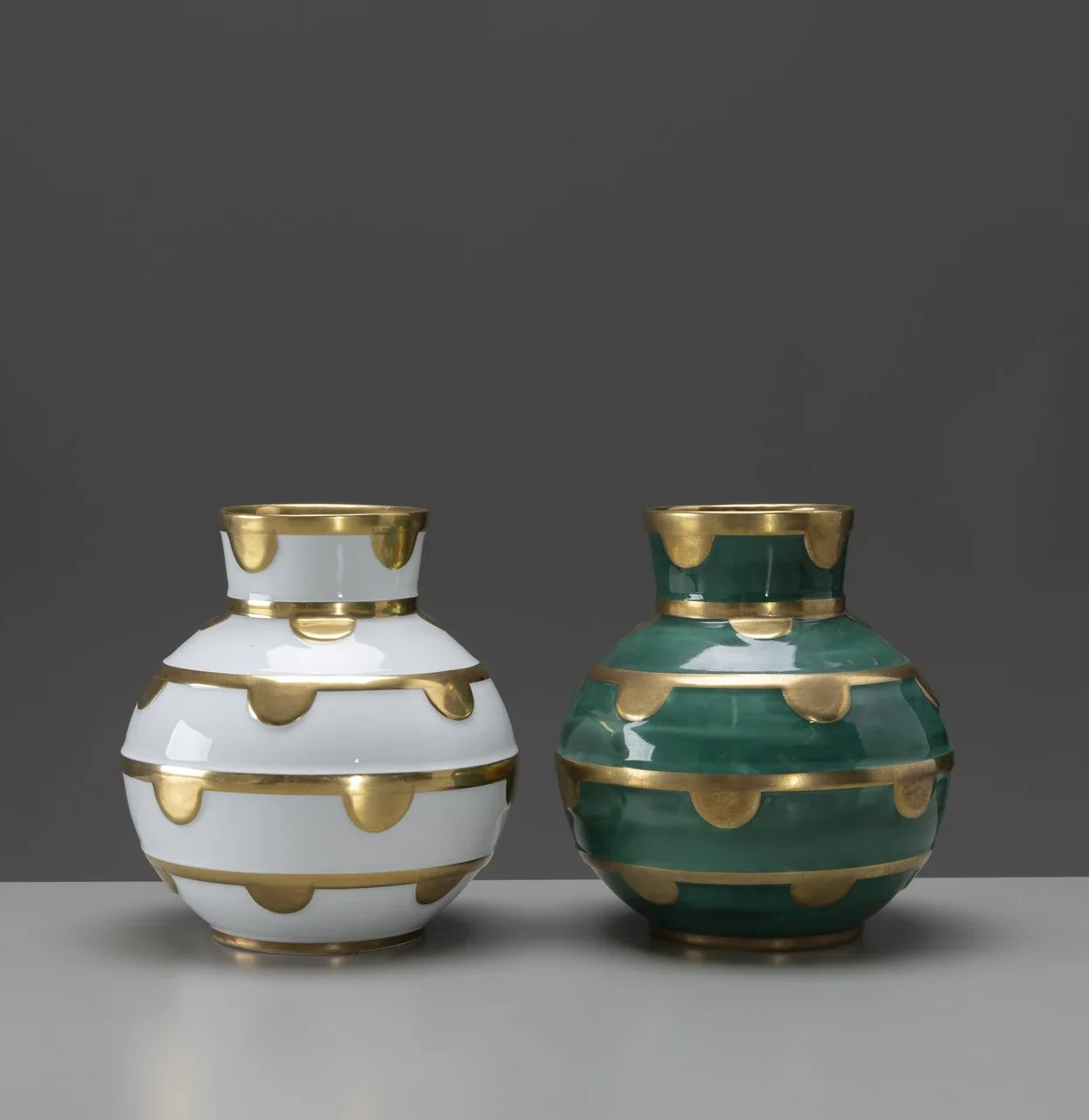
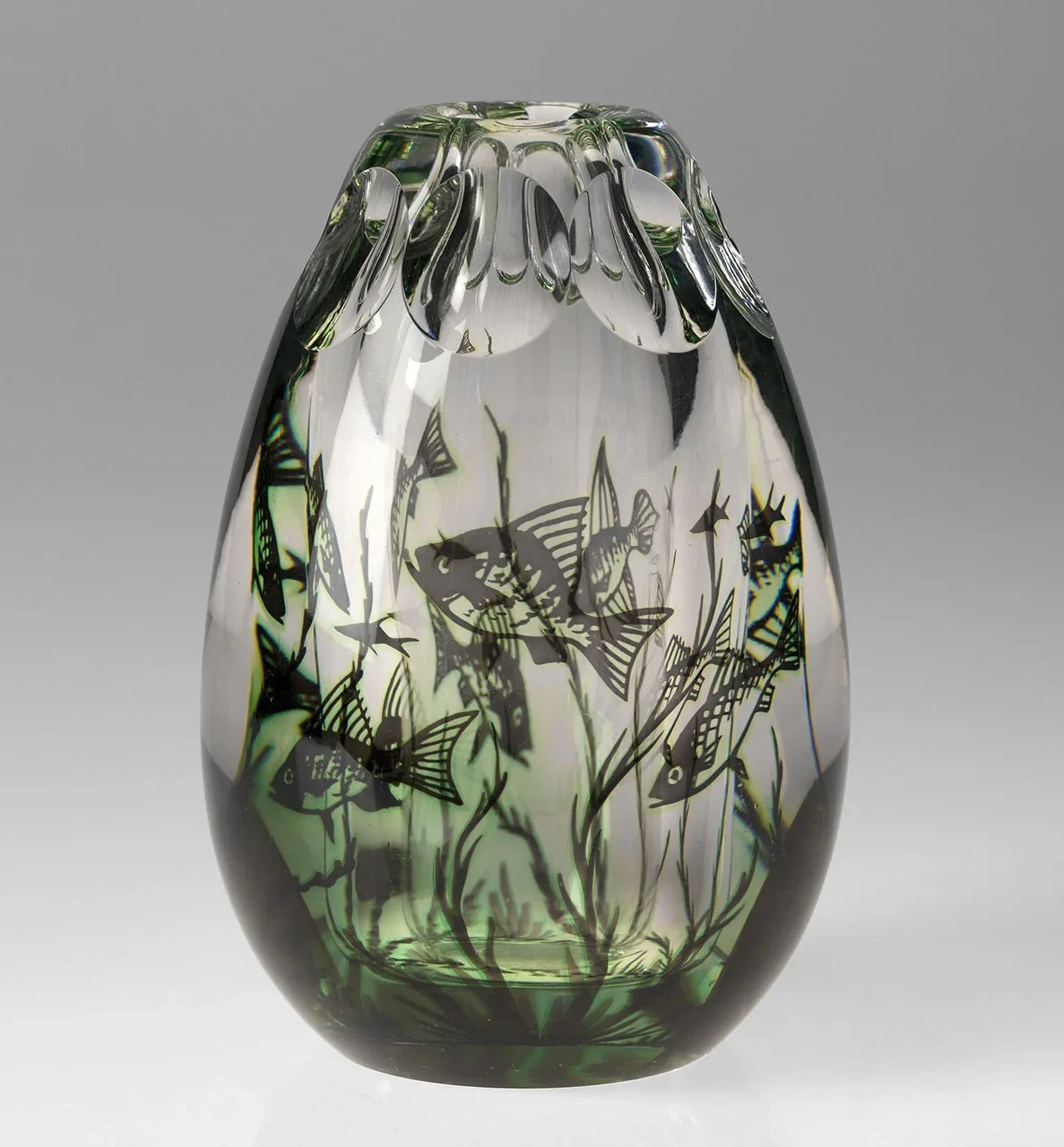
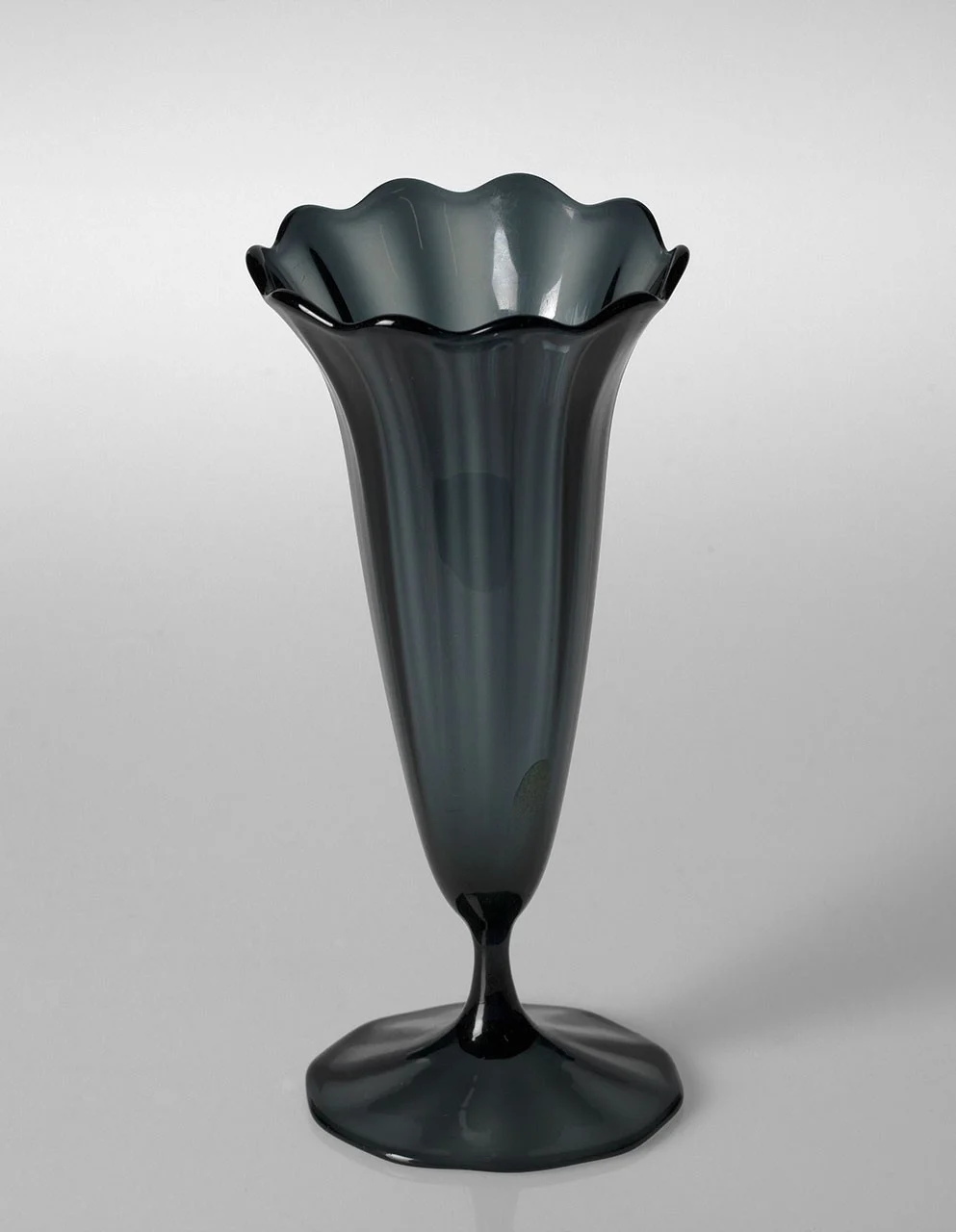
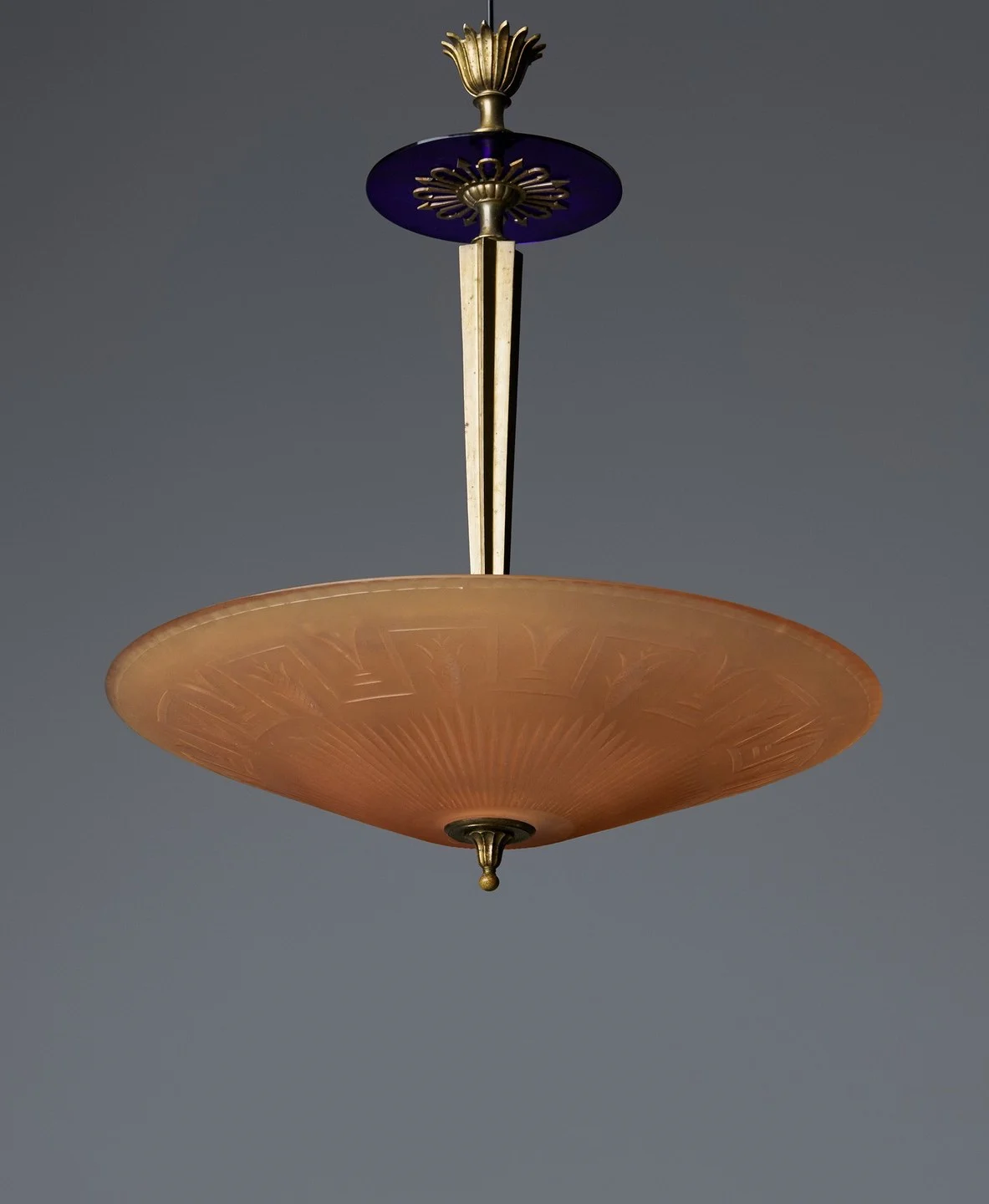
Hald brought a painter’s sense of line to crystal, with Matisse-inspired forms and a breezy, sophisticated humor. In the 1920s his engraved glass, with its graceful figures and detailed pictorial compositions, was central to Swedish Grace, the Swedish variant of Art Deco. His Graal pieces, with decoration sealed between layers of glass, give subjects such as fish and plants a sense of depth and luminous color.
Key Influences
- Swedish Grace: His engraved crystal of the 1920s helped define Sweden’s graceful take on Art Deco.
- Graal Glass: His work with the technique made layered, sealed-in decoration a signature of Orrefors.
- Orrefors Abroad: His Grand Prix at Paris in 1925 helped make Orrefors known around the world.
- Art and Industry: His artist-led approach showed that painters could design glass and tableware for everyday use.
- Mentoring Glass Artists: His training of later artists such as Eva Englund carried the Graal tradition into the 1970s.
If you are interested in further stories of the artists who shaped Art Deco, return to our artists page to browse the full directory.
Related Products from ArtDecoCollection.com