
Charles Catteau-Boch Frères
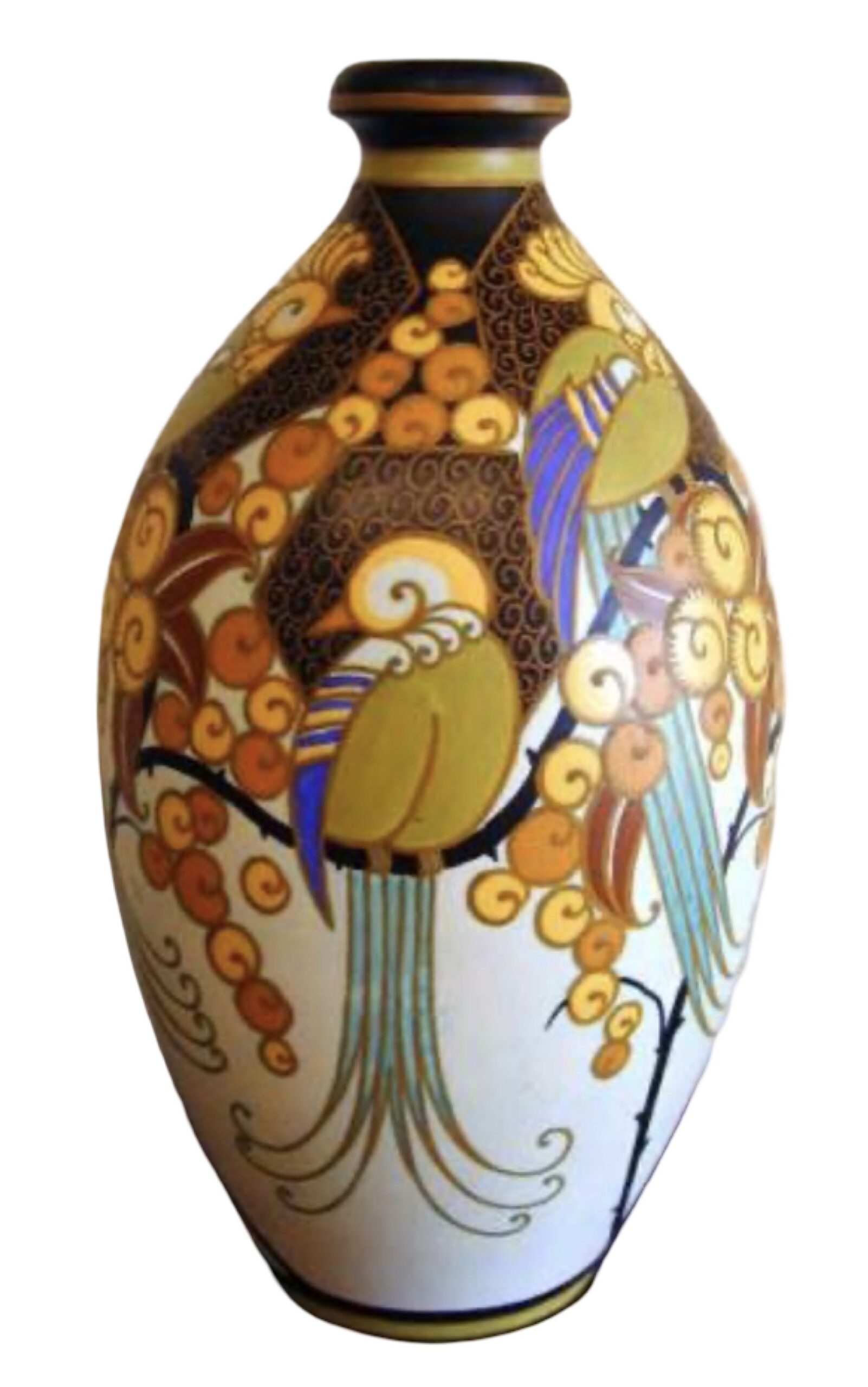
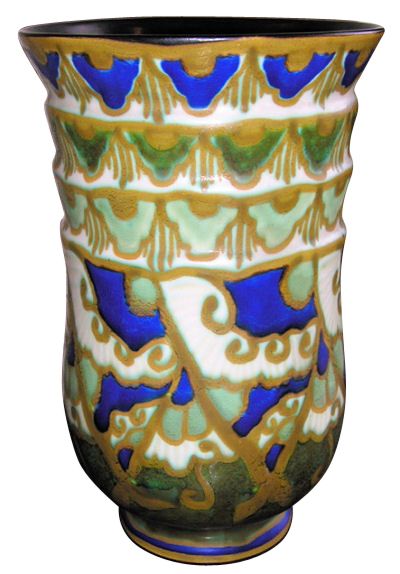
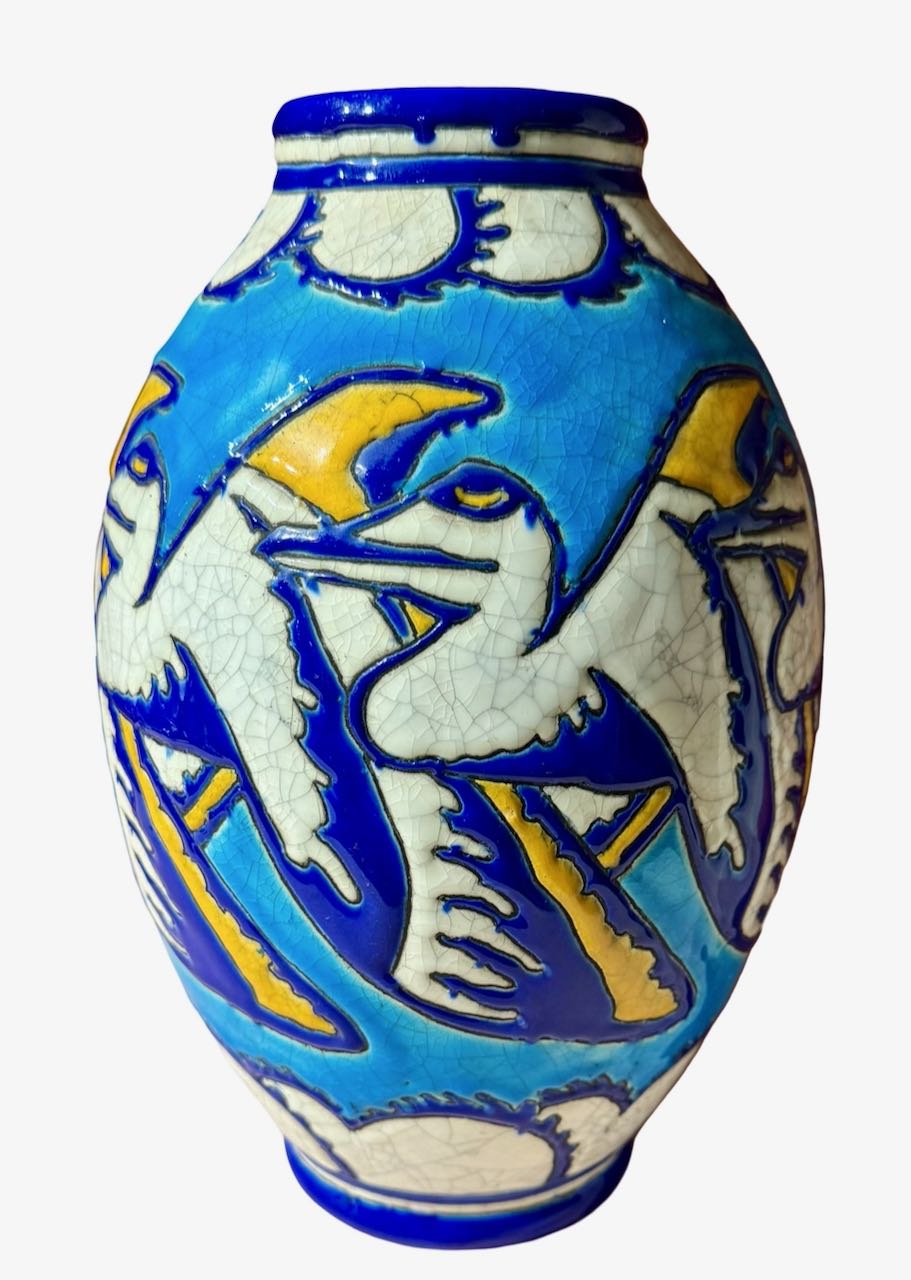
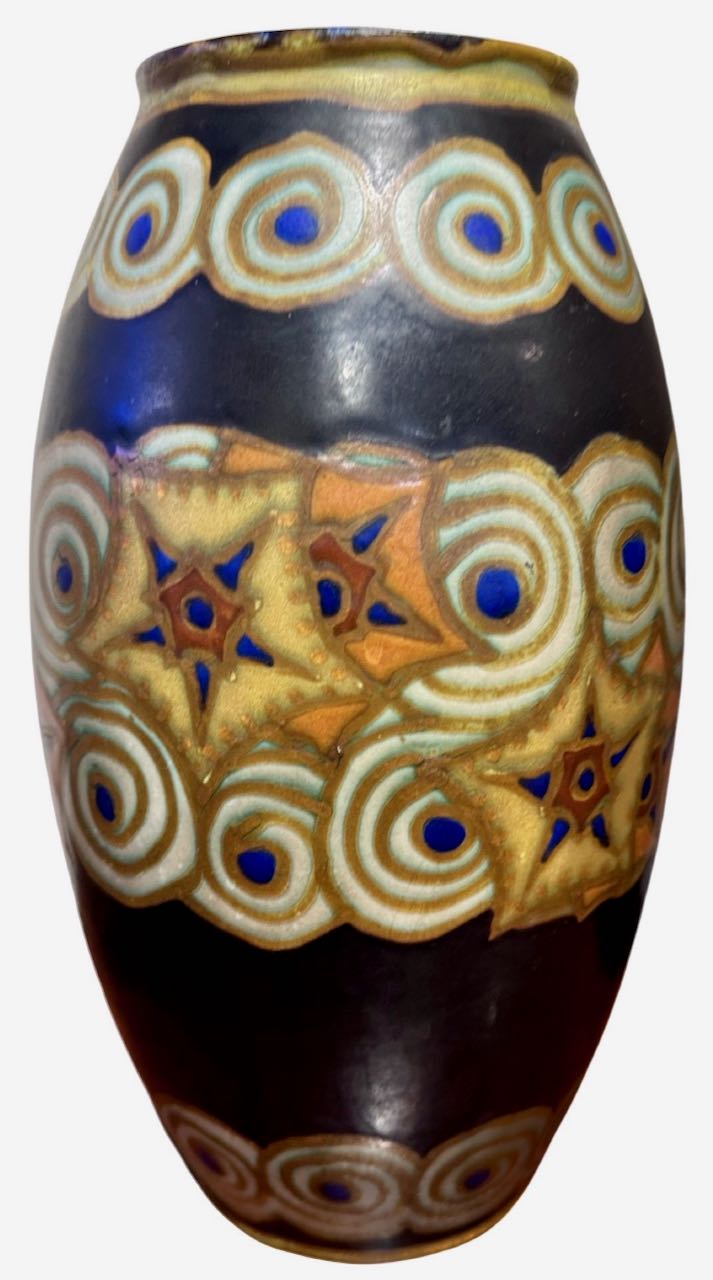
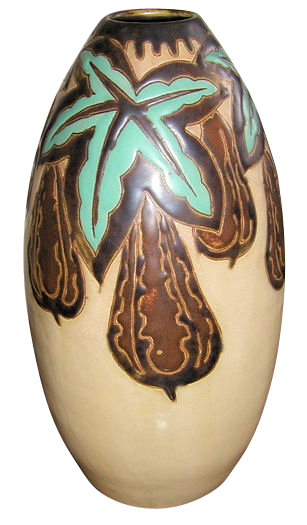
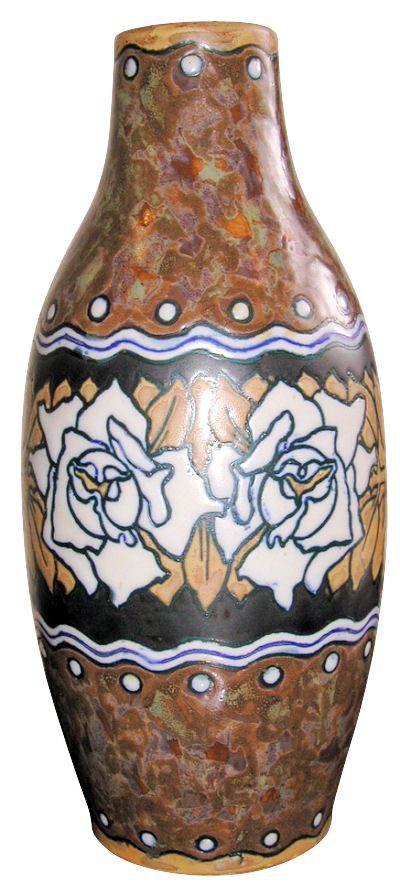
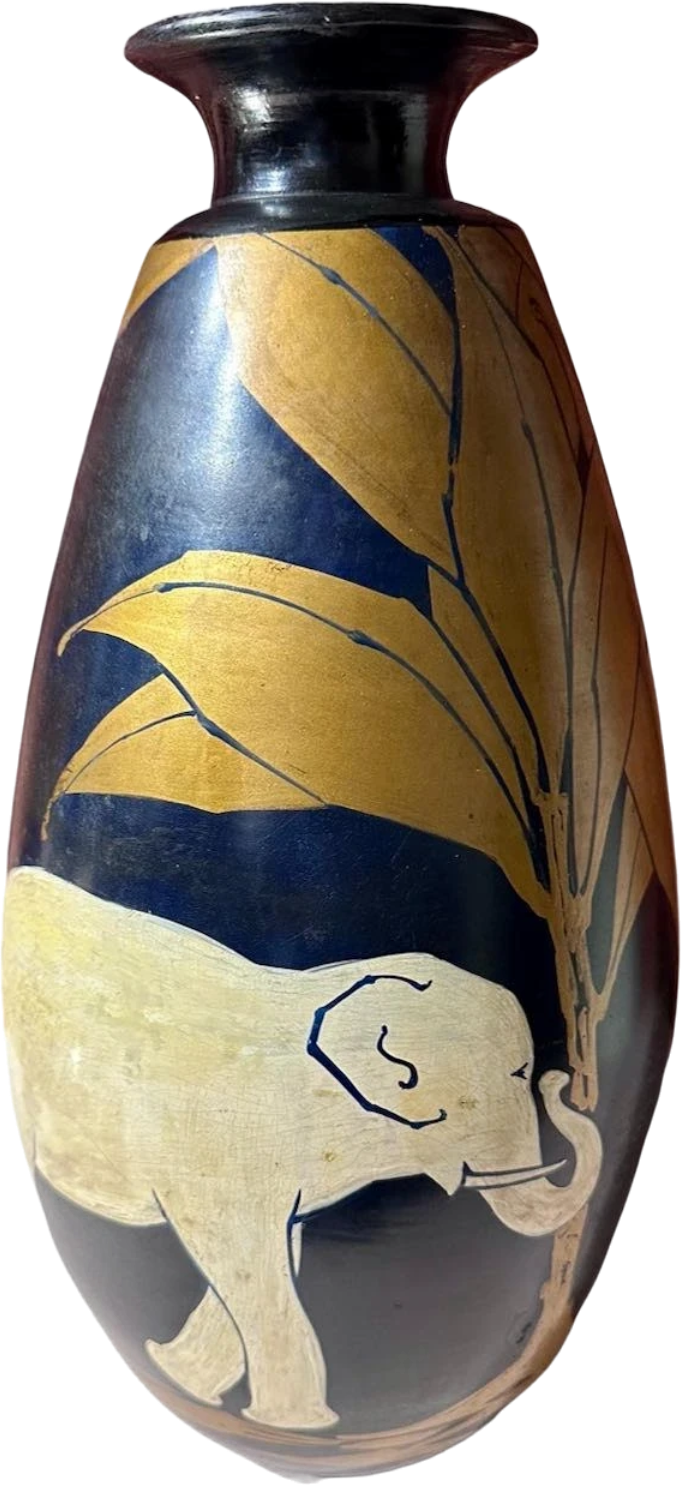
Charles Catteau and Boch Frères Keramis hold a central place in the story of 20th-century ceramics, defining the artistic identity of the Art Deco era through innovation, craftsmanship, and design. Catteau’s visionary leadership at Boch Keramis transformed the Belgian factory into a laboratory of modernism, blending geometric abstraction, vivid color, and stylized natural forms. His bold collaborations with skilled artisans and his belief that art could be both beautiful and accessible led to the creation of some of the most striking decorative ceramics of the interwar period. Today, Catteau’s work for Boch is celebrated not only for its technical mastery and aesthetic daring but also for its profound influence on the evolution of industrial art and modern design.

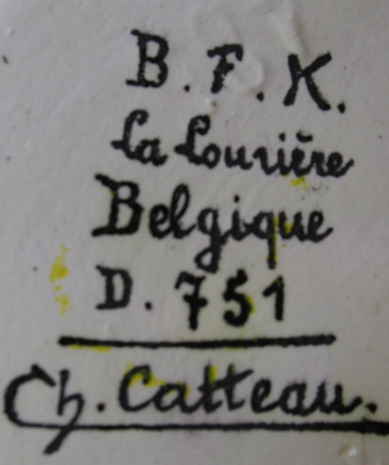
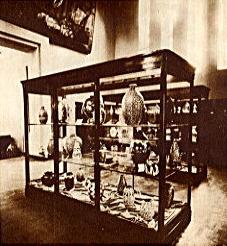
Charles Catteau (1880–1966) was one of the most influential figures in 20th-century ceramic design, best known for his innovative work at Boch Frères Keramis in La Louvière, Belgium. Serving as the artistic director of the company’s decoration atelier from 1907 to 1948, Catteau revolutionized the firm’s aesthetic direction. His designs merged Art Deco geometry with stylized natural forms, creating a bold new visual language that embodied the modern spirit of the interwar years. Under his leadership, Boch became a leader in the ceramic cloisonné technique—using enamel-like glazes separated by fine linear divisions—to produce richly colored, graphically complex surfaces that resembled fine metalwork. Catteau’s ability to synthesize avant-garde influences from Vienna, Paris, and the Bauhaus into accessible decorative art defined the “Keramis style” and influenced generations of European ceramicists. His legacy endures not only in the exquisite vases, bowls, and tiles he designed but in the enduring identity of Boch as a cornerstone of Art Deco ceramic artistry.
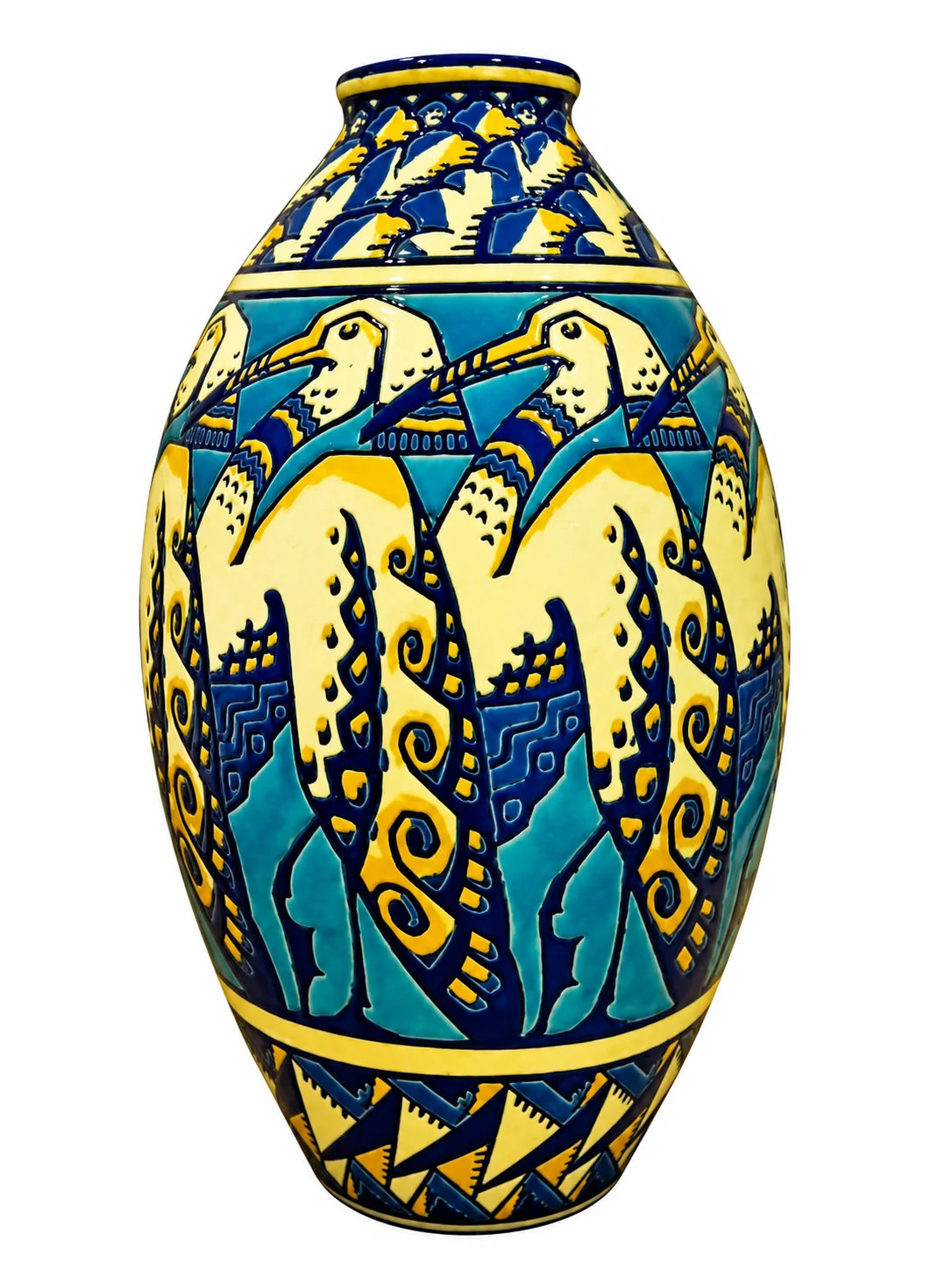
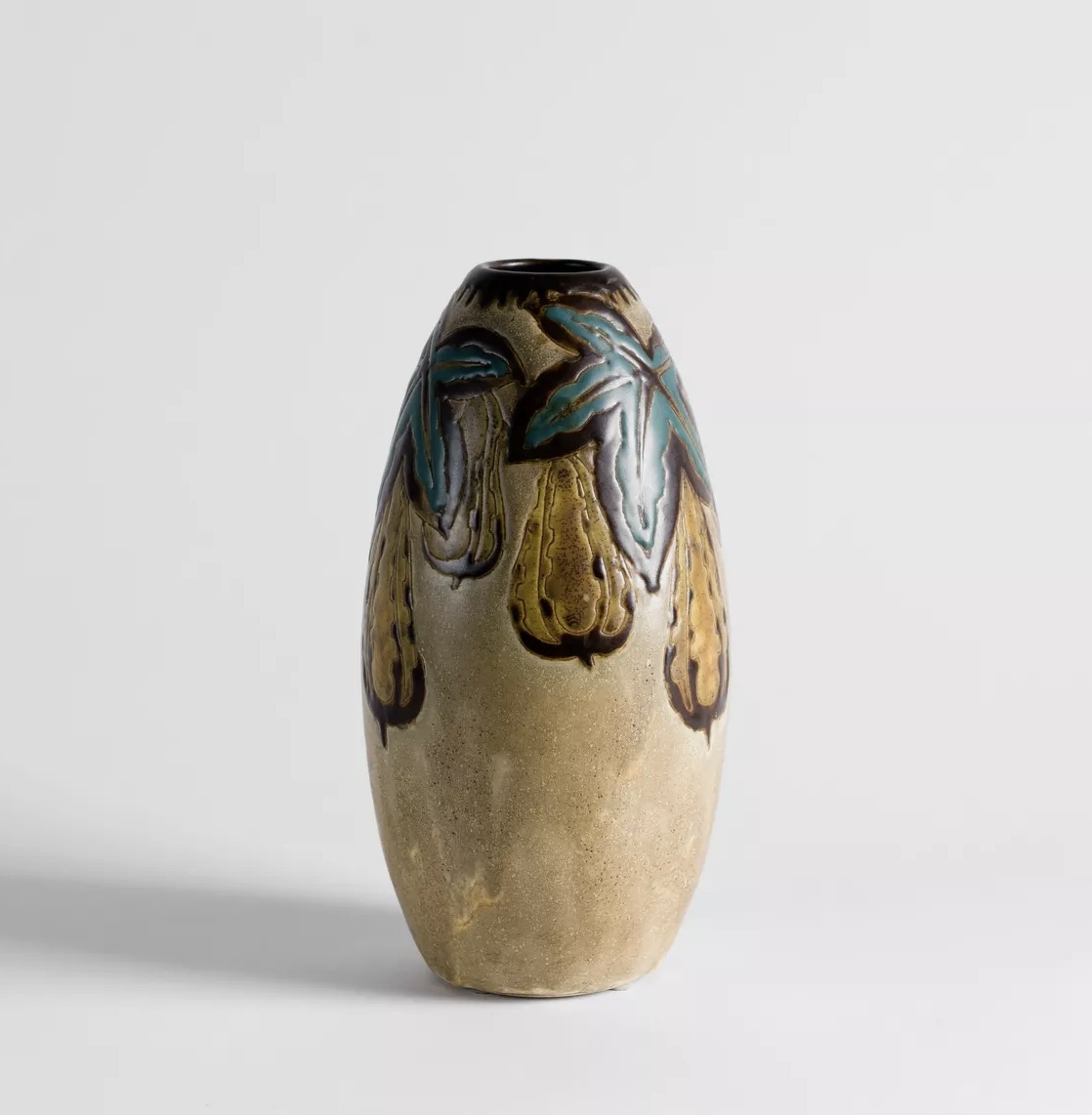
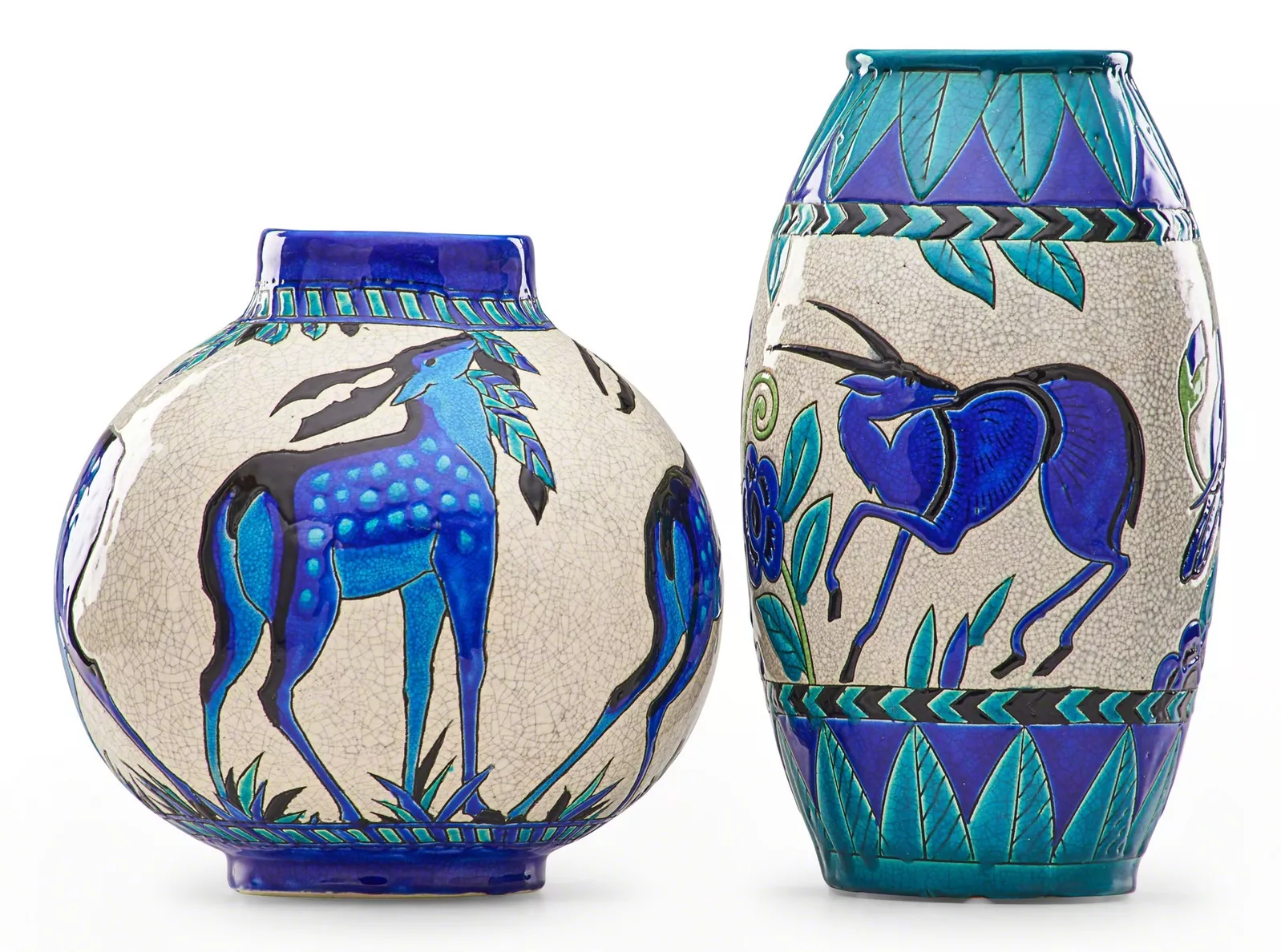
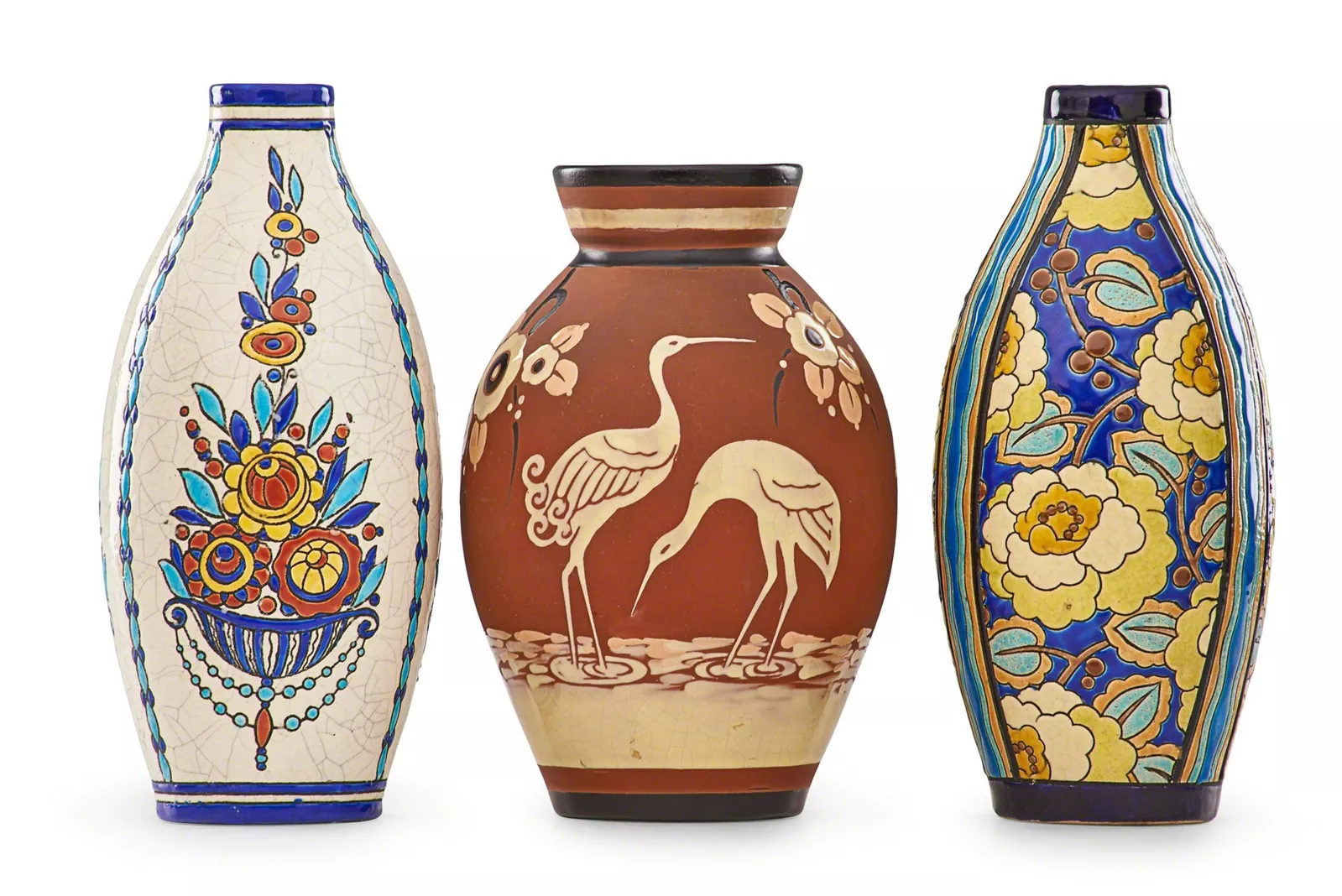
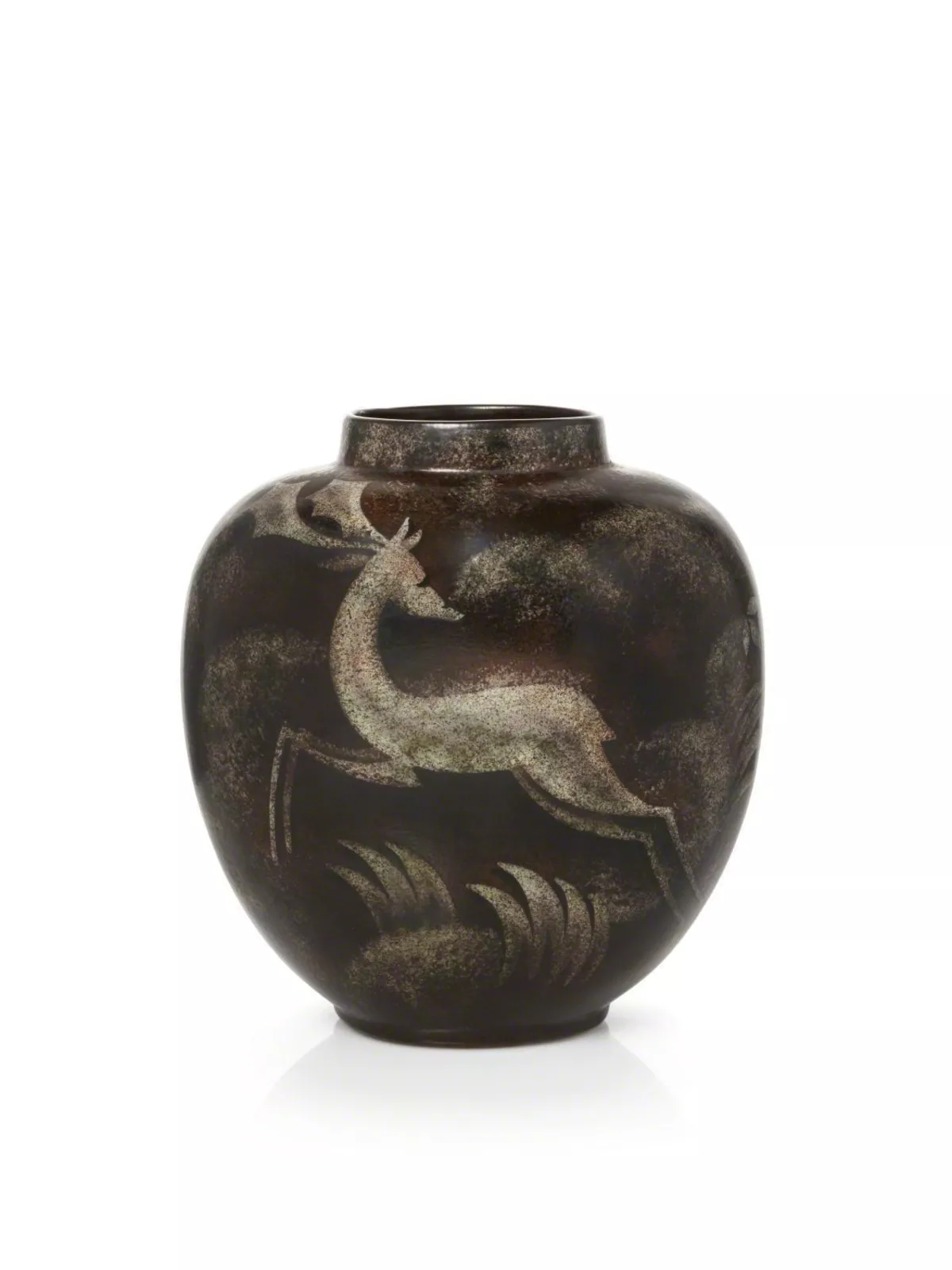
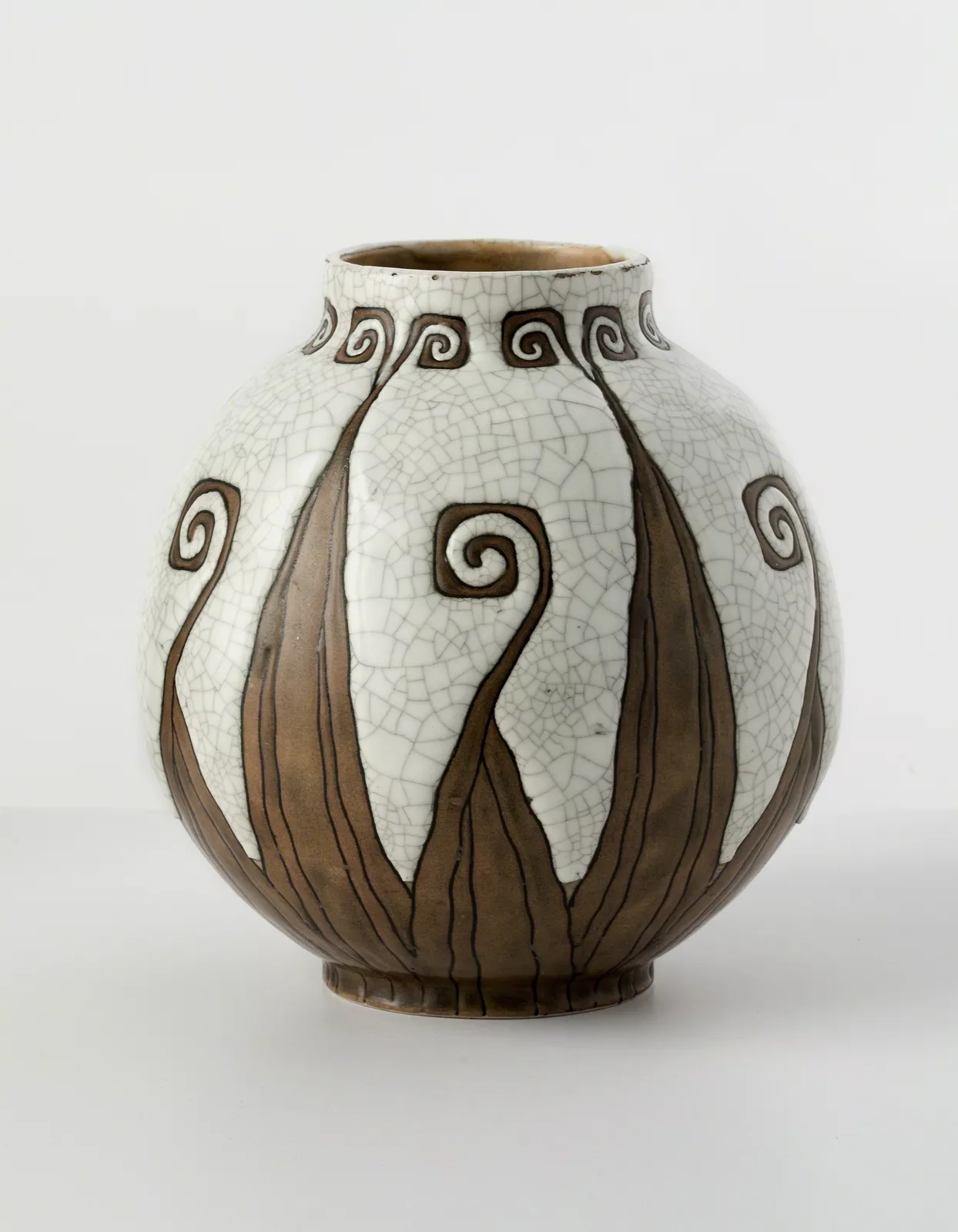
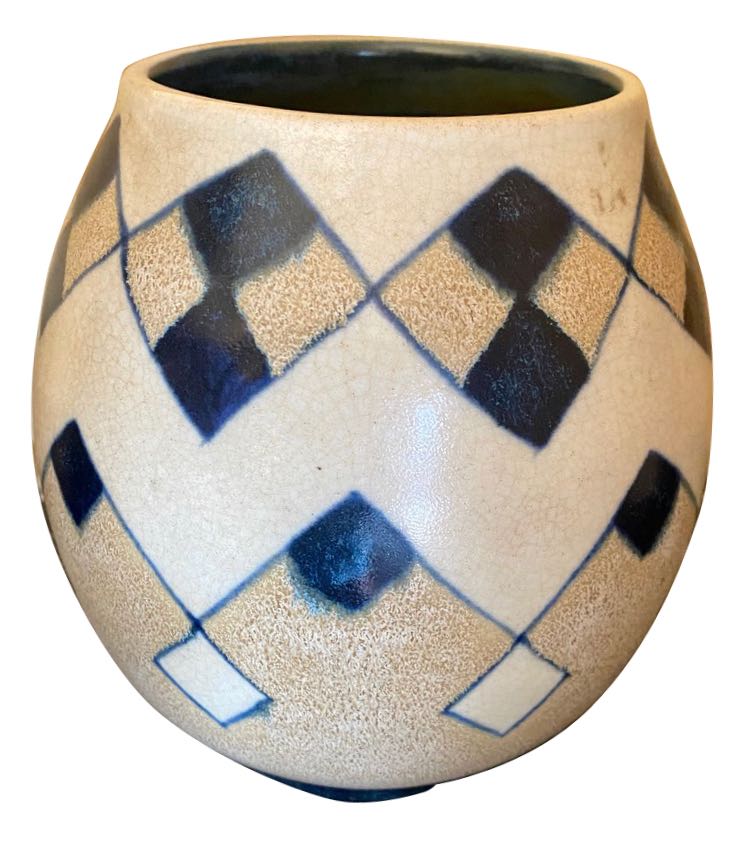
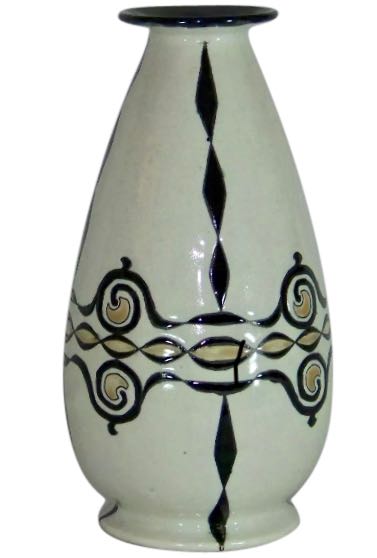
Boch ceramics, particularly under the artistic leadership of Charles Catteau at Boch Freres Keramis, became a defining force in European decorative arts from 1925 through the 1950s. The companys evolution during this period reflected the broader shifts in taste—from the exuberant, geometric modernism of the Art Deco era to the more subdued, functional lines of postwar design. Bochs production blended artistry with accessibility, introducing hand-painted stoneware and industrially produced faience that captured the spirit of modern living while preserving craftsmanship.
Key Influences (1925-1950s):
1925 Paris Exposition: Catteau’s participation established Boch as a leading innovator in ceramic design, introducing bold, modernist motifs and enamel techniques.
Art Deco Movement: Strong geometric forms, stylized flora and fauna, and vibrant color blocking became Boch signatures during the interwar years.
Technological Advances: The firm perfected stoneware glazing and cloisonne-style enamel, merging industrial efficiency with artisanal beauty.
Postwar Modernism: By the late 1940s, Boch adapted to functionalism and softer palettes, echoing the shift toward mid-century design sensibilities.
Cultural Reach: Boch ceramics were exported worldwide, influencing decorative arts trends in Belgium, France, and beyond, bridging fine art and mass production.
If you are interested in further stories of the artists who shaped Art Deco, return to our artists page to browse the full directory.
Related Products from ArtDecoCollection.com