
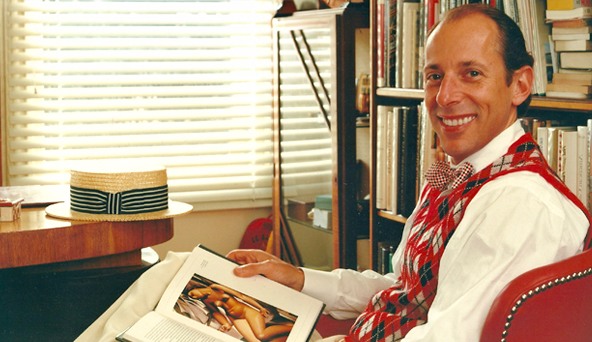
Cedric Gibbons
Cedric Gibbons was born in 1890 and became one of the most influential art directors in the history of film. He was the son of architect Austin P. Gibbons, and that connection to architecture shaped his early understanding of space, structure, and decoration. He studied at the Art Students League of New York and also worked as a junior draftsman in his father’s office before entering the film industry. That early training gave him both technical skill and a strong sense of design discipline. In 1915, he joined the art department at Edison Studios, where he began translating architectural thinking into cinematic environments. He later served in the United States Navy Reserve during the First World War. Beyond his professional life, Gibbons was also known in Hollywood society for his glamorous personal life and three marriages. The most famous of these was his marriage to actress Dolores del Rio, the first major female Latin American star to fully cross over into Hollywood stardom. Together, they were one of the great style couples of the era, admired for their sophistication, beauty, and carefully cultivated image. Gibbons co-designed their remarkable Santa Monica Art Deco house with Douglas Honnold, and the residence became a striking reflection of his modern taste. That marriage linked him not only to Hollywood design history, but also to Hollywood legend.
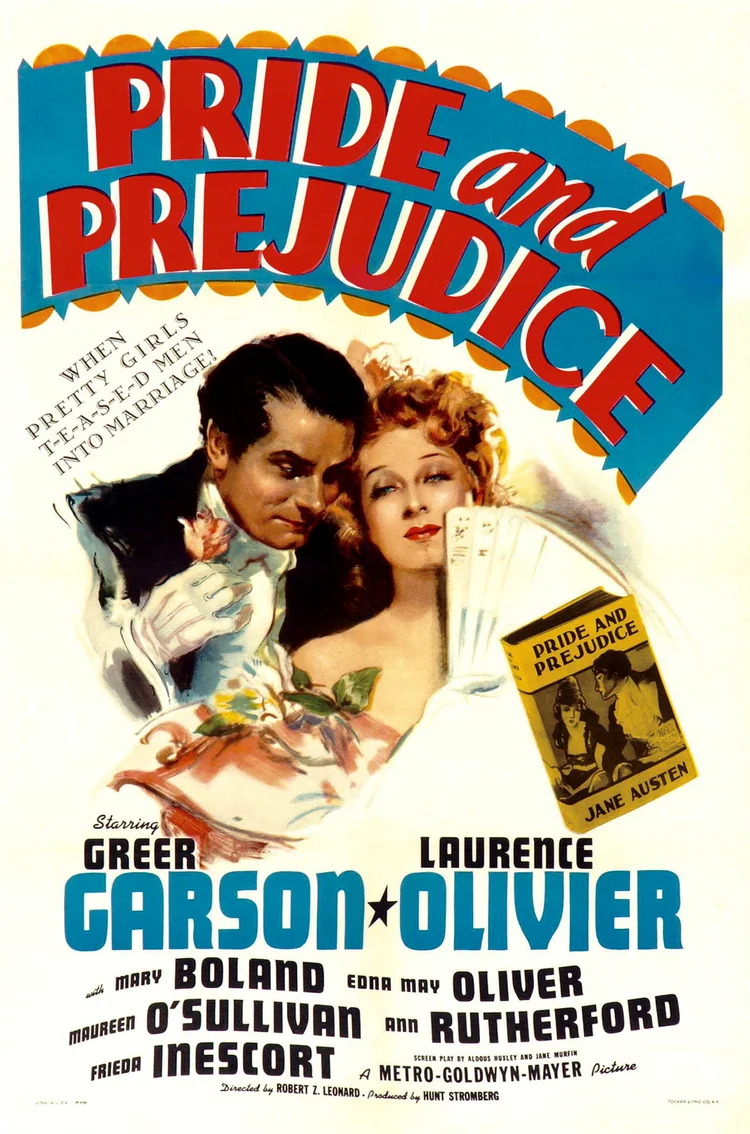
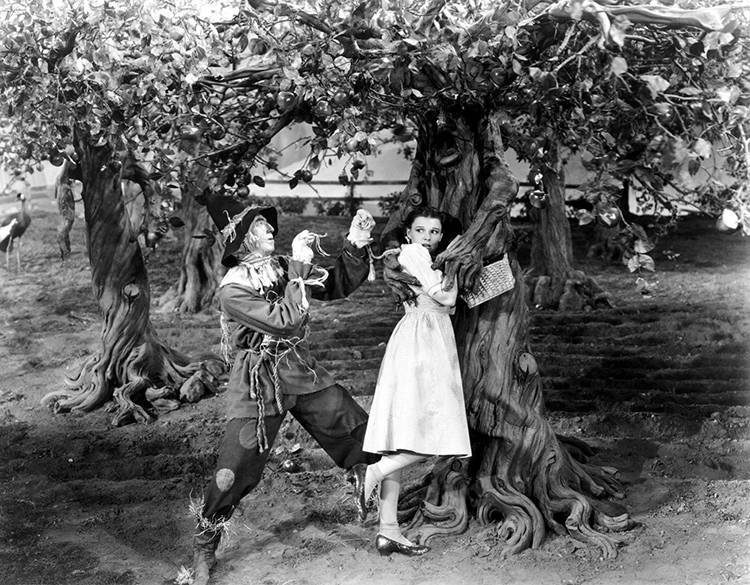

Gibbons joined Goldwyn Studios in 1918 and rose quickly as his sense of style and visual authority became impossible to overlook. When Goldwyn became part of Metro Goldwyn Mayer in 1924, he entered the studio where he would make his name. At MGM, he helped build a visual identity that was polished, luxurious, and unmistakably modern. He worked within a large collaborative department, but his influence on the overall look and refinement of MGM productions was enormous. Gibbons was among the early figures to push film design beyond flat painted scenery and toward richer, more convincing three dimensional environments. His sets frequently featured sleek geometry, glamorous surfaces, and the kind of controlled elegance now associated with Art Deco and Art Moderne. That sensibility shaped films such as Our Dancing Daughters and helped influence not only cinema, but movie theater architecture and interior design across the country. He was nominated a record thirty-nine times for Academy Awards in art direction and won eleven, a staggering achievement that still stands out. He also designed the Oscar statuette in 1928, creating one of the most recognizable objects in world culture. Over the course of his MGM career, his name was attached to well over a thousand productions, reflecting both studio practice and his immense authority. By the time he retired in 1956, Cedric Gibbons had done more than decorate films; he had helped define the visual glamour of Hollywood itself.
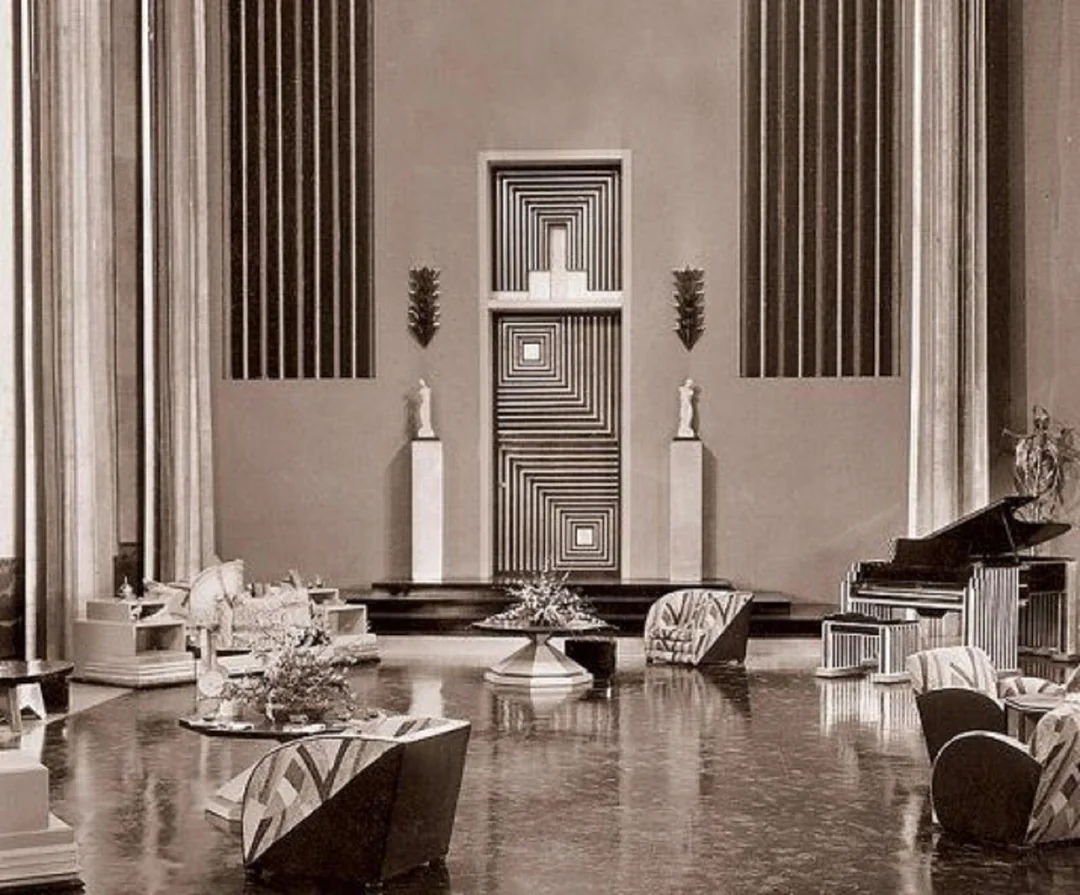
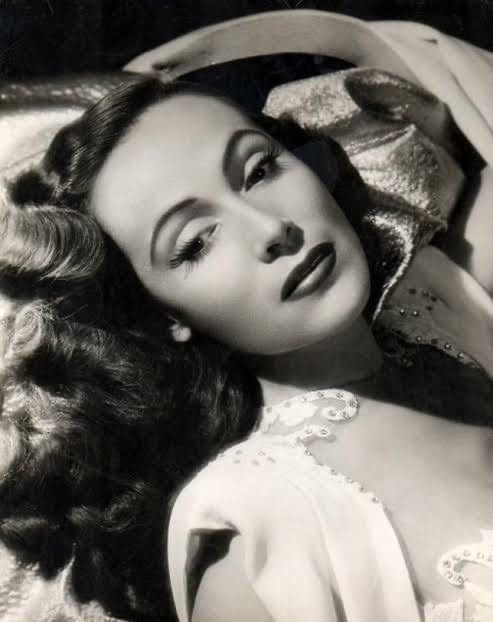
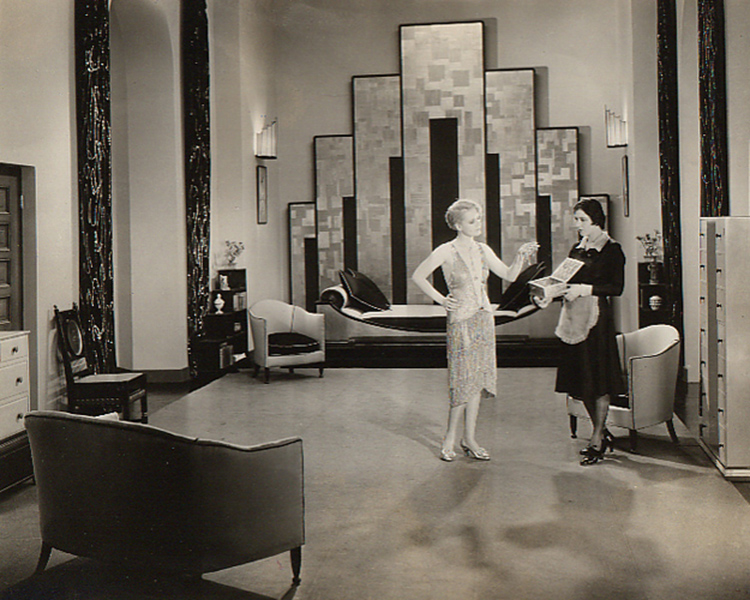
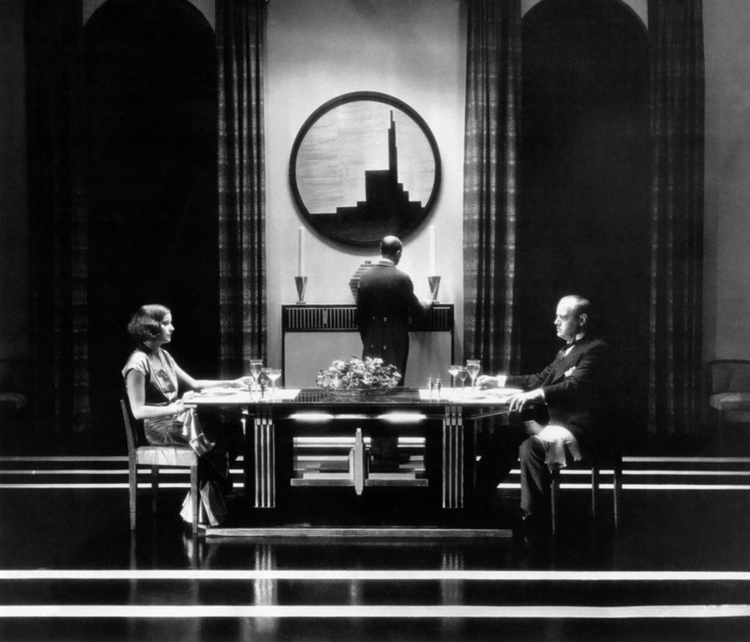
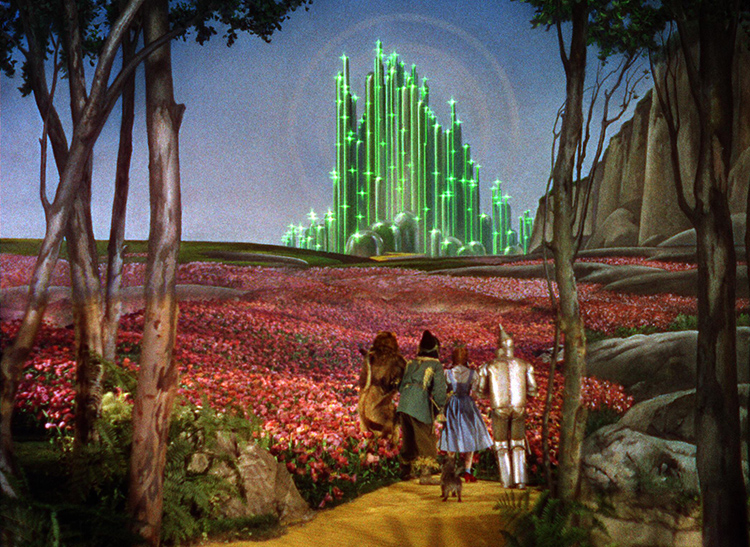
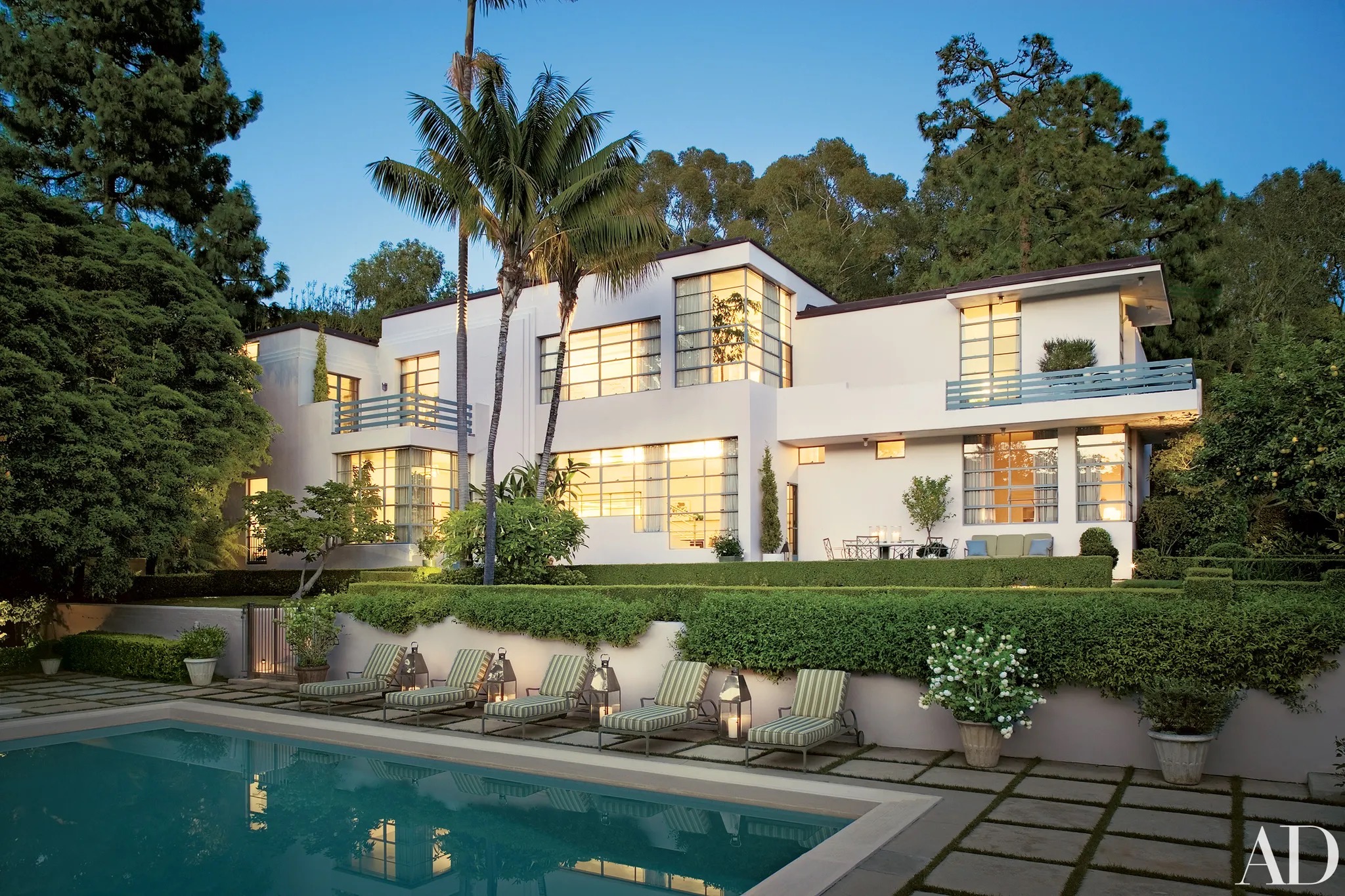

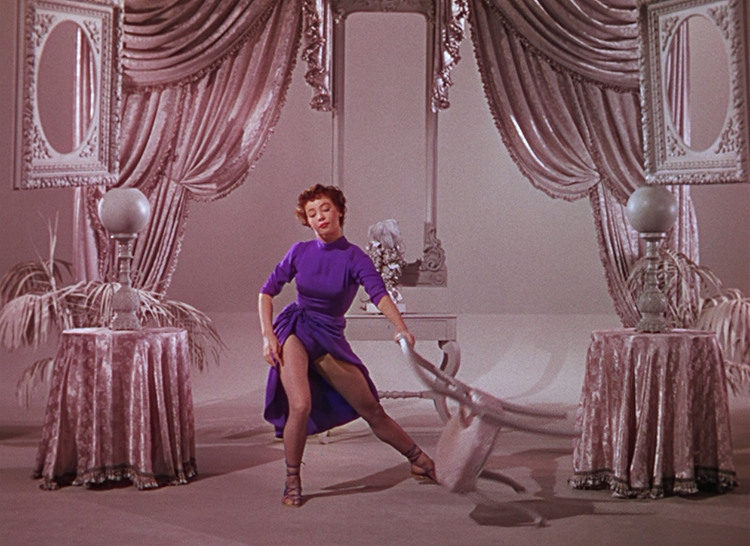
Cedric Gibbons’s style is defined by glamour, symmetry, and refined modernity. He favored elegant interiors with clean lines, polished surfaces, and dramatic spatial control. His work often translated Art Deco ideas into cinematic form without making them feel stiff or purely decorative. Lighting, texture, and architectural rhythm were central to the mood of his sets. Even his home with Dolores del Rio showed the same instinct for sleek luxury and theatrical beauty.
Key Influences
- Architectural Training: Early work in his father’s office gave him a strong sense of structure, drafting, and proportion.
- Hollywood Glamour: The star system pushed him to create interiors that matched the beauty and prestige of major screen personalities.
- Art Deco Modernism: Geometric elegance and luxurious restraint gave his sets their signature look.
- Three-Dimensional Set Design: He helped move film design away from painted backdrops and toward fully realized built environments.
- High Society Style Culture: His marriage to Dolores del Rio and their celebrated Santa Monica house tied his design identity to the world of elite Hollywood taste.
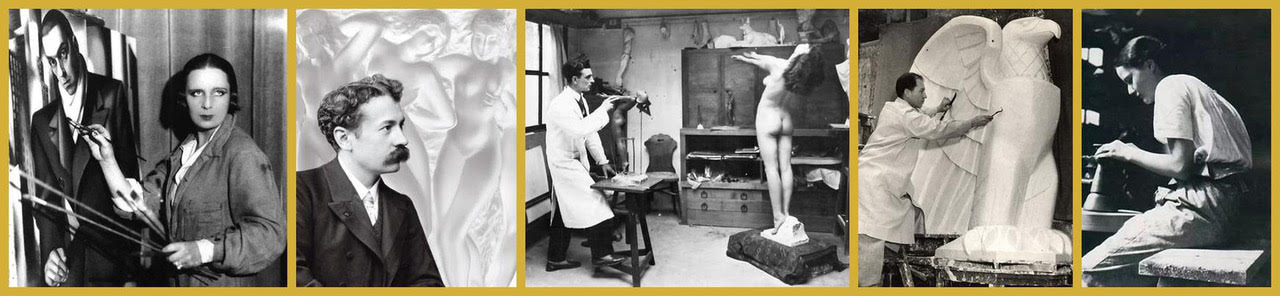
If you are interested in further stories of the artists who shaped Art Deco, return to our artists page to browse the full directory.
Related Products