
Camille Fauré
Camille Fauré was born in Périgueux in 1874 and came from a family deeply rooted in the visual arts. His parents were both painters, and this early exposure to artistic practice shaped his sensitivity to color and surface. After relocating to Limoges, he initially took over the family business following his father’s death, working across signage, decorative painting, church commissions, and faux marble. These varied commercial projects gave him technical fluency and a strong command of materials. Around 1920, Fauré turned decisively toward artistic enameling, recognizing renewed interest in Limoges enamel traditions. He partnered briefly with Alexandre Marty to explore new flamed and frosted enamel techniques. By the mid 1920s, he had positioned himself at the forefront of a modern revival of enamel as a fine art medium.
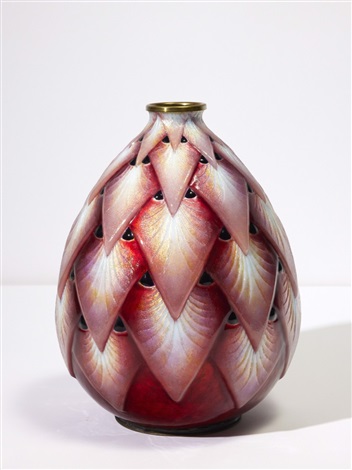
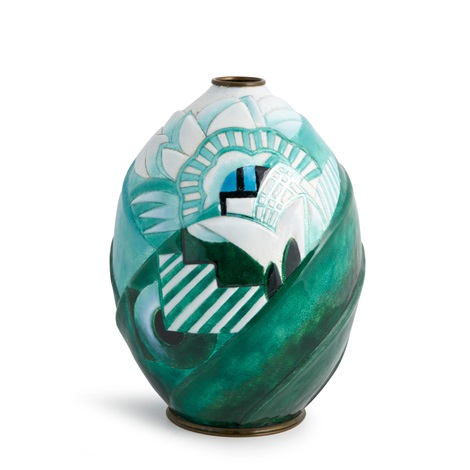
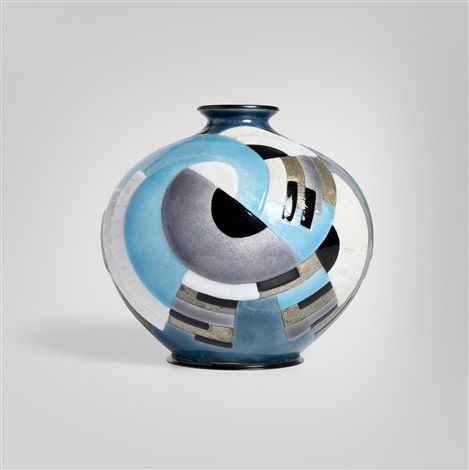
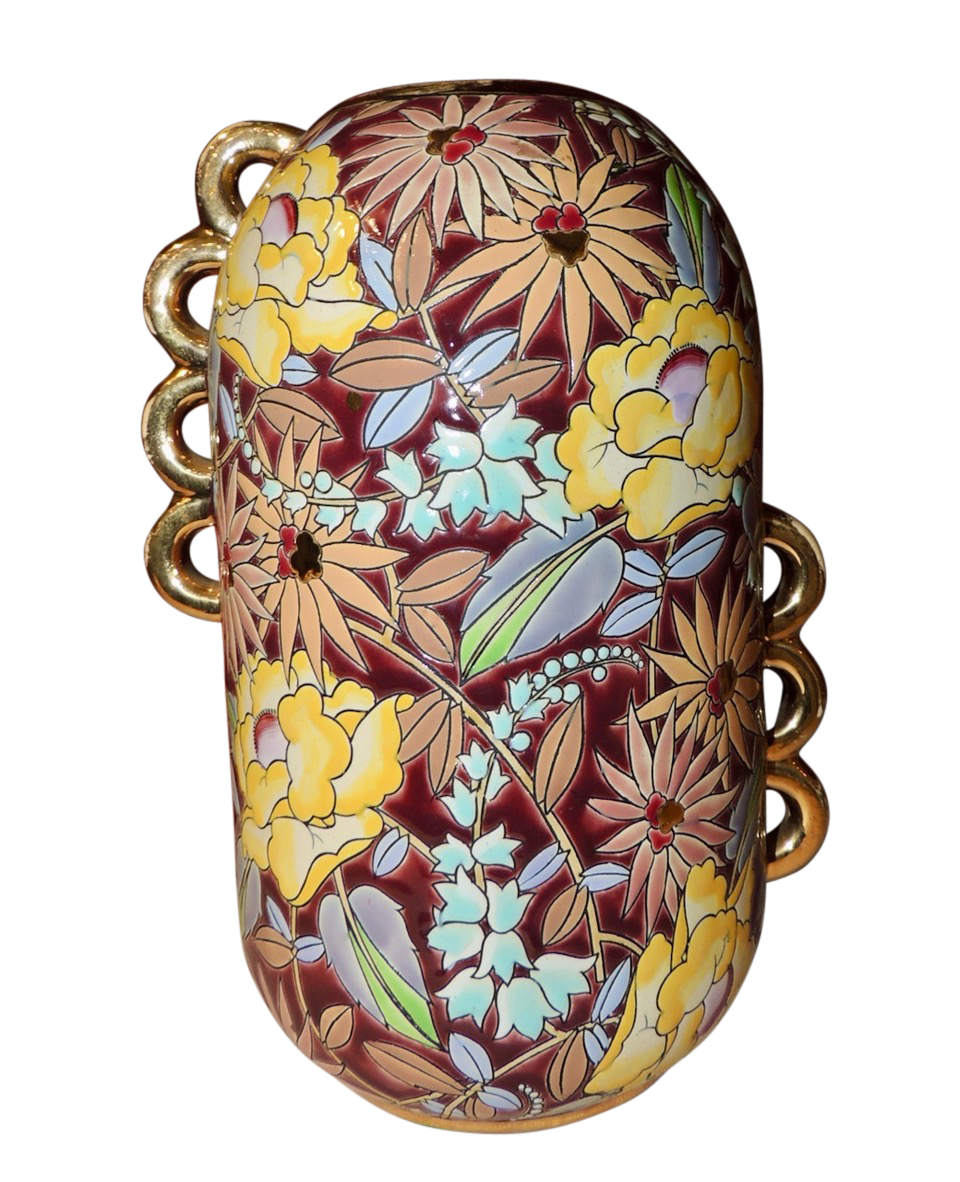
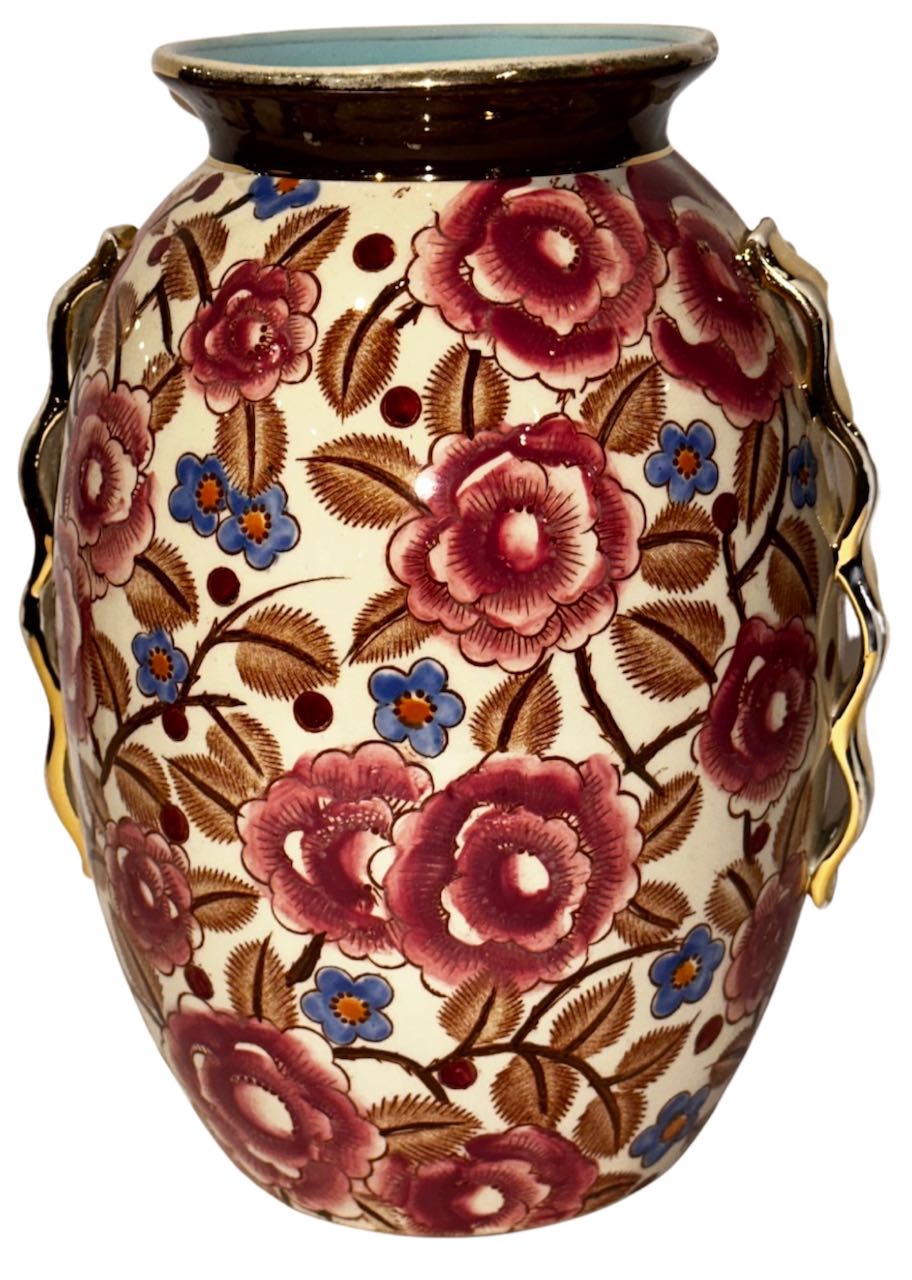
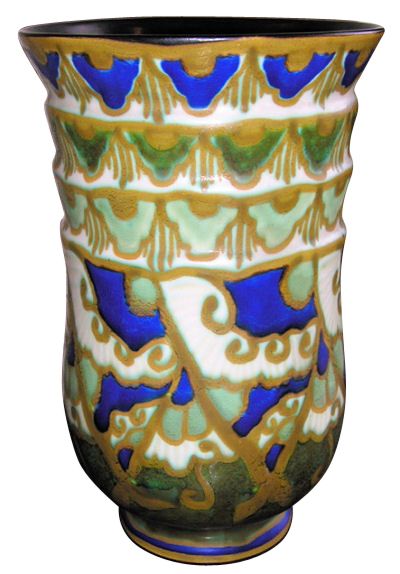
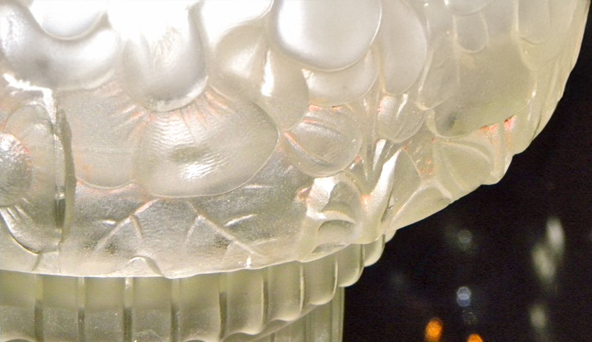
Fauré achieved his breakthrough at the 1925 International Exhibition of Modern Decorative and Industrial Arts in Paris, where his work brought unprecedented attention to Limoges enamels. Shortly afterward, he established his own workshop in Limoges, deliberately limiting production and employing only a small team of highly skilled assistants. Each piece was individually made and signed, ensuring that no two works were identical. His workshop became known for large-scale vases, bowls, and jardinieres built up through multiple layers of polychrome enamel. These works combined technical complexity with striking visual depth and relief. During the late 1920s, his bold geometric designs aligned closely with the most progressive expressions of Art Deco. Economic pressures in the 1930s led to a shift toward more naturalistic floral designs, though craftsmanship remained uncompromising. After his death in 1956, the workshop continued under family direction until its closure in 1985.
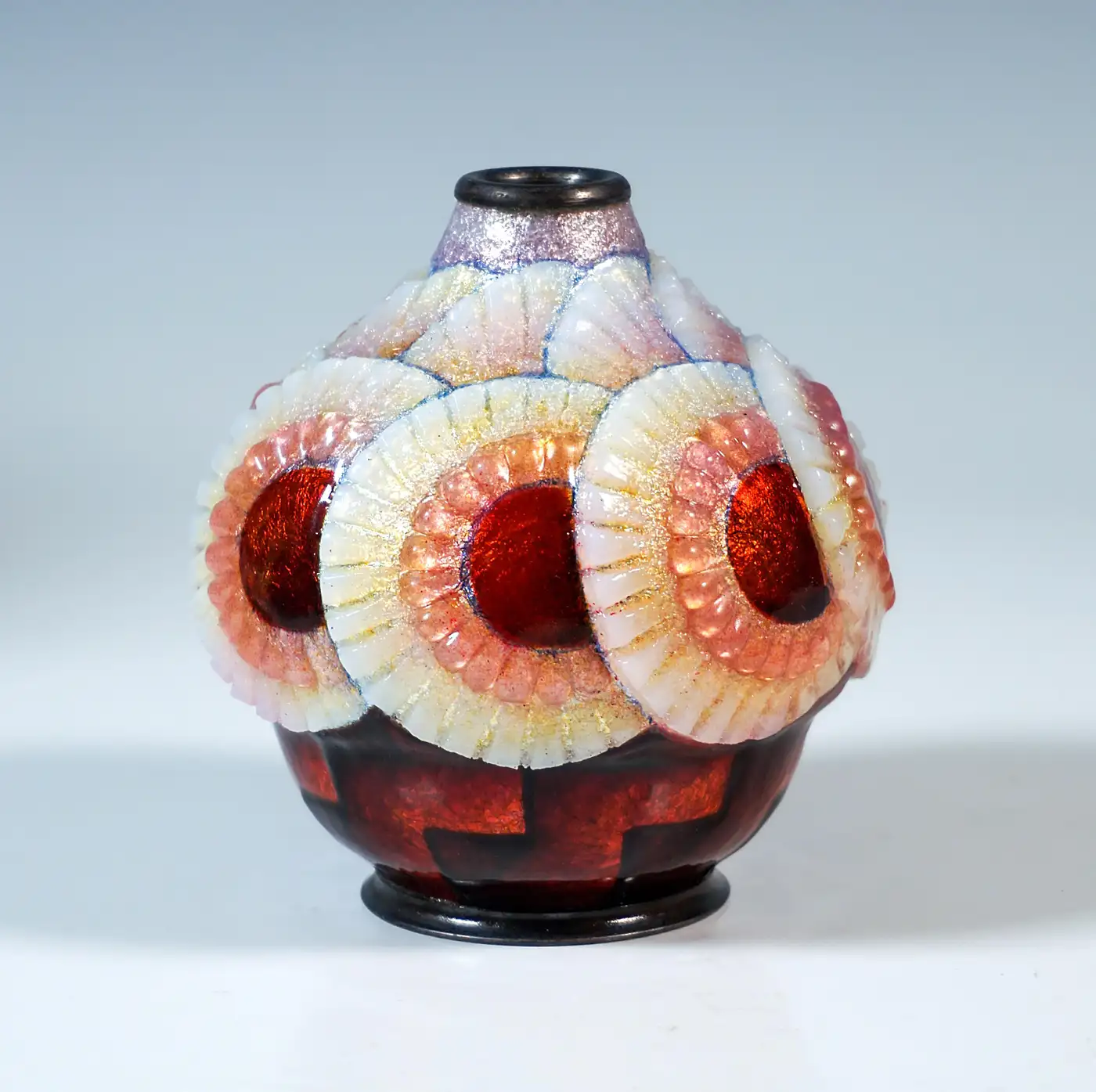
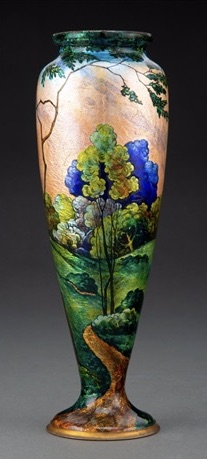
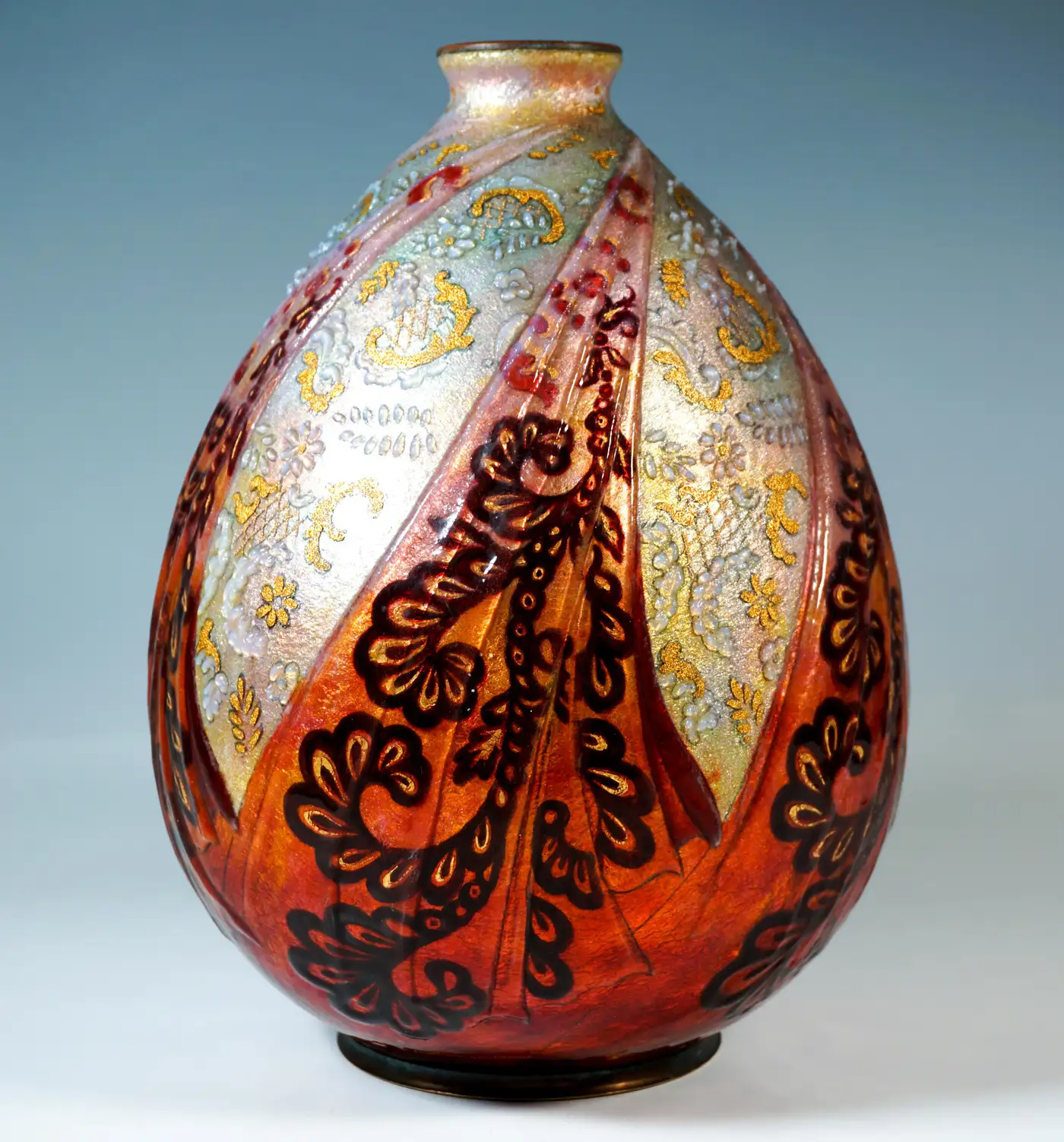
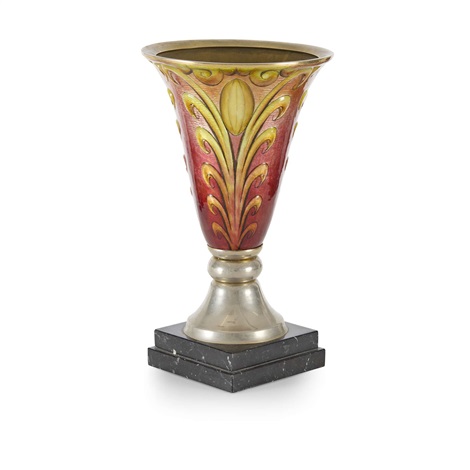
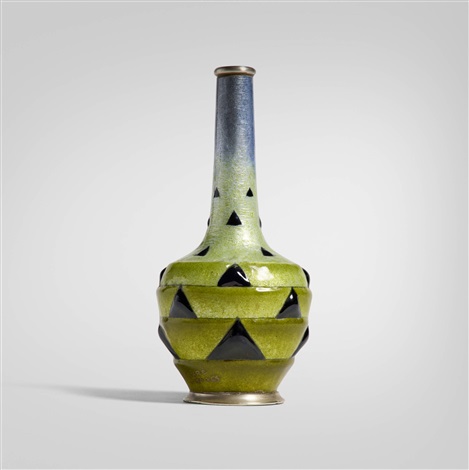
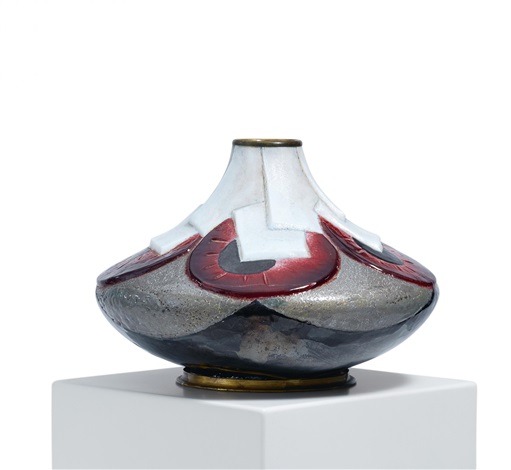
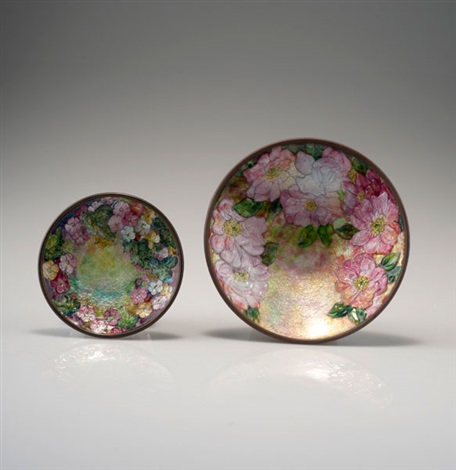
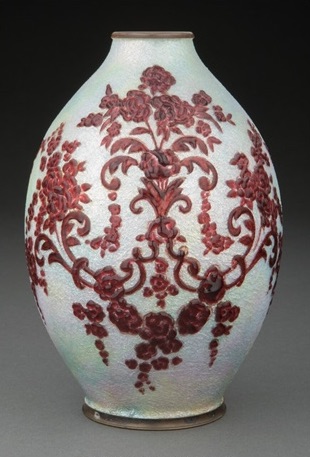
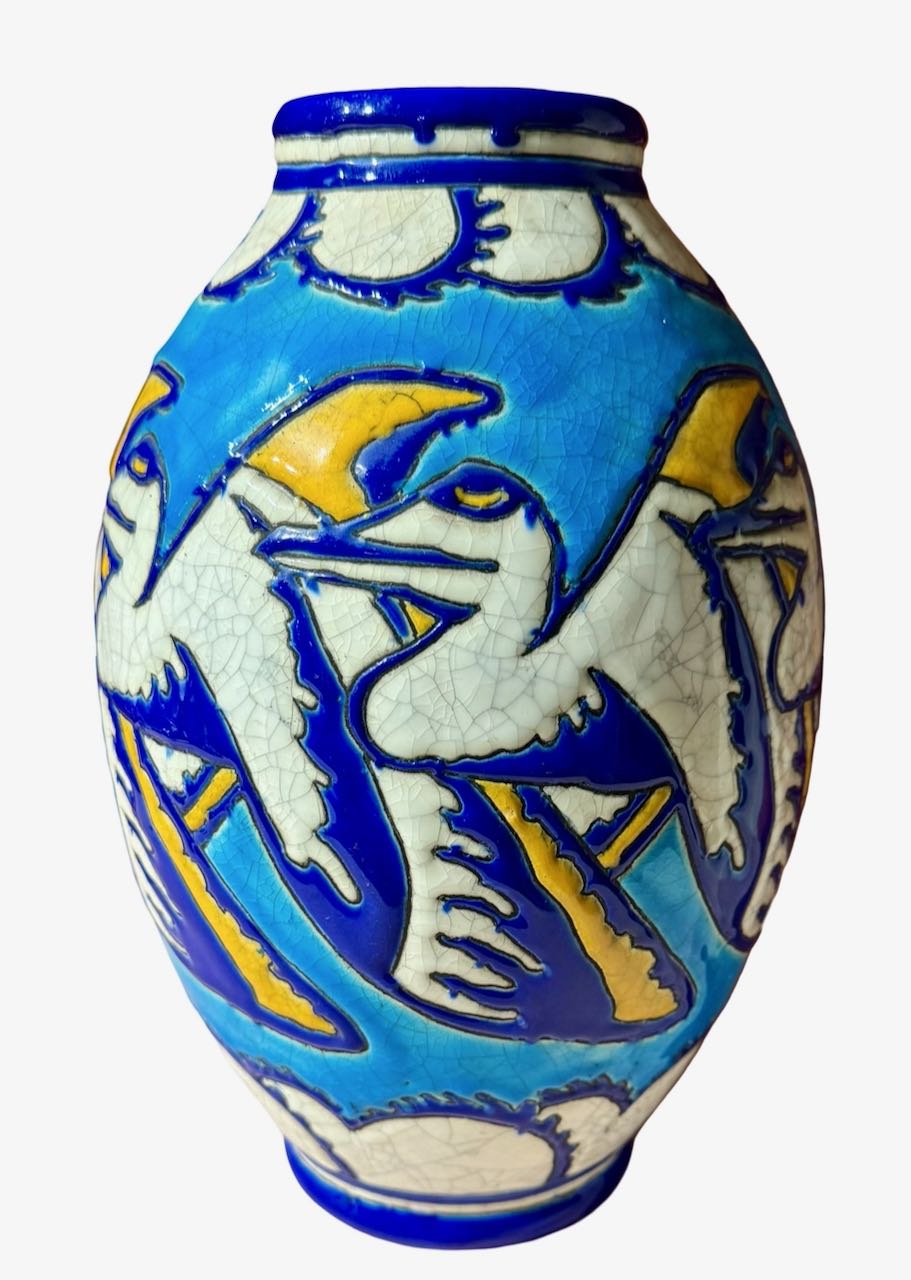
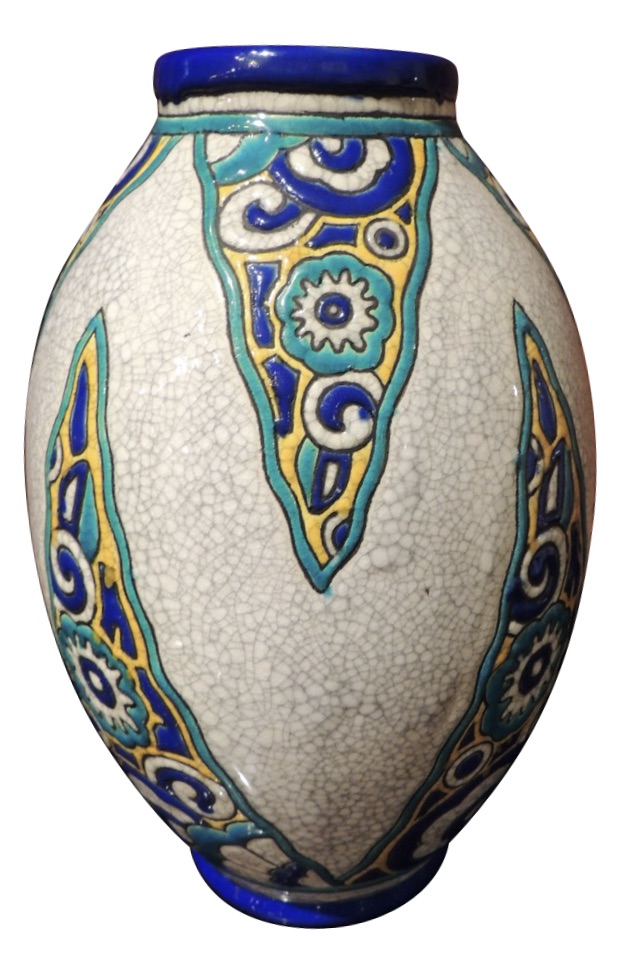
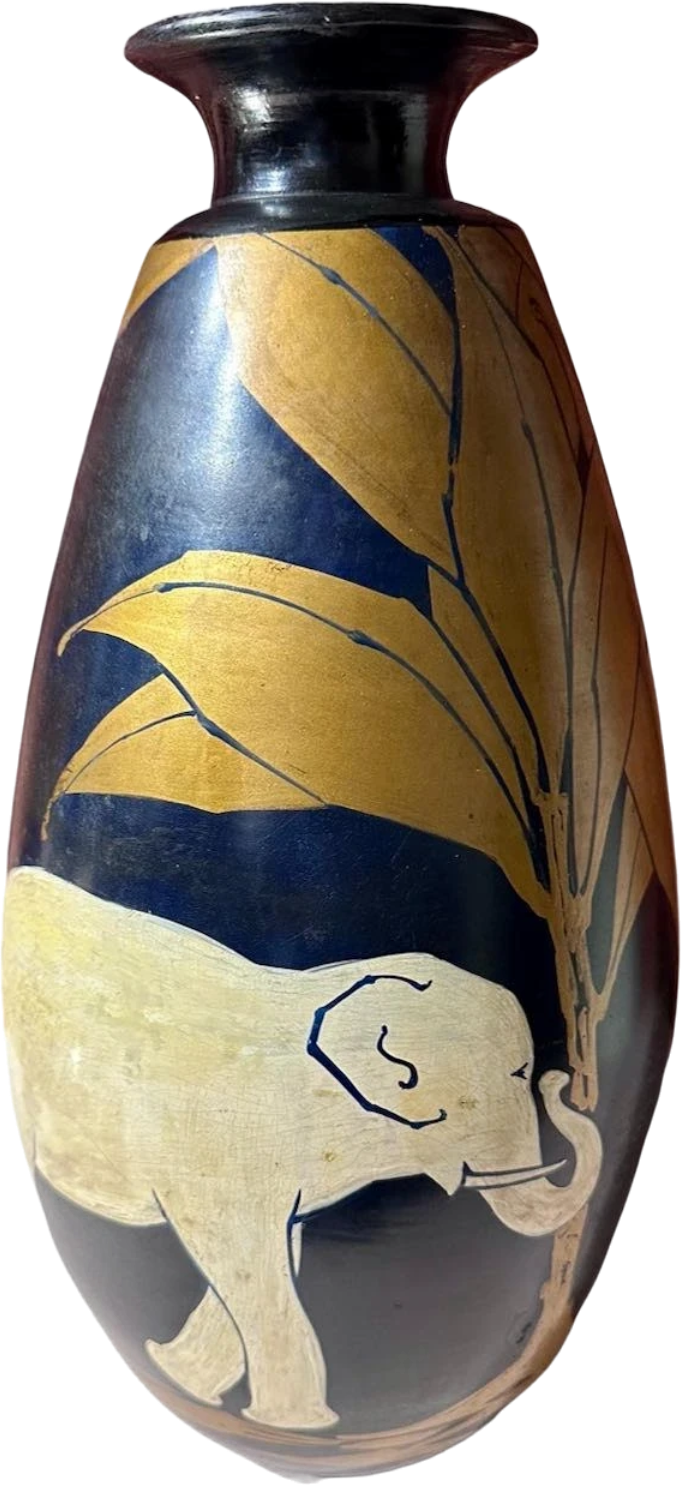
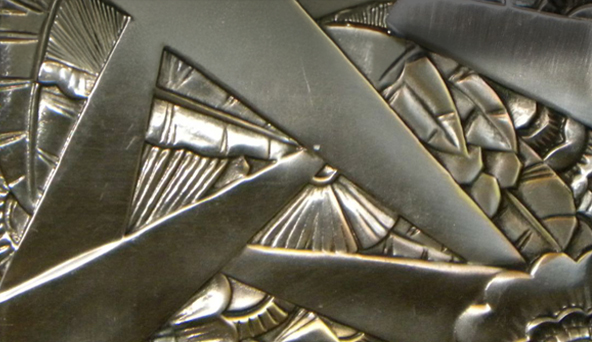
Fauré’s style is defined by dense layers of luminous enamel applied with painterly precision. He favored strong geometric structures enriched by subtle color gradation and surface relief. Chevrons, diagonals, and stepped forms appear alongside floral motifs that range from stylized to naturalistic. Color plays a central role, with saturated blues, reds, oranges, and yellows balanced by softer pastel tones. His work transforms enamel into a sculptural medium with both visual depth and tactile presence.
Key Influences
- Limoges Enamel Tradition: Historic regional techniques provided a foundation for innovation rather than repetition.
- Painterly Family Background: Early exposure to painting informed his sophisticated use of color and layering.
- Art Deco Geometry: Bold geometric structures shaped the formal language of his most celebrated works.
- Technical Experimentation: Collaboration with Alexandre Marty encouraged new flamed and frosted enamel processes.
- Modern Decorative Arts Movement: The 1925 Paris exposition positioned his work within an international modernist context.
If you are interested in further stories of the artists who shaped Art Deco, return to our artists page to browse the full directory.
Related Products from ArtDecoCollection.com