



Busby Berkeley
Busby Berkeley was born William Berkeley Enos on November 29, 1895, in Los Angeles, California, the son of itinerant stage actors, a father who worked as a director and died when Berkeley was still a child, and a mother, Gertrude Berkeley, who toured with Tim Frawley’s repertory company. He made his stage debut at the age of five, acting and dancing in his family’s company and absorbing the rhythms of theatrical life from infancy. He gained the nickname “Busby,” or “Buzz,” from his mother’s friend and fellow performer, the actress Amy Busby. During World War I he served as a field artillery lieutenant, where he became responsible for drilling and disciplining large groups of soldiers into precise parade formations, an experience he later credited as the direct apprenticeship for the geometric choreography that would define his career. Throughout the 1920s he worked as dance director for nearly two dozen Broadway musicals, including the hit A Connecticut Yankee, establishing himself as a leading theatrical choreographer before Hollywood came calling. He moved to Los Angeles in 1930 at the request of producer Samuel Goldwyn, just after the stock market crash, to choreograph dance numbers for the emerging sound film era. Berkeley died on March 14, 1976, in Palm Springs, California, at the age of 80.

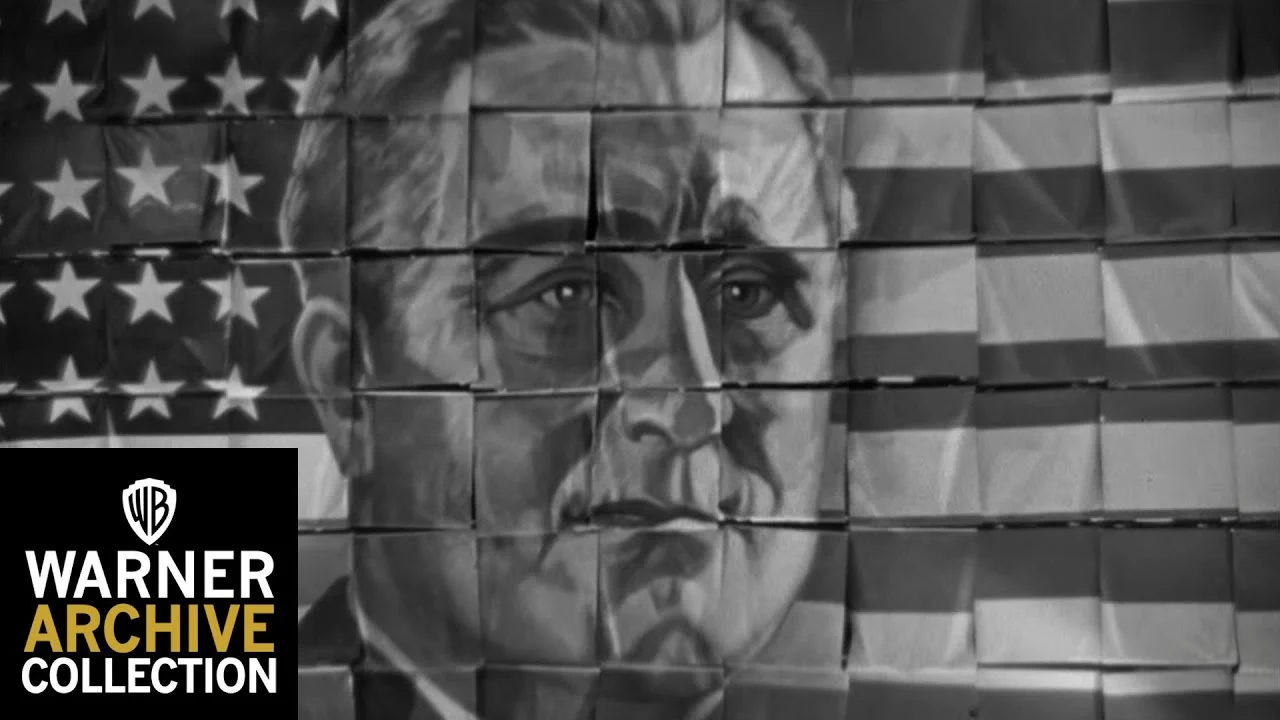
Berkeley’s earliest Hollywood work came on Eddie Cantor vehicles for Goldwyn, including Whoopee! in 1930, a production he had also directed on Broadway. His signature style crystallized after he convinced Goldwyn to grant him greater control over camera placement, breaking with the industry standard of using four cameras in favor of a single camera that preserved his own directorial vision rather than leaving it to an editor. This approach reached its full flowering at Warner Bros. in 1933, with the landmark trio of 42nd Street, Gold Diggers of 1933, and Footlight Parade, whose elaborate, large-scale production numbers helped revolutionize the movie musical and offered Depression-era audiences a form of spectacular escapism unlike anything attempted before. Warner Bros. made him a full director in 1935 with Gold Diggers of 1935, finally allowing him to combine his choreographic vision with complete directorial control on a single film. As costs for his extravagant numbers became harder to justify, he pursued dramatic directing as well, delivering 1939’s They Made Me a Criminal, regarded as one of John Garfield’s finest performances, before a budget dispute led him away from the studio. He achieved a particular kind of camp infamy with The Gang’s All Here in 1943, featuring Carmen Miranda’s famous “The Lady in the Tutti Frutti Hat” number. His final film as a director was Take Me Out to the Ball Game in 1949, starring Frank Sinatra and Gene Kelly, after which he worked exclusively as a choreographer, eventually closing his Hollywood career with MGM’s Billy Rose’s Jumbo in 1962.
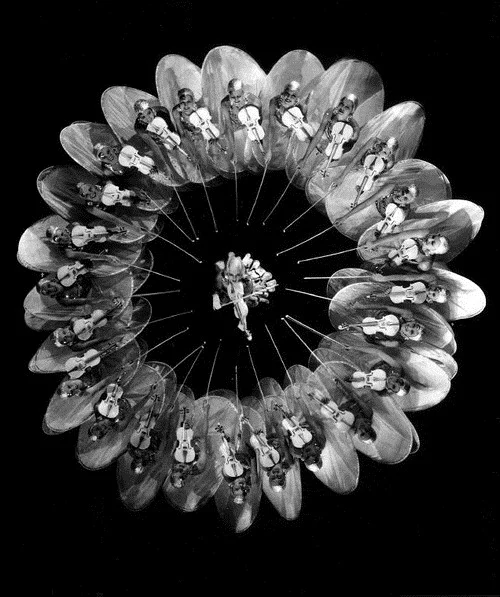
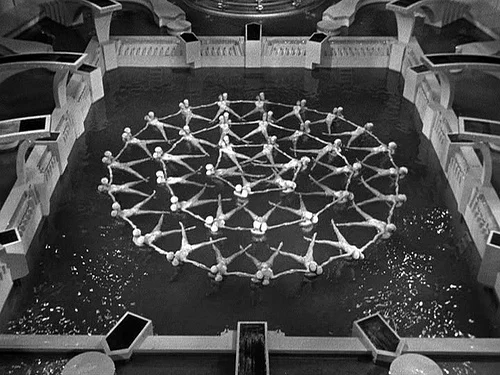
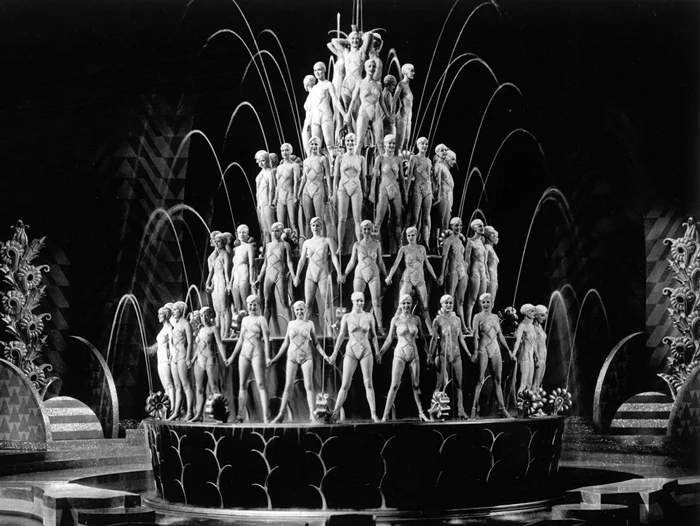
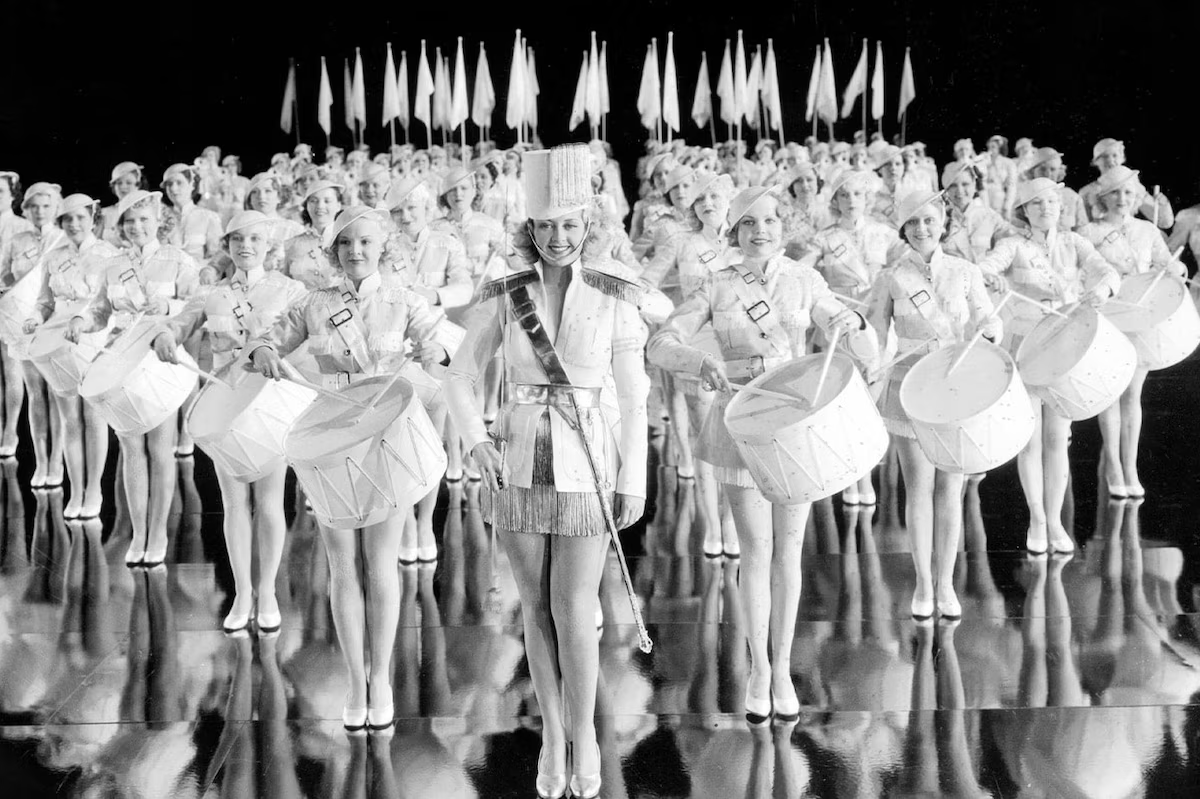
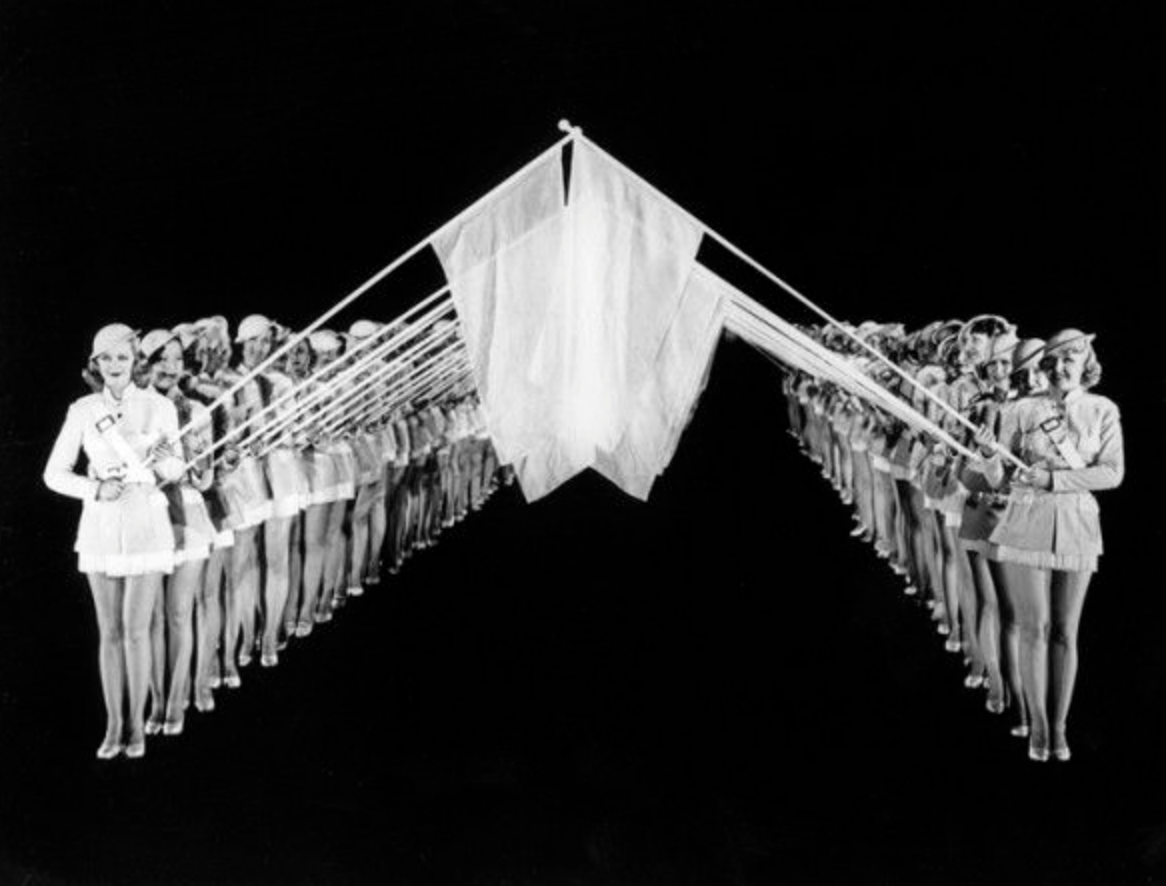
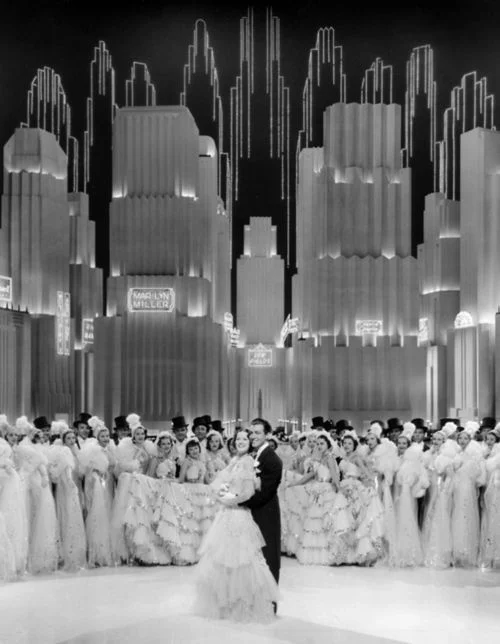
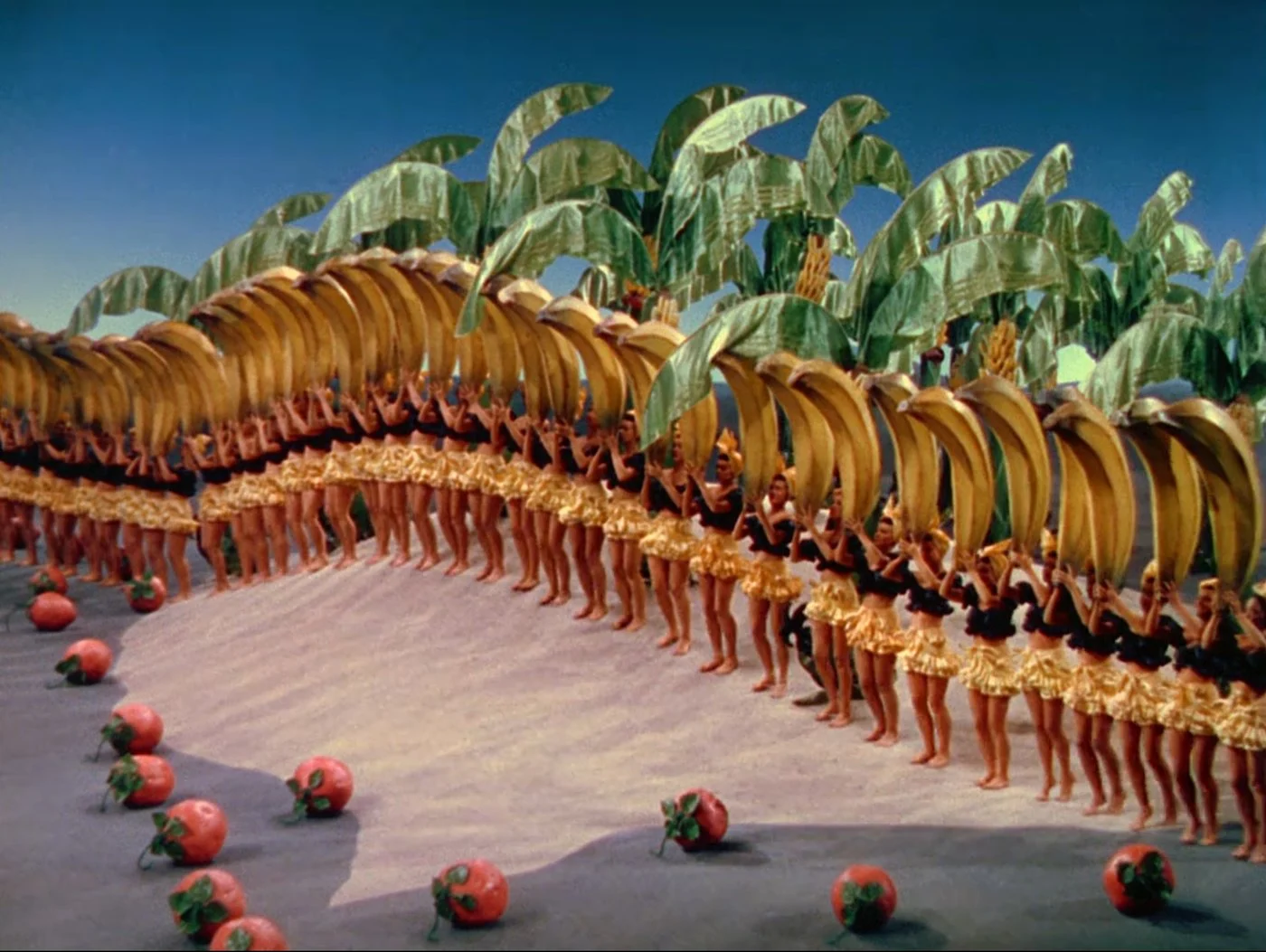
Berkeley was an innovative choreographer who freed dance in cinema from the constraints of the theatrical stage, removing the confining proscenium of live performance to take full advantage of the motion picture frame’s fluid mobility. As a choreographer, he was notably less concerned with the individual dancing skill of his chorus girls than with their ability to form themselves into attractive, kaleidoscopic geometric patterns, often filmed from a single dramatic overhead camera position that transformed human bodies into abstract, ever-shifting visual compositions. His musical numbers were frequently given a striking independence from the narrative sections of his films, functioning almost as self-contained visual fantasias rather than conventional scene transitions.
Key Influences
- Movie Musical Spectacle: His elaborate, geometrically precise production numbers fundamentally reshaped what audiences expected from the movie musical and remain the genre’s most recognizable visual signature.
- The Overhead Shot: His pioneering use of the aerial kaleidoscope camera angle became one of the most imitated and parodied techniques in the history of film, referenced across decades of cinema and music video.
- Camera Control for Choreographers: His insistence on directing his own camera placement rather than deferring to an editor changed how dance was conceived and filmed, giving choreographers new authority over the cinematic frame.
- Depression-Era Escapism: His opulent, fantastical numbers offered Great Depression audiences a form of large-scale visual fantasy that helped define the cultural role of the Hollywood musical during the decade.
- Art Deco Visual Culture: His sets and costumes, built around polished surfaces, radiating symmetry, and streamlined ornament, placed his musical sequences firmly within the glamorous visual vocabulary of 1930s Art Deco design.
If you are interested in further stories of the artists who shaped Art Deco, return to our artists page to browse the full directory.

Related Products from ArtDecoCollection.com