



Art & Statues
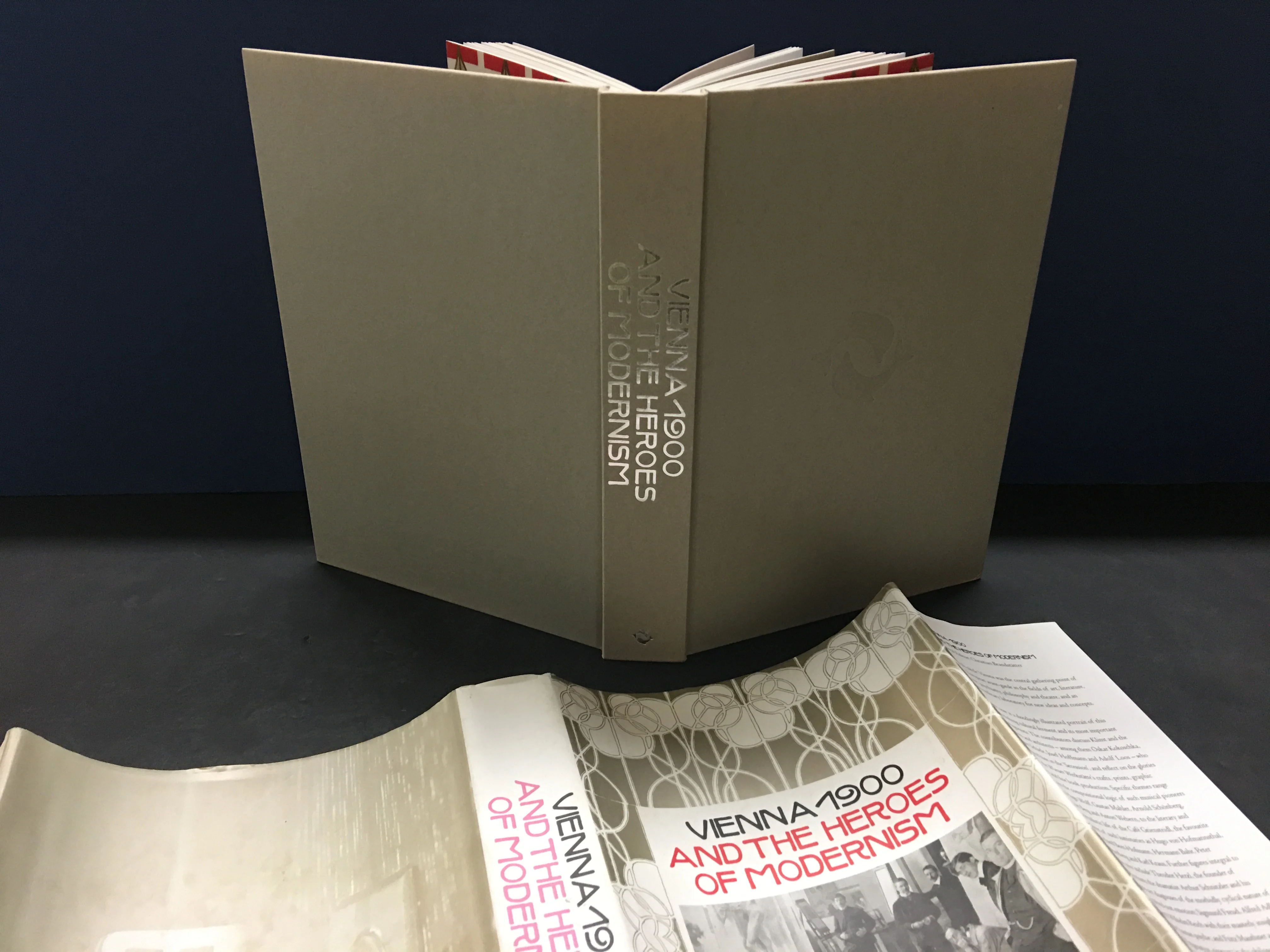


Vienna 1900 and the Heroes of Modernism
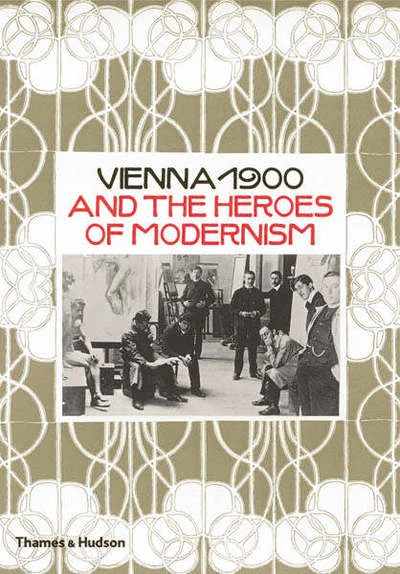
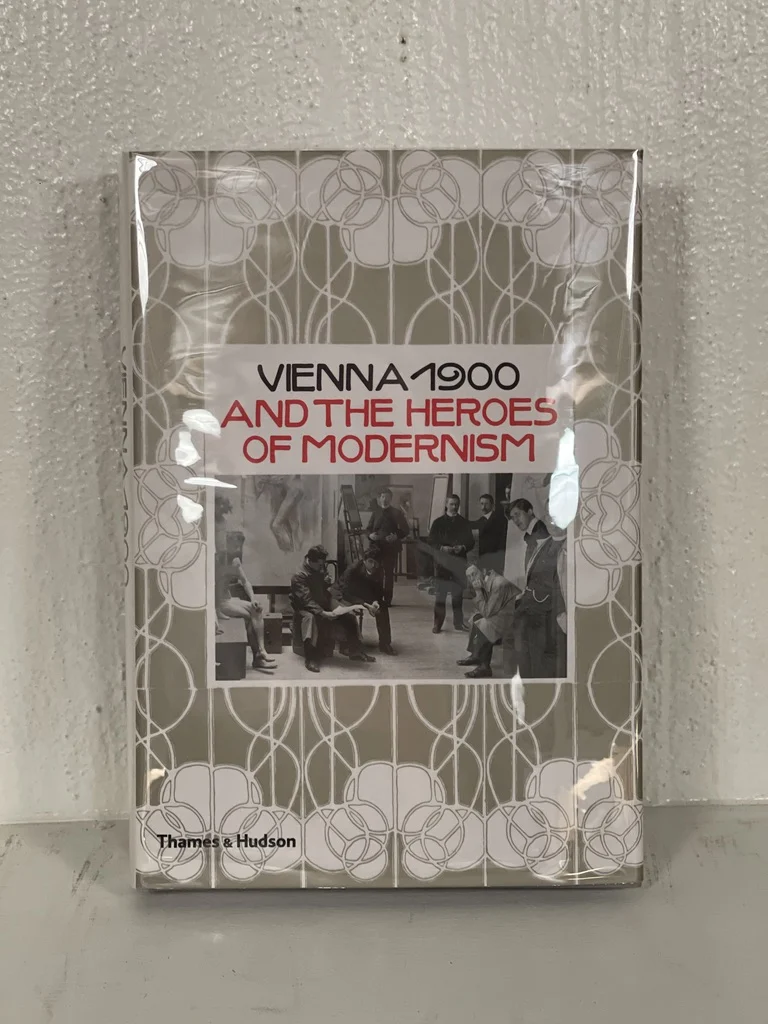
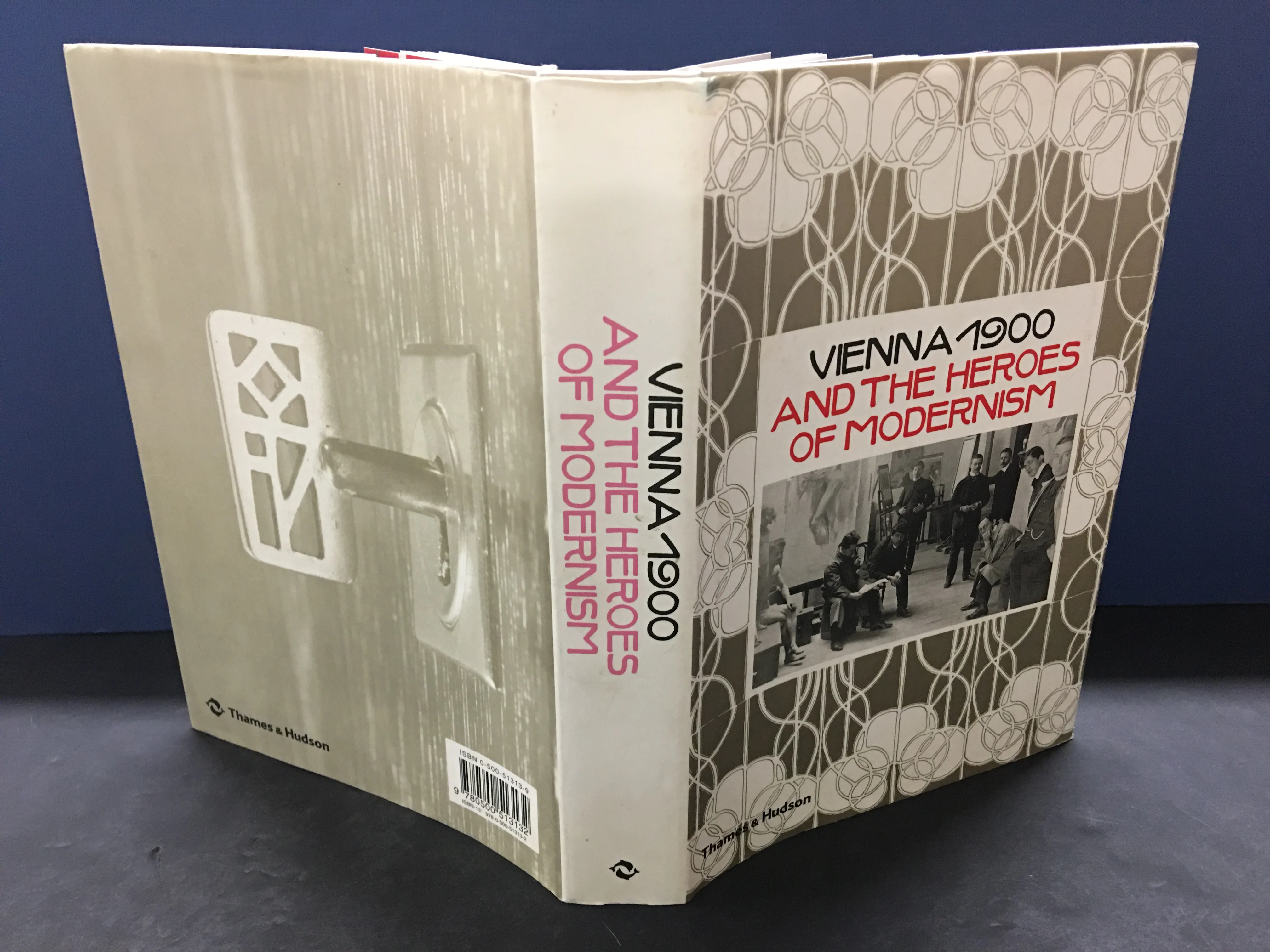
Vienna 1900 and the Heroes of Modernism
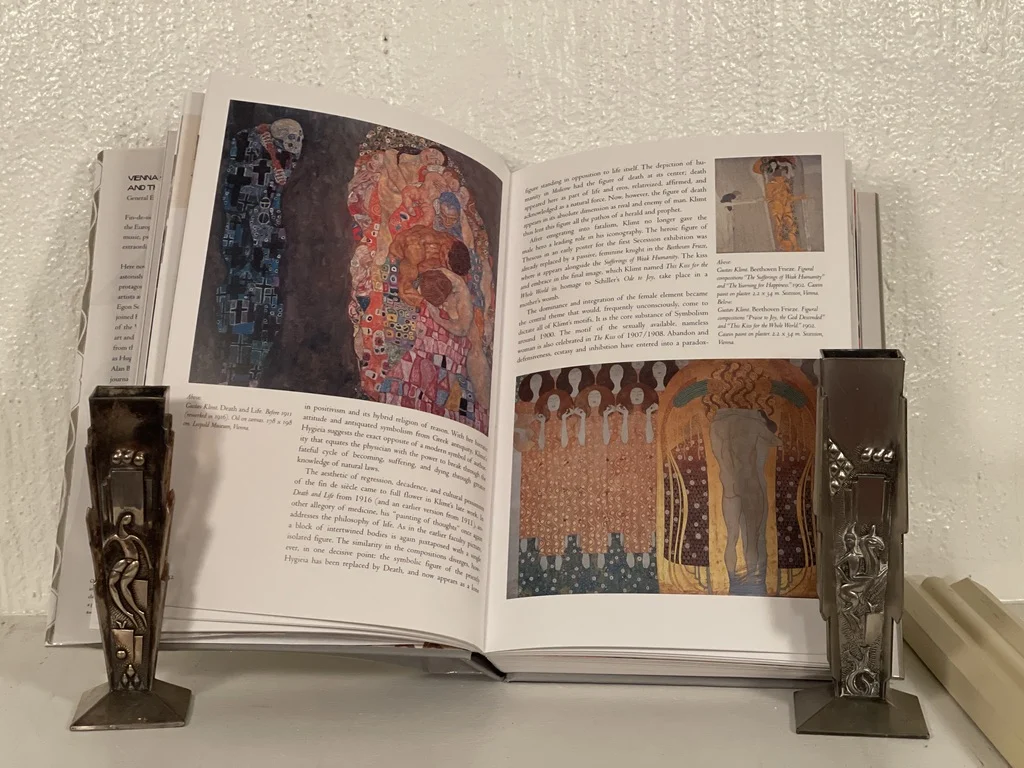
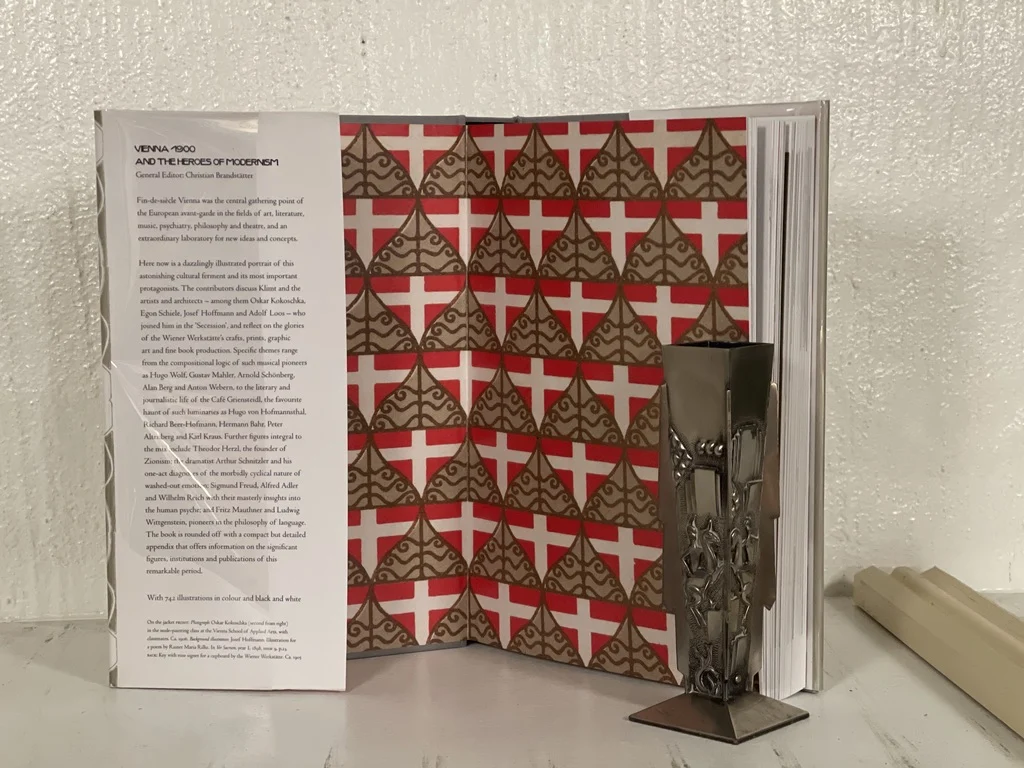
Edited by Christian Brandstätter and published by Thames & Hudson in 2006, this richly illustrated volume explores turn-of-the-century Vienna as one of the great creative centers of European modernism. Across 400 pages and 742 illustrations, it brings together essays on the artists, architects, and thinkers who reshaped Viennese culture, from Gustav Klimt and Egon Schiele to Josef Hoffmann and Adolf Loos. The book captures a moment when art, architecture, music, and philosophy were evolving together in the same small circle of cafes and studios.
Vienna at the turn of the century drew together an unusual concentration of talent across nearly every creative field. Painters, architects, composers, and writers moved in overlapping circles, often meeting in the same coffeehouses and exhibition halls that gave the city its reputation as a laboratory for new ideas. This book documents that world through essays covering figures such as Klimt and Schiele in painting, Hoffmann and Loos in architecture, and Mahler, Schoenberg, and Berg in music, tracing how their work responded to and influenced one another.
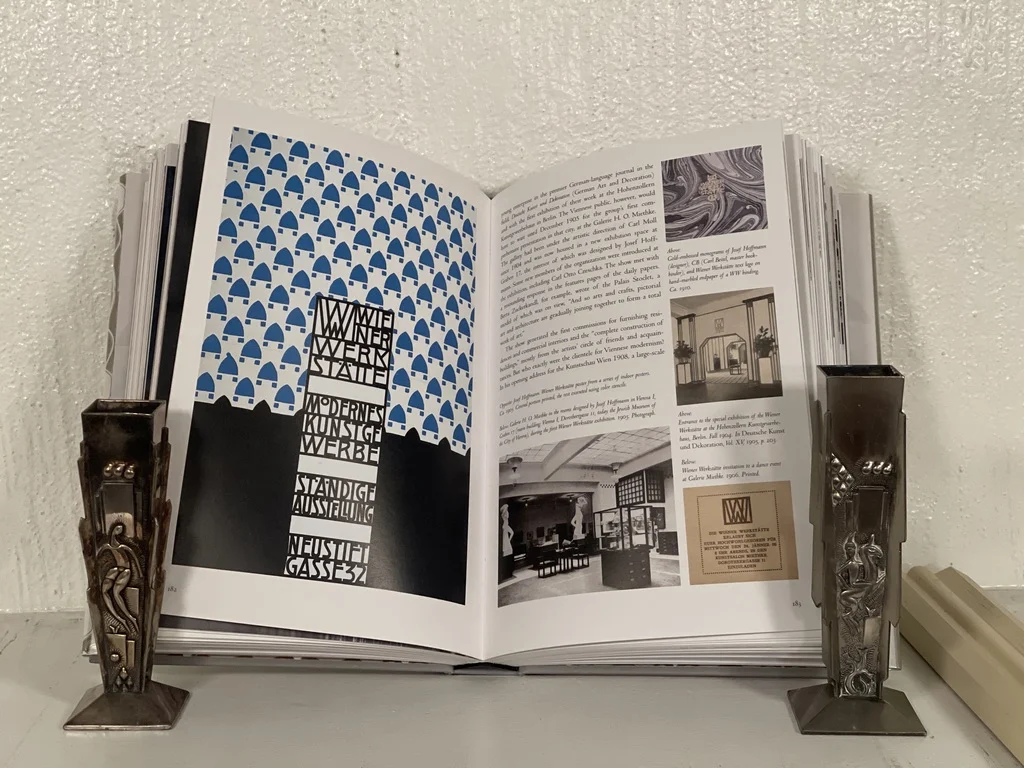
Particular attention is given to the Wiener Werkstätte, the design workshop founded by Josef Hoffmann that produced furniture, textiles, metalwork, and graphic design under a shared visual language. The book's illustrations show this output alongside period photographs of exhibitions and interiors, giving readers a sense of how these objects functioned within the broader Viennese design movement. Essays also touch on literary and intellectual figures from the era, including Sigmund Freud, Arthur Schnitzler, and Ludwig Wittgenstein, situating the visual arts within a wider intellectual context.
General editor Christian Brandstätter has published extensively on Viennese art and design, and this volume reflects that depth of research. A compact appendix at the back offers additional information on the period's key figures, institutions, and publications for readers who want to continue their research. The book works well both as an introduction to Vienna's creative culture around 1900 and as a reference for those already familiar with the period.