



Art & Statues
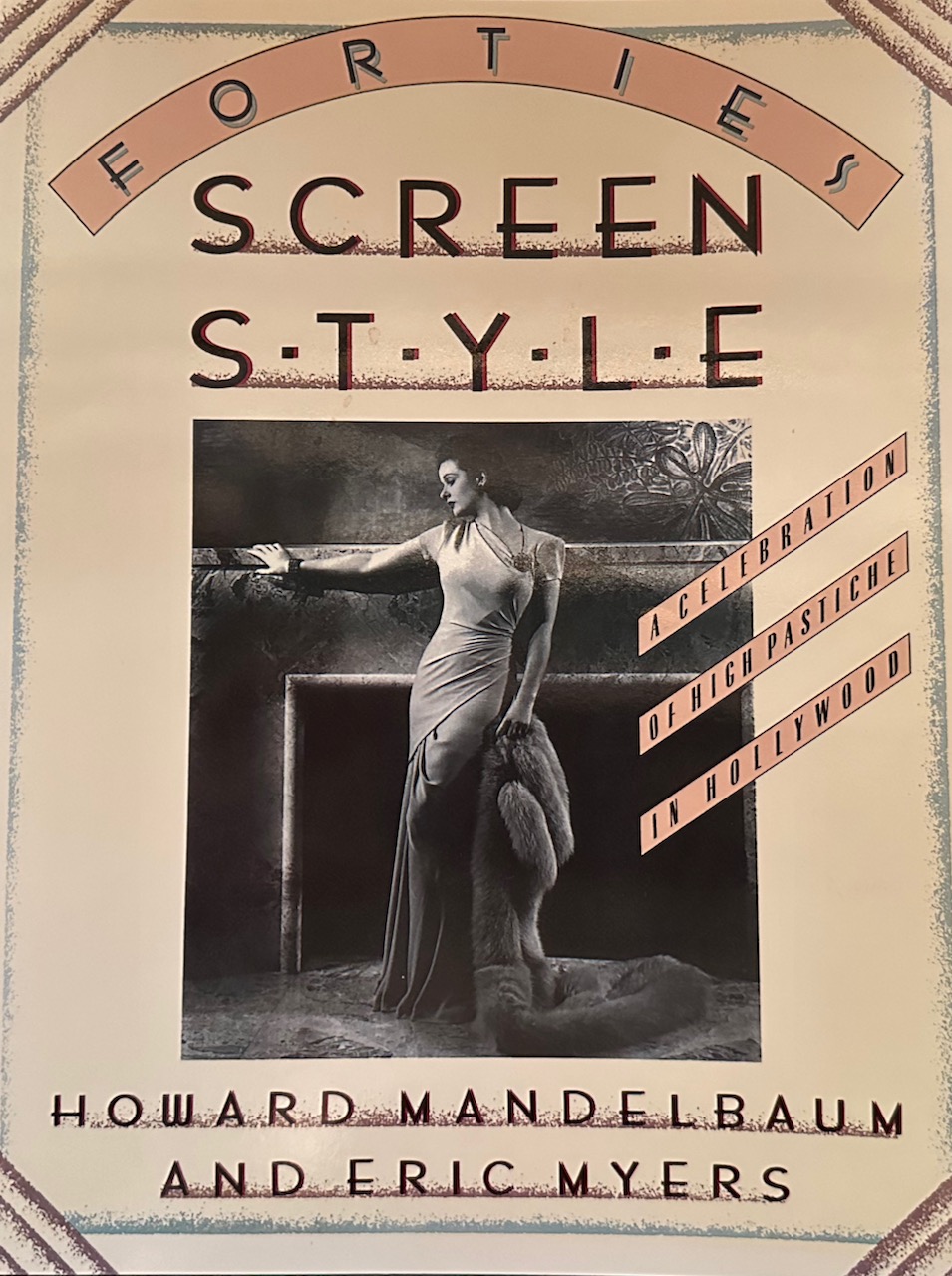


Forties Screen Style by Howard Mandelbaum and Eric Myers
Forties Screen Style: A Celebration of High Pastiche in Hollywood by Howard Mandelbaum and Eric Myers
Published in 1989 by St. Martin's Press, this book traces how Hollywood set design evolved once the sleek lines of 1930s Art Deco fell out of fashion. Authors Howard Mandelbaum and Eric Myers, who had previously documented the earlier period in Screen Deco, turn here to the studio art directors of the 1940s, who responded to that shift with a mix of styles the authors call High Pastiche. Wartime shortages and changing tastes in work, leisure, and travel all shaped the visual exuberance of the decade's film sets, and the book gathers 209 pages of movie stills and illustration to show that range firsthand. The cover pairs a glamorous studio portrait with graphic Art Deco style lettering, a fitting nod to the period the book documents. It stands as a companion volume to Screen Deco and continues the authors' study of an often overlooked corner of Hollywood history.
Mandelbaum and Myers move through the decade's major genres and studios, showing how art directors blended modernism, exoticism, and historical revival styles to create the eclectic look they term High Pastiche. The stills throughout capture interiors, costumes, and set pieces from a wide range of films, giving readers a visual record of a period in film design that has received far less attention than the Art Deco era that preceded it. A concluding section gathers portraits of stars in the fashions of the decade, closing the book on the same glamorous note it opens with.
Howard Mandelbaum and Eric Myers established themselves as authorities on Hollywood production design through this book and its predecessor, Screen Deco: A Celebration of High Style in Hollywood, published in 1985. Mandelbaum has long worked as a film historian and archivist, while Myers has written widely on film and popular culture in addition to his work as a literary agent. Together, their books remain key references on the visual culture of studio-era Hollywood.
This title is a strong addition to any collection focused on film history, costume design, or interior decoration of the mid-twentieth century, and its abundance of stills makes it a useful visual reference as well as an engaging read. Collectors of Hollywood memorabilia and design history will find it especially rewarding.

info@artdecocollection.com