



Art & Statues
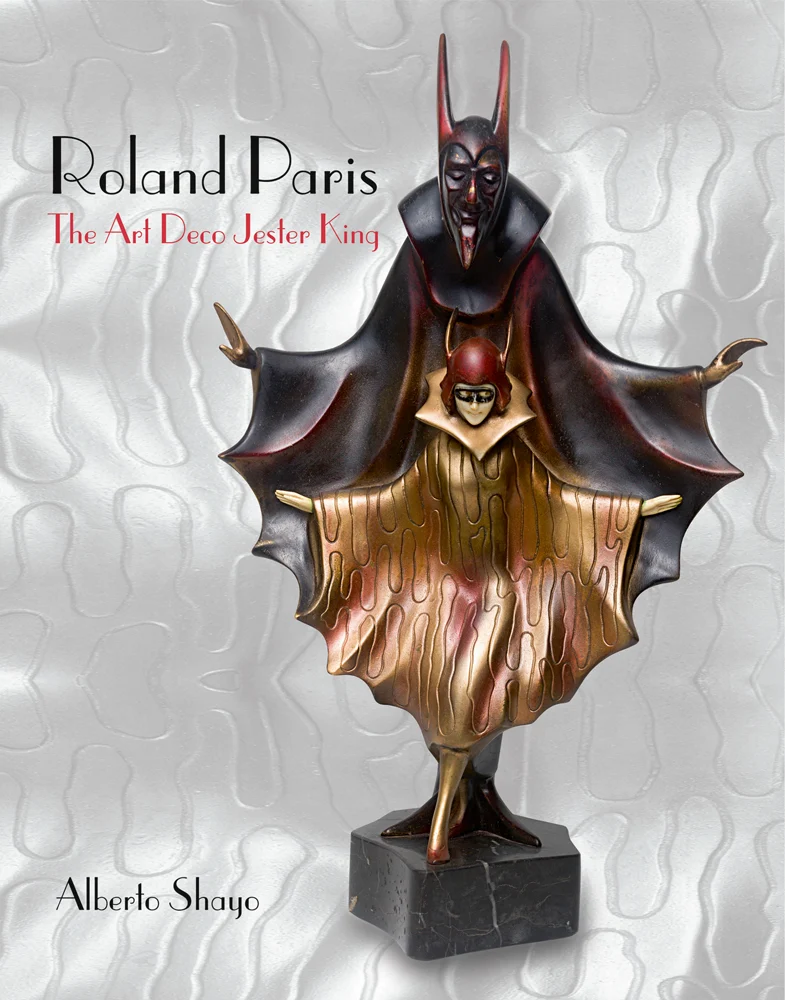
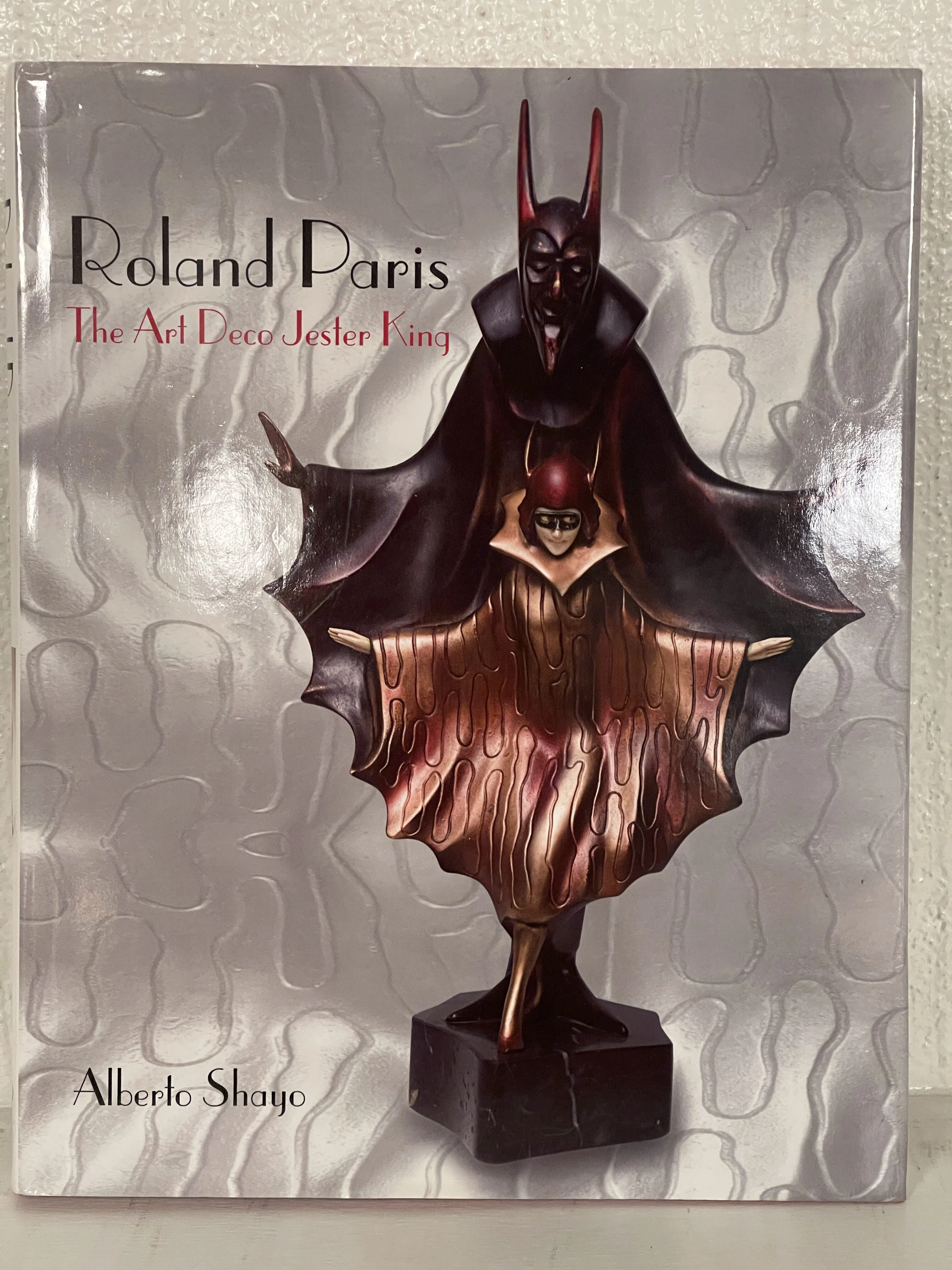
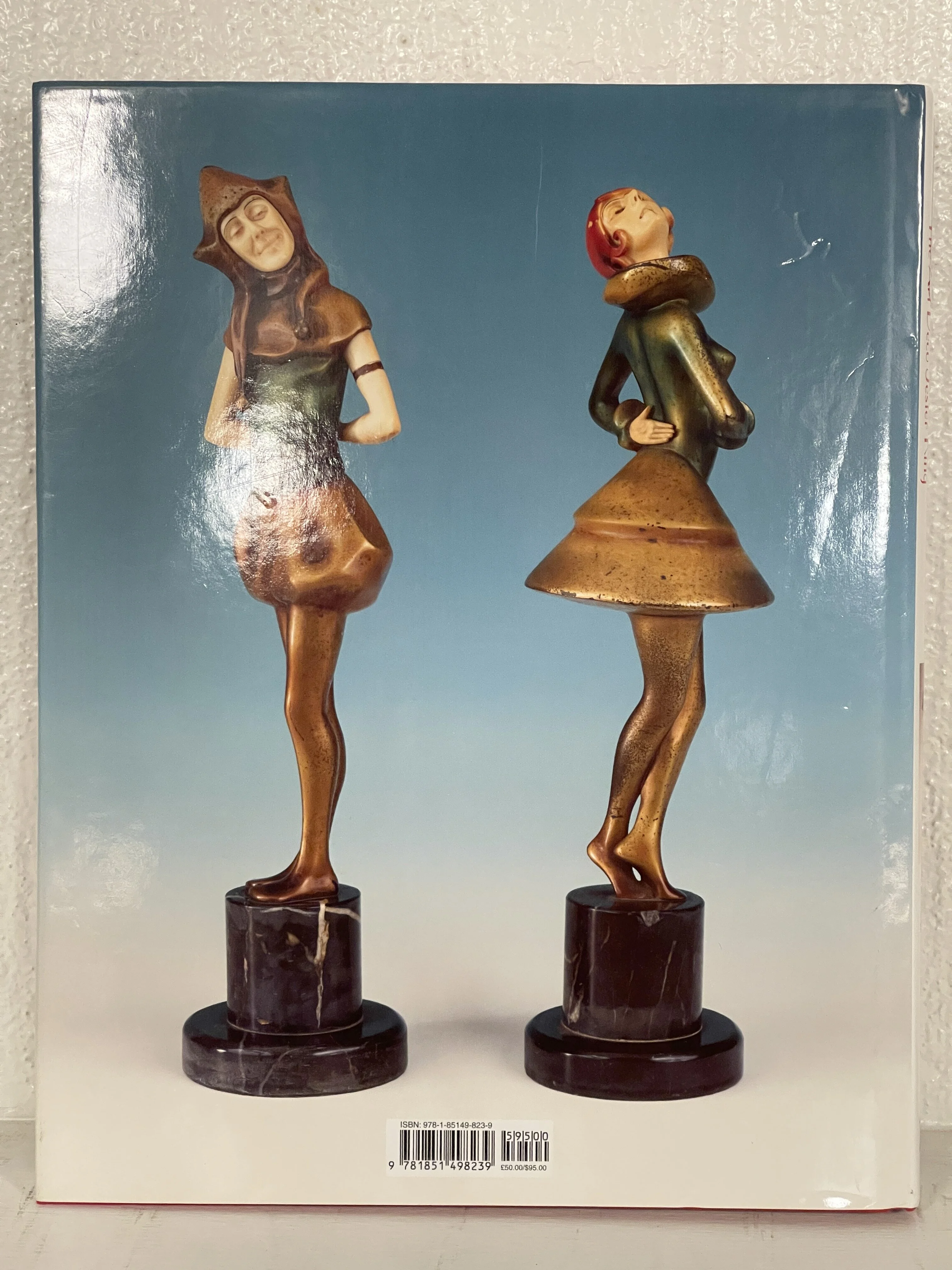


Roland Paris Book by Alberto Shayo
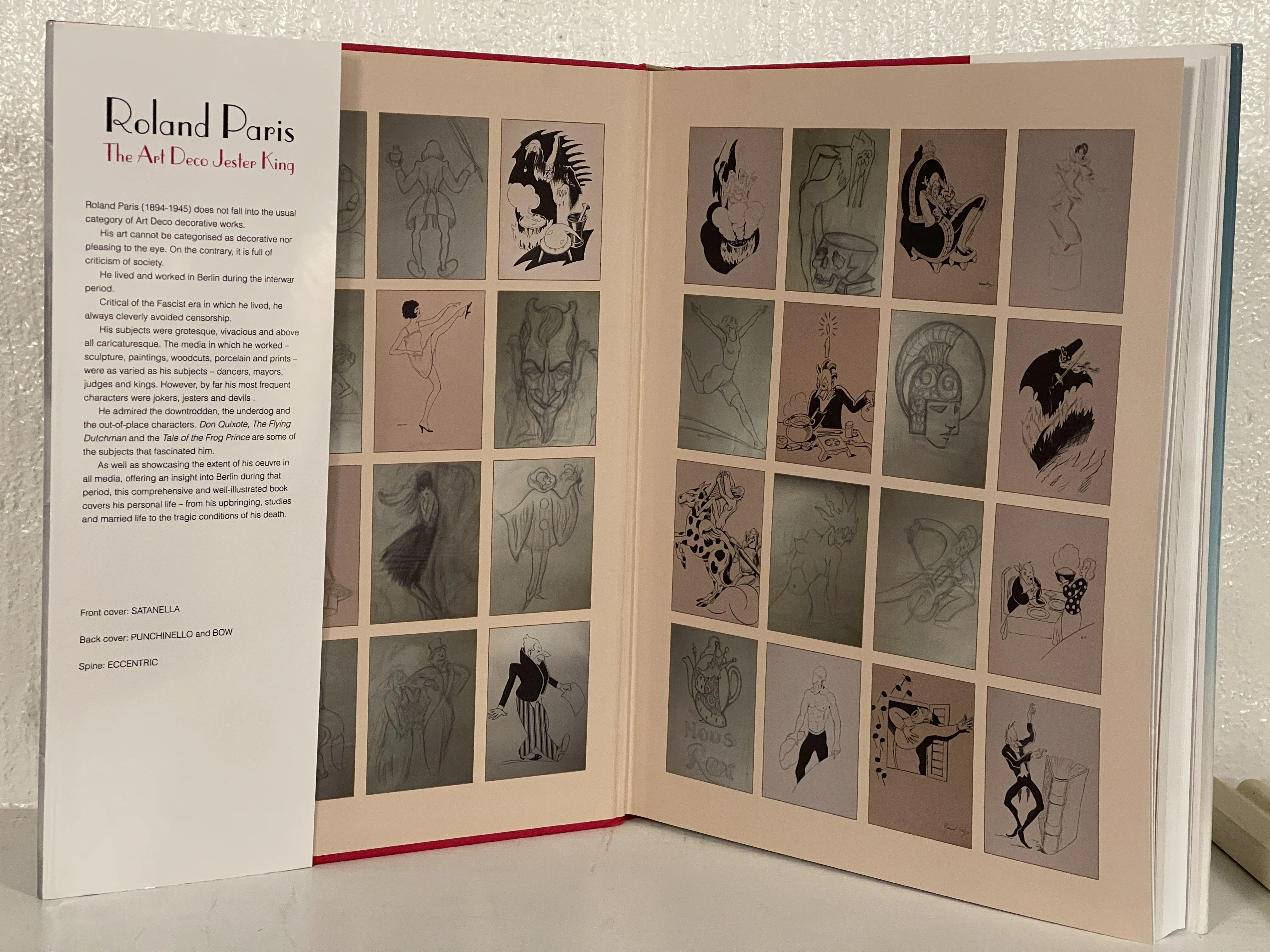
Roland Paris: The Art Deco Jester King
Alberto Shayo's monograph on Roland Paris covers an artist who stands apart from the usual decorative Art Deco sculptors of his era. Working in Berlin during the interwar period, Paris produced grotesque, caricature-like figures across sculpture, painting, woodcuts, and porcelain, often centered on jesters, devils, and outsider characters like Don Quixote and the Flying Dutchman. Published in 2016 by ACC Art Books, this is the first comprehensive study of his life and work, from his upbringing through the tragic circumstances of his death.
Roland Paris worked at the same moment and in the same city as many of the more familiar names in German Art Deco sculpture, but his subject matter set him apart from the start. Rather than the elegant dancers and athletic figures typical of the period, Paris favored jesters, devils, judges, and other outsider characters rendered with a caricaturist's eye. Shayo's research shows how Paris used this grotesque visual language to comment on the society around him, work that carried particular weight given his position as a critic of the fascist era he lived through in Berlin.
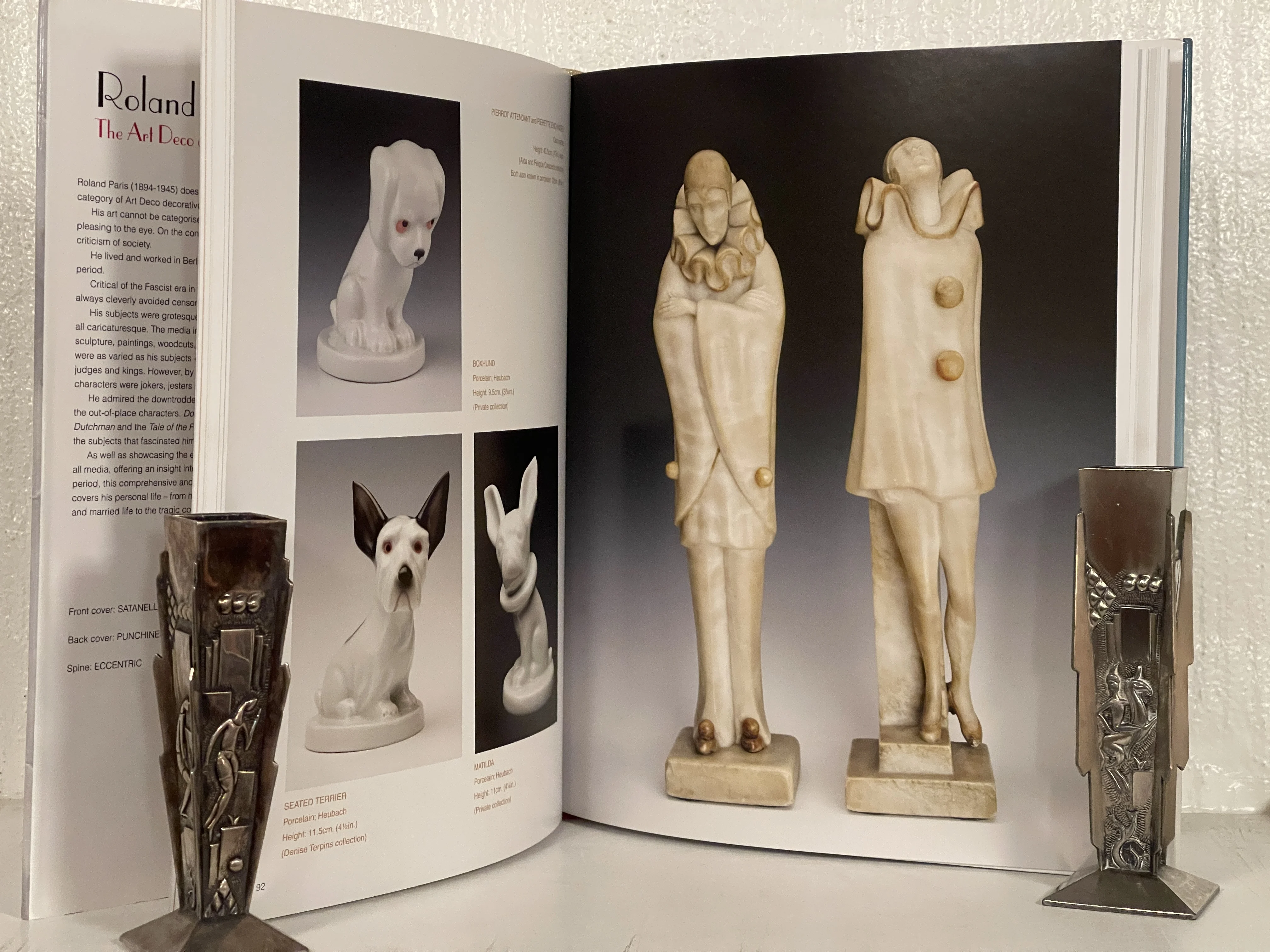
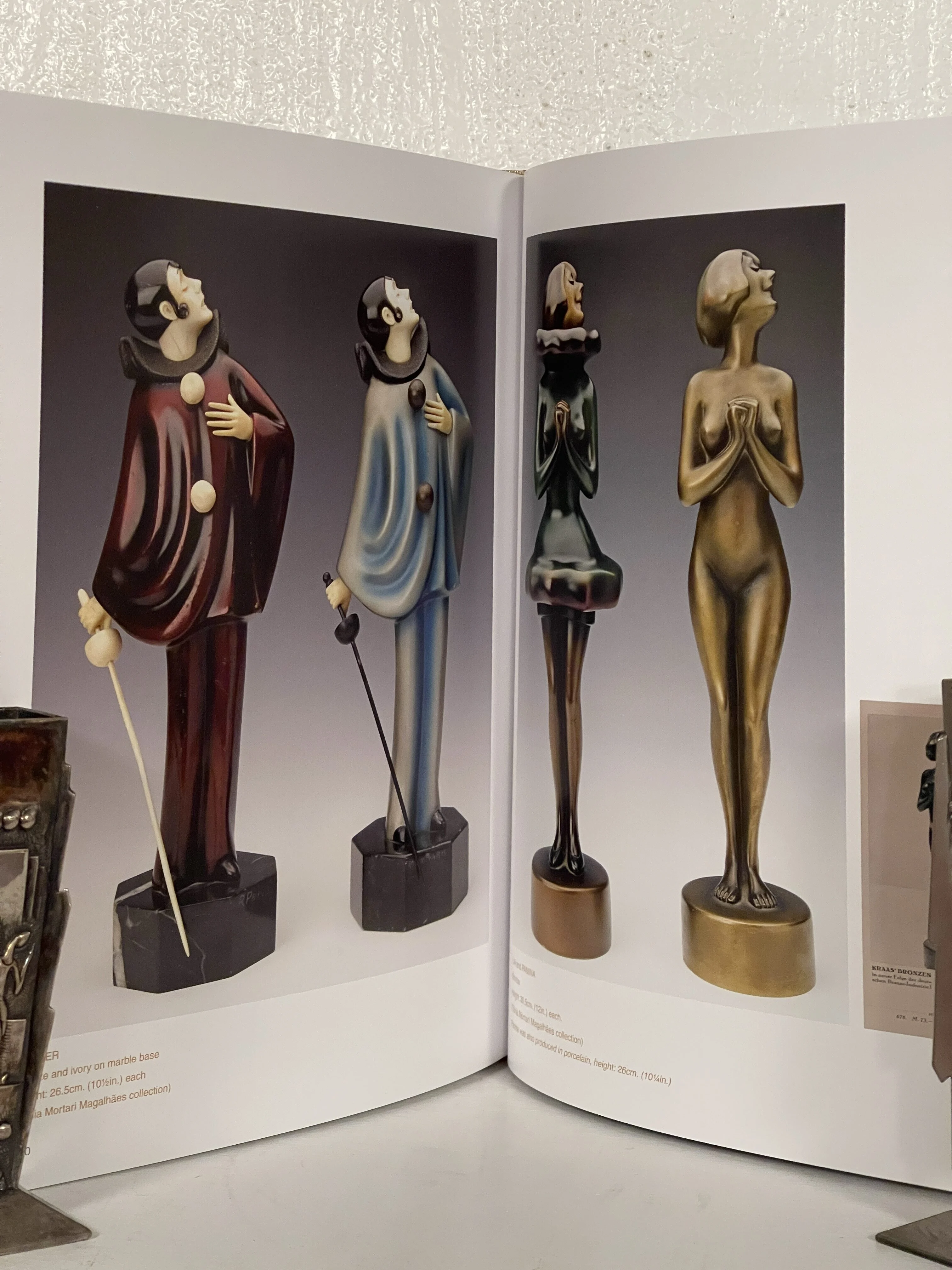
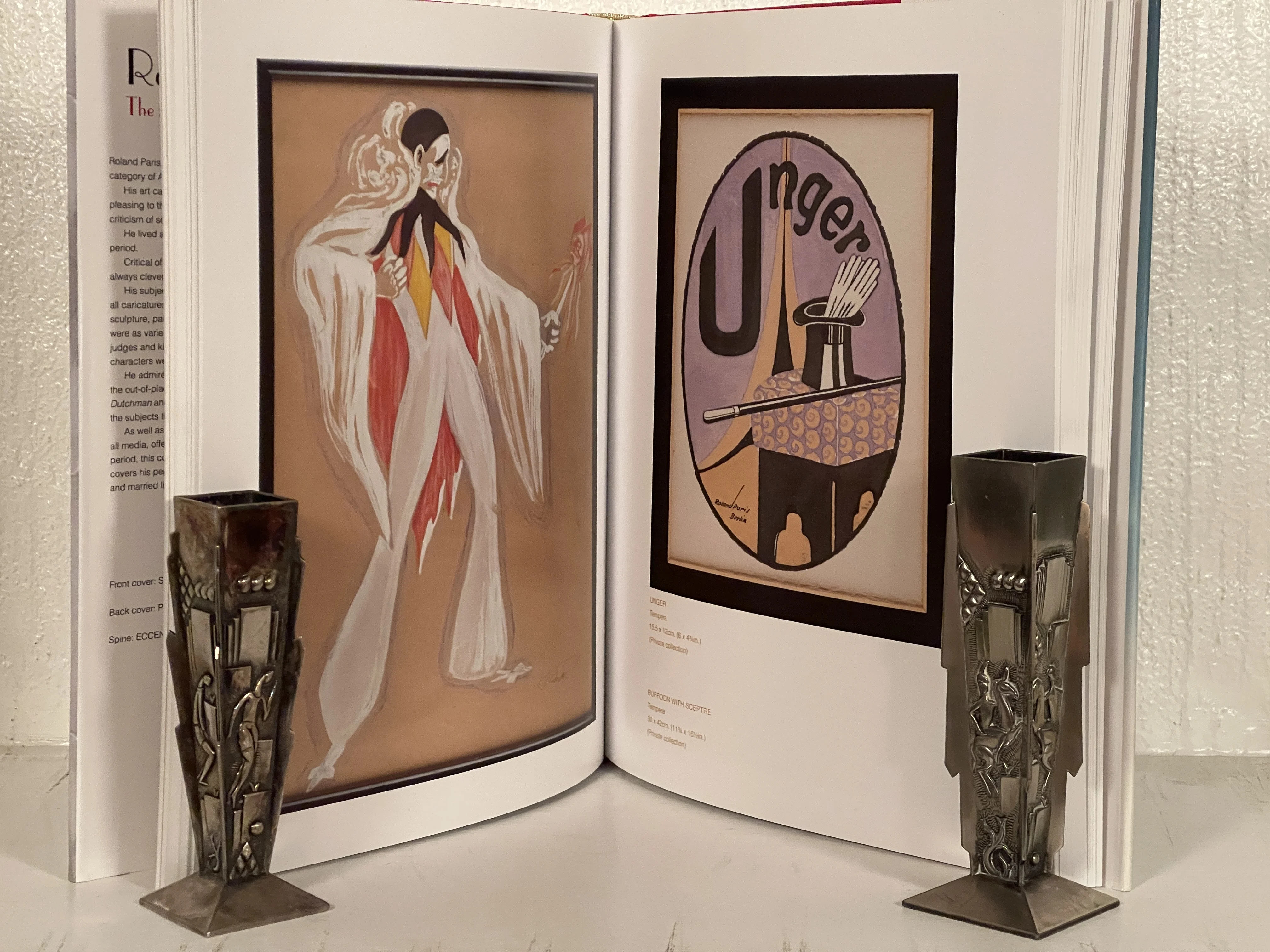
The book documents Paris's output across an unusually wide range of media, including cold painted bronze and ivory sculptures, porcelain figures, paintings, and woodcuts. Recurring characters like his Pierrot and Punchinello figures appear throughout in multiple forms, showing how he reworked the same commedia dell'arte inspired subjects across different materials and scales. His fascination with outsiders and misfits extended to literary figures as well, drawing him repeatedly to subjects like Don Quixote and the Tale of the Frog Prince.
Beyond the artwork itself, Shayo's text covers Paris's biography in full, including his studies, married life, and the difficult circumstances surrounding his death, giving readers insight into how his personal history shaped the darker undercurrents in his work. As the first comprehensive monograph on an artist whose work had previously been scattered across smaller references, this book fills a real gap for collectors interested in the more unusual, socially critical side of German Art Deco sculpture.

info@artdecocollection.com