
Art & Statues


Primavera
Primavera 1912-1972: Atelier d'Art du Printemps by Alain-René Hardy
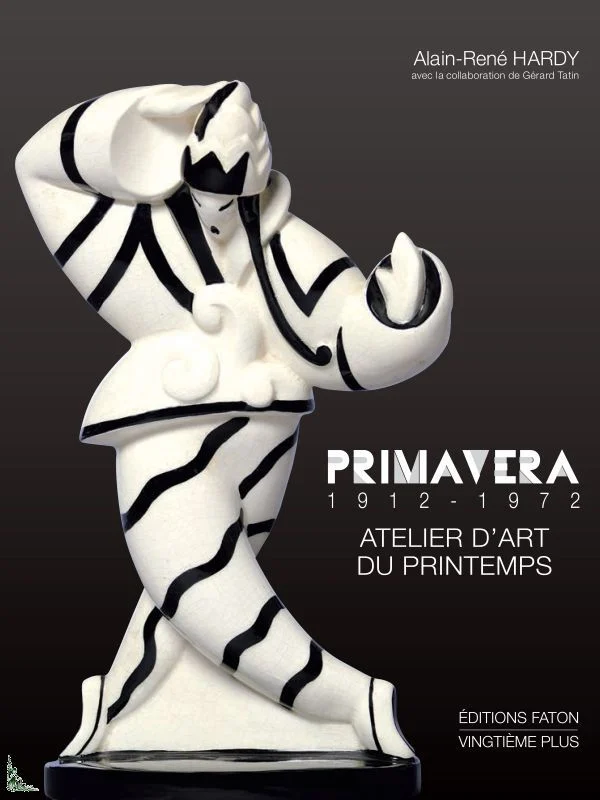
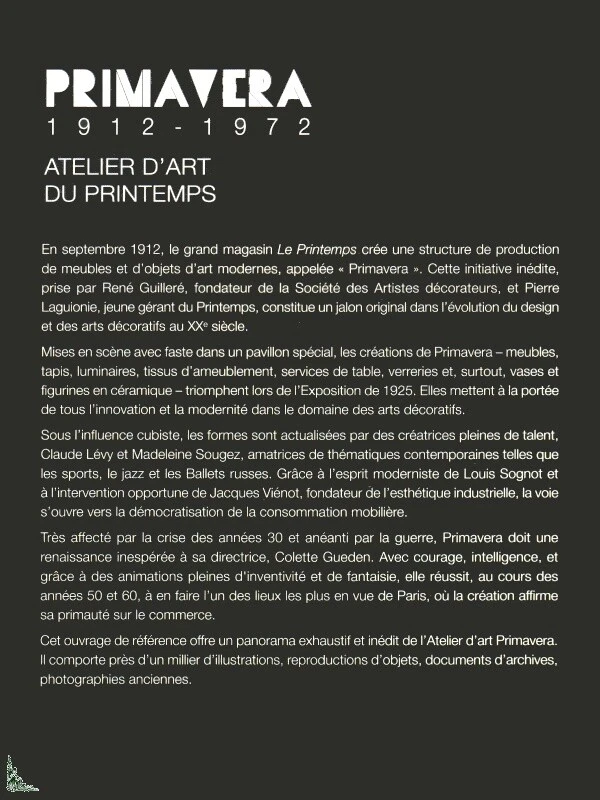
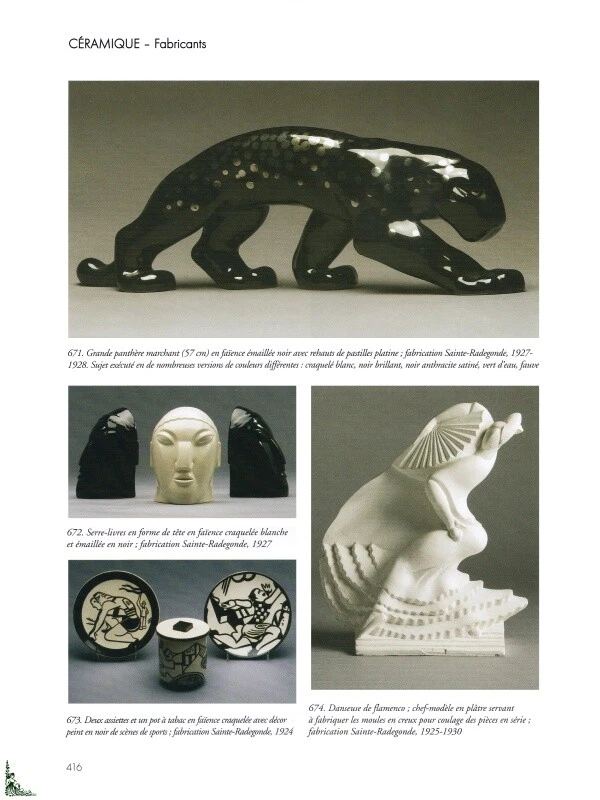
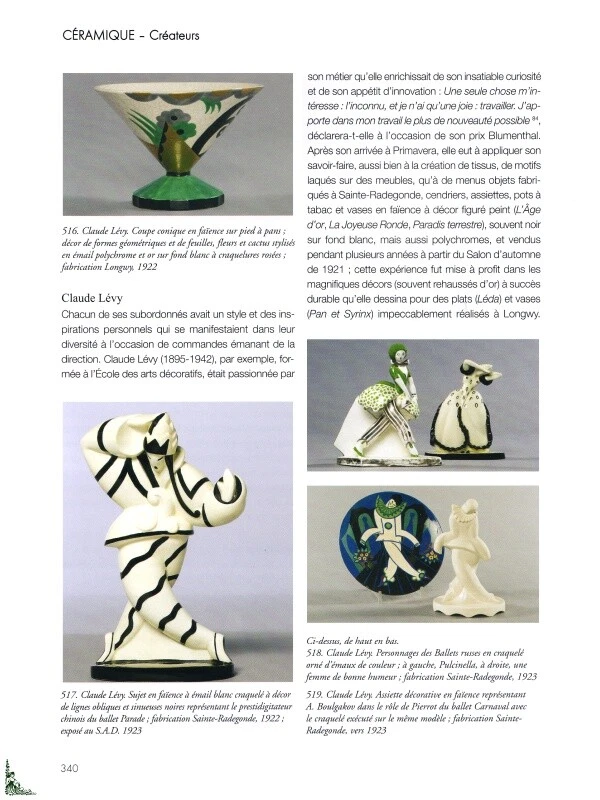
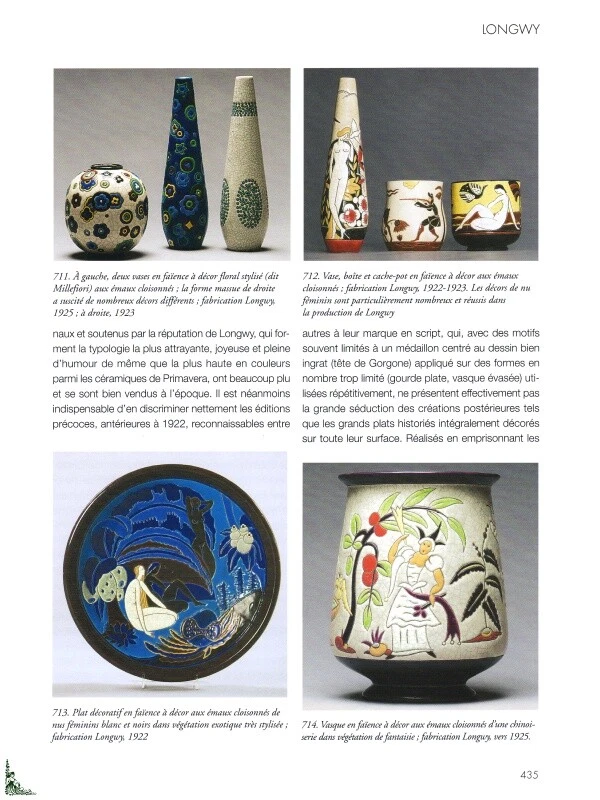
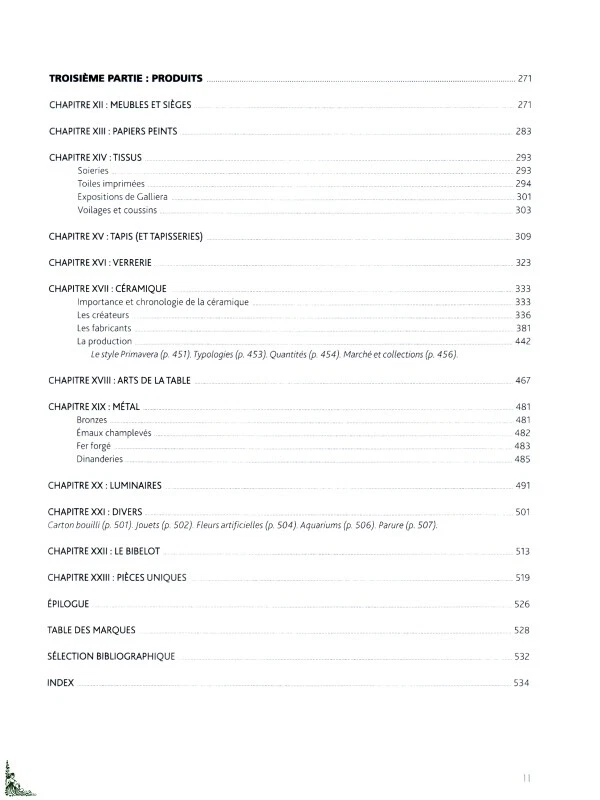
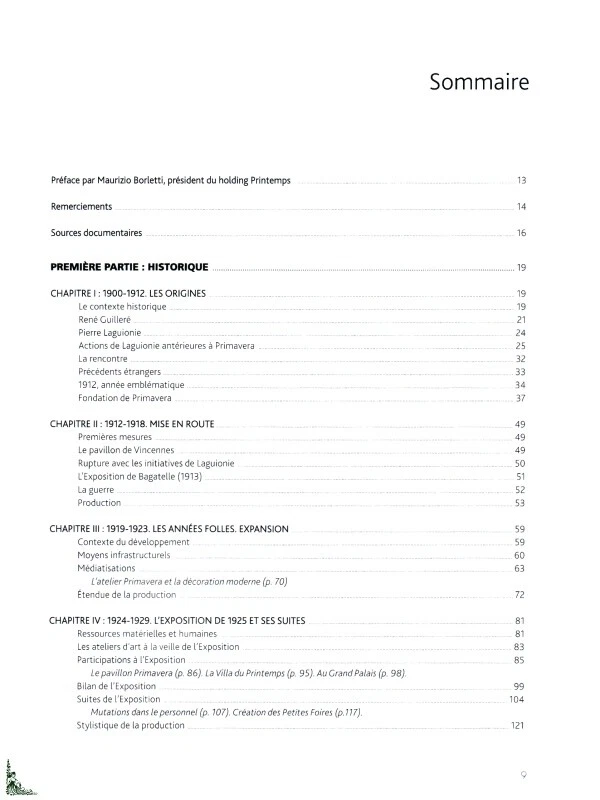
Published by Éditions Faton in 2014, this 540-page hardcover is the definitive reference on Primavera, the design workshop founded by the Paris department store Printemps in 1912. Written by Alain-René Hardy with contributions from Gérard Tatin, the book draws on decades of research to trace the workshop's sixty-year history, from its founding by Pierre Laguionie and René Guilleré through its Art Deco heyday and its eventual closure in 1972. Nearly nine hundred illustrations document Primavera's output across furniture, textiles, wallpaper, lighting, rugs, mirrors, and especially ceramics, the category for which the workshop became best known. The cover features a striking black and white ceramic figure titled "The Magician," created by Claude Lévy around 1923, its bold striped costume and angular pose exemplifying the graphic style Primavera's designers favored. The book includes a bibliography, index, and a table of maker's marks, making it as useful for authentication as for research.
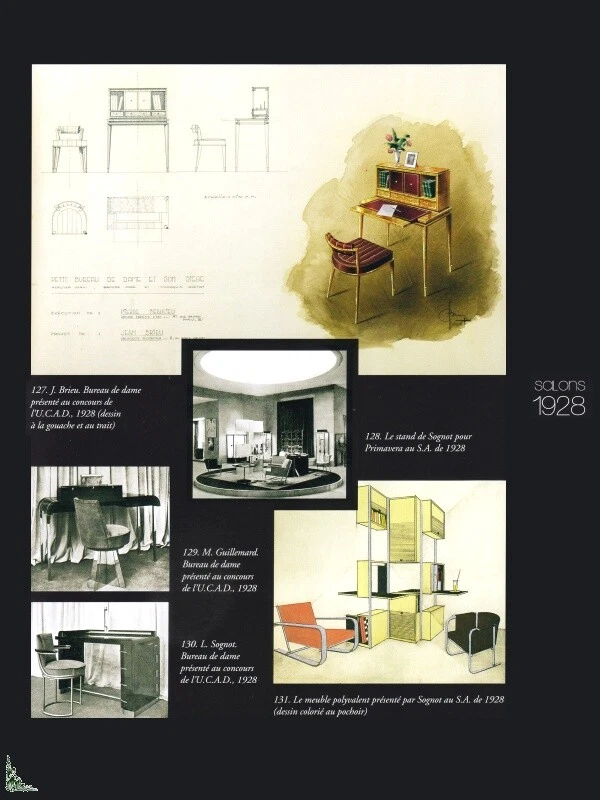
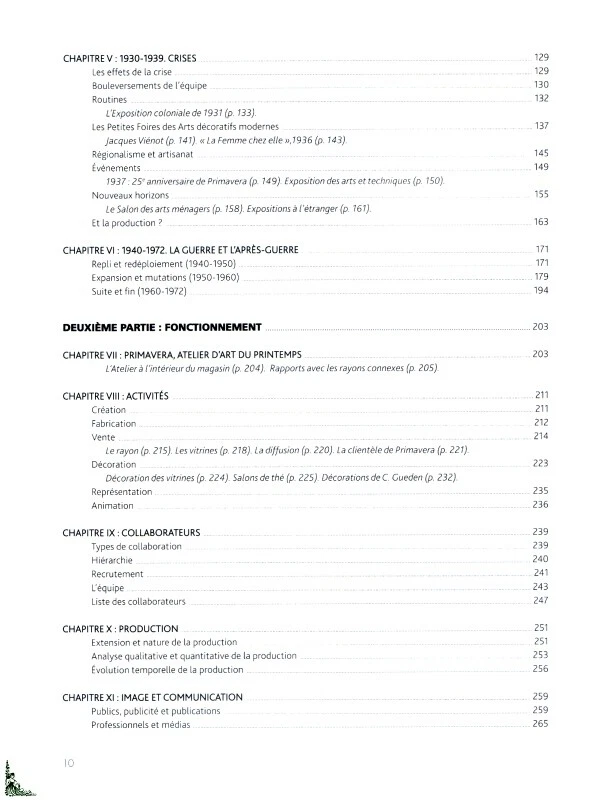
Primavera began as a means for Printemps to design complete room settings and interiors for wealthy private clients as well as institutions such as embassies, hotels, and casinos, and the workshop exhibited widely at major international trade fairs during the 1920s and 1930s. Hardy's text follows that expansion into a broader range of decorative production, showing how the workshop's ceramics in particular developed a distinctive visual identity that was distributed nationally through mail order catalogues. The book also covers Primavera's difficult years during the Depression and the war, and its unexpected revival under director Colette Gueden, who joined the workshop two decades earlier and later made it one of the most fashionable design houses in Paris during the 1960s.
Alain-René Hardy is a specialist in early twentieth century decorative arts and an expert at the Hôtel Drouot, and this monograph represents the culmination of years spent researching Primavera's archives and surviving objects. Gérard Tatin's collaboration brought additional depth to the book's documentation of specific pieces and marks.
This book is essential for collectors and researchers of French Art Deco design, and its table of maker's marks makes it a particularly valuable tool for attributing and dating individual Primavera pieces. Given its scope and the workshop's importance to French design history, it stands as the primary reference on the subject.